

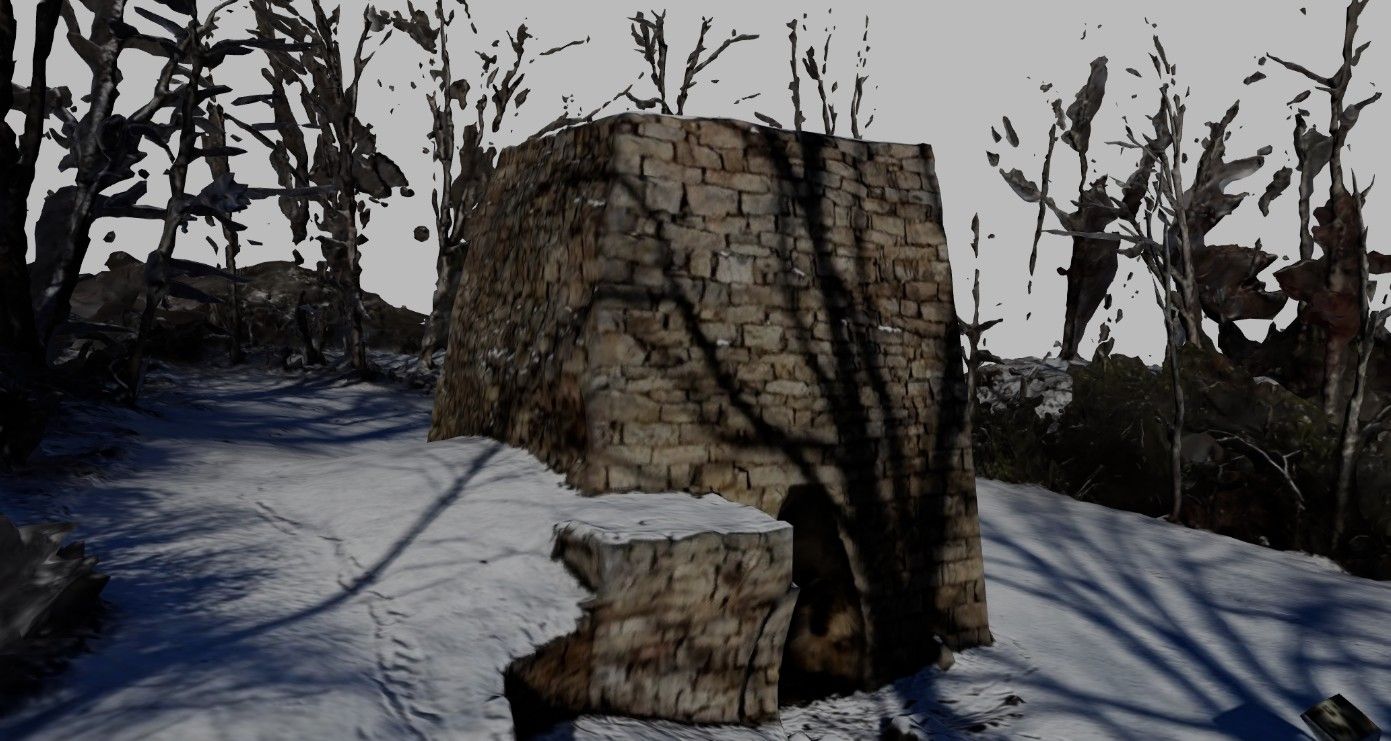
 Stop 01
Stop 1 of 41Pennsylvania, United States
Wharton Iron Furnace
The surviving stone blast-furnace shell exposes the heavy masonry required for charcoal ironmaking, opening the comparison with an early industrial structure in Pennsylvania.
Architectural Heritage Route
Furnaces, mines, mills, breweries, shipyards, utilities, and manufacturing workshops expose the forms behind finished products. Working machinery, abandoned structures, surviving fragments, and reused plants reveal industry as architecture, labor, energy, and material transformation.
40 geolocated stops
Curated Sequence
Stop 01The surviving stone blast-furnace shell exposes the heavy masonry required for charcoal ironmaking, opening the comparison with an early industrial structure in Pennsylvania.
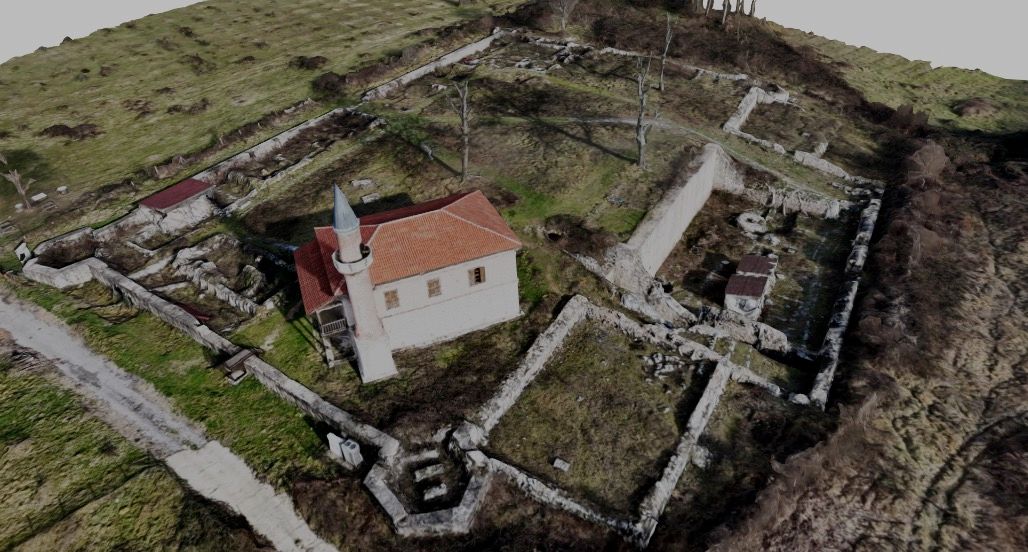 Stop 02
Excavated furnaces and water-powered ironworking remains expose an Ottoman production system, adding hydraulic power and archaeological traces to the route’s comparison of industrial structures.
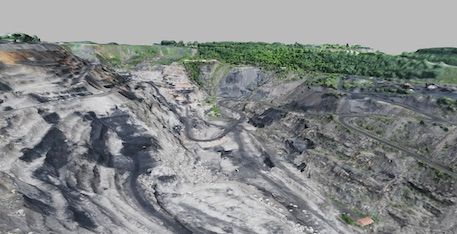 Stop 03
Locomotives, rails, and the former open-pit landscape extend industrial architecture into extraction’s altered ground, showing the transport equipment and terrain left by mining.
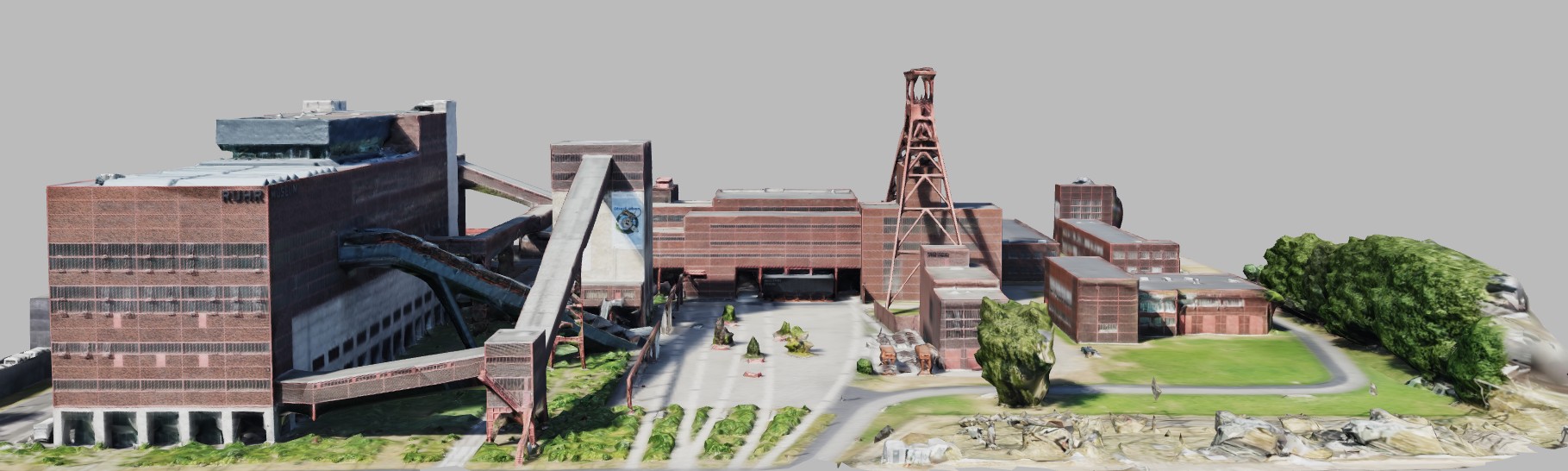 Stop 04
Steel-framed coal buildings and the double-trestle winding tower make extraction and processing legible, while their cultural reuse extends the comparison beyond abandoned industry.
 Stop 05
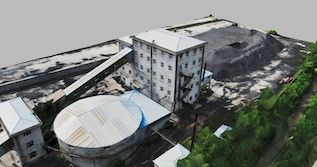
The active coal-preparation plant stands beside its slag heap, pairing ongoing processing with accumulated waste and making industry’s material aftermath part of the visible architectural landscape.
 Stop 06
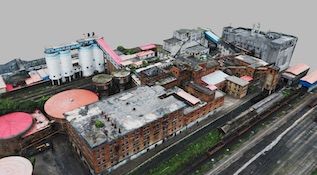
The abandoned coal-preparation structure preserves the scale of a processing plant after work ceased, providing a direct contrast with the active plant and waste landscape at Shuangyashan.
 Stop 07
The preserved, disused ore-loading structure marks a transfer between mine production and transport, adding the handling stage that stands between extraction equipment and downstream factories.
 Stop 08
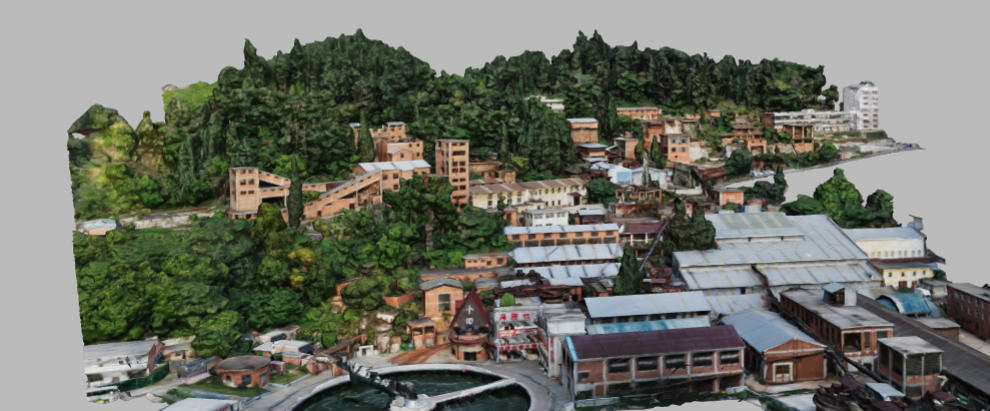
Five descending platforms organize gravity-fed ore grinding and separation, making the hillside itself part of the machinery used to concentrate Gejiu’s tin ores.
 Stop 09
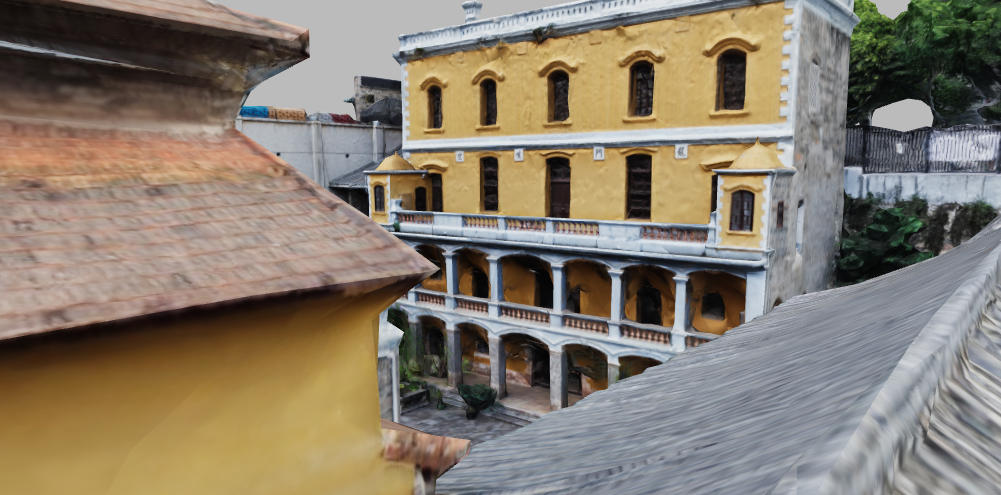
The hillside complex retains a stone milling room and smelting-furnace remnants, connecting tin transformation with the courtyards and imported architectural forms of merchant enterprise.
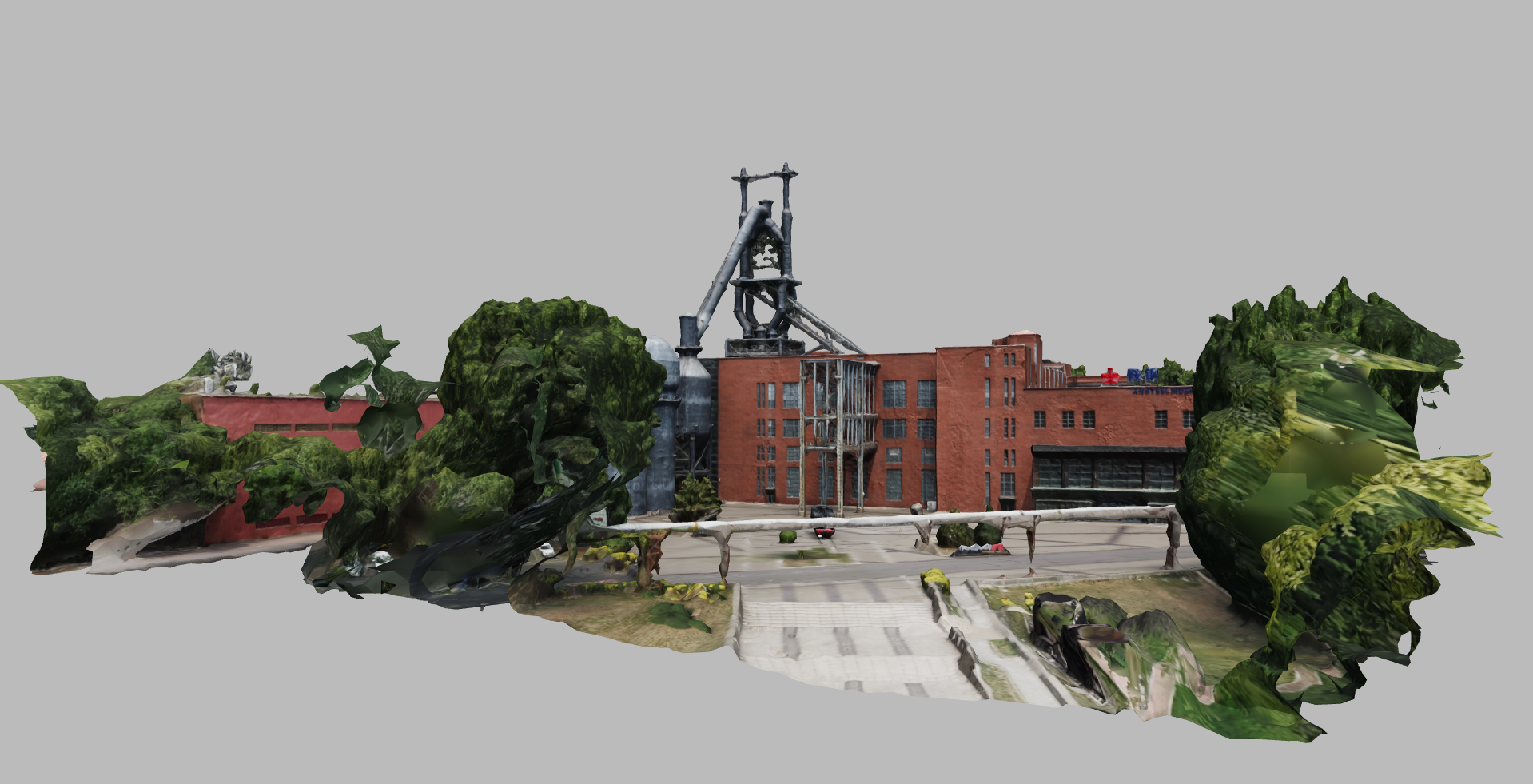 Stop 10
A relocated blast furnace stands beside a preserved sintering workshop, bringing successive stages of steel production into a museum built around industrial machinery.
 Stop 11
The preserved water tower and ironworks office retain supporting infrastructure of a factory that cast pipes, bridges, and boilers, showing the fragmentary survival of production sites.
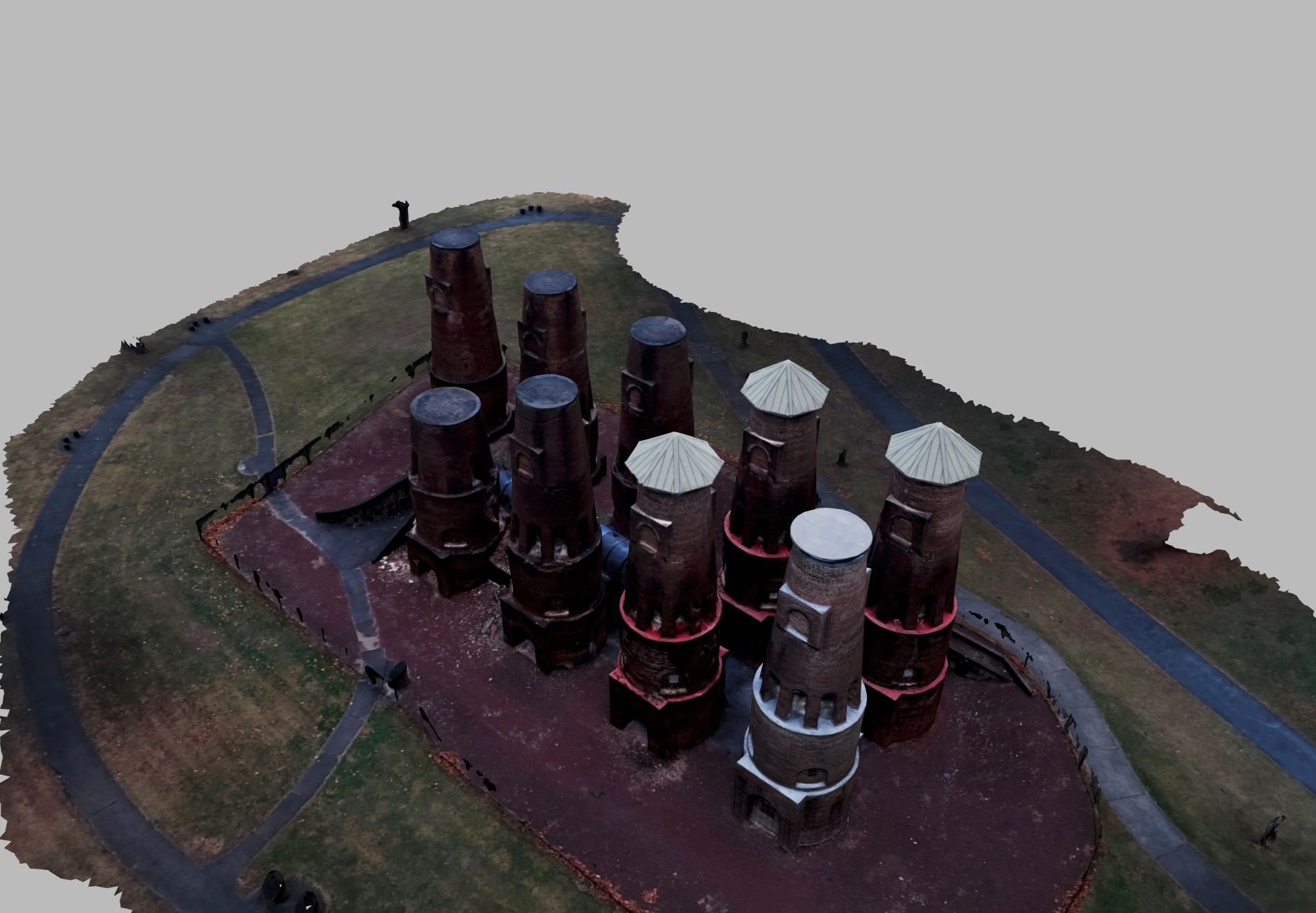 Stop 12
Nine red-brick vertical kilns preserve the physical apparatus of Portland cement production, contrasting a repeated industrial rhythm with the solitary iron furnace preceding them.
 Stop 13
The abrasives factory’s sawtooth-roofed workshops and steel-truss warehouses reveal light and structure designed for manufacture, with later cultural uses occupying the surviving industrial spaces.
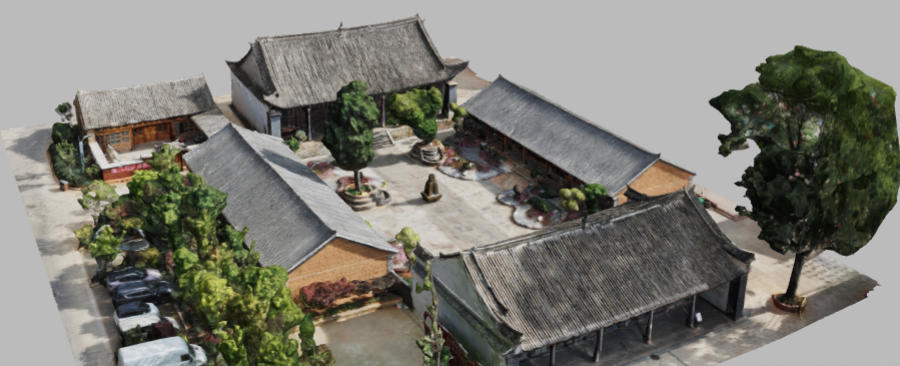 Stop 14
The mint bureau’s surviving courtyards and warehouses record the storage of copper, lead, and finished coins, adding material organization around historical currency production.
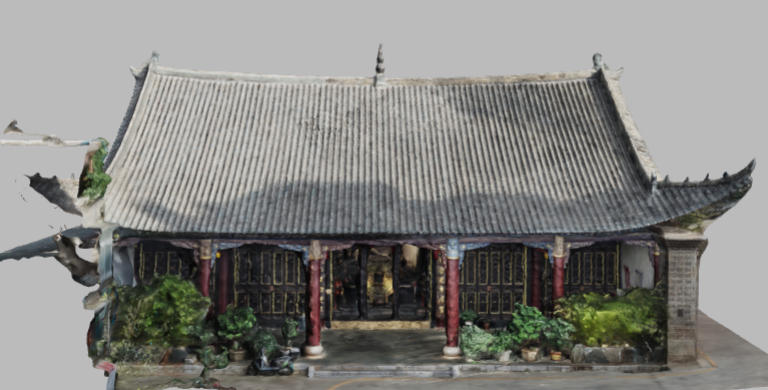 Stop 15
Bellows, casting sand, and molds appear inside a reused temple complex, presenting copper-working processes in a craft museum rather than an intact historical production plant.
 Stop 16
The timber derrick, lifting machinery, and boiling facilities couple brine extraction with natural-gas fuel, revealing how two underground resources sustained a single salt-making process.
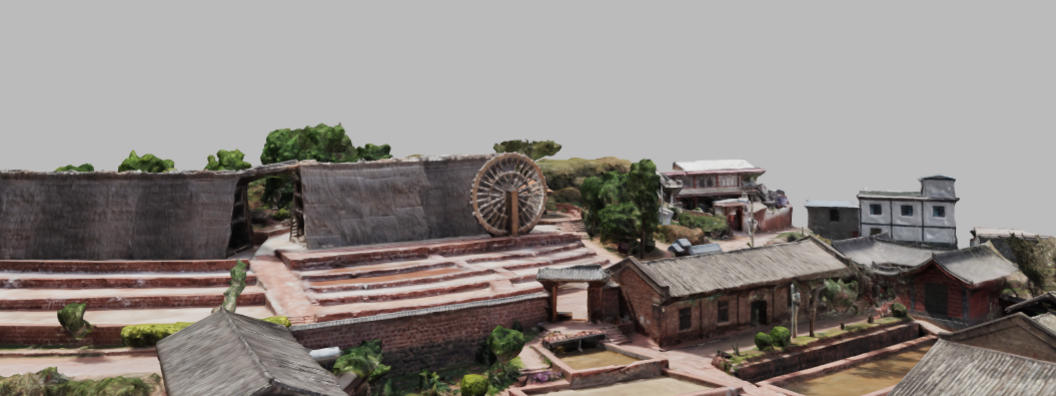 Stop 17
Timber brine channels, lifting devices, and boiling houses show a well-salt production sequence, contrasting wood-fired concentration with the natural-gas system represented at Dongyuan.
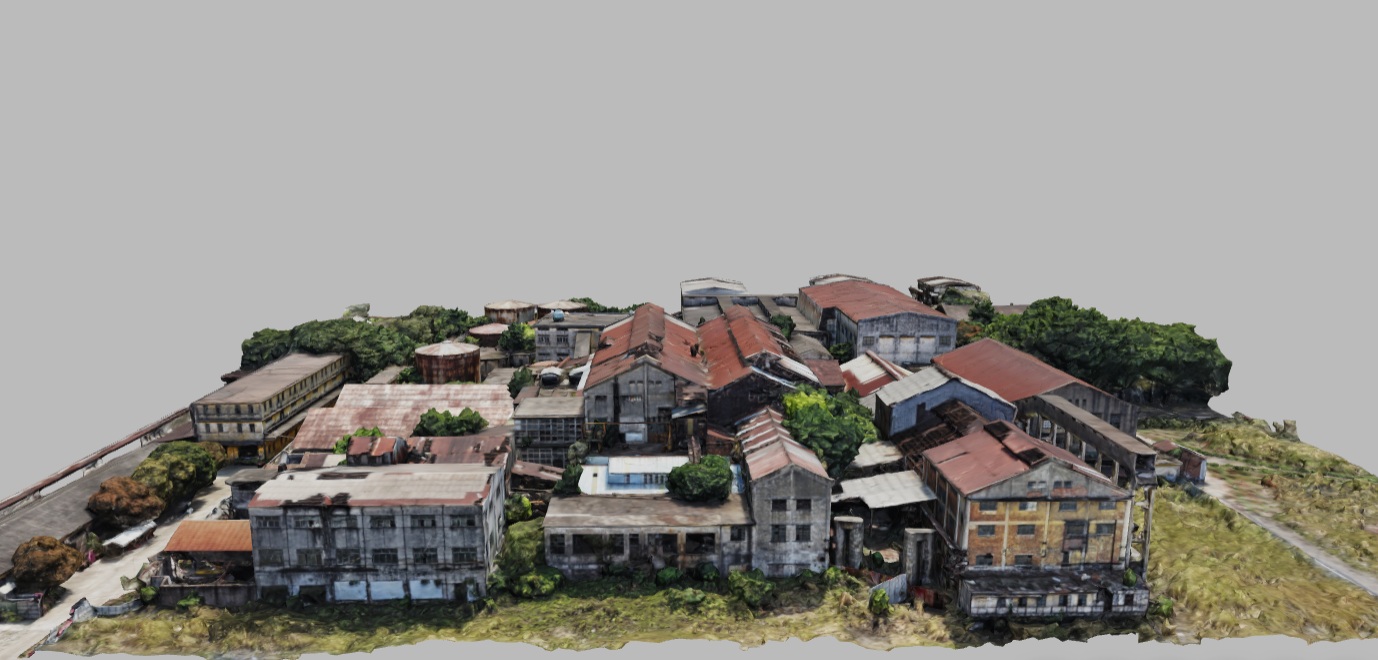 Stop 18
Riveted steel trusses, red-brick workshops, and surviving processing equipment show the architectural scale of mechanized sugar production along Shunde’s riverfront industrial landscape.
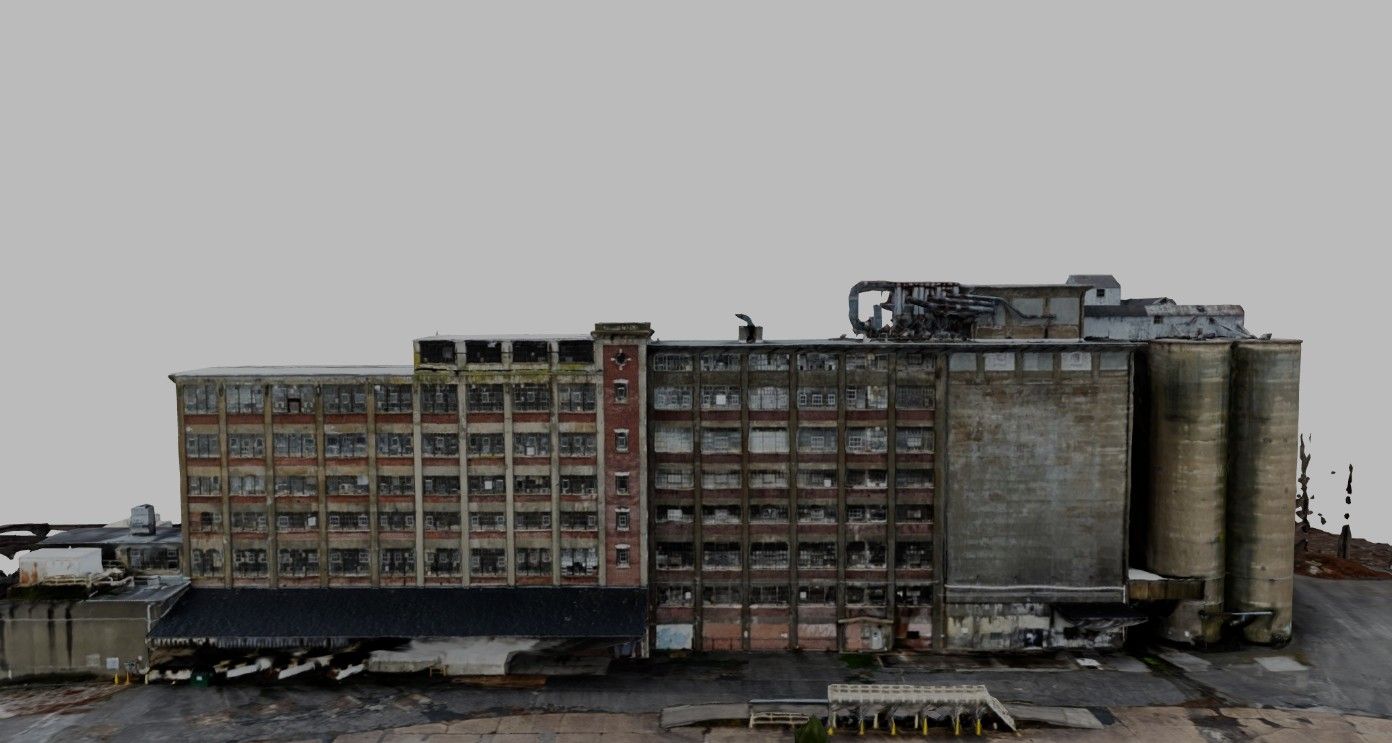 Stop 19
The multi-story brick flour mill stacks production vertically beside earlier mill structures, showing how mechanized grain processing accumulated within an established water-powered industrial landscape.
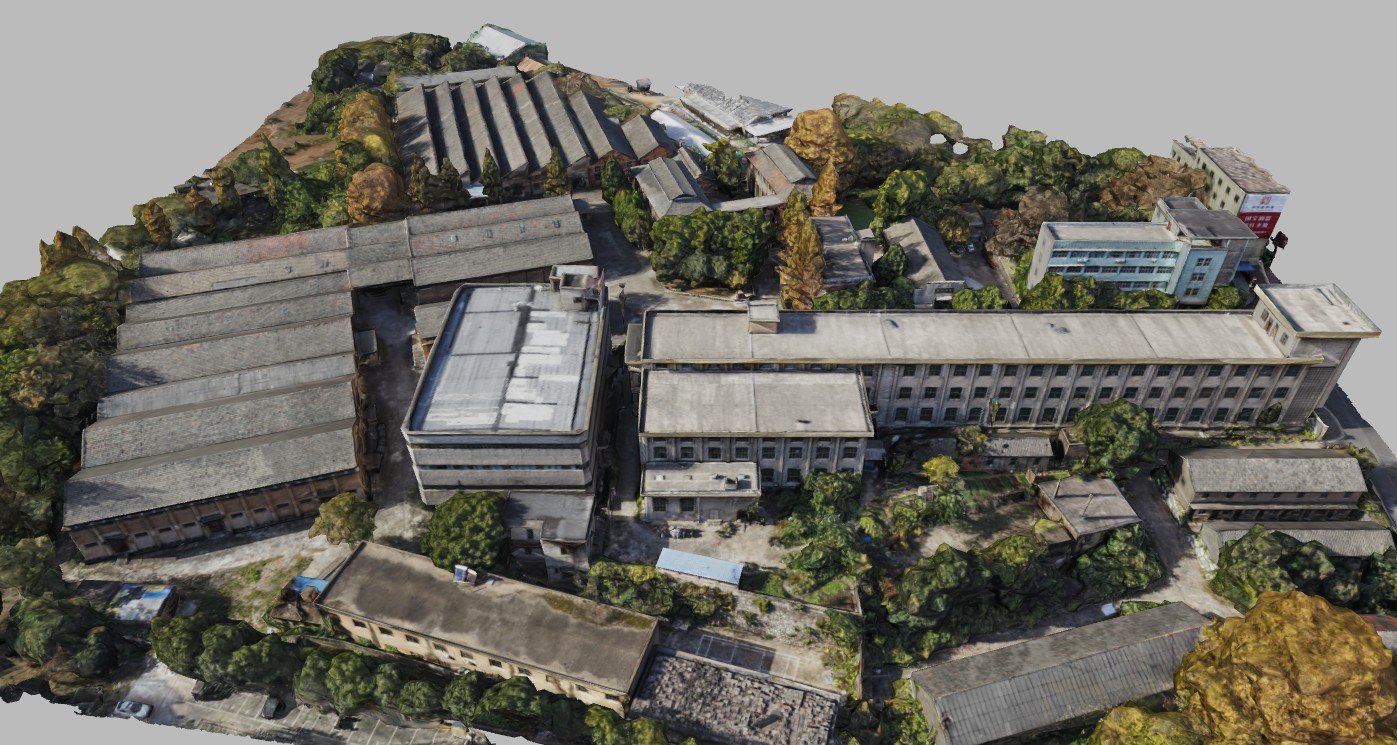 Stop 20
Sawtooth roofs illuminate tea-processing workshops where withering, rolling, and fermentation shaped the factory plan, extending material transformation from mineral production into an agricultural commodity.
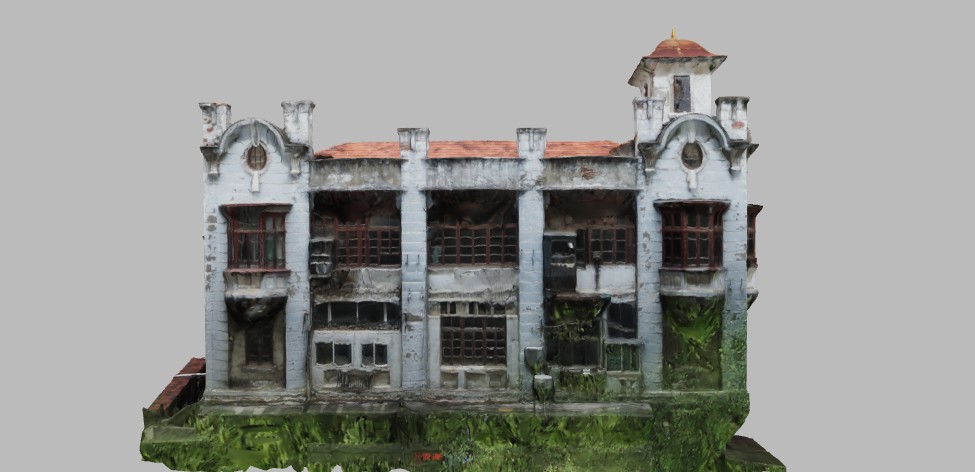 Stop 21
The brick-and-timber soda factory’s arched windows and ornate corner facade give mechanized beverage production an urban frontage, extending the comparison beyond large industrial compounds.
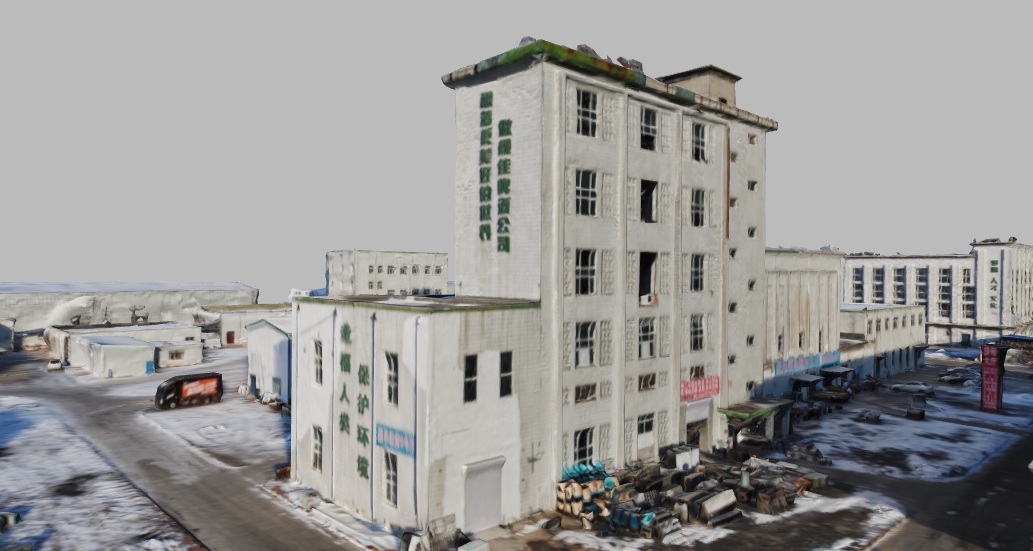 Stop 22
Abandoned brewing workshops and surviving production facilities retain the scale of a local beverage plant, adding unconverted industrial fabric to the route’s preserved and reused sites.
 Stop 23
The brewery tower organized brewing through successive floors, while its later office use shows how a production building’s distinctive form can survive a change of purpose.
 Stop 24
Historic copper brewing vessels appear alongside modern production displays, allowing the brewery museum to connect an early factory’s equipment with subsequent changes in beer manufacture.
 Stop 25
Distillation towers and red-brick workshops preserve the factory that converted molasses into alcohol, linking agricultural by-products with industrial fuel production and the plant’s rail infrastructure.
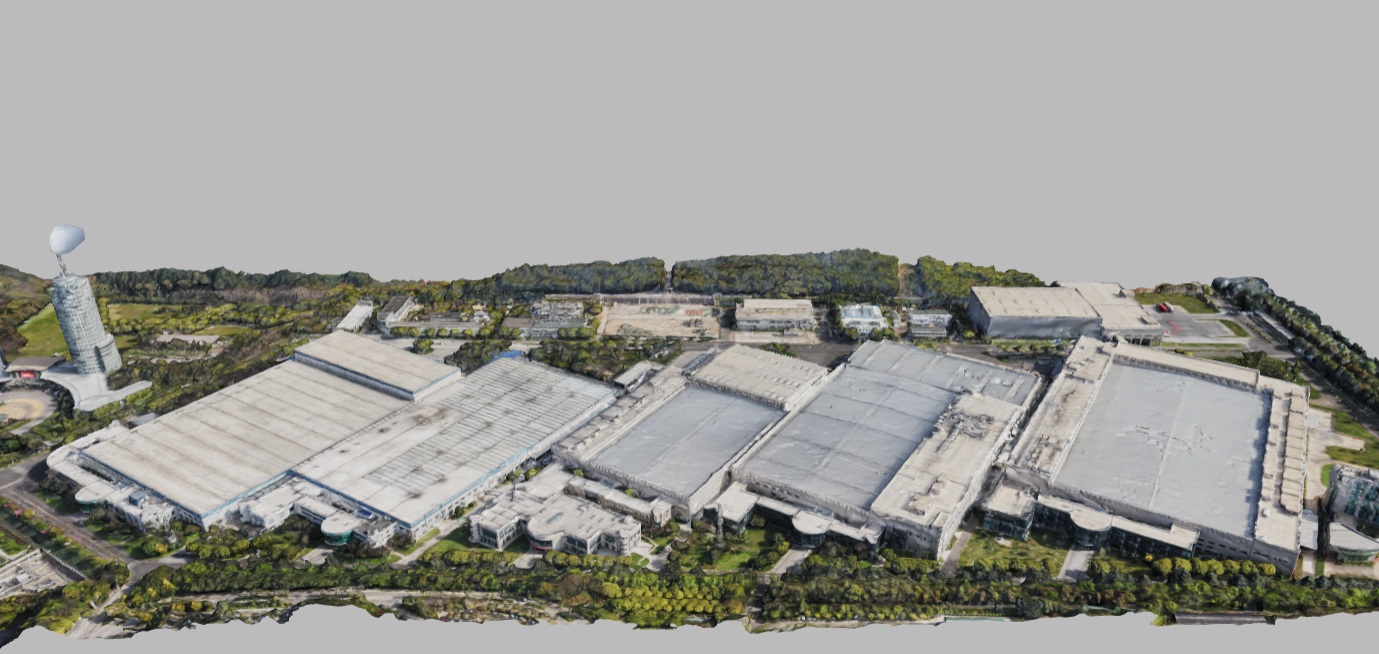 Stop 26
Large production workshops and automated logistics facilities show an operating tobacco factory’s spatial organization, extending the journey’s preserved industrial forms into contemporary manufacturing architecture.
 Stop 27
Cavernous textile halls survive after machinery removal and an unsettled period of artistic occupation, exposing how industrial space can outlast both production and proposed cultural reuse.
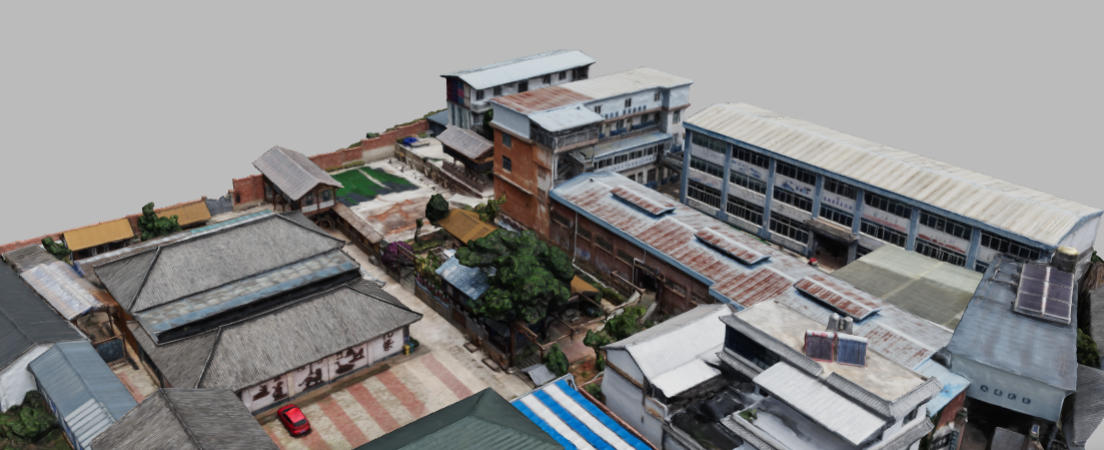 Stop 28
Indigo vats and working textile workshops sit beside the museum’s craft displays, exposing plant-based dye preparation and resist-dyeing within an active factory rather than a closed industrial monument.
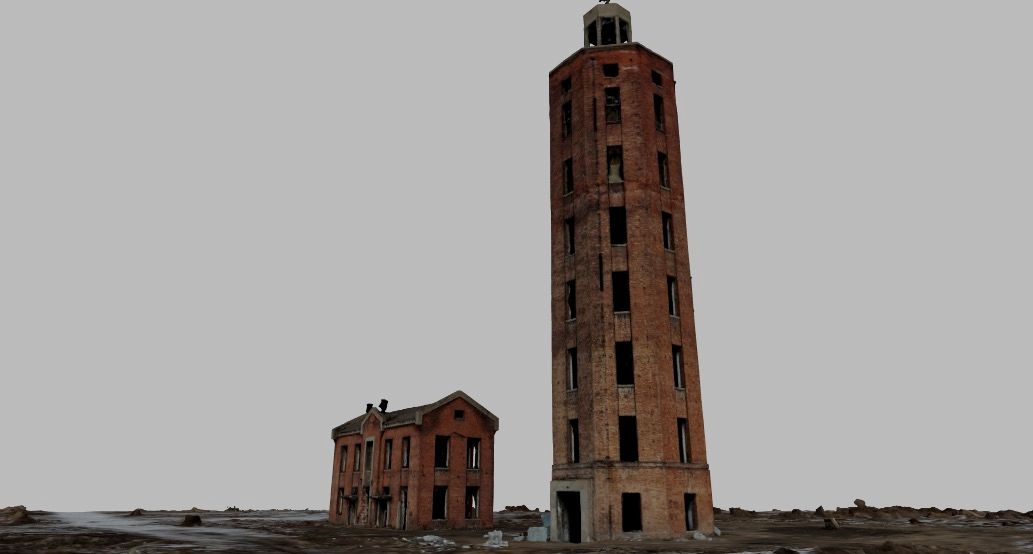 Stop 29
Roofless timber workshops and a surviving water tower expose the skeletal structure of an abandoned processing plant, giving proposed reuse a visibly incomplete industrial starting point.
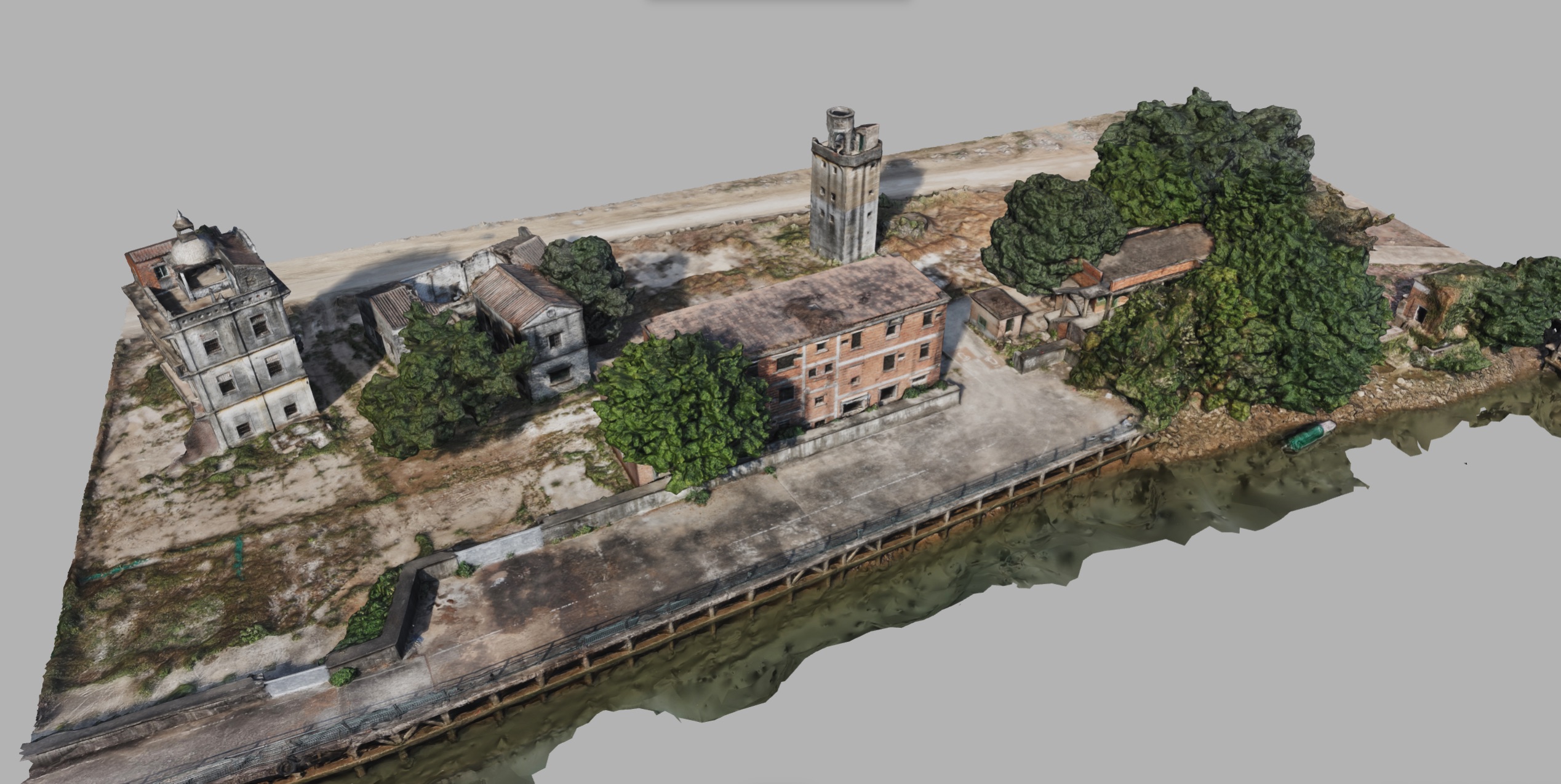 Stop 30
Stationary gears, chimney structures, and paper-mill ruins retain physical traces of manufacture after closure, adding another riverfront industry whose surviving apparatus records its productive purpose.
 Stop 31
Concrete slipways, gantry cranes, and steel-truss workshops make ship assembly readable along the waterfront, expanding the route from enclosed factories to production organized around water.
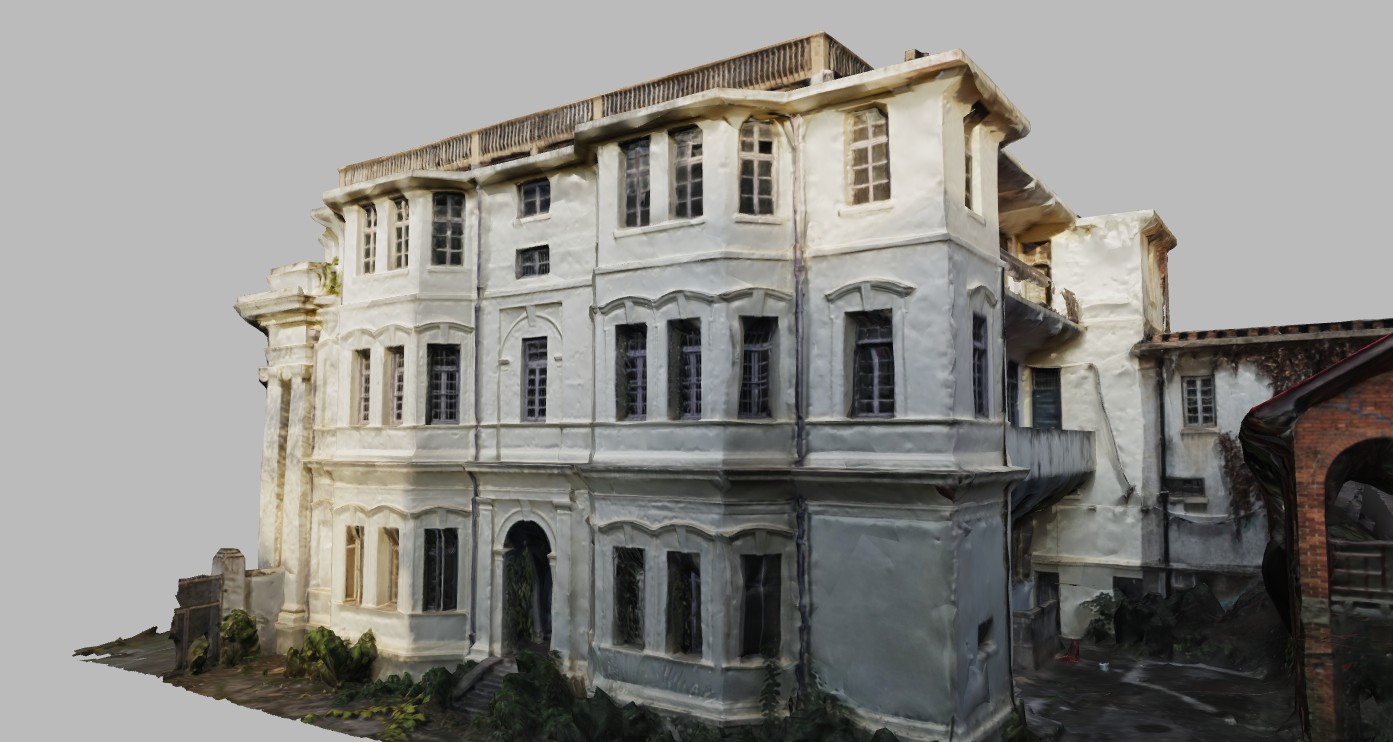 Stop 32
Concrete oil tanks and the company compound mark kerosene storage and distribution on the Yangtze, revealing industrial logistics beyond the factories where materials were produced.
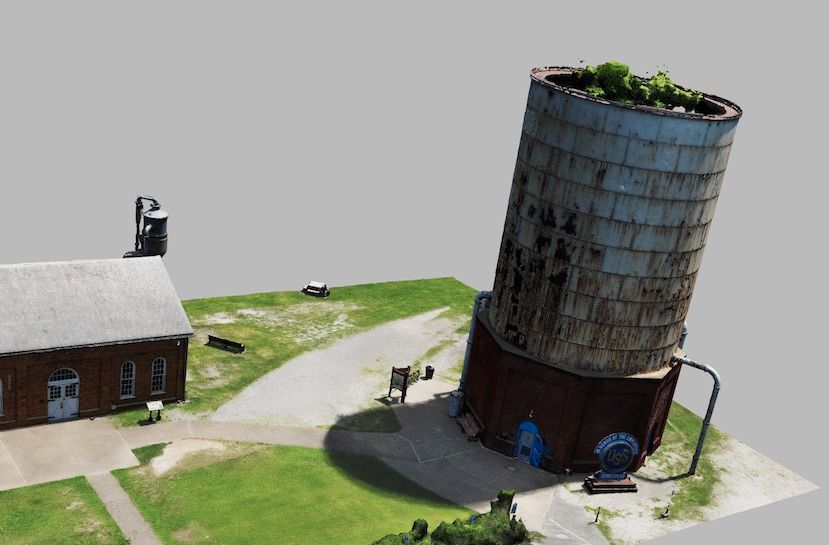 Stop 33
The red-brick pumping building supplied water to Homestead’s steelworks and became a site of the 1892 strike confrontation, connecting industrial support machinery with organized labor.
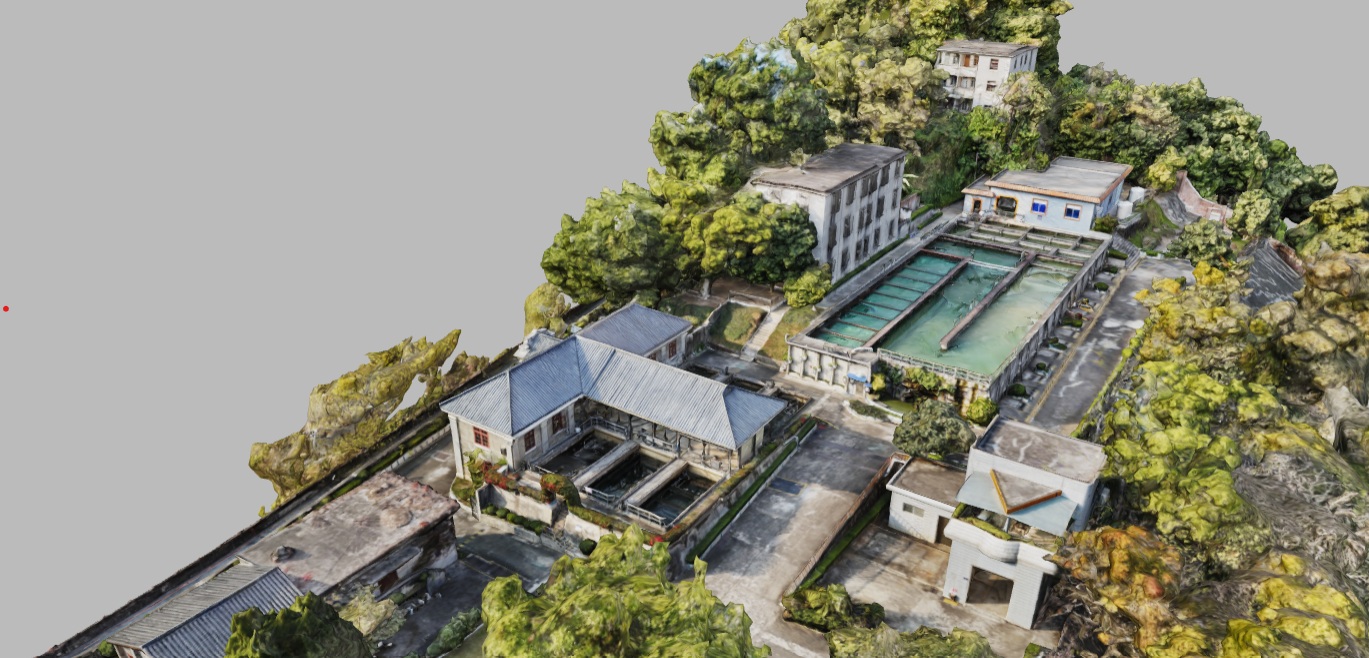 Stop 34
The former pumping and treatment buildings connect municipal water supply with industrial machinery, broadening the route’s energy systems into the infrastructure that served urban daily life.
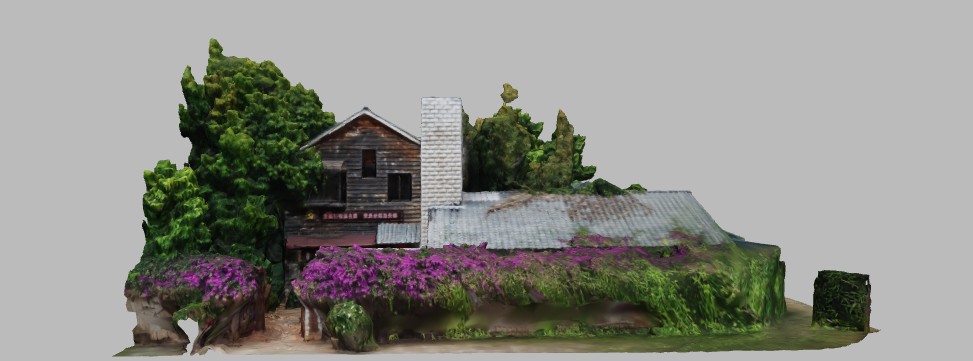 Stop 35
Original French pumps and Siemens motors remain in the small brick pumping house, making Kunming’s early municipal water system readable through machinery preserved in place.
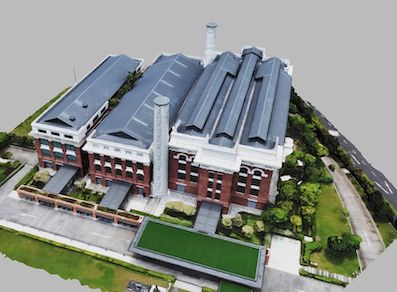 Stop 36
The brick generation building and chimneys preserve a coal-fired power station associated with Singapore’s port, linking monumental factory architecture with the electricity required by maritime industry.
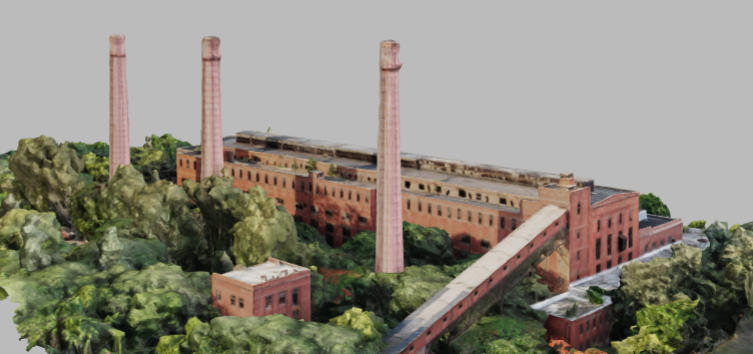 Stop 37
Coal conveyors, bunkers, boiler spaces, and turbine workshops follow a production sequence across the power plant, revealing the energy infrastructure that supported Gejiu’s tin industry.
 Stop 38
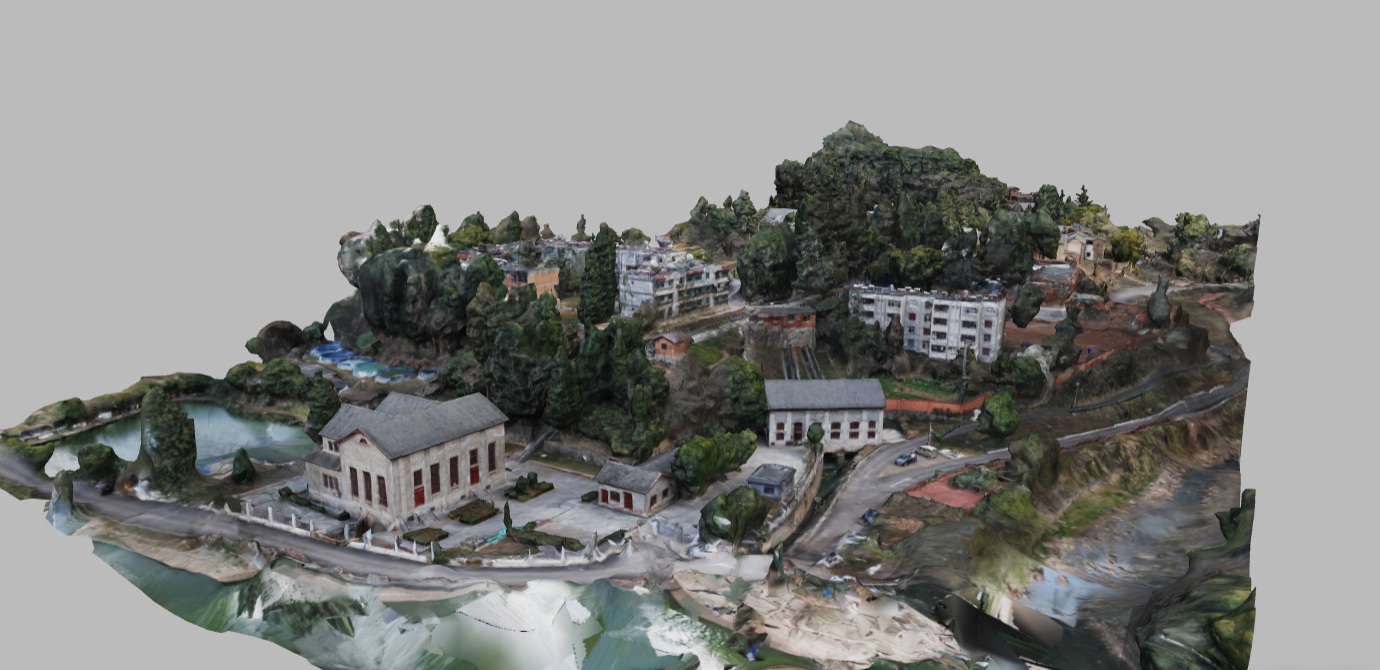
Stone generation halls and early European hydroelectric machinery bring power production into the sequence, linking water infrastructure with the workshops of China’s early electrification.
 Stop 39
The unfinished cooling tower survives a canceled nuclear project, showing how industrial architecture can acquire monumental scale without ever completing its intended power-producing function.
 Stop 40
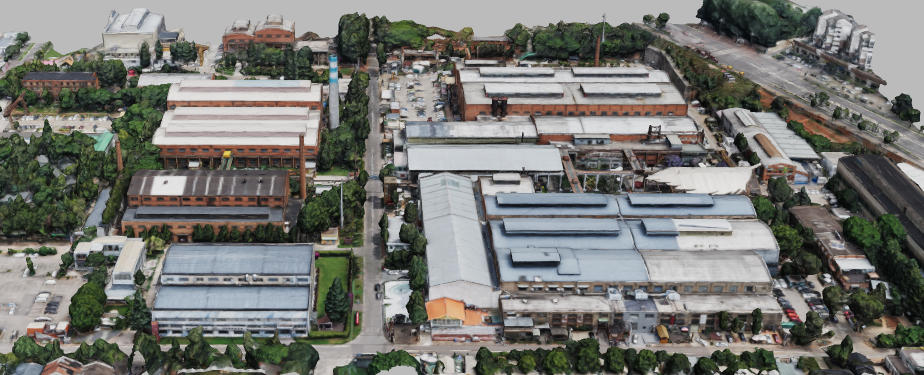
Crane tracks, steel supports, and machinery remnants remain within reused factory workshops, showing how cultural and commercial occupation can retain visible clues to heavy manufacturing.
Stop 41Brick and heavy-timber mill construction survives in a foundry converted into housing, connecting agricultural-implement manufacture with the later residential occupation of a railway-served industrial building.
21 Stops
Churches becoming mosques, an ancestral hall becoming a radio factory, and civic or industrial buildings finding new uses reveal architecture as a continuing negotiation. The building outlives any single definition of its purpose.
22 Stops
Cisterns, aqueducts, dams, harbor works, pumps, wells, and water towers reveal the forms societies give to water. Storage, distribution, protection, power, and an entire basin modeled in miniature make a hidden civil infrastructure visible.
15 Stops
Railway museums, stations, a company headquarters, worker care, tin-processing sites, and trade administration trace Yunnan’s narrow-gauge networks. The Yunnan–Vietnam metre-gauge line and the historically smaller Gebishi system connect foreign pressure, regional enterprise, resource economies, and local patronage.