

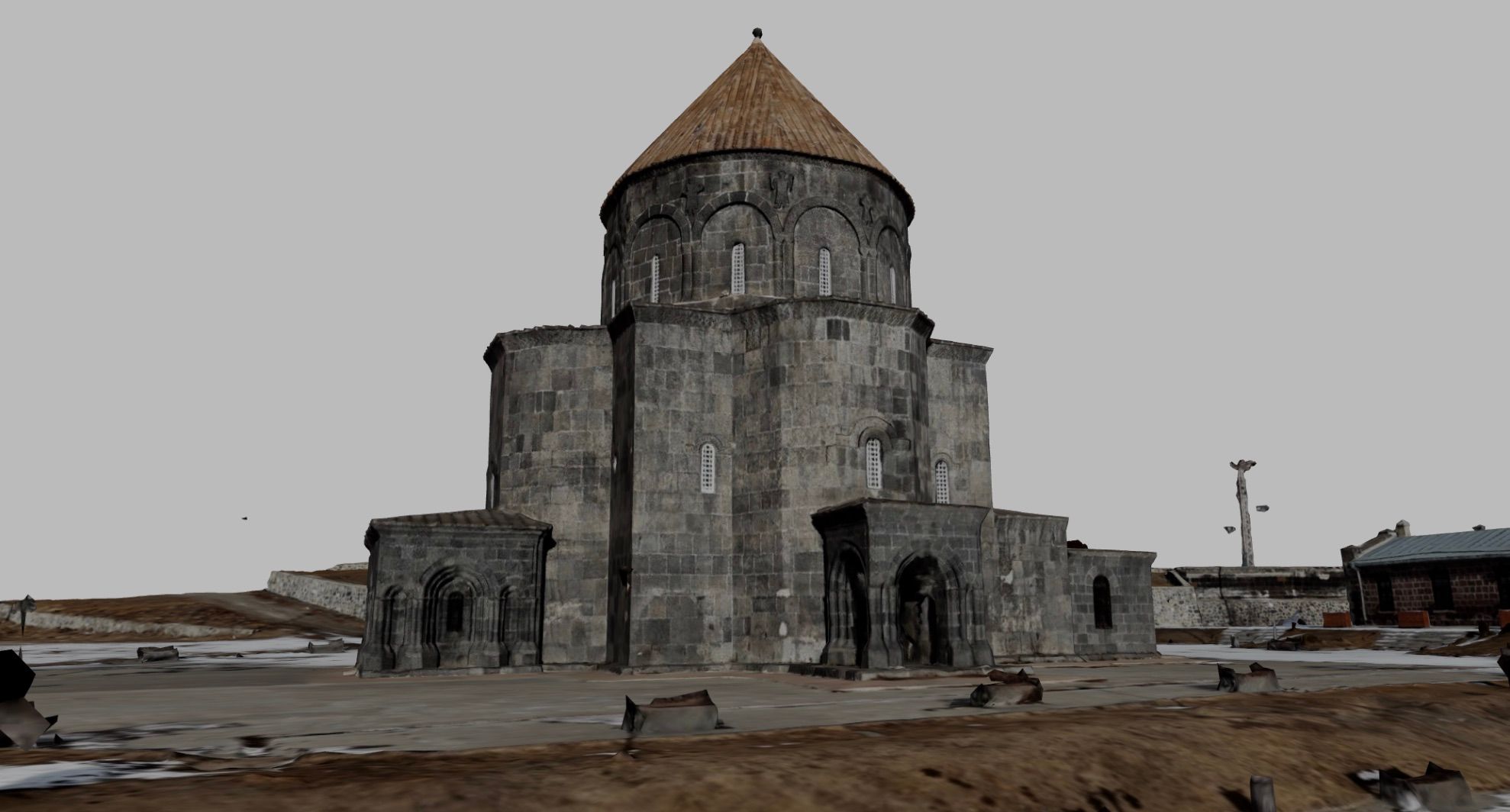
 Stop 01
Stop 1 of 21Kars, Türkiye
Kumbet Mosque
The former Church of the Twelve Apostles retains Armenian architectural features within Kumbet Mosque, showing how a building's inherited form can persist through changes of worship.
Architectural Heritage Route
Churches becoming mosques, an ancestral hall becoming a radio factory, and civic or industrial buildings finding new uses reveal architecture as a continuing negotiation. The building outlives any single definition of its purpose.
21 geolocated stops
Curated Sequence
Stop 01The former Church of the Twelve Apostles retains Armenian architectural features within Kumbet Mosque, showing how a building's inherited form can persist through changes of worship.
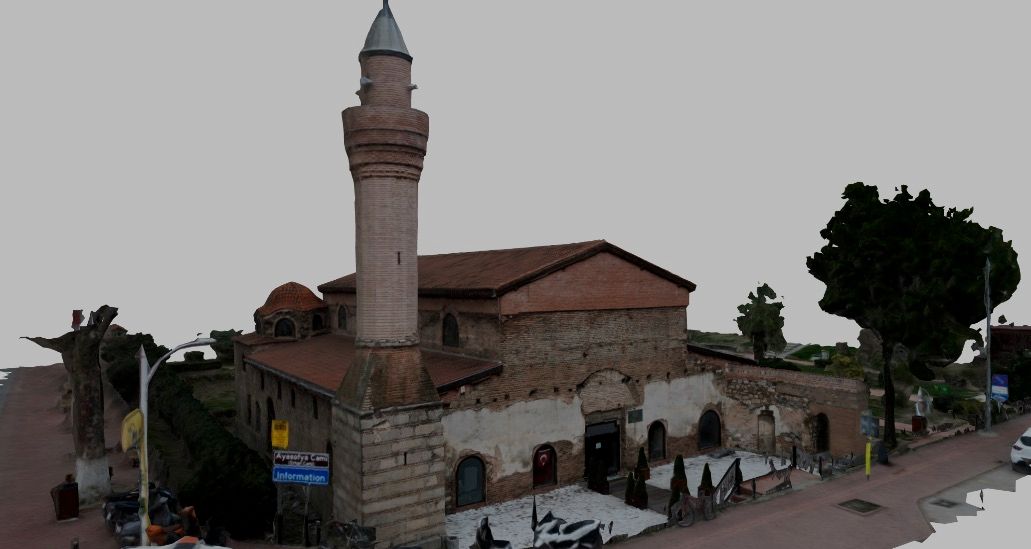 Stop 02
İznik's former Hagia Sophia church became a mosque, placing Byzantine fabric within a changed religious use and making successive purposes part of one building's continuing history.
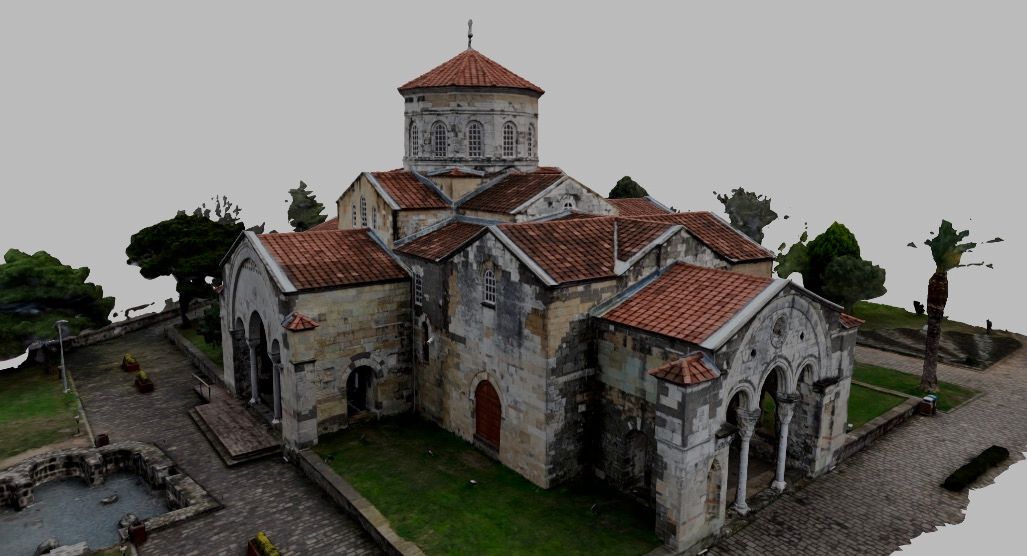 Stop 03
Trabzon's Hagia Sophia has served as church, mosque, and museum, allowing painted Christian fabric and later religious adaptations to record several definitions of one building's purpose.
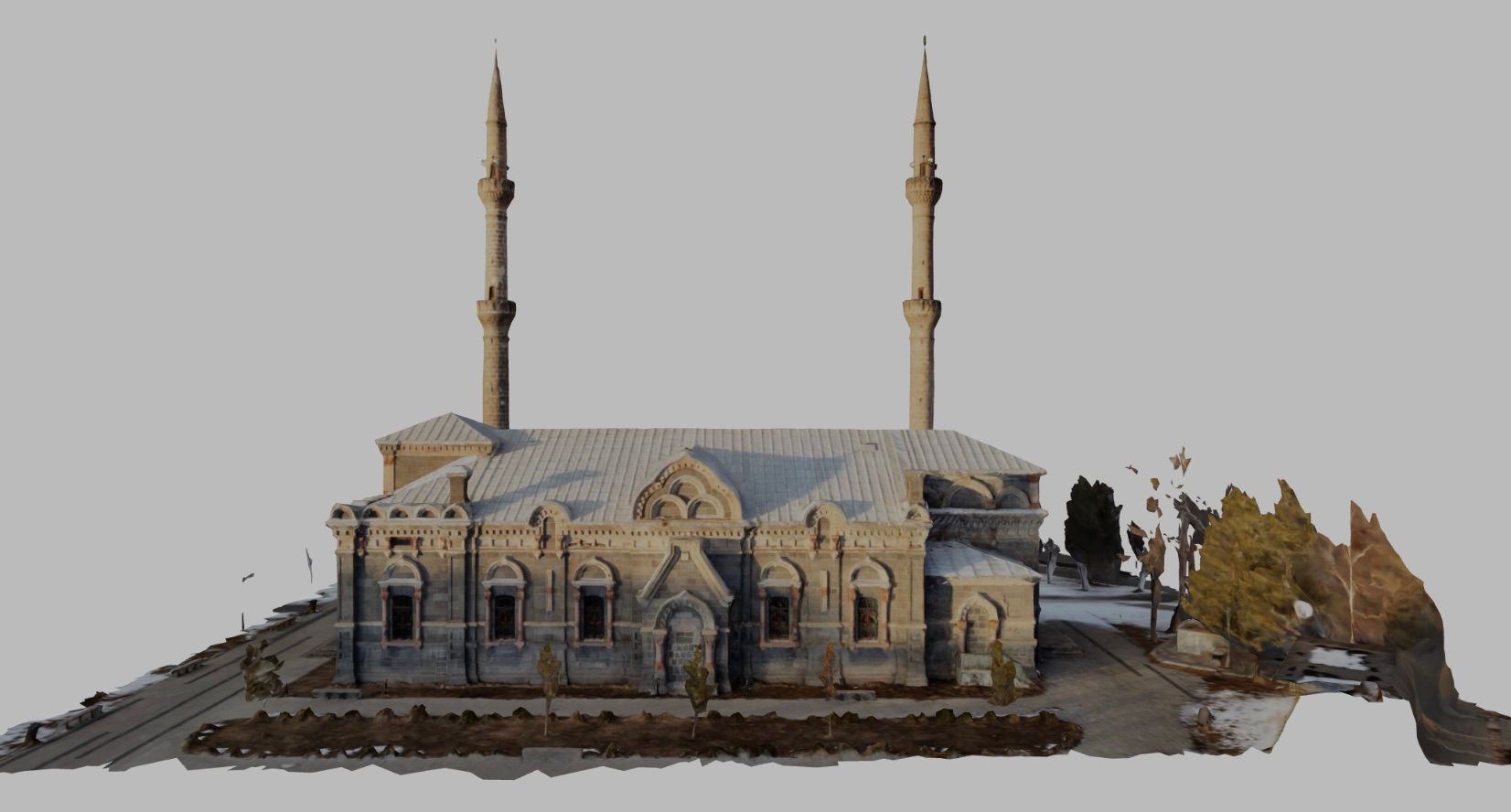 Stop 04
Fethiye's former Russian-period church housed a sports hall before becoming a mosque, bringing a secular interval into the history of a building with successive religious identities.
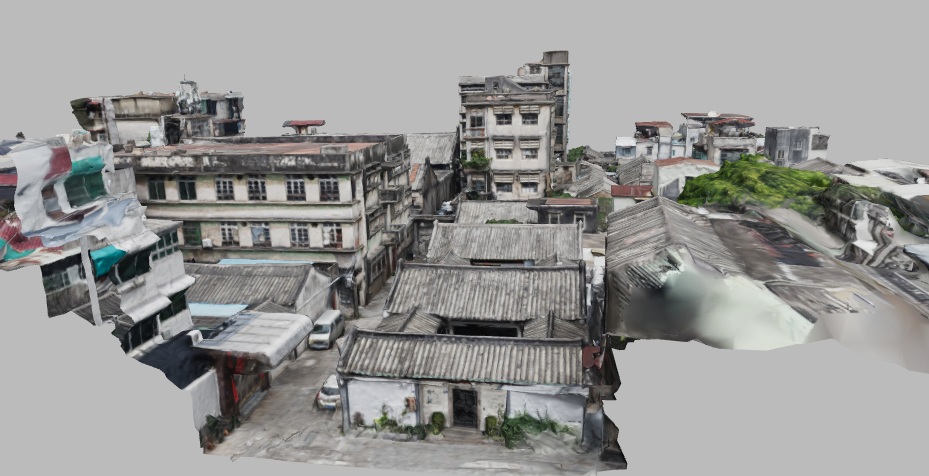 Stop 05
Qiancheng Ancestral Hall's association with the Chaozhou Radio Factory brings ancestral and industrial identities together, extending the journey beyond changes in religious use.
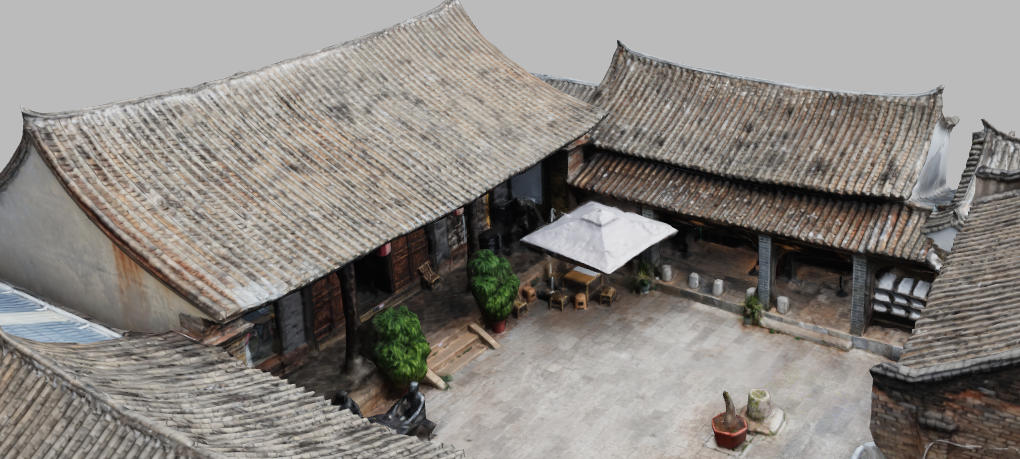 Stop 06
The Yang ancestral hall became a tofu factory and later a tofu museum, joining ritual, production, and interpretation within a courtyard compound connected to Shiping's food culture.
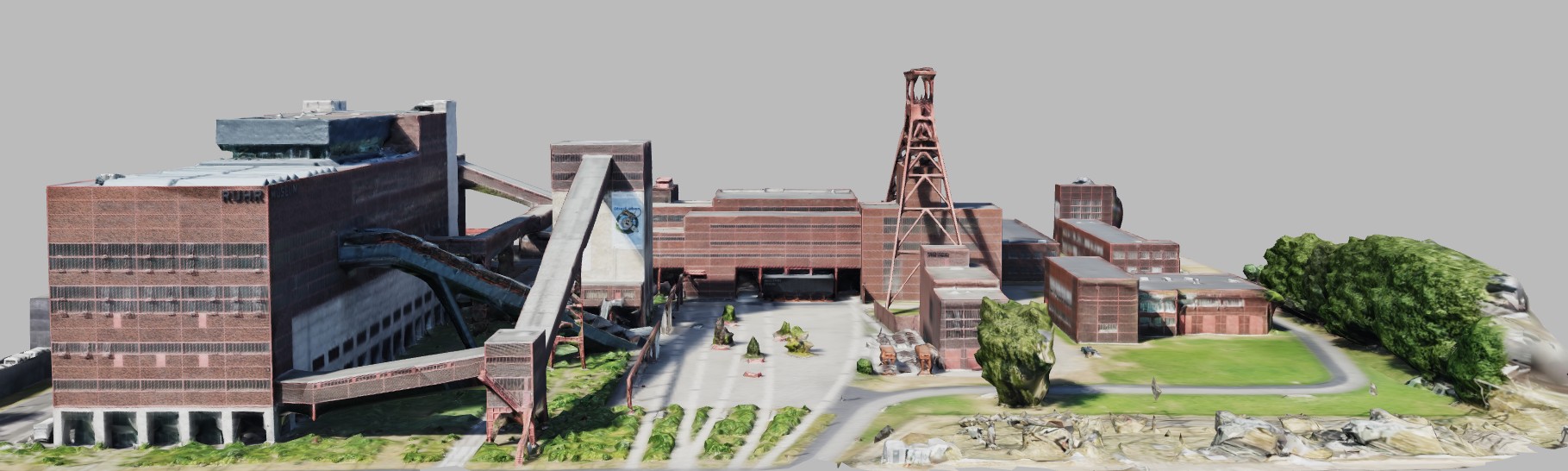 Stop 07
Zollverein's coal washery became a museum while retaining its industrial structure and machinery, allowing spaces once organized around processing coal to become a setting for cultural interpretation.
 Stop 08
The American Brewery's brick complex became Humanim's headquarters, bringing employment and community services into a building whose monumental industrial exterior outlived the business that originally occupied it.
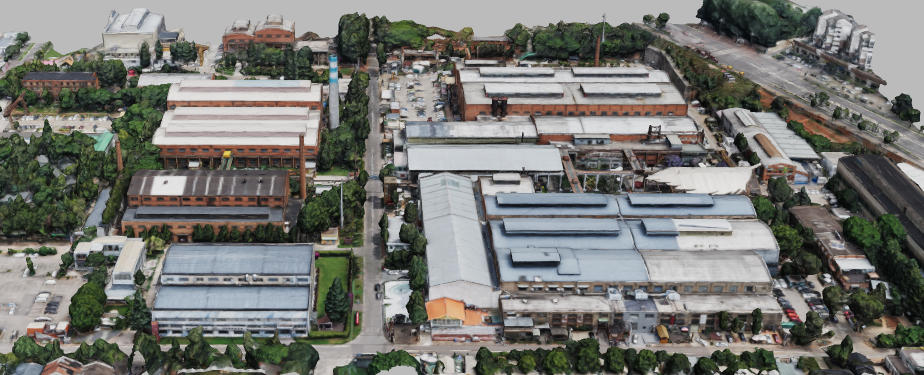 Stop 09
Kunming 871 places books, exhibitions, and community events inside former machinery workshops, bringing cultural activity beneath steel trusses that once sheltered a different kind of collective work.
 Stop 10
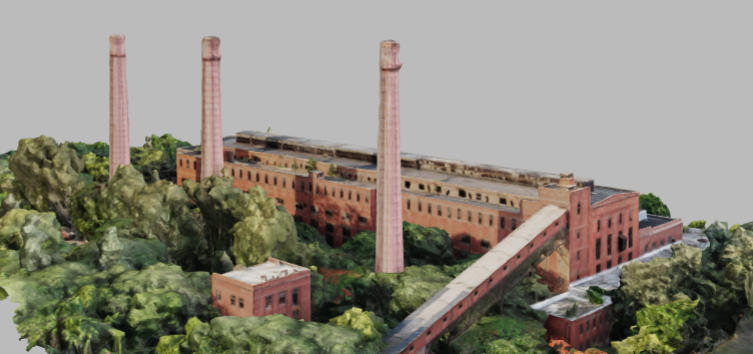
Kaiyuan's former power plant accommodates hospitality and electricity-sector training, connecting a changed use to industrial knowledge while its workshops and structural fabric retain the memory of generation.
 Stop 11
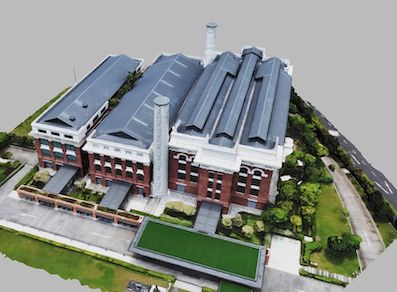
St James's brick walls and chimneys identify a former power station now housing Dyson's headquarters, making industrial architecture legible within a building adapted for corporate use.
 Stop 12
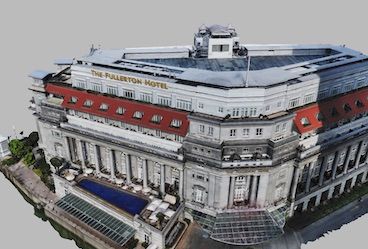
The Fullerton's columns frame a hotel in a building once occupied by the General Post Office, making civic-to-commercial reuse legible through a retained monumental exterior.
 Stop 13
The House on Sathorn moved from private residence to hotel, embassy, and hospitality venue, showing how a courtyard mansion can accommodate changing social roles through successive occupants.
 Stop 14
The Palazzo della Civiltà Italiana became Fendi's headquarters after its intended exposition never occurred, bringing daily corporate work behind a monumental exterior designed for a state-sponsored public vision.
 Stop 15
Poznań's Imperial Castle now houses cultural activity after serving imperial and later political institutions, placing public arts within a structure whose scale once expressed a very different authority.
 Stop 16
Mississippi's Old Capitol became a museum after government moved elsewhere, allowing rooms once used to exercise state authority to become spaces where that political history is interpreted.
 Stop 17
West Virginia Independence Hall moved from federal custom house to statehood convention site and museum, showing how the same rooms could serve regulation, political formation, and historical remembrance.
 Stop 18
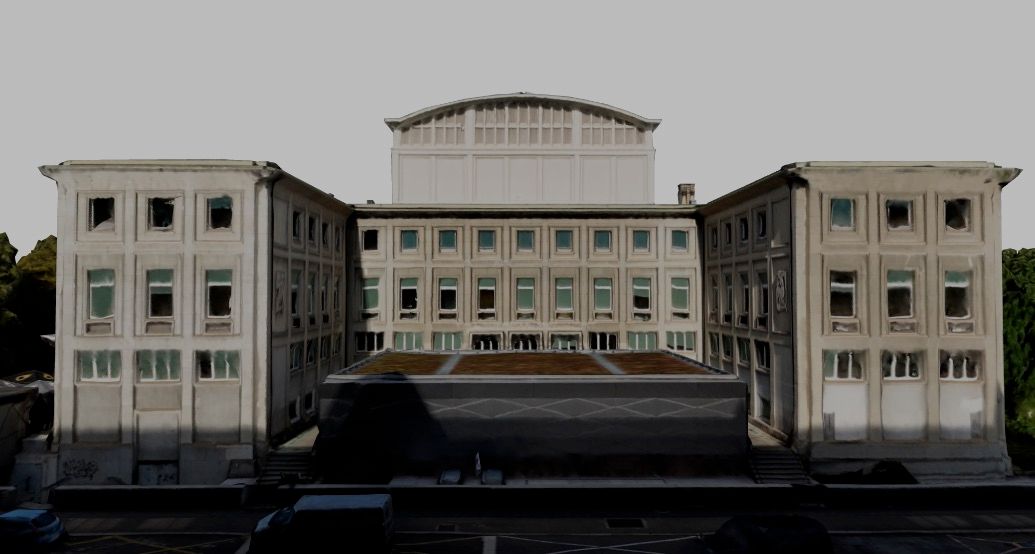
Strasbourg's former regional parliament became a national theater, replacing legislative assembly with theatrical gathering while the inherited civic building continued to give the institution a public presence.
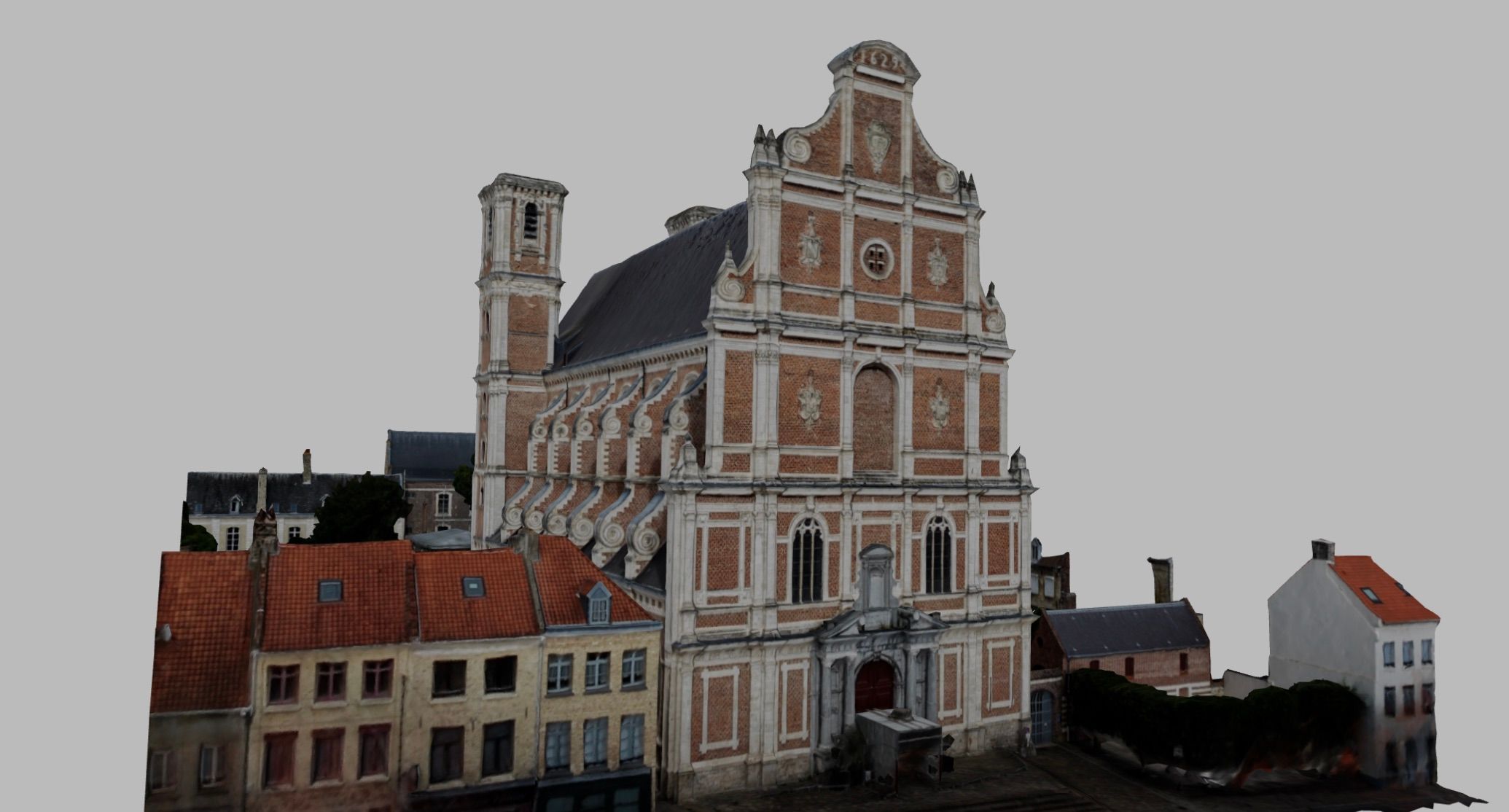 Stop 19
Saint-Omer's public library occupies a former Jesuit college, carrying an inherited setting for learning into a changed civic role while the building's institutional purpose continues to evolve.
 Stop 20
Baifuyuan's former school became a nursing and care center after declining enrollment, showing how one institutional building could respond to a community's changing needs across different generations.
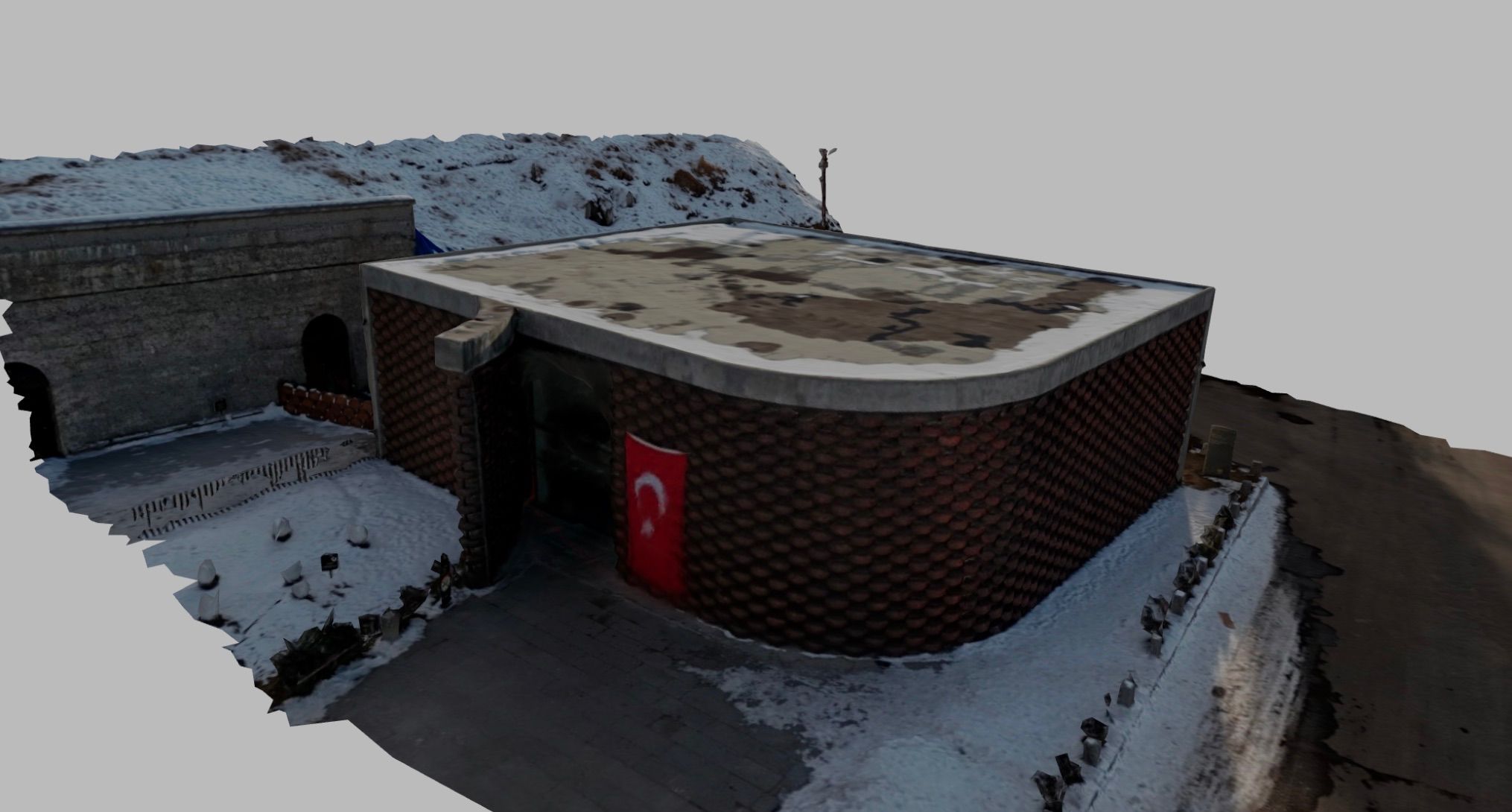 Stop 21
Kars's former cavalry bastion became a cheese museum, turning defensive masonry into a setting for regional food culture and giving a military building a new civic subject.
41 Stops
Furnaces, mines, mills, breweries, shipyards, utilities, and manufacturing workshops expose the forms behind finished products. Working machinery, abandoned structures, surviving fragments, and reused plants reveal industry as architecture, labor, energy, and material transformation.
22 Stops
From a regional opera theater to grand European performance houses and a contemporary Chinese arts complex, these buildings turn gathering into ceremony. A journey through the places where a city presents itself to an audience.
16 Stops
An atom smasher, an enlarged atom, a monumental civic tower, an unfinished nuclear project, and fluid contemporary cultural buildings reveal different images of the future. Confidence, spectacle, and unrealized ambition share the frame.