

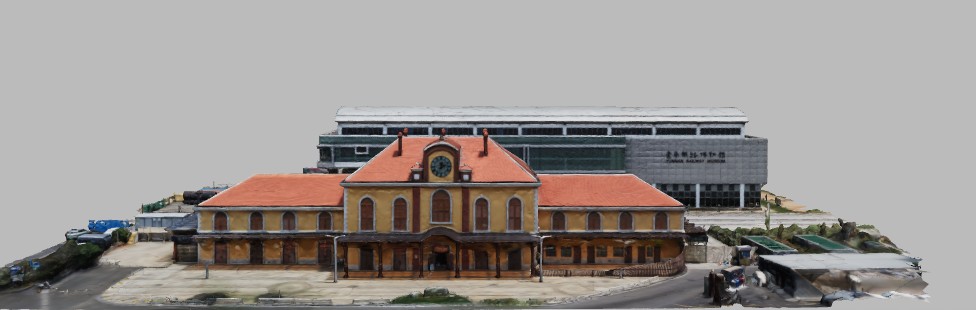
 Stop 01
Stop 1 of 15Yunnan, China
Yunnan Railway Museum
Side-by-side displays of metre, narrow, and standard gauges introduce Yunnan’s distinct railway systems, providing the framework for comparing the individual station histories that follow.
Architectural Heritage Route
Railway museums, stations, a company headquarters, worker care, tin-processing sites, and trade administration trace Yunnan’s narrow-gauge networks. The Yunnan–Vietnam metre-gauge line and the historically smaller Gebishi system connect foreign pressure, regional enterprise, resource economies, and local patronage.
15 geolocated stops
Curated Sequence
Stop 01Side-by-side displays of metre, narrow, and standard gauges introduce Yunnan’s distinct railway systems, providing the framework for comparing the individual station histories that follow.
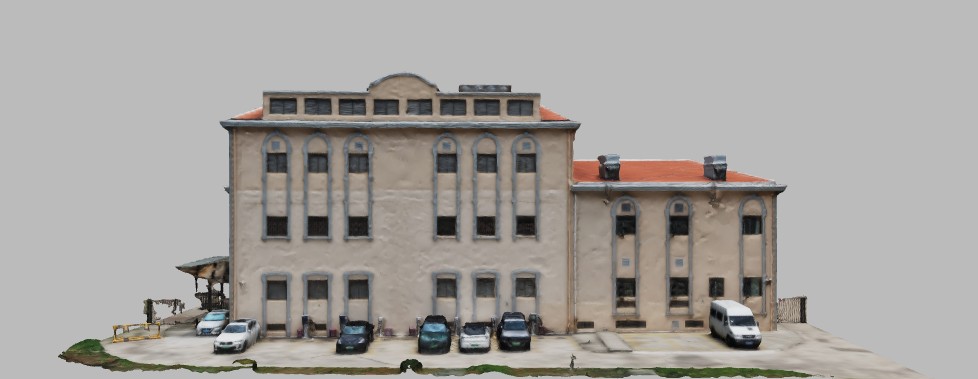 Stop 02
The reconstructed French-style station hall preserves the architectural image of Yunnanfu’s former terminus, introducing the difference between a replica and surviving station fabric.
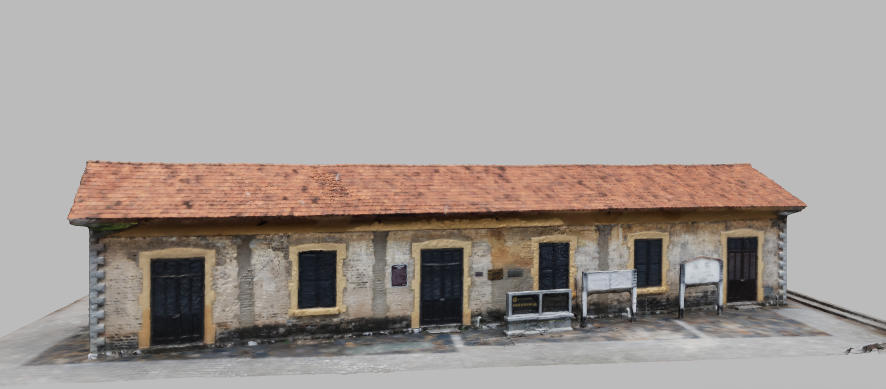 Stop 03
A vaulted masonry foundation and brick-and-wood station survive among Kunming apartment towers, showing where urban expansion outlasted a rerouted section of the Yunnan–Vietnam Railway.
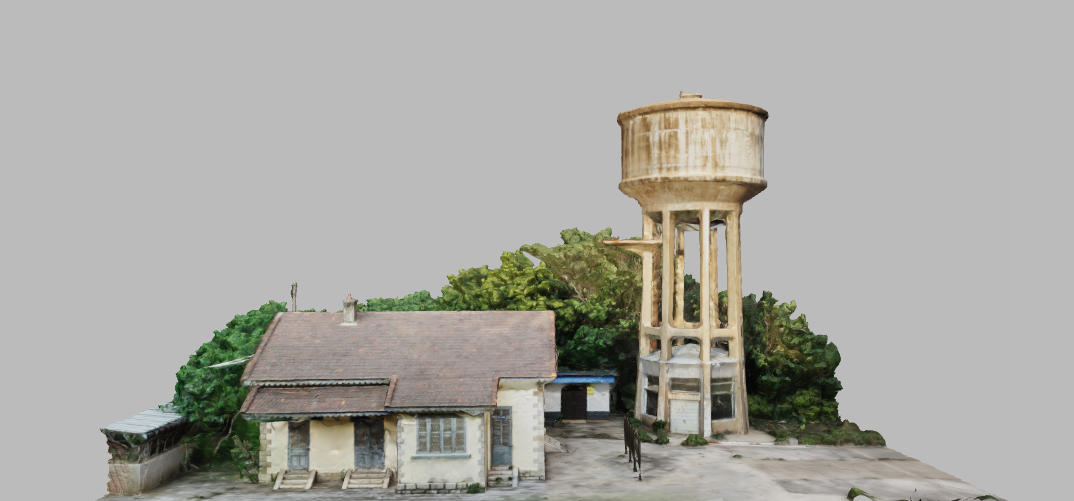 Stop 04
The hospital served railway staff and local patients, while its surviving outpatient building and water tower extend the narrow-gauge landscape into care and worker accommodation.
 Stop 05
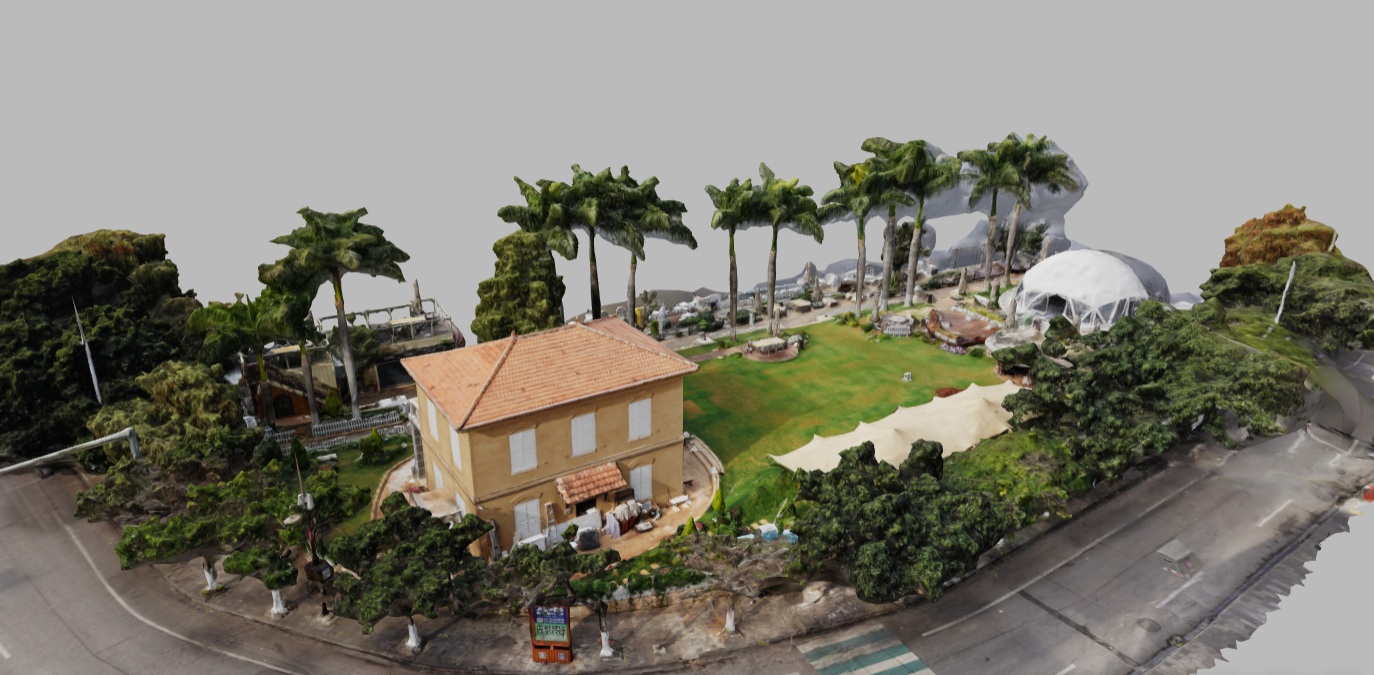
The former consular building later housed the Yunnan–Vietnam Railway administration, placing transport governance inside Mengzi’s yellow-walled, timber-framed architecture of international commercial presence.
 Stop 06
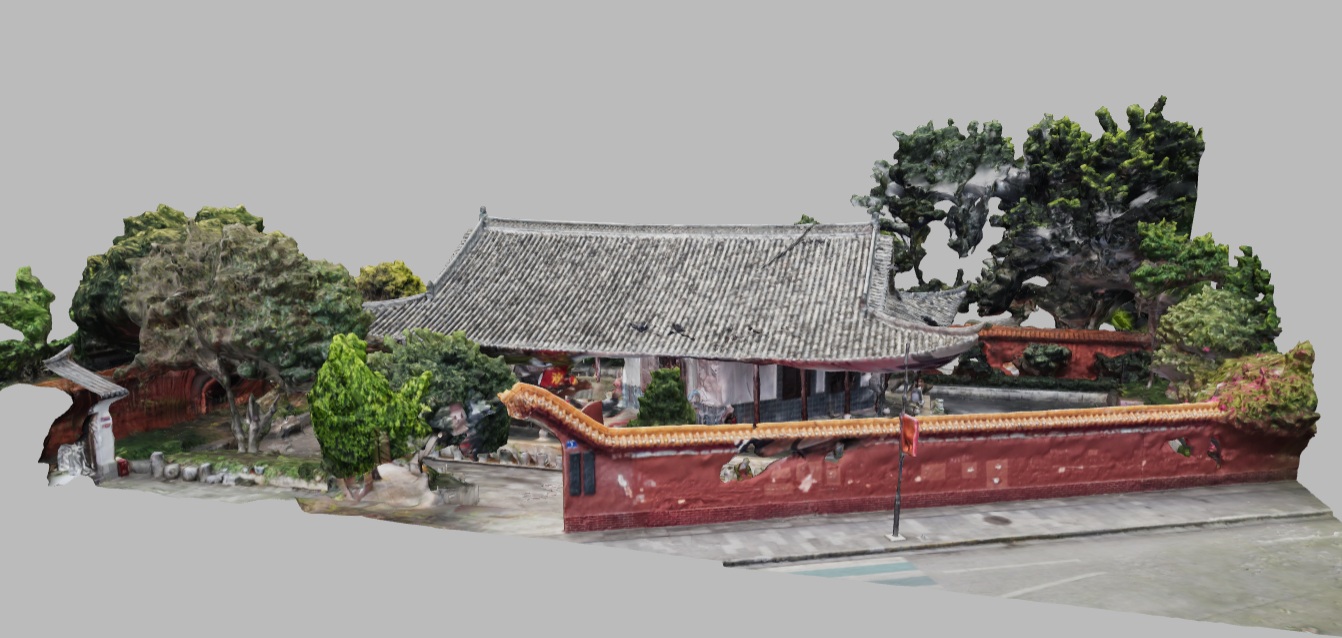
Hipped roofs and arched windows house the institutions that regulated Mengzi’s international trade, extending the railway comparison into customs administration and foreign commercial presence.
 Stop 07
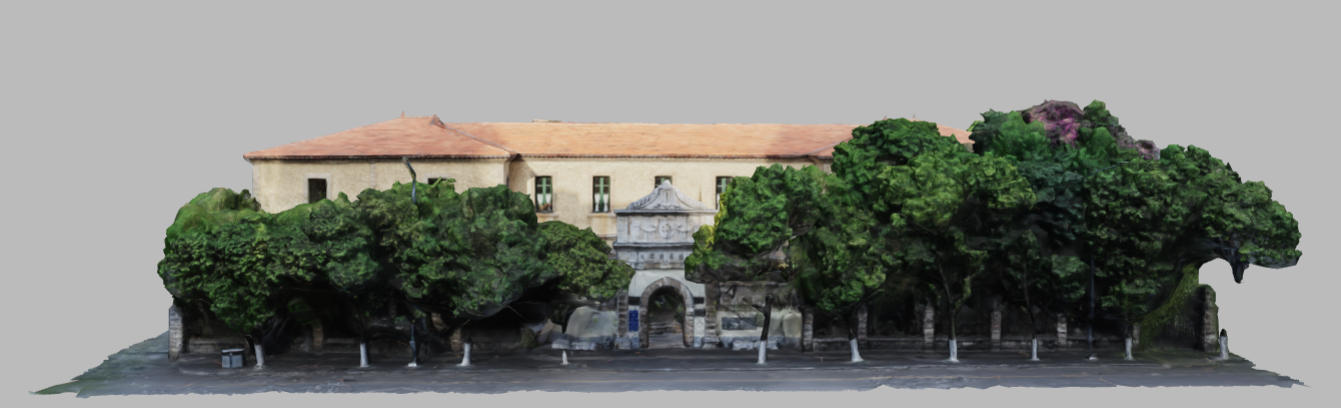
The company headquarters and station equipment represent the locally financed Gebishi enterprise, distinguishing its historical 600-millimetre gauge and merchant organization from the Yunnan–Vietnam metre-gauge system.
 Stop 08
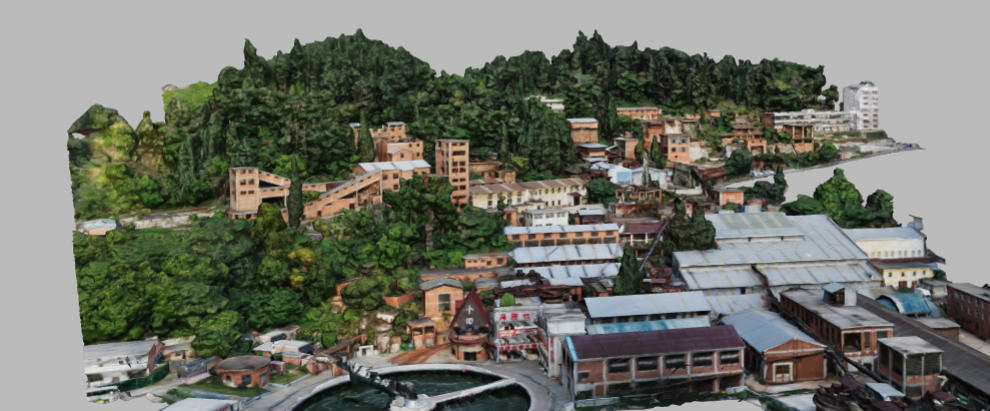
Railway access enabled heavy machinery imports for the stepped tin-concentration plant, connecting Yunnan–Vietnam transport with Gejiu’s gravity-fed processing architecture and the region’s resource economy.
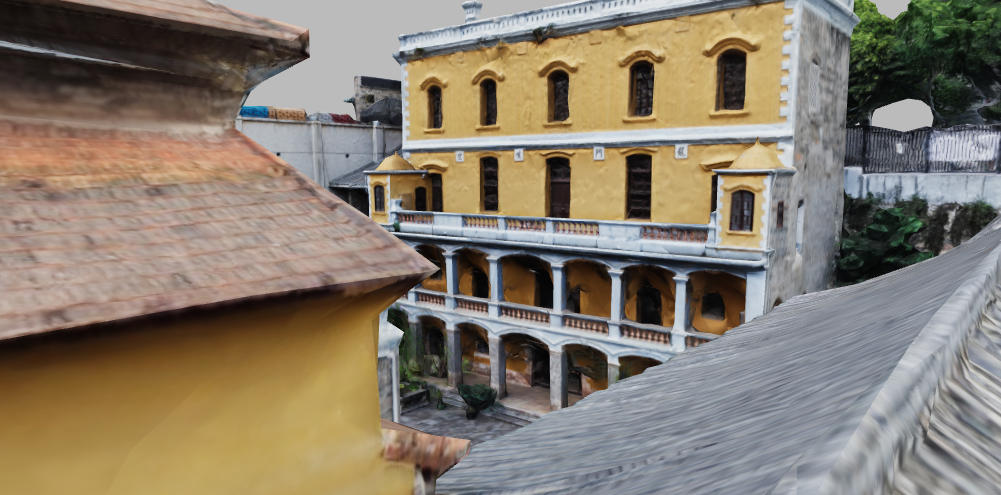 Stop 09
The merchant’s fortified tin-smelting complex retains a milling room and furnace remnants, giving the resource economy behind Gejiu’s railway traffic a distinct architectural setting.
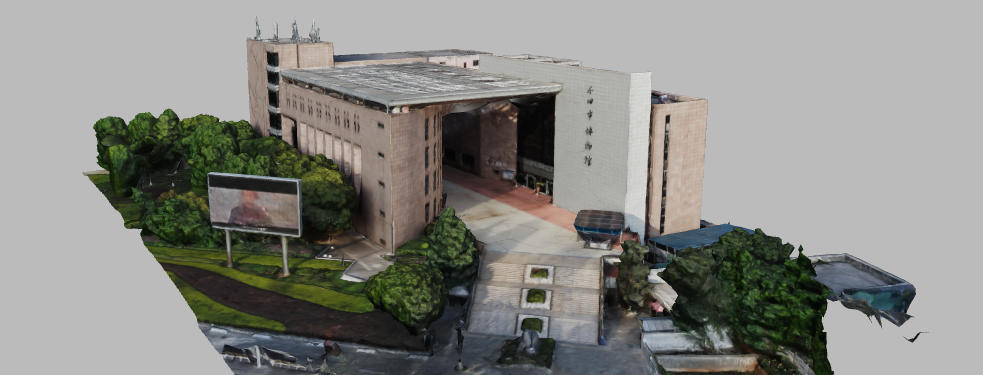 Stop 10
The museum’s mining reliefs and Gebishi railway relics interpret the relationship between tin extraction and transport, connecting preserved station buildings with the region’s industrial history.
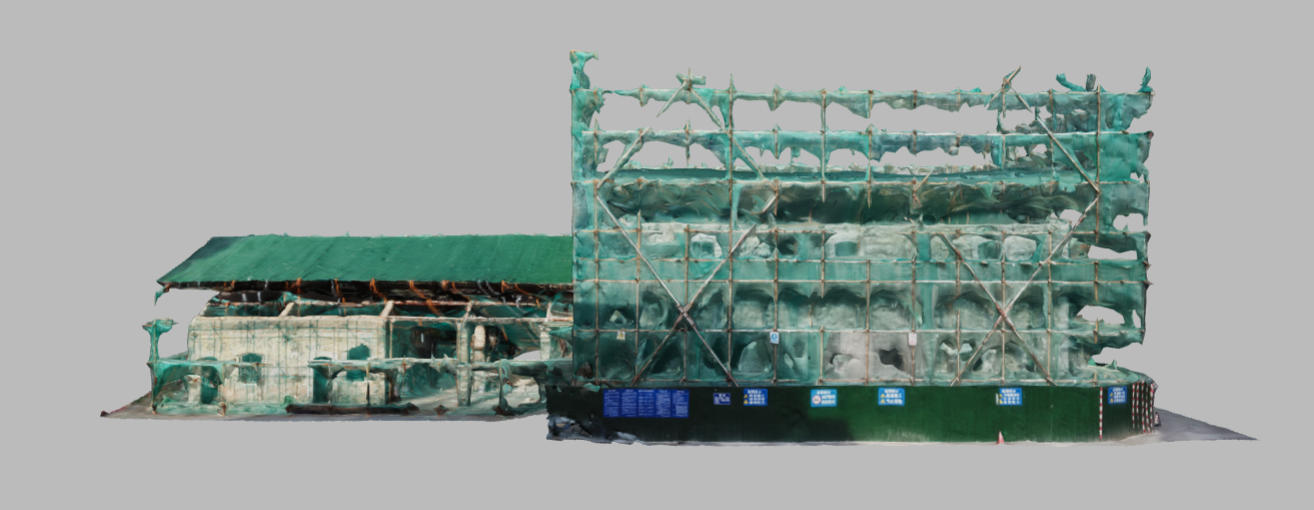 Stop 11
The former narrow-gauge terminus connects Gejiu’s tin economy with locally financed railway enterprise, making resource control part of the station’s physical and historical significance.
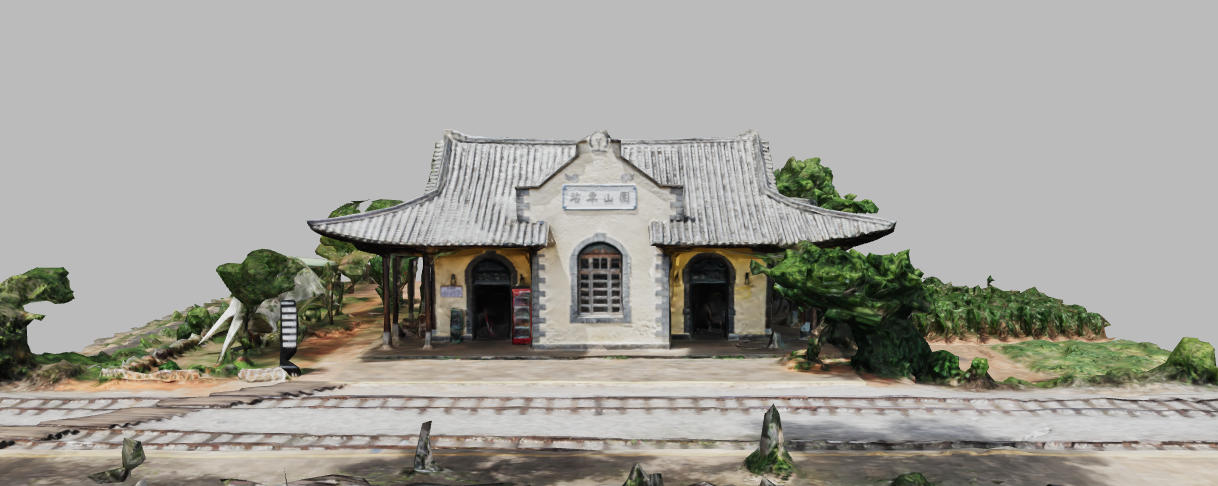 Stop 12
The village halt originated through the Zhang family’s railway investment, connecting the privately financed Gebishi line with Tuanshan’s settlement and later heritage-train use.
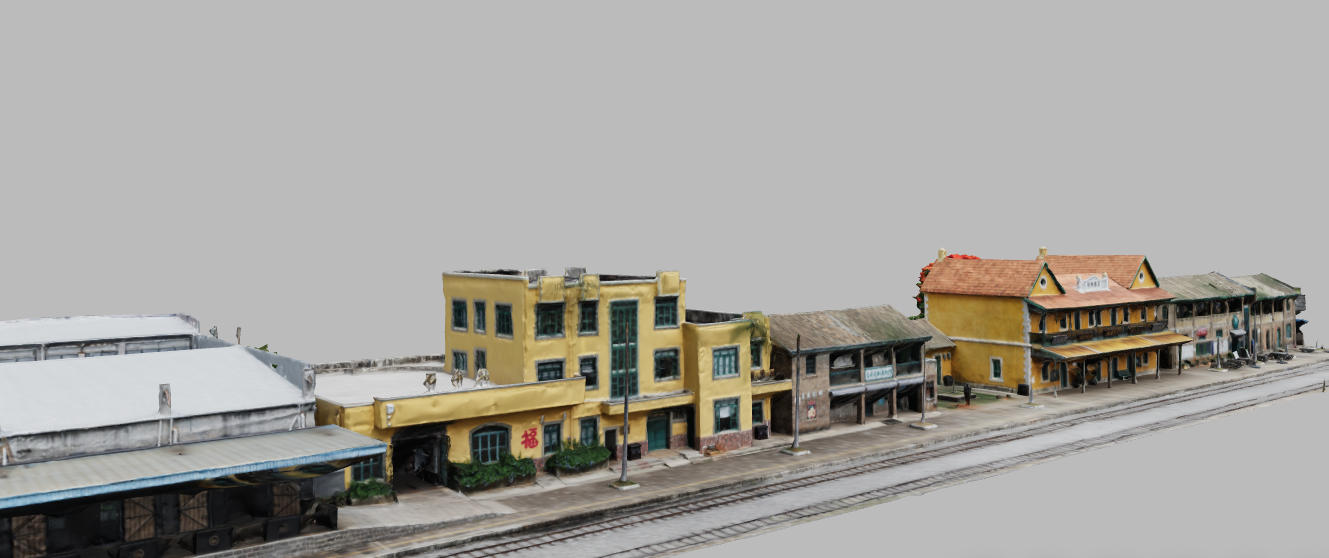 Stop 13
The stone-and-timber terminal and museum warehouses preserve Shiping’s place in the Gebishi network, showing how a former transport complex now presents regional railway history.
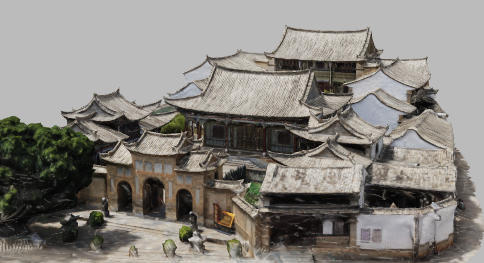 Stop 14
The ancestral hall commemorates Chen Heting, an organizer of the private Gebishi railway, showing how railway enterprise intersected with family patronage and carved ceremonial architecture.
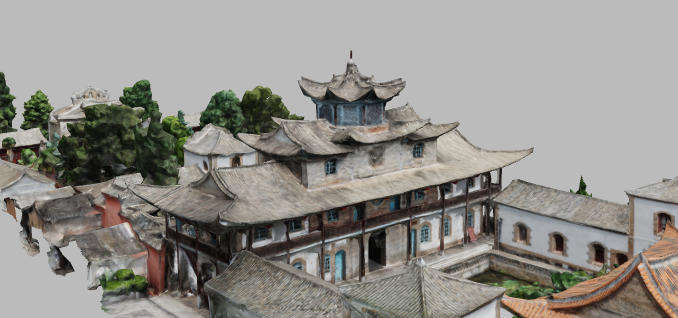 Stop 15
Chen Heting’s support for the school links railway organization with local educational patronage, expressed through the Qihe building’s brick structure and timber pavilion.
41 Stops
Furnaces, mines, mills, breweries, shipyards, utilities, and manufacturing workshops expose the forms behind finished products. Working machinery, abandoned structures, surviving fragments, and reused plants reveal industry as architecture, labor, energy, and material transformation.
10 Stops
Deep wells and brine works lead to a salt road, merchant and occupational guilds, riverfront worship, communications, and elaborate ancestral buildings. In Zigong, extraction beneath the ground becomes wealth, craft, labor organization, and social order above it.
23 Stops
Stations, staff homes, clubs, training rooms, heating infrastructure, a hospital, diplomatic buildings, and religious spaces reveal railways as makers of settlements. Ang’angxi, the wider Qiqihar railway towns, and Suifenhe preserve domestic hierarchies and civic institutions alongside tracks.