

15 Stops
Pagodas of the Southern Silk Road
Pagodas shaped by Nanzhao and Dali Buddhism, esoteric traditions, and later Ming and Qing literary culture. Suggested direction: Kunming, Dali, Weishan, Chuxiong, and Dayao.
Regional Heritage Archive
Explore 3D models and 3D Gaussian Splatting archives across China, spanning timber Buddhist halls, cave-temple grottoes, Southern Silk Road pagodas, ancestral halls, mosques, and qiaoxiang towns.
1,818 entities · 31 sub-regions · 6 cultural routes
Curated 3D Gaussian Splatting Galleries
Explore interactive WebGL2/WebGPU 3D Gaussian Splatting reconstructions connected to this region:
Curated Journeys
15 Stops
Pagodas shaped by Nanzhao and Dali Buddhism, esoteric traditions, and later Ming and Qing literary culture. Suggested direction: Kunming, Dali, Weishan, Chuxiong, and Dayao.
17 Stops
Mosques from the maritime coast to the inland northwest and southwest show Islamic worship taking shape through different regional building traditions. Courtyards, roofs, masonry, and prayer spaces become a study in cultural translation.
15 Stops
Railway museums, stations, a company headquarters, worker care, tin-processing sites, and trade administration trace Yunnan’s narrow-gauge networks. The Yunnan–Vietnam metre-gauge line and the historically smaller Gebishi system connect foreign pressure, regional enterprise, resource economies, and local patronage.
10 Stops
Deep wells and brine works lead to a salt road, merchant and occupational guilds, riverfront worship, communications, and elaborate ancestral buildings. In Zigong, extraction beneath the ground becomes wealth, craft, labor organization, and social order above it.
40 Stops
Guild halls and migrant-community temples carry regional gods, stages, courtyards, lodging, and carving traditions into towns far from their builders’ origins. Across China and into Singapore, shared hometown ties become architecture for worship, commerce, study, mutual assistance, and remembrance.
30 Stops
Ancestral halls, branch shrines, study rooms, and family compounds turn continuity into courtyards, rooflines, carved stories, and ceremonial space. Across Guangdong, timber craft and domestic organization preserve lineage while buildings accommodate relocation, public use, and changing family fortunes.
3D Archive Collection
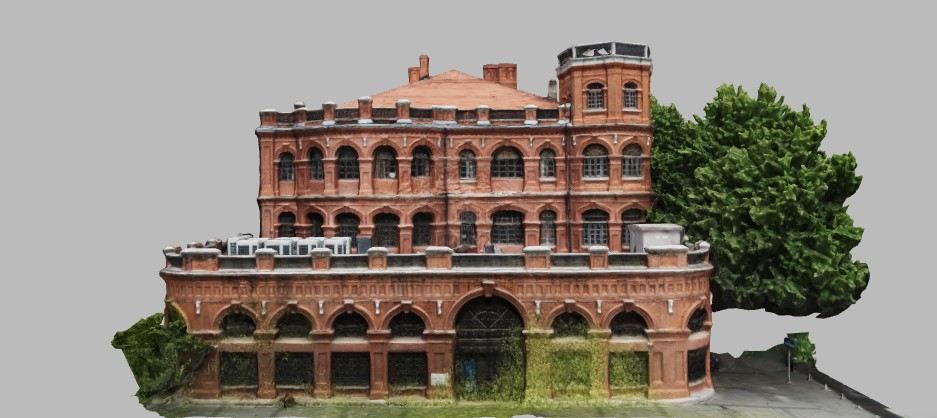
Wuhan, Hubei, China
汉口美国领事馆旧址 · Built in 1905, the former American Consulate in Hankou is a rare example of Baroque architecture along Wu…
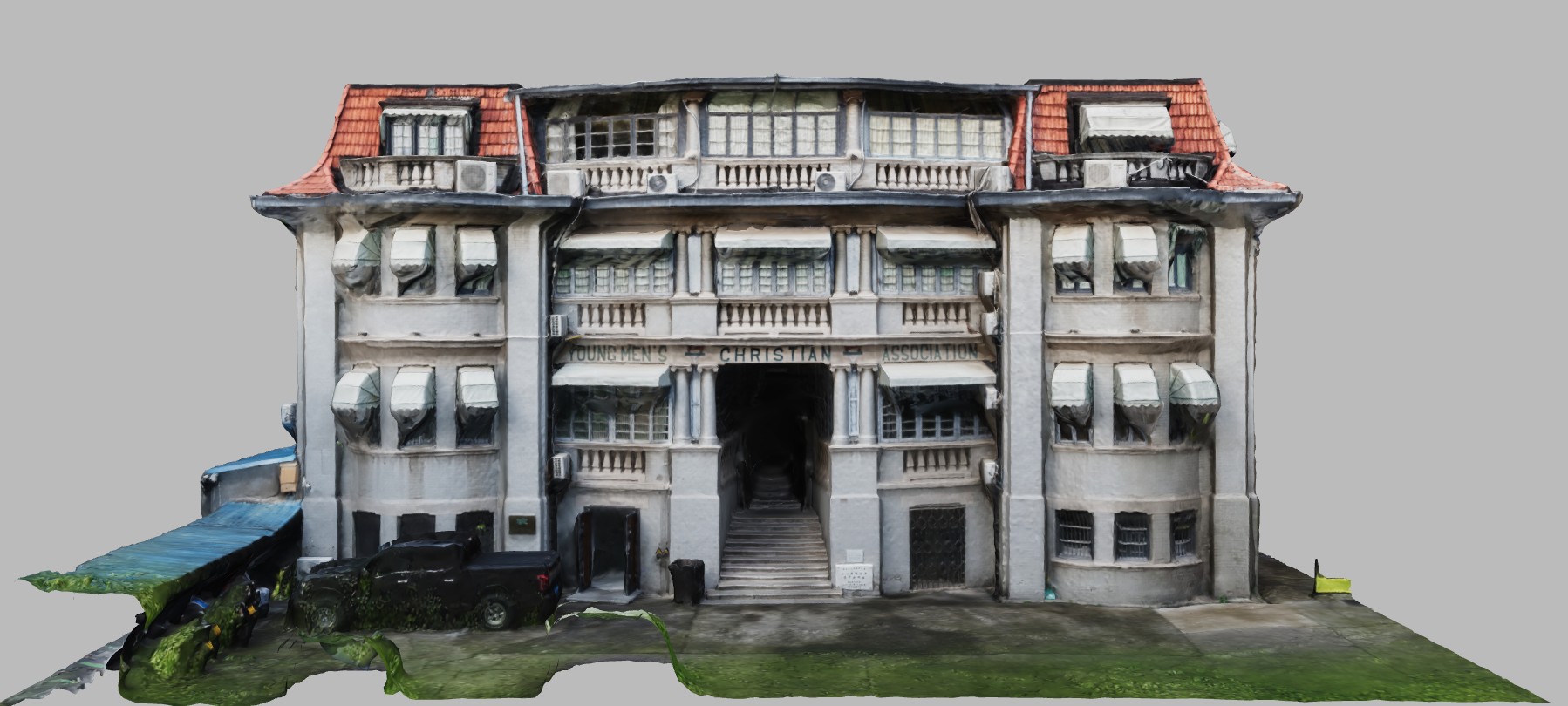
Wuhan, Hubei, China
汉口美国海军青年会旧址 · Built in 1915, the Former Site of the U.S. Navy YMCA in Hankou stands as a monument to early twentieth-ce…
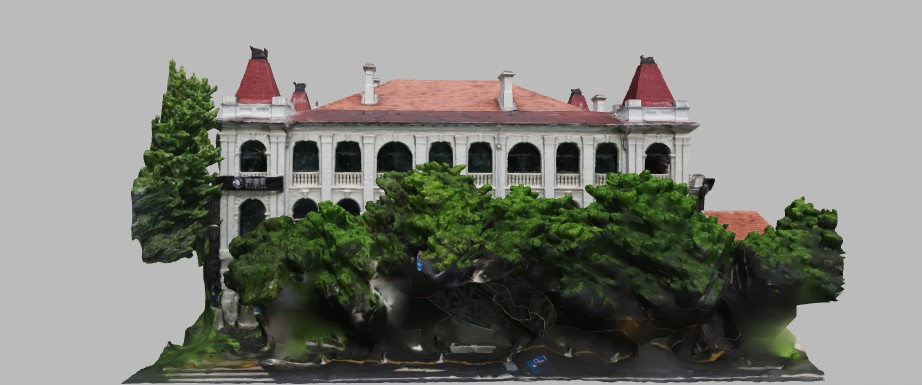
Wuhan, Hubei, China
汉口麦加利银行 · Built in 1865, the Hankou Mercantile Bank is the oldest documented foreign bank building in the former tr…
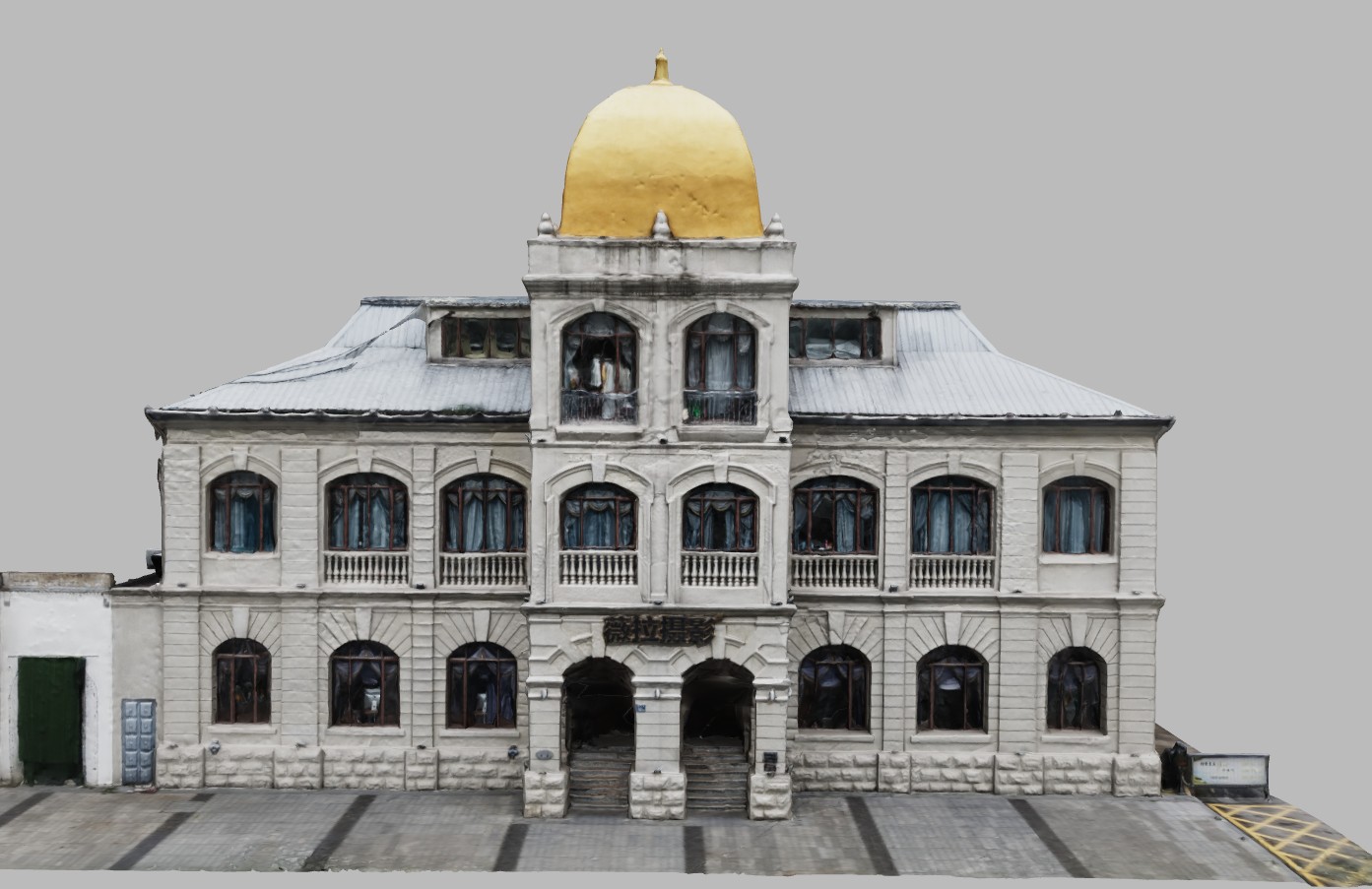
Wuhan, Hubei, China
李凡诺夫夫人故居 · Built in the early twentieth century, the Former Residence of Madame Ivanov reflects Hankou’s history as…
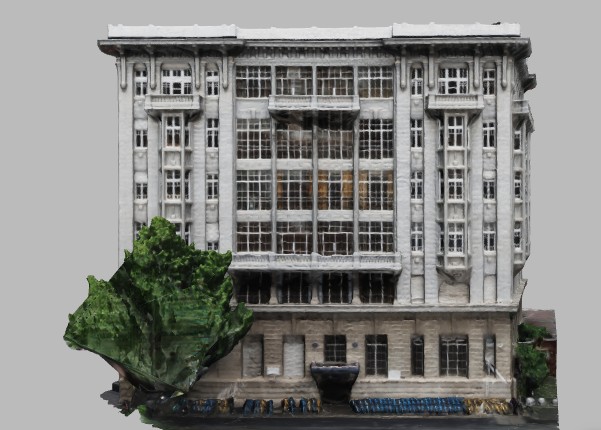
Wuhan, Hubei, China
汉口景明大楼 · Completed in 1921 as the headquarters for the British firm Hemmings & Berkley, the Hankou Jingming Buildi…
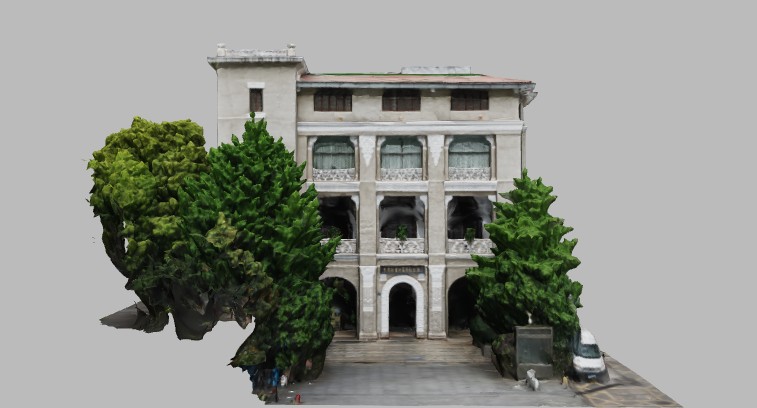
Wuhan, Hubei, China
汉口华俄道胜银行旧址 · Built in 1896, the Former Site of the Russo-Chinese Daosheng Bank in Hankou represents a key financial hu…
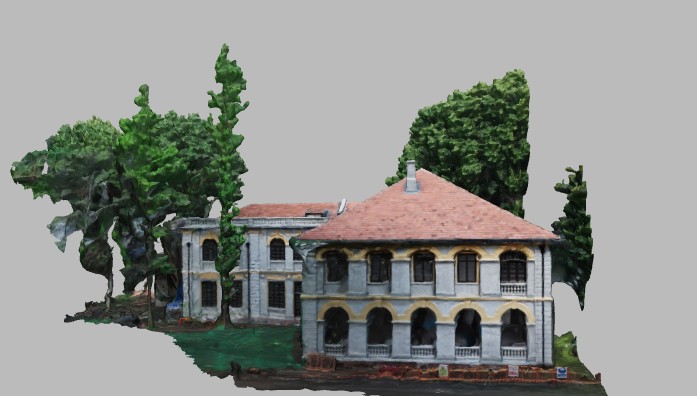
Wuhan, Hubei, China
汉口法国领事馆旧址 · Rebuilt in 1892, the Former Site of the French Consulate in Hankou is a rare surviving example of South A…
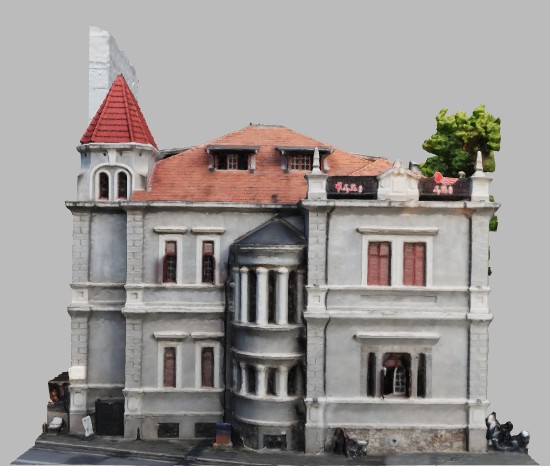
Wuhan, Hubei, China
汉口俄租界巡捕房旧址 · Built in 1901 as a Russian tea merchant's mansion, this eclectic building is the sole surviving administr…
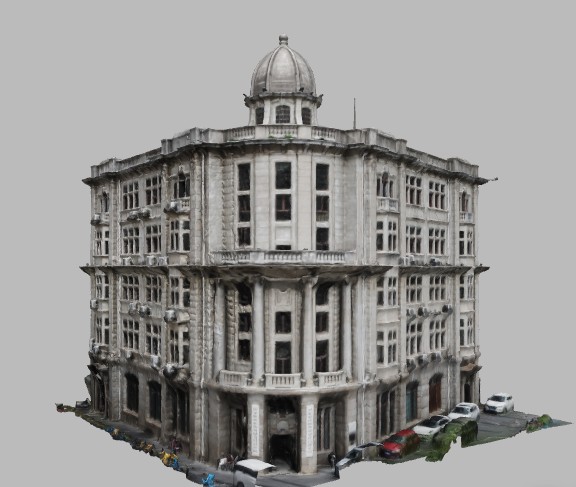
Wuhan, Hubei, China
汉口俄商新泰大楼 · Completed in 1924, the Xintai Building is a monument to Hankou’s history as a premier hub on the Great Te…
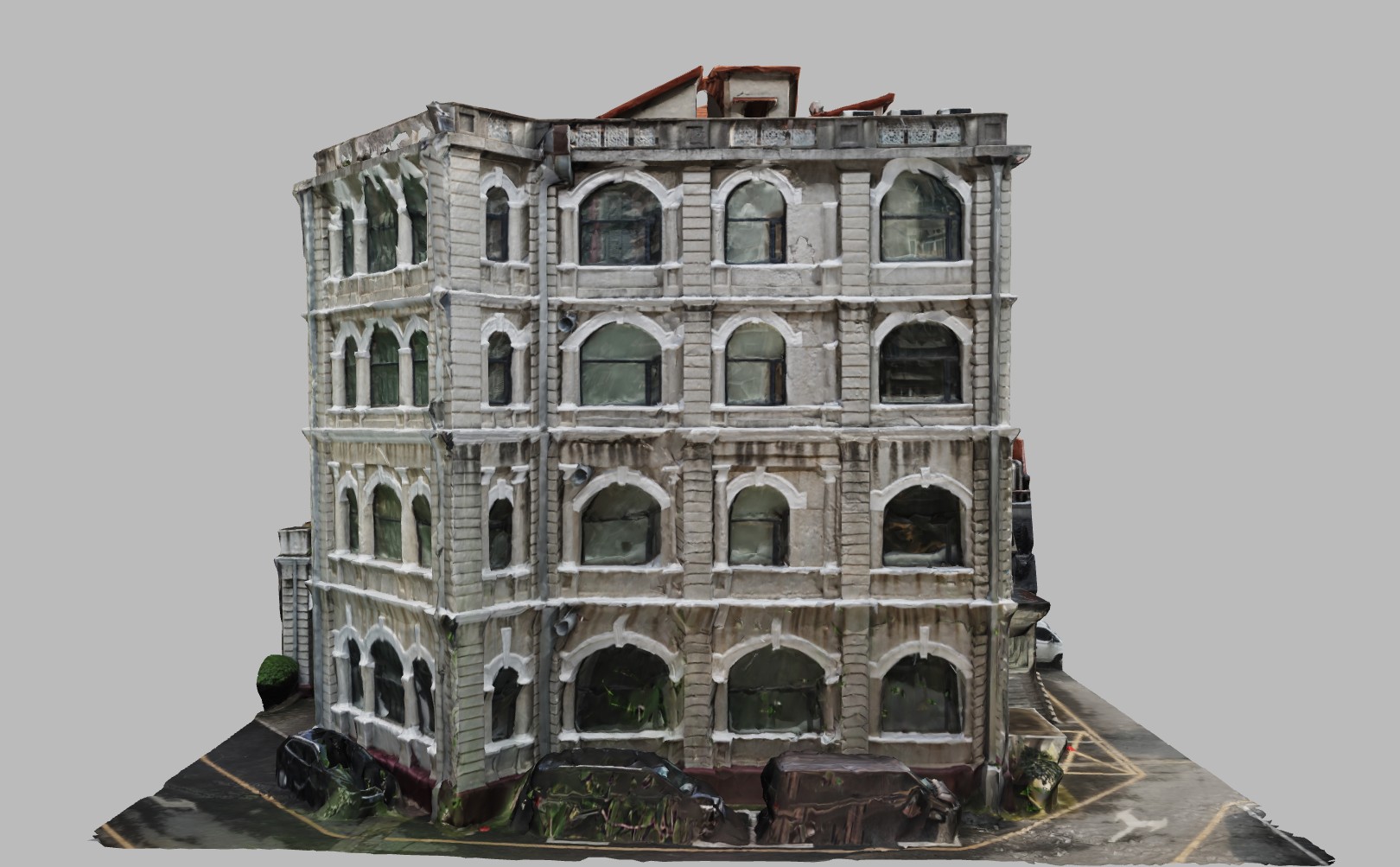
Wuhan, Hubei, China
汉口俄国领事馆旧址 · Built in 1902, the Former Russian Consulate in Hankou is a monument to the global tea trade and early twe…
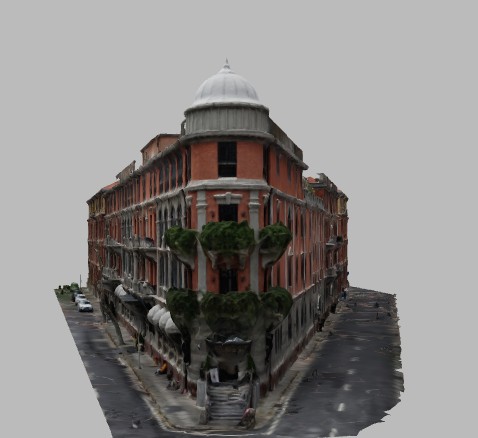
Wuhan, Hubei, China
巴公房子 · Completed in 1910 by Russian tea merchants, Bagong House is Hankou’s first multi-story apartment building…
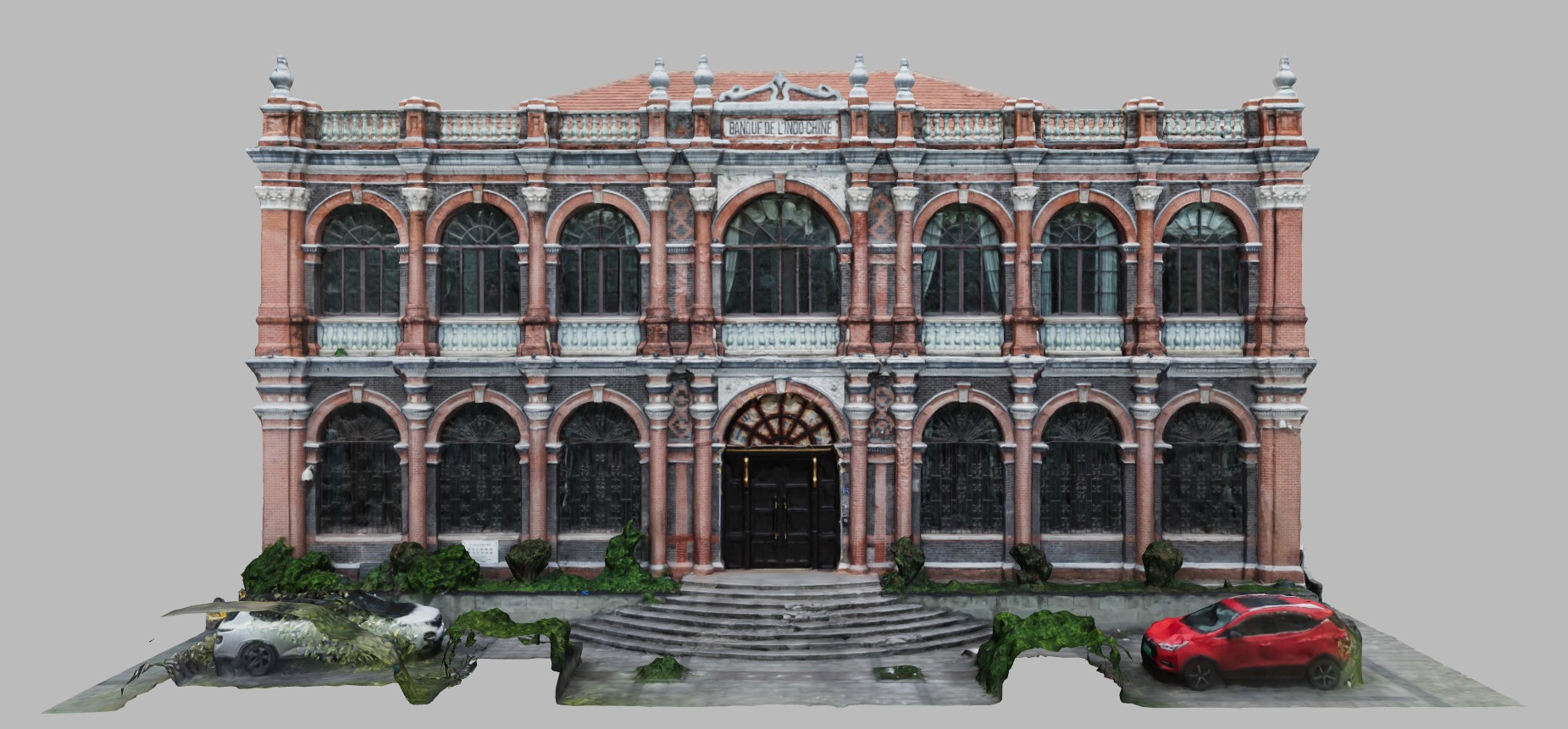
Wuhan, Hubei, China
汉口东方汇理银行旧址 · Completed in 1902 along the Yangtze River, the Former Site of Banque de l'Indochine in Hankou is a rare a…

Wuhan, Hubei, China
汉口爱情墙 · The Hankou Love Wall transforms a functional concrete flood barrier into a shared monument of romance. Es…

Kunming, Yunnan, China
昆明震庄迎宾馆建筑群 · Originally built in 1936 as the private estate of Yunnan governor Long Yun, the Kunming Zhenzhuang Guesth…
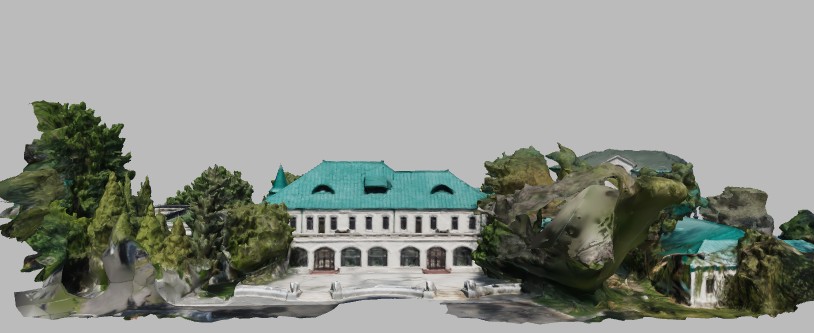
Shenyang, Liaoning, China
沈阳迎宾馆 · Built in 1912, the Shenyang Guest House is a physical record of Northeast China's turbulent twentieth-cen…
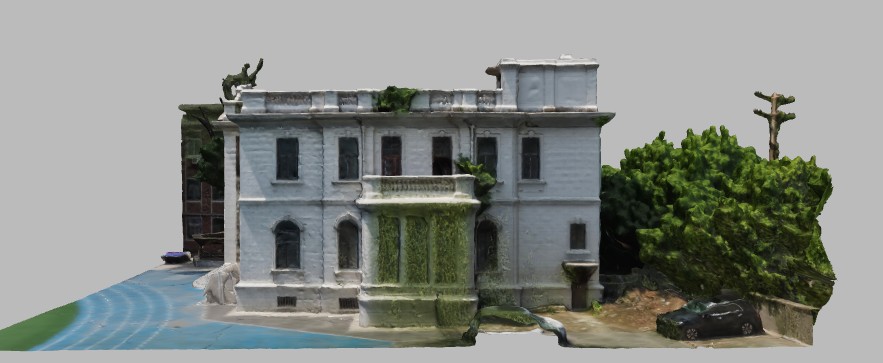
Shenyang, Liaoning, China
张廷枢公馆旧址 · Built in 1928, the Former Site of Zhang Tingshu Mansion preserves the official residence of Zhang Tingshu…
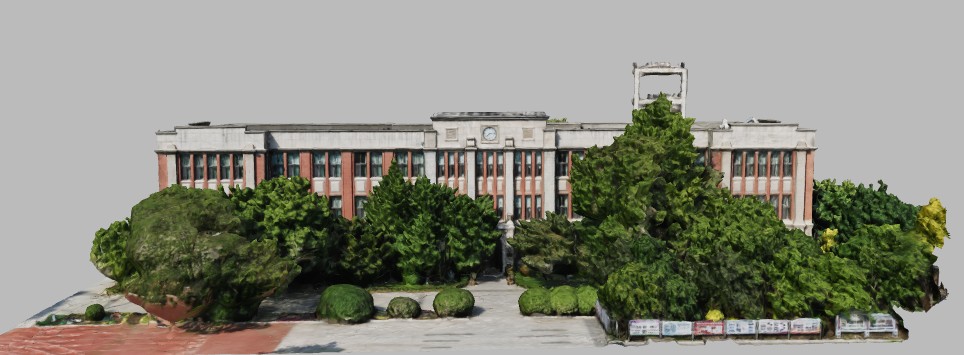
Shenyang, Liaoning, China
沈阳满洲教育专门学校 · Completed in 1926, the former Shenyang Manchurian Education Specialized School represents a unique educat…
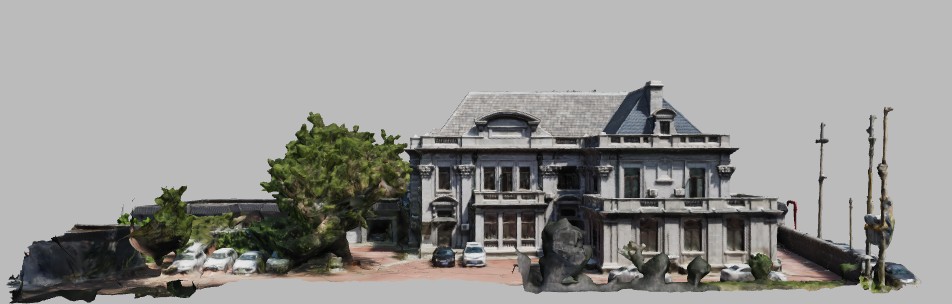
Shenyang, Liaoning, China
万福麟公馆旧址 · Built around 1920, the Former Site of Wan Fulin Mansion is a well-preserved example of an imitation Baroq…
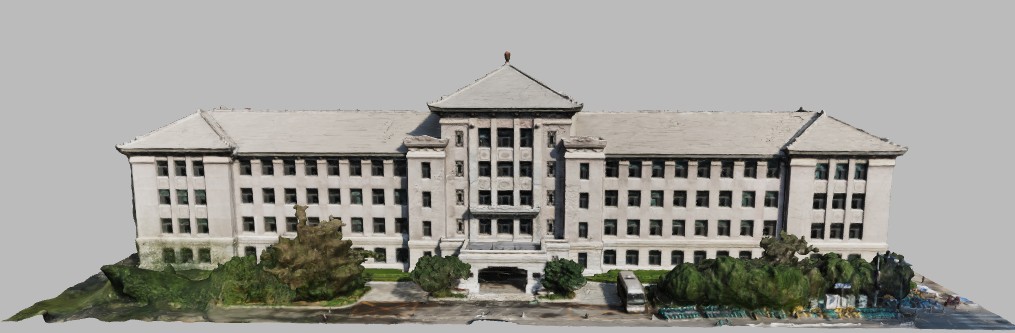
Shenyang, Liaoning, China
沈阳东北设计研究院 · Built in 1954, the historic headquarters of the Northeastern Design Institute in Shenyang is a landmark o…
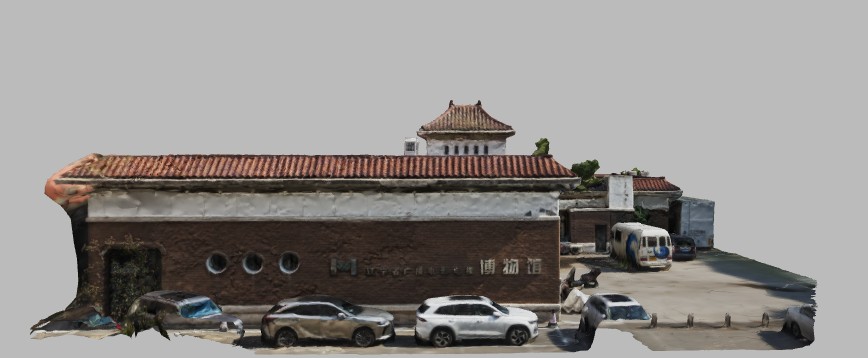
Shenyang, Liaoning, China
沈阳奉天无线广播电台 · Established in 1927 by warlords Zhang Zuolin and Zhang Xueliang, the Fengtian Wireless Radio Station open…
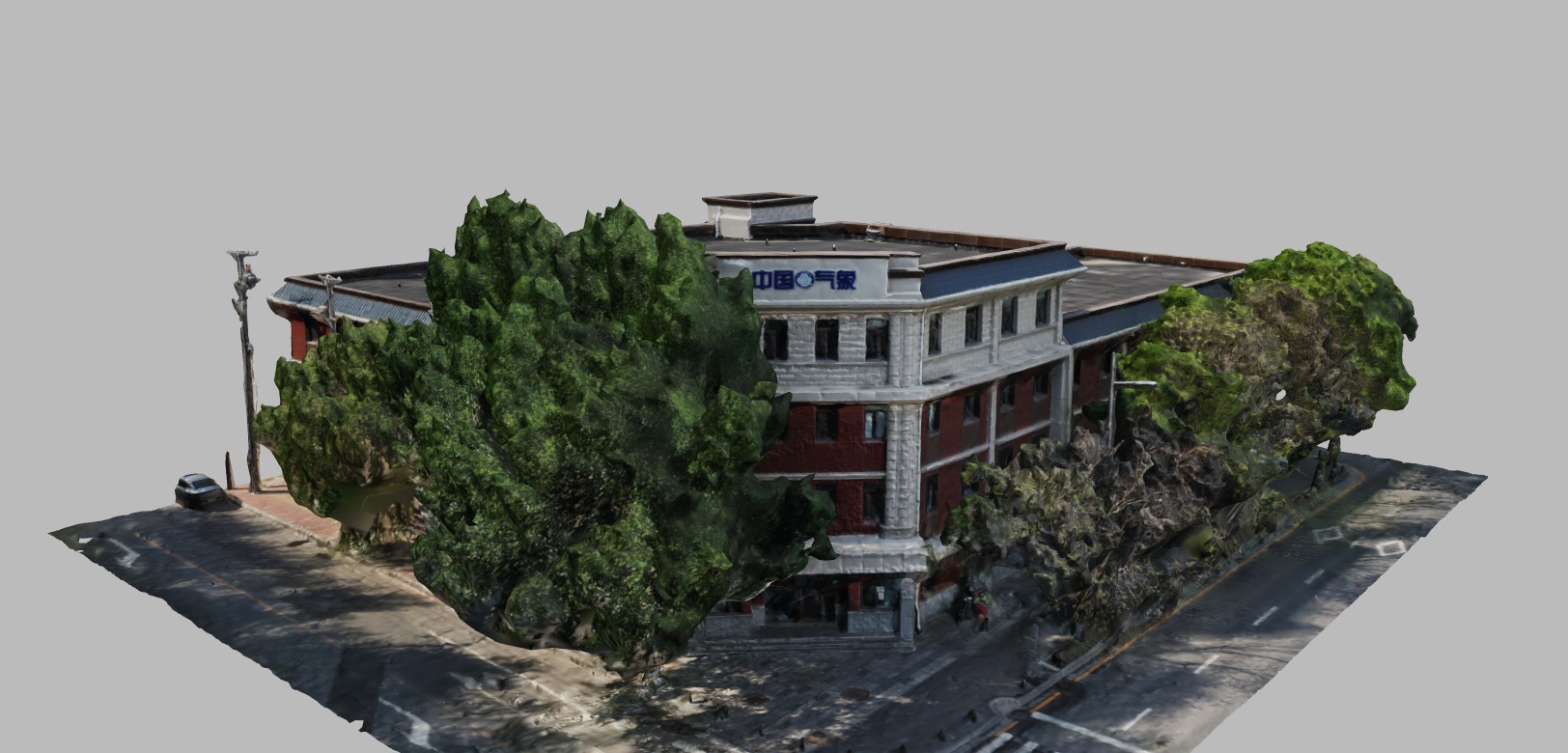
Shenyang, Liaoning, China
沈阳奉天测候局 · Built in 1937, the Fengtian Meteorological Observatory is a rare surviving example of colonial-era scient…
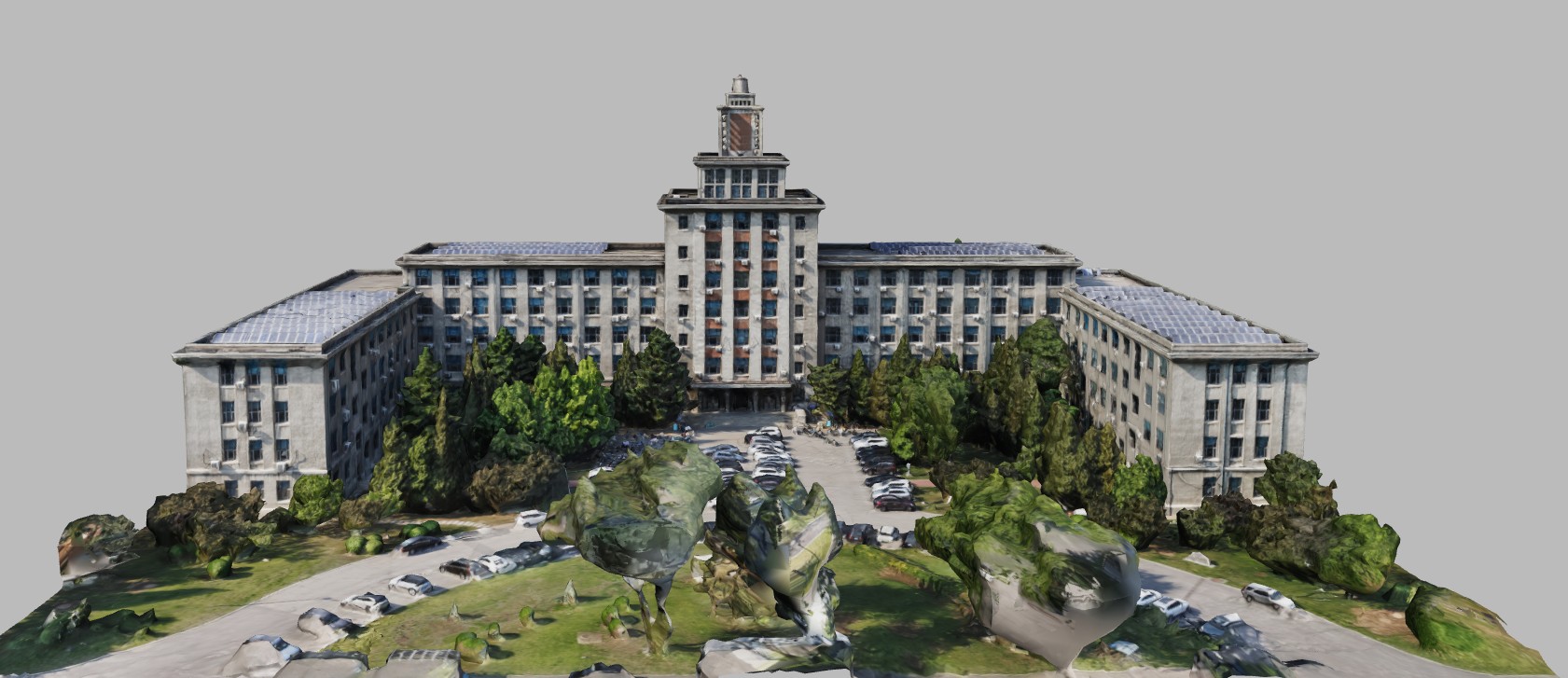
Shenyang, Liaoning, China
沈阳东北工学院旧址 · Built in the early 1950s, the architectural complex of the former Northeastern Institute of Technology re…
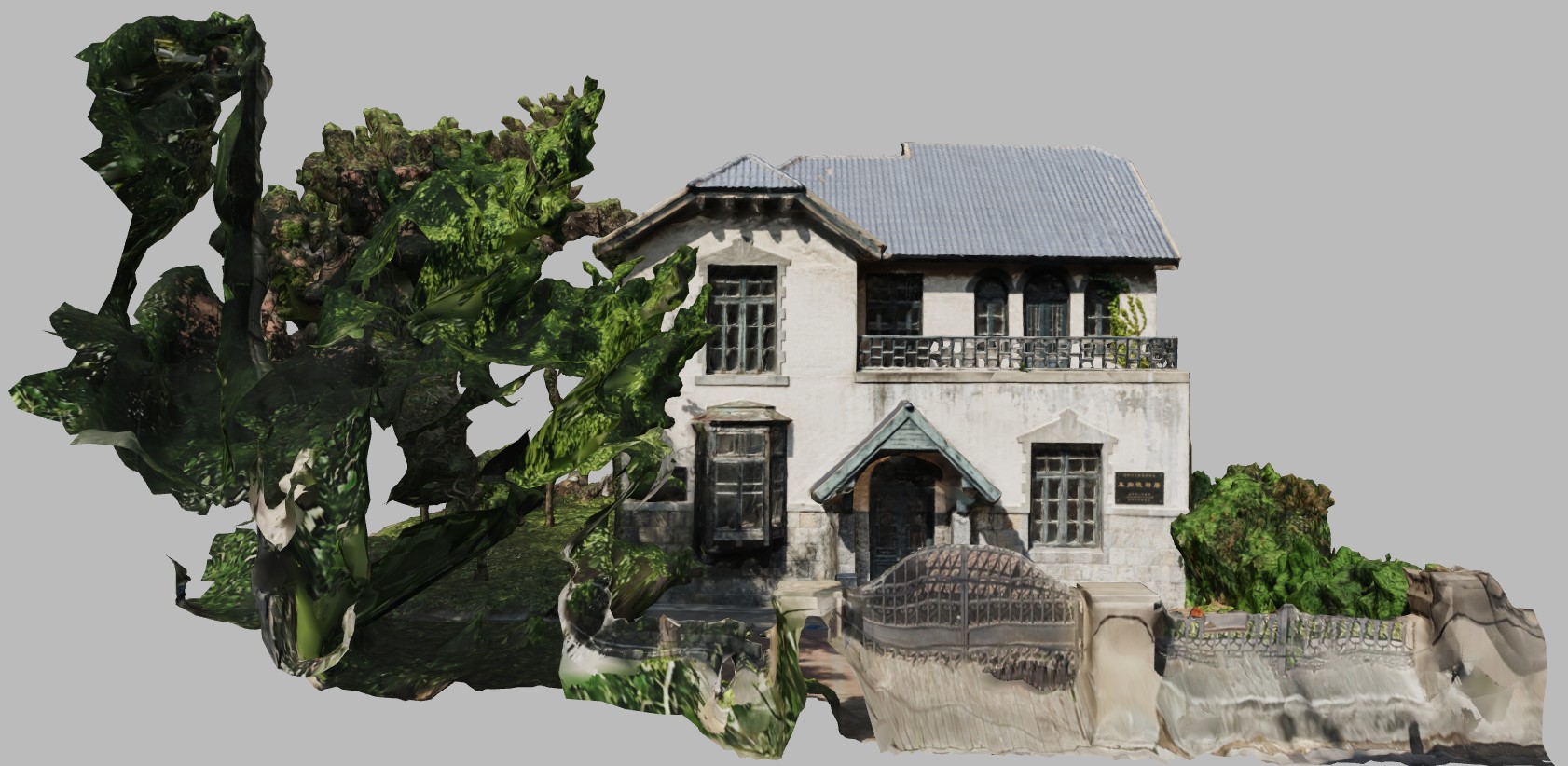
Shenyang, Liaoning, China
沈阳车向忱故居 · Built in 1923 as a Japanese railway villa, this residence is the sole surviving home of Che Xiangchen, a…
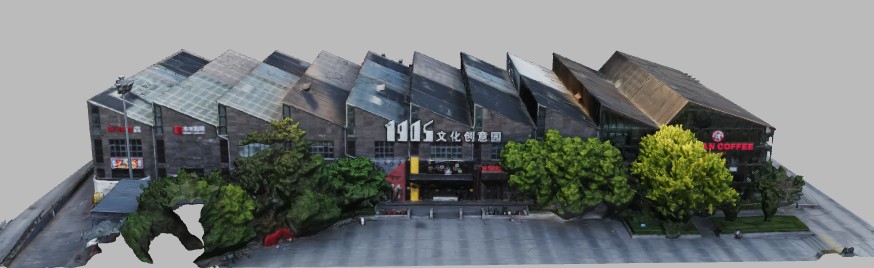
Shenyang, Liaoning, China
满洲住友金属株式会社旧址 · Built in 1937, this former industrial workshop represents Shenyang’s evolution from a colonial-era plant…