

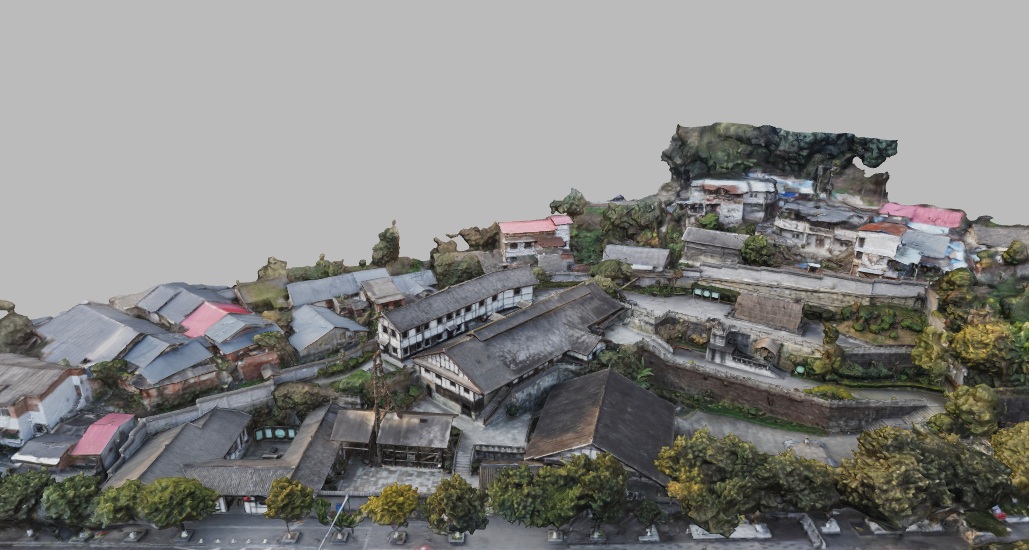
 Stop 01
Stop 1 of 10Sichuan, China
Zigong Shenhai Well
The timber derrick marks a deep shaft that yielded brine and natural gas, opening the route with the engineering that underpinned Zigong’s salt economy.
Architectural Heritage Route
Deep wells and brine works lead to a salt road, merchant and occupational guilds, riverfront worship, communications, and elaborate ancestral buildings. In Zigong, extraction beneath the ground becomes wealth, craft, labor organization, and social order above it.
10 geolocated stops
Curated Sequence
Stop 01The timber derrick marks a deep shaft that yielded brine and natural gas, opening the route with the engineering that underpinned Zigong’s salt economy.
 Stop 02
The preserved well machinery and brine-processing facilities connect extraction with salt making, showing the working stages between underground resources and the city’s merchant wealth.
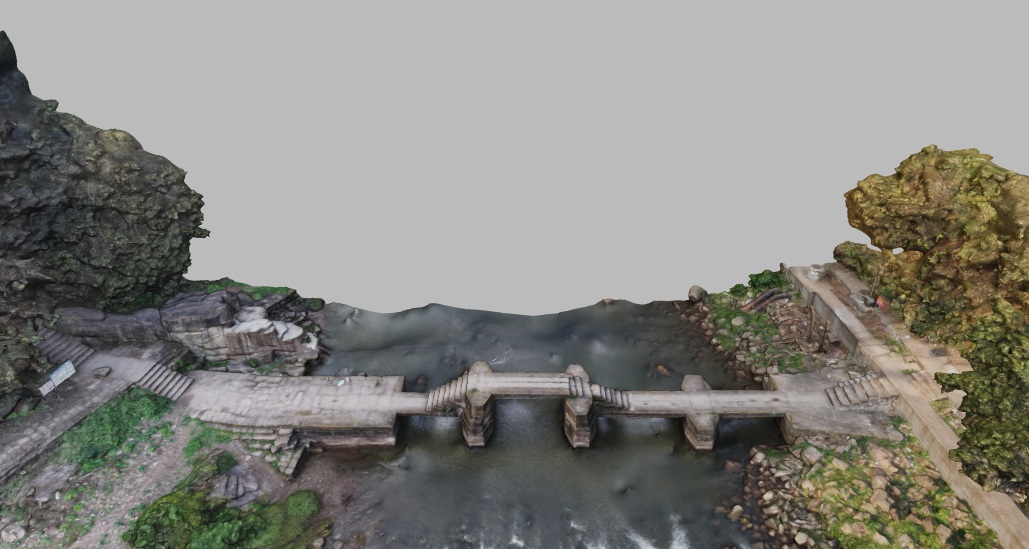 Stop 03
Worn paving and the riverbank staircase preserve the passage of salt porters, turning the route from well machinery toward the labor and transport of trade.
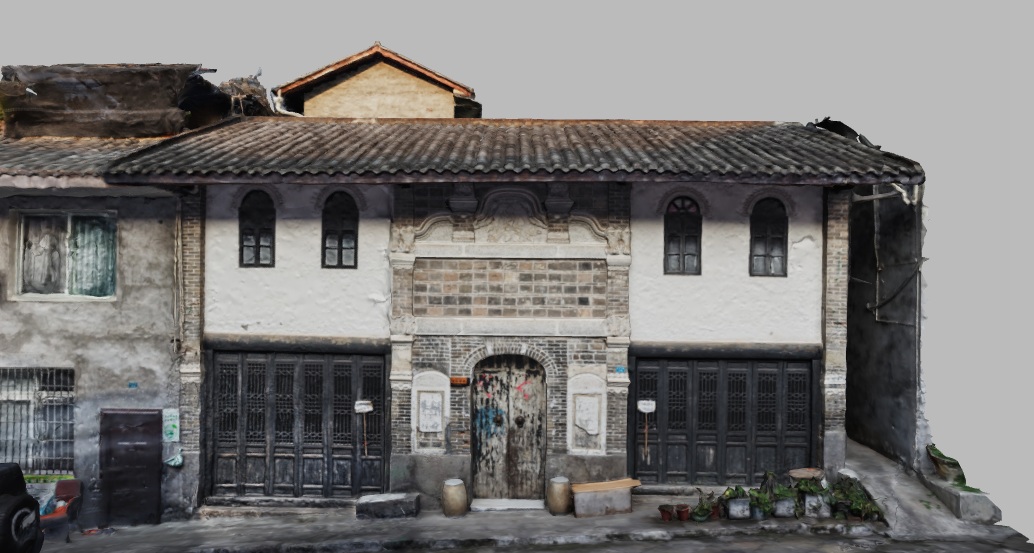 Stop 04
The former courtyard residence became a post and telegraph office serving commercial communication, adding the exchange of information to the salt city’s networks of goods and merchants.
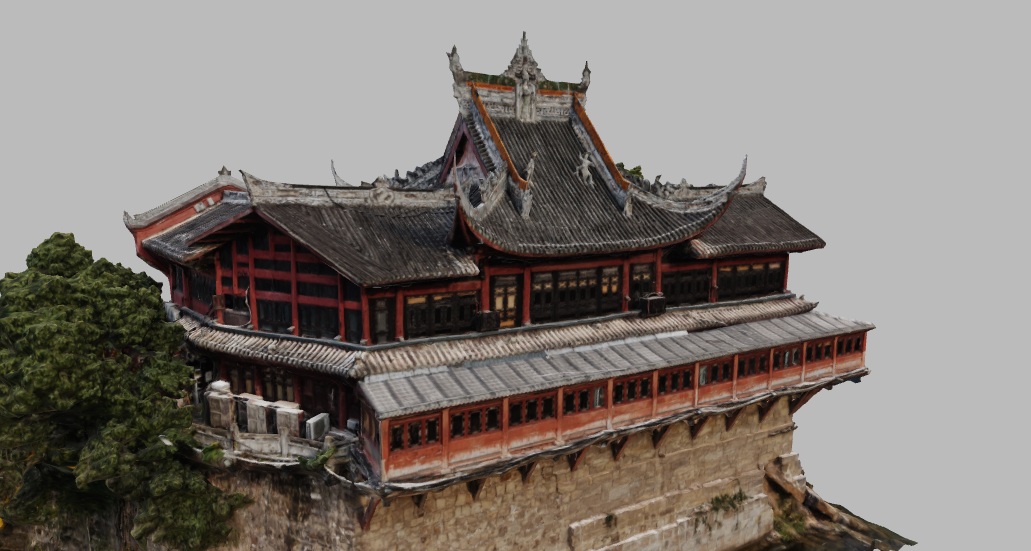 Stop 05
Salt merchants supported the riverfront temple and its surviving opera stage, connecting shipping-related worship and collective performance with the waterways that carried the city’s trade.
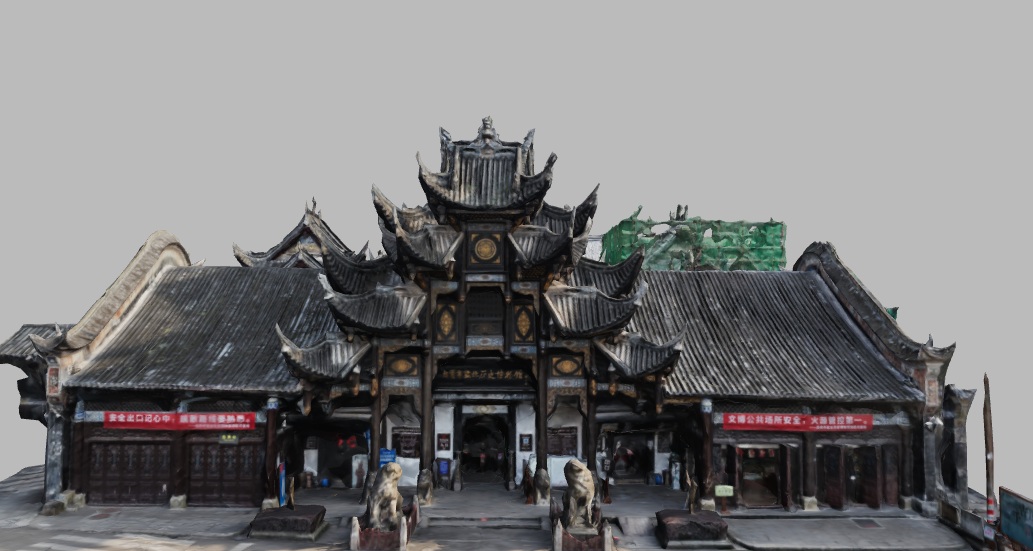 Stop 06
The carved hall and performance courtyard were funded by Shaanxi salt merchants, giving commercial organization and shared worship an architectural presence within Zigong’s salt economy.
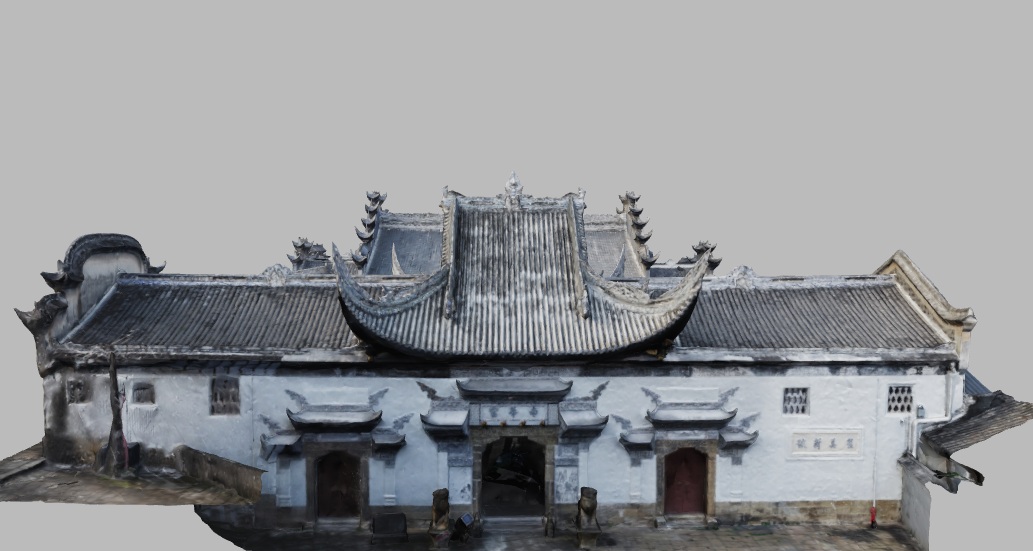 Stop 07
Guangdong salt merchants built the guild’s courtyard and opera stage, carrying Cantonese porcelain-inlay roof craft into Zigong and adding another regional network to commercial organization.
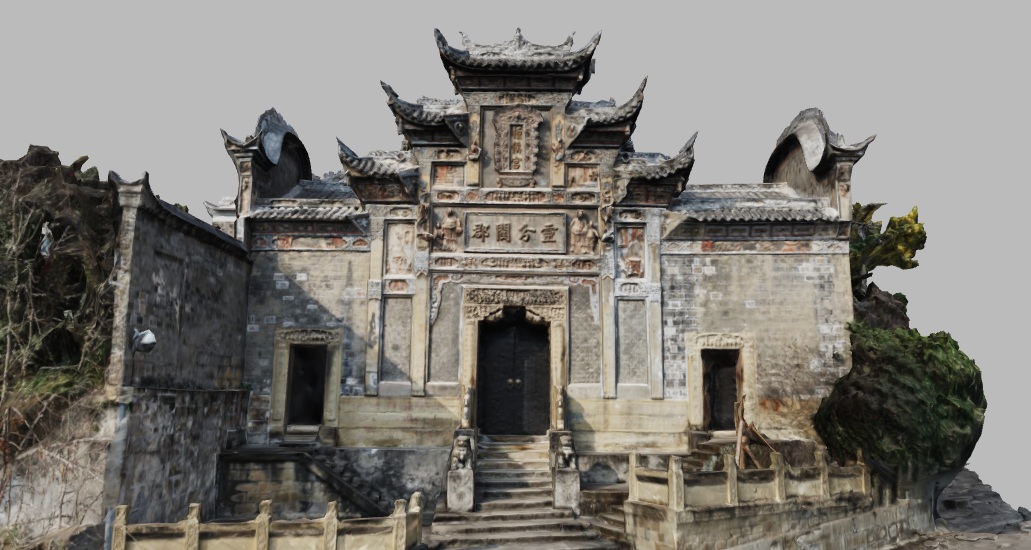 Stop 08
The butchers’ guild arose beside a salt industry dependent on draft buffalo, giving livestock-related work a carved courtyard and performance stage within the city’s productive economy.
 Stop 09
A salt merchant built this courtyard shrine to honor his grandfather, translating commercial wealth into family commemoration and the timber architecture of southern Sichuan.
 Stop 10
The former salt administration compound combines an inward-draining courtyard, restored murals, and a performance stage, linking trade governance with ancestral ceremony and later public culture.
40 Stops
Guild halls and migrant-community temples carry regional gods, stages, courtyards, lodging, and carving traditions into towns far from their builders’ origins. Across China and into Singapore, shared hometown ties become architecture for worship, commerce, study, mutual assistance, and remembrance.
41 Stops
Furnaces, mines, mills, breweries, shipyards, utilities, and manufacturing workshops expose the forms behind finished products. Working machinery, abandoned structures, surviving fragments, and reused plants reveal industry as architecture, labor, energy, and material transformation.
39 Stops
From early Shanxi halls and a wooden pagoda to regional caissons, theater roofs, palaces, and civic towers, Chinese timber buildings preserve different ways of carrying a roof and imagining the space beneath it. Brackets, ceilings, and sacred art become an architectural archive.