

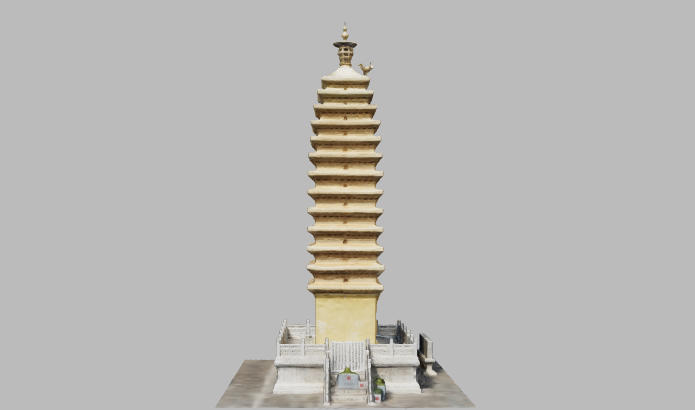
 Stop 01
Stop 1 of 15Yunnan, China
East Pagoda of Miaozhan Monastery
Guandu’s dense-eaved brick tower and bronze Garuda finials introduce the esoteric Buddhist imagery that persisted alongside Yunnan’s changing pagoda forms.
Architectural Heritage Route
Pagodas shaped by Nanzhao and Dali Buddhism, esoteric traditions, and later Ming and Qing literary culture. Suggested direction: Kunming, Dali, Weishan, Chuxiong, and Dayao.
15 geolocated stops
Curated Sequence
Stop 01Guandu’s dense-eaved brick tower and bronze Garuda finials introduce the esoteric Buddhist imagery that persisted alongside Yunnan’s changing pagoda forms.
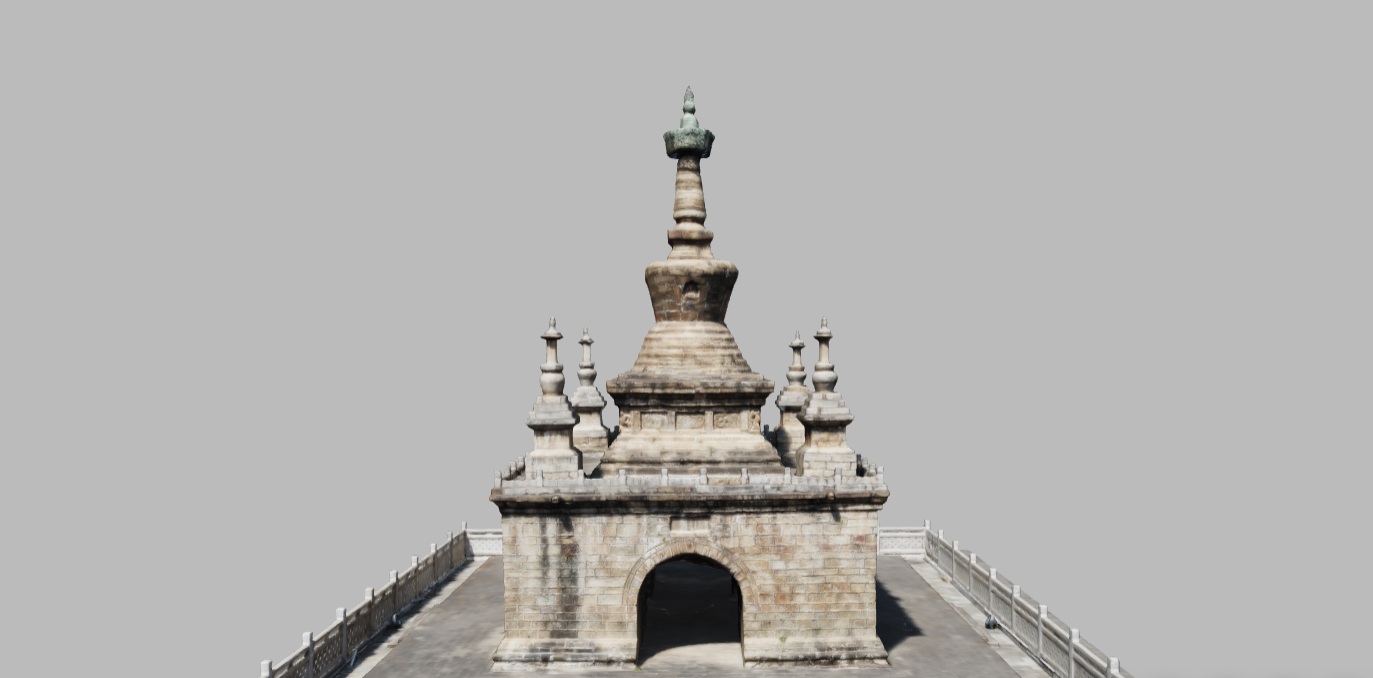 Stop 02
Its five-tower mandala above intersecting pedestrian archways brings esoteric Buddhist geometry into Guandu’s street life, extending the journey beyond monastery precincts.
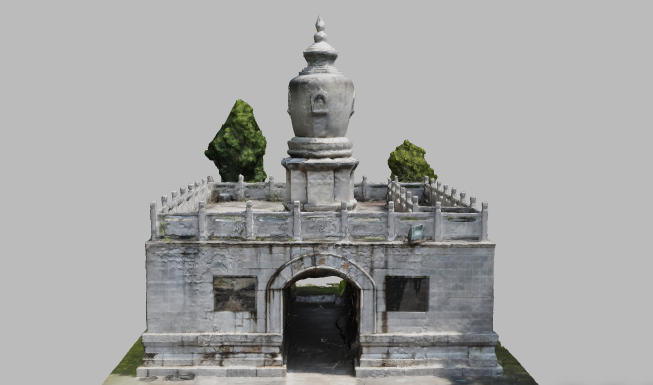 Stop 03
The reconstructed Tibetan-style stupa and pedestrian passage add Kunming’s Yuan-era Buddhist urban heritage while distinguishing recreated architecture from the route’s surviving medieval fabric.
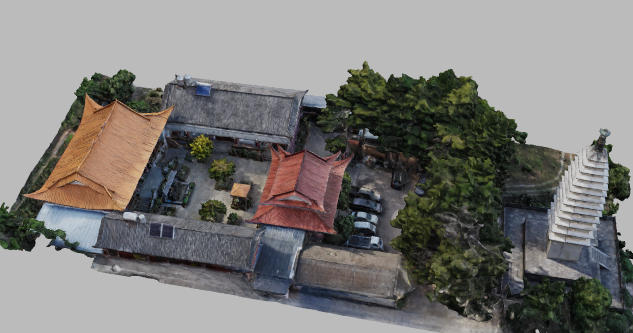 Stop 04
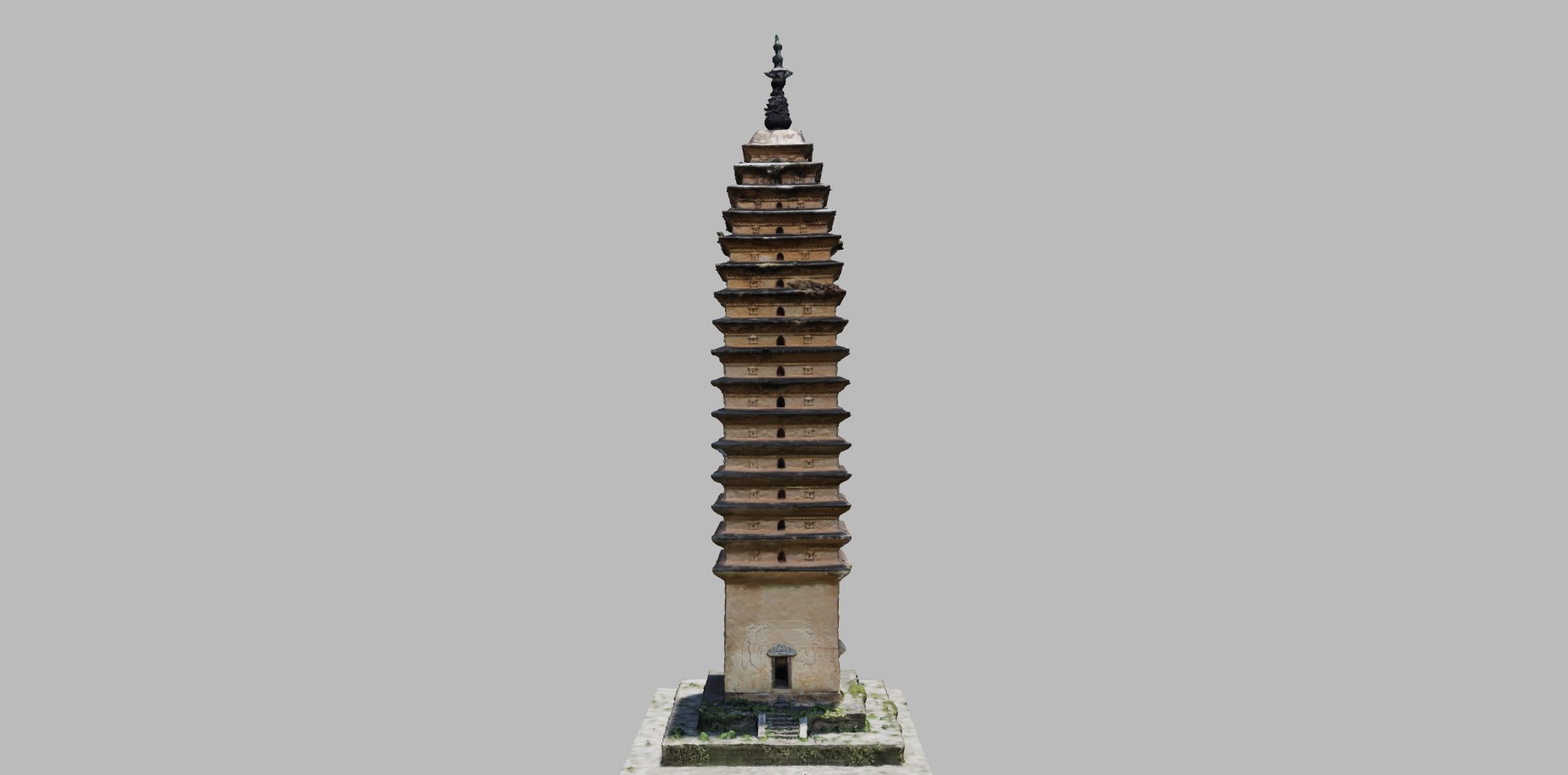
The Nanzhao brick tower and recovered Buddhist scriptures connect Dali’s surviving pagoda architecture with the religious materials once kept inside these monuments.
 Stop 05
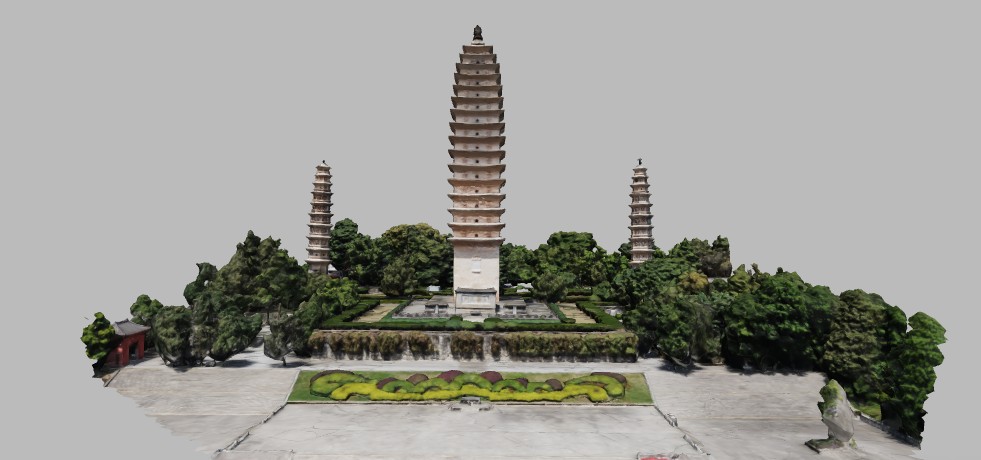
The solitary brick pagoda and sacred objects recovered from its spire preserve evidence of Dali’s royal Buddhist institutions after the surrounding monastery disappeared.
 Stop 06
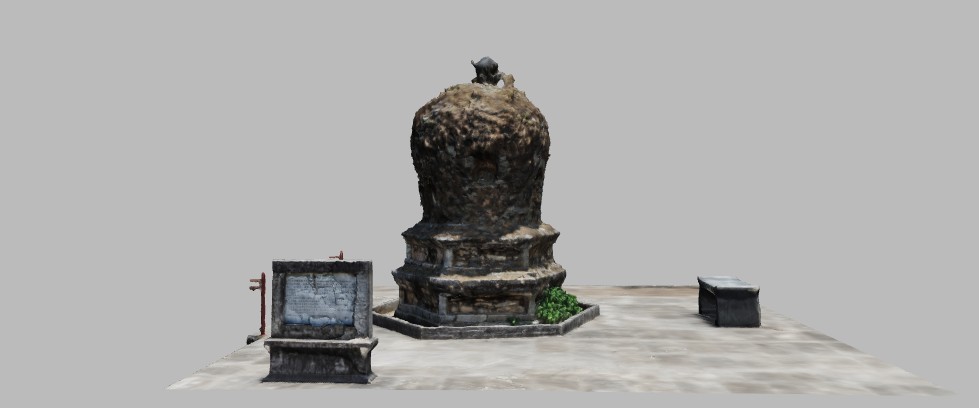
The square central tower and later octagonal companions place Nanzhao and Dali building campaigns together, making changing Buddhist patronage visible within one ensemble.
 Stop 07
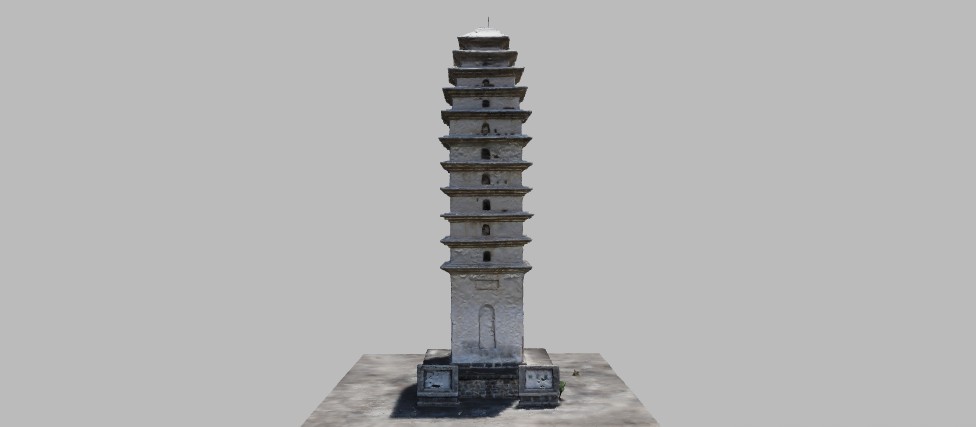
The stone funerary stupa for Japanese monks expands Dali’s Buddhist geography through migrant religious communities, adding burial and literary exchange to the monumental towers.
 Stop 08
The field-standing Qing stone tower and donor inscriptions connect pagoda building with local water-related geomancy, extending the route beyond medieval royal Buddhist patronage.
 Stop 09
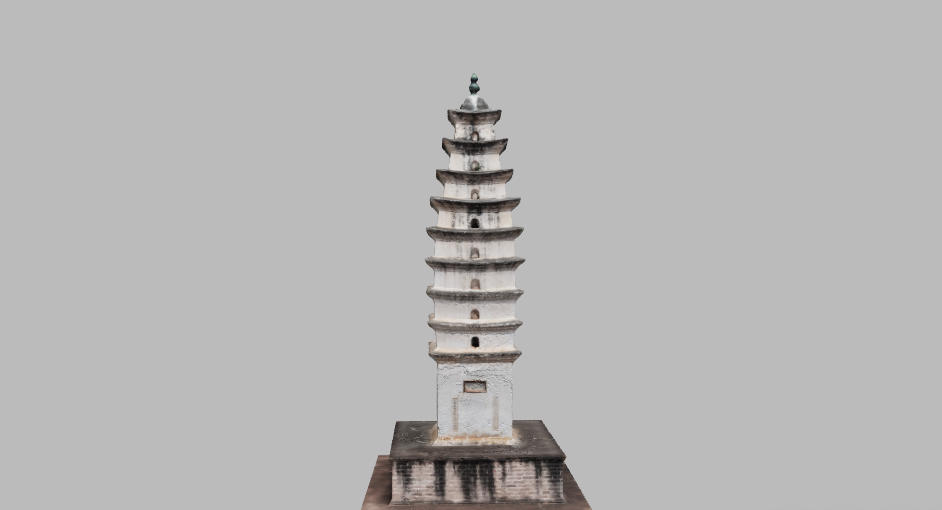
Its writing-brush silhouette and alignment with Weishan’s Confucian Temple make scholarly aspiration part of the pagoda landscape, marking the journey’s later literary traditions.
 Stop 10
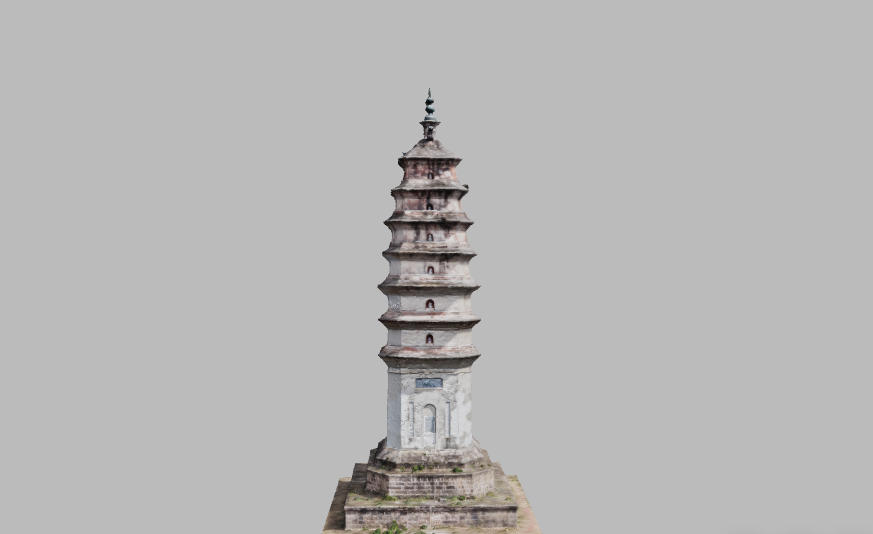
The unequal octagonal base and alignment with Weishan’s Confucian Temple connect an unusual pagoda form with the Qing town’s geomantic organization.
 Stop 11
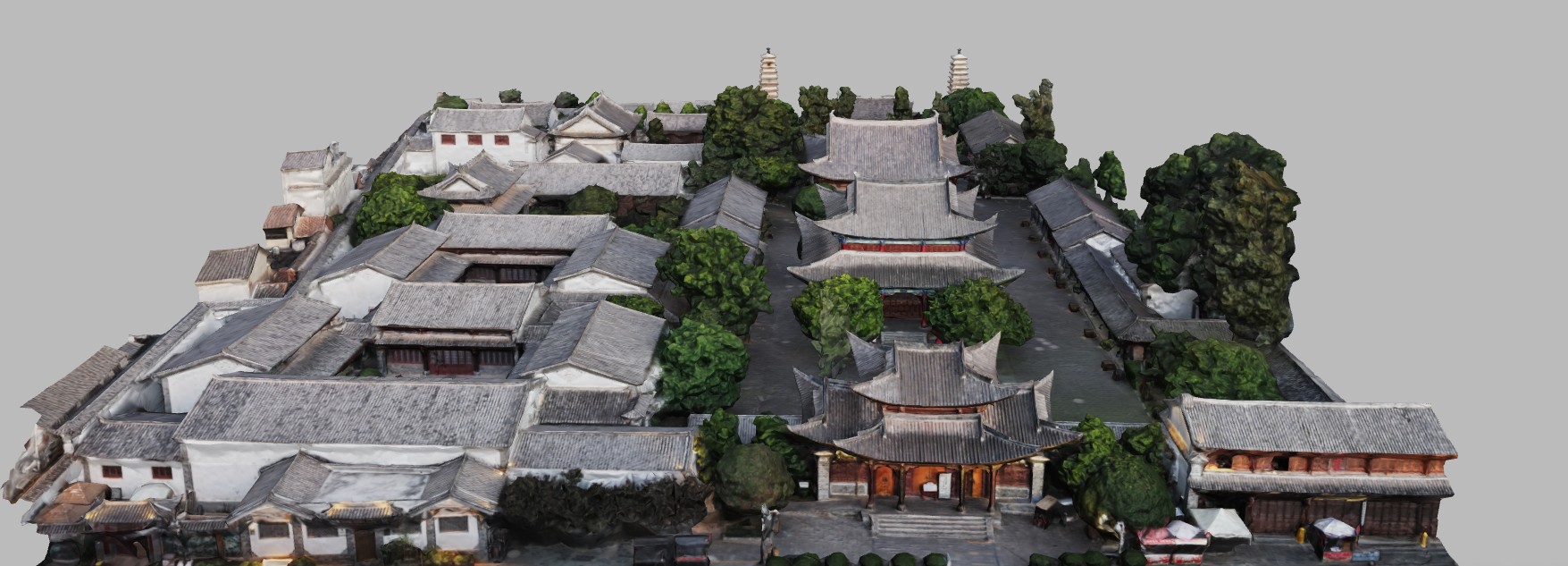
The Ming timber hall and paired brick pagodas set surviving religious buildings beside Nanzhao museum collections, connecting later architecture with the region’s earlier Buddhist history.
 Stop 12
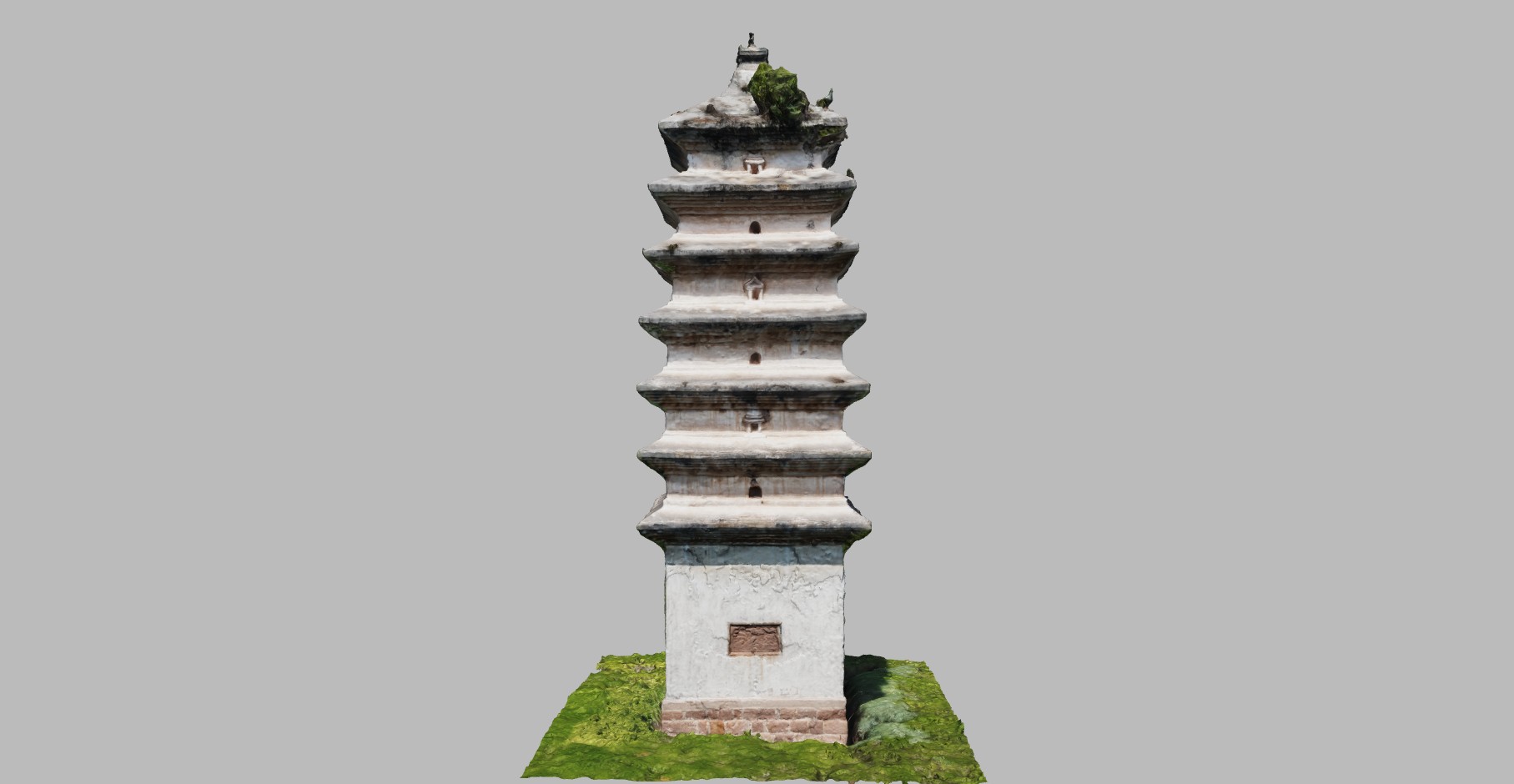
Carp reliefs, a Kuixing figure, and Garuda finials combine examination symbolism with religious protection, concentrating the journey’s transition toward literary pagoda culture.
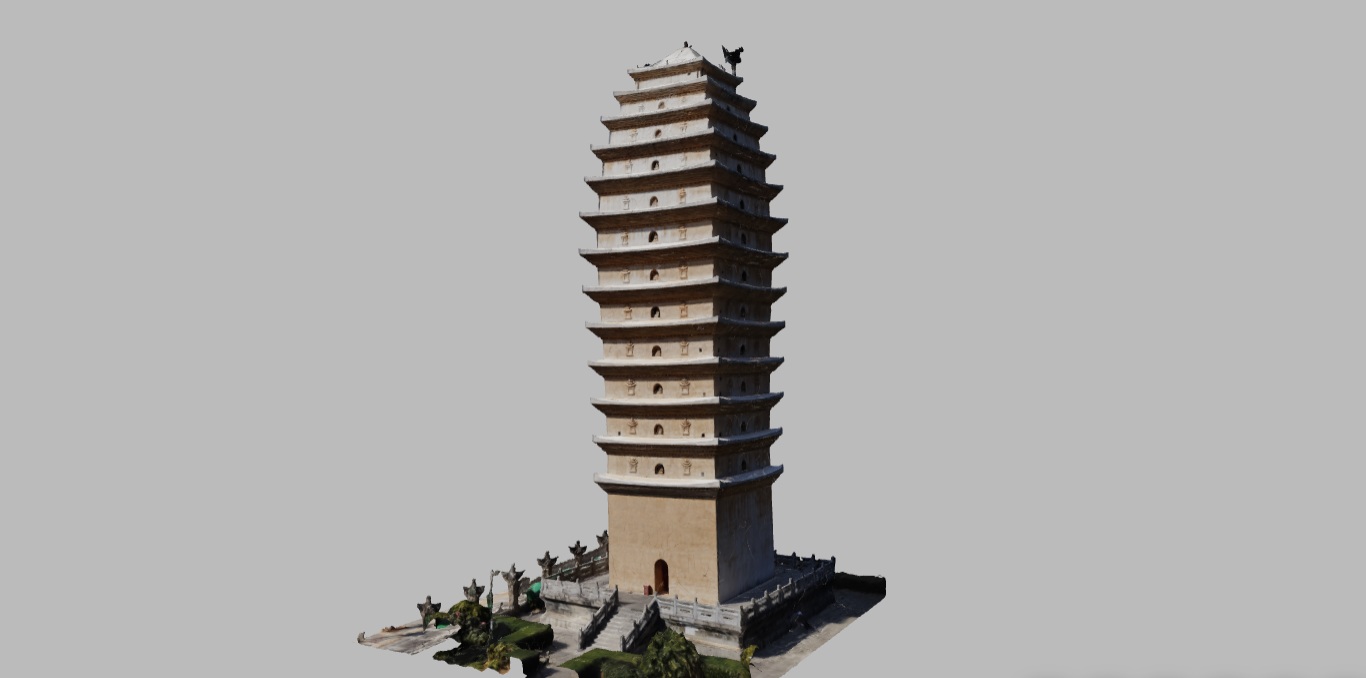 Stop 13
The rebuilt dense-eaved tower and Garuda finials show how Kunming renewed a Nanzhao-associated Buddhist monument, carrying an inherited pagoda form into the Qing period.
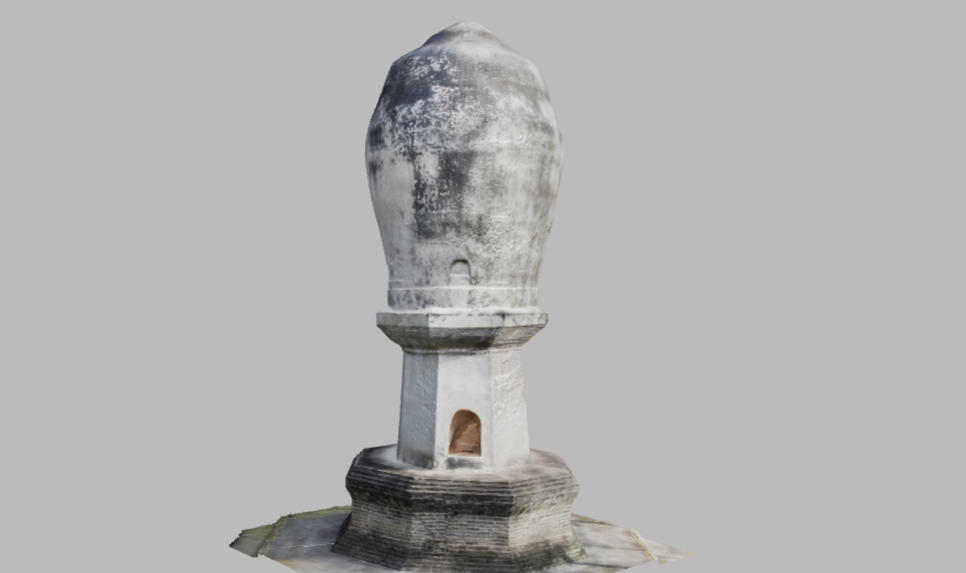 Stop 14
Its bulbous body and narrow waist broaden the route’s formal range beyond dense-eaved towers, foregrounding Yunnan’s less familiar Buddhist stupa traditions.
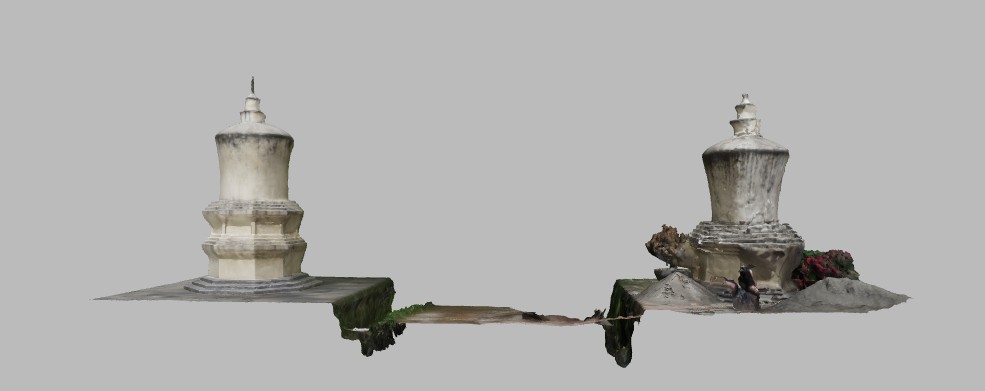 Stop 15
The paired bottle-shaped stone stupas extend the journey’s Tibetan-style architectural forms into a later Bai village setting, connecting regional Buddhism with local communal patronage.
12 Stops
A survey of Serbian Orthodox architecture from the medieval Raška state and Nemanjić foundations to the Morava school and the modern national church.
30 Stops
Across Reims, Metz, Strasbourg, and the northern Vosges, Roman reliefs, Gothic glass, courtly interiors, and public squares trace how communities have expressed belief, authority, and belonging. Coronation ritual and monastic memory meet imperial urban planning, the rebuilding of libraries and theatres, and contemporary art and solidarity. Together, these places reveal a regional culture continually remade through exchange, conflict, and care.
15 Stops
Memorial architecture spanning the events of 1914, Second World War partisan memory, the breakup of Yugoslavia, and the NATO bombing campaign.