

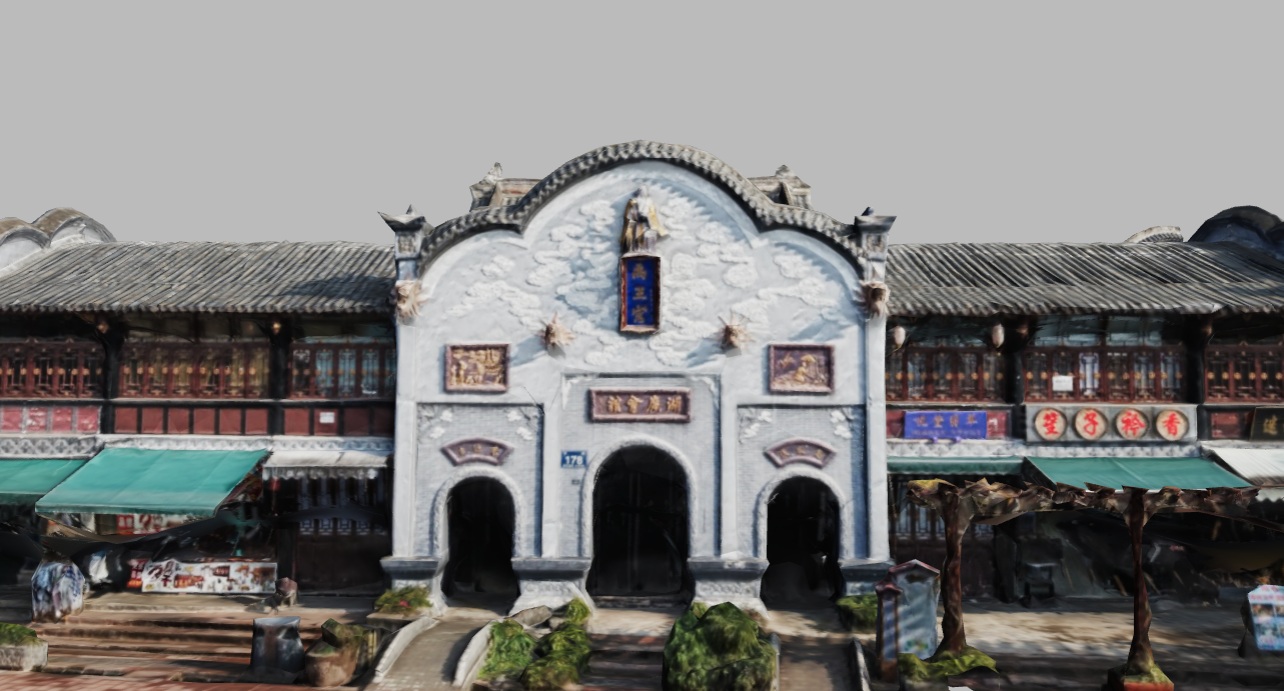
 Stop 01
Stop 1 of 40Sichuan, China
Luodai Ancient Town Huguang Guild Hall
The shrine to Yu the Great and courtyard stage provided Hubei and Hunan immigrants with shared worship and assembly spaces during Sichuan’s population resettlement.
Architectural Heritage Route
Guild halls and migrant-community temples carry regional gods, stages, courtyards, lodging, and carving traditions into towns far from their builders’ origins. Across China and into Singapore, shared hometown ties become architecture for worship, commerce, study, mutual assistance, and remembrance.
40 geolocated stops
Curated Sequence
Stop 01The shrine to Yu the Great and courtyard stage provided Hubei and Hunan immigrants with shared worship and assembly spaces during Sichuan’s population resettlement.
 Stop 02
The large public stage and smaller interior stage gave Jiangxi immigrants spaces for performance and patron-deity worship, organizing homeland identity within a Sichuan town.
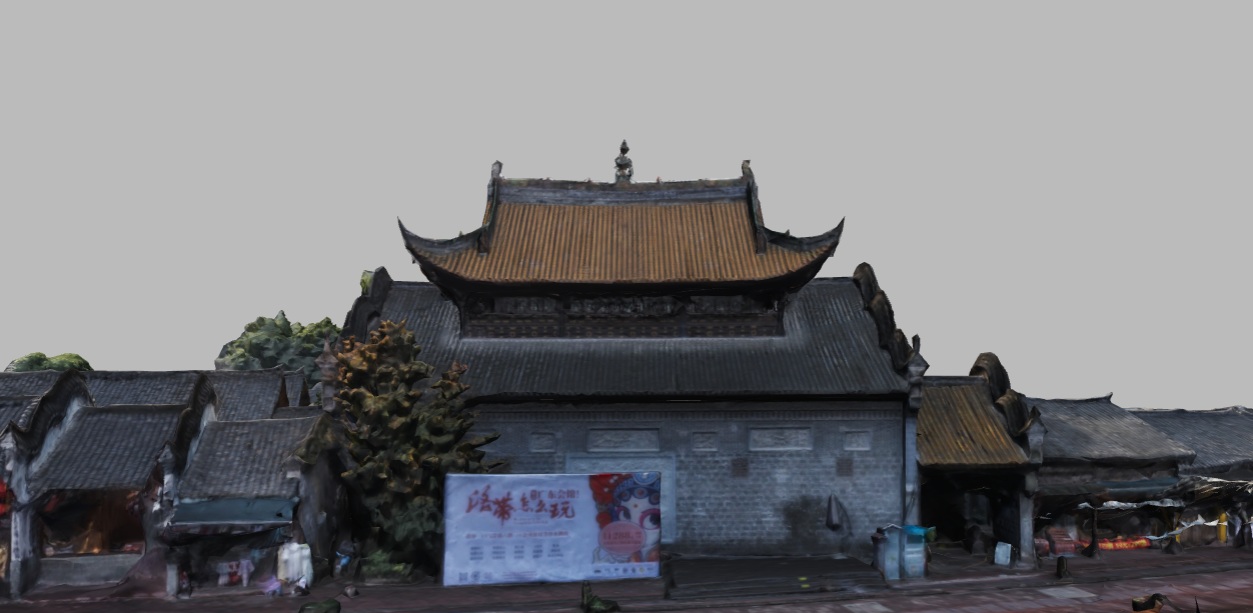 Stop 03
Undulating firewalls and a shrine dedicated to Huineng mark the Guangdong community’s gathering place, giving southern origins a visible architectural presence within Luodai.
 Stop 04
Relocated from central Chengdu to Luodai, the northern Sichuan merchants’ hall adds a second migration story through its stage entrance and raised main hall.
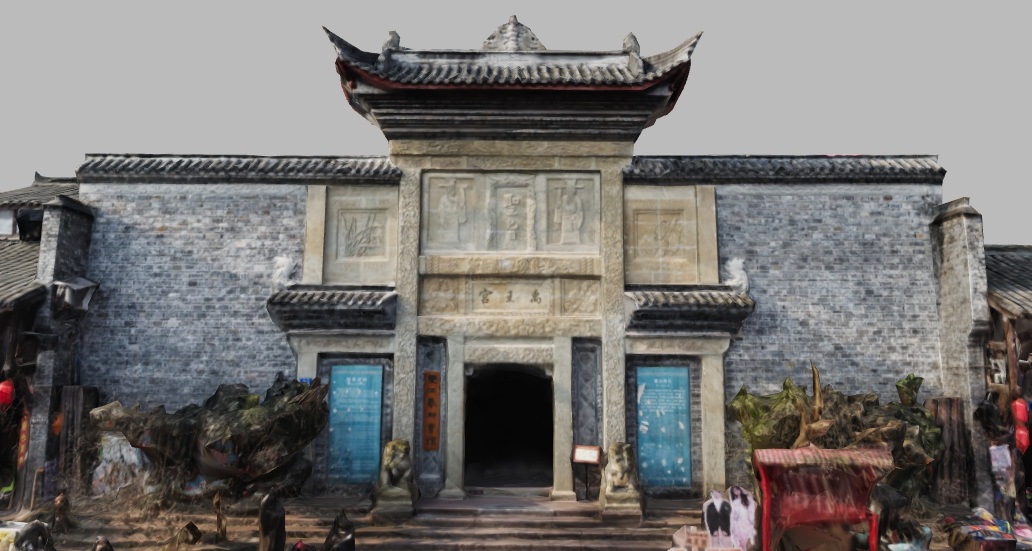 Stop 05
The Huguang community used a flood-deity temple as its guild hall, with an entrance opera stage and viewing galleries organizing shared ceremony and merchant assembly.
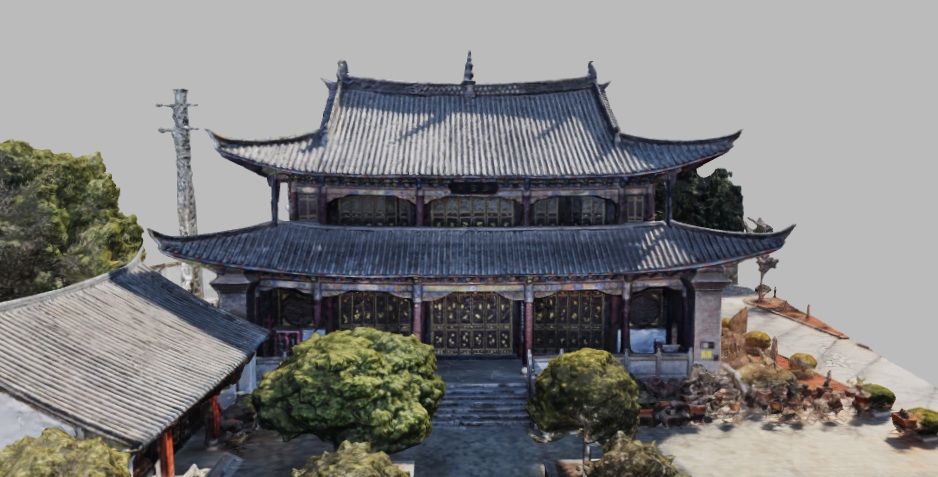 Stop 06
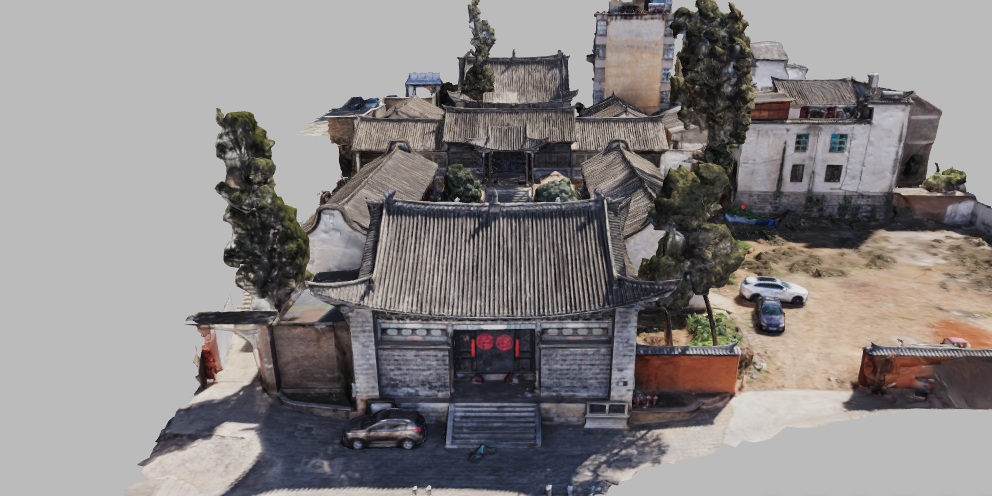
The God of Wealth temple, theater stage, and Jade Emperor Pavilion show how Huize’s copper merchants organized regional identity through shared ritual and gathering spaces.
 Stop 07
The Guizhou merchants’ guild combined a deity shrine with an opera stage and viewing galleries, giving copper-trade migrants a place to assemble around shared regional origins.
 Stop 08
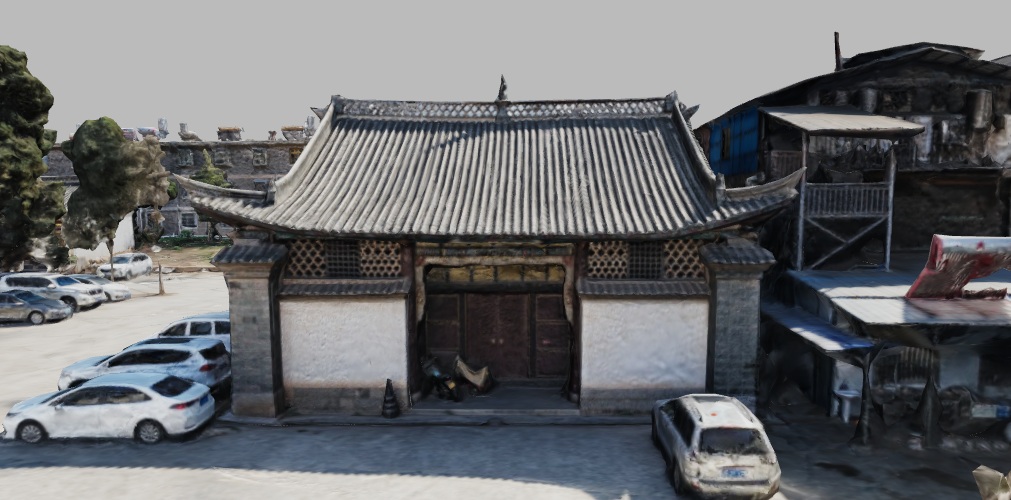
The Huguang guild’s stage entrance and multiple shrines gave migrants from Hubei and Hunan a collective ceremonial setting, extending Huize’s comparison of homeland-based merchant institutions.
 Stop 09
The adjacent Sichuan and Shaanxi guild remains show separate migrant communities organizing neighboring compounds, with differing survival of stages, halls, and courtyard spaces.
 Stop 10
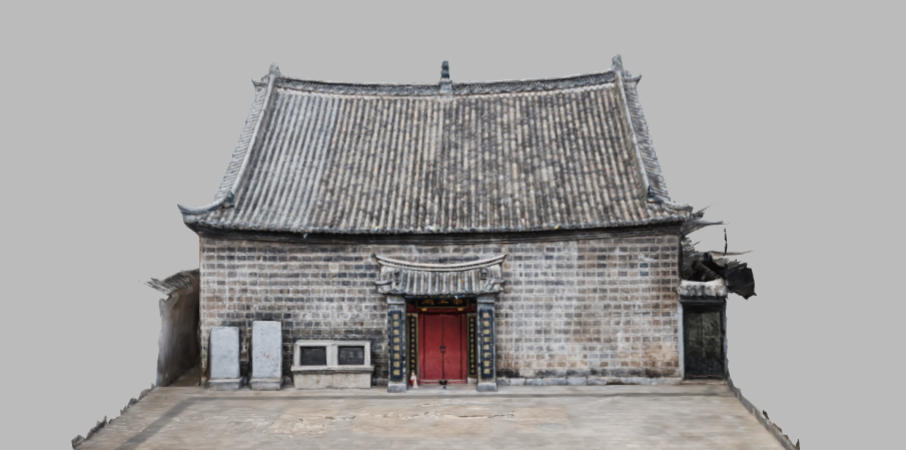
The Mazu shrine and sweeping roof ridges preserve Fujian merchants’ coastal religious and building traditions within the landlocked setting of Huize’s copper-trade community.
 Stop 11
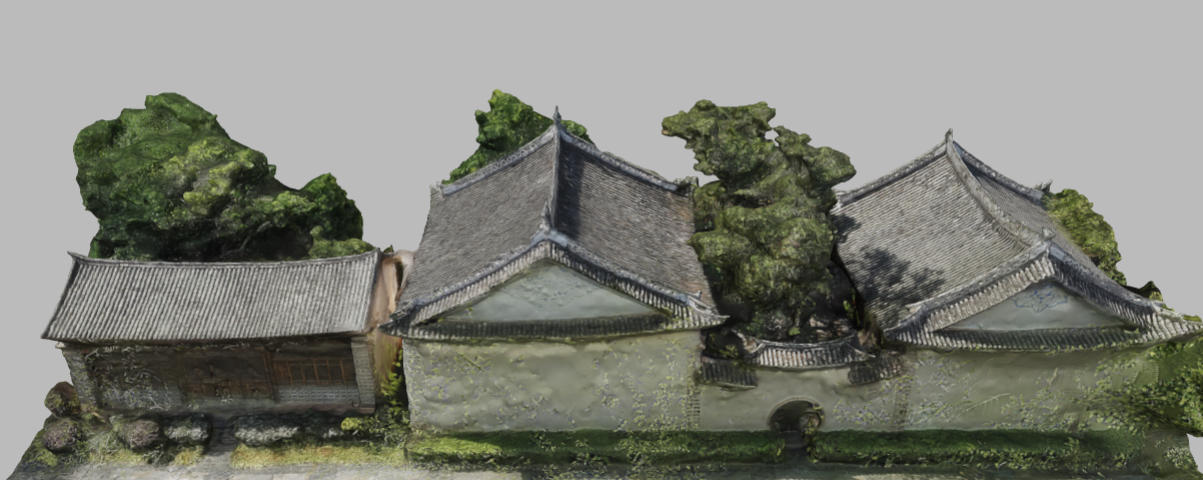
The surviving medicine-deity hall belonged to migrants from Jiangxi’s Linjiang prefecture, linking shared hometown identity with pharmaceutical work, collective worship, and carved timber gathering space.
 Stop 12
Jiangxi merchants rebuilt the water-deity temple as their guild hall, carrying homeland worship into Weishan’s courtyards and wooden stage before the complex acquired later educational uses.
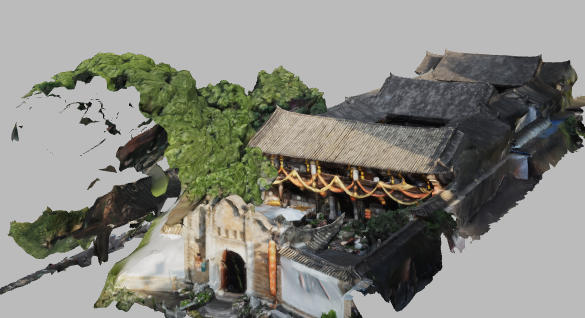 Stop 13
Shiping merchants and students supported the sloping courtyard hall, where lodging and gathering spaces joined commercial travelers with scholars studying away from their hometown.
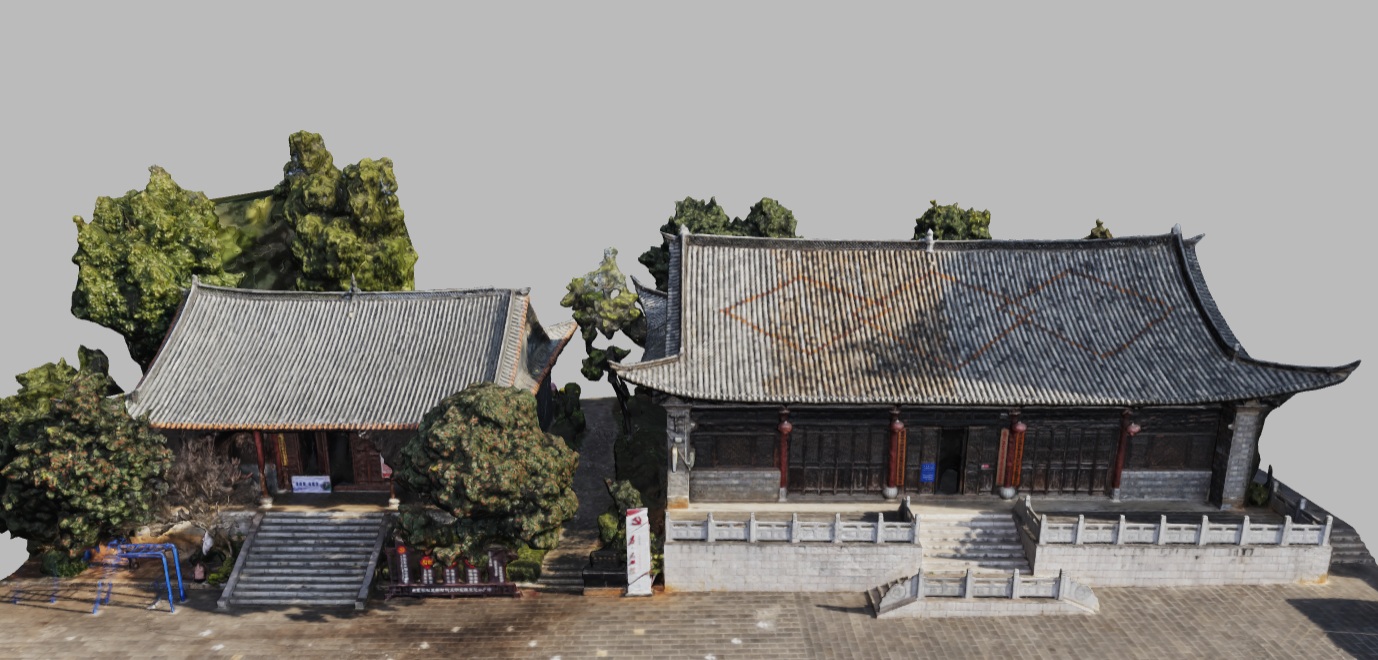 Stop 14
The relocated Jianyang hall preserves carved gathering space funded by merchants from Jianshui, showing that hometown association operated between neighboring Yunnan towns as well as distant provinces.
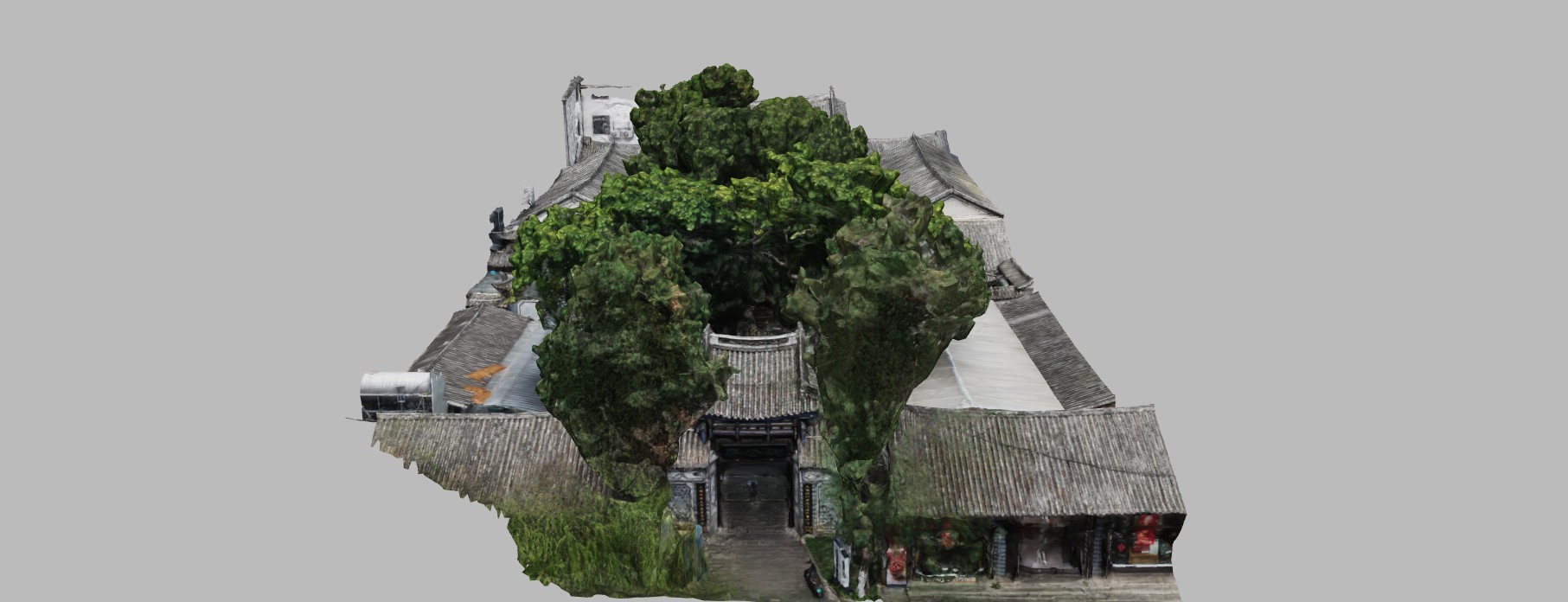 Stop 15
The general’s shrine later became the Heqing Guild Hall, adding a native-place association adapted from an existing Bai courtyard rather than built initially for merchant assembly.
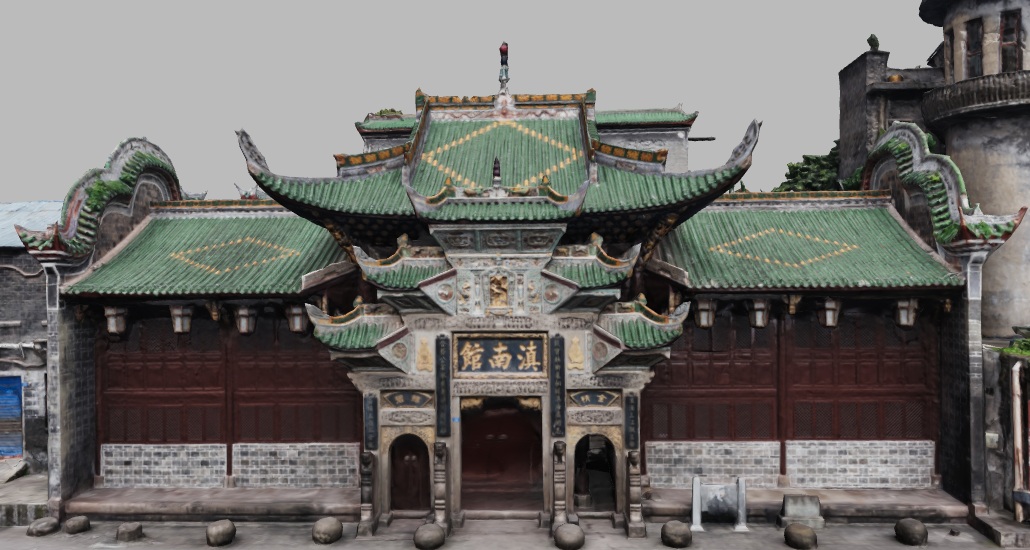 Stop 16
The Yunnan merchants’ hall placed a carved theater and ceremonial courtyards beside Yibin’s river commerce, giving traders shared gathering space beyond their home province.
 Stop 17
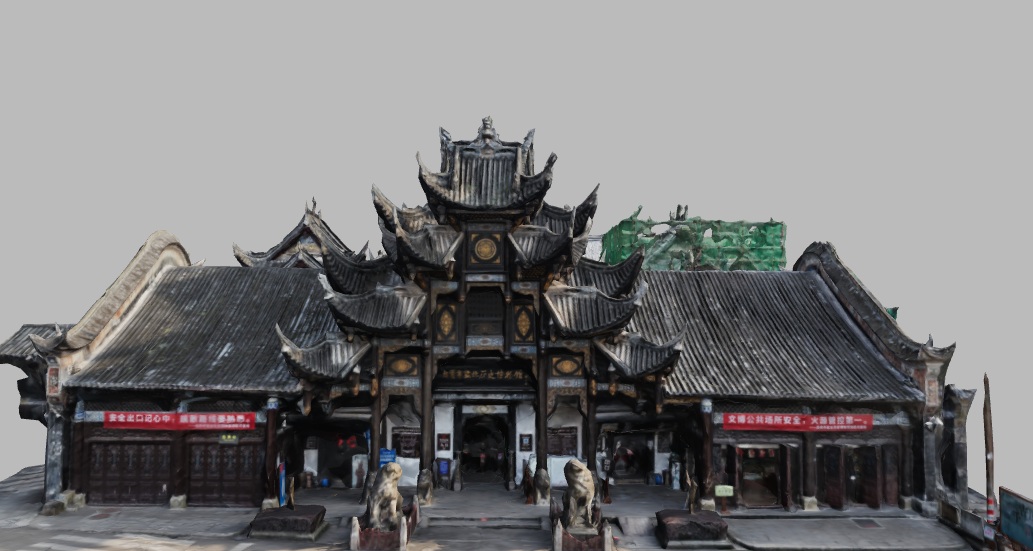
Shaanxi salt merchants funded the carved shrine and performance courtyard, giving a northern community’s commercial cooperation and patron worship a lasting home in Sichuan’s salt city.
 Stop 18
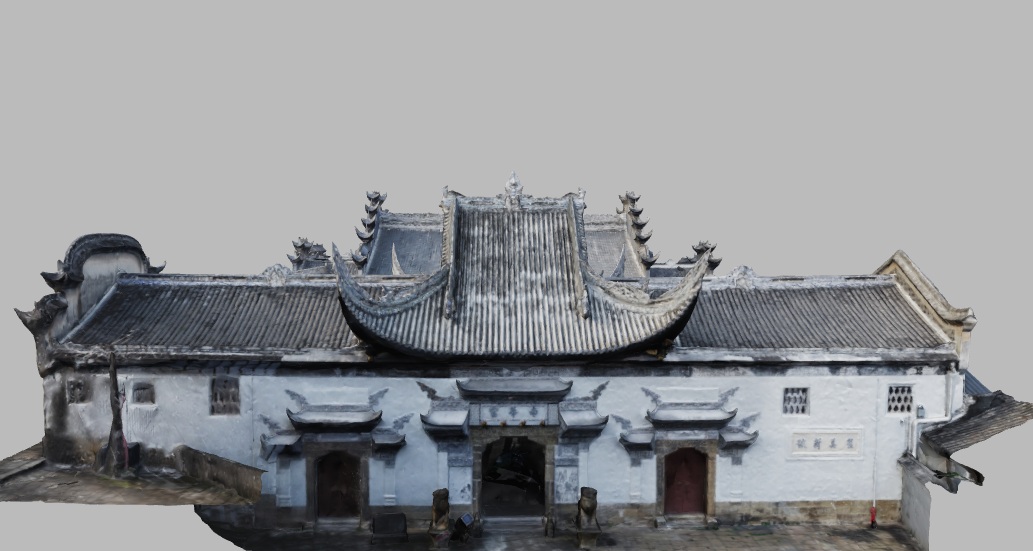
Guangdong salt merchants brought porcelain-inlay roof craft and courtyard performance into their Zigong guild, making shared origin visible within a specialized commercial community far from home.
 Stop 19
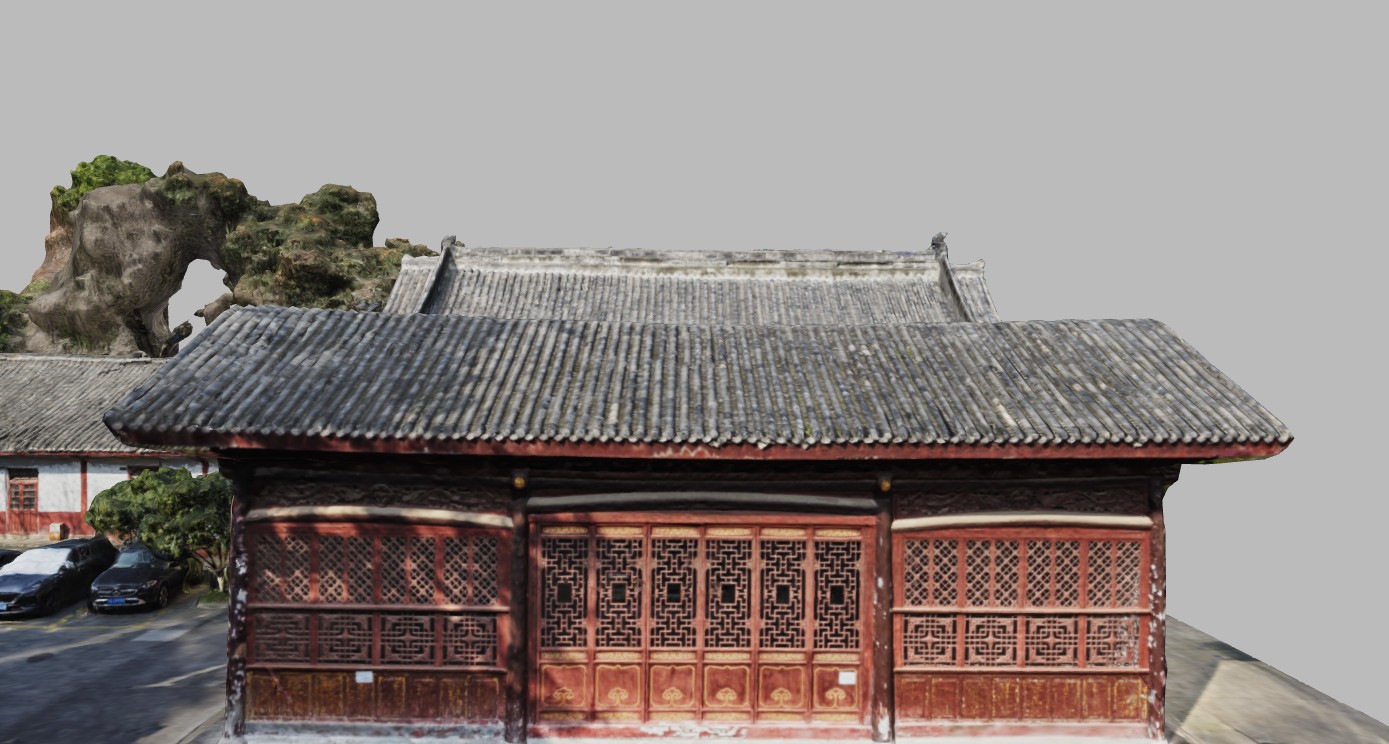
The Shaanxi hall combined hometown fellowship with lending, charity, deity worship, and performances, showing how migrant merchants supported one another inside a carved courtyard compound.
 Stop 20
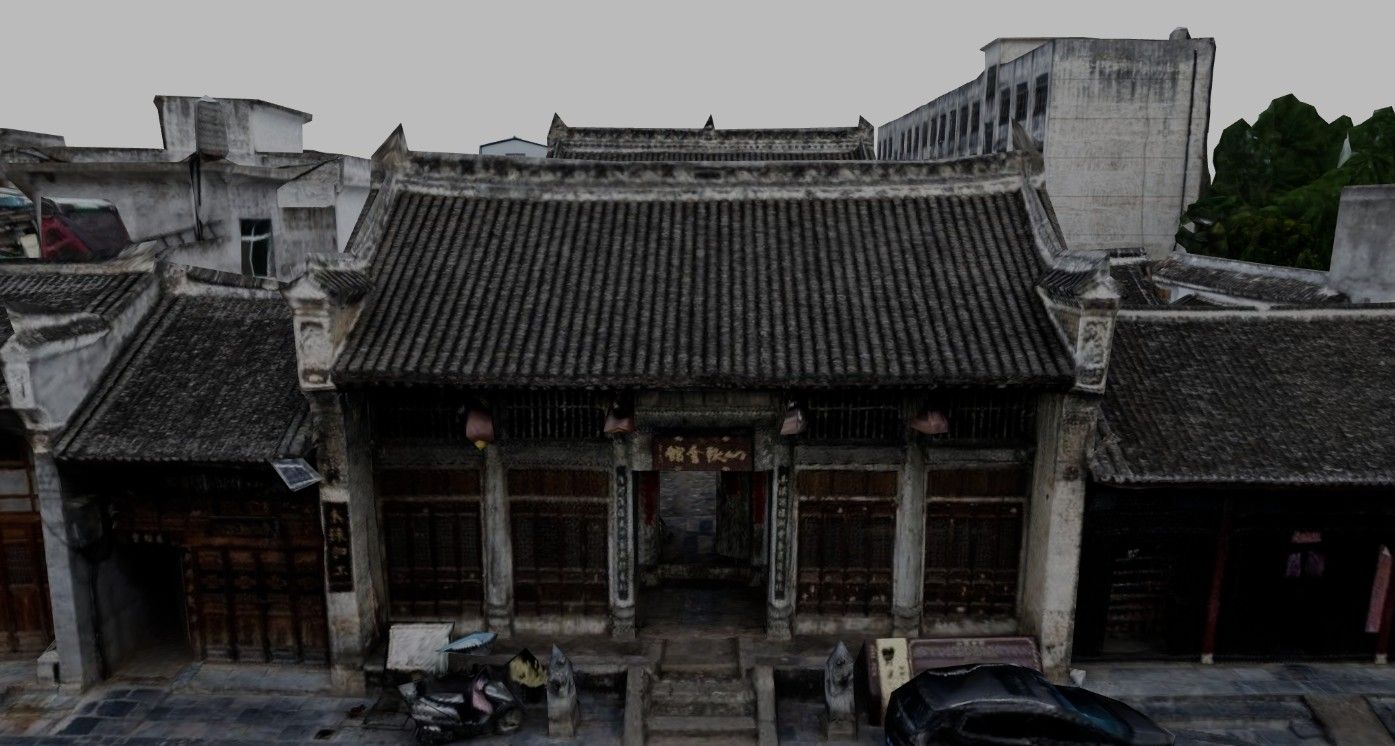
The Shanxi–Shaanxi merchants’ theater and ceremonial halls created gathering space along Jingziguan’s trade street, extending native-place organization into a frontier junction between three provinces.
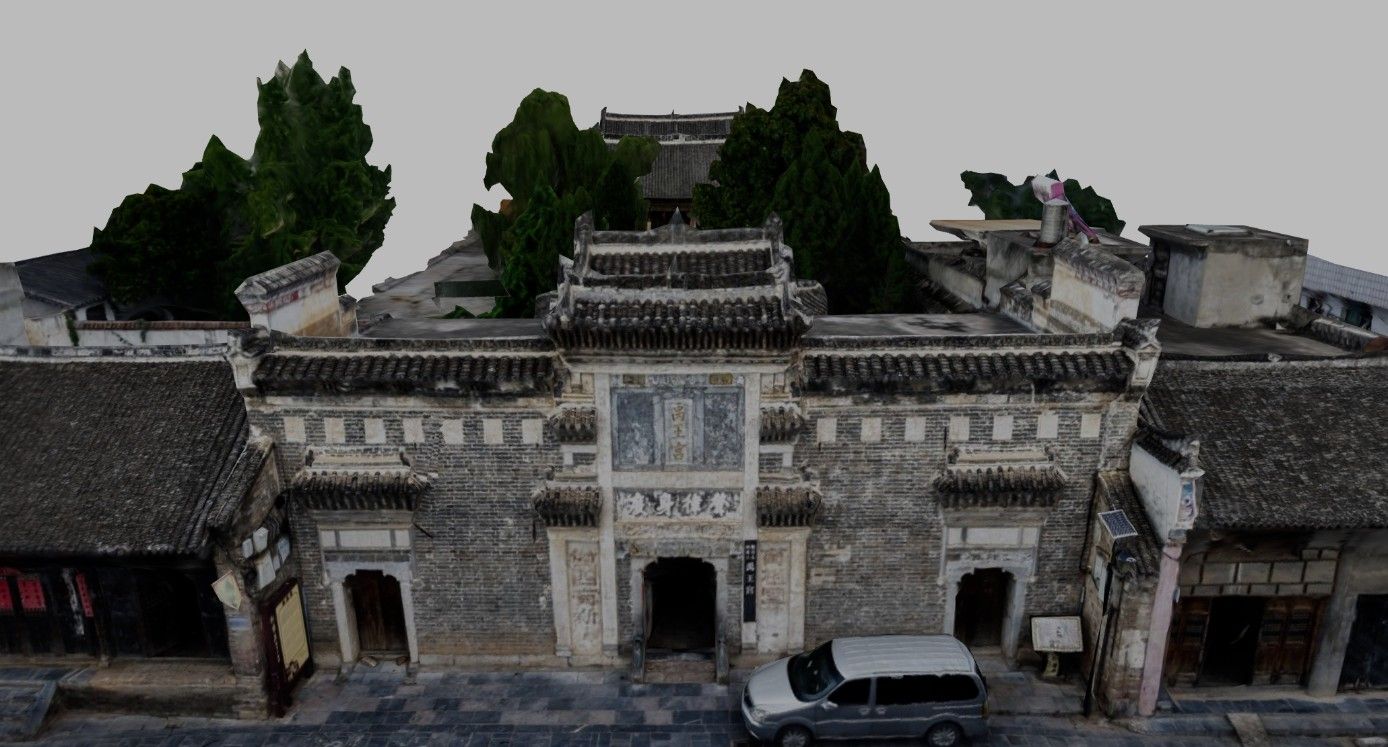 Stop 21
Huguang merchants established the Yu-the-Great temple as their guild hall, giving a shared regional community carved gateways and worship spaces at the Danjiang commercial crossroads.
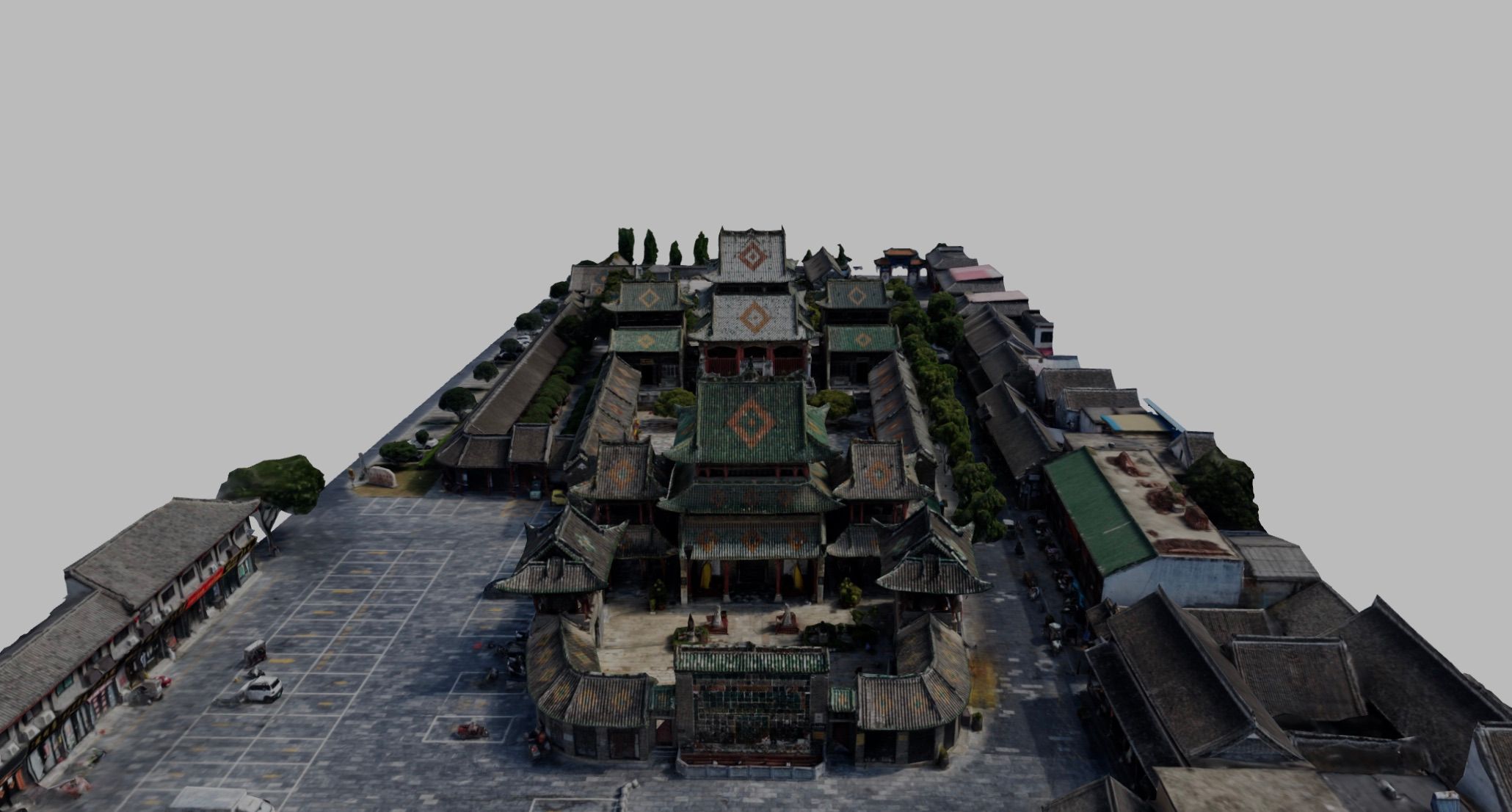 Stop 22
Shanxi and Shaanxi merchants funded a theater, worship hall, and carved screen in Shedian, with inscribed commercial rules making hometown solidarity an organized public institution.
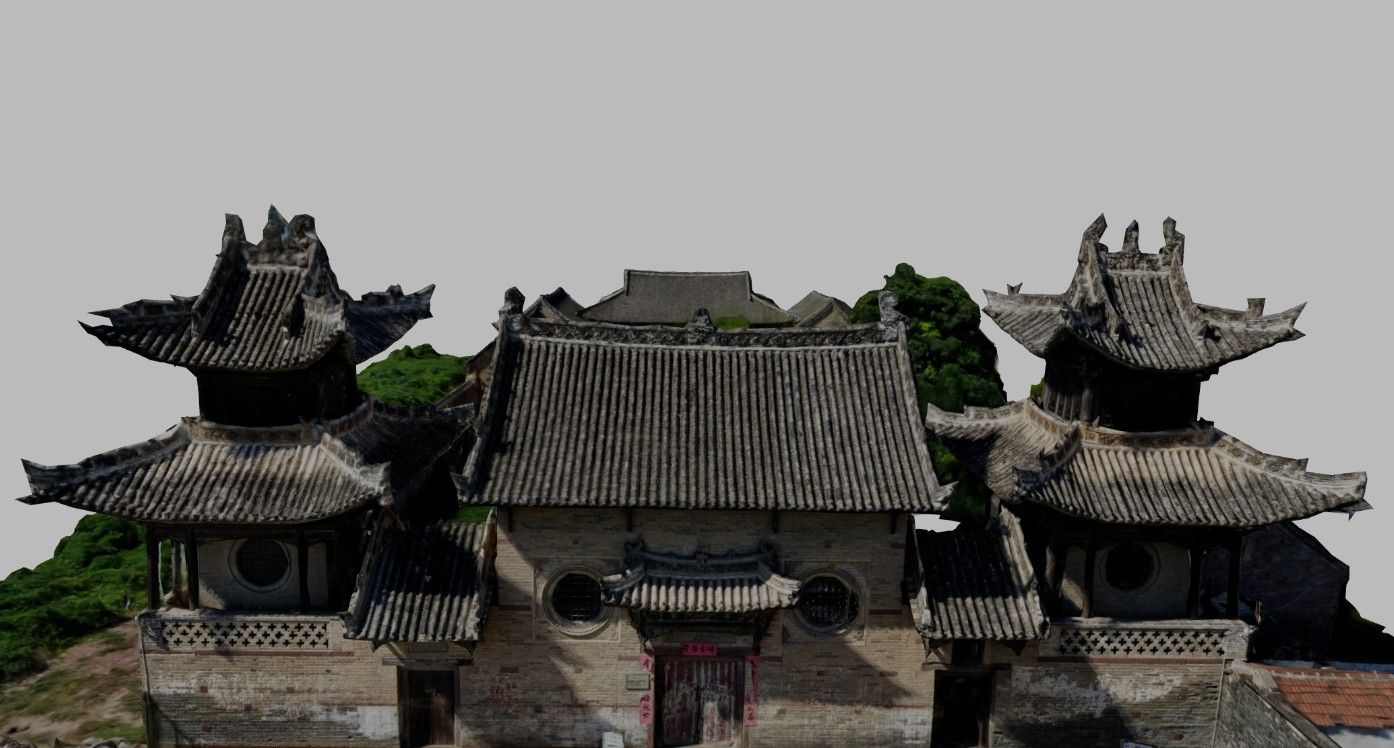 Stop 23
The Shanxi–Shaanxi compound combined merchant lodging, negotiation, worship, and entertainment, showing how a native-place network supported itinerant traders at a Henan road junction.
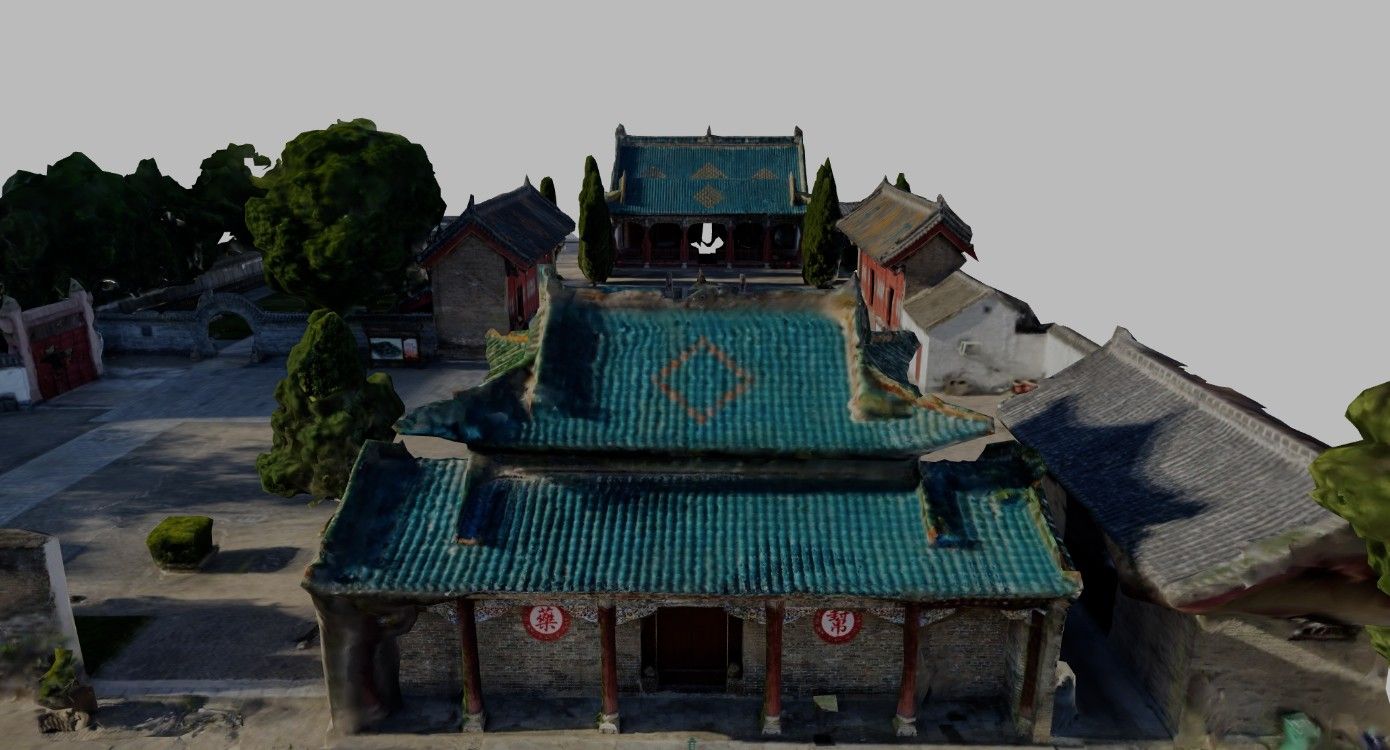 Stop 24
Medicine dealers from Huaiqing funded the guild’s screen wall, theater gate, and worship halls, joining a shared place of origin with professional cooperation in Yuzhou.
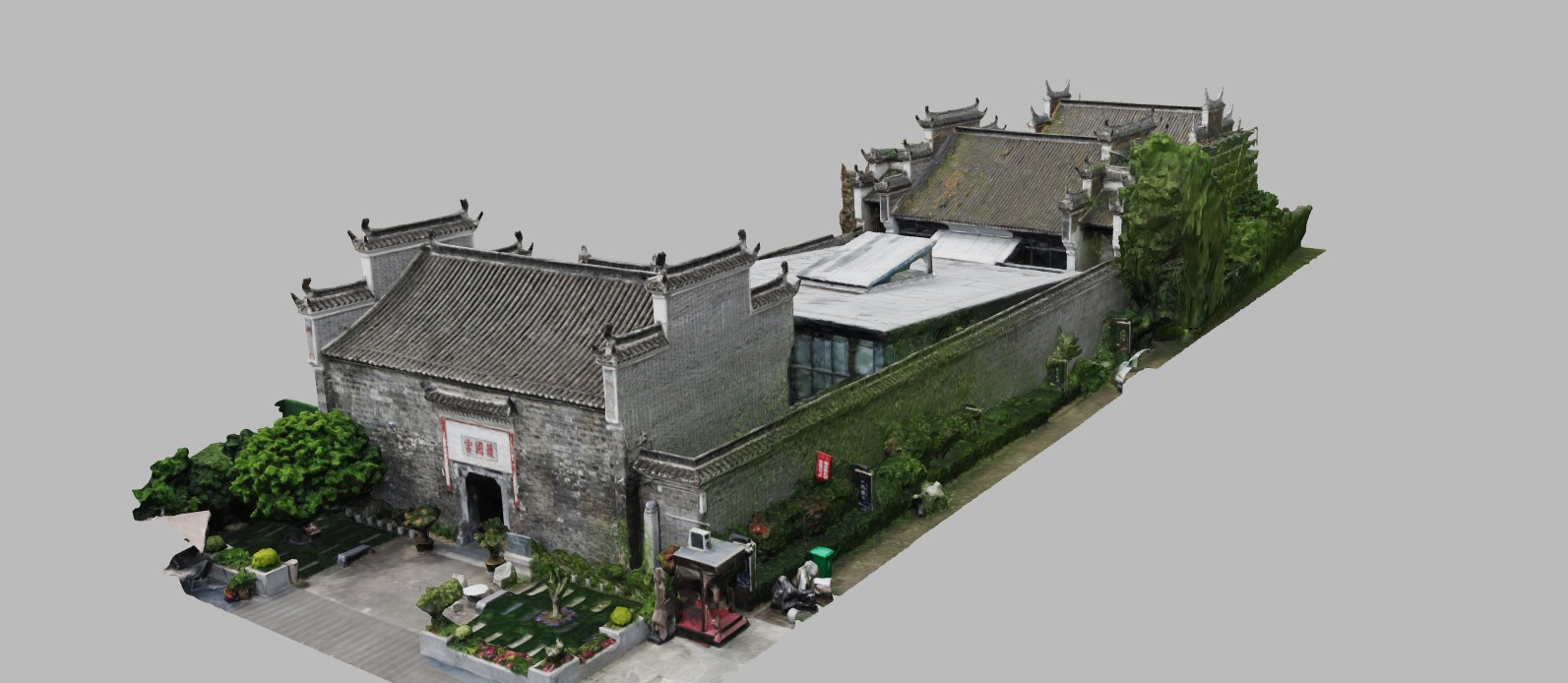 Stop 25
Qichun medicine merchants established the Huangzhou hall and later educational space, linking hometown ties with trade, charitable learning, carved timber, and protective courtyard walls.
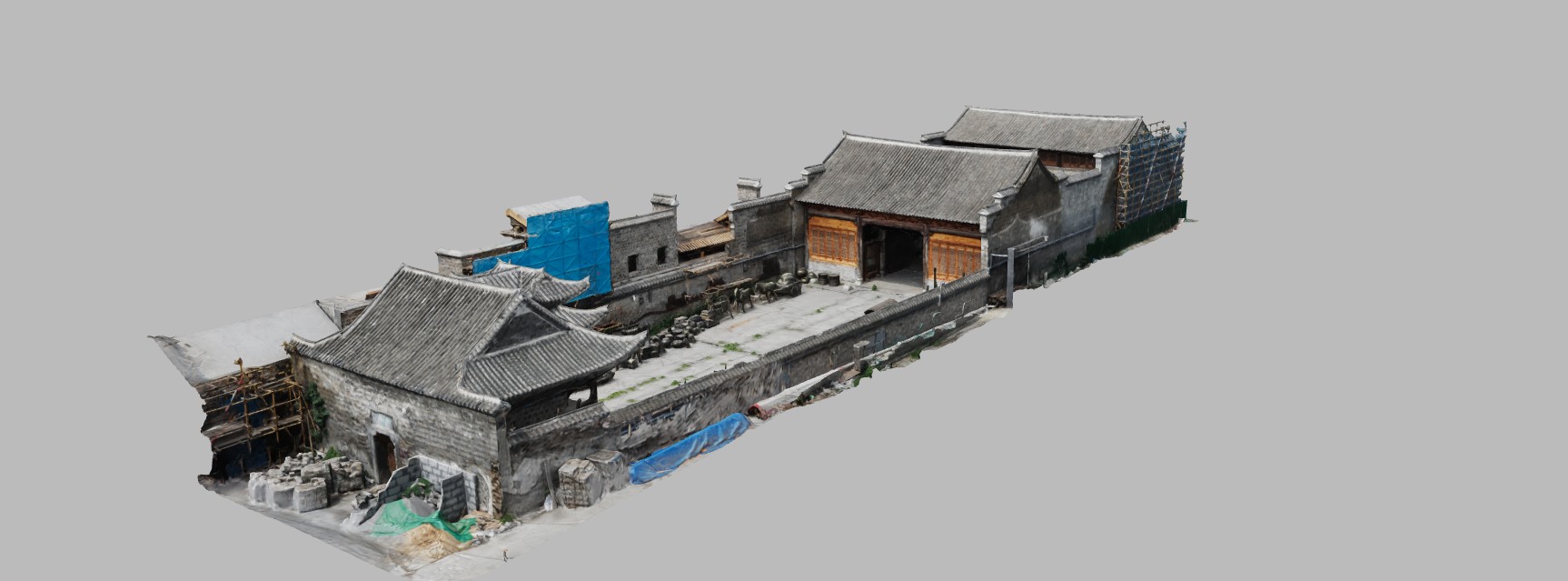 Stop 26
Jiangxi’s Fuzhou merchants gathered around a timber theater and inscribed guild rules, preserving a prefectural identity distinct from the Fujian community suggested by the English place-name.
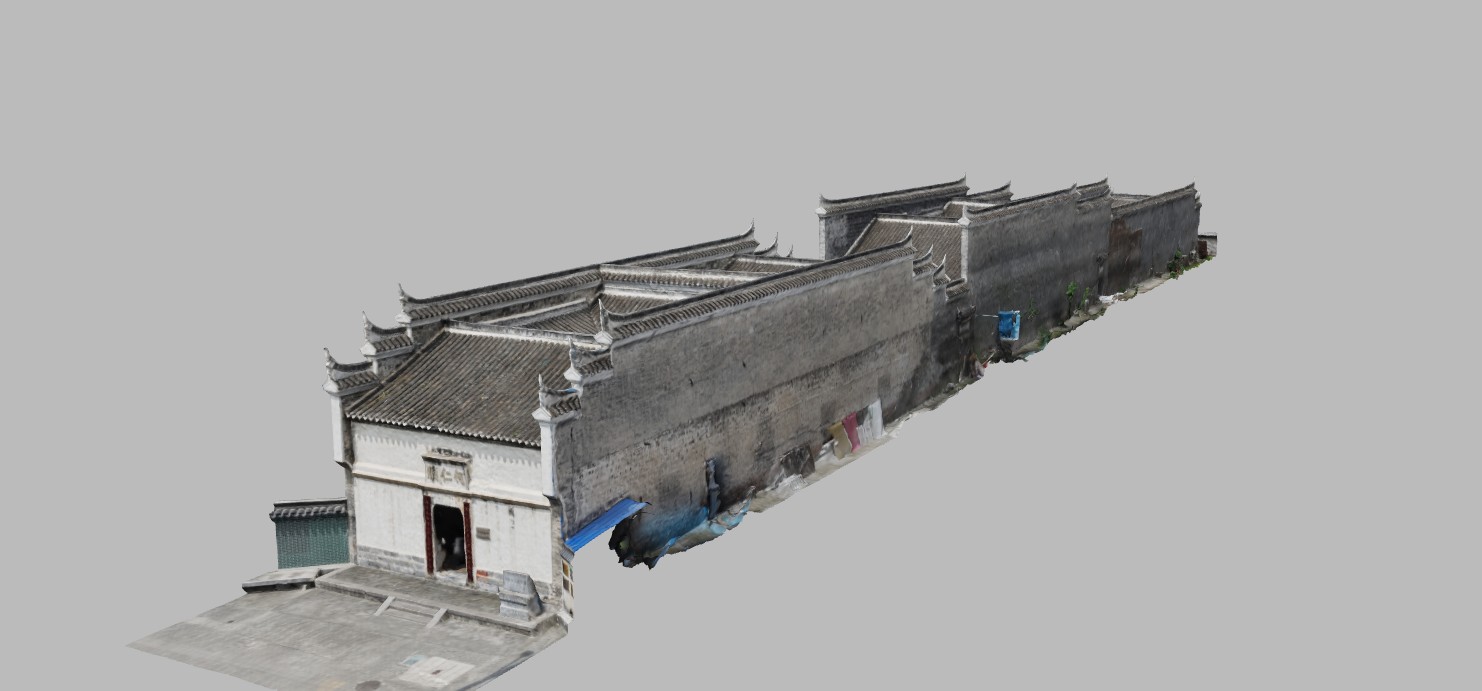 Stop 27
The Jiangxi community’s deep courtyard complex combined warehouses, lodging, and offices, showing homeland association through the practical accommodation of traveling merchants on the Han River.
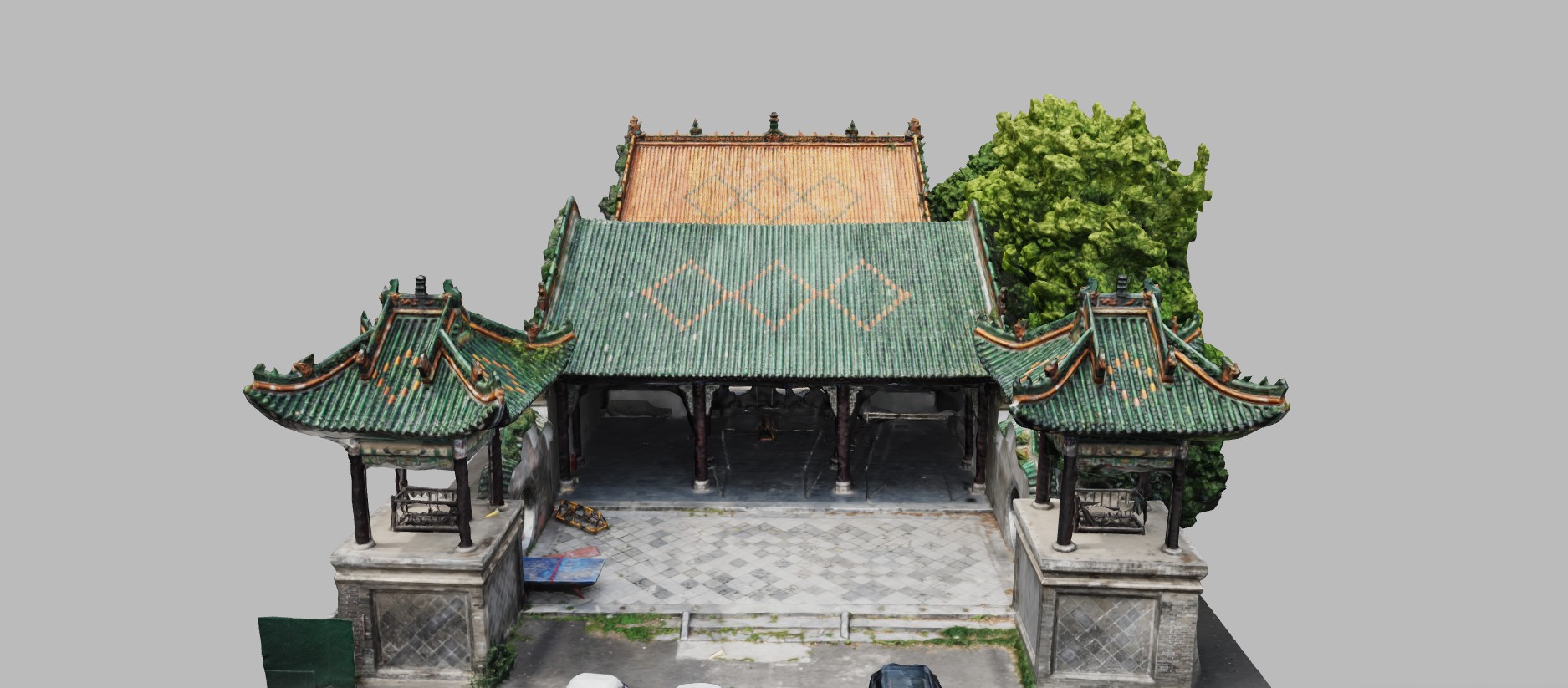 Stop 28
Shanxi-sourced green tiles and donor steles preserve northern merchants’ material and financial ties to home, even as the guild compound became part of a school campus.
 Stop 29
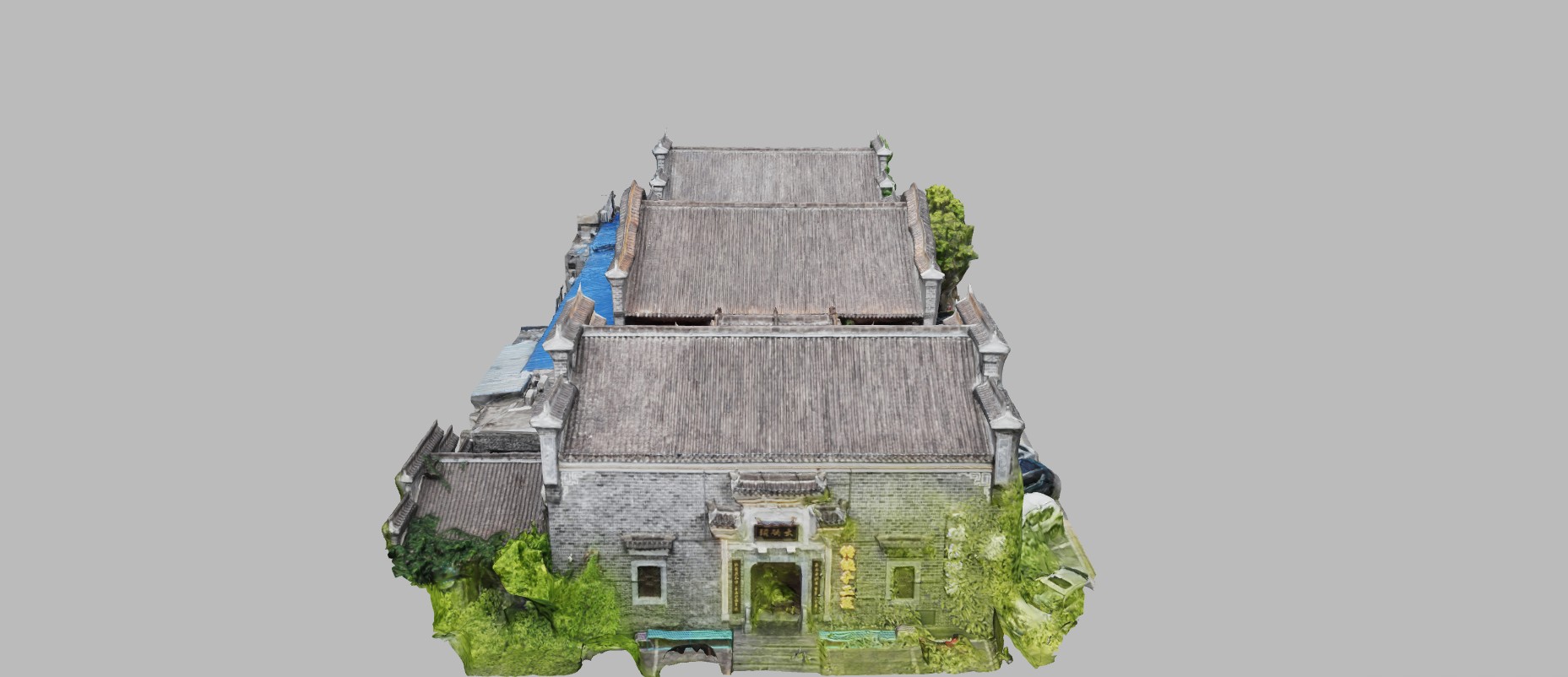
The reconstructed Henan merchants’ hall uses salvaged bricks and renewed timber joinery, showing how a demolished native-place institution can be remembered through deliberately rebuilt gathering space.
 Stop 30
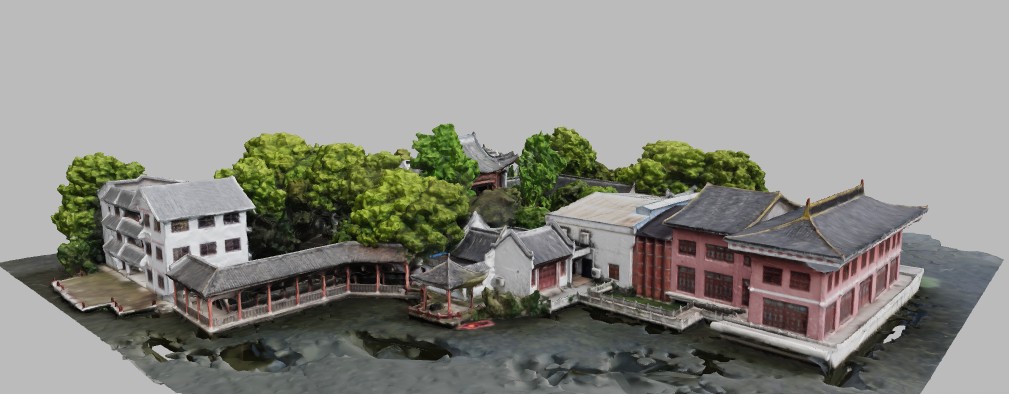
The relocated opera tower is the surviving part of Sichuan merchants’ guild, preserving carved Three Kingdoms scenes after the loss of their original gathering compound.
 Stop 31
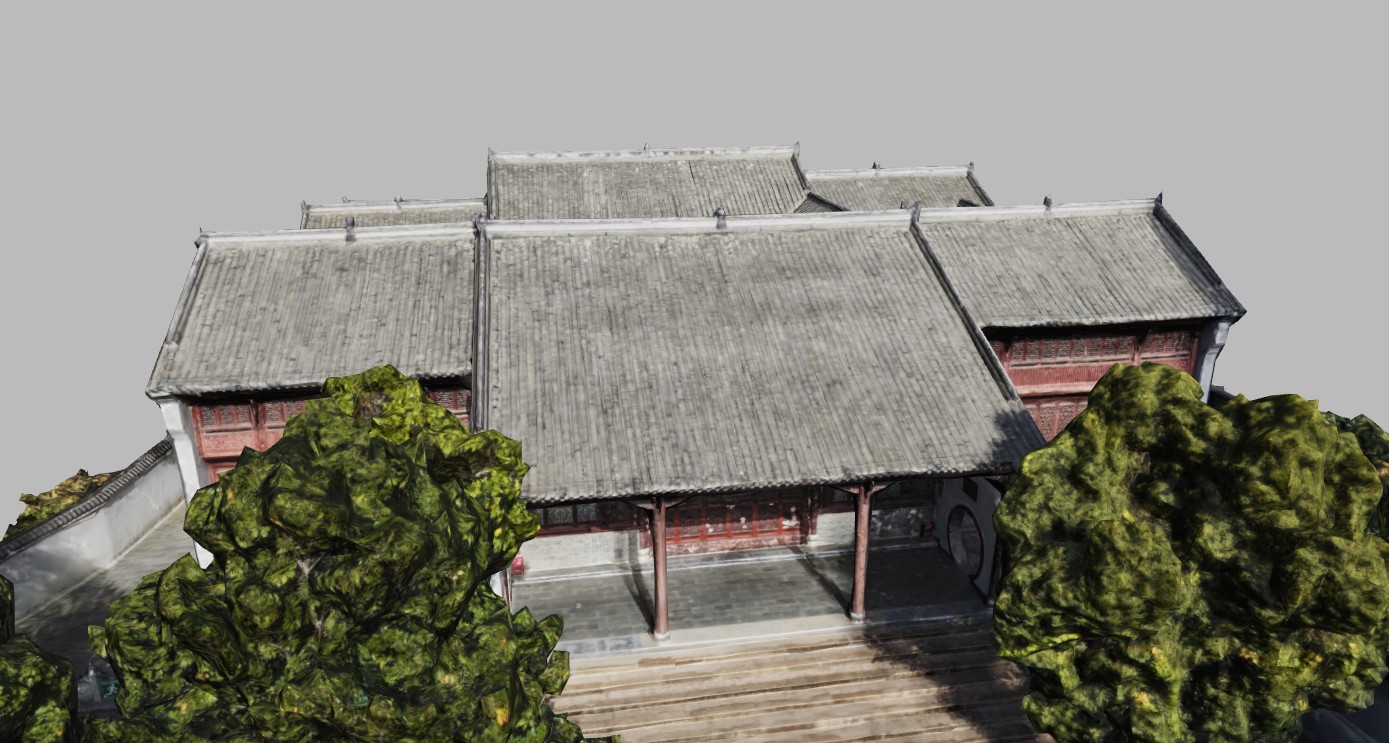
Jiangxi merchants organized worship, trade, and education within Anqing’s brick-and-timber hall, where a stage facing the patron shrine gave shared regional faith a communal setting.
 Stop 32
The Ji’an merchants’ surviving entrance hall combines reception rooms, theater viewing space, and carved caisson work, preserving regional association within Wucheng’s former river-port guild landscape.
 Stop 33
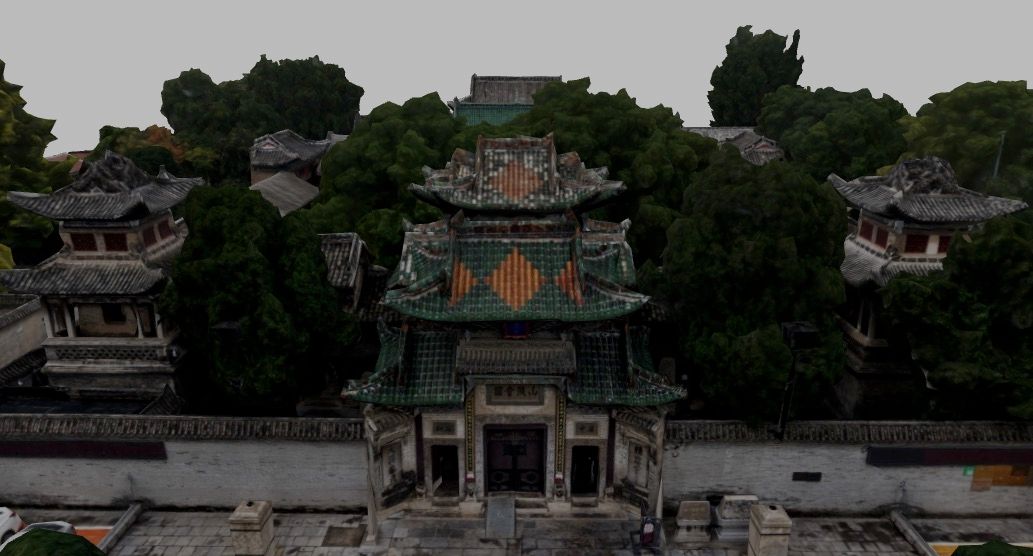
Shanxi and Shaanxi merchants combined a Guan Yu shrine, theater, and inscribed records beside the Grand Canal, giving their regional association a monumental communal setting.
 Stop 34
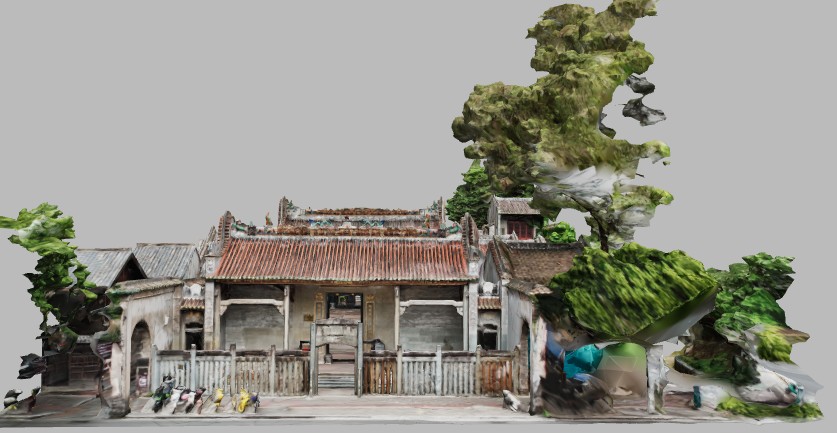
Guangdong merchants imported Shiwan roof materials and built a carved Lingnan courtyard in Ganzhou, translating regional identity into a gathering hall later occupied by labor organizations.
 Stop 35
Wok-ear gables, hardwood beams, and granite doorframes brought Guangdong architectural identity into Yulin, where the surviving guild halls preserve a merchant community’s gathering and religious space.
 Stop 36
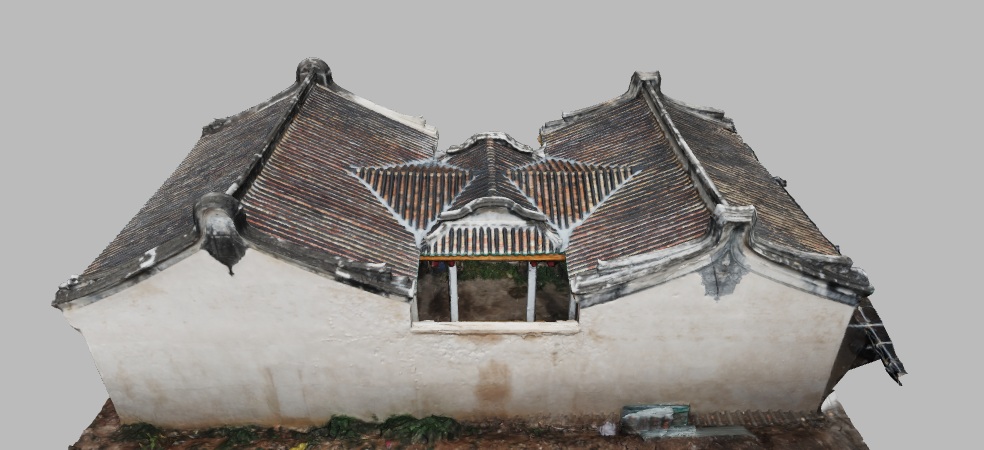
The Chaozhou community’s surviving middle hall retains distinctive timber columns and brackets, preserving a fragment of maritime merchants’ homeland architecture within Xuwen’s later urban fabric.
 Stop 37
An entrance couplet links Fujian and Guangdong, while Mazu worship and local stone guardians give maritime settlers’ imported faith a physical place within Leizhou’s community landscape.
 Stop 38
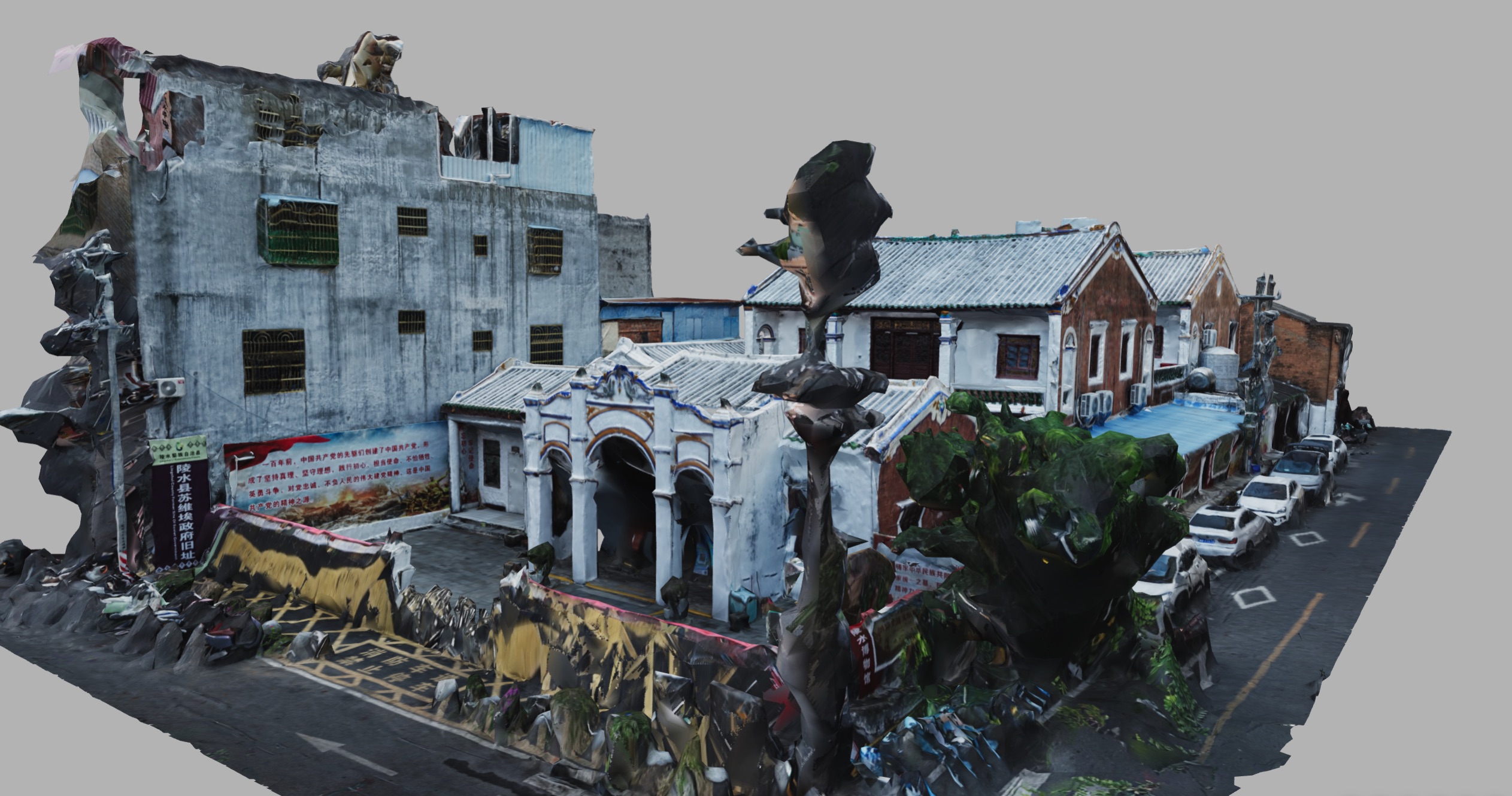
Qiongshan merchants funded the courtyard complex for hometown gathering and mutual assistance, before its later revolutionary use placed a different public institution inside the migrant association’s building.
 Stop 39
Fujian merchants shipped carved building components from their home province to Yantai, giving Mazu worship and community assembly a deliberately transplanted southern architectural setting.
 Stop 40
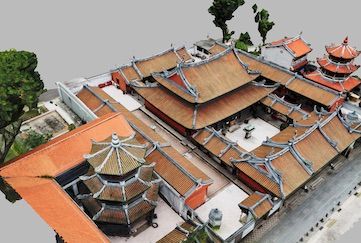
The Hokkien community’s Mazu temple also housed its association office and meetings, carrying southern Chinese courtyard architecture into Singapore alongside practical support for newly arrived immigrants.
39 Stops
From early Shanxi halls and a wooden pagoda to regional caissons, theater roofs, palaces, and civic towers, Chinese timber buildings preserve different ways of carrying a roof and imagining the space beneath it. Brackets, ceilings, and sacred art become an architectural archive.
10 Stops
Deep wells and brine works lead to a salt road, merchant and occupational guilds, riverfront worship, communications, and elaborate ancestral buildings. In Zigong, extraction beneath the ground becomes wealth, craft, labor organization, and social order above it.
6 Stops
Hokkien maritime devotion, Hindu worship, a Malay Muslim landmark, Chinese temple traditions, and a Buddhist devotional figure reveal a port city built by different communities. Distinct sacred forms share an urban landscape.