

 Stop 01
Stop 1 of 17Fujian, China
Qingjing Mosque
The surviving pillared courtyard anchors the comparison in Quanzhou’s early Islamic heritage, offering a distinct coastal starting point before the inland mosques’ timber-roofed compounds.
Architectural Heritage Route
Mosques from the maritime coast to the inland northwest and southwest show Islamic worship taking shape through different regional building traditions. Courtyards, roofs, masonry, and prayer spaces become a study in cultural translation.
17 geolocated stops
Curated Sequence
Stop 01The surviving pillared courtyard anchors the comparison in Quanzhou’s early Islamic heritage, offering a distinct coastal starting point before the inland mosques’ timber-roofed compounds.
 Stop 02
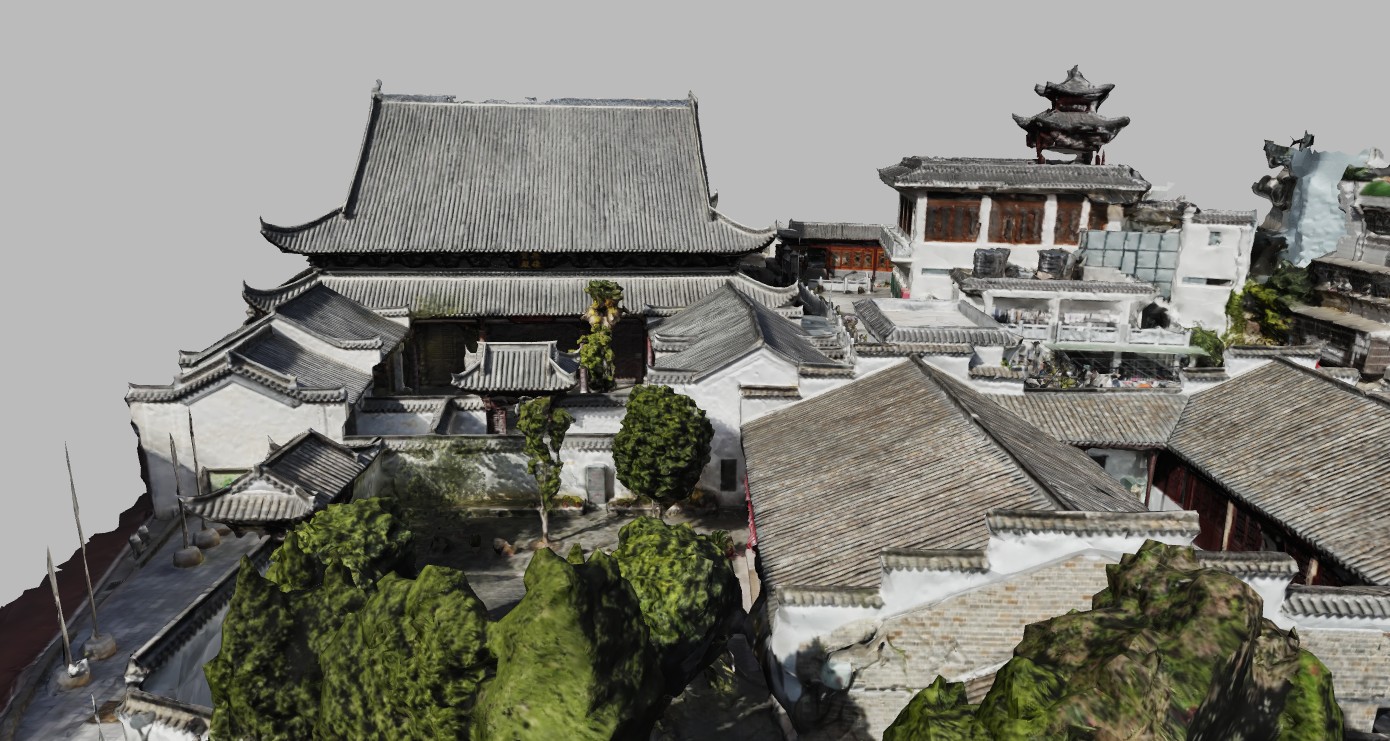
Skywell courtyards lead into a timber prayer hall where vertical Arabic inscriptions occupy Chinese column couplet positions, giving cultural translation a visible role in both space and decoration.
 Stop 03
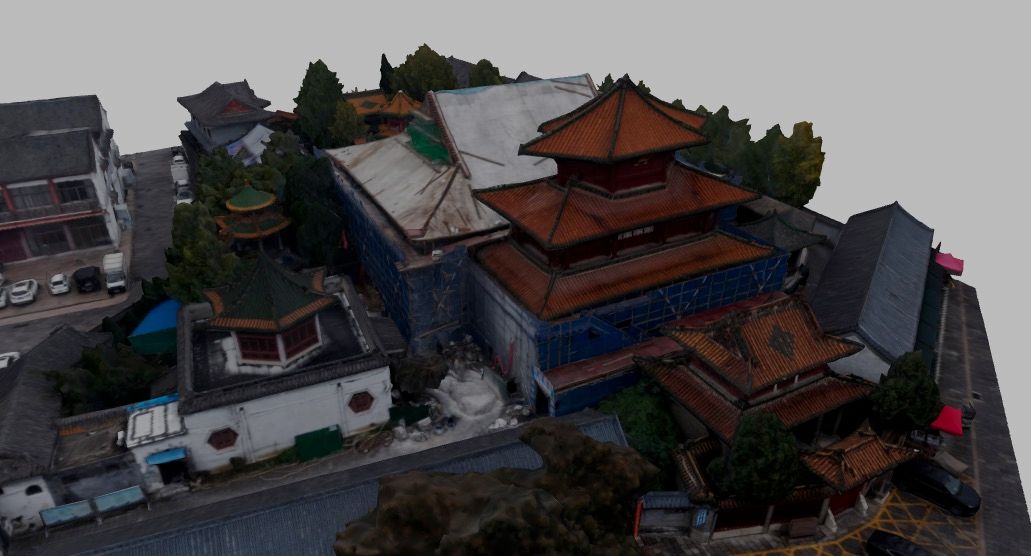
A stone ceremonial gateway precedes successive courtyards and a timber prayer complex, bringing the Chinese vocabulary of procession and enclosure into an Islamic institution beside the Grand Canal.
 Stop 04
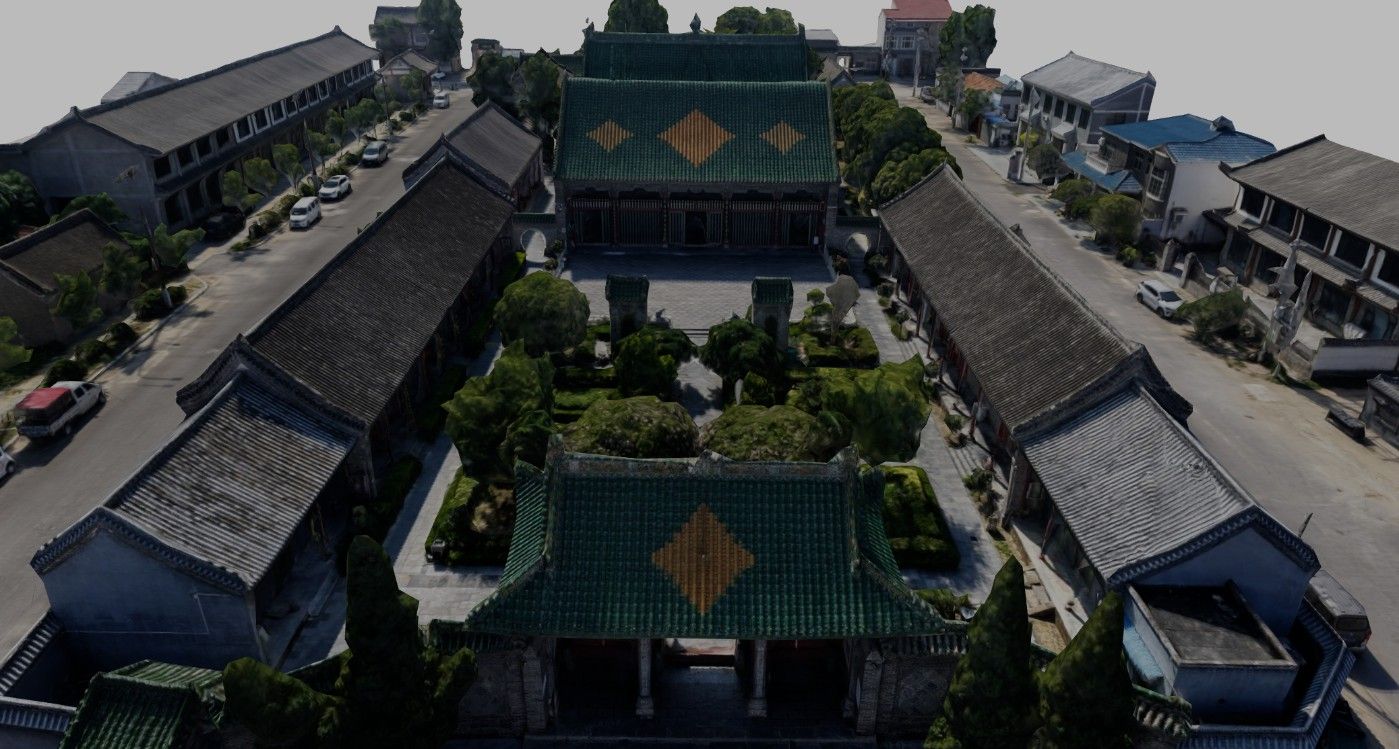
Connected front and rear prayer halls use different Chinese roof forms behind a carved gate, showing Islamic assembly accommodated through a composite timber-and-stone courtyard architecture.
 Stop 05
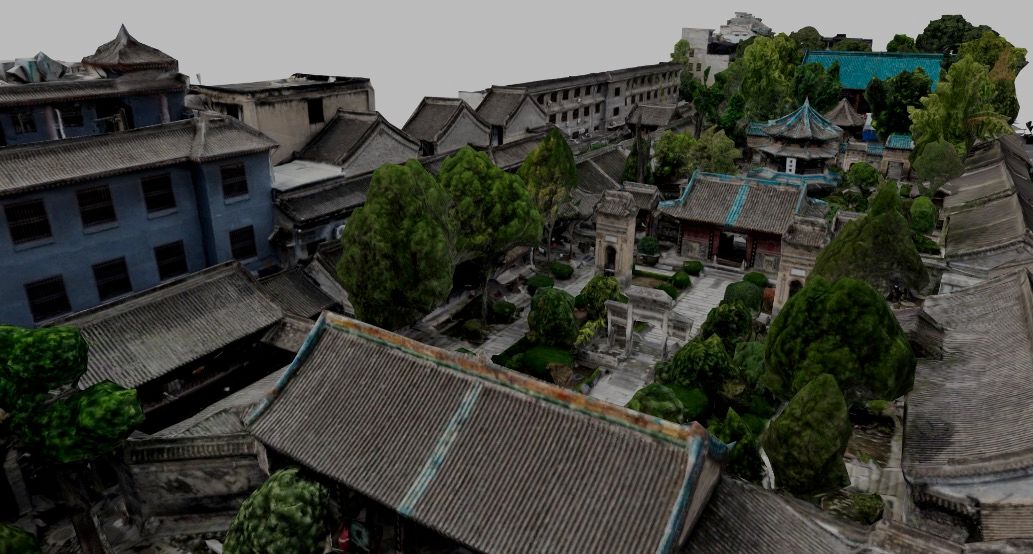
A westward sequence of Chinese-style courtyards and a pavilion-like minaret organizes Islamic worship through architectural forms familiar to Xi’an’s surrounding urban landscape.
 Stop 06
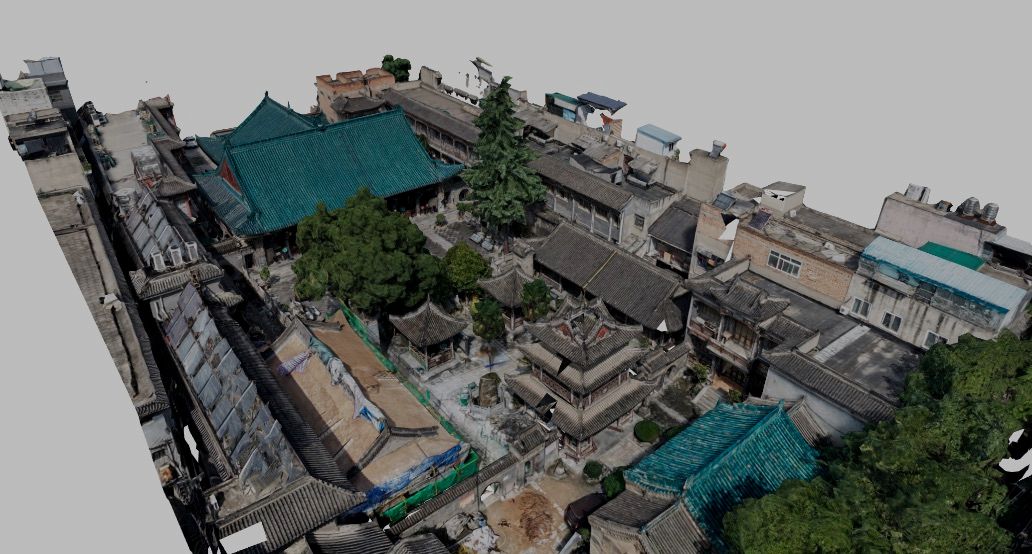
A restored timber prayer hall, ornamental gateway, and shaded courtyard preserve Chinese compound forms for Islamic worship, adding a smaller neighborhood counterpart to Xi'an's monumental Huajuexiang Mosque.
 Stop 07
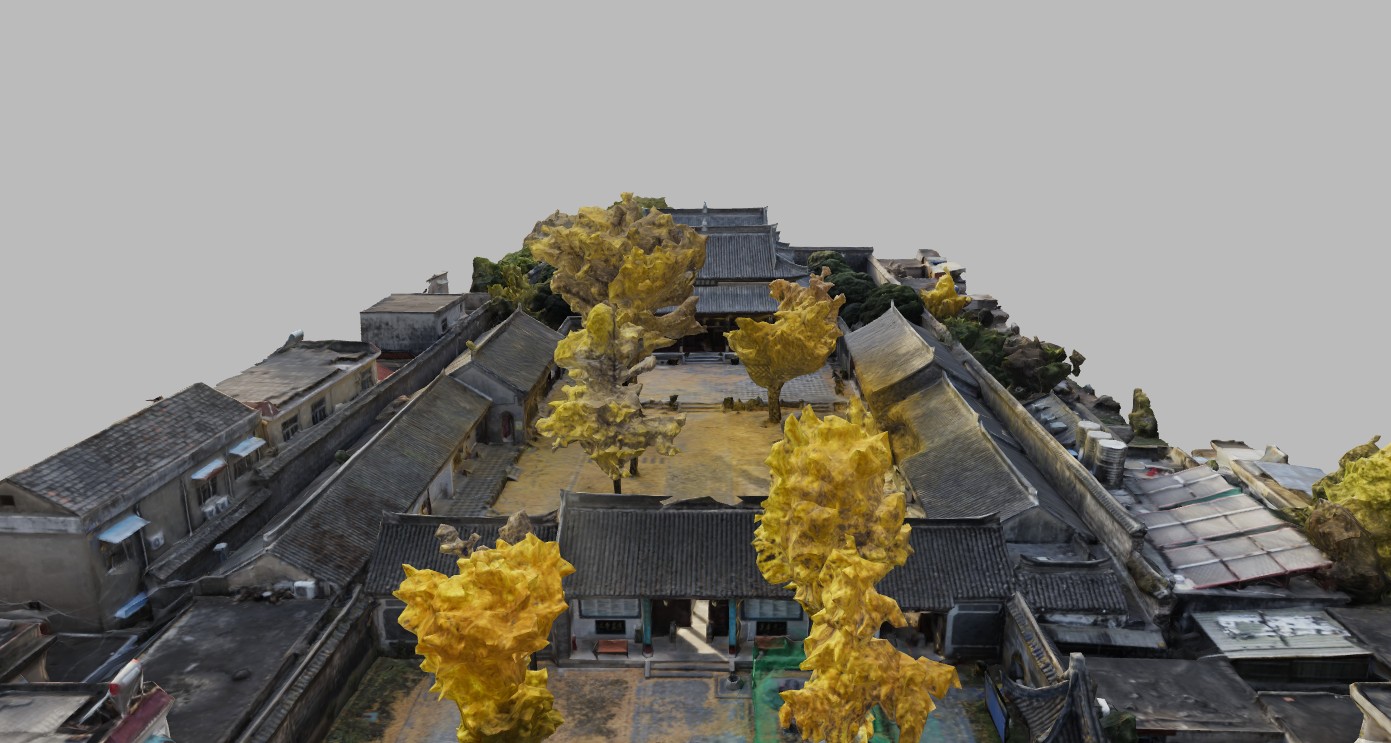
Courtyards, flying eaves, and a pavilion minaret frame a prayer complex directed toward Mecca, making local Chinese building conventions serve a distinct religious orientation.
 Stop 08
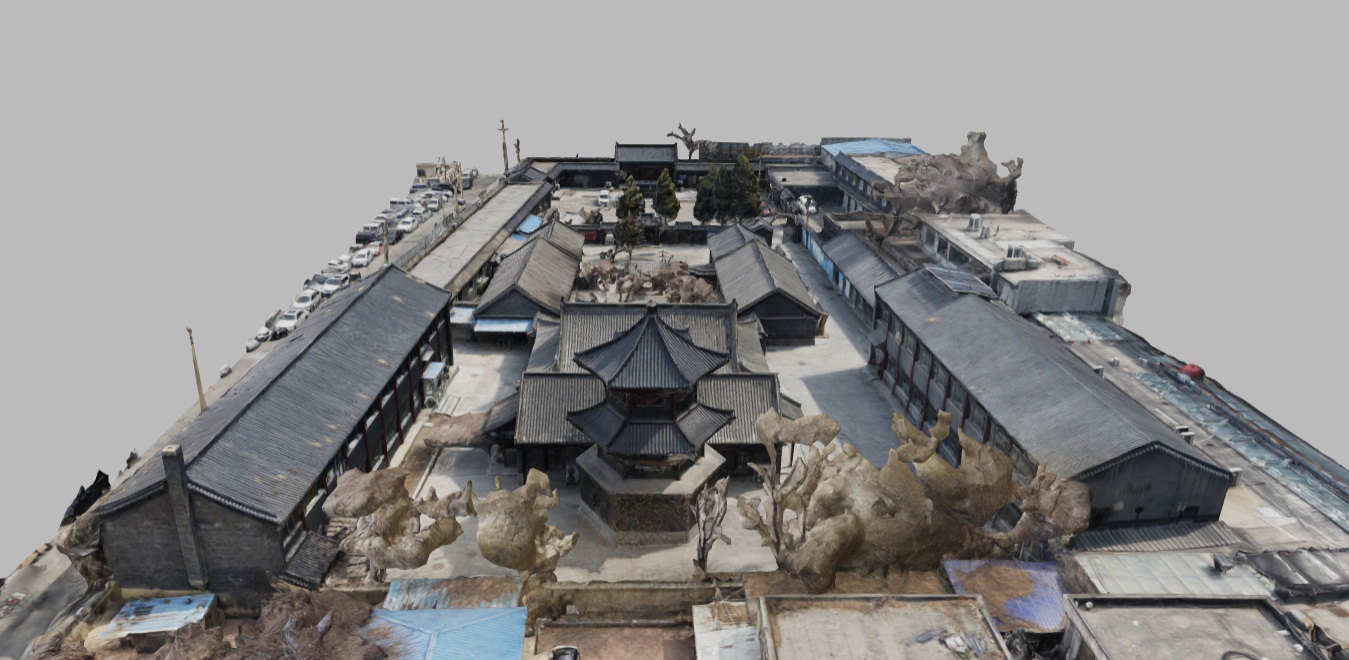
Four courtyards and a crescent-crowned, pavilion-like moon-sighting tower give the northeastern mosque a Chinese architectural sequence while serving the community's distinct Islamic worship and calendar.
 Stop 09
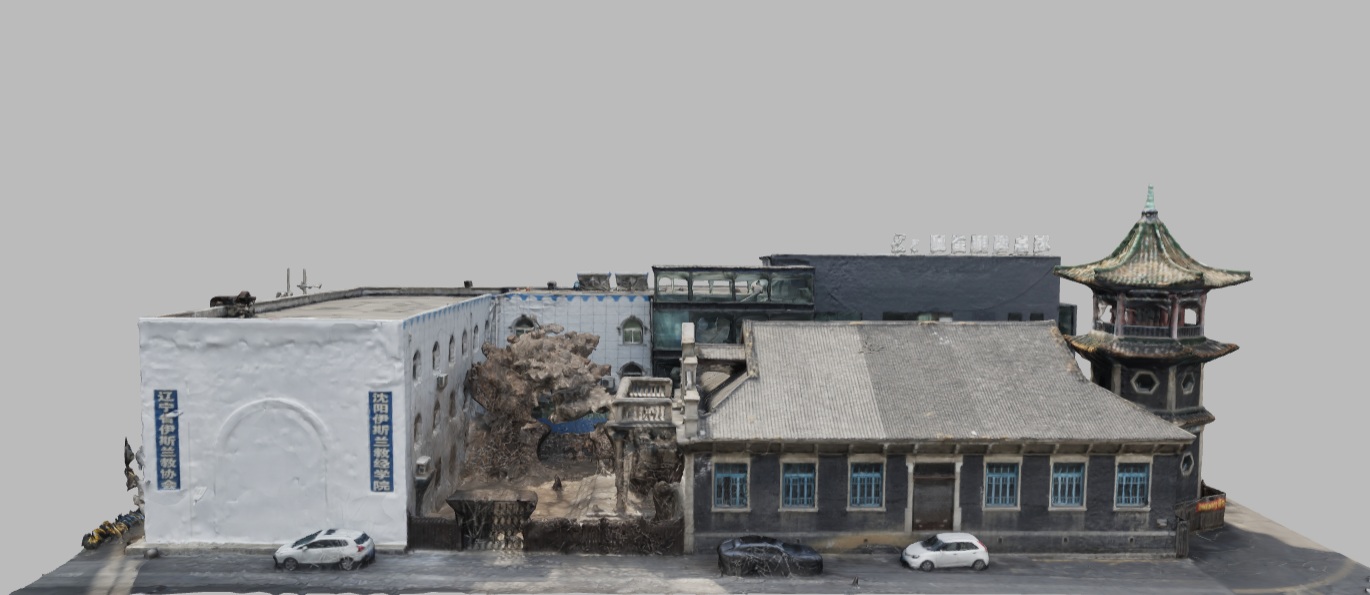
The Western-style portico contrasts with a painted timber moon-watching pavilion, showing this Chinese Islamic compound incorporating another architectural language without losing its courtyard and tower forms.
 Stop 10
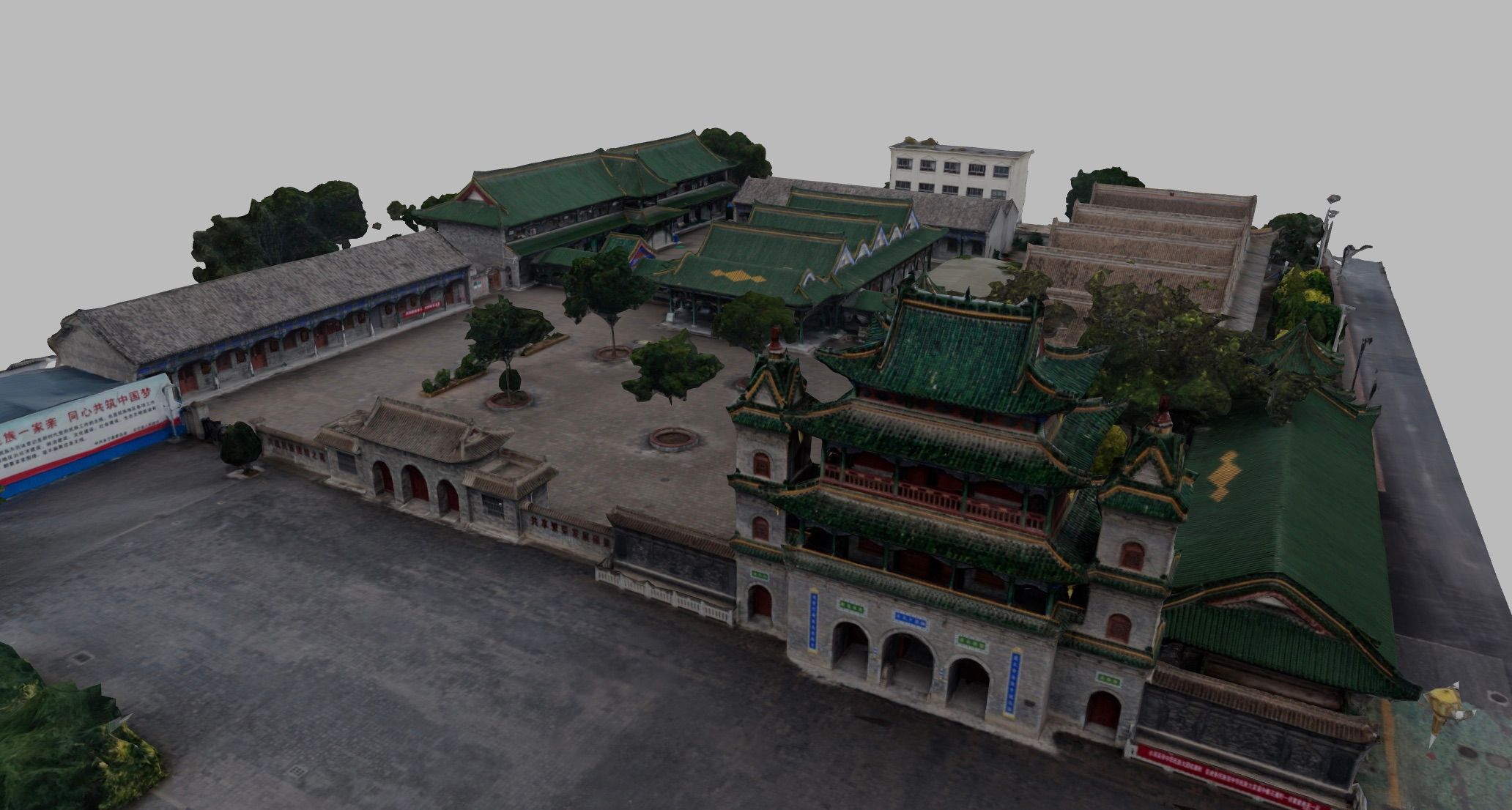
The late-Qing timber compound preserves the religious institution founded by the Na community, grounding the comparison in Ningxia’s long history of Hui settlement.
 Stop 11
A raised platform, tiled roofs, and bracketed timber halls give this Ningxia mosque a distinct Chinese architectural profile within the journey’s regional comparisons.
 Stop 12
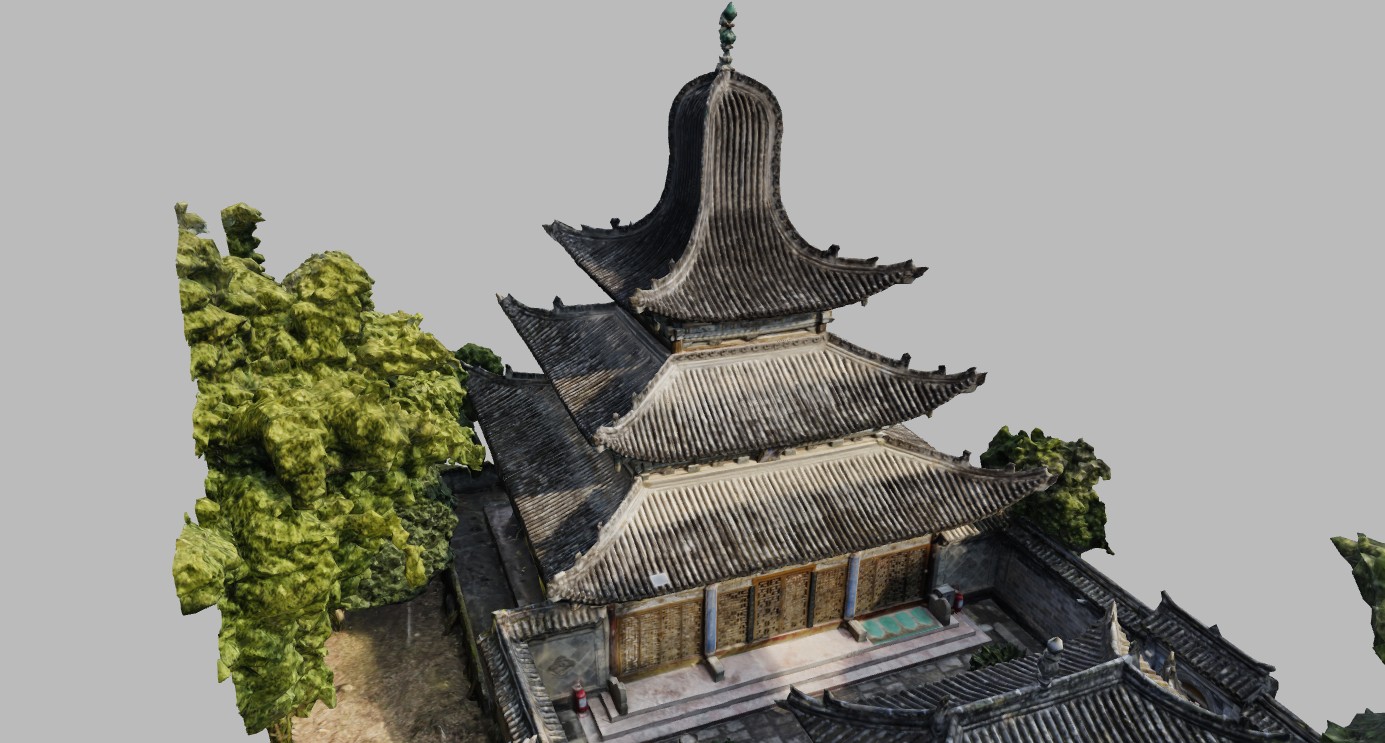
The hillside tomb-shrine places Muslim commemoration within eaved halls, carved screens, and small courtyards, extending the comparison beyond congregational prayer to another locally formed Islamic precinct.
 Stop 13
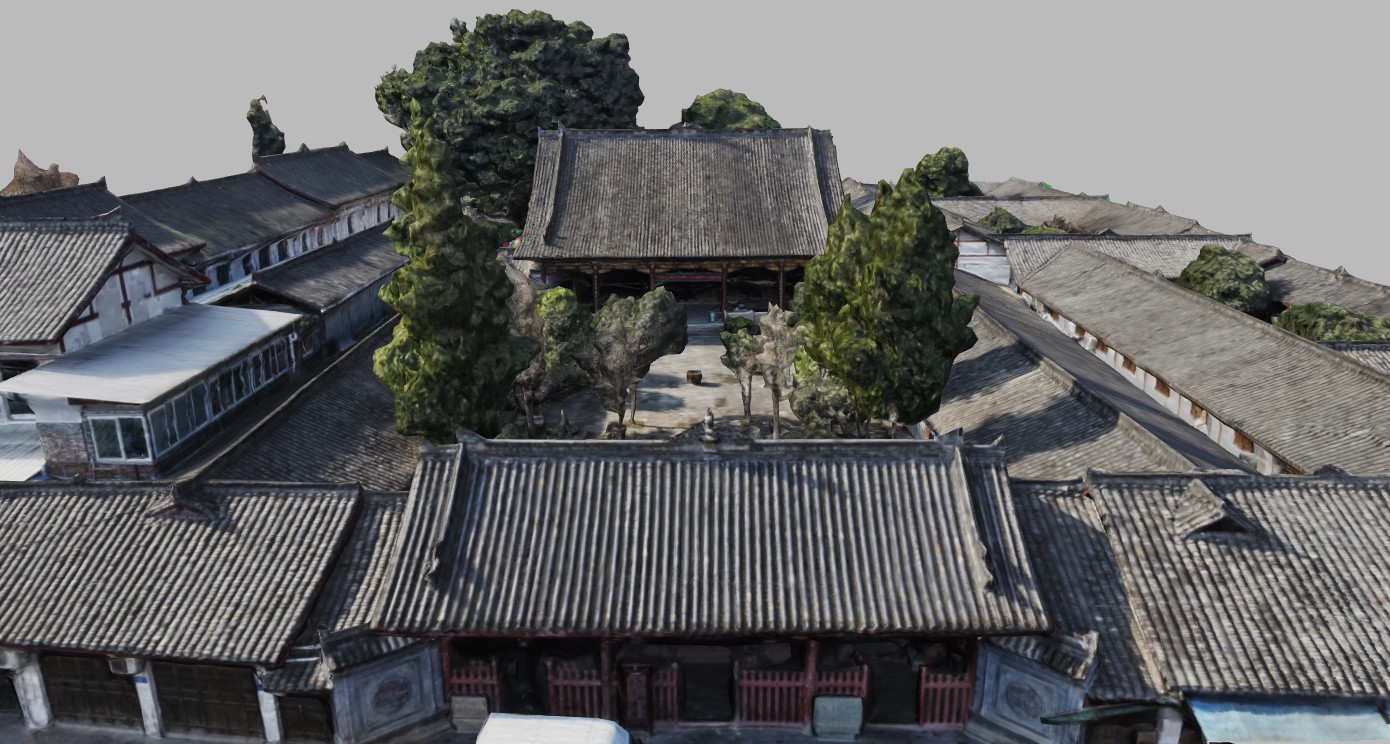
The prayer hall combines a Chinese hip-and-gable roof with fewer interior columns and a rear mihrab, adapting timber space specifically to congregational movement and worship.
 Stop 14
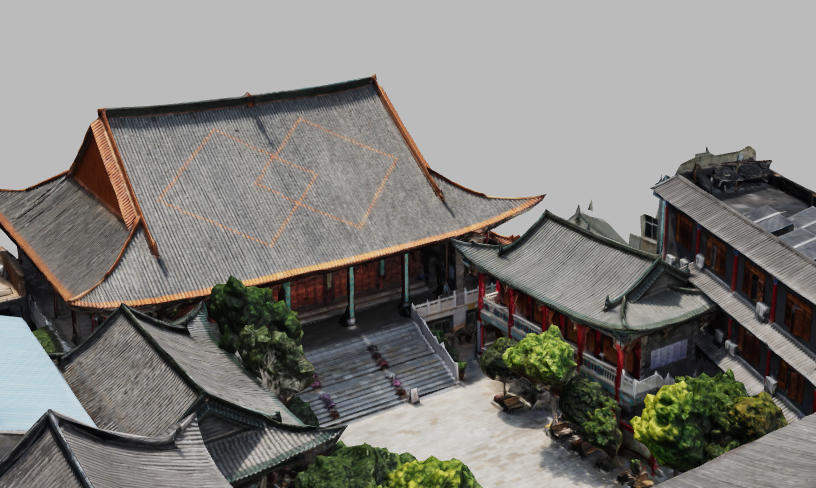
A hip-and-gable timber prayer hall carries Arabic calligraphy within a Chinese courtyard compound, grounding Kunming's Islamic institution in the roof and joinery of local building traditions.
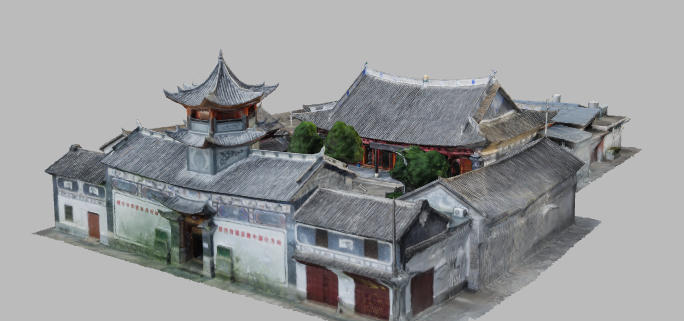 Stop 15
A timber prayer hall and Chinese-roofed side wings accommodate worship and both religious and secular teaching, showing a Yunnan mosque organizing community learning within local courtyard forms.
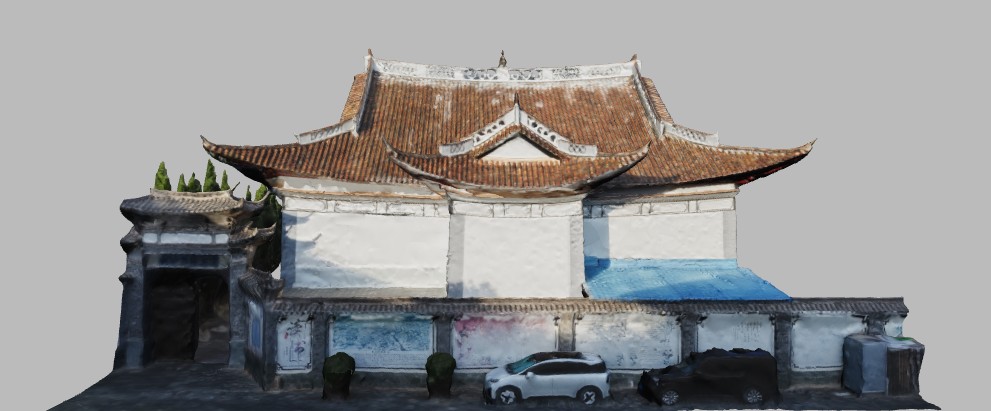 Stop 16
The rebuilt 1990s prayer hall uses a Chinese gabled roof, timber pillars, and Arabic decoration, showing local architectural translation continuing in new construction after earlier mosques were destroyed.
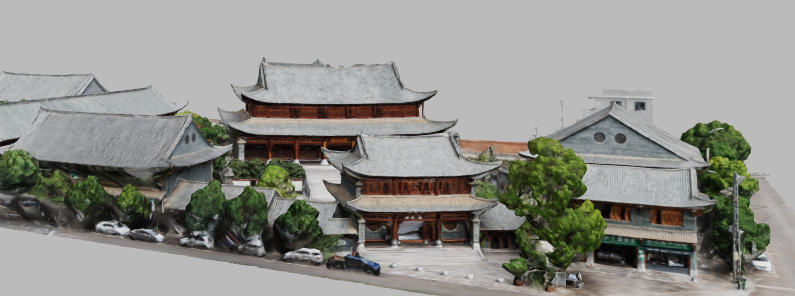 Stop 17
The historic timber mosque and newer palace-style compound record different building phases through which Jianshui’s Muslim community has maintained worship in Yunnan.
6 Stops
Hokkien maritime devotion, Hindu worship, a Malay Muslim landmark, Chinese temple traditions, and a Buddhist devotional figure reveal a port city built by different communities. Distinct sacred forms share an urban landscape.
6 Stops
Granaries, a modest residence, an inn, a photo studio, and a police box reveal the intelligence of ordinary buildings. Preserved and reconstructed structures make storage, hospitality, work, and civic life worthy of close attention.
26 Stops
Academies, Confucian temples, private studies, and public libraries shape spaces for study, ritual, memory, and concentration. A journey through the architecture of attention, from scholarly courtyards to civic reading rooms.