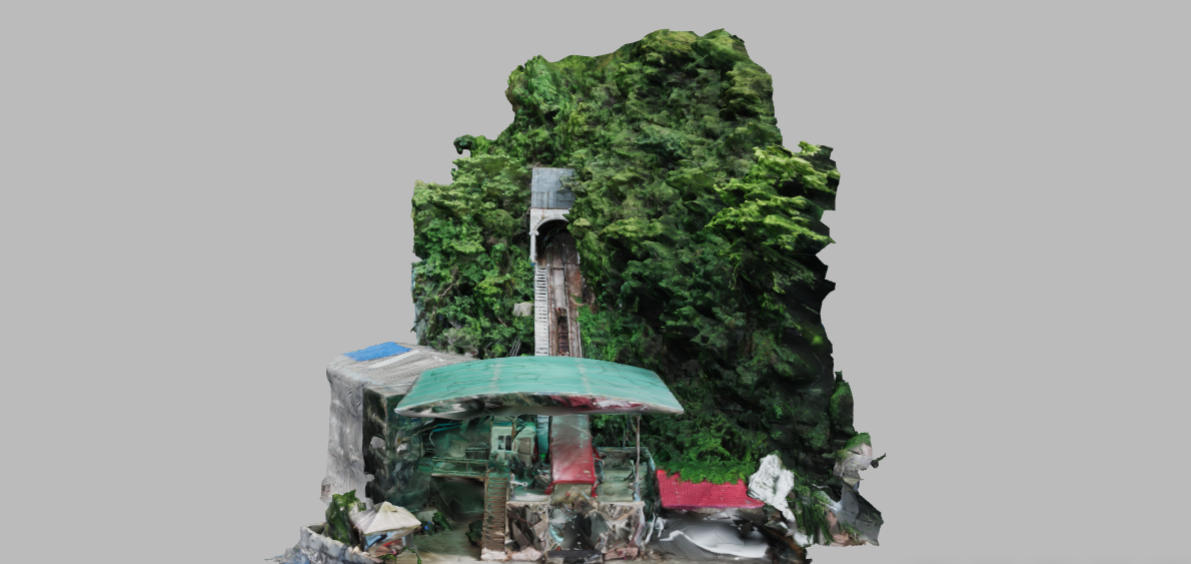
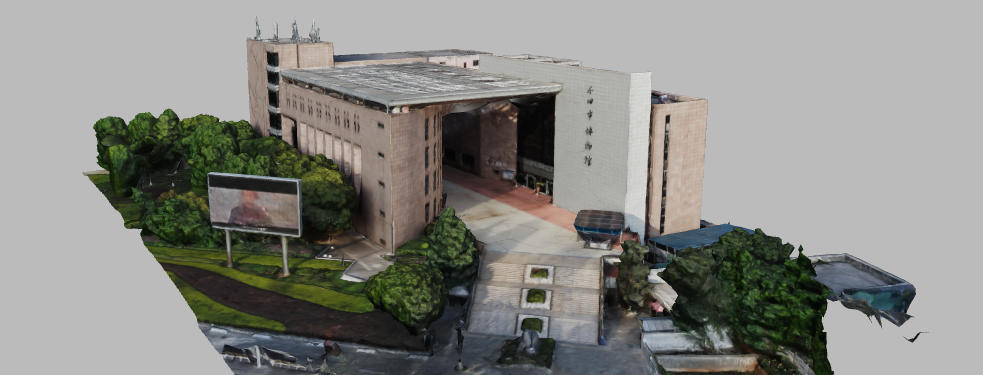
Regional Heritage Archive

3D Cultural Heritage in China

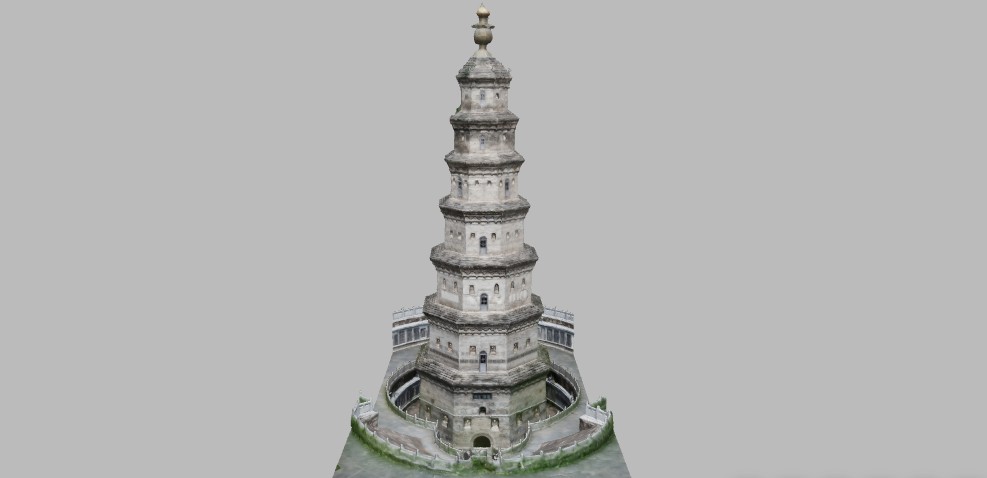
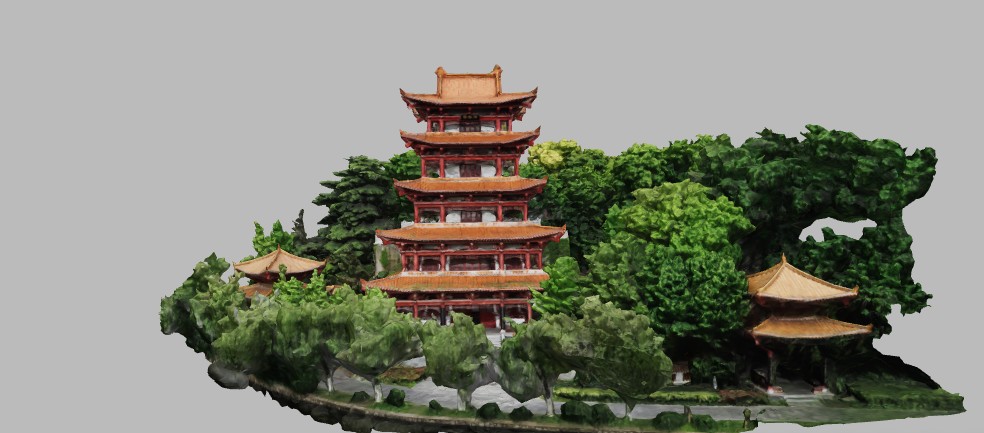
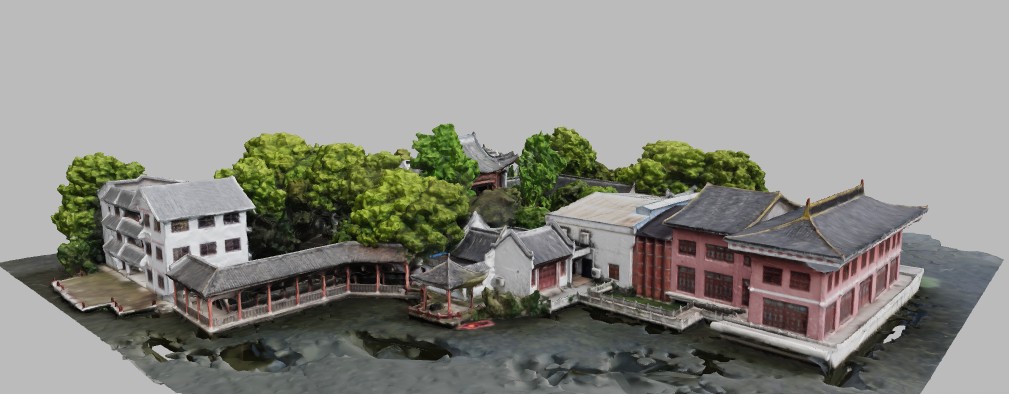
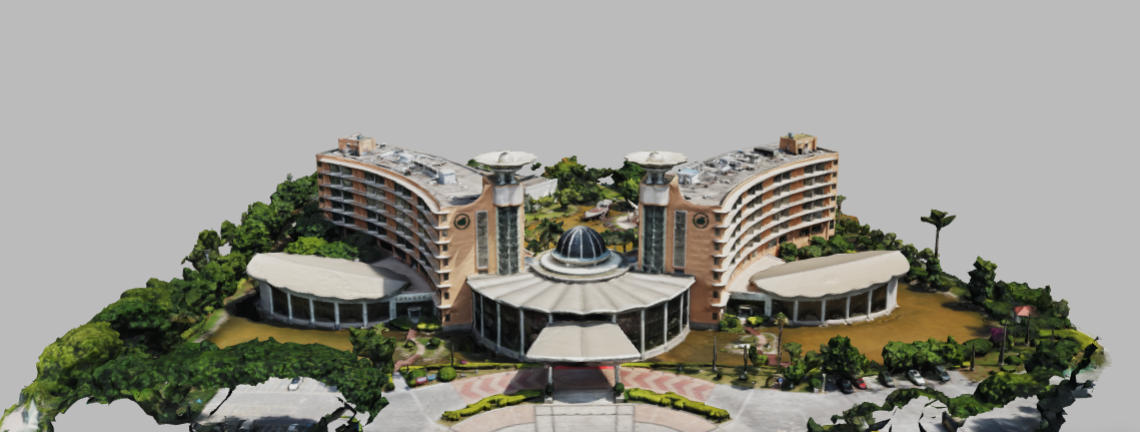
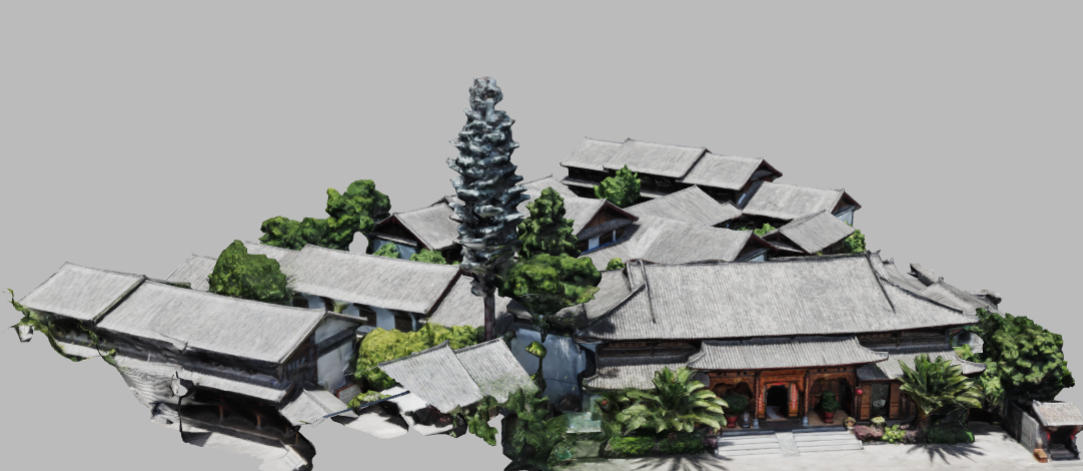
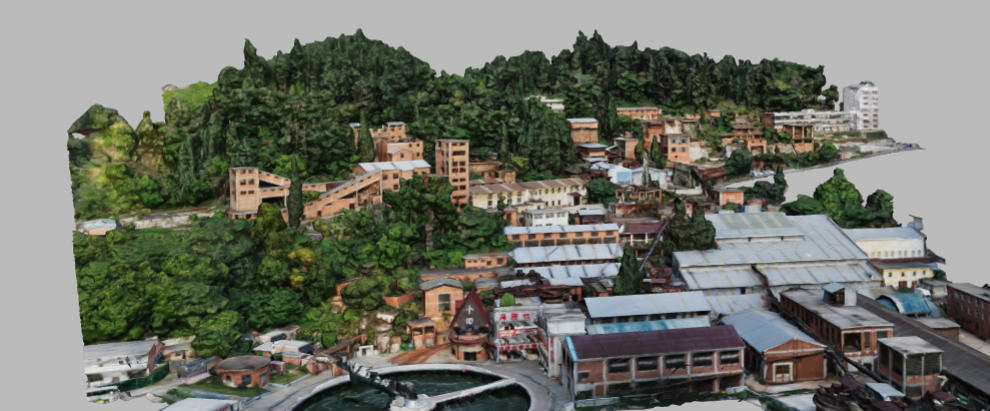
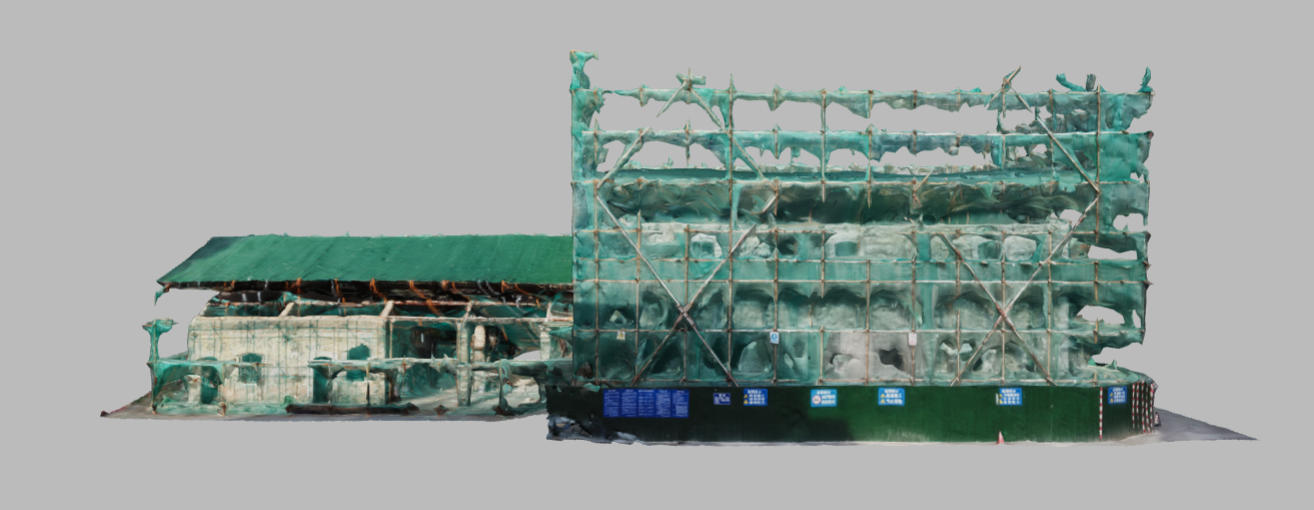
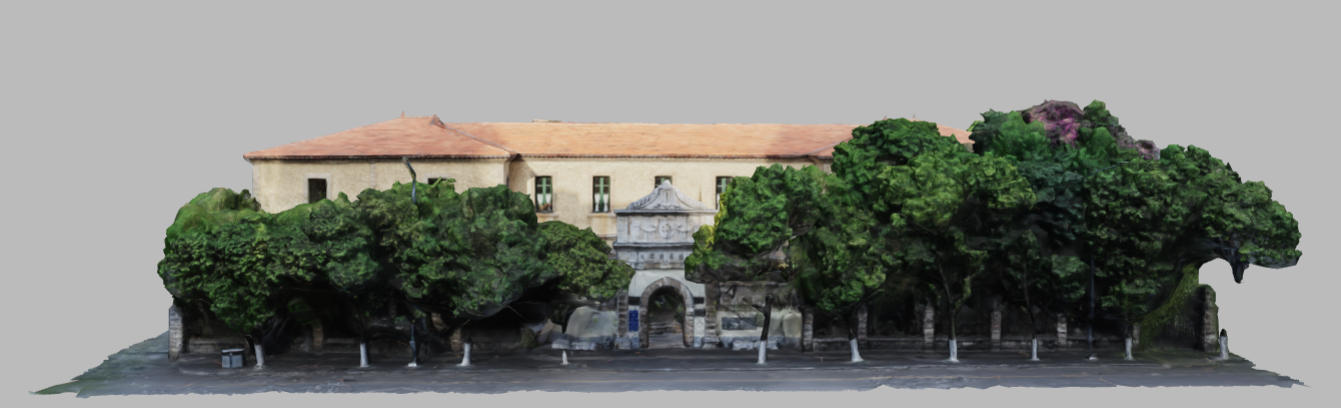
Explore 3D models and 3D Gaussian Splatting archives across China, spanning timber Buddhist halls, cave-temple grottoes, Southern Silk Road pagodas, ancestral halls, mosques, and qiaoxiang towns.

1,818 entities · 31 sub-regions · 6 cultural routes

Curated 3D Gaussian Splatting Galleries

Explore interactive WebGL2/WebGPU 3D Gaussian Splatting reconstructions connected to this region:

Curated Journeys

Cultural Routes in China

All Travel Routes →

39 Stops

The Roof Remembers

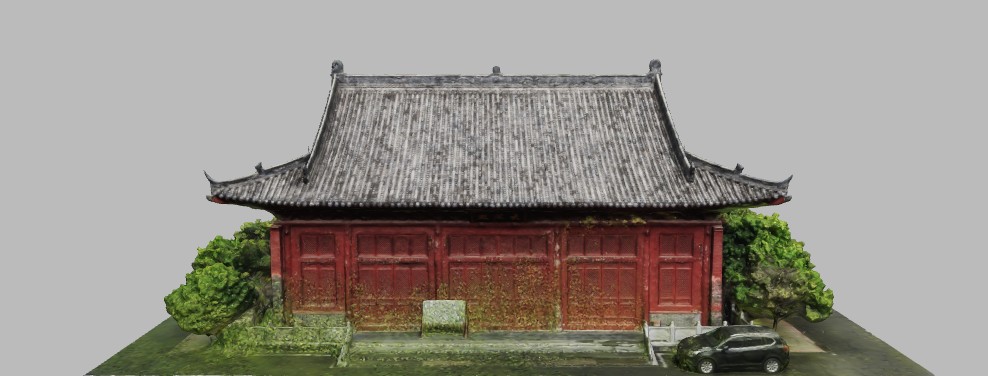
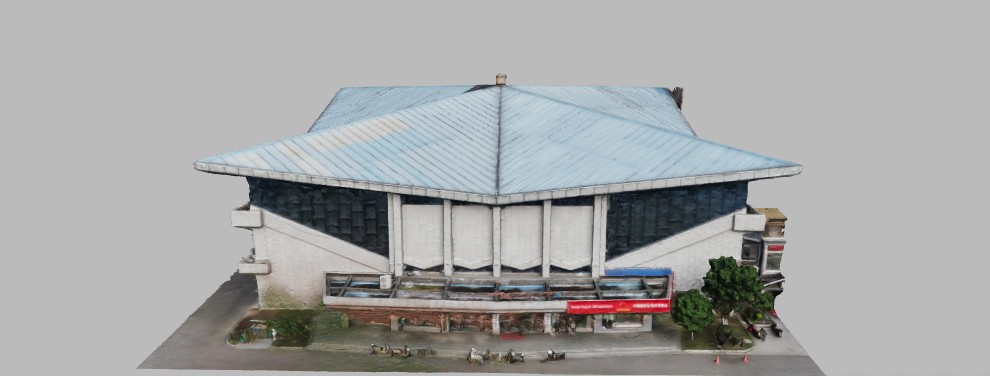
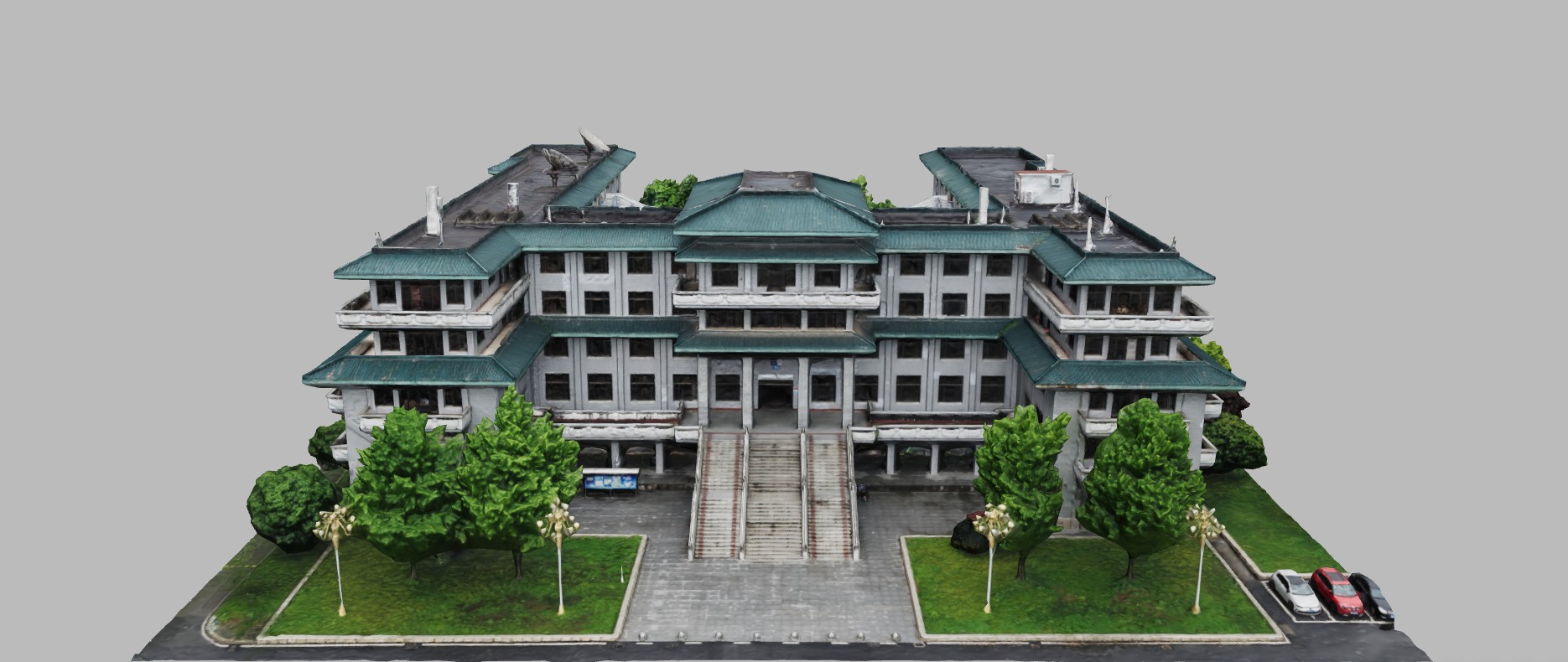
From early Shanxi halls and a wooden pagoda to regional caissons, theater roofs, palaces, and civic towers, Chinese timber buildings preserve different ways of carrying a roof and imagining the space beneath it. Brackets, ceilings, and sacred art become an architectural archive.
40 Stops

A Hometown Far from Home

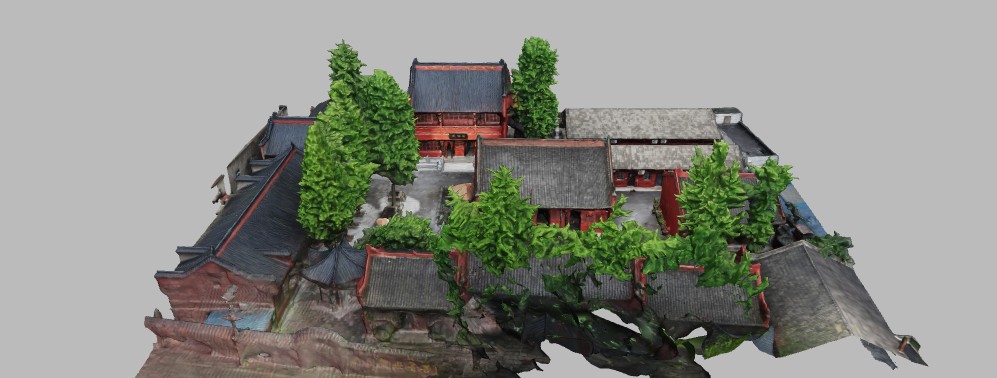
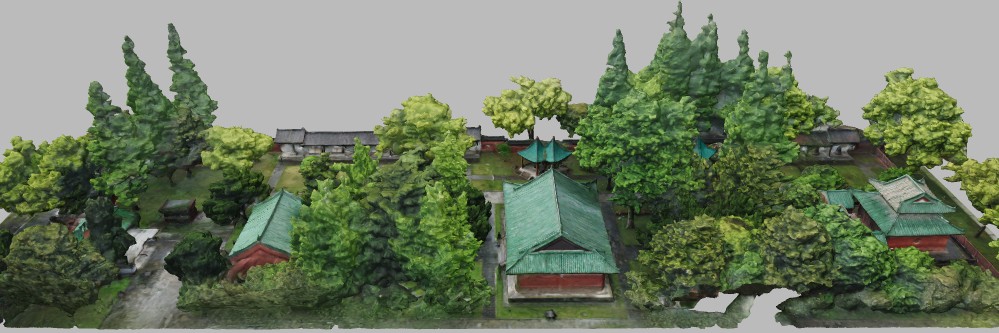
Guild halls and migrant-community temples carry regional gods, stages, courtyards, lodging, and carving traditions into towns far from their builders’ origins. Across China and into Singapore, shared hometown ties become architecture for worship, commerce, study, mutual assistance, and remembrance.

15 Stops

Stone, from Majesty to Intimacy

Monumental cave Buddhas at Yungang and the dispersed figures of Unju begin a comparison of how stone gives a sacred body its scale and setting. Cliff reliefs, repeated niches, a double-sided jade block, relaxed and reclining figures, and surviving faces carry the journey from commanding presence toward intimacy.

41 Stops

Machines Left Open

Furnaces, mines, mills, breweries, shipyards, utilities, and manufacturing workshops expose the forms behind finished products. Working machinery, abandoned structures, surviving fragments, and reused plants reveal industry as architecture, labor, energy, and material transformation.

15 Stops

Yunnan in Narrow Gauge

Railway museums, stations, a company headquarters, worker care, tin-processing sites, and trade administration trace Yunnan’s narrow-gauge networks. The Yunnan–Vietnam metre-gauge line and the historically smaller Gebishi system connect foreign pressure, regional enterprise, resource economies, and local patronage.

15 Stops

Pagodas of the Southern Silk Road

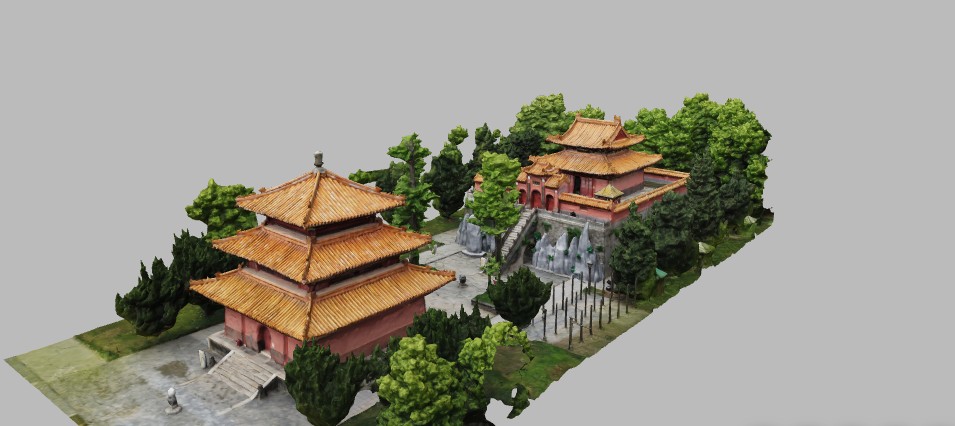
Pagodas shaped by Nanzhao and Dali Buddhism, esoteric traditions, and later Ming and Qing literary culture. Suggested direction: Kunming, Dali, Weishan, Chuxiong, and Dayao.

3D Archive Collection

Archived 3D Entities in China