

15 Stops
Pagodas of the Southern Silk Road
Pagodas shaped by Nanzhao and Dali Buddhism, esoteric traditions, and later Ming and Qing literary culture. Suggested direction: Kunming, Dali, Weishan, Chuxiong, and Dayao.
Regional Heritage Archive
Explore 3D models and 3D Gaussian Splatting archives across China, spanning timber Buddhist halls, cave-temple grottoes, Southern Silk Road pagodas, ancestral halls, mosques, and qiaoxiang towns.
1,818 entities · 31 sub-regions · 6 cultural routes
Curated 3D Gaussian Splatting Galleries
Explore interactive WebGL2/WebGPU 3D Gaussian Splatting reconstructions connected to this region:
Curated Journeys
15 Stops
Pagodas shaped by Nanzhao and Dali Buddhism, esoteric traditions, and later Ming and Qing literary culture. Suggested direction: Kunming, Dali, Weishan, Chuxiong, and Dayao.
17 Stops
Mosques from the maritime coast to the inland northwest and southwest show Islamic worship taking shape through different regional building traditions. Courtyards, roofs, masonry, and prayer spaces become a study in cultural translation.
15 Stops
Railway museums, stations, a company headquarters, worker care, tin-processing sites, and trade administration trace Yunnan’s narrow-gauge networks. The Yunnan–Vietnam metre-gauge line and the historically smaller Gebishi system connect foreign pressure, regional enterprise, resource economies, and local patronage.
10 Stops
Deep wells and brine works lead to a salt road, merchant and occupational guilds, riverfront worship, communications, and elaborate ancestral buildings. In Zigong, extraction beneath the ground becomes wealth, craft, labor organization, and social order above it.
40 Stops
Guild halls and migrant-community temples carry regional gods, stages, courtyards, lodging, and carving traditions into towns far from their builders’ origins. Across China and into Singapore, shared hometown ties become architecture for worship, commerce, study, mutual assistance, and remembrance.
30 Stops
Ancestral halls, branch shrines, study rooms, and family compounds turn continuity into courtyards, rooflines, carved stories, and ceremonial space. Across Guangdong, timber craft and domestic organization preserve lineage while buildings accommodate relocation, public use, and changing family fortunes.
3D Archive Collection
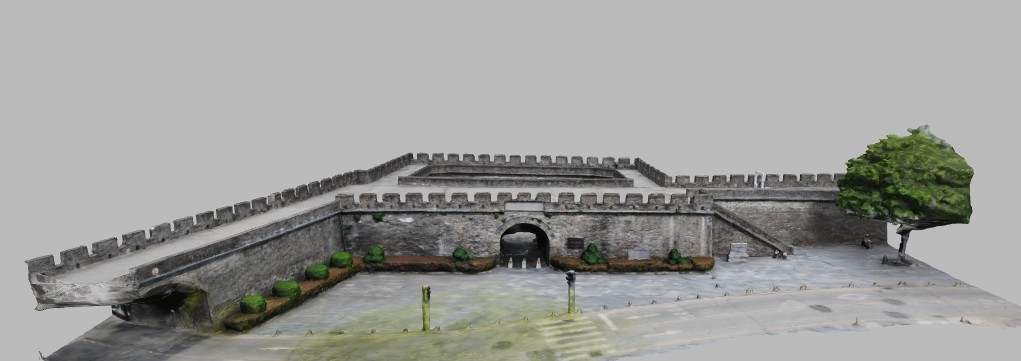
Xiangyang, Hubei, China
襄阳拱宸门 · Xiangyang Gongchen Gate preserves the only intact defensive barbican among the city's surviving historic…
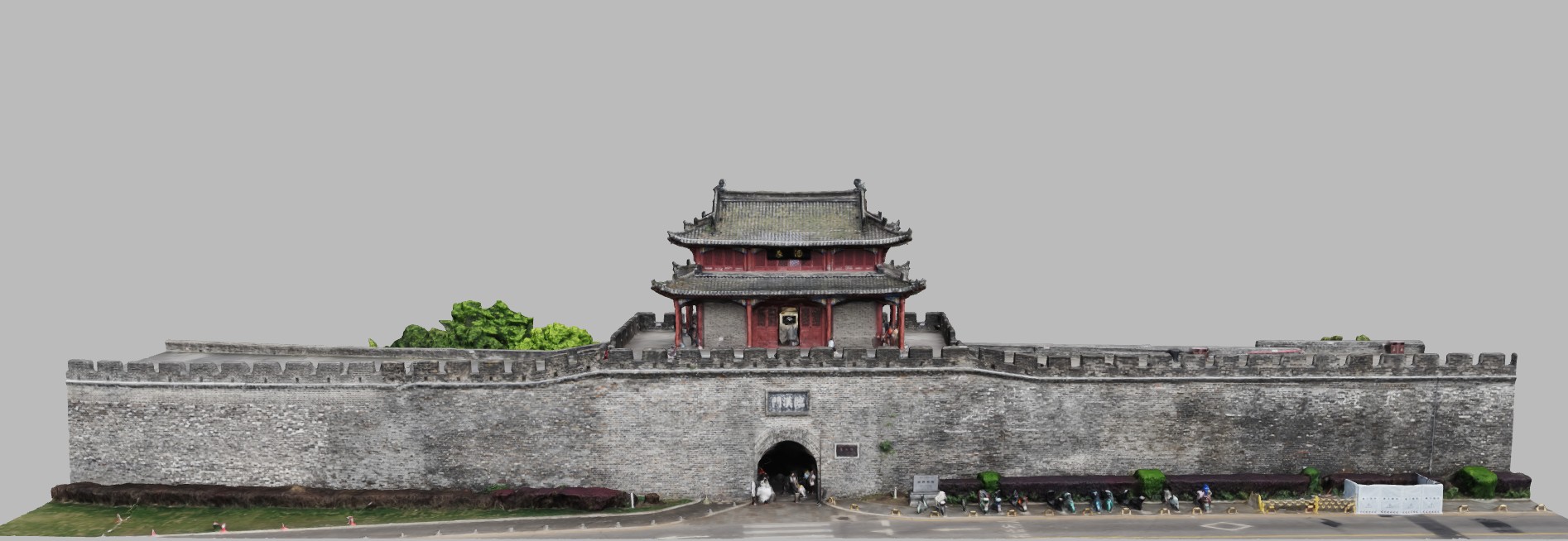
Xiangyang, Hubei, China
襄阳临汉门 · The Linhan Gate is the best-preserved gateway of the Xiangyang Ancient City Wall, serving as a monument t…
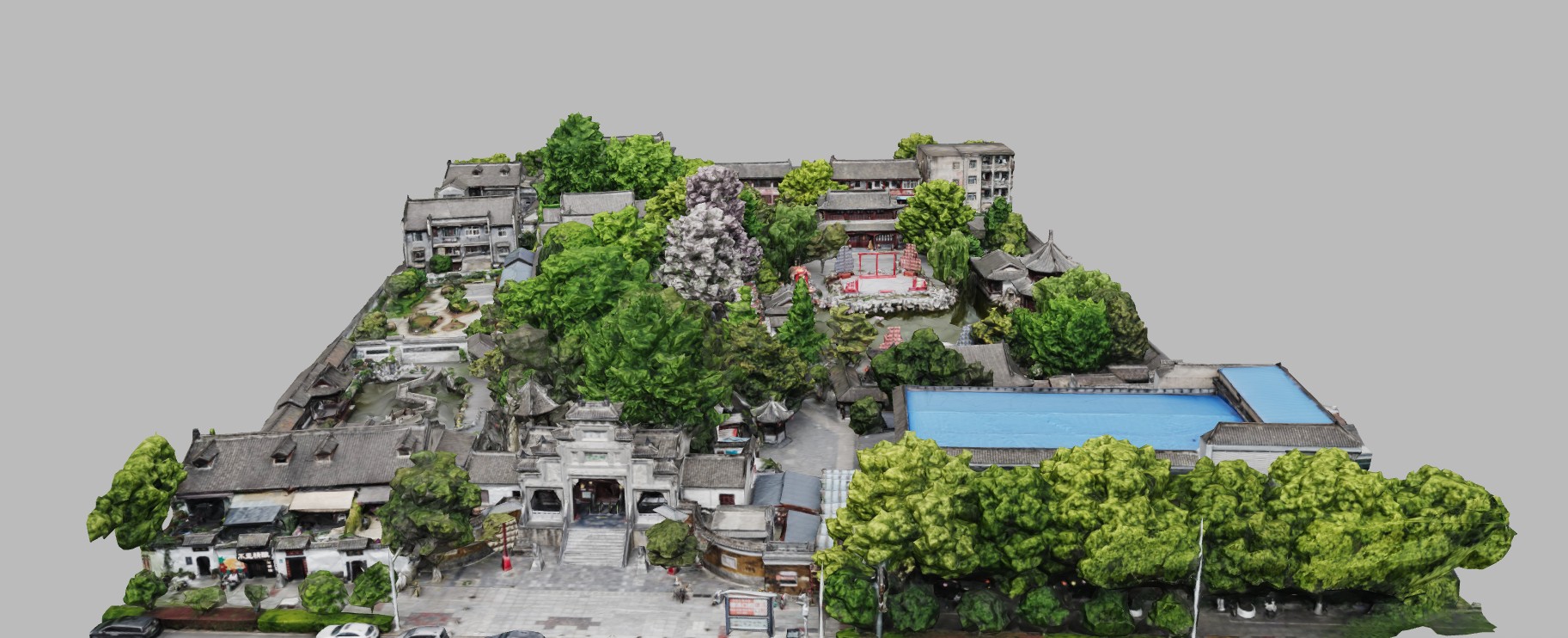
Xiangyang, Hubei, China
米公祠 · Located on the Han River in Xiangyang, the Mi Fu Memorial Temple is the largest surviving monument to the…
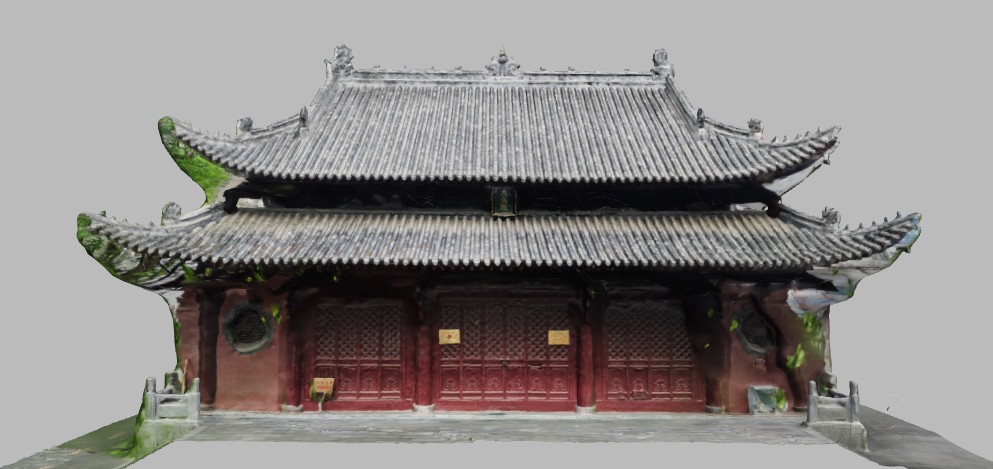
Xiangyang, Hubei, China
襄阳学宫大成殿 · The Dacheng Hall is the largest and best-preserved ancient wooden structure in the historic city of Xiang…
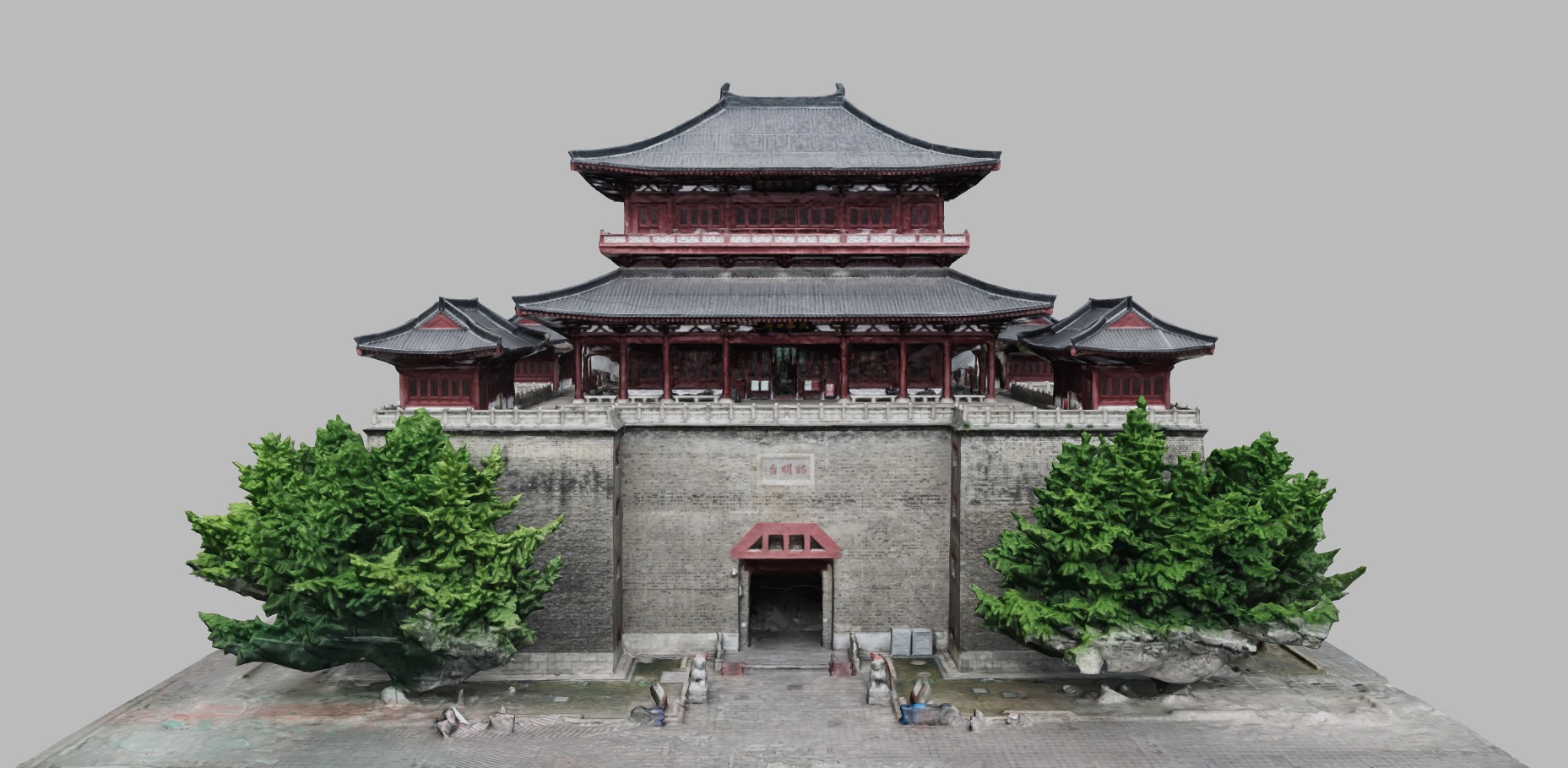
Xiangyang, Hubei, China
襄阳博物馆(昭阳台) · Standing at the heart of the Xiangyang Ancient City, Zhaoming Terrace is a monumental gatehouse built to…
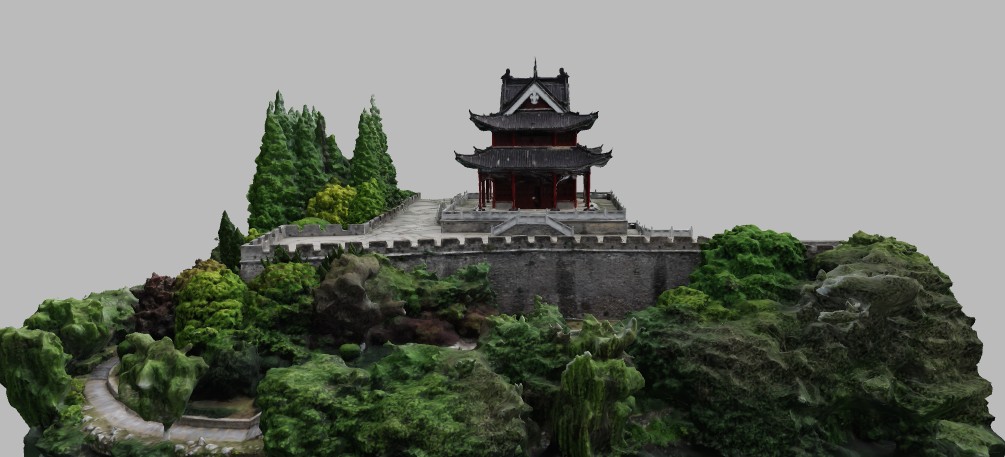
Xiangyang, Hubei, China
襄阳仲宣楼 · Zhongxuan Tower, situated on the southeastern corner of the Xiangyang Ancient City Wall, is one of the Fo…
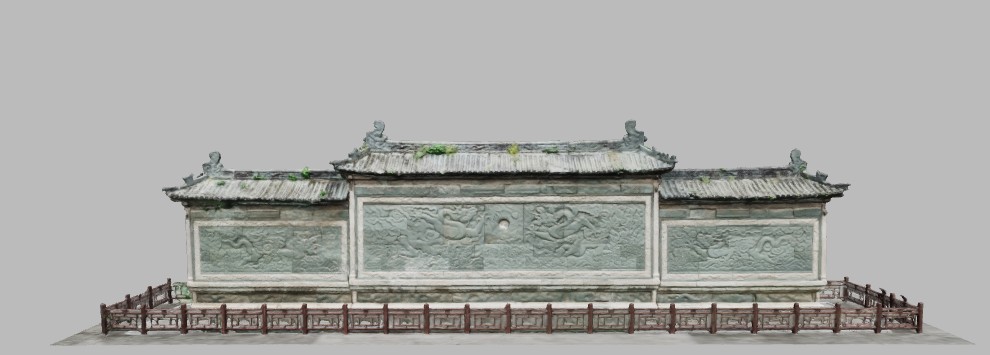
Xiangyang, Hubei, China
襄阳王府绿影壁 · Built around 1440, the Green Screen Wall of Xiangyang Xiangwang Mansion is the sole surviving structure o…
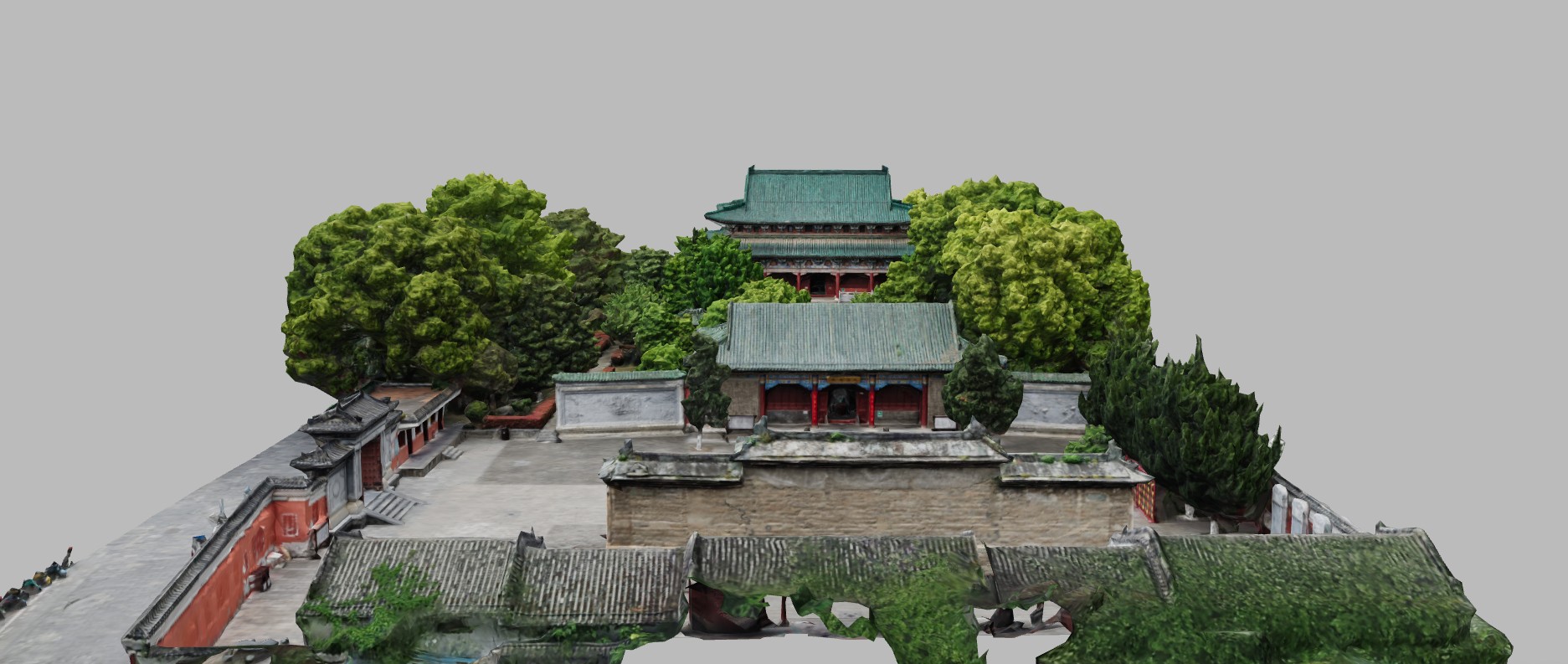
Xiangyang, Hubei, China
襄王府 · Built in the fifteenth century, the Xiangyang Xiangwang Mansion was the grand residence of Ming Dynasty p…
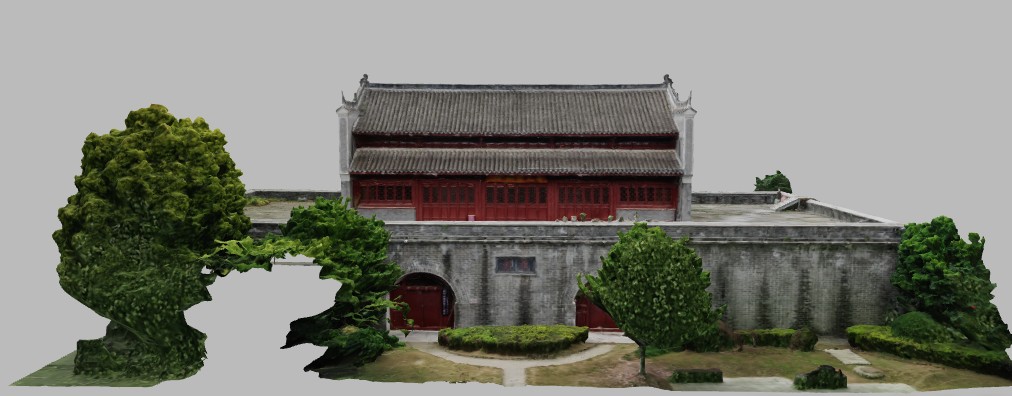
Xiangyang, Hubei, China
襄阳谯楼 · Xiangyang Qiaolou is a monument to Chinese military history and civic administration. During the 1273 Mon…
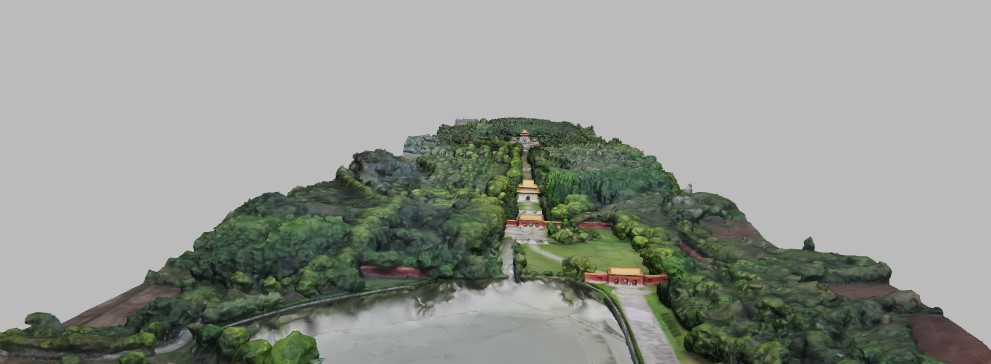
Jingmen, Hubei, China
明显陵 · The Xianling Tomb is the largest single imperial mausoleum of the Ming Dynasty and a masterpiece of archi…
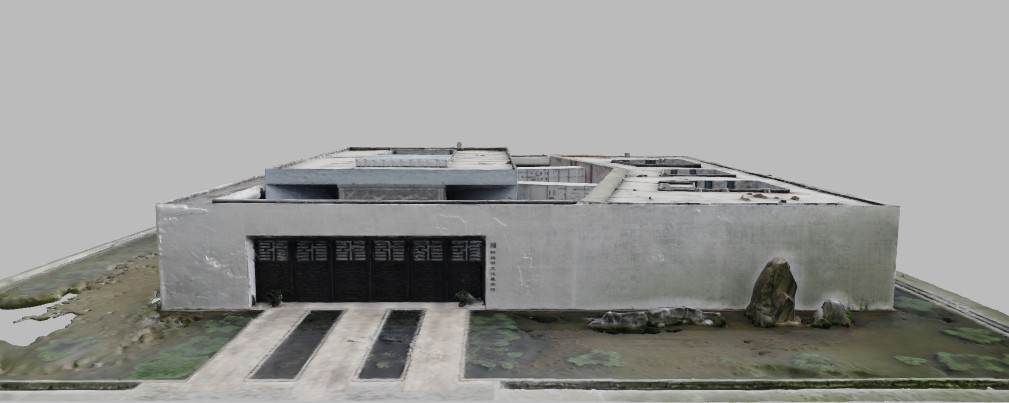
Jingmen, Hubei, China
钟祥博物馆 · Designed in the shape of the Chinese character for 'Ming,' the Zhongxiang Museum is an architectural land…
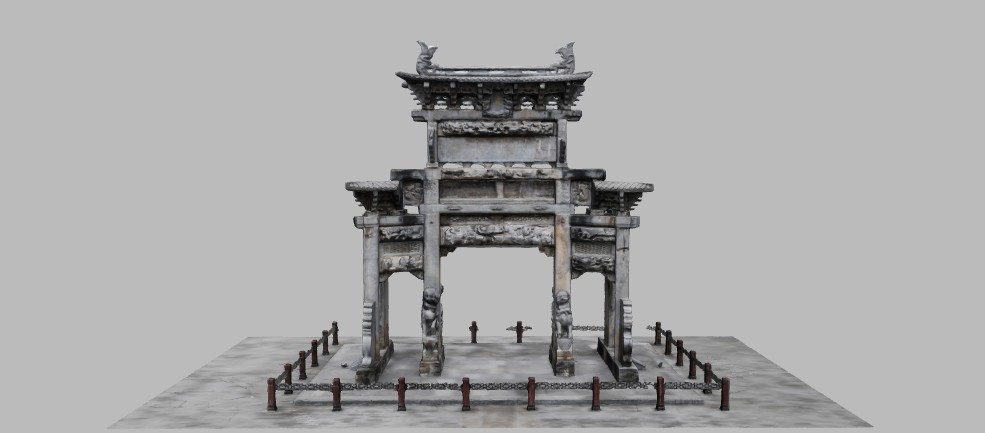
Jingmen, Hubei, China
少司马坊 · Erected in 1581 to honor a Ming dynasty military official, the Shaosima Archway is a rare marvel of stone…
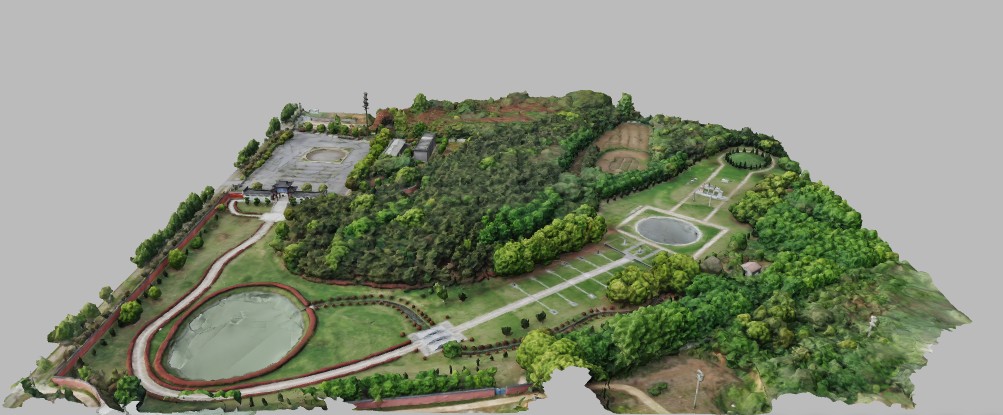
Jingmen, Hubei, China
小皇陵遗址公园 · Zhongxiang Xiaohuangling Ruins Park preserves the high-specification tomb of Lady Fan, the wet nurse of t…
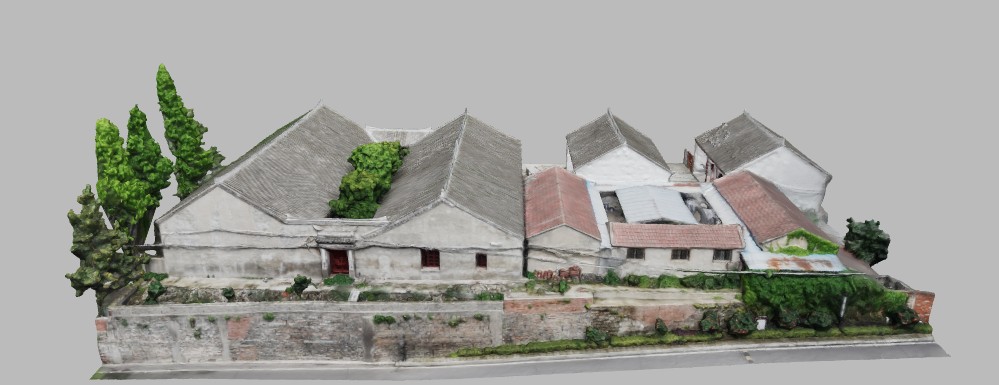
Jingmen, Hubei, China
兰台书院 · Built in 1750 on a mountain linked to ancient Chu culture and the legends of Emperor Shun, Zhongxiang Lan…
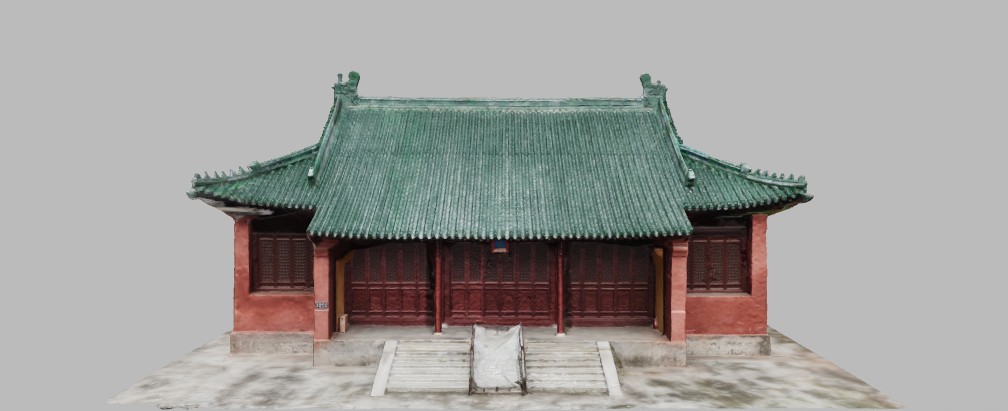
Jingmen, Hubei, China
兴王府 · Zhongxiang Xingwang Mansion is the birthplace of the Ming Dynasty's Jiajing Emperor and the architectural…
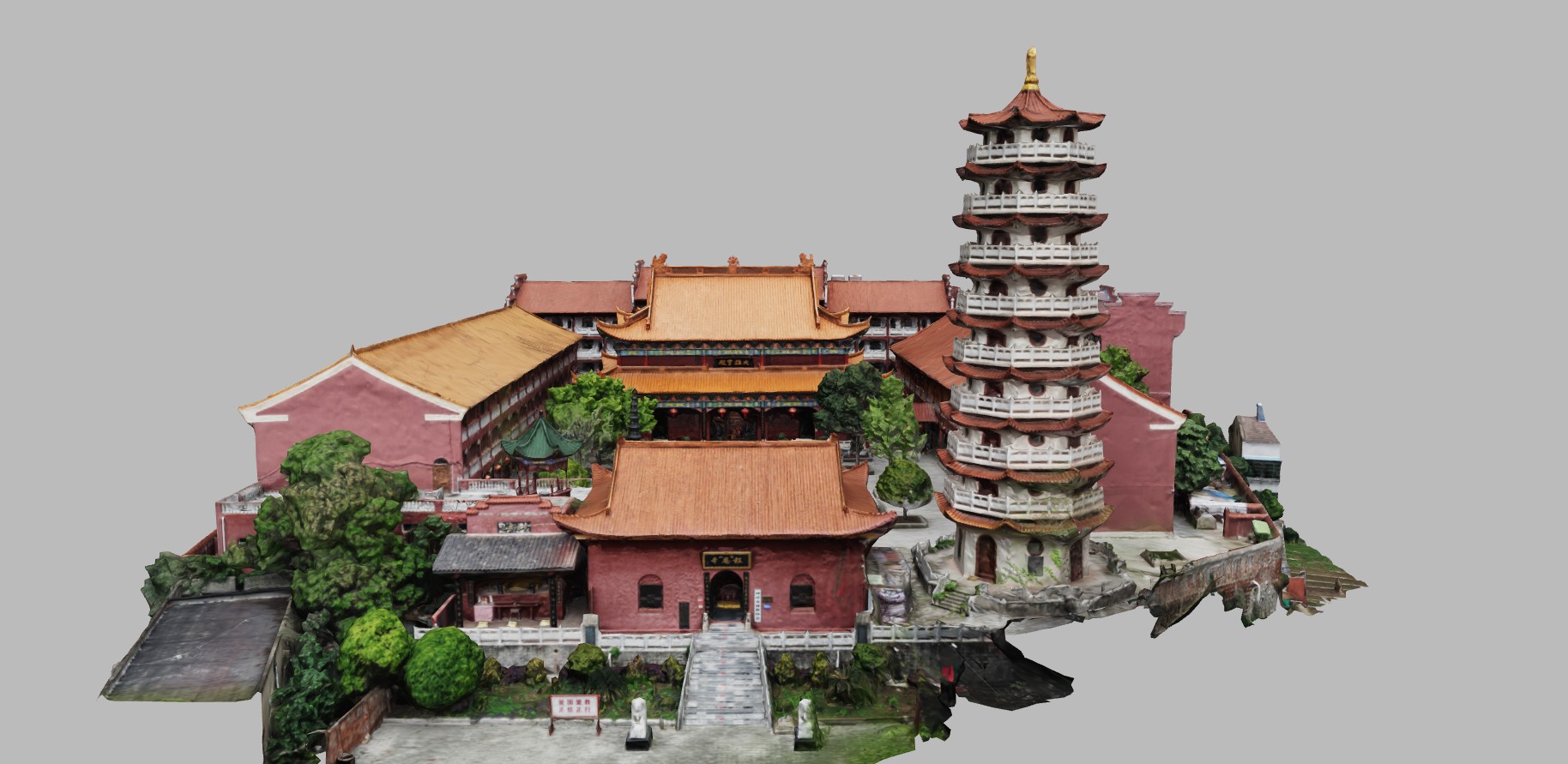
Jingmen, Hubei, China
报恩寺 · Founded in 633 AD, Zhongxiang Bao'en Monastery is the sole active Buddhist monastery in the region, servi…
Jingmen, Hubei, China
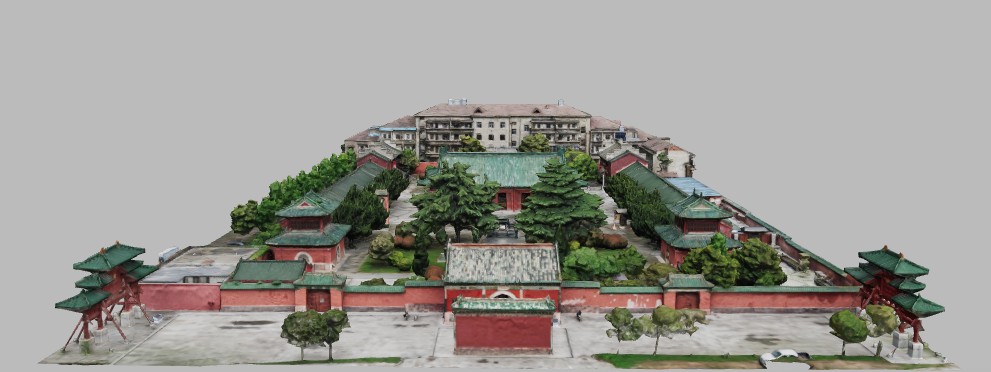
元祐宫 · Commissioned by the Jiajing Emperor in 1540, Zhongxiang Yuanyou Palace is a rare Ming Dynasty royal Taois…
Jingmen, Hubei, China
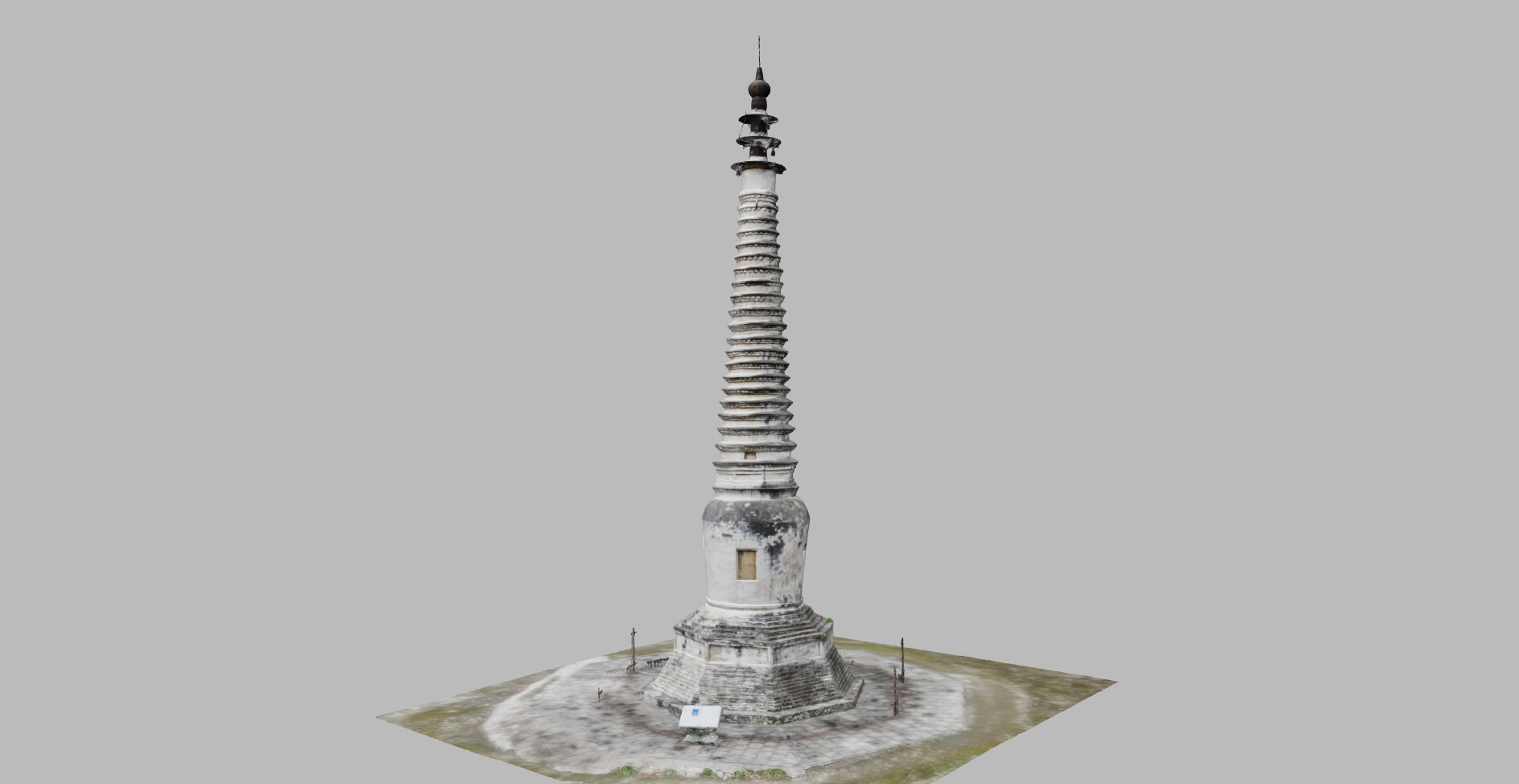
钟祥文风塔 · The Zhongxiang Wenfeng Stupa is a rare architectural hybrid, combining a Tibetan-style bottle stupa with…
Jingmen, Hubei, China
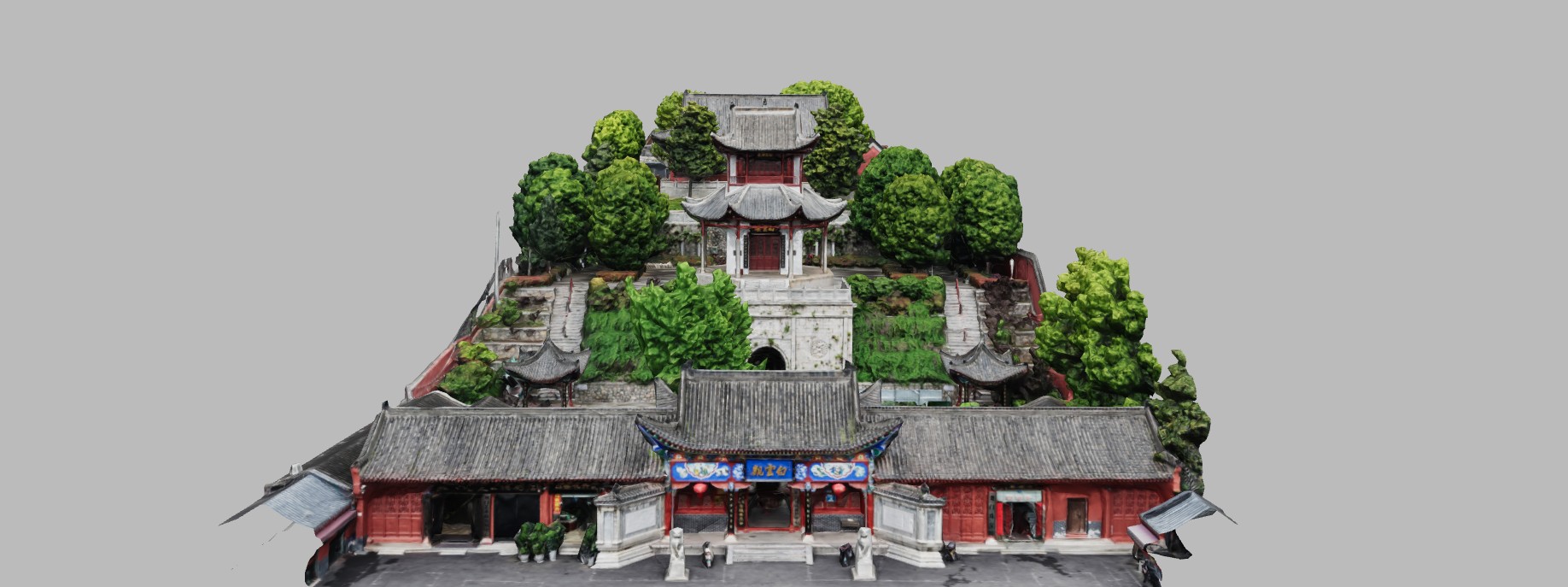
白云楼 · Perched on the stone cliffs of Shicheng overlooking the Han River, the Baiyun Tower remains a historic mo…
Jingmen, Hubei, China
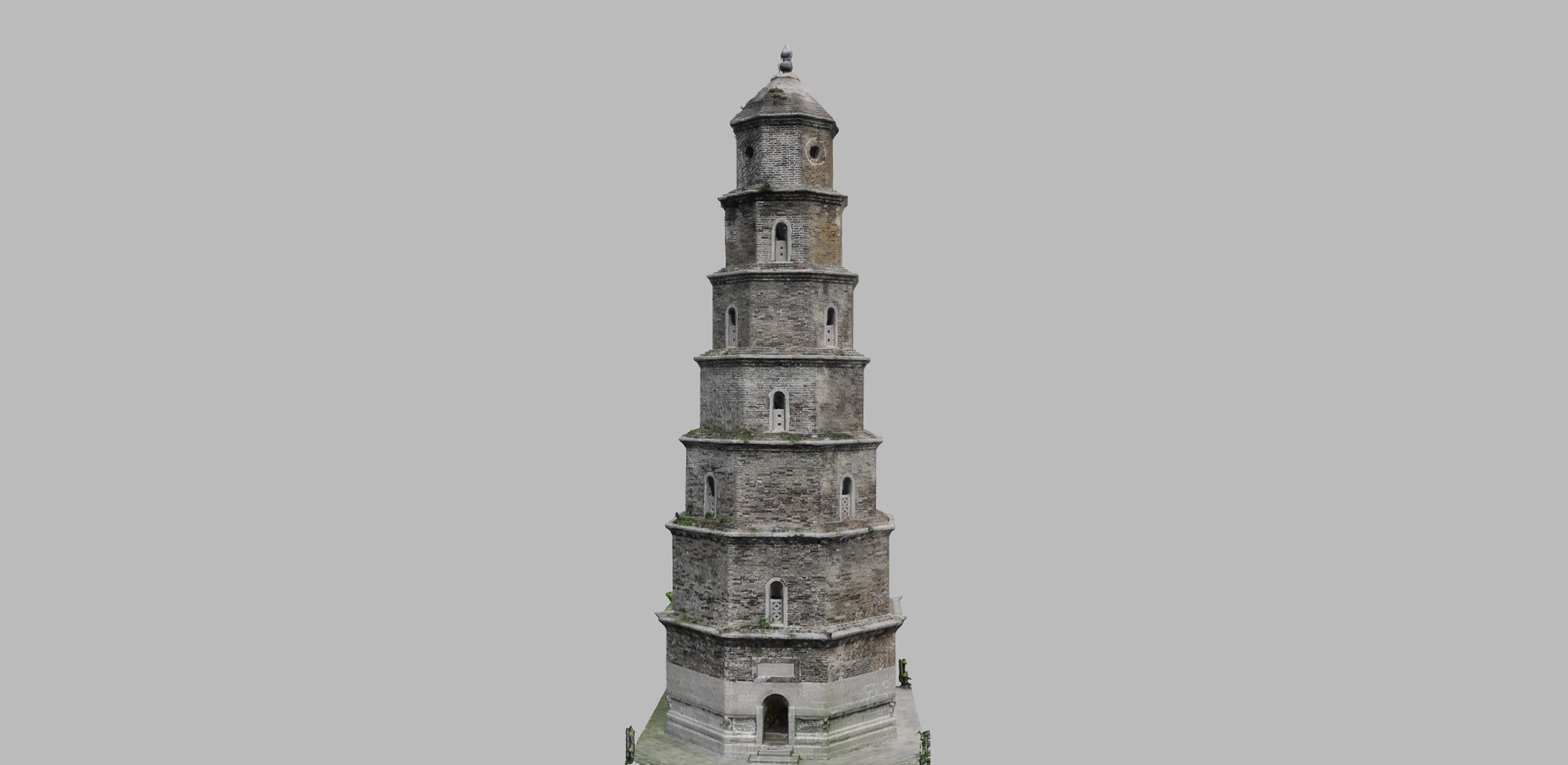
东山宝塔 · Commissioned in 592 AD by the Buddhist master Zhiyi, the Dongshan Pagoda is the oldest surviving ground-l…
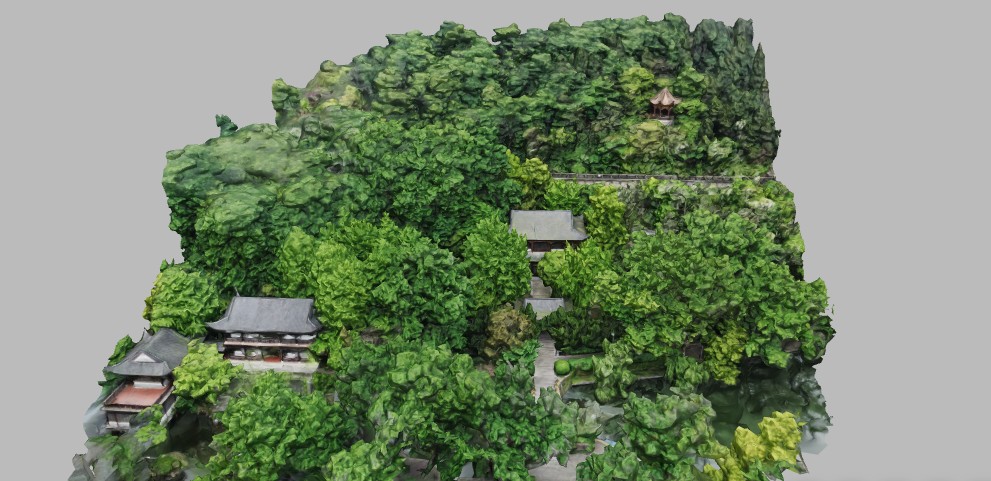
Jingmen, Hubei, China
陆夫子祠 · The Lu Fuzi Memorial Temple preserves the legacy of Lu Jiuyuan, the Southern Song Dynasty philosopher who…
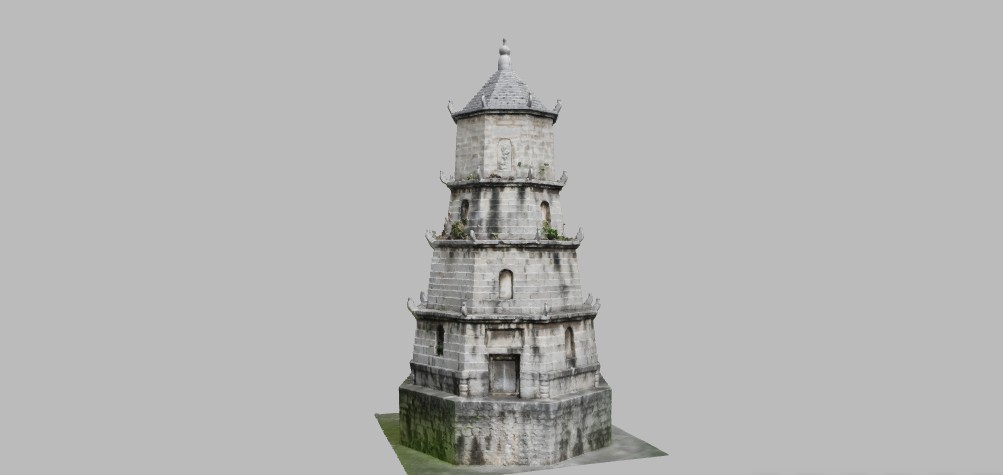
Jingmen, Hubei, China
升天塔 · The Shengtian Pagoda is a rare monument that merges civic utility with historical memorialization. Begun…
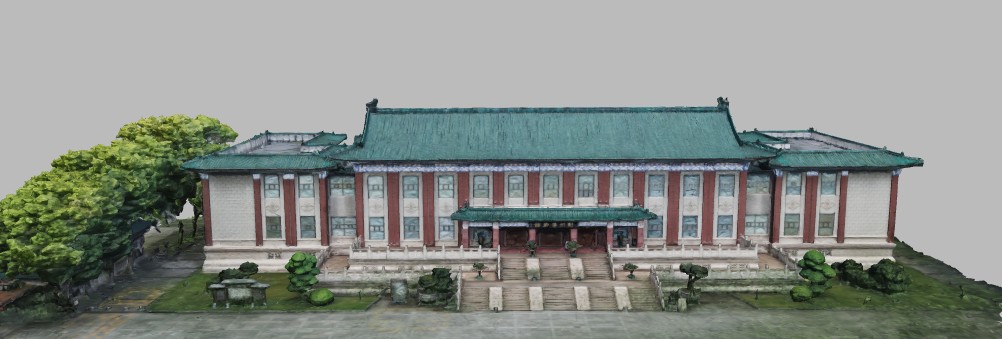
Jingzhou, Hubei, China
荆州博物馆 · Located near the ancient Chu capital, the Jingzhou Museum preserves the material culture of the Jianghan…
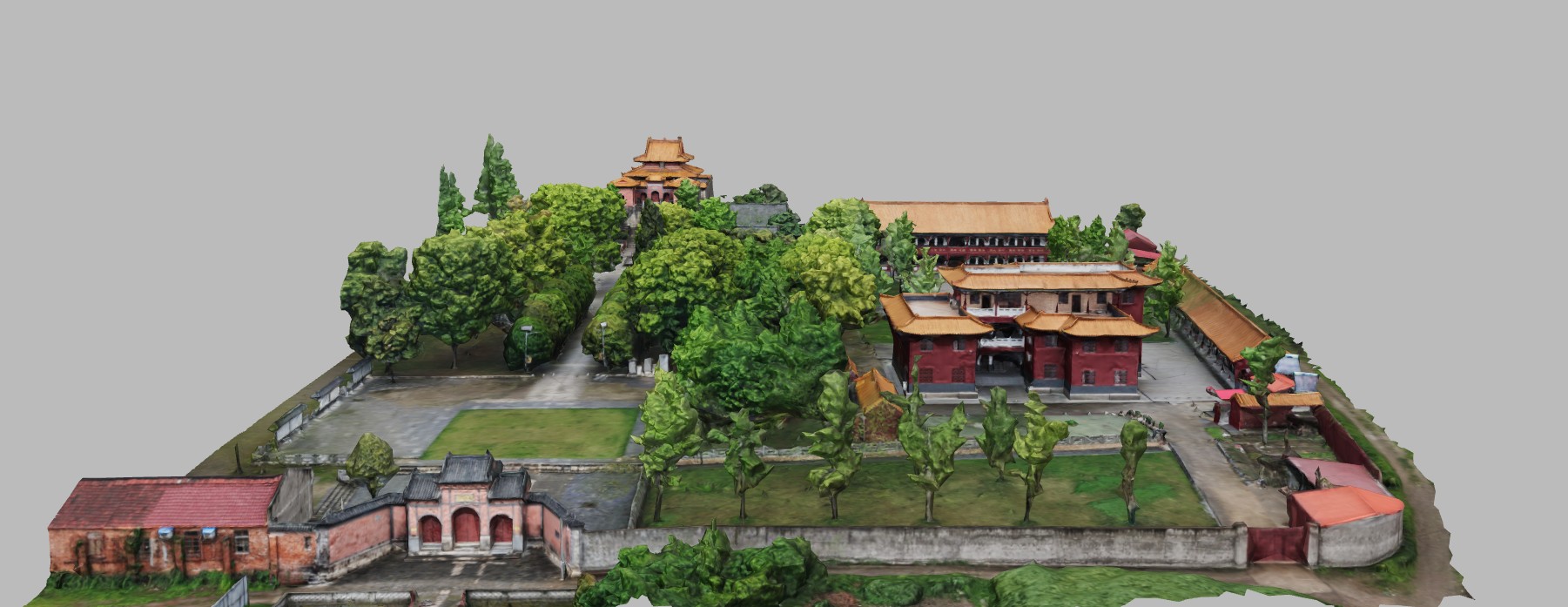
Jingzhou, Hubei, China
太晖观 · Built in 1393 by Zhu Bai, the Prince of Xiang, the Taihui Taoist Temple stands as a rare physical record…