

 Stop 01
Stop 1 of 15Shanxi, China
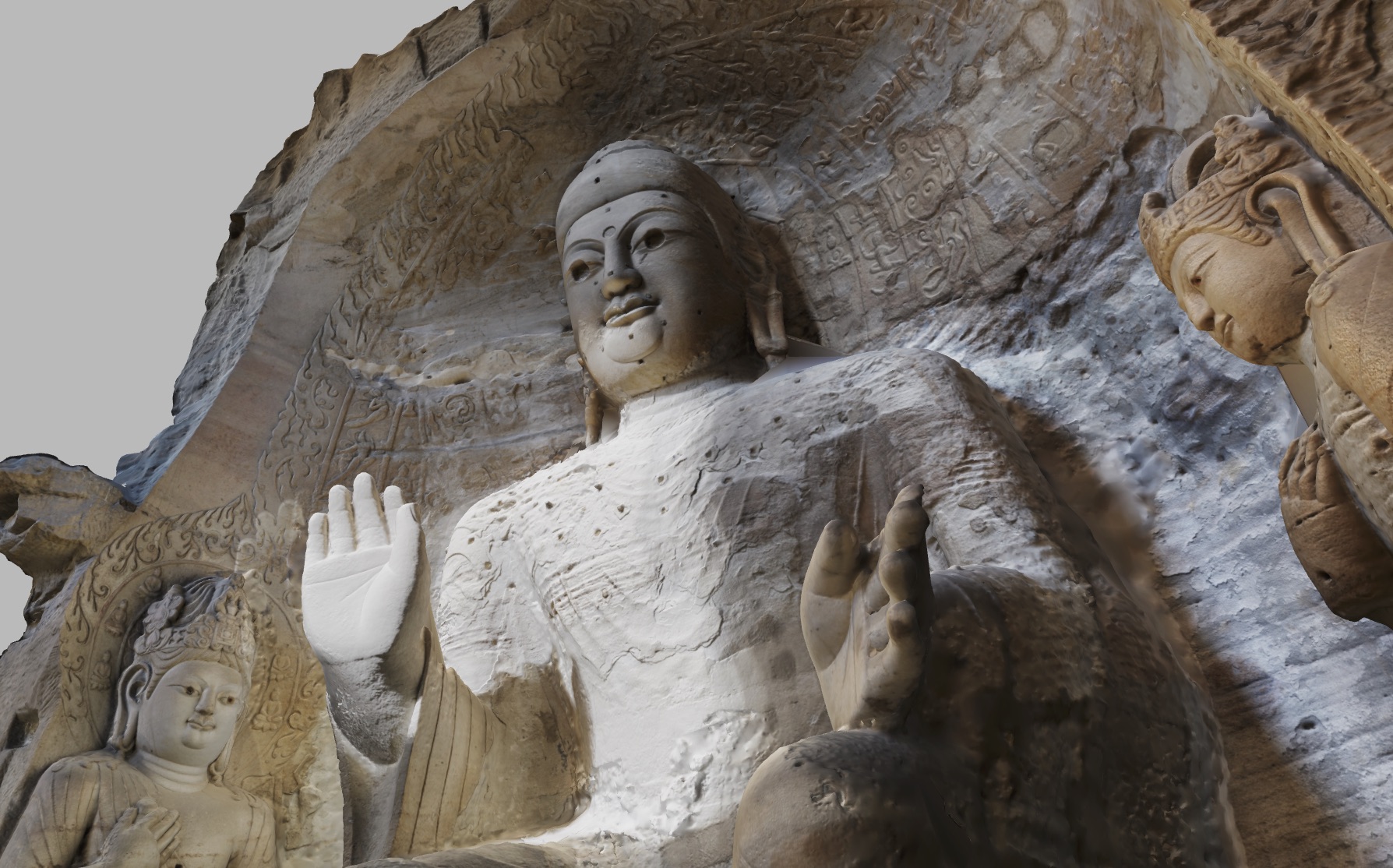
Yungang Grottoes Cave 20
The loss of Cave 20's front wall exposes its monumental seated Buddha to the landscape, showing how a changed enclosure can transform the apparent scale of a sacred body.
Architectural Heritage Route
Monumental cave Buddhas at Yungang and the dispersed figures of Unju begin a comparison of how stone gives a sacred body its scale and setting. Cliff reliefs, repeated niches, a double-sided jade block, relaxed and reclining figures, and surviving faces carry the journey from commanding presence toward intimacy.
15 geolocated stops
Curated Sequence
Stop 01The loss of Cave 20's front wall exposes its monumental seated Buddha to the landscape, showing how a changed enclosure can transform the apparent scale of a sacred body.
 Stop 02
Cave 3's large excavated chamber frames a group of colossal figures, placing sacred bodies against an extensive rock interior that remains part of their composition.
 Stop 03
Cave 7's stone carvings imitate curtains and timber architecture around celestial figures, shifting the comparison from sheer bodily scale toward the intimacy of an inhabited setting.
 Stop 04
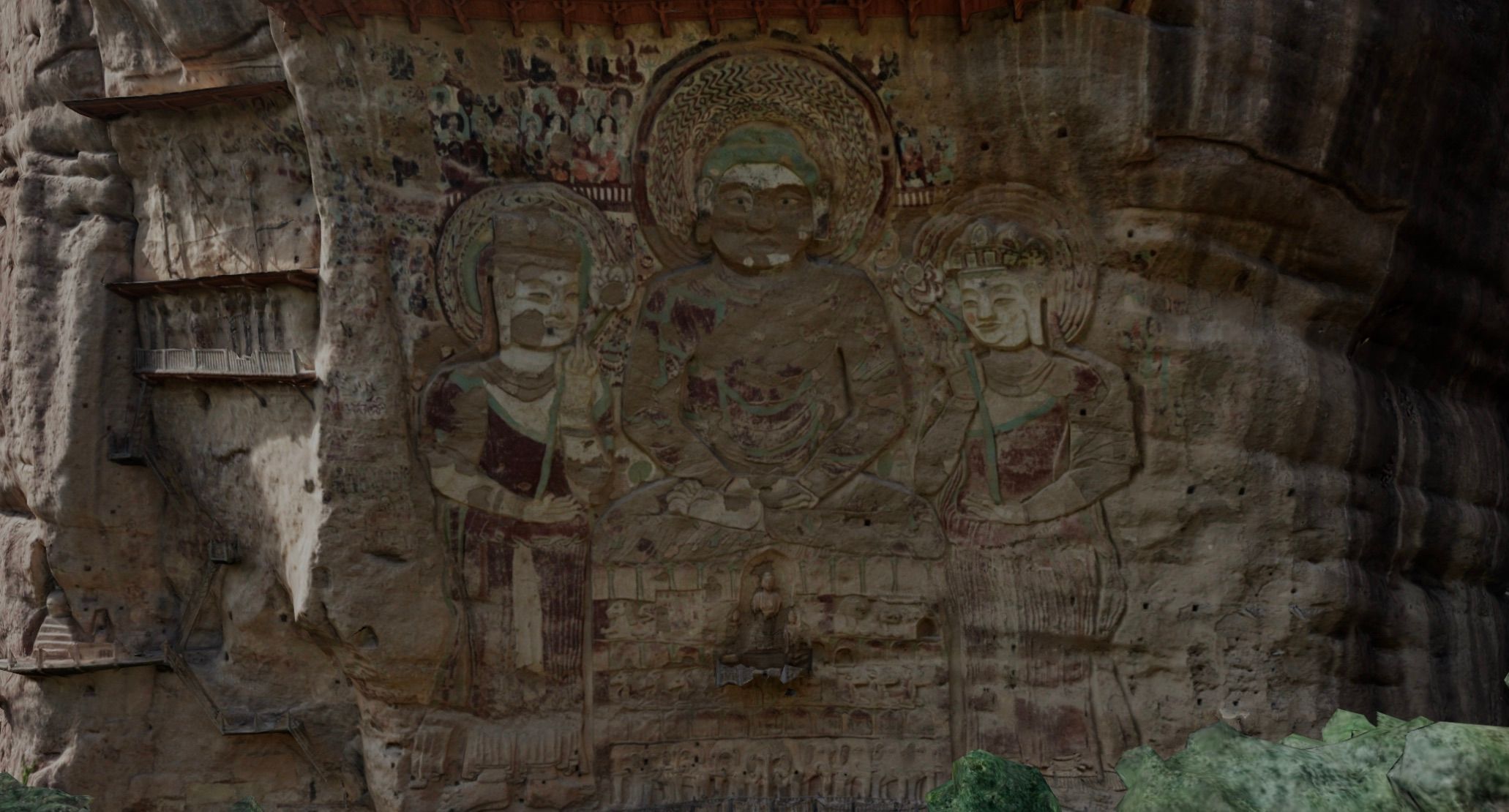
Shuiliandong's cliff-scale Buddha has a stone core modeled in clay, making the mountain the support of a monumental sacred body whose visible surface is deliberately shaped.
 Stop 05
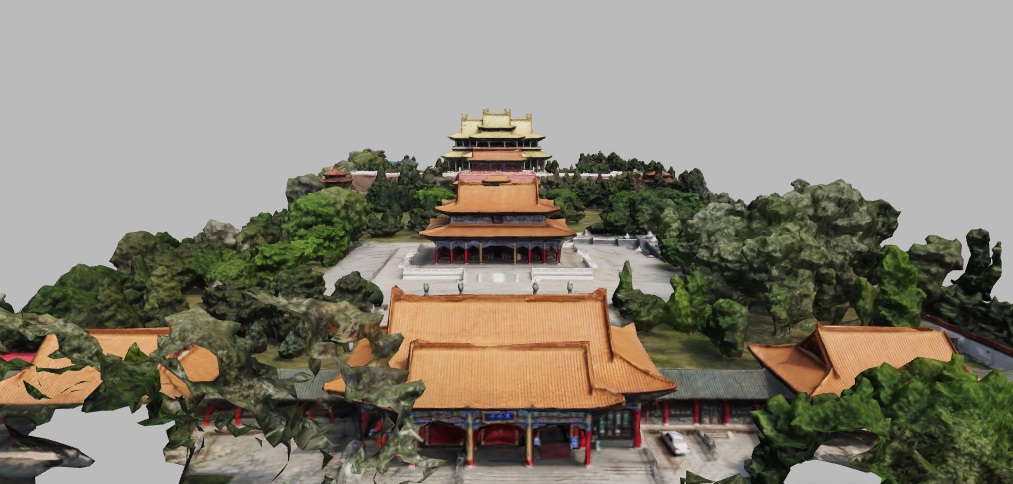
Anshan's double-sided jade block places a Buddha and Guanyin on opposite faces of one stone, making sacred bodily presence depend on moving around the sculpture as well as approaching it.
 Stop 06
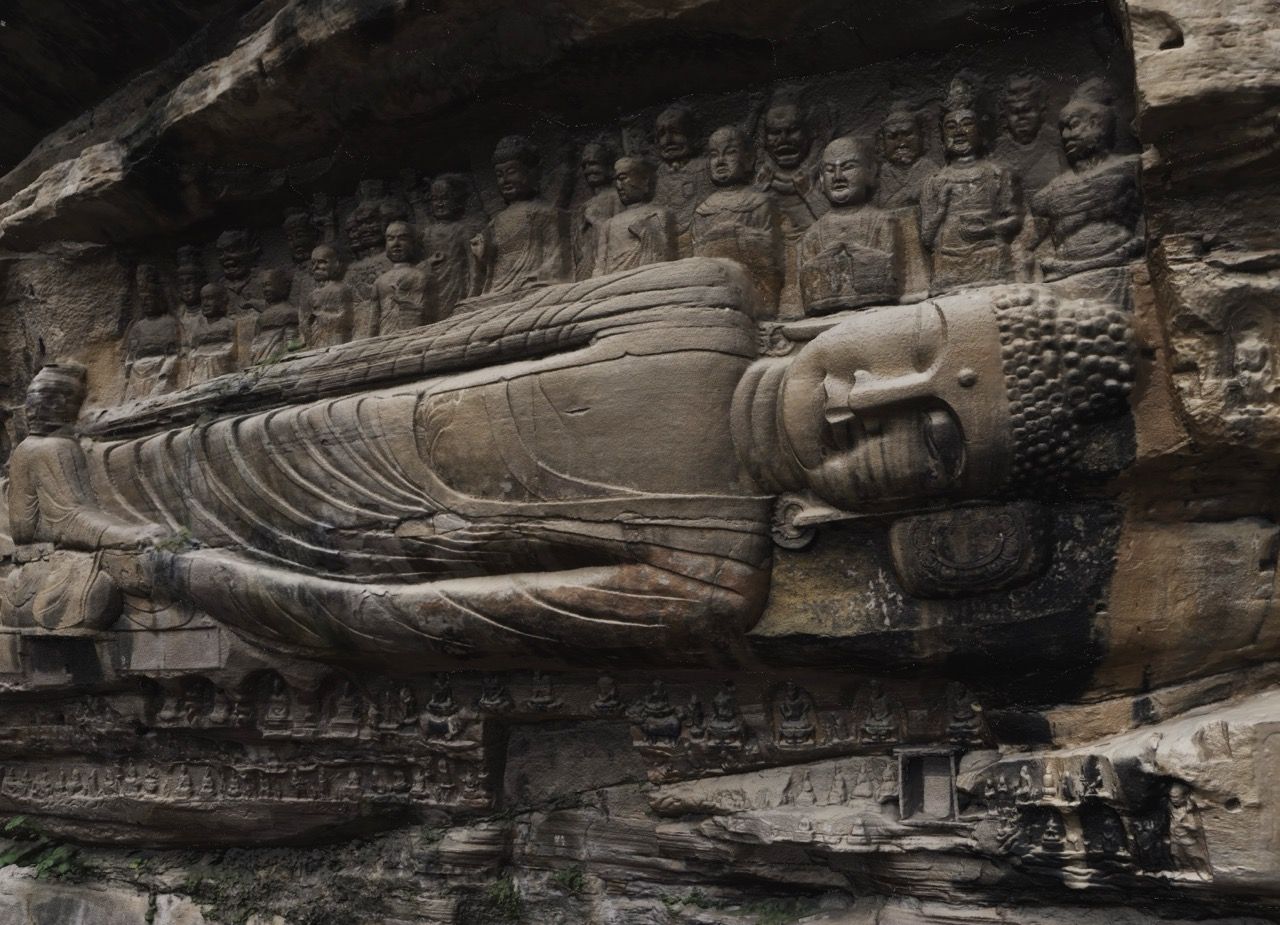
Wofo Yuan's long reclining Buddha is carved into a cliff wall, making horizontal bodily scale part of a vertical rock surface alongside Unju's figures lying on the ground.
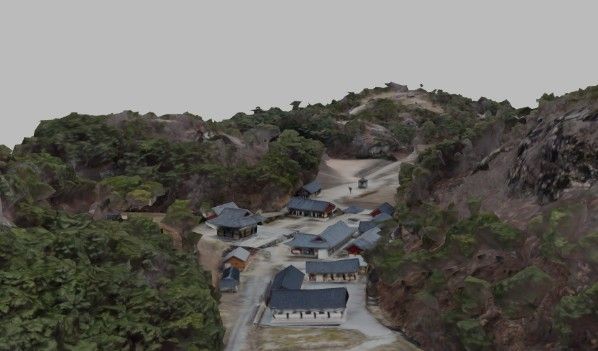 Stop 07
Unju's dispersed stone Buddhas and pagodas create separate devotional groups across a valley, offering an outdoor counterpart to sacred figures contained within Yungang's excavated caves.
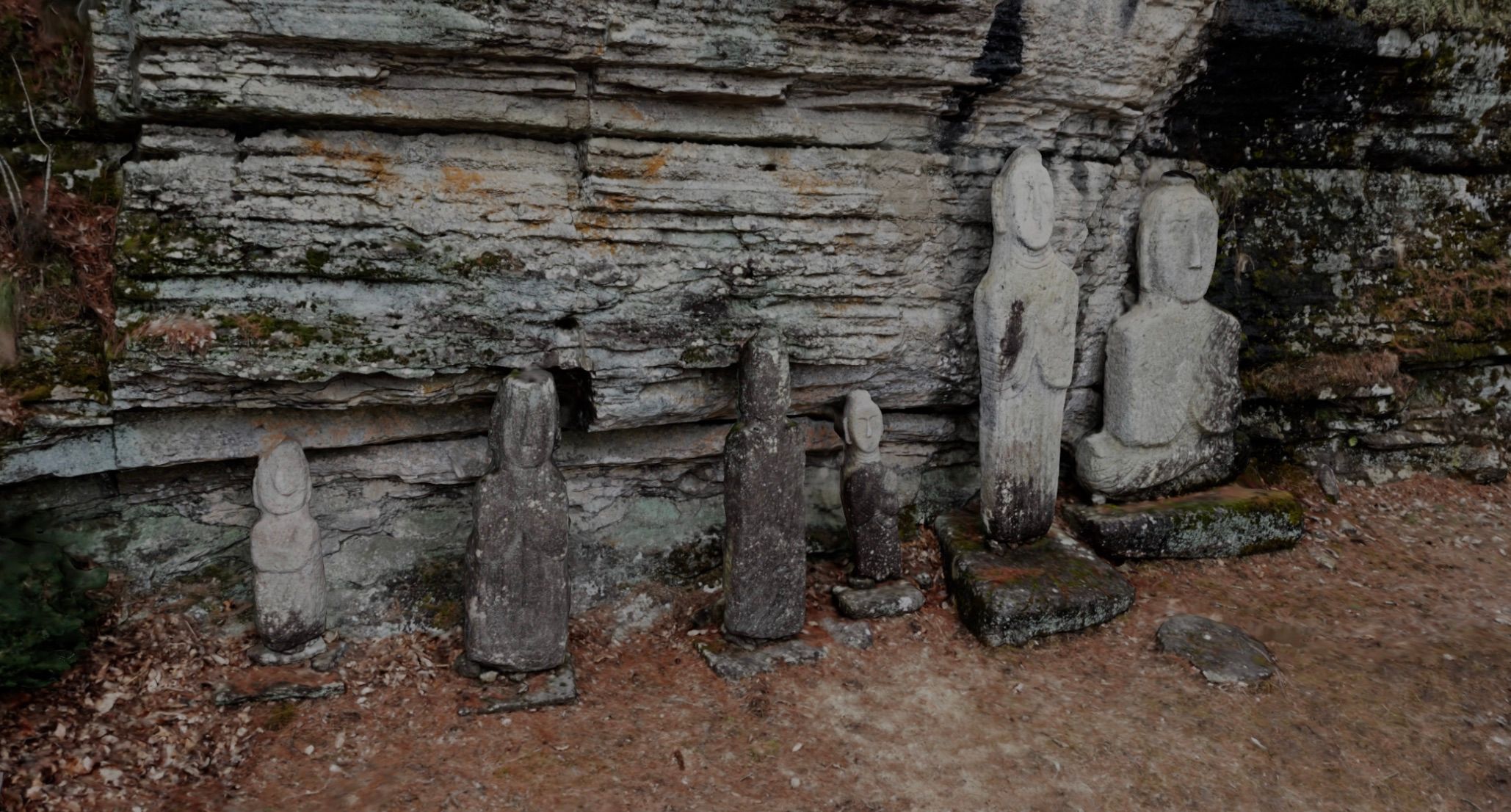 Stop 08
Unju's layered-tuff group shifts attention toward the stone's own texture, placing the material of the figures alongside the monumental enclosure and bodily scale of Yungang.
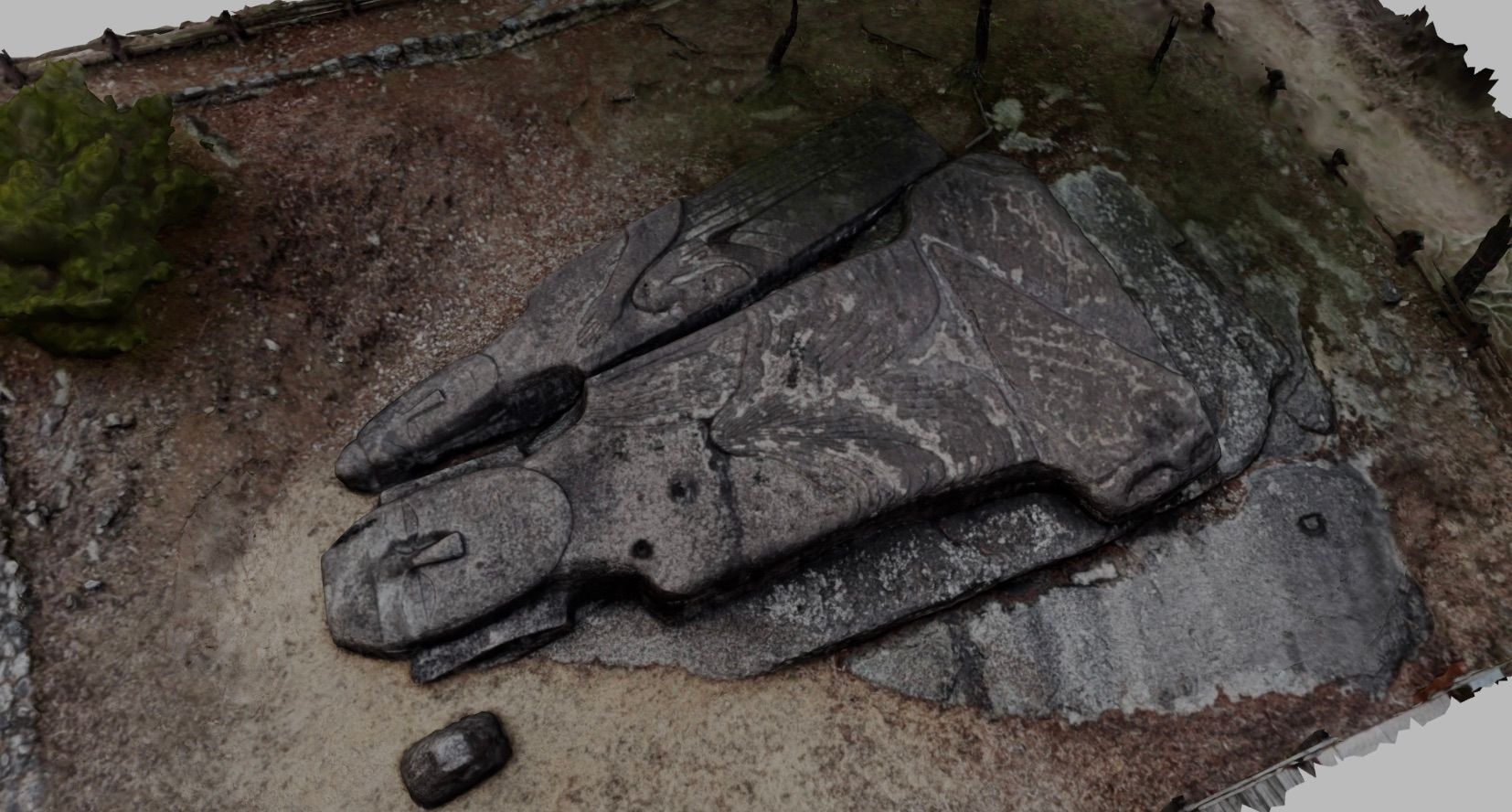 Stop 09
These seated and standing figures were carved into rock lying on the ground, making horizontal placement a distinctive alternative to the monumental upright bodies at Yungang.
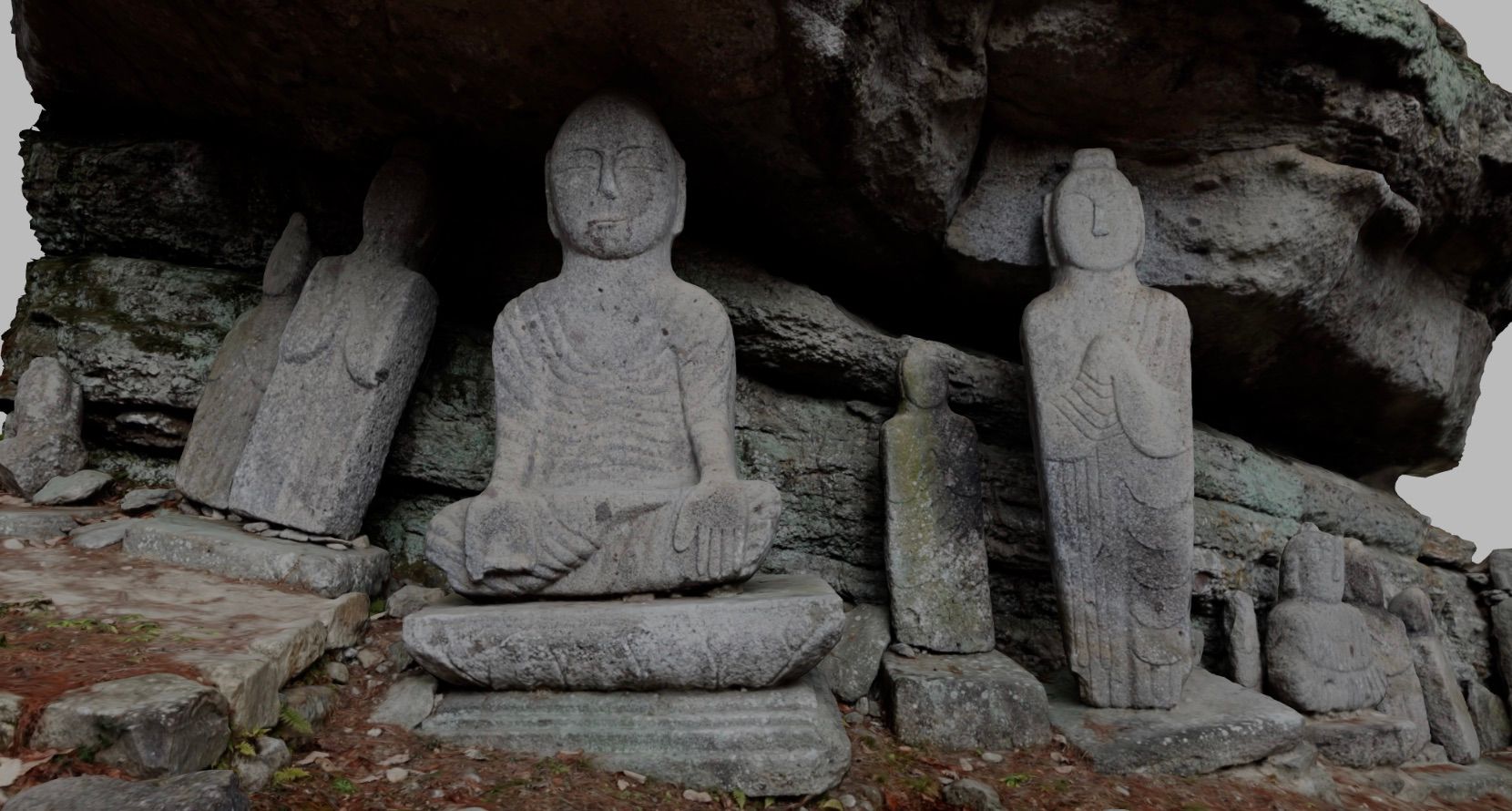 Stop 10
The Turtle Rock group brings several stone Buddhas into one setting, offering a comparison with Yungang's ensembles based on shared placement rather than a proposed historical connection.
 Stop 11
Yuanjue's southern cliff niches arrange seated Buddhas in repeated rows, shifting scale from a single commanding body to a field of small figures held within the rock.
 Stop 12
Pilu Cave's Guanyin sits with one leg raised and the other lowered, giving a cliff-carved sacred body a relaxed, asymmetrical posture alongside the journey's more commanding upright figures.
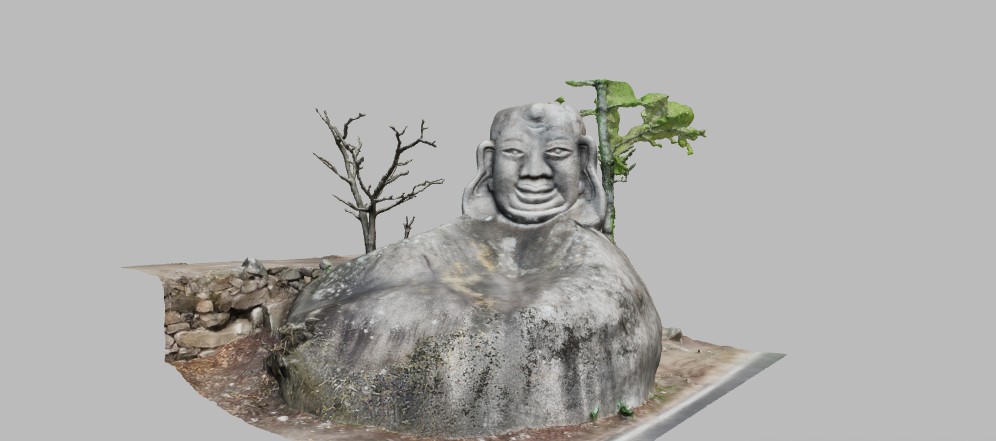 Stop 13
Liuliping's rounded, smiling stone Maitreya sits beside a forest road, placing a sacred body within an everyday route through the landscape rather than a monumental cave enclosure.
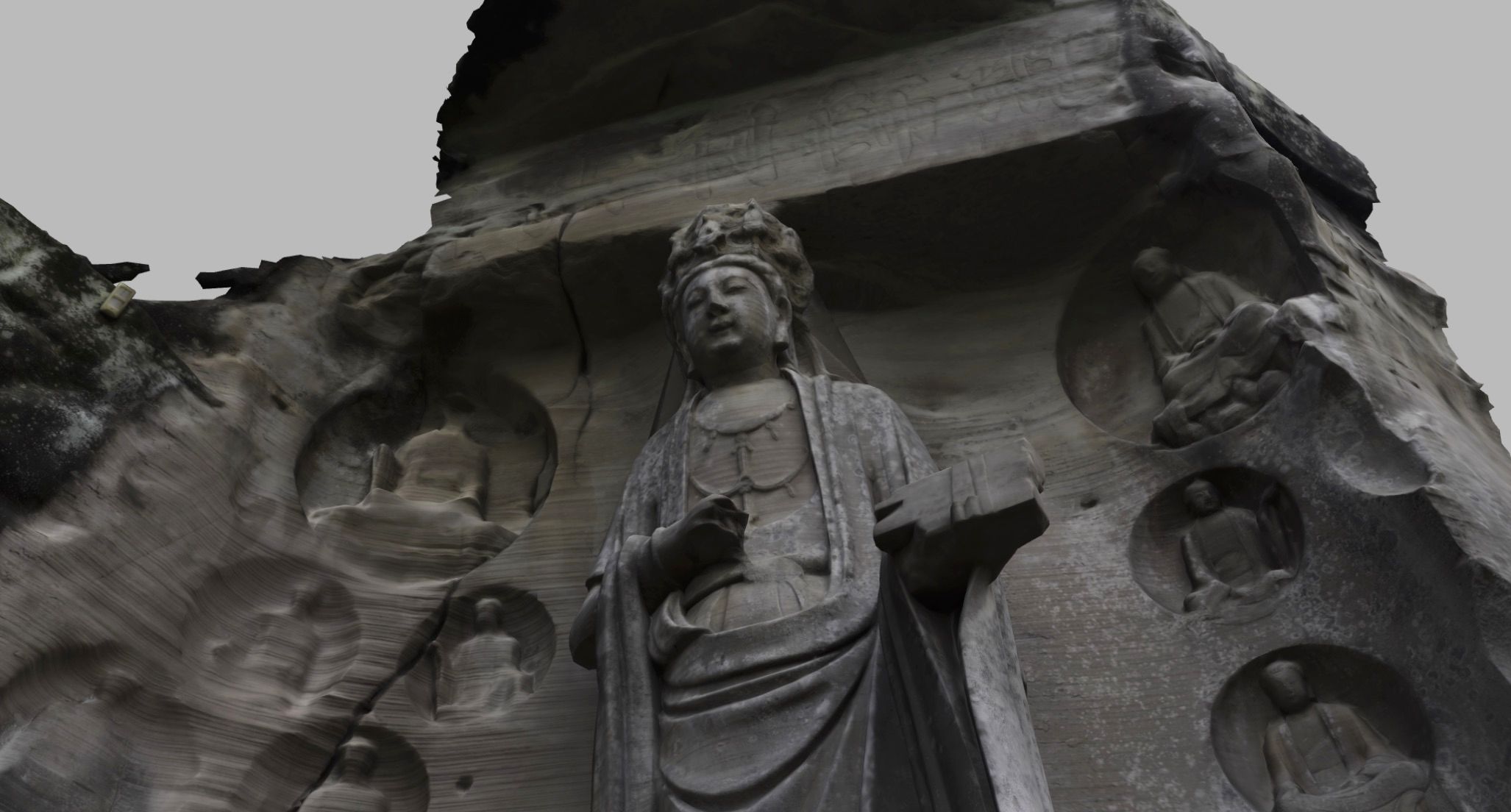 Stop 14
Mingshan's cliff-carved Manjushri retains a sacred body's outline while weathering softens its face, drawing attention to the changing stone surface through which an intimate encounter becomes possible.
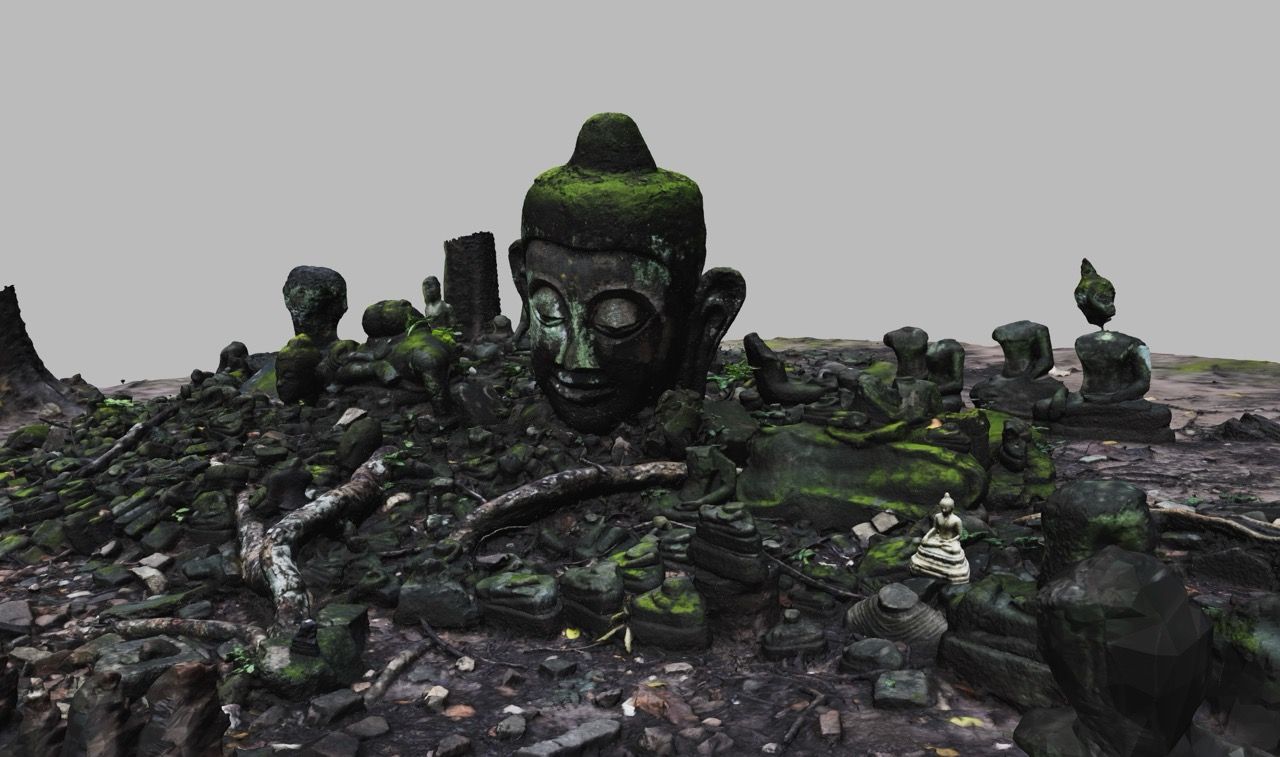 Stop 15
Wat Umong's collected sandstone Buddha head brings the comparison down to a surviving face, showing how bodily presence can persist when stone sculpture is separated from its original setting.
19 Stops
Suspended sculpture, miniature wooden heavens, gilded narrative carving, sandstone reliefs, and crowded temple gateways explore the aesthetics of abundance. Ornament becomes an environment rather than an accessory.
20 Stops
Cities, villas, churches, castles, and a solitary house facade reveal how fragments invite us to imagine the spaces they once enclosed. A journey through survival, incompleteness, and the beauty of the ruin.
7 Stops
Modern mosques and churches reconsider how light, silhouette, structure, and material can make a sacred place. A journey through worship spaces that speak in the architectural languages of their own time.