Stop 01Xiaoxitian (Thousand Buddha Hermitage)
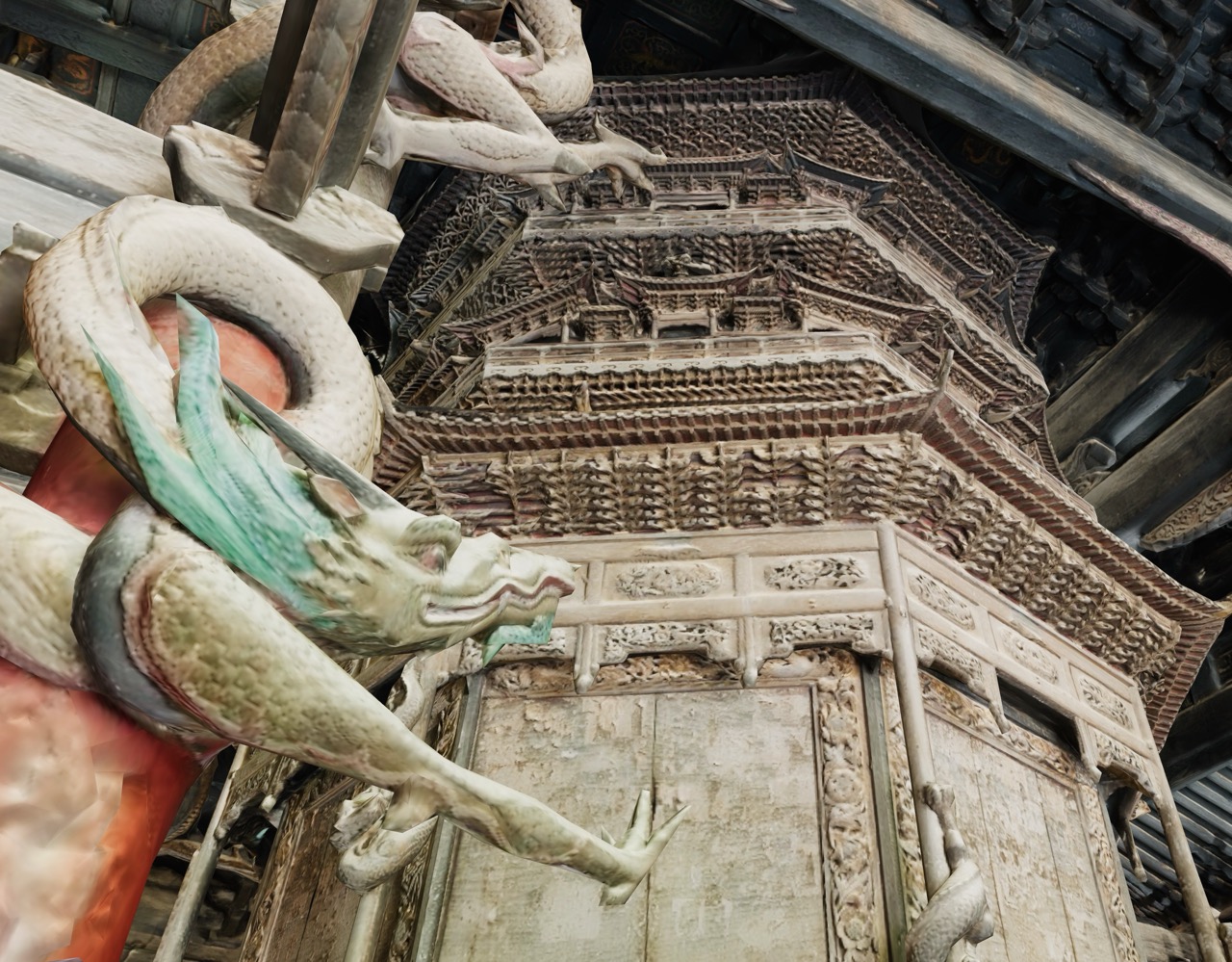
Suspended clay figures, celestial buildings, and trees crowd Xiaoxitian's main hall, giving sculptural abundance a spatial form that extends beyond the decoration of individual surfaces.
Architectural Heritage Route
Suspended sculpture, miniature wooden heavens, gilded narrative carving, sandstone reliefs, and crowded temple gateways explore the aesthetics of abundance. Ornament becomes an environment rather than an accessory.
19 geolocated stops
Curated Sequence
Stop 01Suspended clay figures, celestial buildings, and trees crowd Xiaoxitian's main hall, giving sculptural abundance a spatial form that extends beyond the decoration of individual surfaces.
Stop 02Qiongzhu's hundreds of clay Arhats multiply individual gestures and expressions across its halls, bringing abundance into a gathering of human characters alongside the journey's celestial ensembles.
Stop 03Longxing's bronze Vairocana carries many smaller Buddha figures across its body, concentrating ornamental abundance in one sacred figure whose surface becomes a gathering of other sacred bodies.
Stop 04Jingtu's ceiling gathers miniature pavilions and carved dragons into nine caissons, concentrating abundance overhead in an architectural image of a celestial realm.
Stop 05Baoen's revolving sutra cabinet rises as a miniature wooden building inside another hall, with tiers of pavilions and surrounding dragons concentrating architectural abundance around a sacred object.
Stop 06Gilded openwork scenes carved into Jilue Huang's beams turn structural timber into narrative surfaces, giving this comparison of abundance a familial and literary setting.
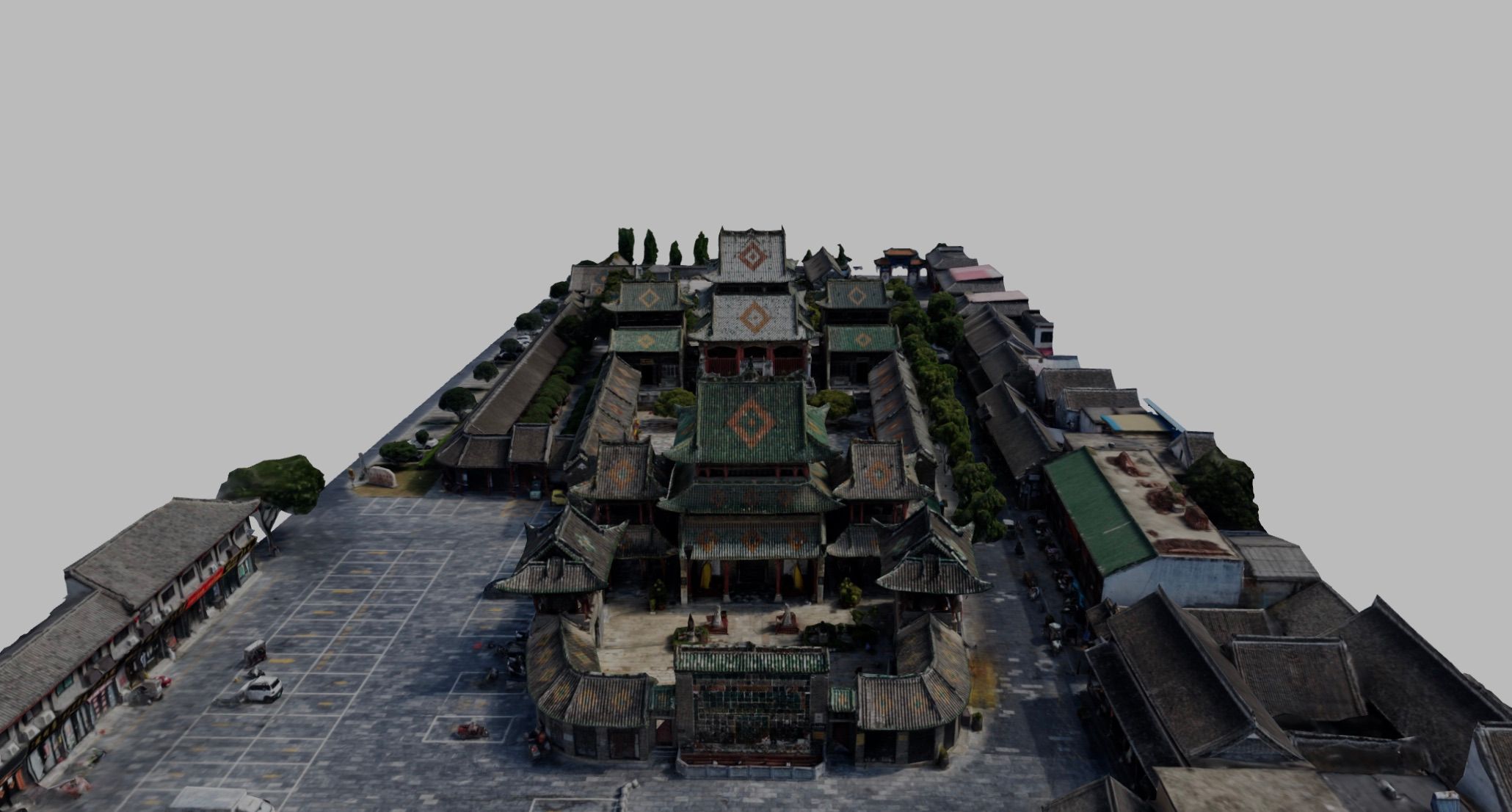
Stop 07Sheqi's guild hall combines carved wood, stone, brick, and ceramic decoration across halls and thresholds, showing how merchant patronage assembled ornamental abundance from several craft traditions.
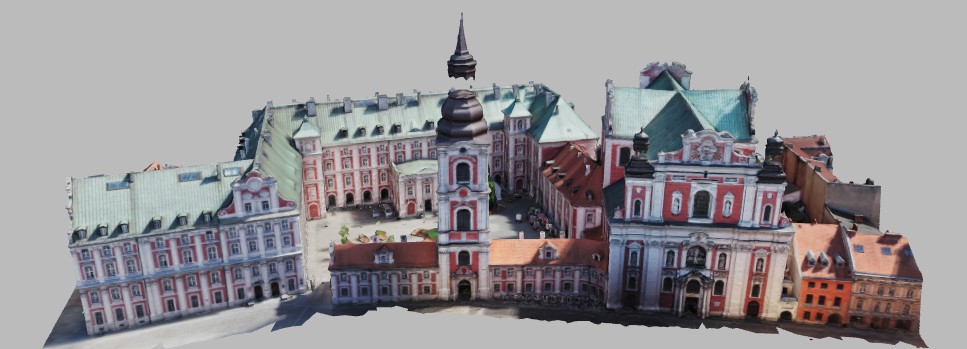
Stop 08Poznań's Fara layers imitation marble columns, painted vaults, and an elaborate altar, showing how abundant decoration can construct an expanded architectural impression through material and perspective.
Stop 09Bursa's Green Mosque and Green Tomb spread patterned ceramic surfaces through prayer and burial spaces, giving ornamental abundance a luminous language of repeating geometry, foliage, and color.
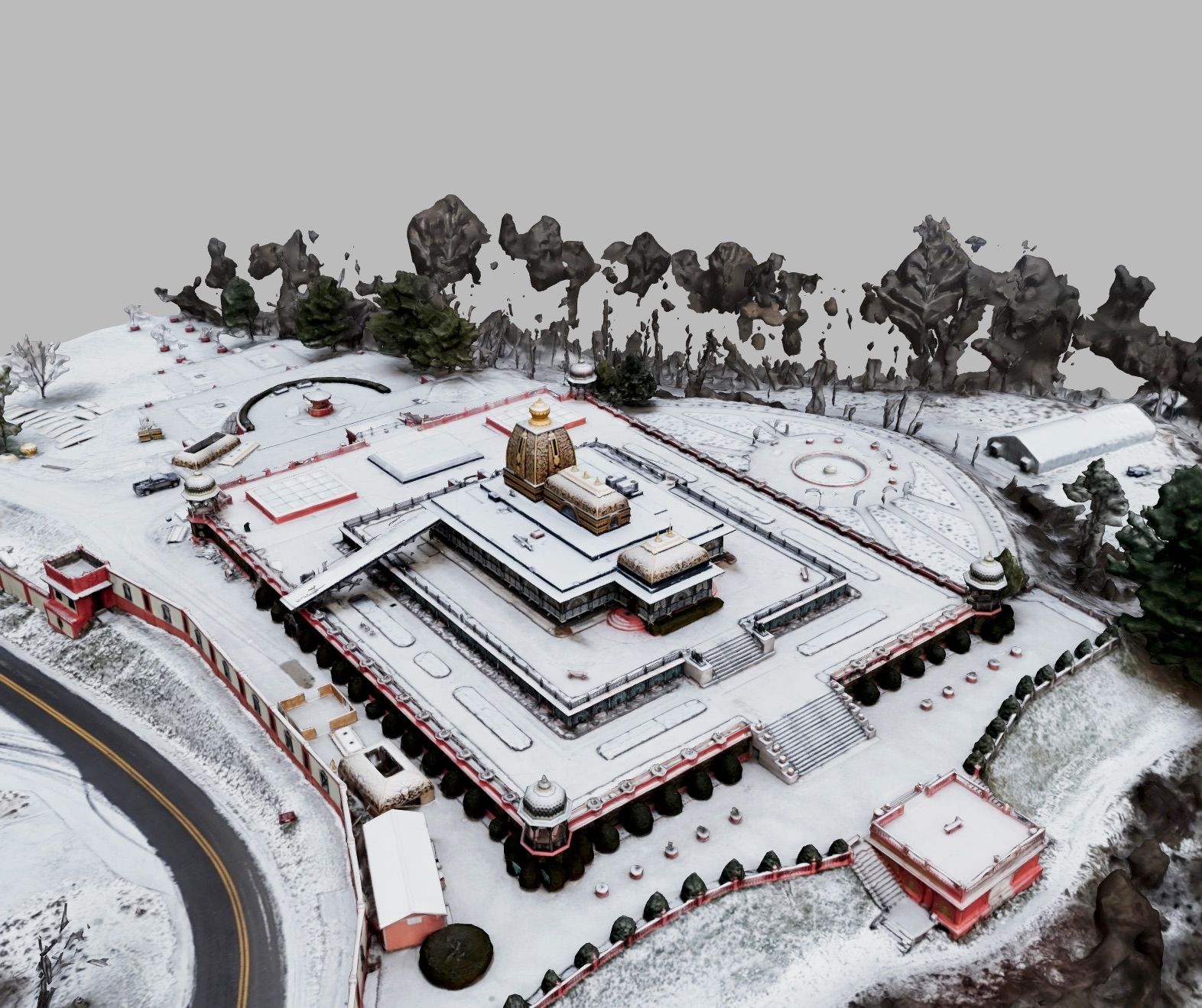
Stop 10The Palace of Gold combines gilded surfaces, marble, mirrors, and stained glass, bringing devotional abundance into a modern memorial palace through the accumulation of reflective and colored materials.
Stop 11The Crystal Shrine Grotto encloses biblical scenes within a manmade cave of glittering crystals and sculpted rock, turning ornamental texture into the setting through which the narrative unfolds.
Stop 12Banteay Srei's sandstone pediments pack narrative figures among curling foliage, showing how a relatively small sanctuary can concentrate ornamental abundance within finely worked surfaces.
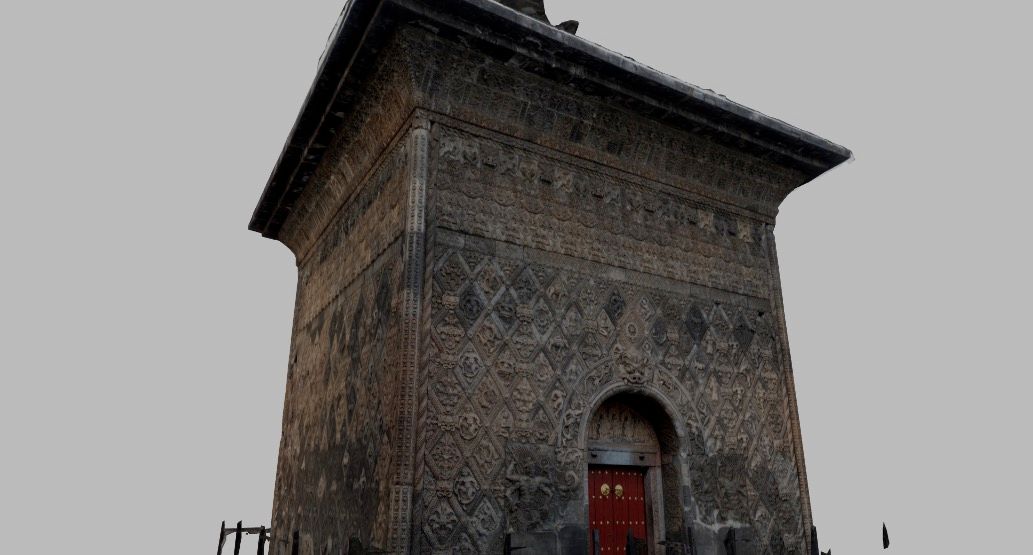
Stop 13Xiuding's pagoda covers its brick exterior with interlocking relief panels of figures and patterns, making the building's outer skin a continuous field of ornament rather than isolated accents.
Stop 14Feihong's glazed pagoda stacks colorful figures, animals, and architectural details across its many tiers, carrying the crowded visual world of a temple gateway into a freestanding vertical landmark.
Stop 15Divriği's deeply carved portals concentrate exuberant vegetal and geometric forms at the threshold, shifting the comparison from enveloping interiors to ornament that frames entry.
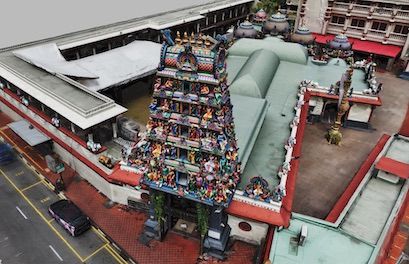
Stop 16Sri Mariamman's gopuram stacks colorful deities, animals, and other figures above the entrance, making sculptural abundance a public threshold between temple and street.
Stop 17Reims Cathedral gathers sculpted figures across portals and upper galleries, making its public facade a densely inhabited stone surface through which sacred narratives meet the city.
Stop 18Strasbourg's sandstone west front layers sculpture with delicate openwork, showing how ornamental abundance can turn a massive facade into an intricate field of overlapping edges and openings.
Stop 19Trevi joins sculpted bodies, architectural columns, rocks, and moving water across a palace frontage, extending ornamental abundance into the surrounding public square as an animated urban setting.
15 Stops
A chronological journey through Carolingian foundations, Rhenish Romanesque architecture, and the development of French Gothic cathedrals.
30 Stops
Across Reims, Metz, Strasbourg, and the northern Vosges, Roman reliefs, Gothic glass, courtly interiors, and public squares trace how communities have expressed belief, authority, and belonging. Coronation ritual and monastic memory meet imperial urban planning, the rebuilding of libraries and theatres, and contemporary art and solidarity. Together, these places reveal a regional culture continually remade through exchange, conflict, and care.
39 Stops
From early Shanxi halls and a wooden pagoda to regional caissons, theater roofs, palaces, and civic towers, Chinese timber buildings preserve different ways of carrying a roof and imagining the space beneath it. Brackets, ceilings, and sacred art become an architectural archive.