

 Stop 01
Stop 1 of 20Italy
Pompeii
Vesuvian burial preserved Pompeii's streets as well as houses, allowing surviving fragments to disclose the patterns of daily life across a once-inhabited urban fabric.
Architectural Heritage Route
Cities, villas, churches, castles, and a solitary house facade reveal how fragments invite us to imagine the spaces they once enclosed. A journey through survival, incompleteness, and the beauty of the ruin.
20 geolocated stops
Curated Sequence
Stop 01Vesuvian burial preserved Pompeii's streets as well as houses, allowing surviving fragments to disclose the patterns of daily life across a once-inhabited urban fabric.
 Stop 02
Painted rooms and courtyards bring the scale of Vesuvian preservation into domestic space, where surviving surfaces suggest the connections and enclosures of a once-inhabited villa.
 Stop 03
Troy's superimposed archaeological layers place the walls of successive settlements together, asking us to read a ruin through time as well as through the space it once enclosed.
 Stop 04
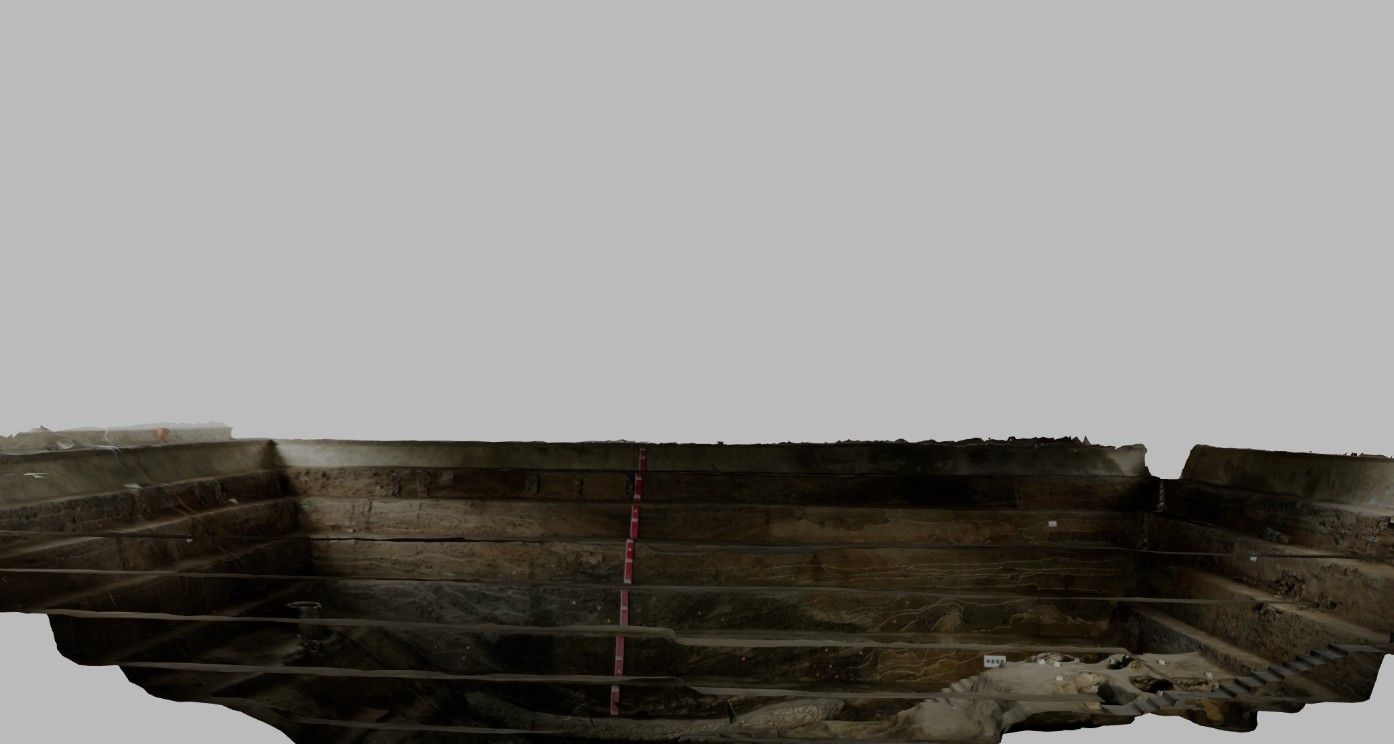
The Zhouqiao excavation exposes buried bridge and canal remains beneath Kaifeng, revealing fragments of urban infrastructure that later layers of the inhabited city had concealed.
 Stop 05
Kowloon's South Gate footings and inscribed granite plaques survived the walled city's demolition, concentrating the memory of a dense urban world in a small group of preserved fragments.
 Stop 06
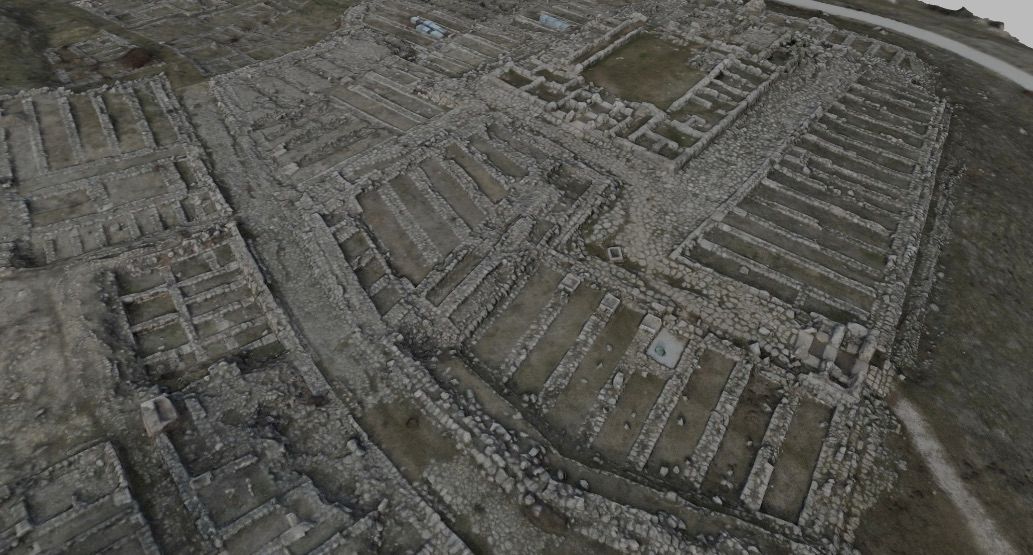
The Great Temple's surviving stone foundations and surrounding storerooms at Hattusa make a Bronze Age sacred complex readable as a ground plan, with enclosure reconstructed from its remaining edges.
 Stop 07
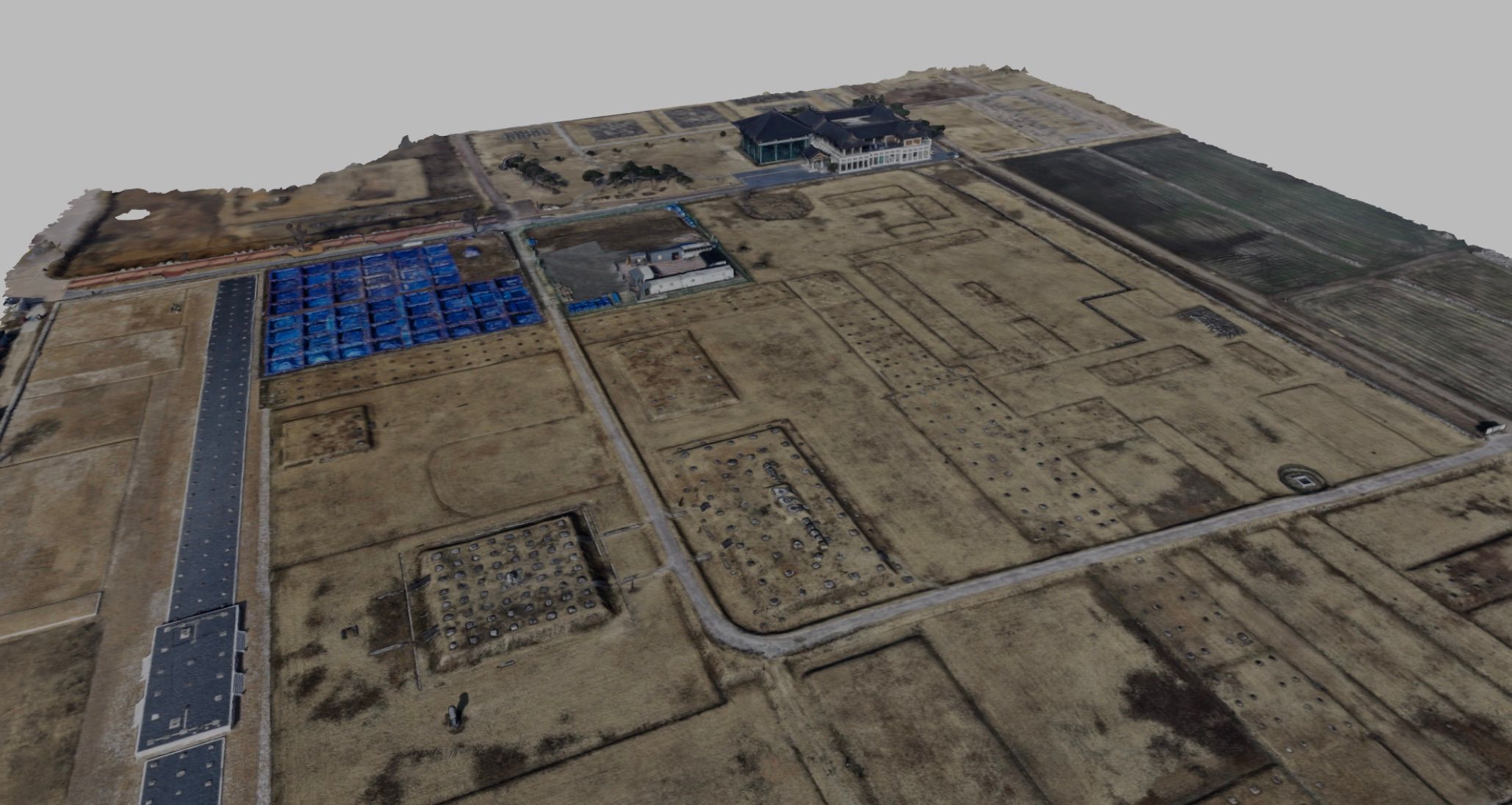
Hwangnyong's foundation stones mark the site of a vanished wooden monastery and pagoda, making the distance between ground-level remains and former vertical architecture the heart of the encounter.
 Stop 08
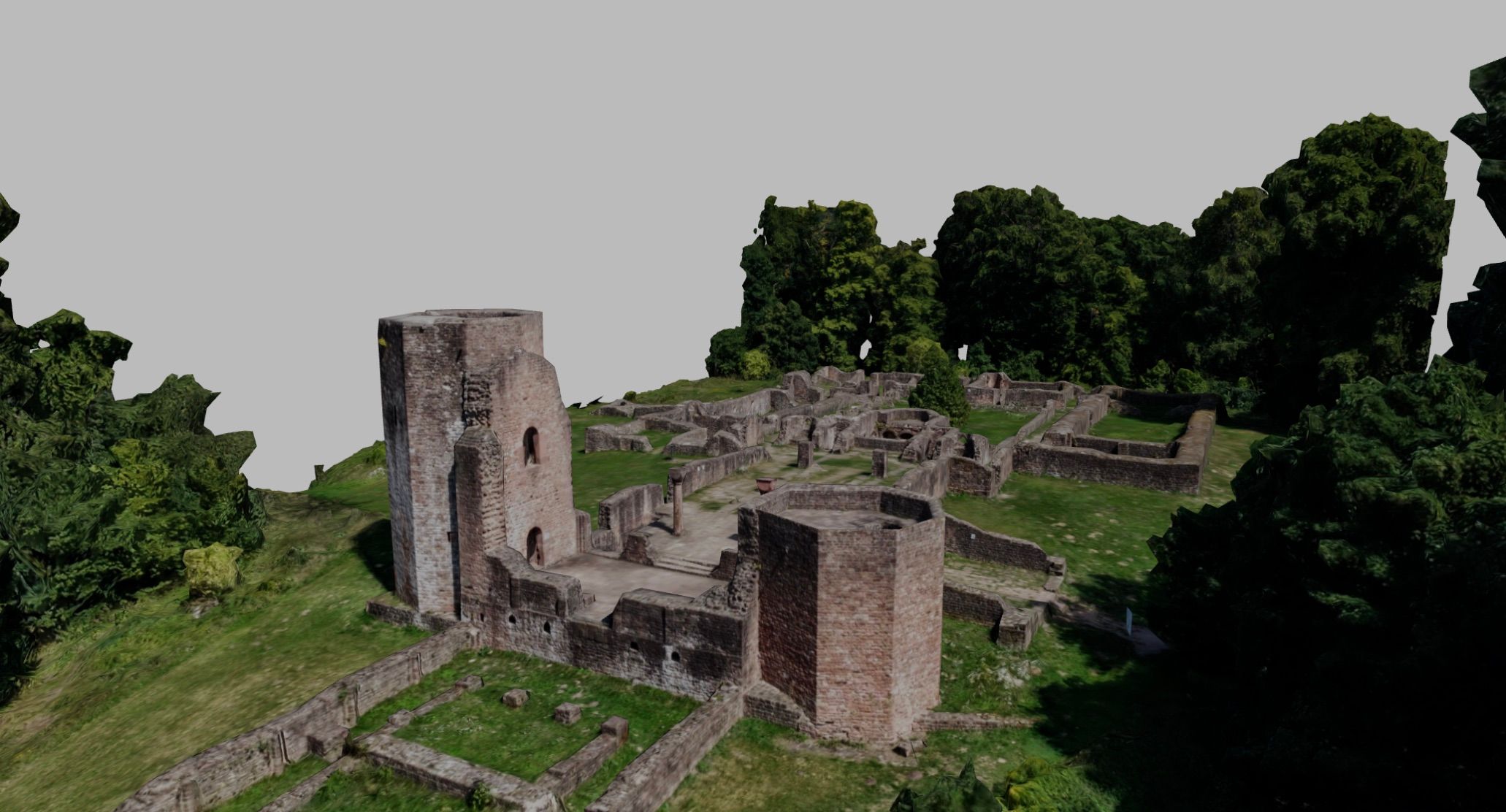
Saint Michael's low foundations outline a vanished monastic church on the Heiligenberg, inviting the eye to rebuild rooms and boundaries that no longer rise above the ground.
 Stop 09
Ani's scattered churches and city walls reveal the extent of a former Armenian capital, making empty ground as significant to its remaining composition as standing masonry.
 Stop 10
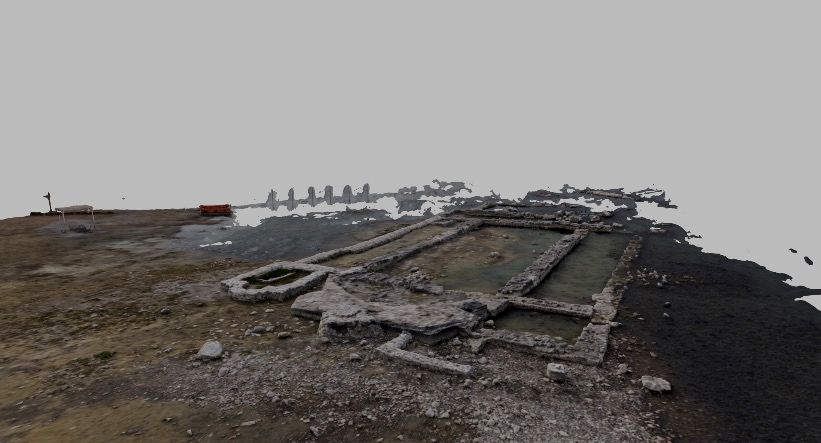
The submerged basilica's surviving plan lies beneath Lake İznik, making water itself the boundary between a former architectural enclosure and the fragments through which it can be understood.
 Stop 11
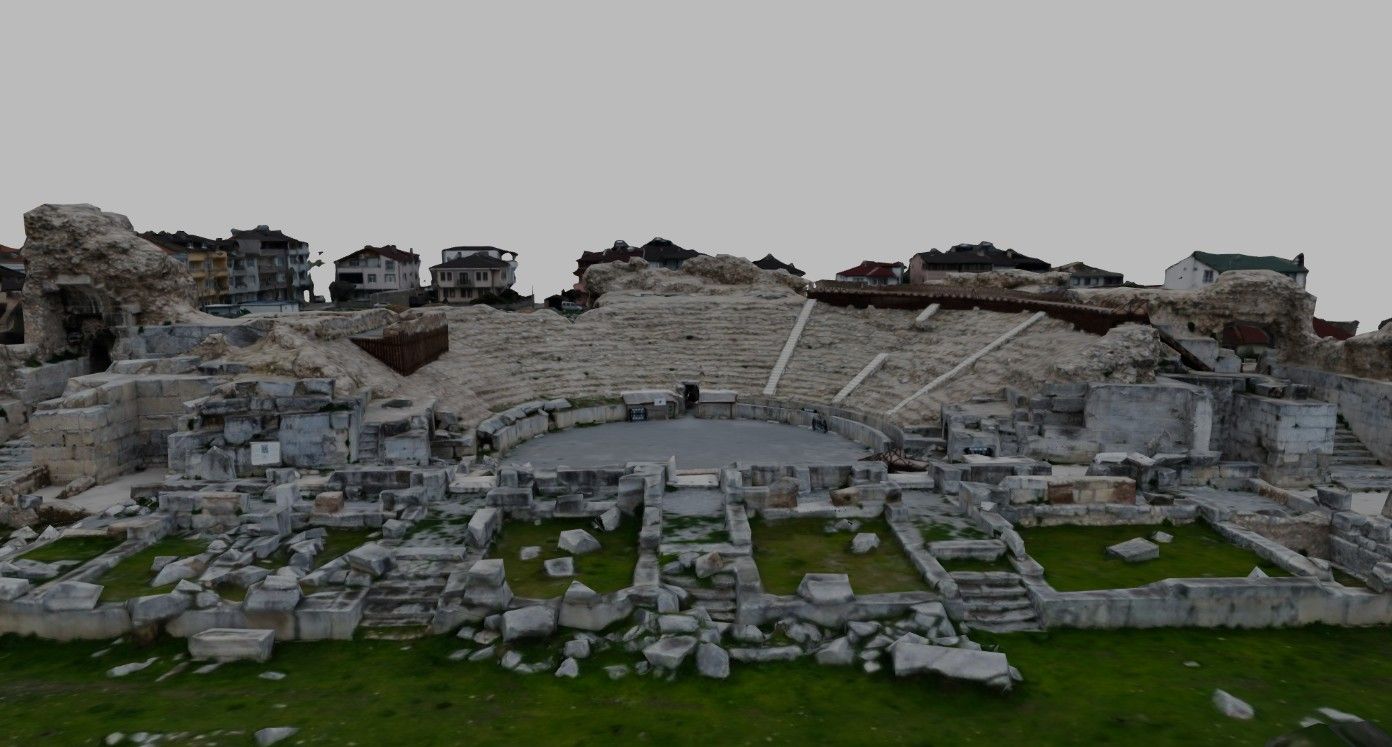
İznik's Roman theater preserves vaulted substructures beneath its seating, allowing a ruined performance building to disclose the engineered support that a complete auditorium would have concealed.
 Stop 12
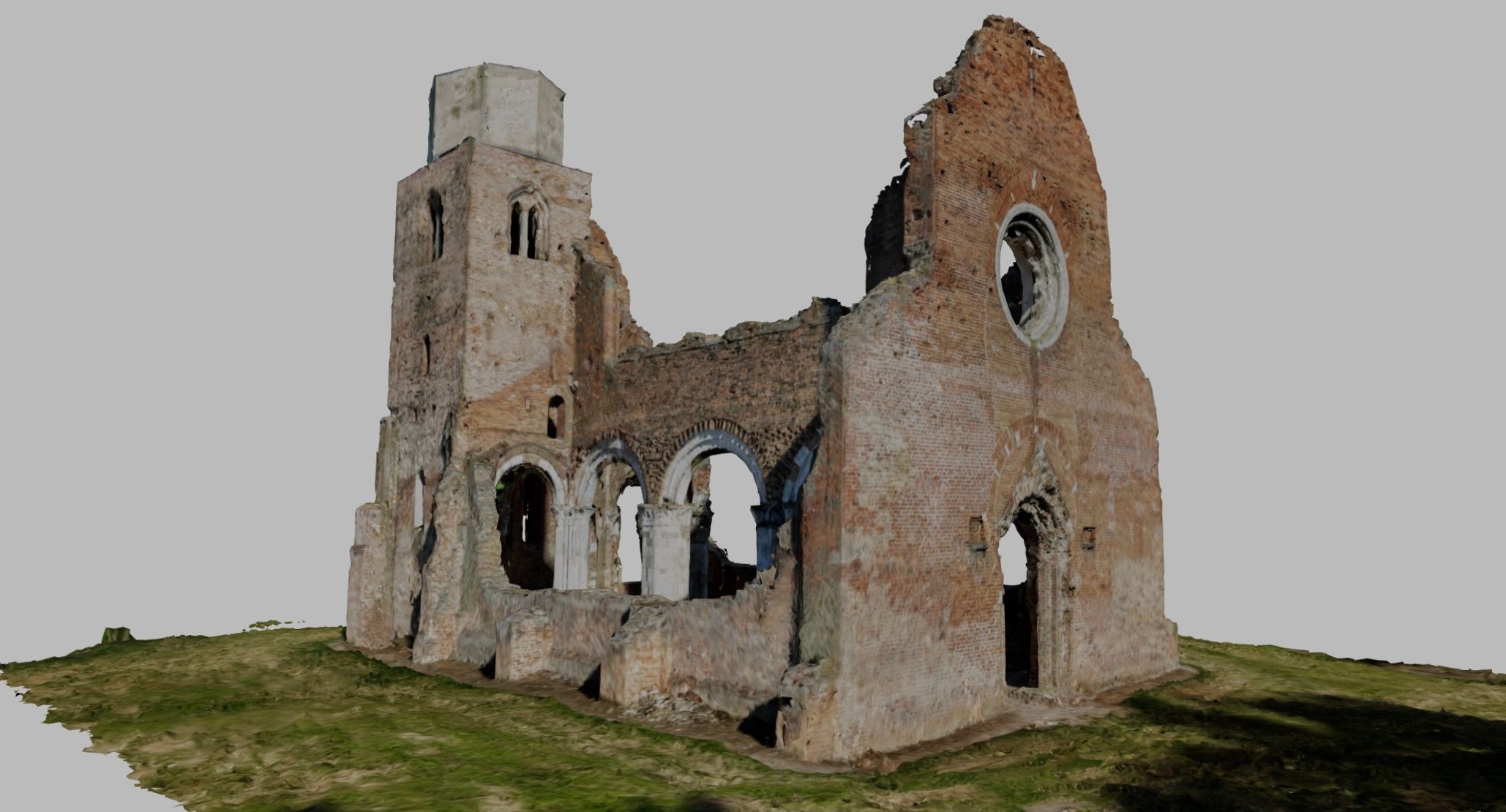
Arača's roofless walls and surviving arches leave a Romanesque church legible in fragments, inviting reconstruction of the enclosure through the masonry that remains.
 Stop 13
Heidelberg's surviving Renaissance facades and broken castle walls preserve different degrees of enclosure, letting a once extensive residence remain legible through the contrast between ornament and loss.
 Stop 14
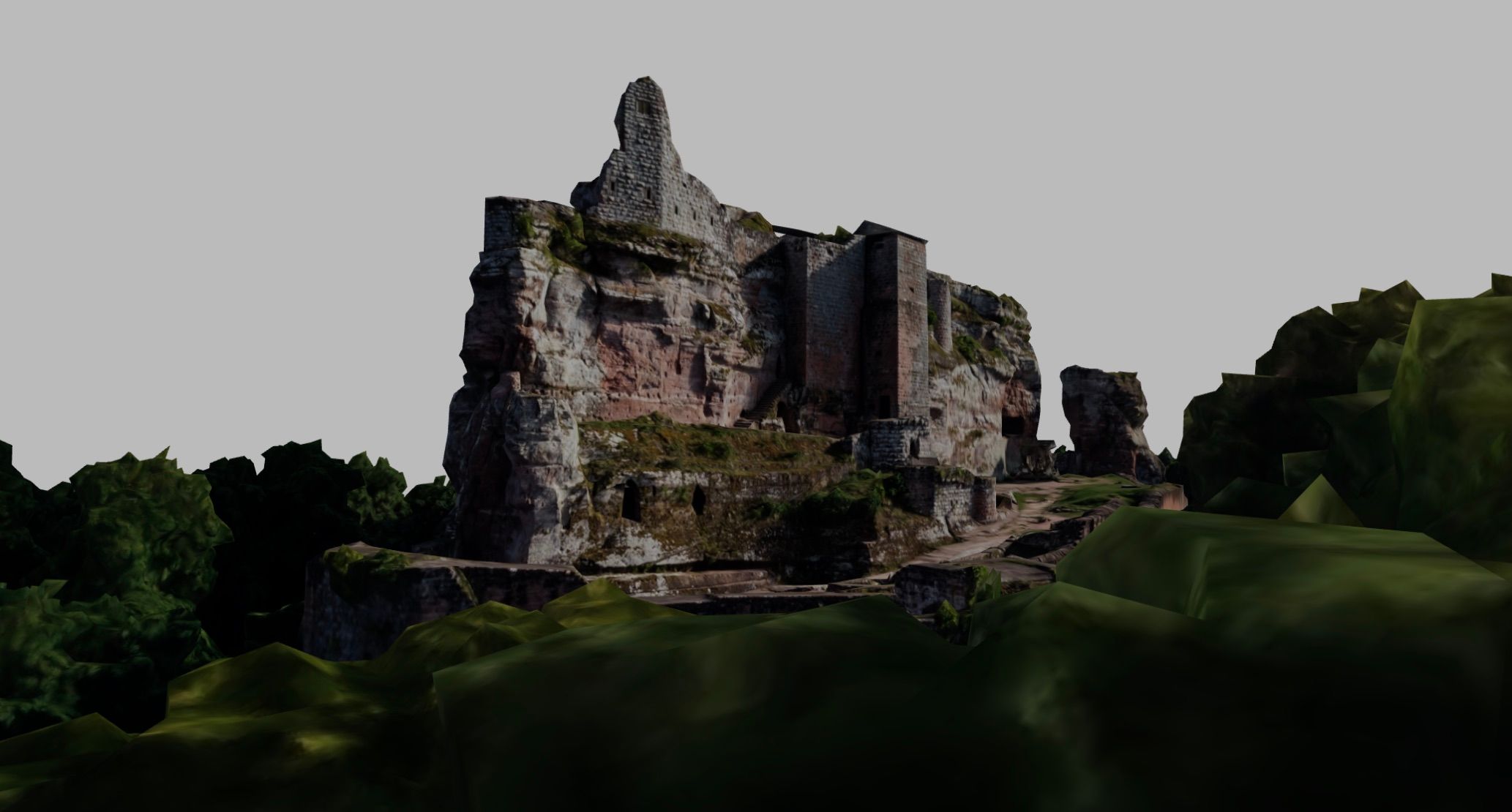
At Fleckenstein, rock-cut rooms and stairs outlast much of the built fortress, testing where a ruined building ends and its sandstone foundation begins.
 Stop 15
The Kaiserthermen's massive vaults and underground service passages expose the machinery of an unfinished imperial bathing complex, adding an absence created by unrealized construction to the journey's ruins.
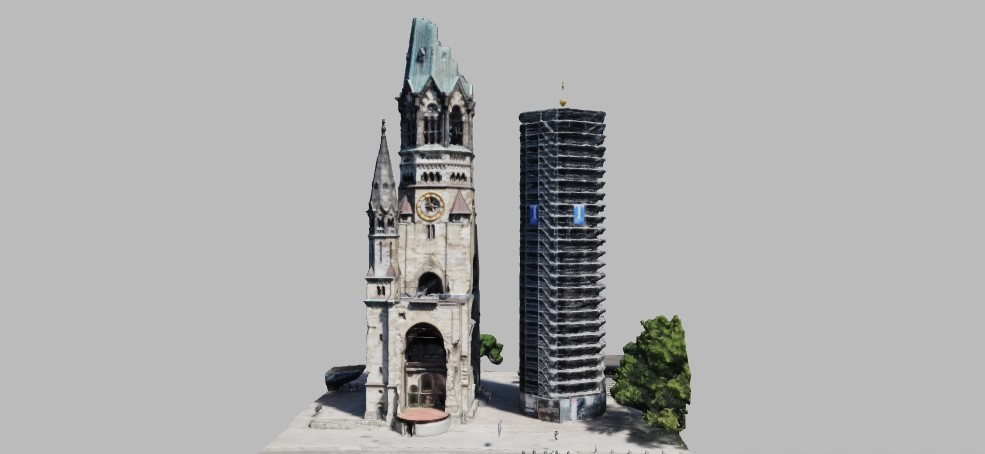 Stop 16
The broken spire of Kaiser Wilhelm Memorial Church remains beside its modern replacement, making the preserved wound an intentional part of the city's continuing architectural memory.
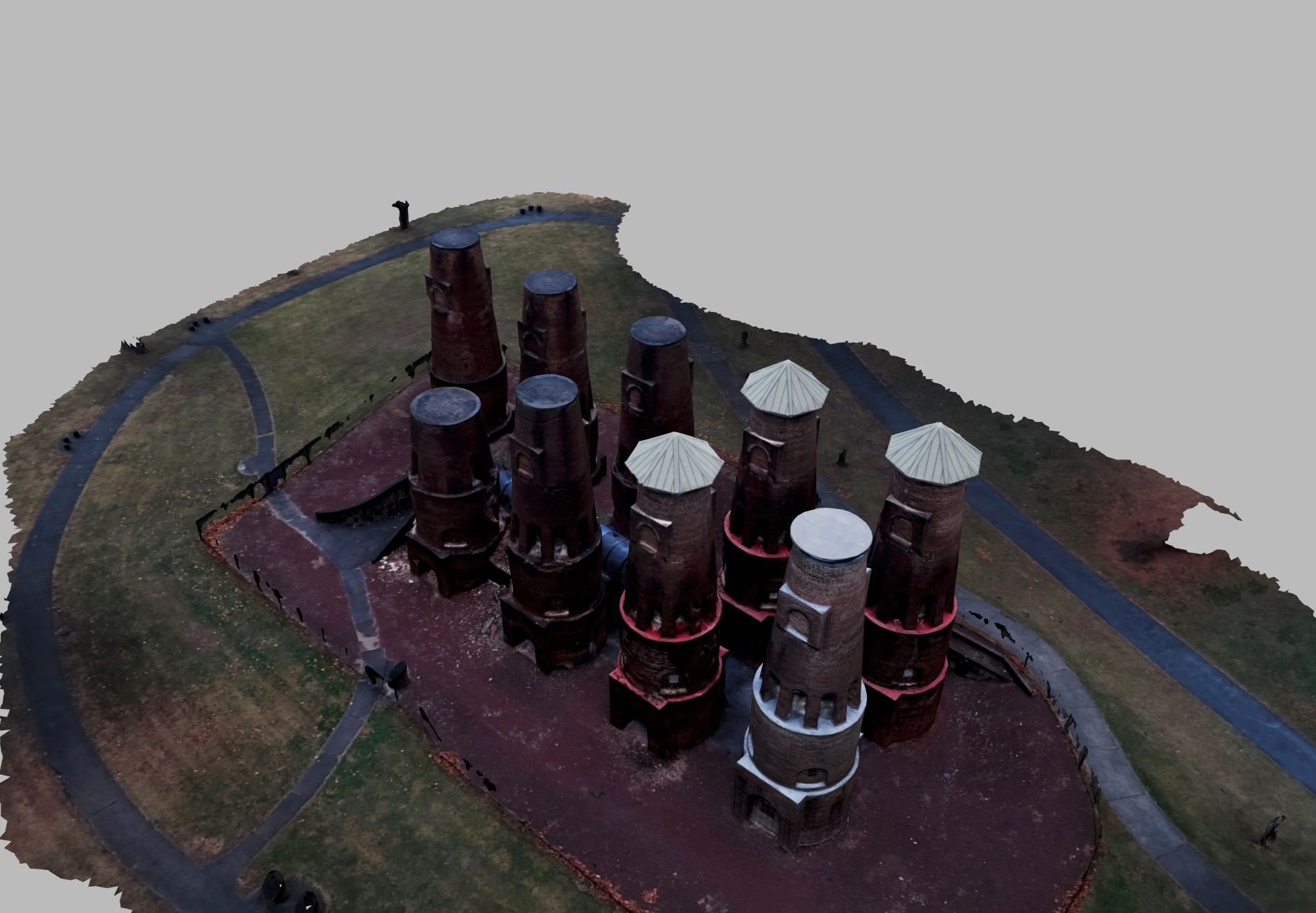 Stop 17
Coplay's surviving brick cement kilns stand apart from the broader factory that once served them, giving an industrial process a monumental presence after much of its working setting disappeared.
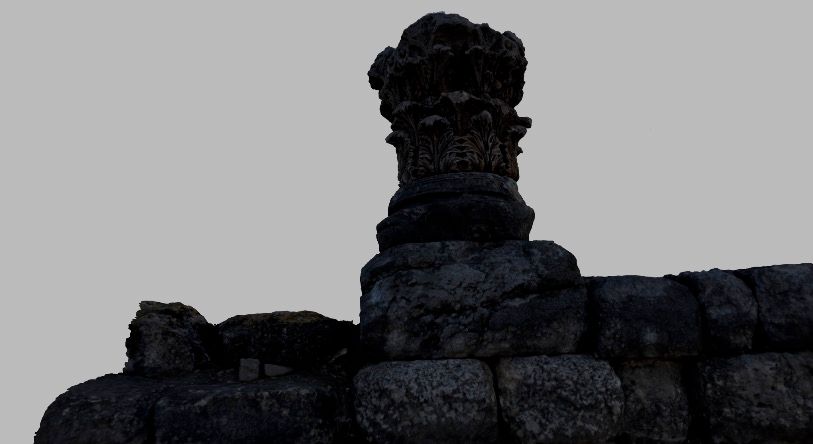 Stop 18
Kastabala's architectural stone components shift attention from whole ruined buildings to the pieces from which streets and public structures were made, making fragmentary construction itself the subject.
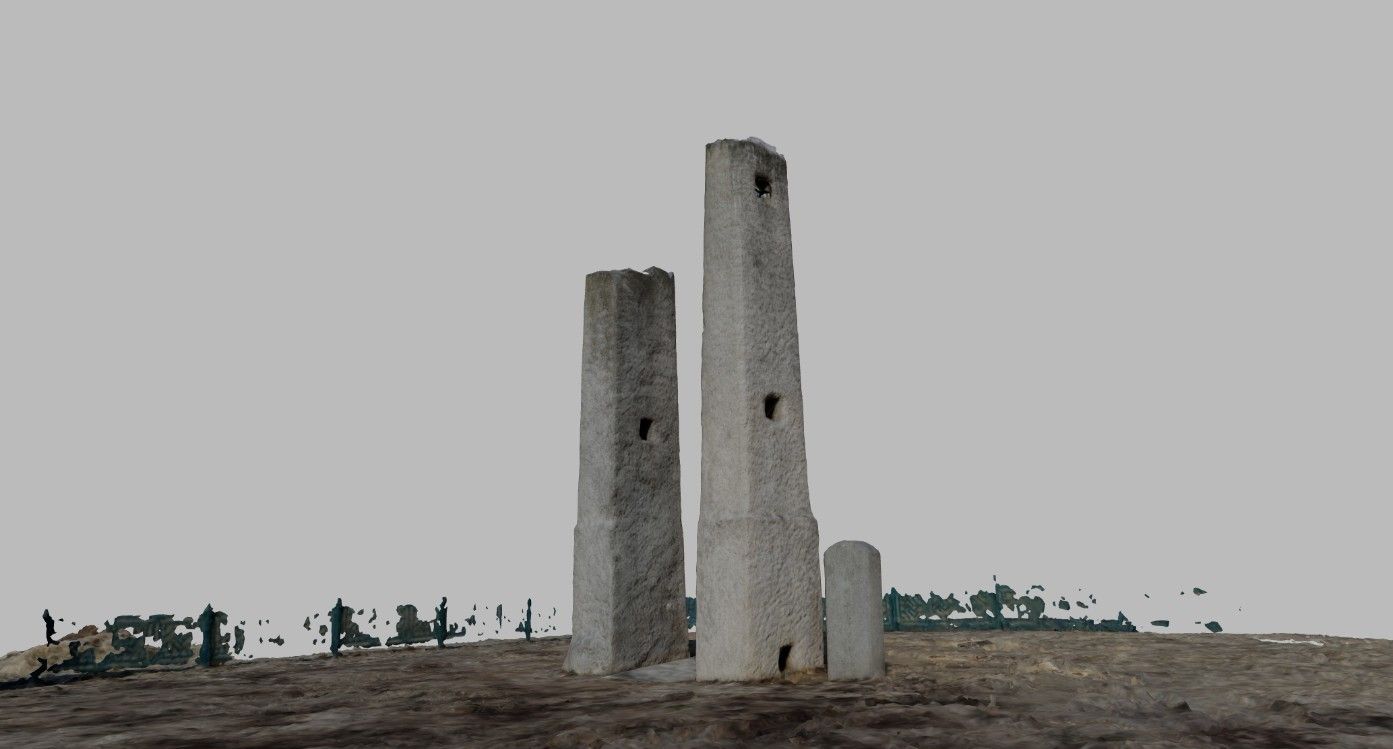 Stop 19
Pomun's paired stone flagpole holders remain in farmland after the monastery disappeared, allowing one small ritual fixture to indicate a much larger sacred enclosure that is now absent.
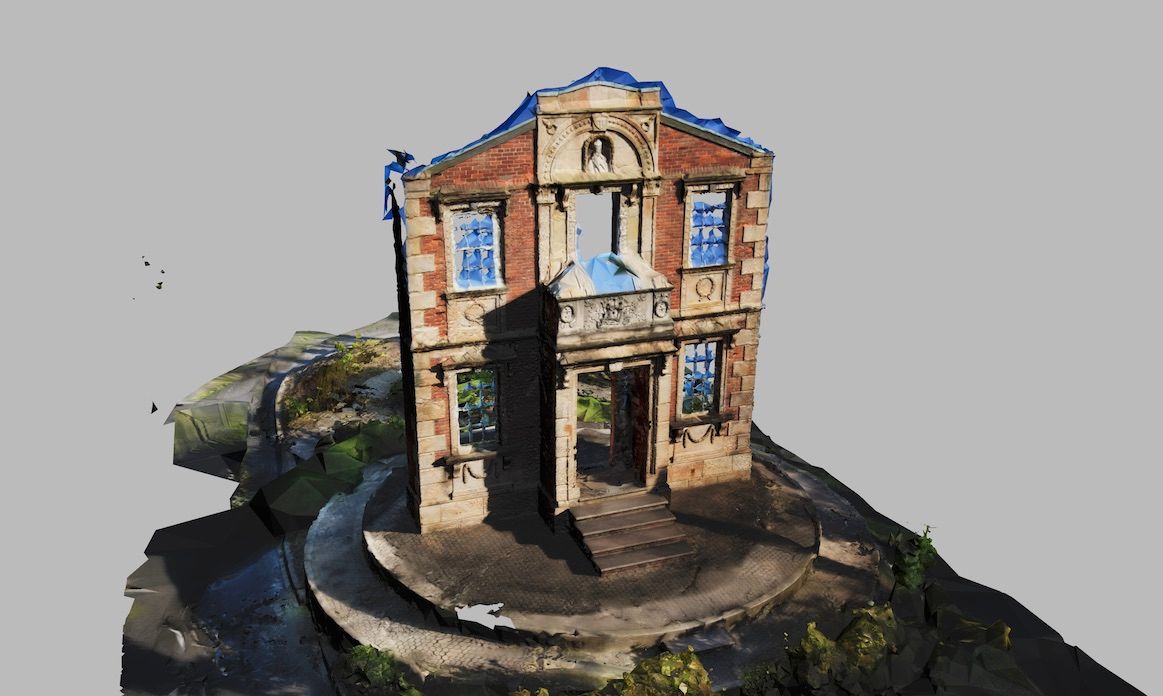 Stop 20
Heigold's surviving facade retains carved patriotic figures and inscriptions while the house behind it is gone, reducing architectural memory to one deliberately preserved face.
12 Stops
Observatory stone, palace water, contrasting pagodas, a lost temple’s foundations, and its modern cutout reinterpretation offer different ways to see the Silla past. Absence becomes as expressive as surviving mass.
14 Stops
An encounter with the sublime through sea-cut rock, steep terraces, fortified ridges, and a monastery suspended against a cliff. Scale and exposure turn architecture into a negotiation with landscape.
7 Stops
Modern mosques and churches reconsider how light, silhouette, structure, and material can make a sacred place. A journey through worship spaces that speak in the architectural languages of their own time.