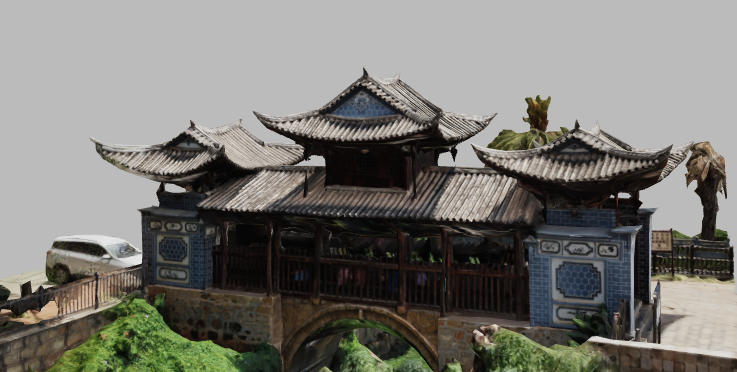
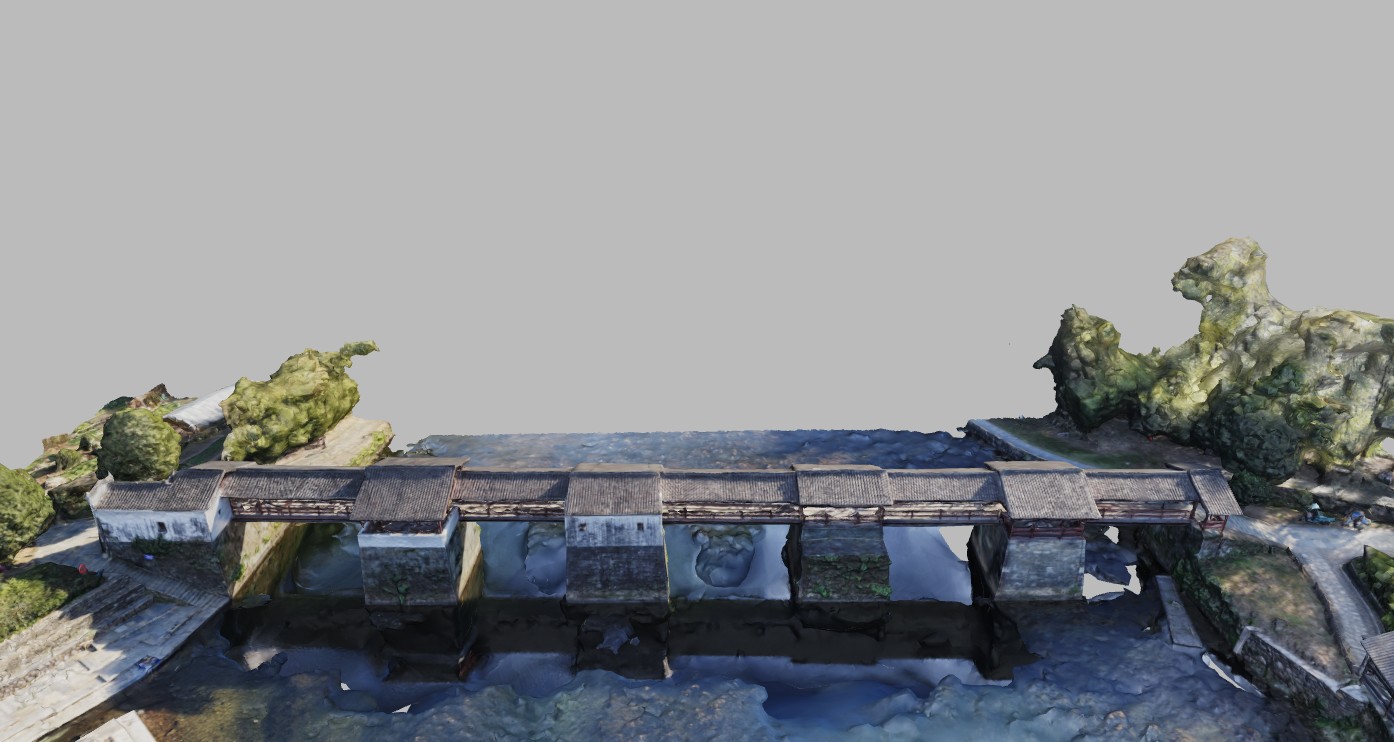
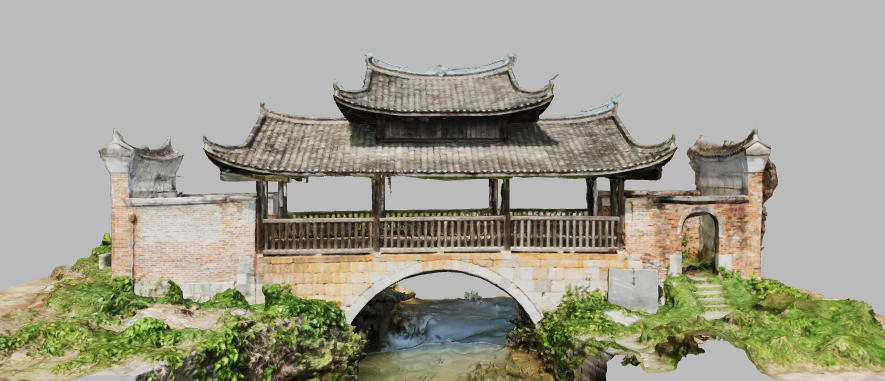
Stop 01Fuchuan Fengxi Village Chaoyang Wind and Rain Bridge
Chaoyang's tiled timber corridor shelters a stone crossing, giving a bridge the enclosure of a communal place while preserving its practical role in passage across water.
Architectural Heritage Route
Covered crossings, a bridge lined with shops, pavilion-topped arches, and bridges of remembrance and experiment turn passage into a public place. Between two banks, engineering becomes a setting for social life.
20 geolocated stops
Curated Sequence
Stop 01Chaoyang's tiled timber corridor shelters a stone crossing, giving a bridge the enclosure of a communal place while preserving its practical role in passage across water.
Stop 02Fir beams carry a covered corridor beneath three tiers of eaves, turning a small mountain-stream crossing into a timber room with ceremonial horse-head entrances.
Stop 03Wooden benches invite rest above a single stone arch, while contribution steles record the neighbors whose donations sustained this sheltered crossing as a shared village place.
Stop 04An open timber pavilion shelters paired stone arches and benches, allowing the ancient-road crossing to accommodate the village gatherings documented beneath its roof.
Stop 05Timber archway entrances lead to a square pavilion with benches and reconstruction steles, giving this compact stone crossing both a resting room and a communal record.
Stop 06Separate timber pavilions and corridors join over stone piers, with tables and benches making the covered route a sequence of places for travelers to stop.
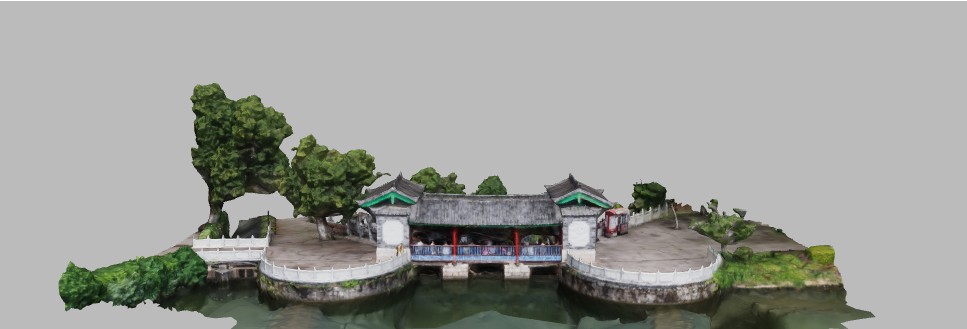
Stop 07Red-columned covered corridors extend Luchuan's street life across the river, connecting commercial activity and riverfront parks through a sheltered public space designed for lingering.
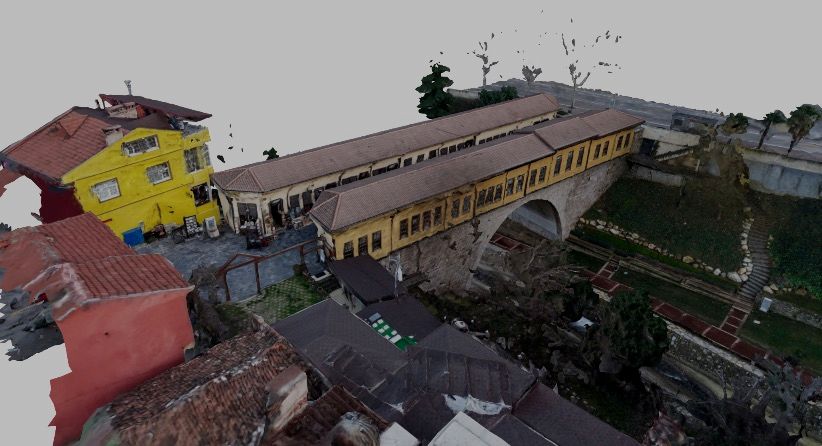
Stop 08Irgandı places shops along a bridge over the Gökdere, making commercial exchange part of the crossing and transforming the span between banks into an inhabited street.
Stop 09Pavilions rise above stone bridge sections joined by a floating boat segment, recalling a crossing that also accommodated trade while negotiating the river's shipping passage.
Stop 10A plank deck supported by linked boats serves pedestrians and waterfront fish sellers, making the flexible river crossing part of Ganzhou's everyday commercial space.
Stop 11The double stone arches once supported a linen market at an important street junction, showing how an uncovered crossing could become a place of exchange.
Stop 12Built-in benches line the covered corridor above Black Dragon Pool's outlet, combining a place to rest with the practical water passage feeding Lijiang's canals.
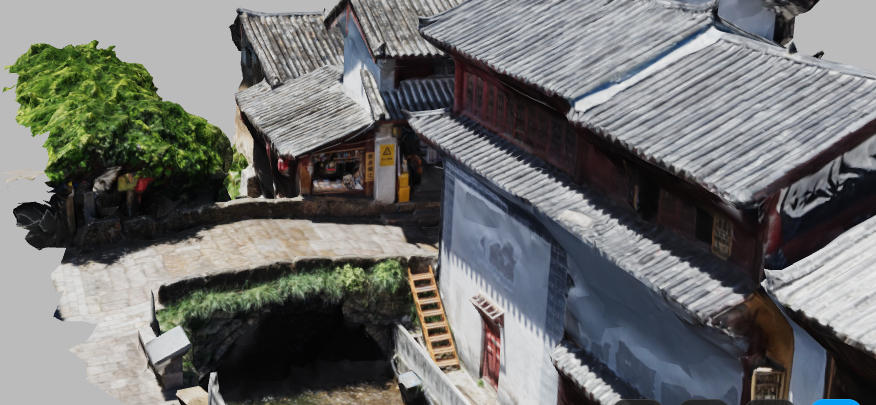
Stop 13Stone balustrades double as benches on this small single-arch crossing, embedding a place to rest directly into the material that carries movement through Lijiang.
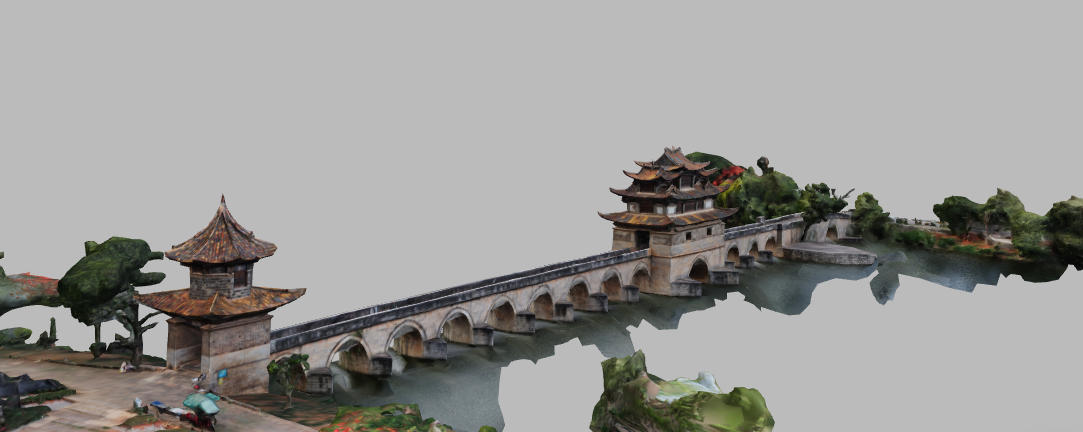
Stop 14Shuanglong's stone arches support timber pavilions along an extended crossing, allowing the bridge to provide sheltered places as well as a route between riverbanks.
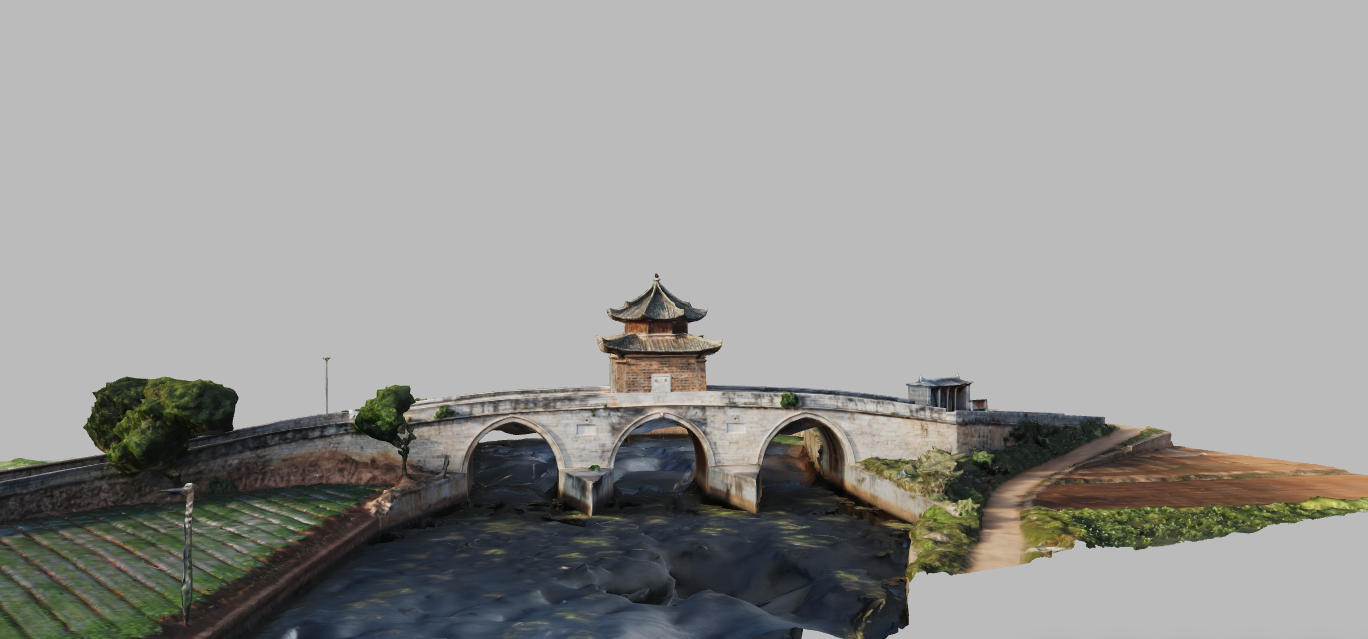
Stop 15An octagonal pavilion interrupts the curved stone deck, while bridgehead steles preserve local regulations, bringing shelter and civic memory into the same river crossing.
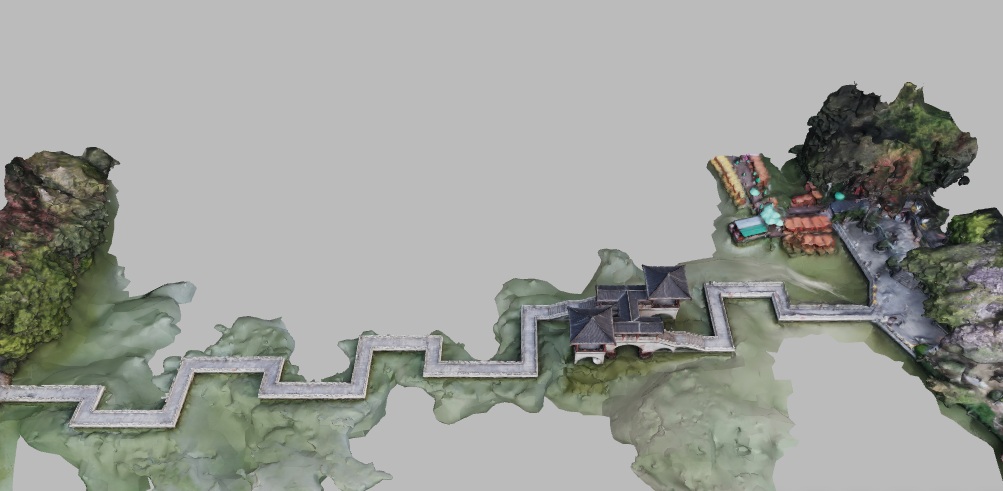
Stop 16The zigzag granite promenade changes the walker's perspective before reaching interconnected resting pavilions, making passage across the lake a civic setting for observation and pause.
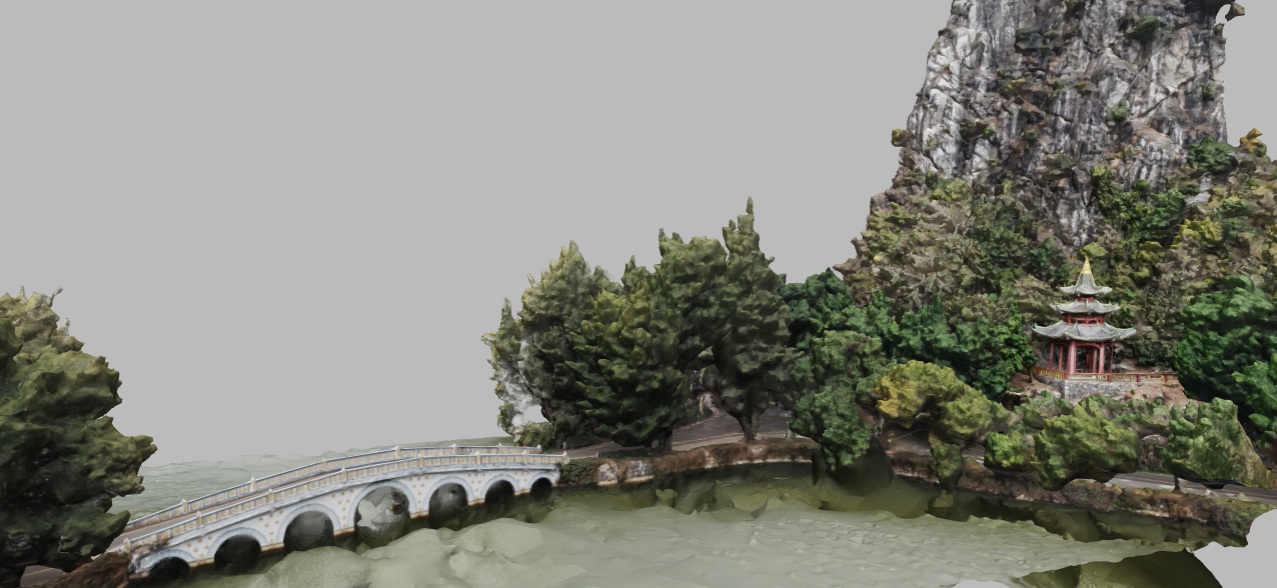
Stop 17Seven arches connect the crags while the neighboring Nanhua Pavilion provides a sheltered viewpoint, pairing a practical lake crossing with a place to contemplate its setting.
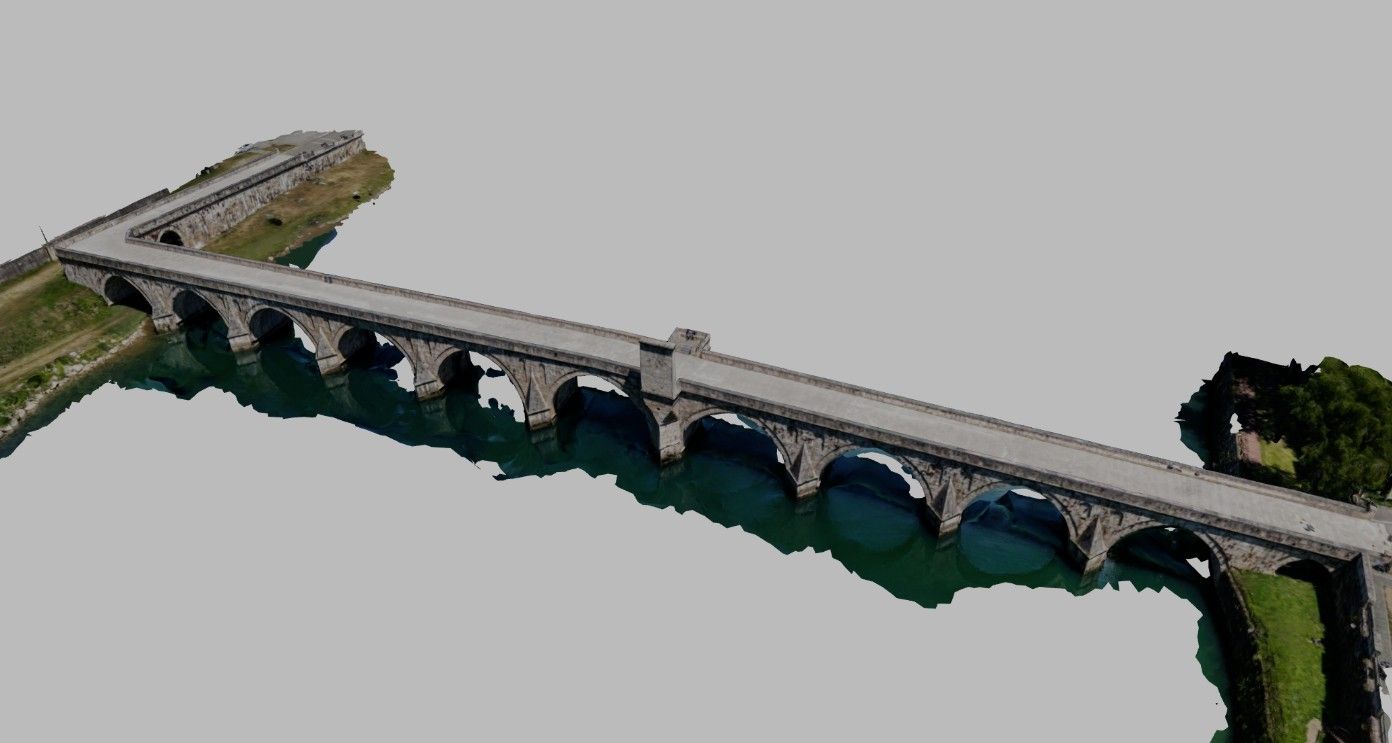
Stop 18Sinan's bridge joins the Drina's banks through repeated stone arches, giving a practical crossing the monumental scale and public presence of an Ottoman political commission.
Stop 19Mostar's reconstructed single arch reconnects the Neretva's banks after wartime destruction, making the recovery of a shared crossing visible within the city's present public landscape.
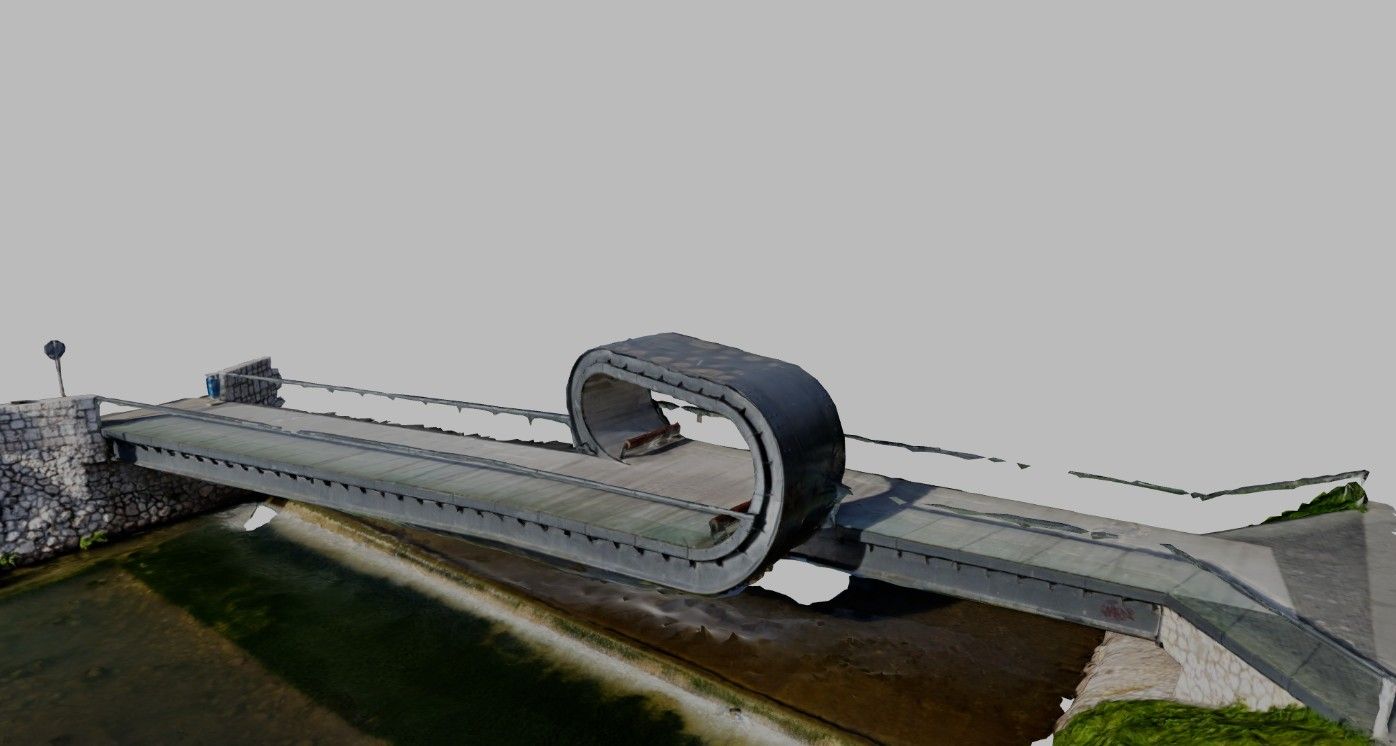
Stop 20Festina Lente's central loop interrupts the straight movement of a footbridge, giving the crossing a place to pause rather than serving passage alone.
17 Stops
Chinese gardens and courtyard estates use turns, frames, planted spaces, and layered views to make a bounded world feel larger. A journey through regional and contemporary ways of composing intimacy and distance.
11 Stops
Observatories and sundials make the movement of the heavens legible on earth. A journey from monumental instruments and scientific buildings to garden timekeeping and the public politics of daylight.
22 Stops
Cisterns, aqueducts, dams, harbor works, pumps, wells, and water towers reveal the forms societies give to water. Storage, distribution, protection, power, and an entire basin modeled in miniature make a hidden civil infrastructure visible.