

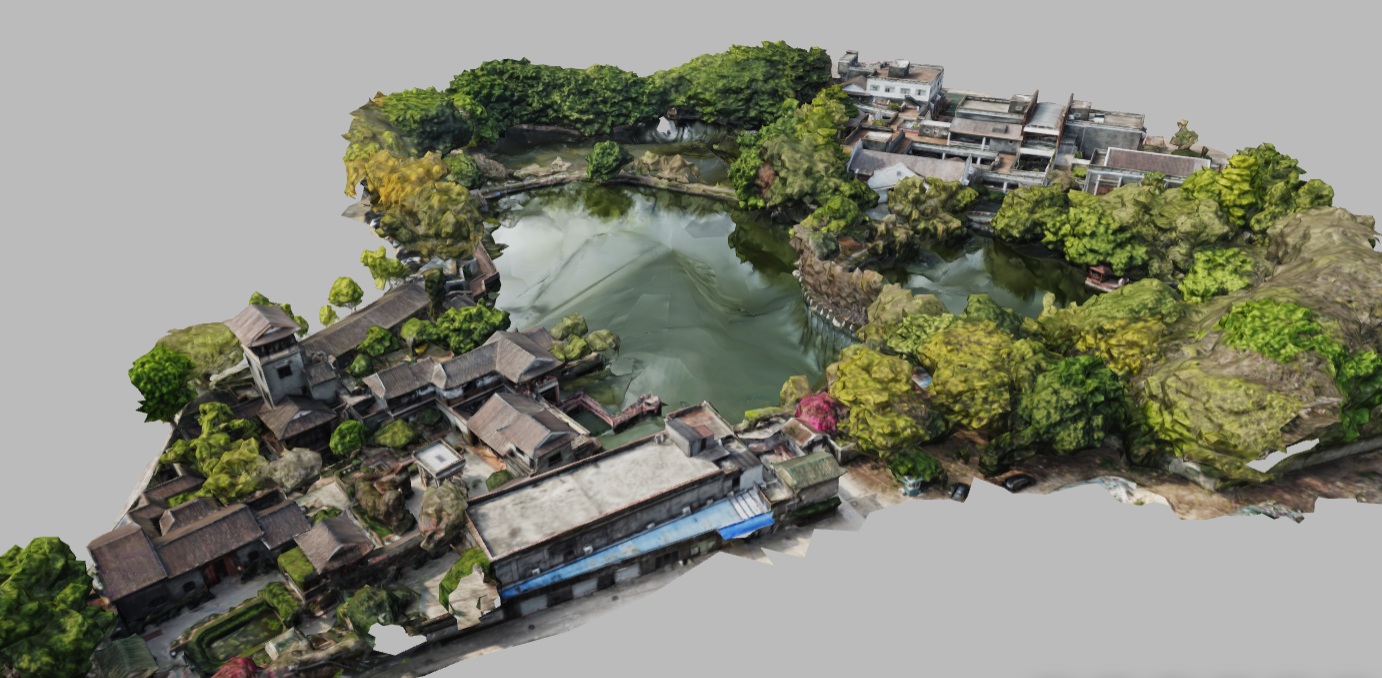
 Stop 01
Stop 1 of 17Guangdong, China
Dongguan Keyuan Garden
Keyuan's winding corridors connect rooms and pavilions within a compact footprint, using turns and successive views to make a small estate feel spatially complex.
Architectural Heritage Route
Chinese gardens and courtyard estates use turns, frames, planted spaces, and layered views to make a bounded world feel larger. A journey through regional and contemporary ways of composing intimacy and distance.
17 geolocated stops
Curated Sequence
Stop 01Keyuan's winding corridors connect rooms and pavilions within a compact footprint, using turns and successive views to make a small estate feel spatially complex.
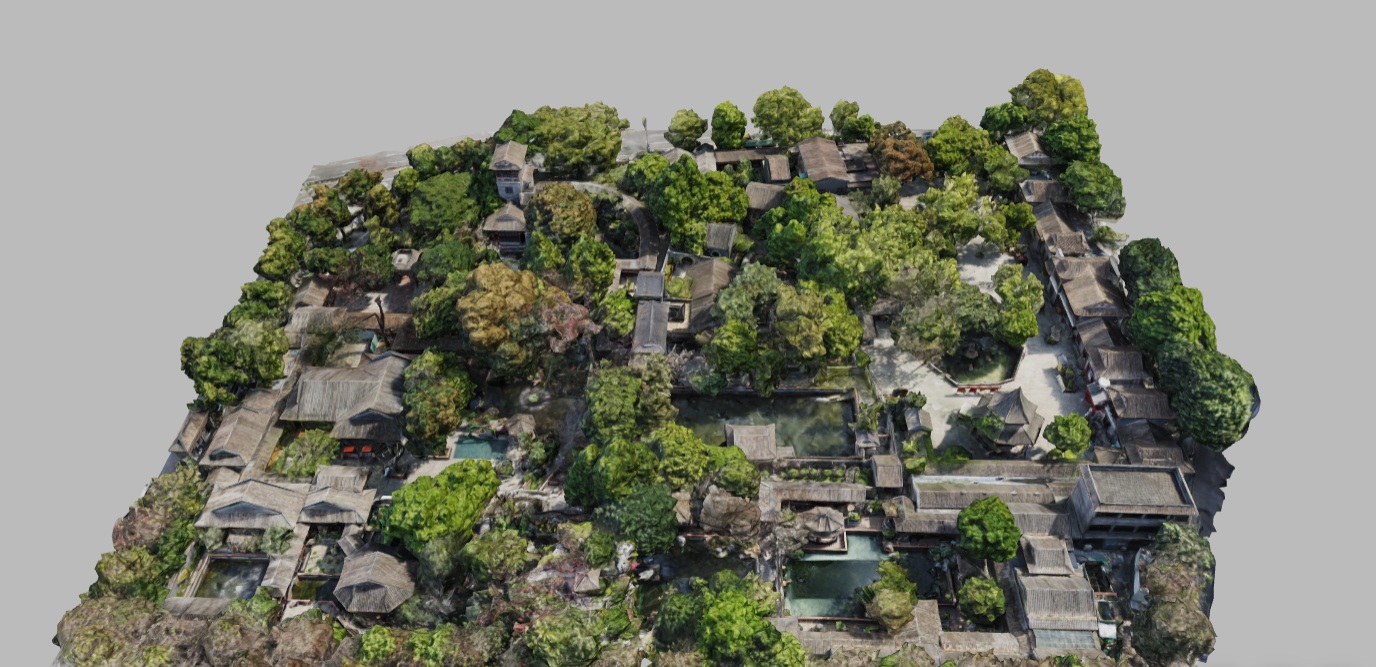 Stop 02
Qinghui's pond-side Boat Hall and etched glass windows organize layered views, showing how water, buildings, and framed images extend a bounded garden's visual reach.
 Stop 03
Two connected ponds with contrasting planted edges organize Baoding's classical garden around water, adding a northern composition where channels and pavilions divide and extend the bounded landscape.
 Stop 04
An elevated hall and projecting benches overlook the courtyard, while the associated garden pavilion and pond extend this Huizhou residence through a separate landscape composition.
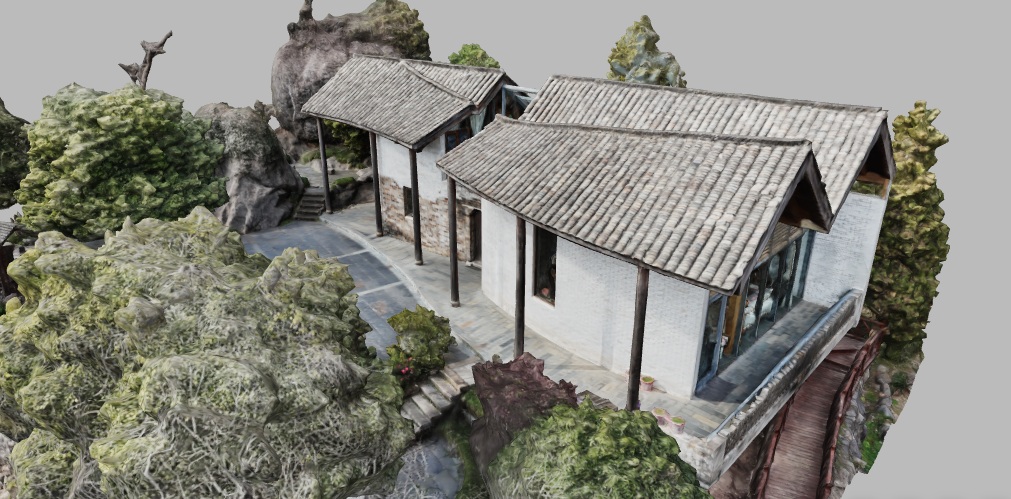 Stop 05
A central courtyard frames the village's tall tree within a contemporary reconstruction of a ruined dwelling, carrying the residential practice of borrowed views into a new design.
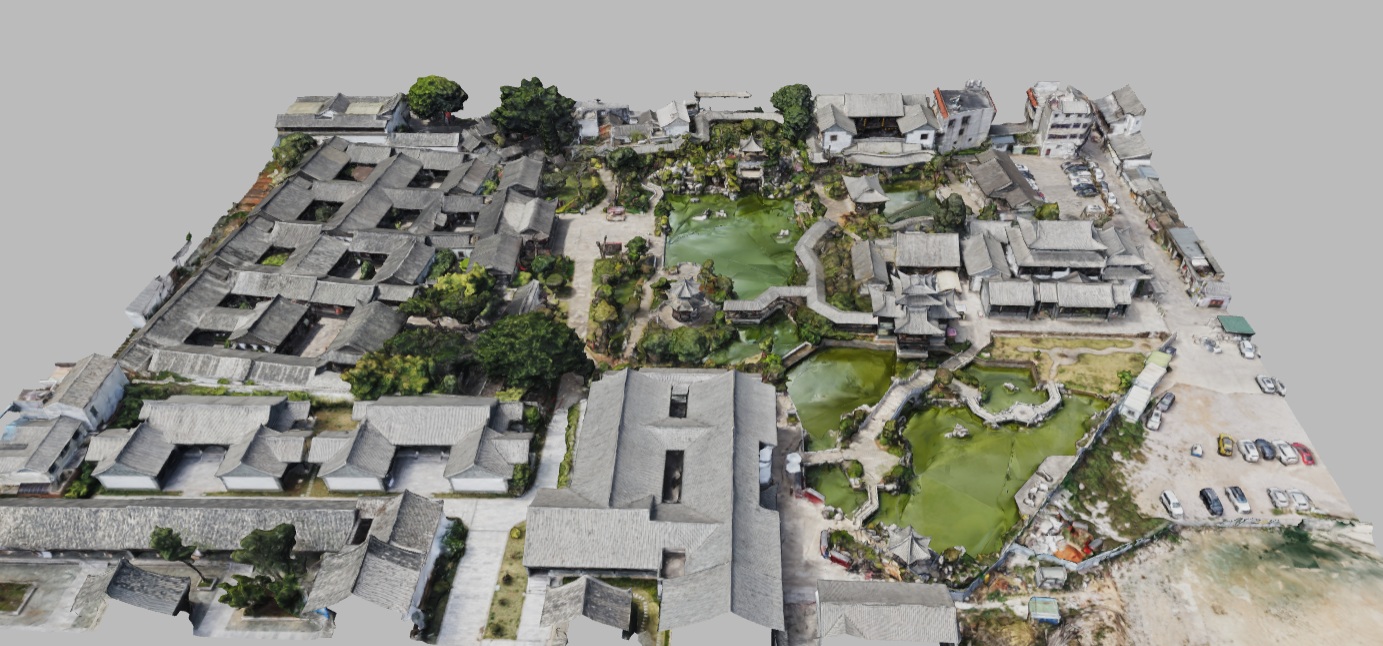 Stop 06
The Zhu estate links successive rooms and courtyards into a dense residential compound, showing how repeated enclosures can give a large household both intimacy and spatial complexity.
 Stop 07
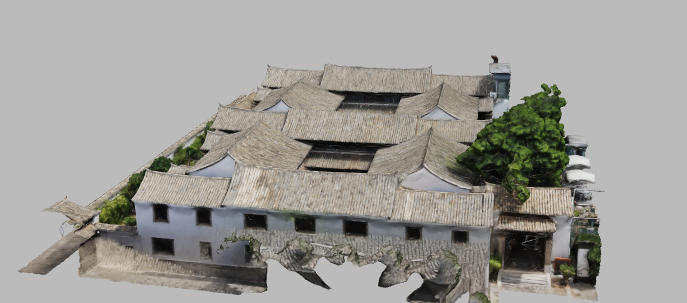
Winding verandas connect a dense network of courtyards and lightwells, distributing daylight and revealing successive enclosures within a residence whose complexity exceeds its compact urban plot.
 Stop 08
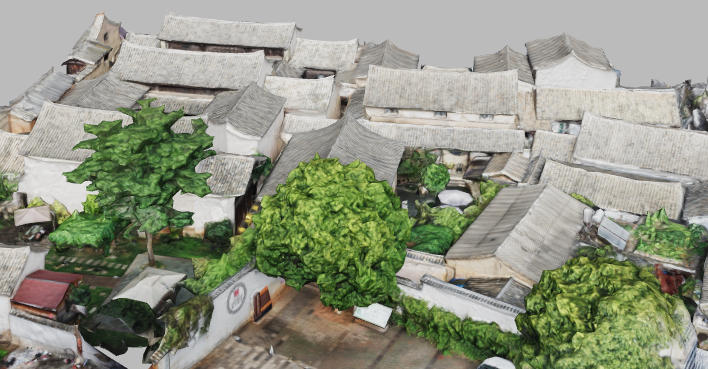
A symmetrical sequence of four courtyards gives the wooden estate depth, while carved lattices filter light into rooms now used by a public library.
 Stop 09
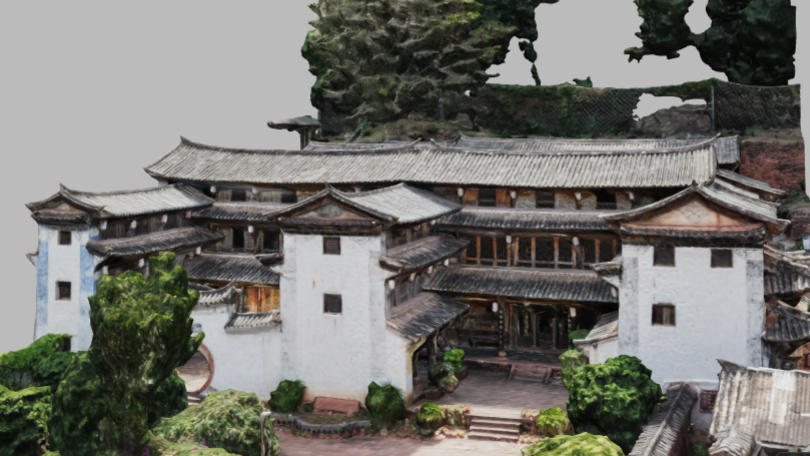
Three levels step with the hillside while covered corridors and corner stairs link them, making changing elevation part of this courtyard estate's sequence of views.
 Stop 10
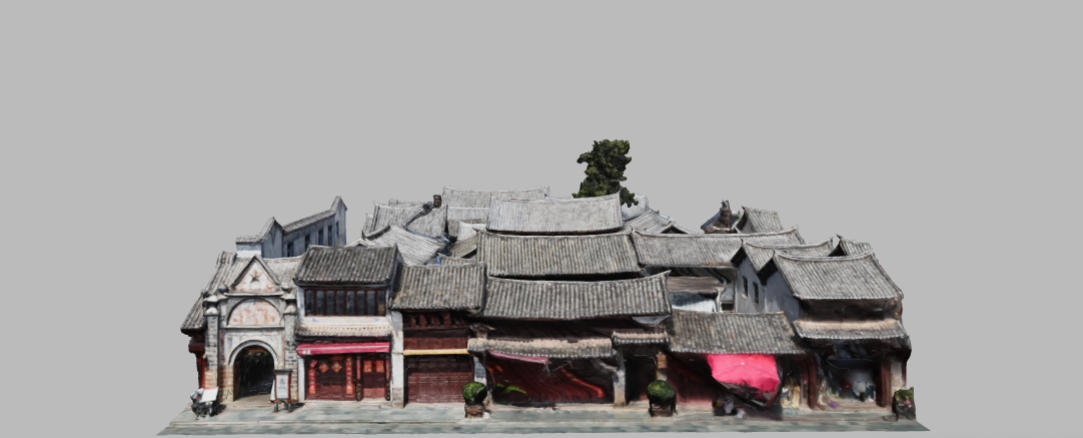
A circular stone opening connects the northern and southern courtyards, turning a passage between domestic enclosures into a deliberate frame for the space beyond.
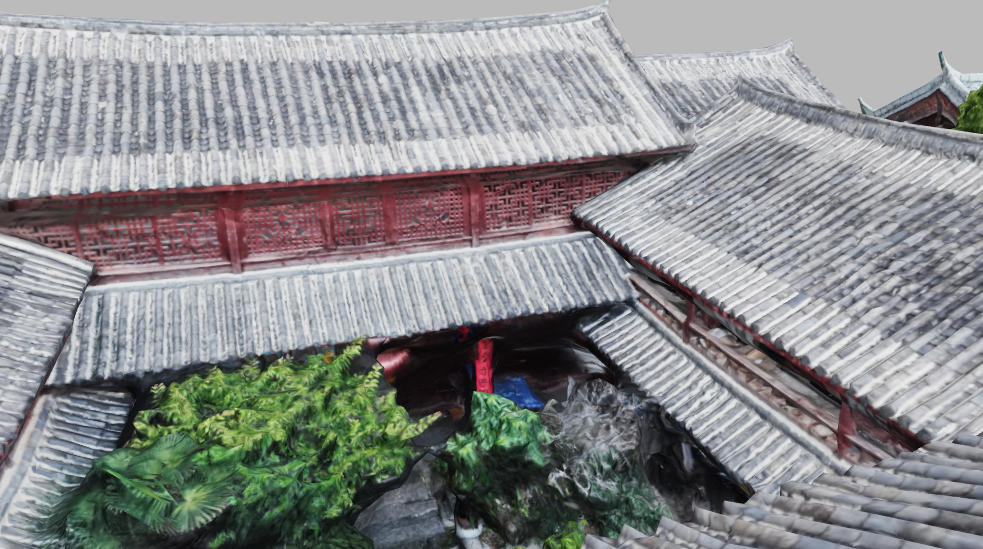 Stop 11
Yujia's entrance corridor leads through a timber quadrangle to a rear courtyard, making successive thresholds a means of composing intimacy and distance within a residence.
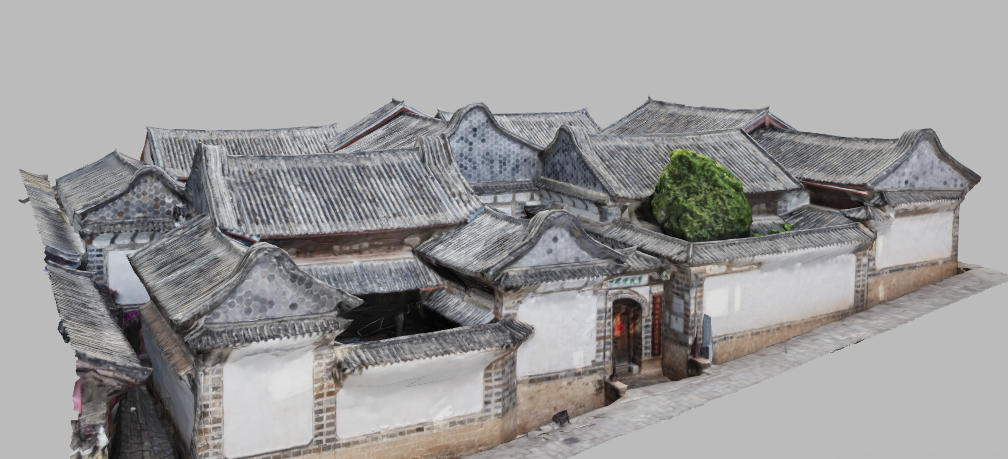 Stop 12
Large quadrangle courts, smaller screen-wall courts, upper corridors, and a garden form successive enclosures, showing how a Naxi household composed different scales of domestic space.
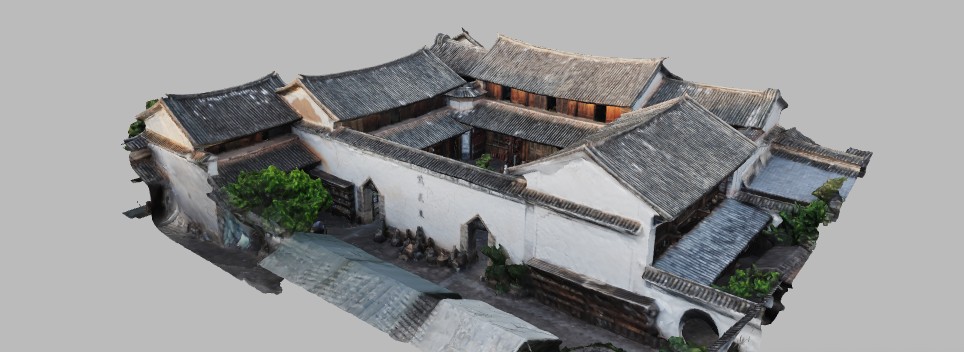 Stop 13
Natural marble landscapes occupy the screen wall opposite the entrance, placing an imagined distant world inside a Bai courtyard framed by a geometrically decorated gate.
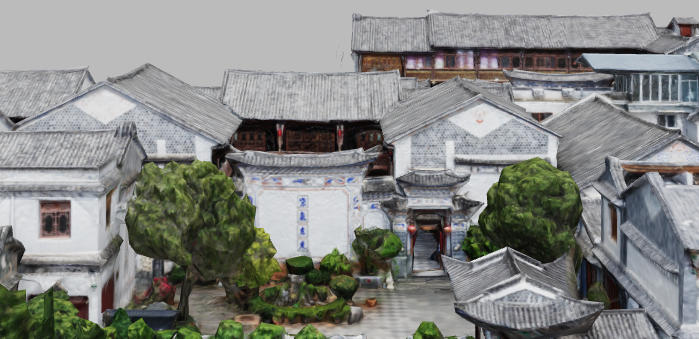 Stop 14
Screen-wall courts and interconnected upper corridors organize the Yan residence's Bai compound, letting changes of level and enclosure create a succession of intimate domestic views.
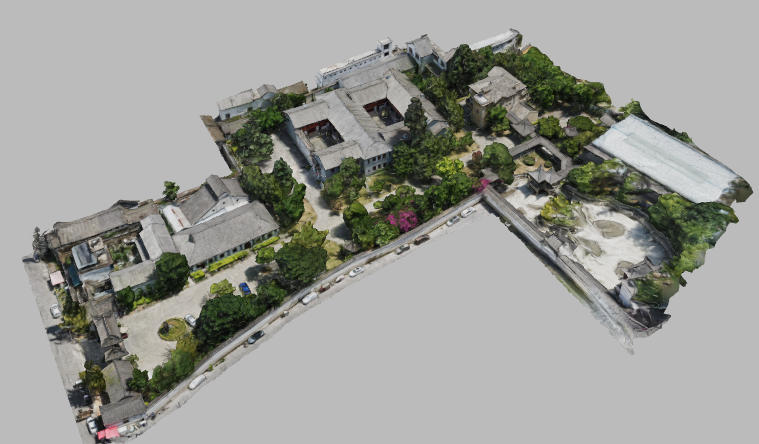 Stop 15
A spring-fed pond, waterside Zhonghe Pavilion, and planted corridors compose the Dongyuan garden, allowing moving water and sheltered viewpoints to extend its enclosed domestic landscape.
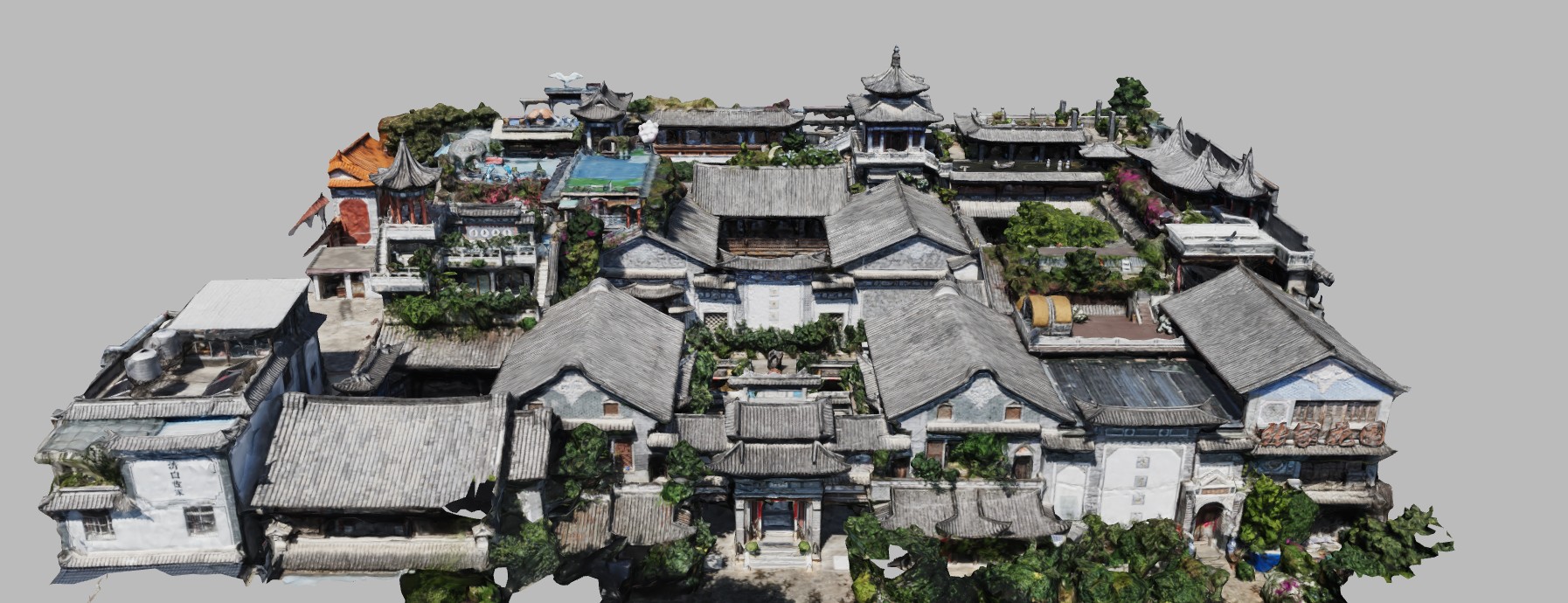 Stop 16
The contemporary Zhang Family Garden combines Bai courtyard and screen-wall traditions with extensive corridors, offering a modern interpretation of the enclosed, layered spaces seen in historic estates.
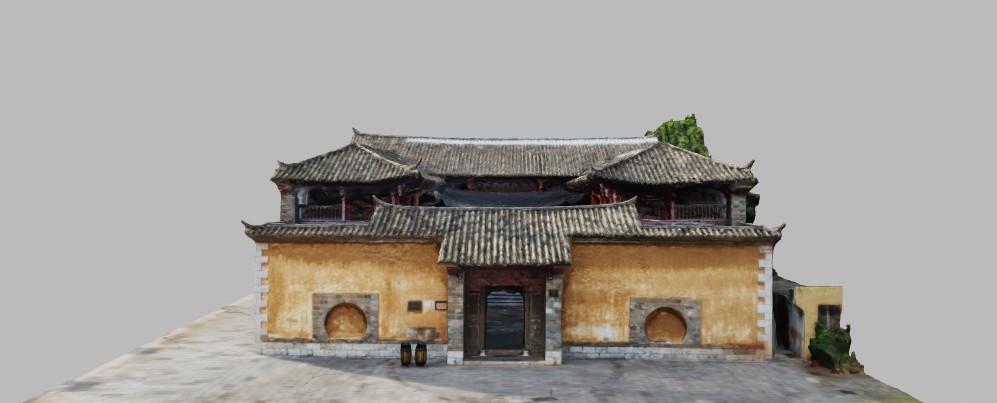 Stop 17
Lower buildings on the southern edge preserve views from upper corridors across Green Lake toward West Mountain, explicitly borrowing distant landscape into a Kunming courtyard residence.
26 Stops
Academies, Confucian temples, private studies, and public libraries shape spaces for study, ritual, memory, and concentration. A journey through the architecture of attention, from scholarly courtyards to civic reading rooms.
22 Stops
Cisterns, aqueducts, dams, harbor works, pumps, wells, and water towers reveal the forms societies give to water. Storage, distribution, protection, power, and an entire basin modeled in miniature make a hidden civil infrastructure visible.
20 Stops
Covered crossings, a bridge lined with shops, pavilion-topped arches, and bridges of remembrance and experiment turn passage into a public place. Between two banks, engineering becomes a setting for social life.