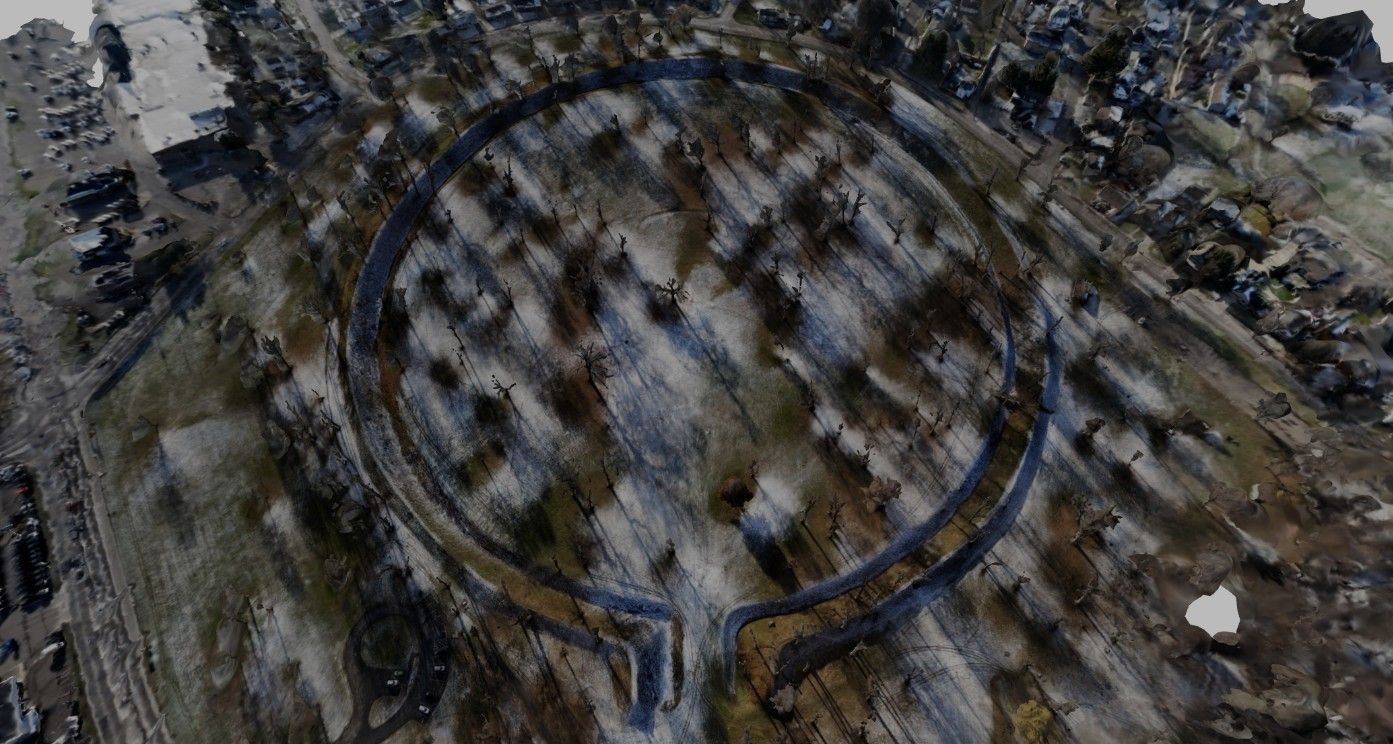
Stop 01Newark Earthworks
Newark's Octagon aligns earthen geometry with the moon's long standstill cycle, extending sky reading beyond a single instrument to a ceremonial landscape organized through repeated celestial observation.
Architectural Heritage Route
Observatories and sundials make the movement of the heavens legible on earth. A journey from monumental instruments and scientific buildings to garden timekeeping and the public politics of daylight.
11 geolocated stops
Curated Sequence
Stop 01Newark's Octagon aligns earthen geometry with the moon's long standstill cycle, extending sky reading beyond a single instrument to a ceremonial landscape organized through repeated celestial observation.
Stop 02Dengfeng's raised observatory platform and long shadow-measuring scale turn the sun's movement into spatial data, making the architecture itself an instrument for reading the sky.
Stop 03Cheomseongdae's curved stone tower gives astronomical observation an early architectural form, offering a compact counterpart to Dengfeng's extended shadow-measuring instrument in this comparison.
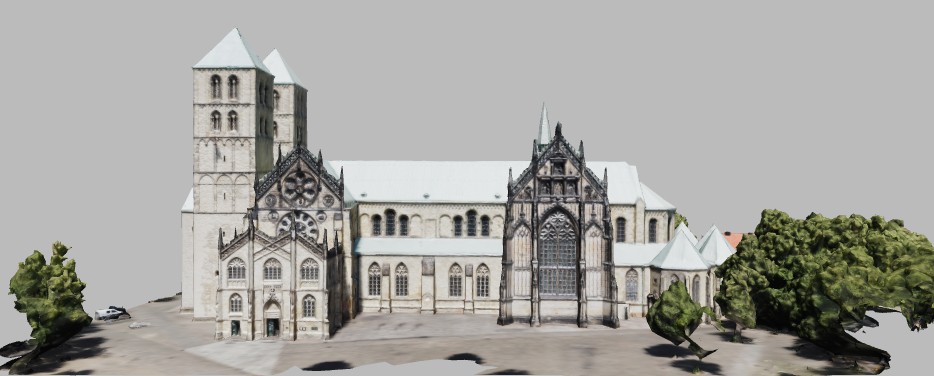
Stop 04Münster's astronomical clock places a counterclockwise solar hand, lunar phases, and zodiac positions inside the cathedral, translating celestial movement into a shared calendar for earthly religious life.
Stop 05Strasbourg's astronomical clock combines solar time, lunar phases, and planetary positions within one elaborate mechanism, giving the movement of the heavens an architectural and theatrical presence inside the cathedral.
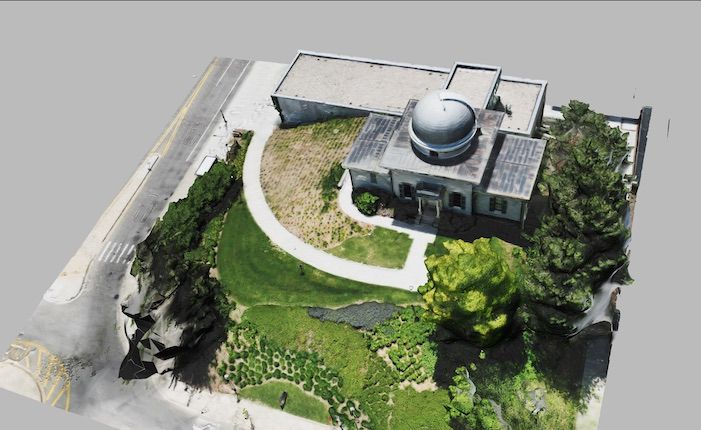
Stop 06Detroit Observatory's star-based timekeeping connected astronomy to railway schedules, showing how observation of the heavens contributed to shared systems for organizing movement and everyday time.
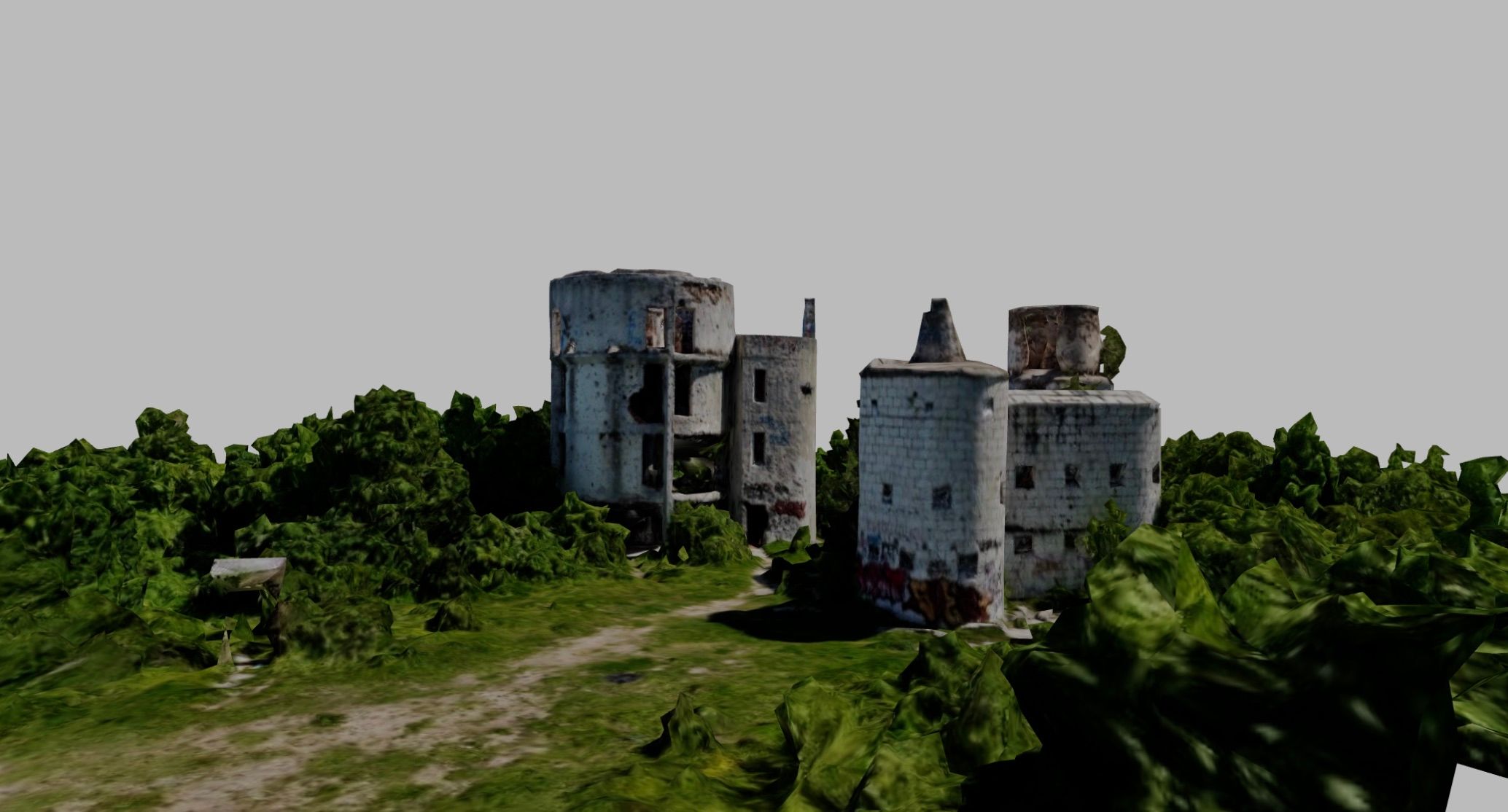
Stop 07Yunnan's surviving wartime research buildings place astronomy within a history of scientific displacement, showing that reading the sky also depends on preserving institutions on earth.
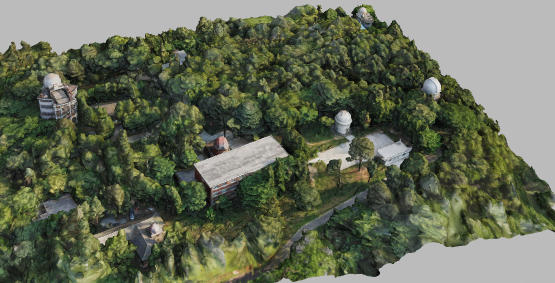
Stop 08Bistrik's former fortress acquired telescope domes as an observatory, redirecting an elevated lookout from watching the surrounding landscape toward studying the sky before wartime destruction interrupted its scientific use.
Stop 09Ten totem pillars on Chuxiong's modern circular altar give the Yi ten-month solar calendar a public architectural form, showing how seasonal knowledge can become a setting for cultural memory.
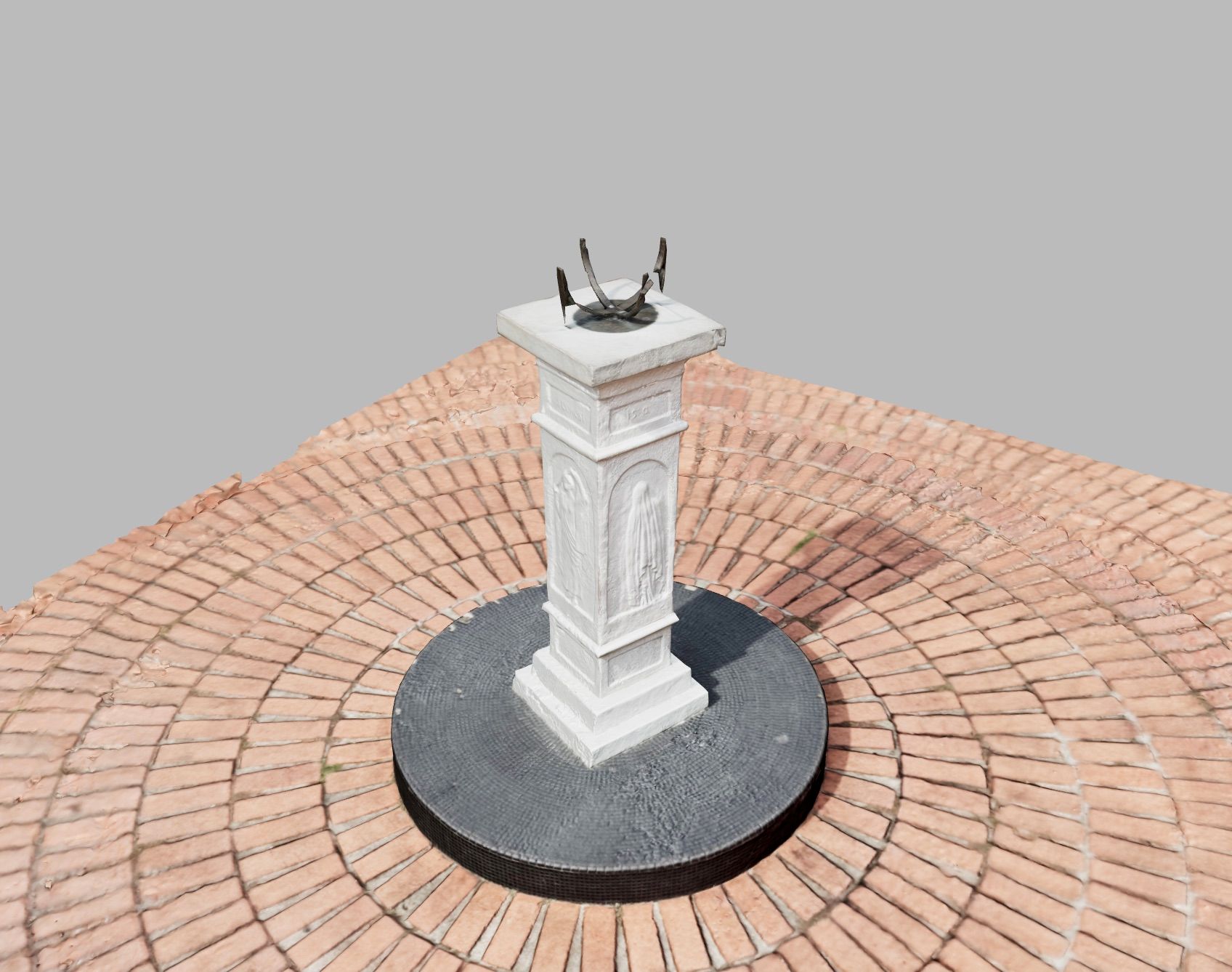
Stop 10The Botanic Gardens sundial adapts shadow-based timekeeping to an equatorial location, placing a working interpretation of the sun's movement within a planted public setting.
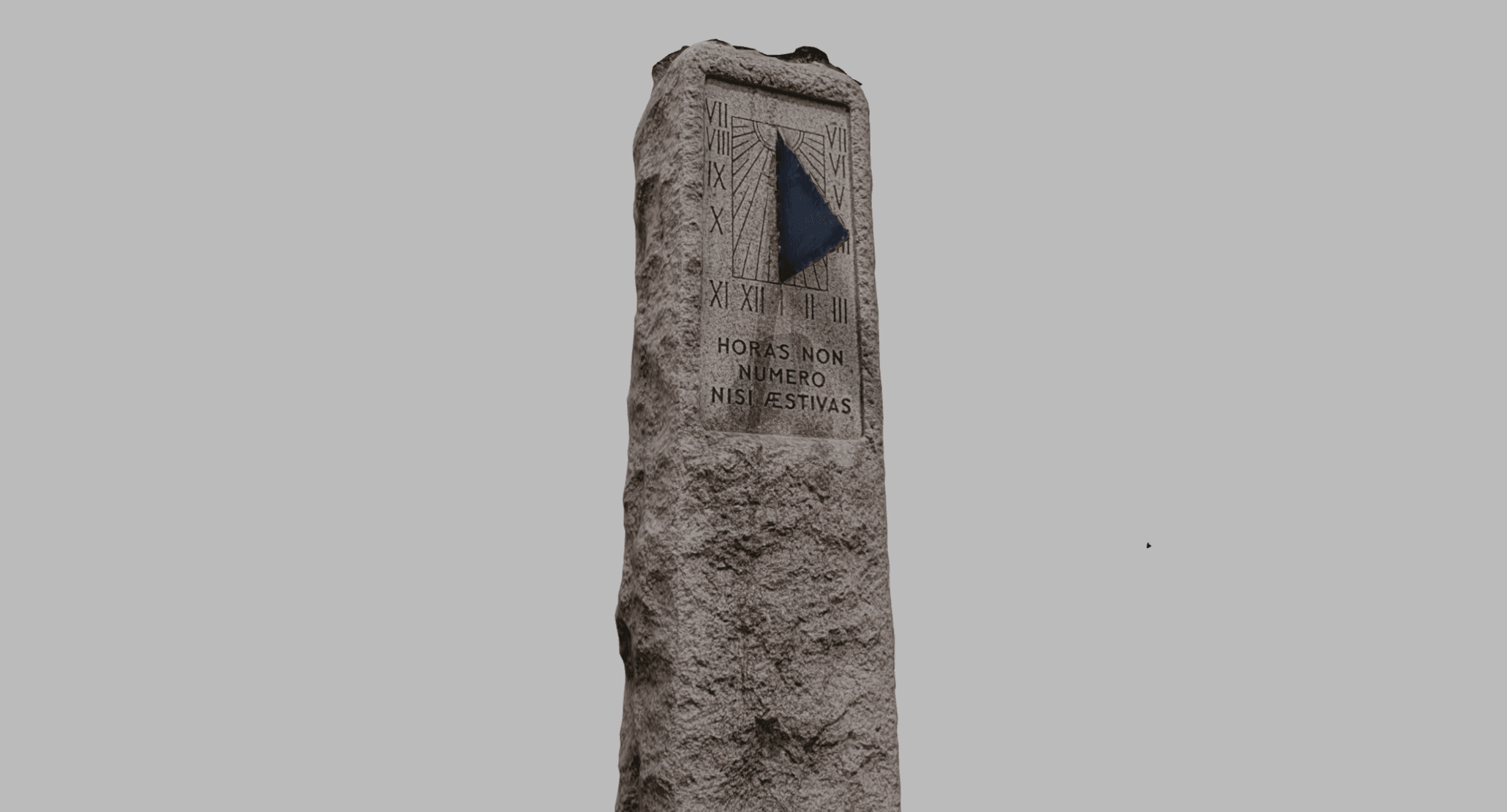
Stop 11A sundial memorial to William Willett joins solar time with his campaign for daylight saving, connecting an astronomical measure with a social decision about daylight.
12 Stops
Observatory stone, palace water, contrasting pagodas, a lost temple’s foundations, and its modern cutout reinterpretation offer different ways to see the Silla past. Absence becomes as expressive as surviving mass.
19 Stops
Suspended sculpture, miniature wooden heavens, gilded narrative carving, sandstone reliefs, and crowded temple gateways explore the aesthetics of abundance. Ornament becomes an environment rather than an accessory.
15 Stops
A chronological journey through Carolingian foundations, Rhenish Romanesque architecture, and the development of French Gothic cathedrals.