

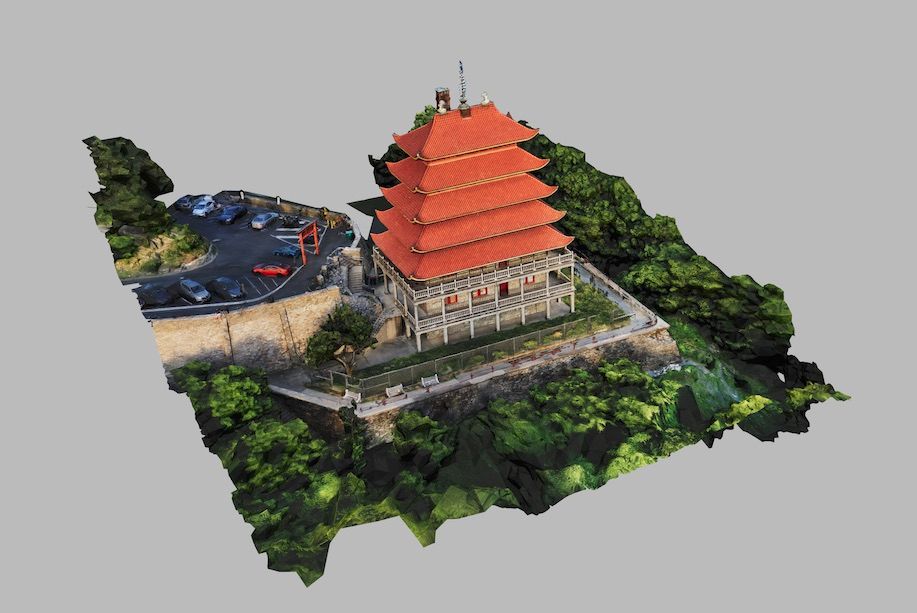
 Stop 01
Stop 1 of 15Pennsylvania, United States
Reading Pagoda
The stacked roofs of an unrealized resort tower turn an American interpretation of a Japanese pagoda into a hilltop landmark, introducing architecture as tourist imagery.
Architectural Heritage Route
A roadside collection of mimetic buildings, oversized advertisements, vernacular cosmologies, and deliberately eccentric landmarks.
15 geolocated stops
Curated Sequence
Stop 01The stacked roofs of an unrealized resort tower turn an American interpretation of a Japanese pagoda into a hilltop landmark, introducing architecture as tourist imagery.
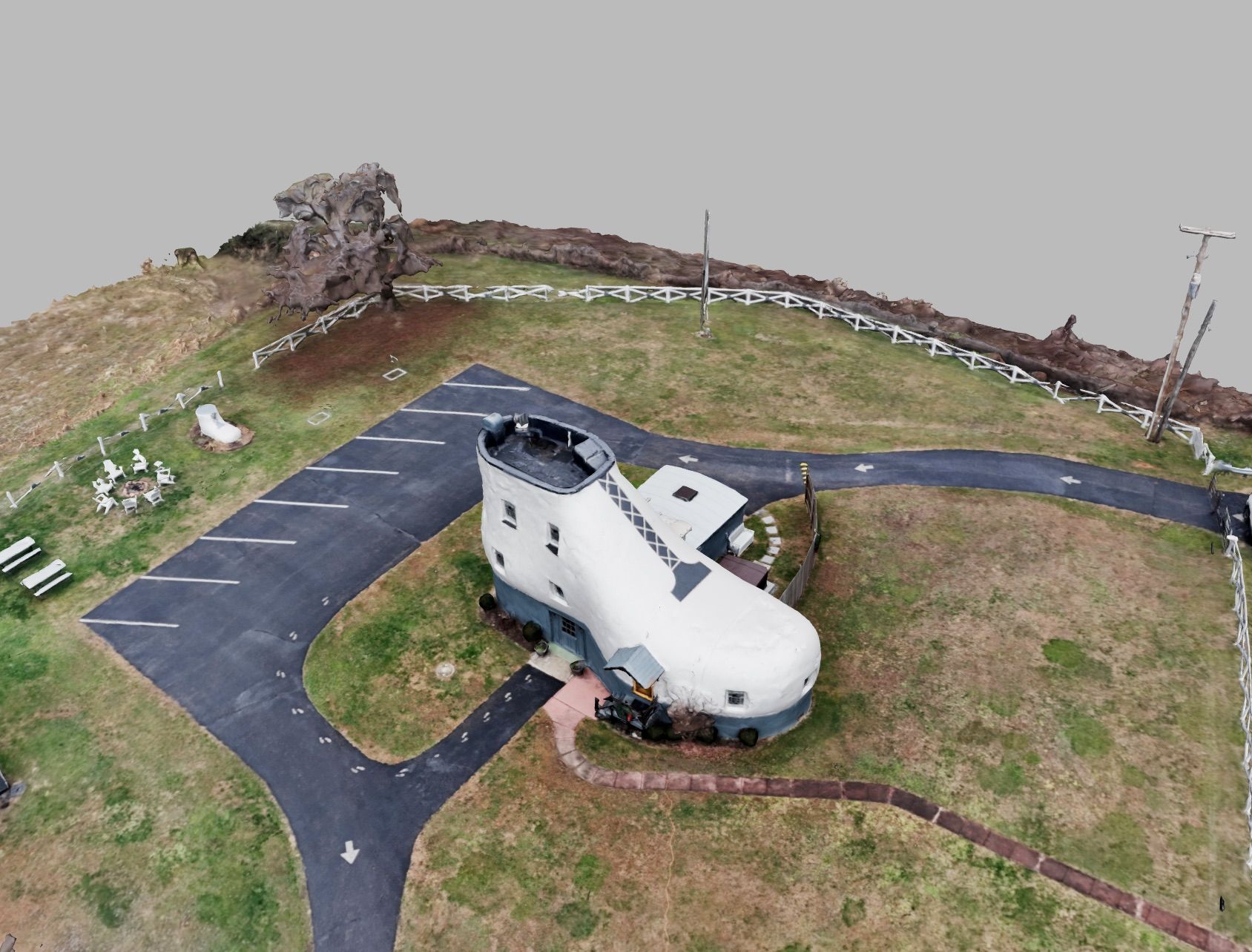 Stop 02
A house shaped like a work boot makes a shoe merchant’s advertisement inhabitable, establishing the route’s central transformation of everyday products into buildings.
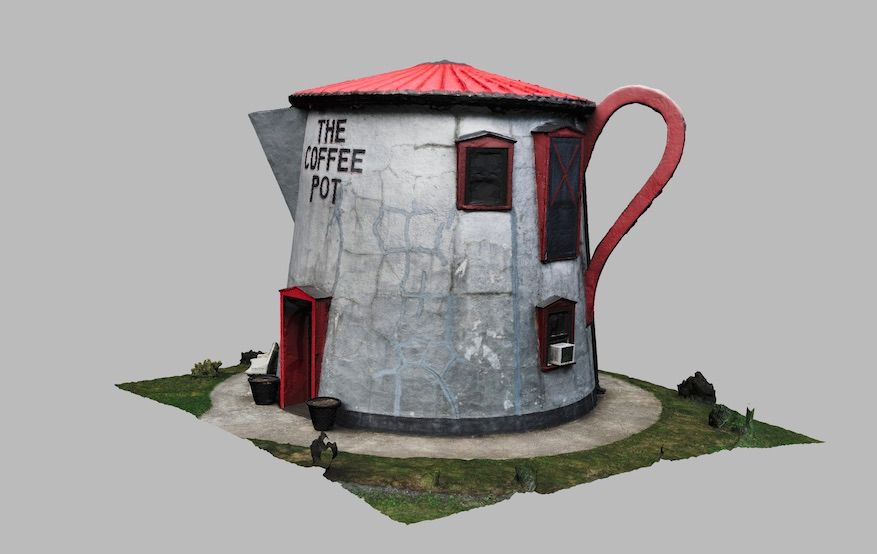 Stop 03
The metal-clad coffee-pot building converts a familiar kitchen object into a highway sales device, connecting mimetic form with the Lincoln Highway’s commercial landscape.
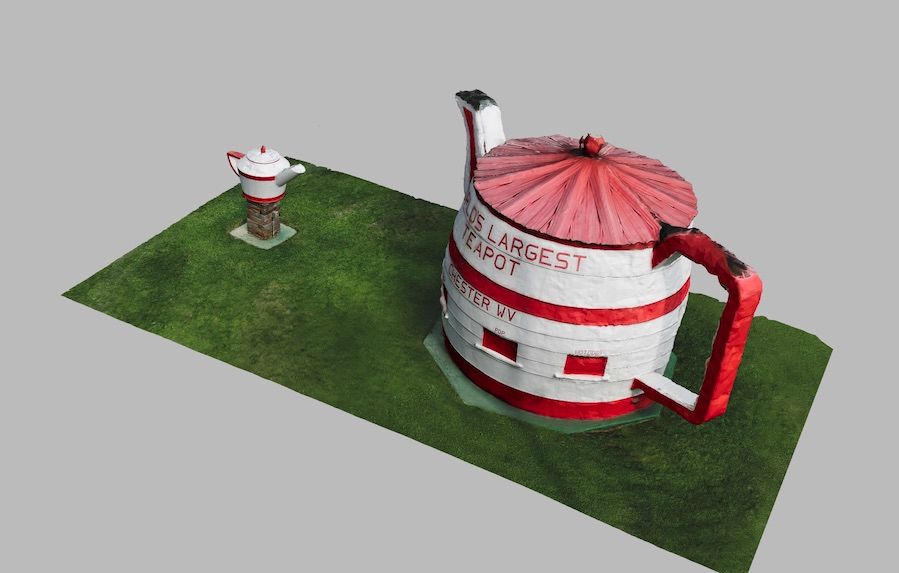 Stop 04
A barrel advertisement converted into a teapot shows roadside mimicry being repurposed for another trade, linking the journey’s oversized objects with changing local businesses.
 Stop 05
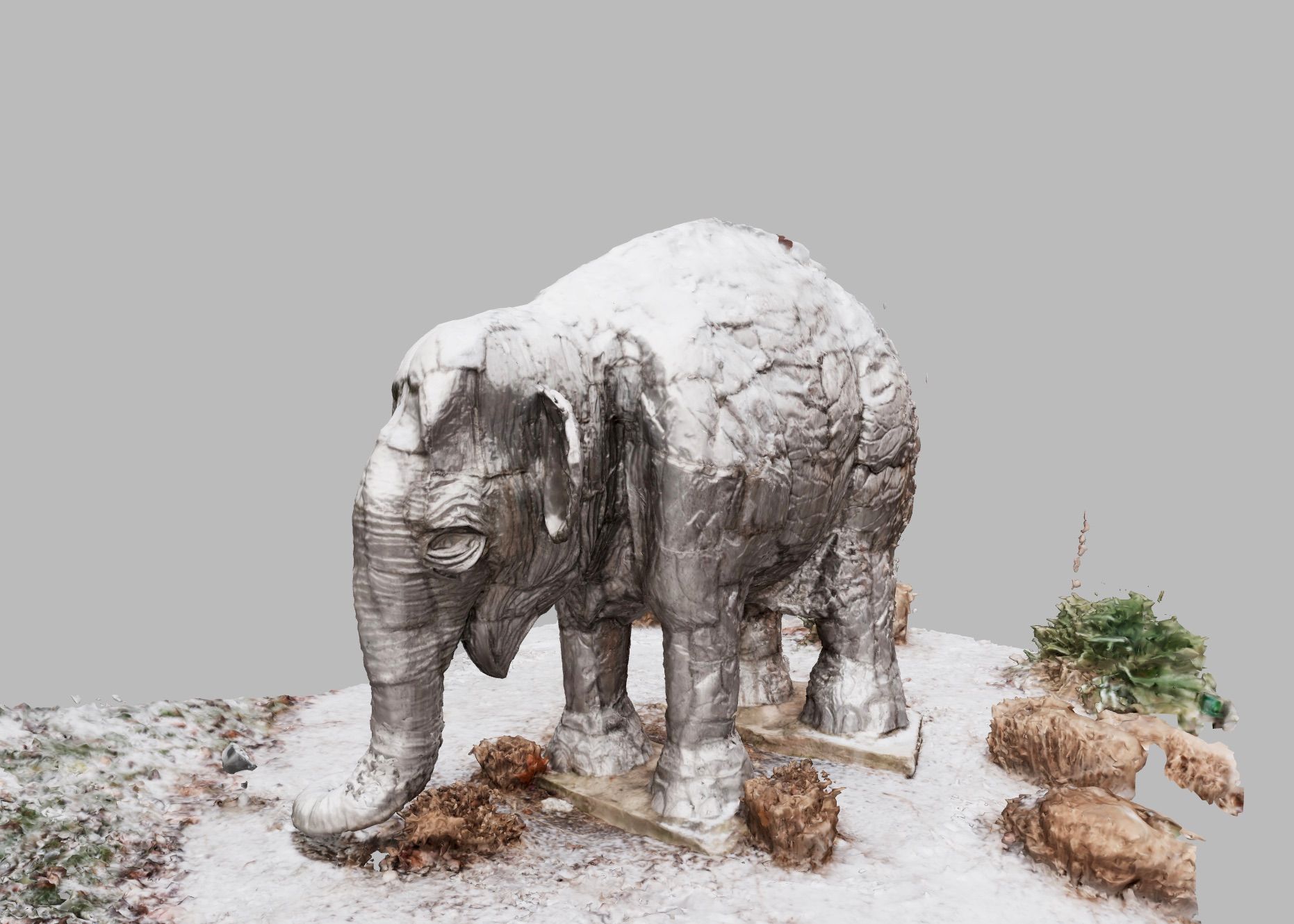
The life-sized metal elephant broadens the collection from mimetic buildings to freestanding animal sculpture, extending its interest in familiar forms within unexpected civic settings.
 Stop 06
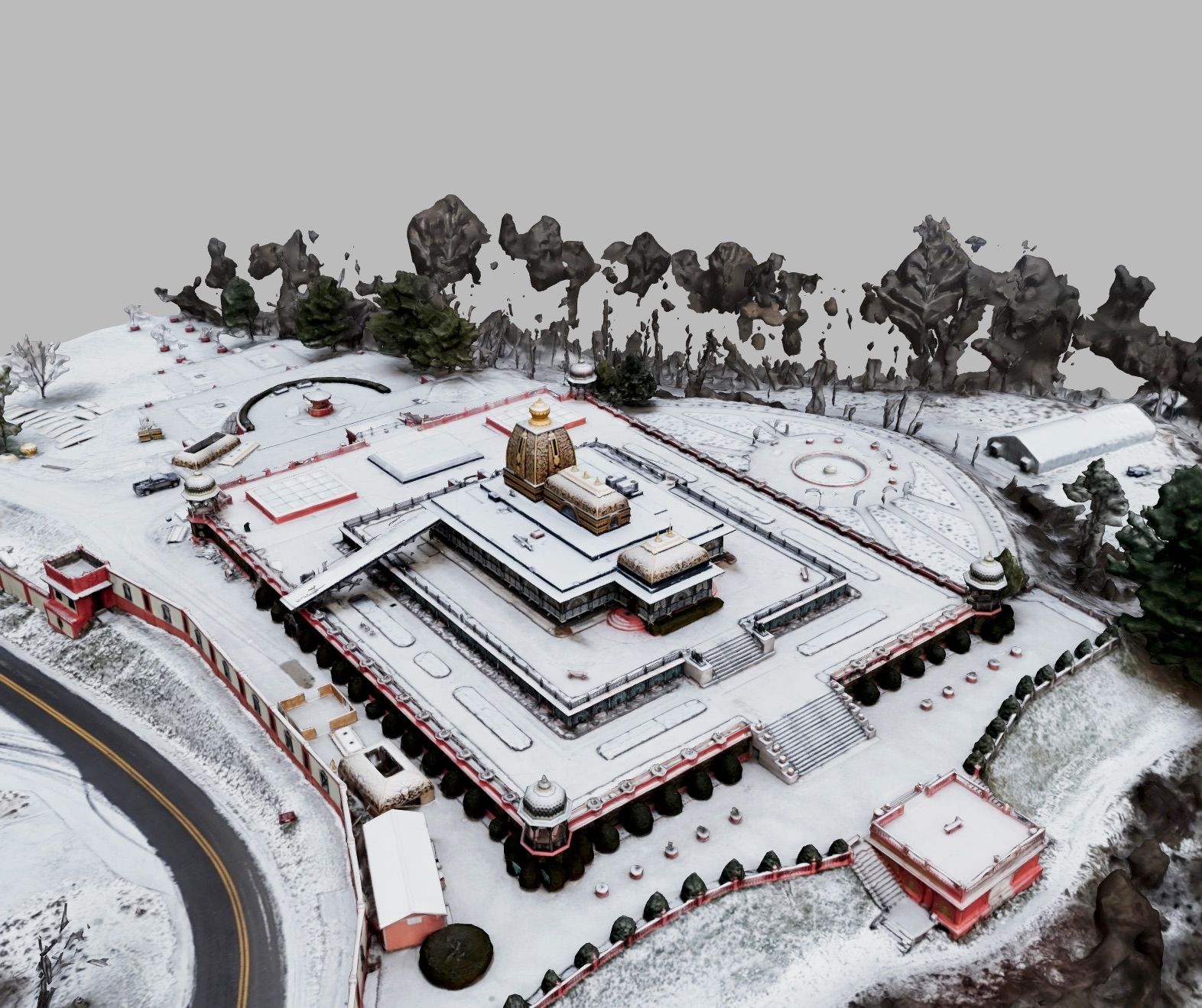
The Krishna devotional community’s gilded palace adds religious patronage to the Appalachian roadside landscape, broadening a collection otherwise dominated by commercial mimicry.
 Stop 07
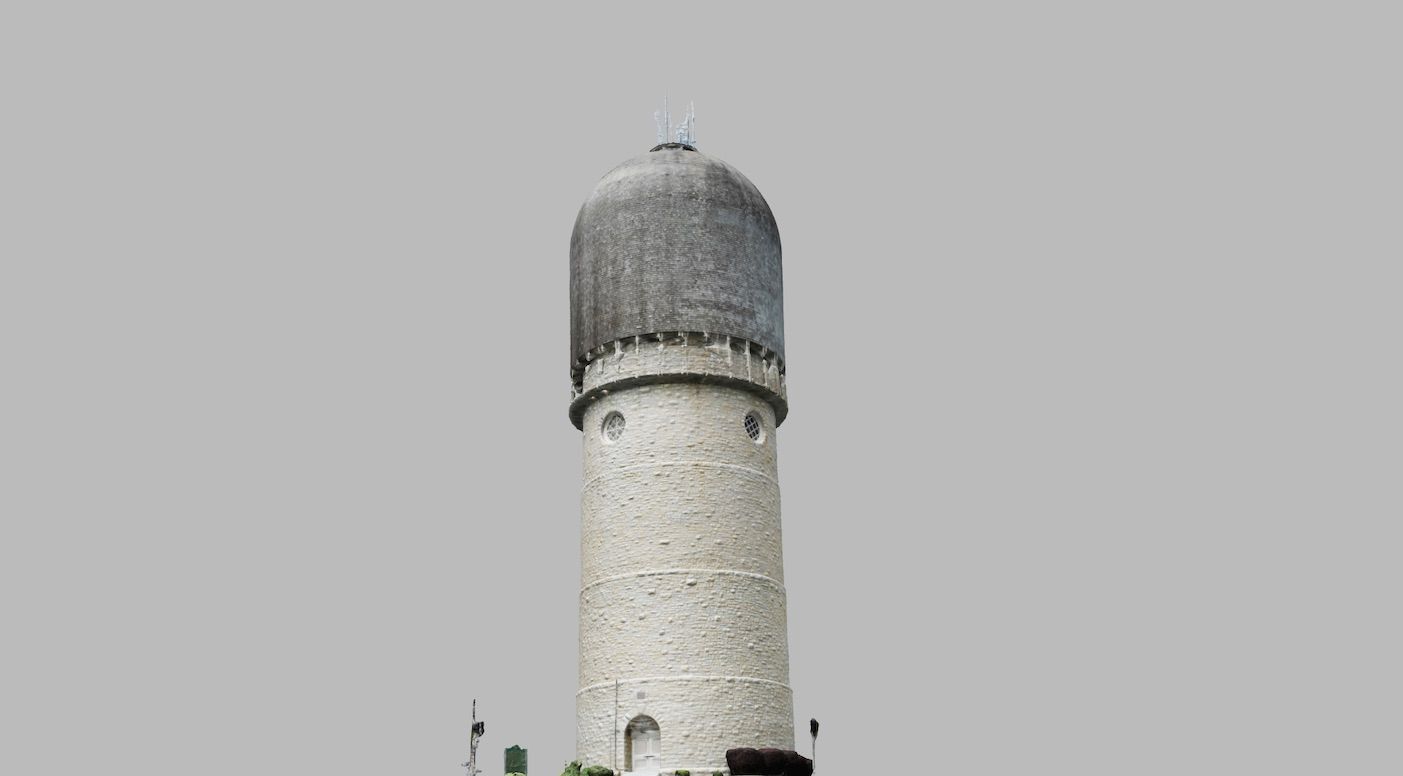
Its rounded shaft and domed cap underlie a widely adopted phallic nickname, showing how utilitarian infrastructure becomes an unofficial roadside curiosity.
 Stop 08
Oversized handles and basket-shaped walls turn a former corporate headquarters into its own product advertisement, carrying the route’s mimetic architecture to office-building scale.
 Stop 09
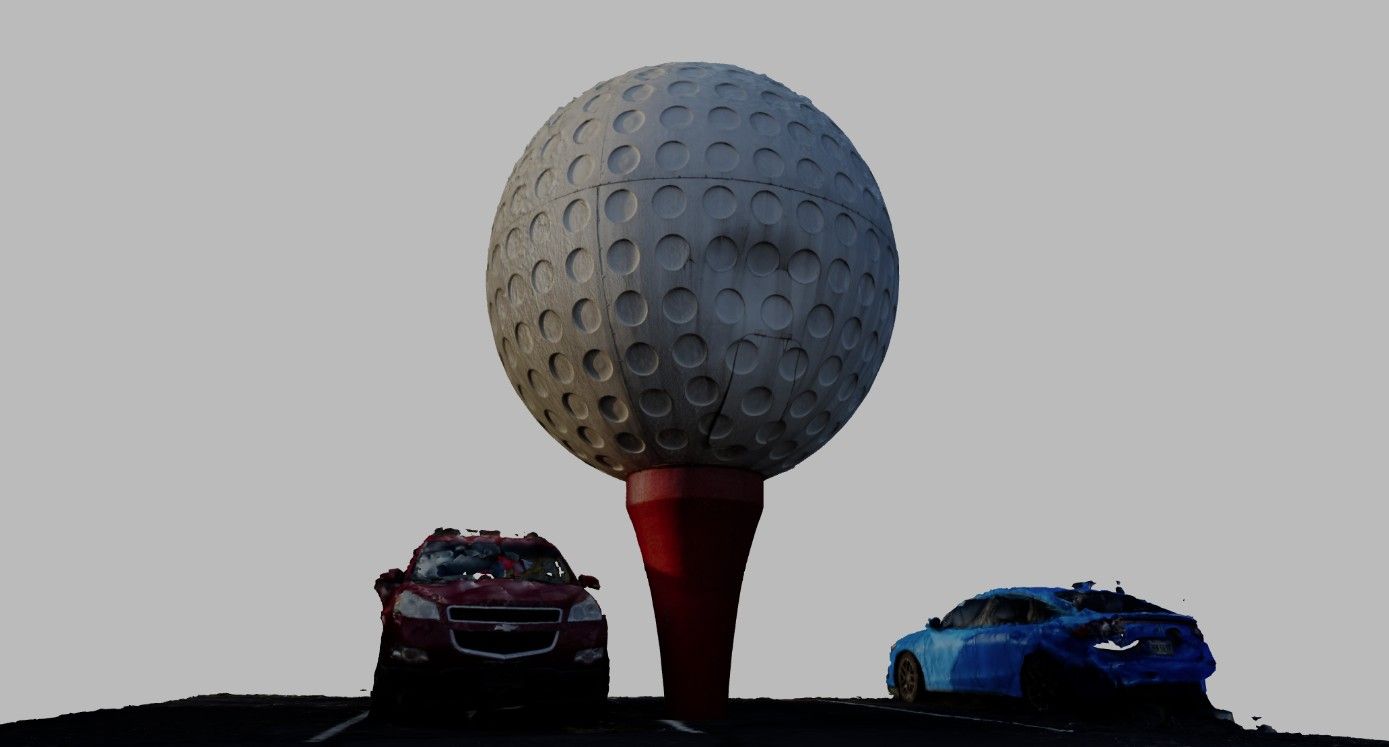
An oversized ball on a tee makes sporting equipment into a roadside advertisement, isolating the route’s recurring transformation of merchandise into landmarks.
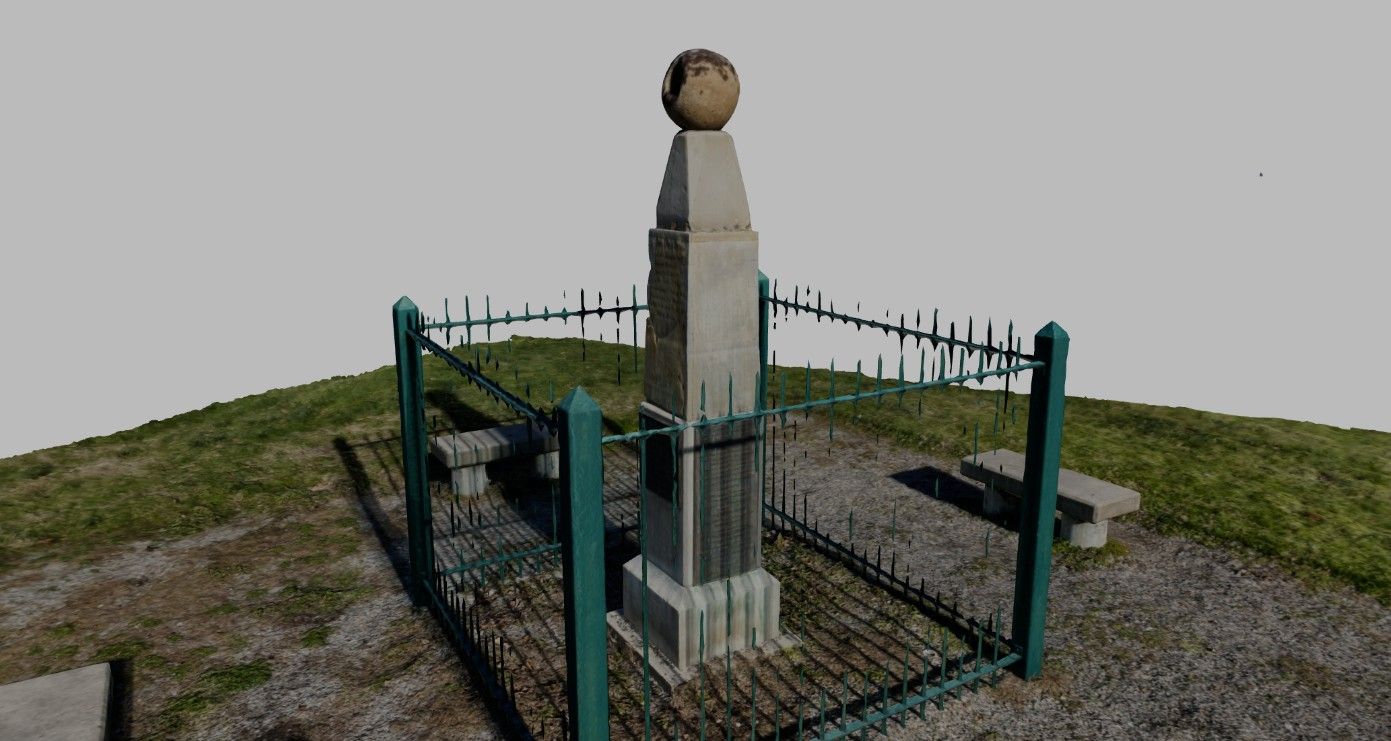 Stop 10
The hollow globe atop Symmes’s grave turns a speculative planetary theory into a funerary emblem, adding vernacular cosmology to the route’s architectural mimicry.
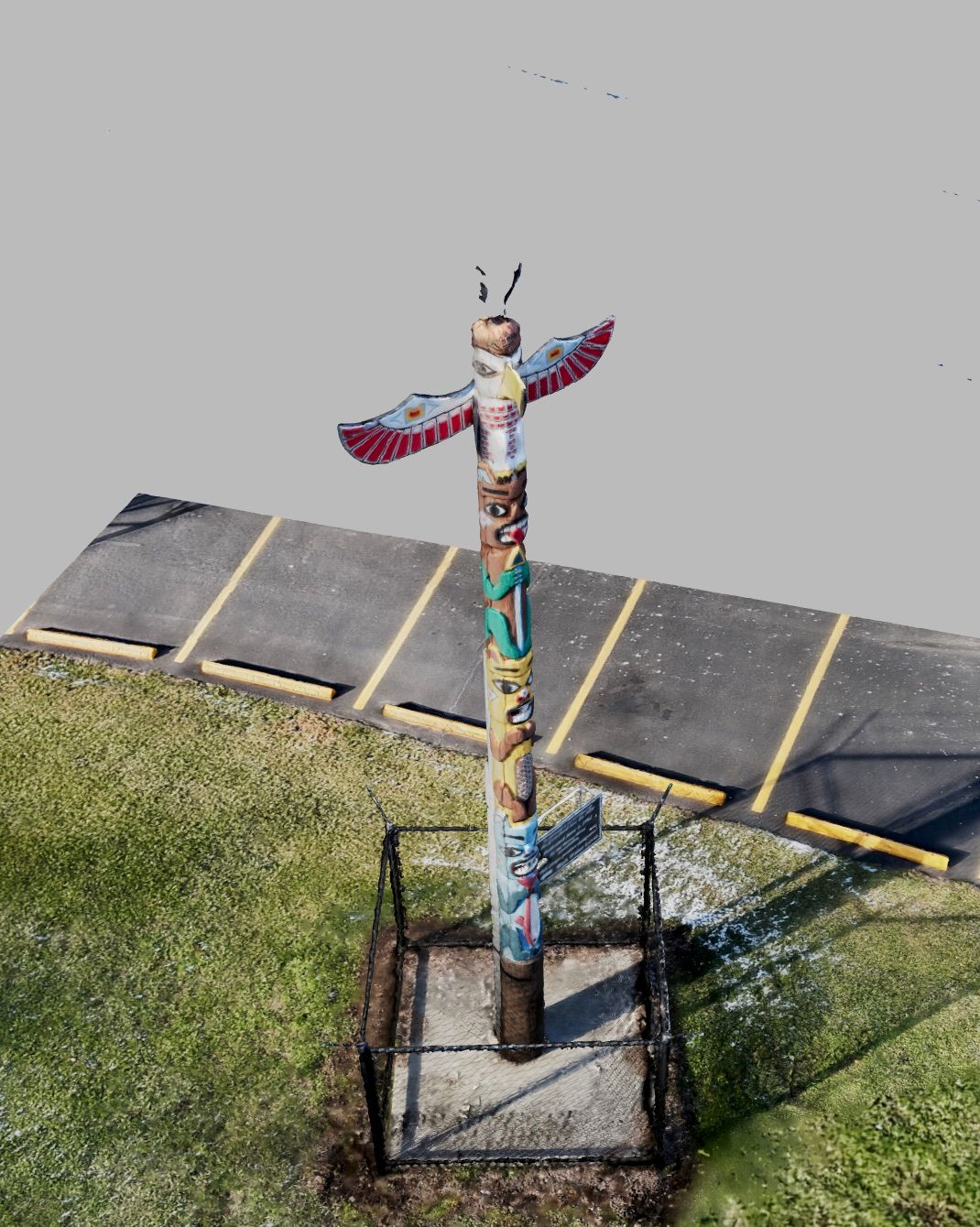 Stop 11
The carved pole beside a flood-height marker makes civic disaster remembrance part of the roadside collection, extending its range beyond product-shaped advertising.
 Stop 12
A cup-shaped water tank fuses factory infrastructure with packaging imagery, showing how an industrial utility could double as an oversized advertisement in the roadside landscape.
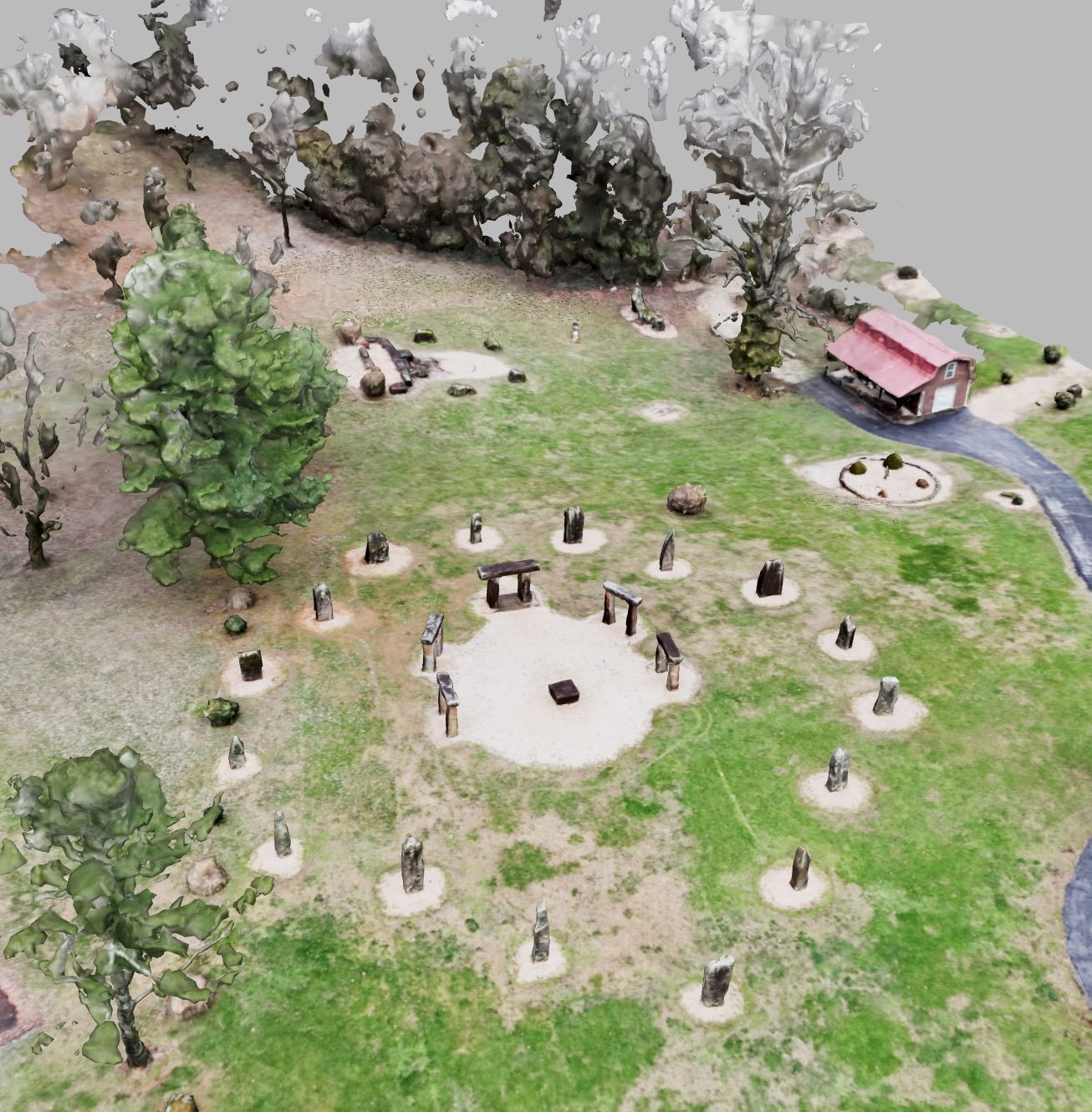 Stop 13
A Stonehenge replica assembled from local rocks brings prehistoric monument imitation into a private Kentucky landscape, extending roadside novelty from products to antiquity.
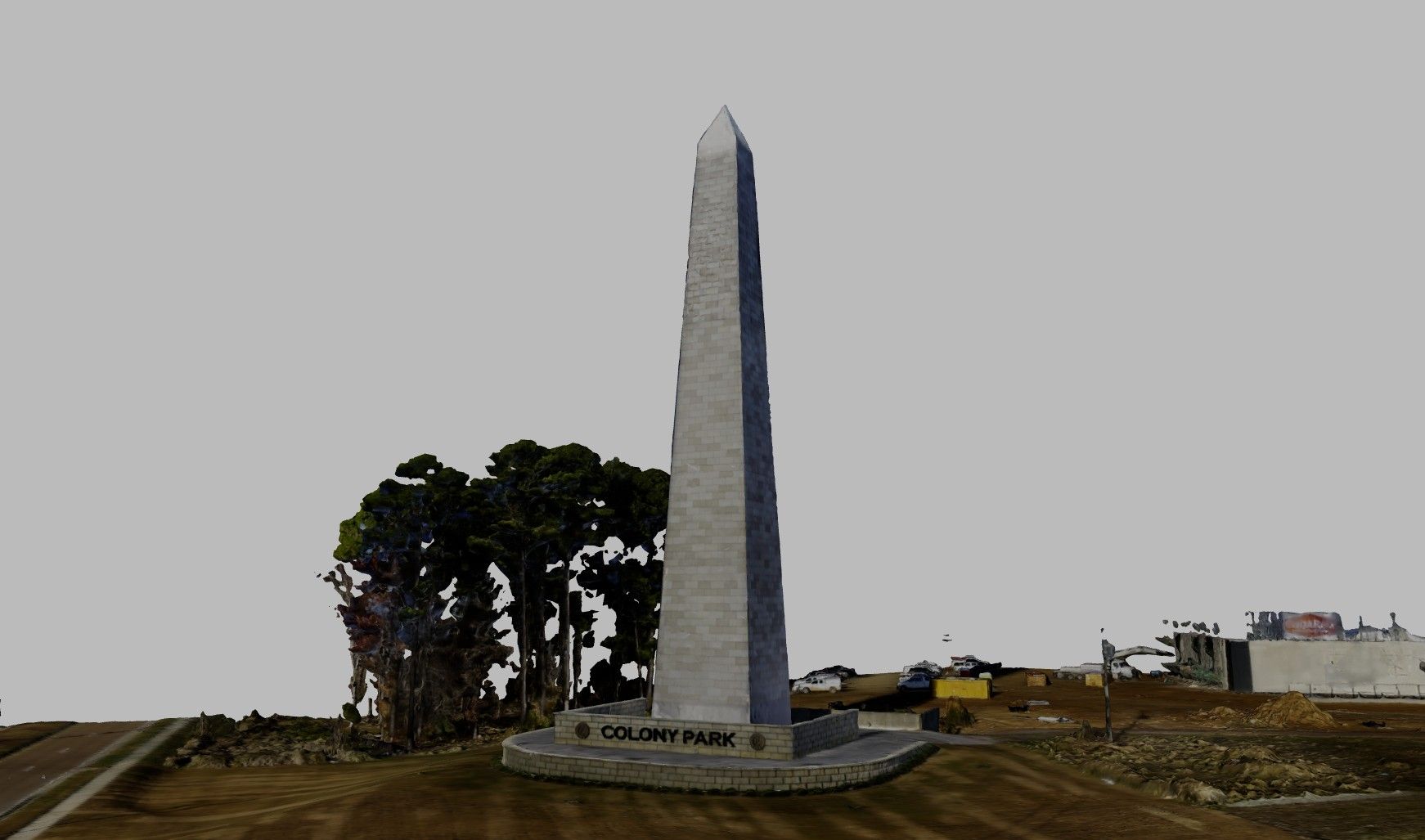 Stop 14
The obelisk-shaped cell tower recasts a national monument’s silhouette as telecommunications infrastructure, extending the route’s use of recognizable forms from advertising to utility.
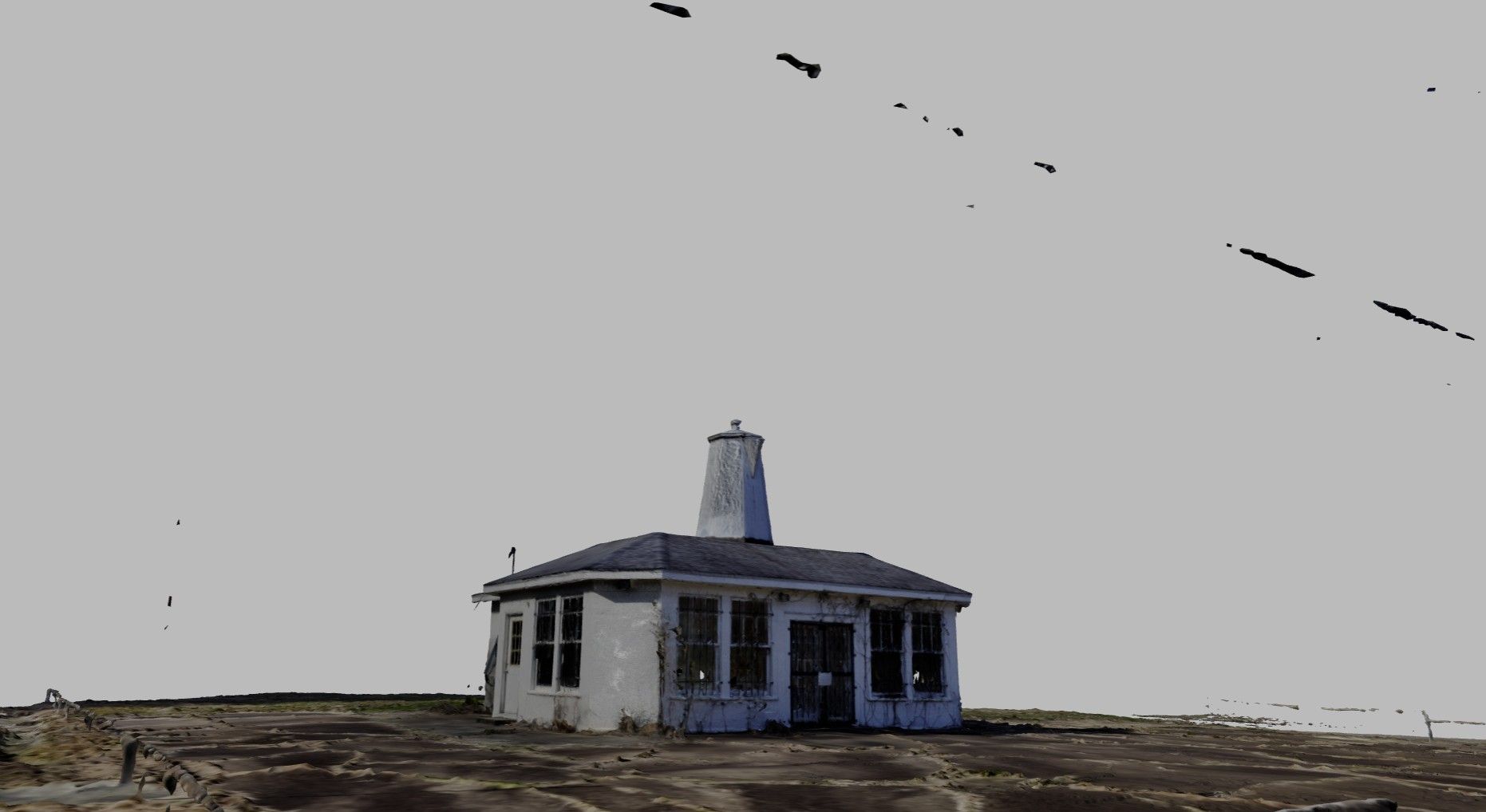 Stop 15
A coffee pot mounted above a former restaurant makes the roof a readable commercial sign, offering a smaller counterpart to the route’s fully mimetic buildings.
22 Stops
Cisterns, aqueducts, dams, harbor works, pumps, wells, and water towers reveal the forms societies give to water. Storage, distribution, protection, power, and an entire basin modeled in miniature make a hidden civil infrastructure visible.
19 Stops
Suspended sculpture, miniature wooden heavens, gilded narrative carving, sandstone reliefs, and crowded temple gateways explore the aesthetics of abundance. Ornament becomes an environment rather than an accessory.
15 Stops
An Edirne and Eastern Thrace route linking mosques, imperial facilities, commercial buildings, bridges, and layered Byzantine-Ottoman sites.