

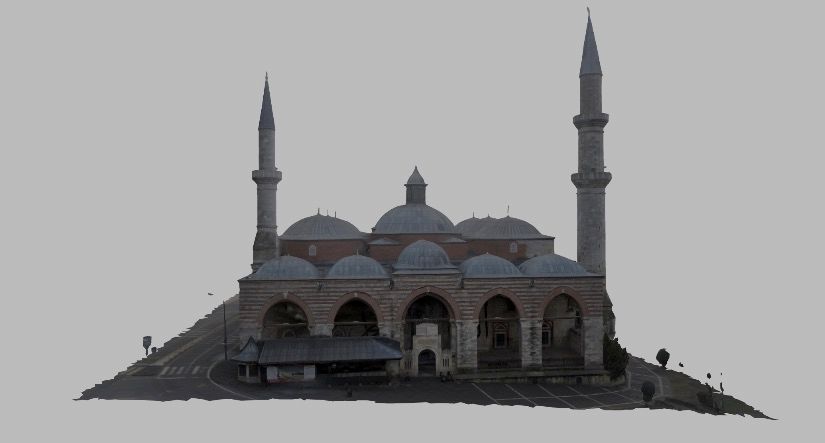
 Stop 01
Stop 1 of 15Merkez, Türkiye
Old Mosque in Edirne
The nine-domed hall and monumental wall calligraphy establish an early Ottoman congregational mosque, providing a spatial comparison with Edirne’s later centrally domed imperial foundations.
Architectural Heritage Route
An Edirne and Eastern Thrace route linking mosques, imperial facilities, commercial buildings, bridges, and layered Byzantine-Ottoman sites.
14 geolocated stops
Curated Sequence
Stop 01The nine-domed hall and monumental wall calligraphy establish an early Ottoman congregational mosque, providing a spatial comparison with Edirne’s later centrally domed imperial foundations.
 Stop 02
Sinan’s central dome and the associated arasta join imperial religious patronage with commercial support, concentrating the route’s connection between monumental worship and urban institutions.
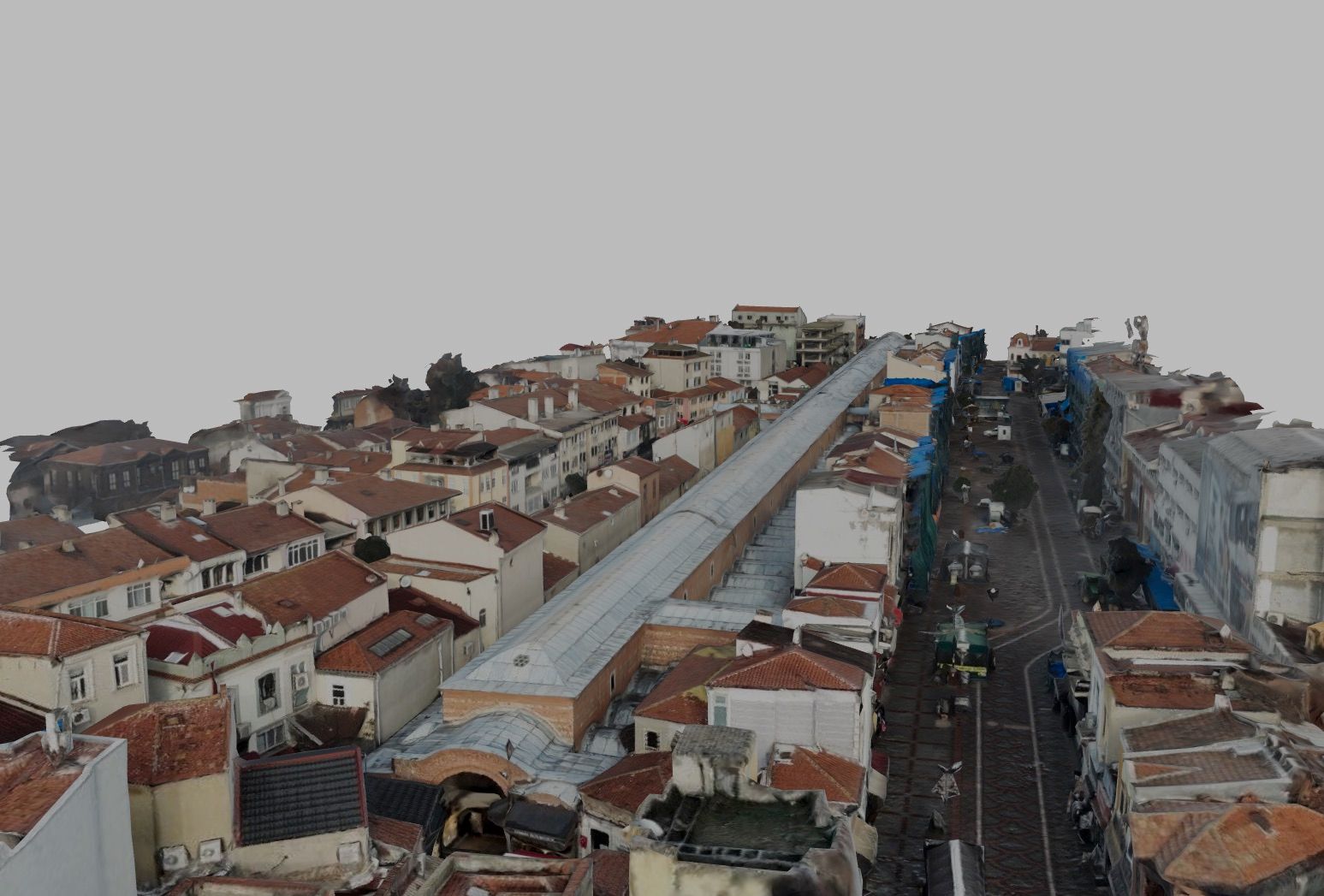 Stop 03
The long vaulted shopping street adds Sinan’s commercial architecture to the journey, showing how Ottoman patronage shaped movement through Edirne beyond the mosque precinct.
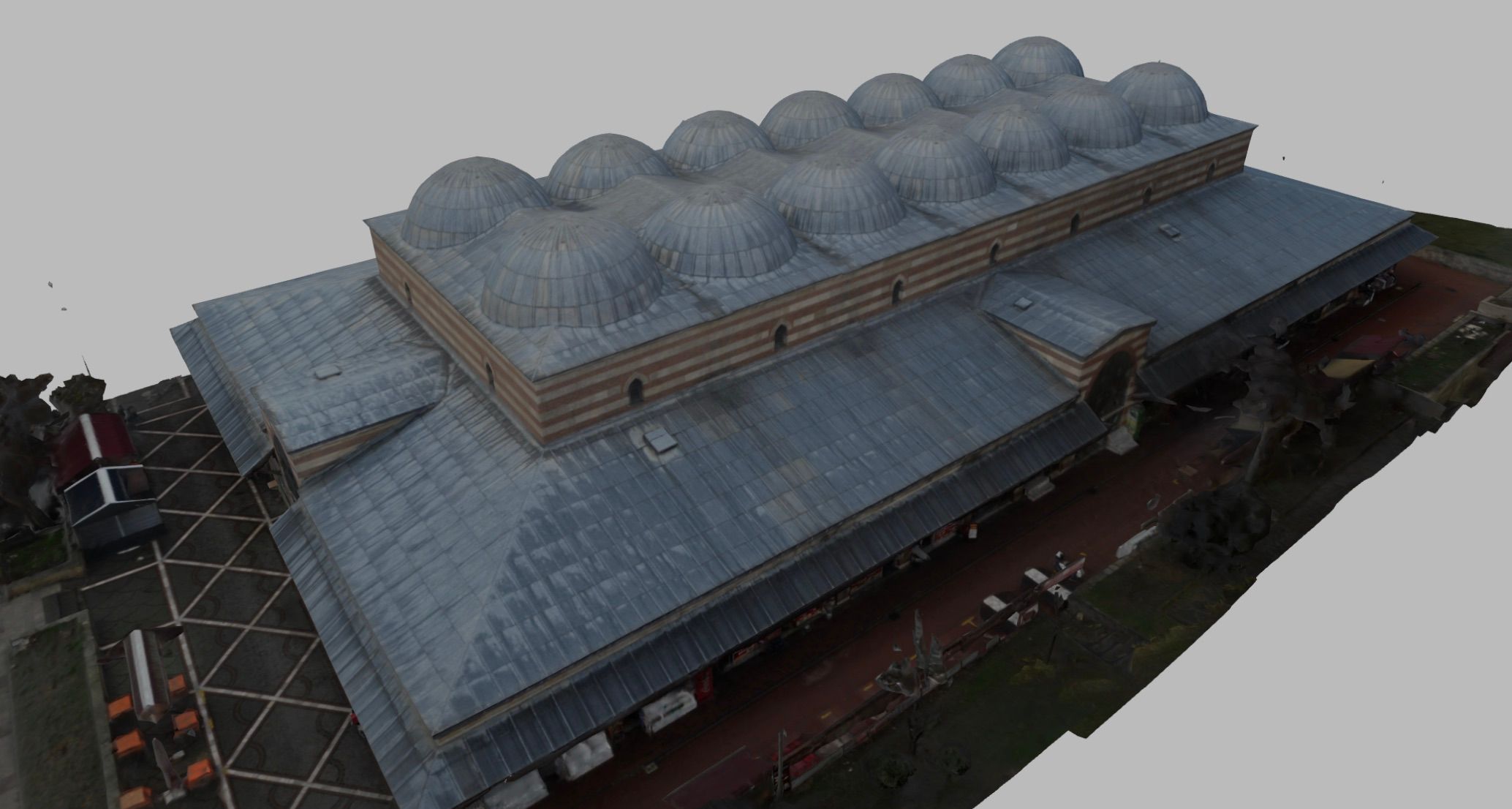 Stop 04
The covered market’s role in funding the Old Mosque makes religious endowment tangible, connecting trade infrastructure with the maintenance of Edirne’s early Ottoman institutions.
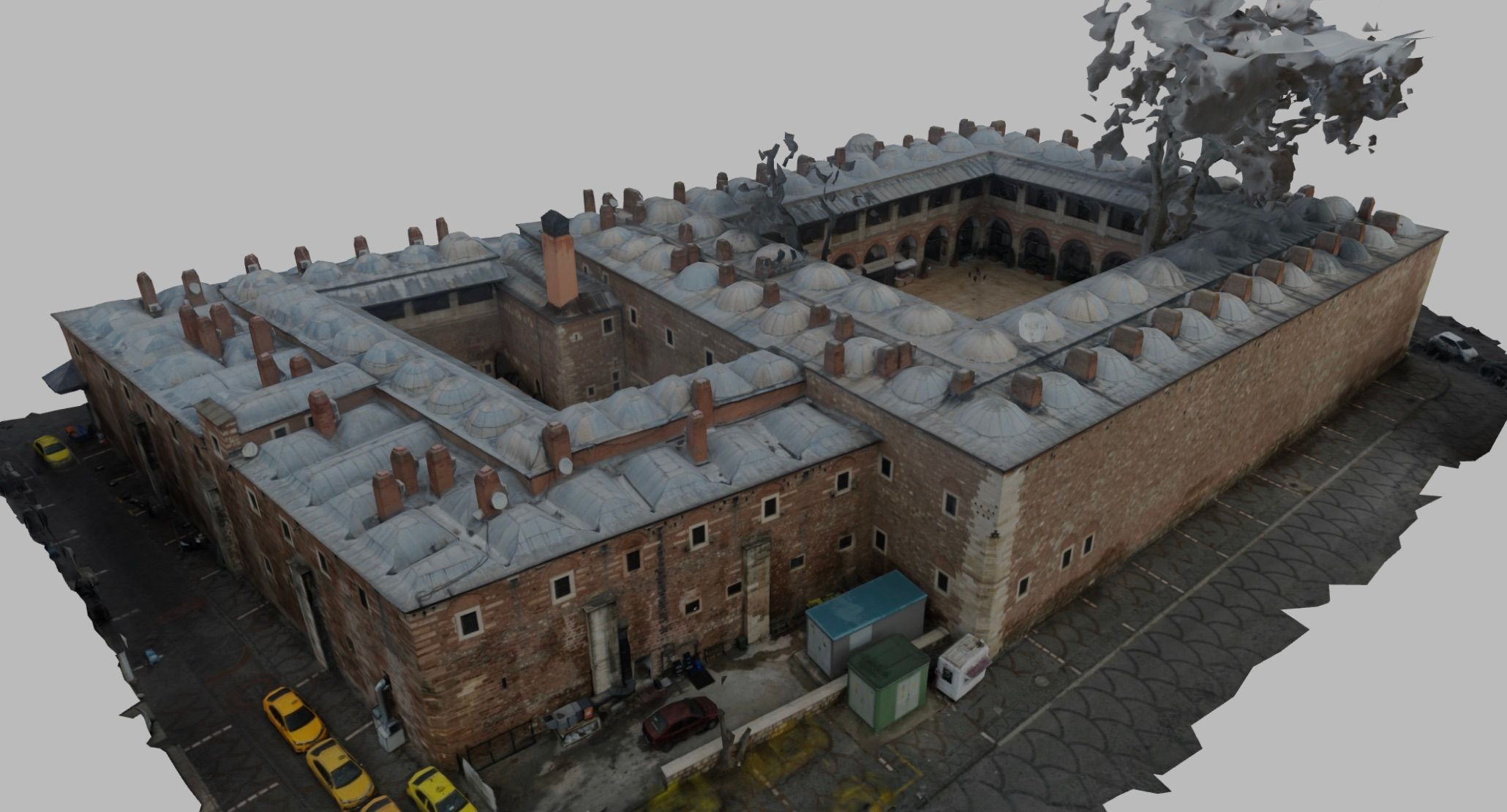 Stop 05
The courtyard, stacked arcades, and travelers’ rooms connect Ottoman architecture with merchant accommodation, placing Edirne’s monumental patronage within the movement of goods and people.
 Stop 06
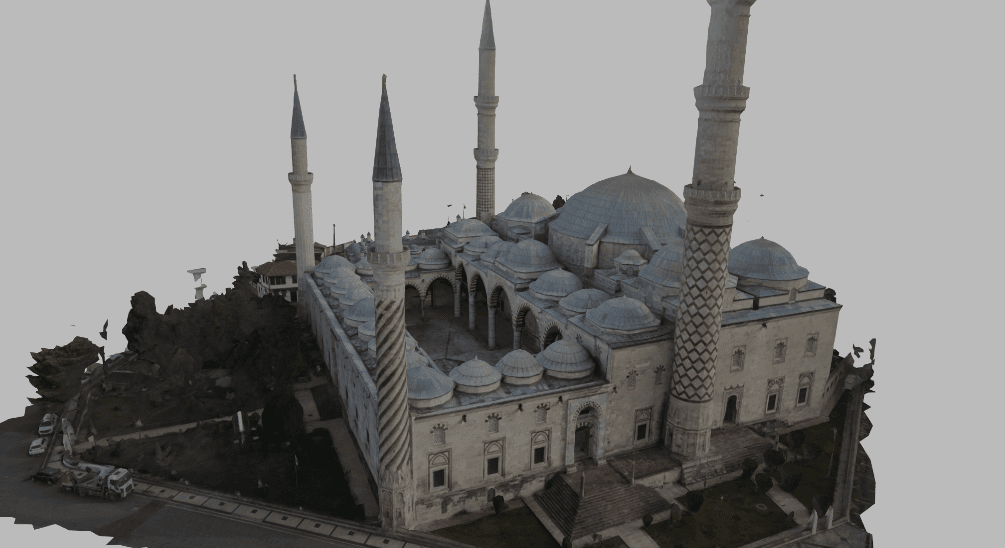
The mosque’s dominant central dome and adjoining Peykler madrasa introduce the pairing of worship and education within Edirne’s expanding Ottoman architectural patronage.
 Stop 07
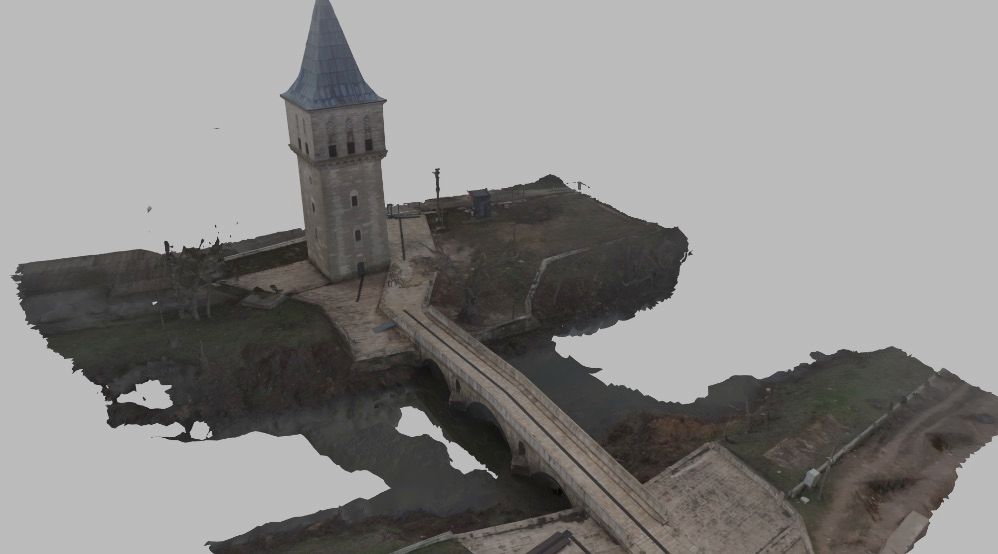
The palace bridge and Justice Pavilion connect river crossing with imperial administration, extending the journey from urban religious foundations into Edirne’s court landscape.
 Stop 08
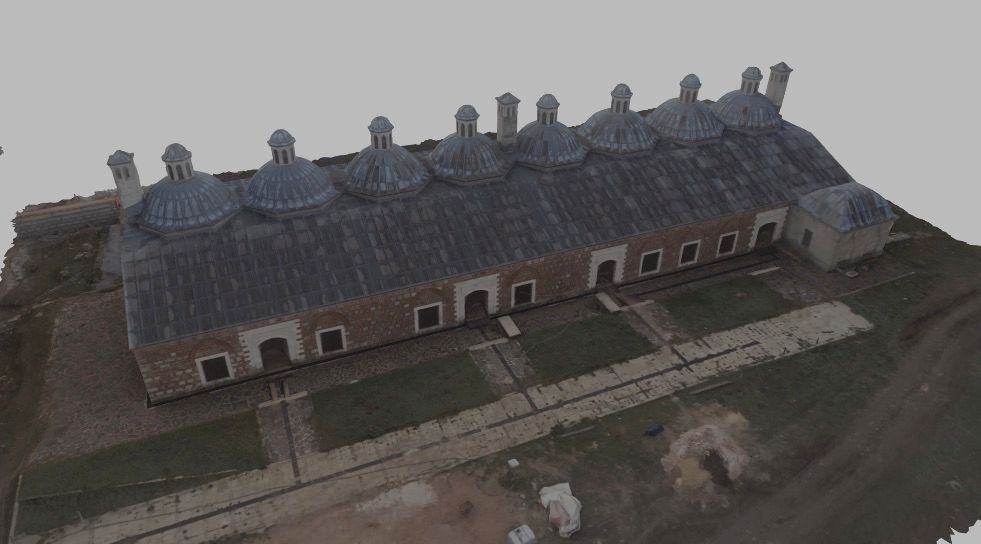
The Edirne palace kitchen’s grouped domed chambers add the practical architecture of provisioning to the route, grounding imperial residence in the facilities that supported court life.
 Stop 09
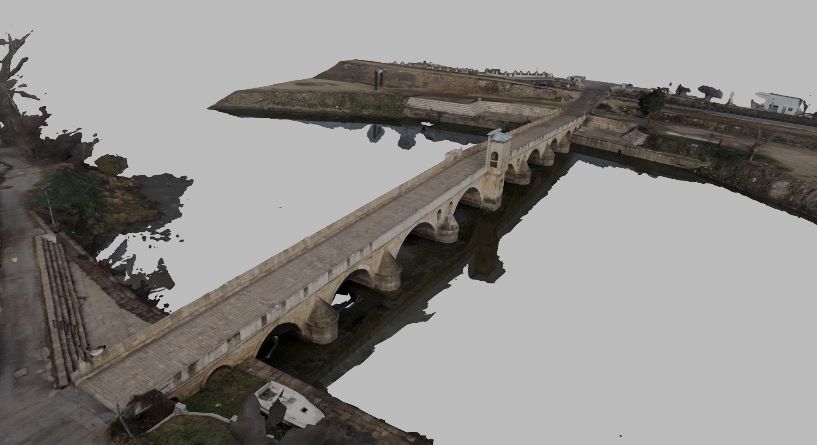
The stone arches across the Tunca make river crossing part of the Ottoman urban network, connecting Edirne’s monumental center with its surrounding approaches.
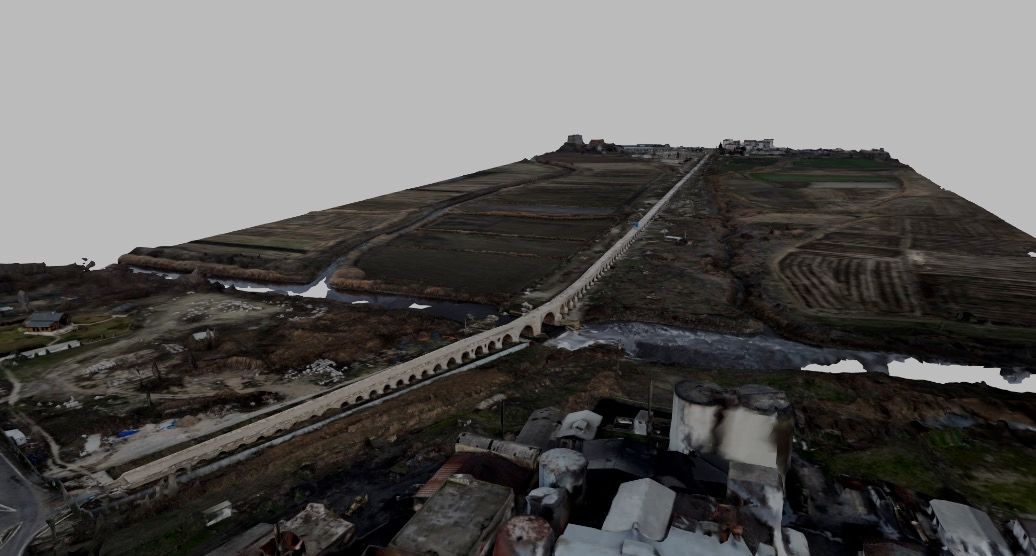 Stop 10
The extended sequence of stone arches across the Ergene broadens the route from Edirne’s urban monuments to the infrastructure of movement through Eastern Thrace.
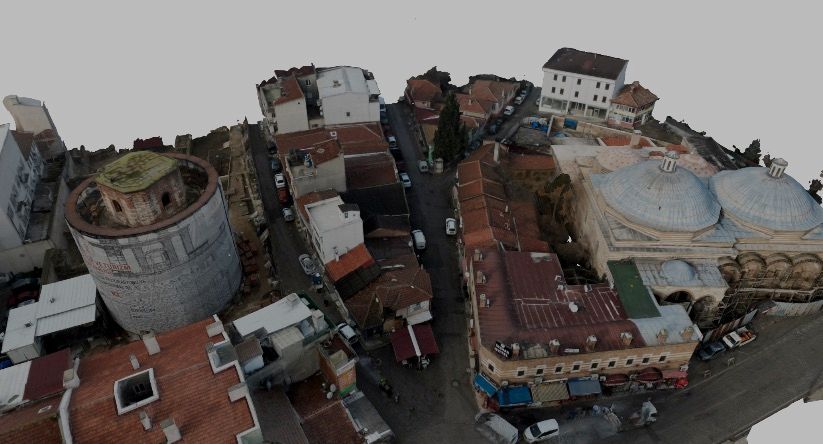 Stop 11
The Ottoman bathhouse beside a surviving fortification tower brings civic bathing and earlier defenses together, making Edirne’s layered urban fabric visible beyond its imperial mosques.
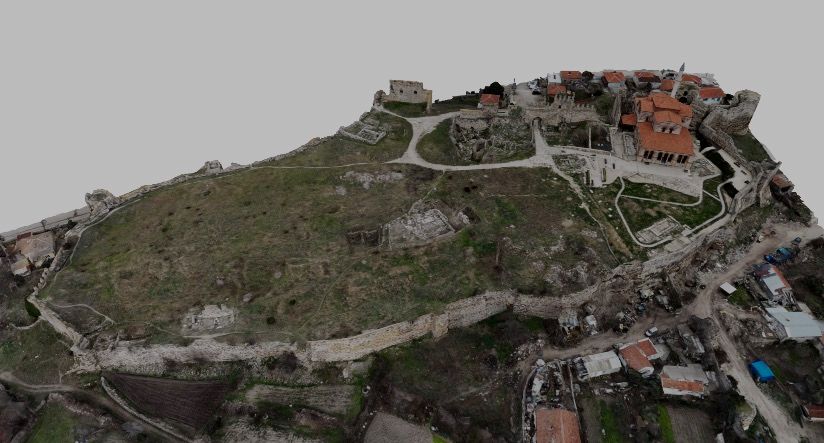 Stop 12
Reused ancient masonry, Byzantine repairs, and an Ottoman arch place successive occupations within one coastal fortress, extending the journey’s layered history to the Aegean edge.
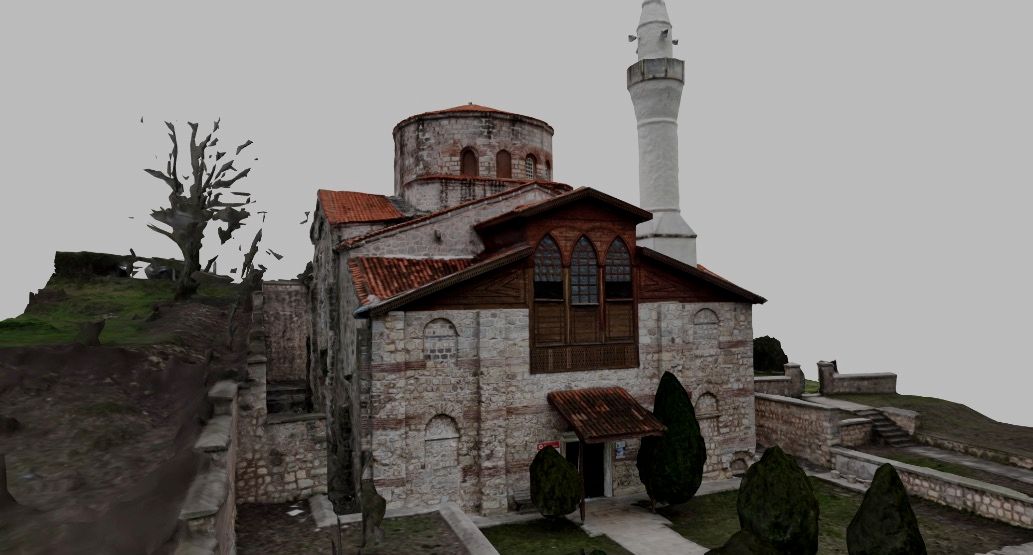 Stop 13
The Byzantine church’s dome and basilica plan remain legible after its conversion to a mosque, making religious reuse a concrete architectural question in the Thracian sequence.
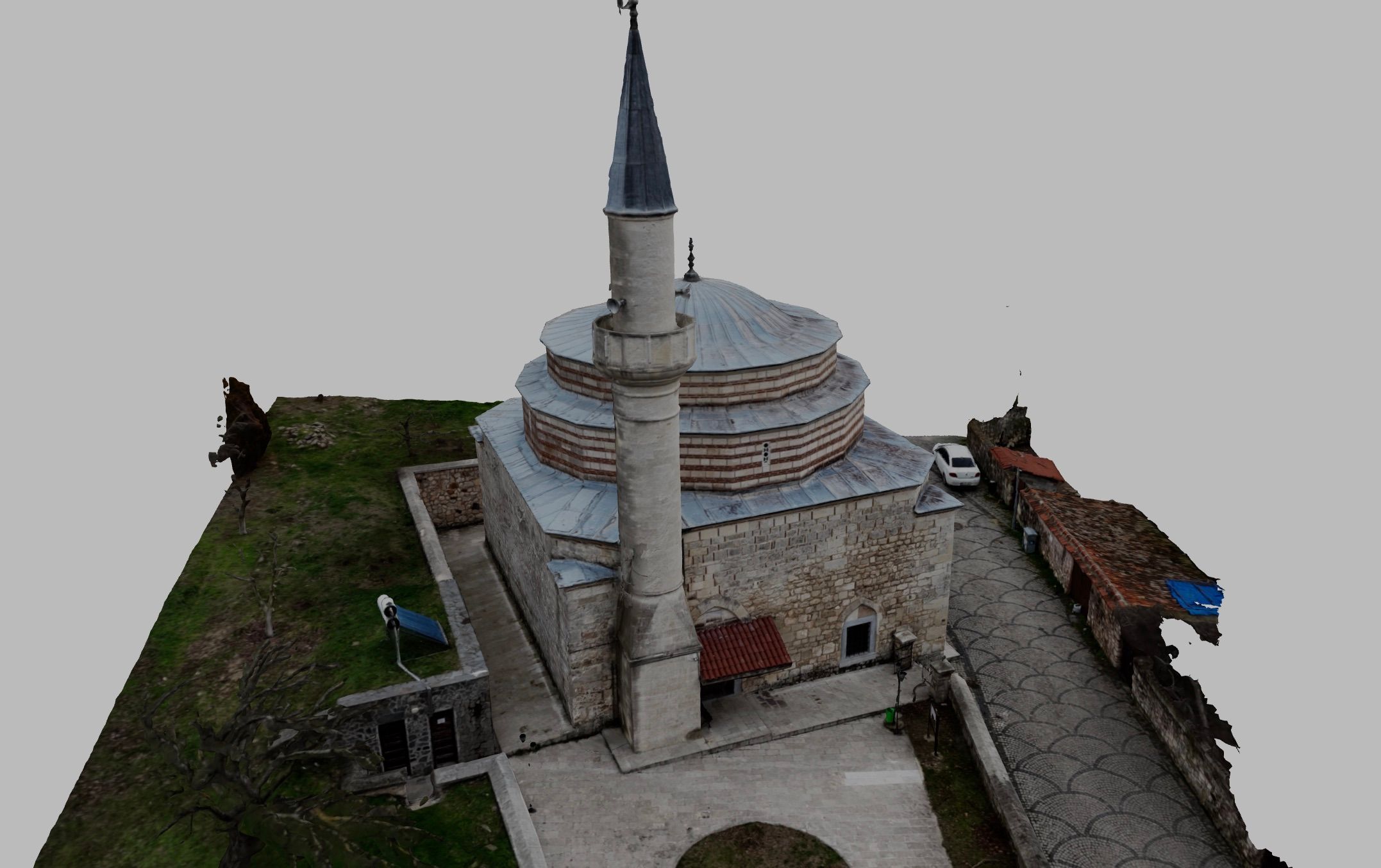 Stop 14
Formerly used as a synagogue, this compact, minaretless mosque extends the journey’s account of religious reuse beyond Vize’s Byzantine church conversion.
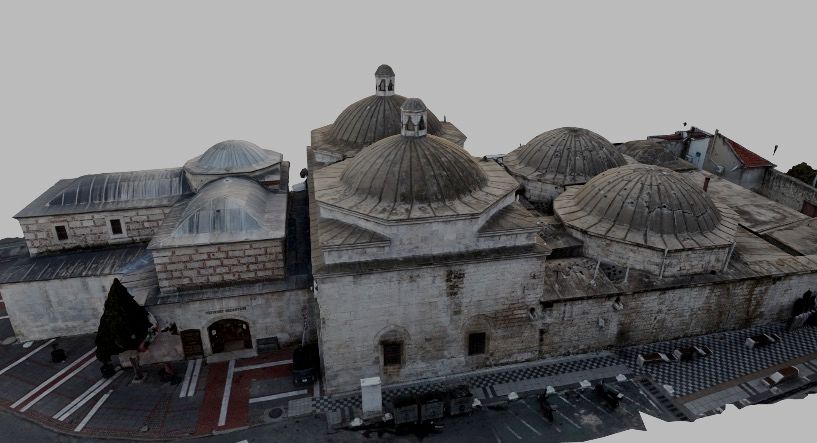 Stop 15
The paired bathhouse layout and adjoining market connect communal bathing with commercial space, extending the route’s Ottoman civic institutions into Kırklareli.
14 Stops
An encounter with the sublime through sea-cut rock, steep terraces, fortified ridges, and a monastery suspended against a cliff. Scale and exposure turn architecture into a negotiation with landscape.
15 Stops
A roadside collection of mimetic buildings, oversized advertisements, vernacular cosmologies, and deliberately eccentric landmarks.
20 Stops
Cities, villas, churches, castles, and a solitary house facade reveal how fragments invite us to imagine the spaces they once enclosed. A journey through survival, incompleteness, and the beauty of the ruin.