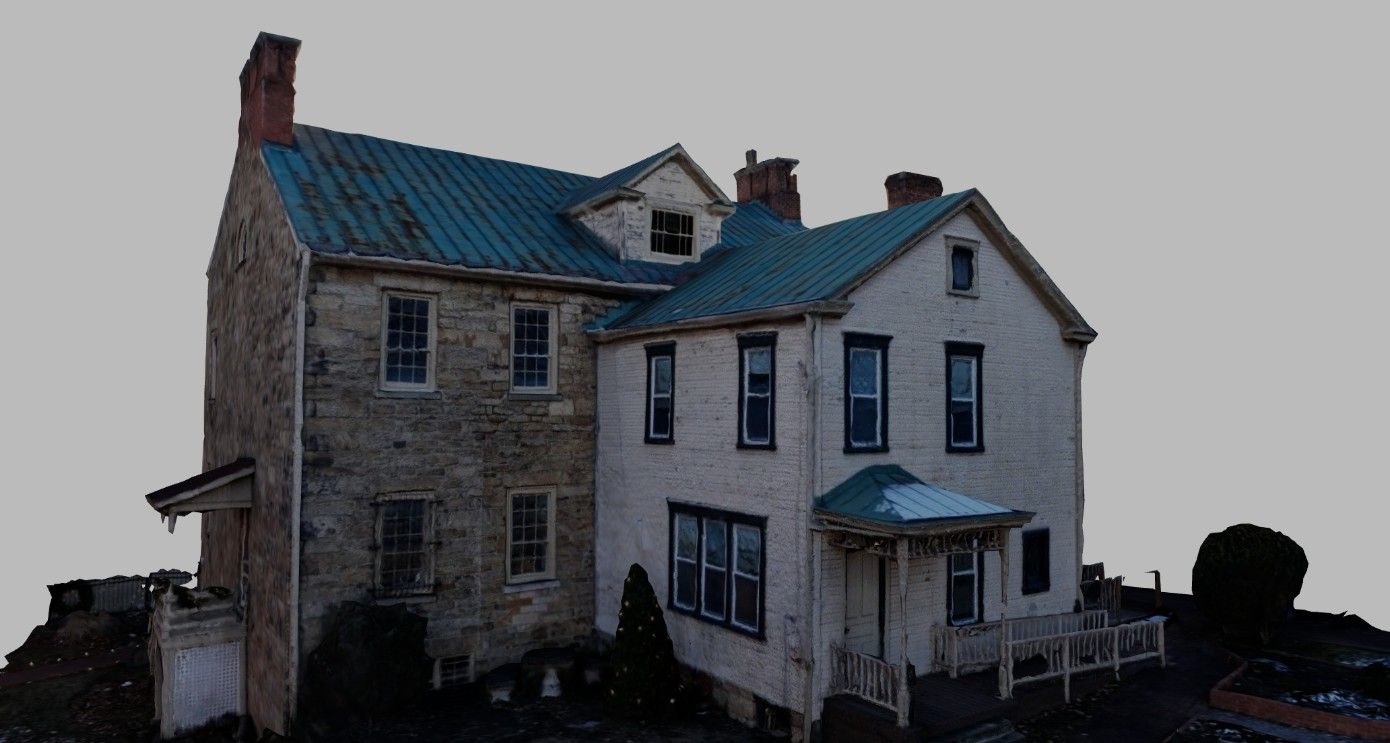
Stop 01LeMoyne House
LeMoyne's stone house sheltered freedom seekers on the Underground Railroad, giving abolitionist action a surviving domestic setting whose preservation makes resistance to enslavement part of public memory.
Architectural Heritage Route
A labor memorial, a segregation wall, a civil rights museum, a democratic square and bell, and a memorial to persecution show that public space is never merely a backdrop. Built forms can enforce exclusion or make collective claims visible.
17 geolocated stops
Curated Sequence
Stop 01LeMoyne's stone house sheltered freedom seekers on the Underground Railroad, giving abolitionist action a surviving domestic setting whose preservation makes resistance to enslavement part of public memory.
Stop 02Fort Negley's limestone defenses were built by free, impressed, and enslaved Black laborers, making a military landmark a place to acknowledge coercion within the history of emancipation.
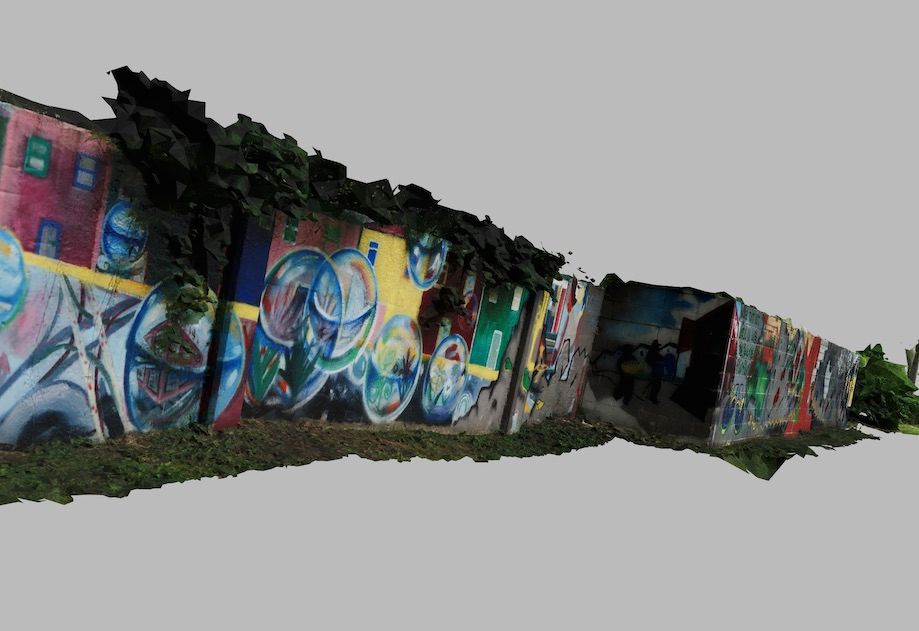
Stop 03Built to separate Black and white neighborhoods, the concrete wall makes exclusion physically legible, showing how a public structure could serve as an instrument of racial segregation.
Stop 04The museum incorporates the Lorraine Motel where Martin Luther King Jr. was assassinated, turning a site of political violence into a setting for civil-rights remembrance.
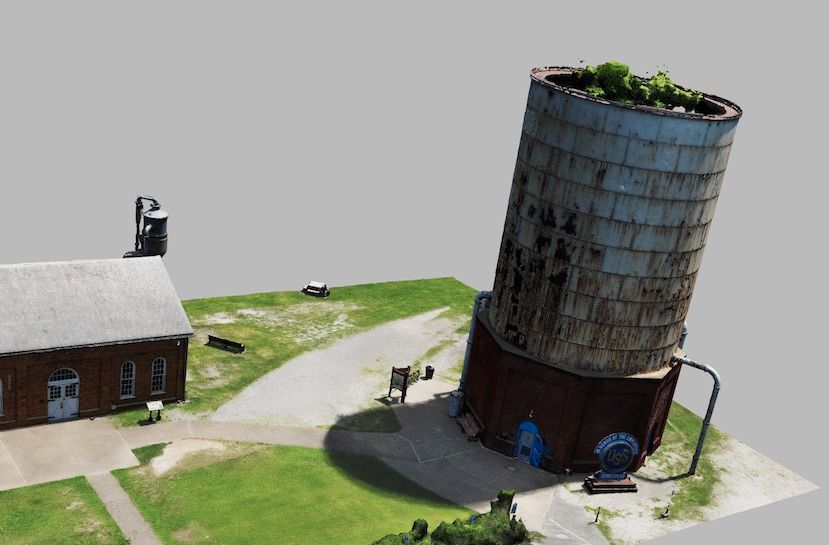
Stop 05Homestead's brick Pump House marks the confrontation between striking steelworkers and Pinkertons in 1892, bringing the struggle over industrial labor into the surviving architecture of the workplace.
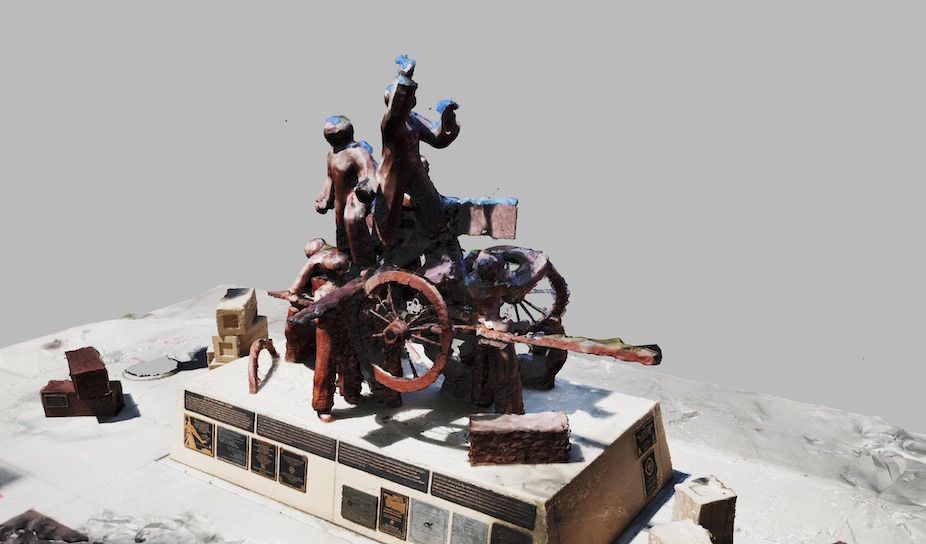
Stop 06Plaques from international labor organizations surround Haymarket's memorial, turning a specific Chicago labor conflict into public remembrance shared across communities and national borders.
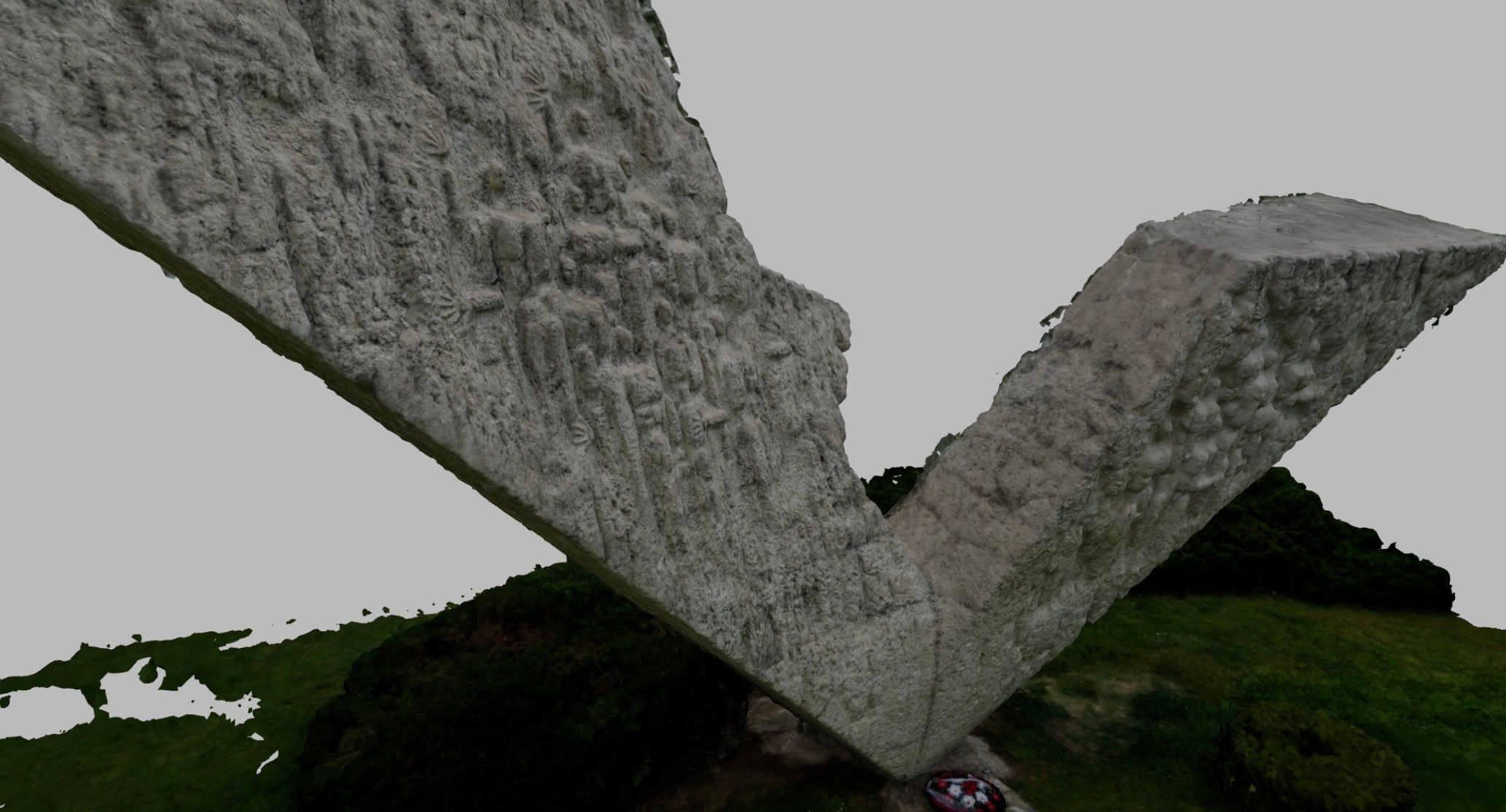
Stop 07Interrupted Flight's paired concrete wings stand at the grave of executed pupils and teachers, making the destruction of young lives a distinct public claim within remembrance of Nazi violence.
Stop 08Novi Sad's bronze family and plaques naming raid victims occupy the Danube quay, placing remembrance of targeted Serb, Jewish, and Roma civilians within the city's everyday riverfront.
Stop 09Garavice's carved stone forms mark a site of civilians' execution by Ustaše forces, giving an otherwise open landscape a public obligation to remember victims of ethnic persecution.
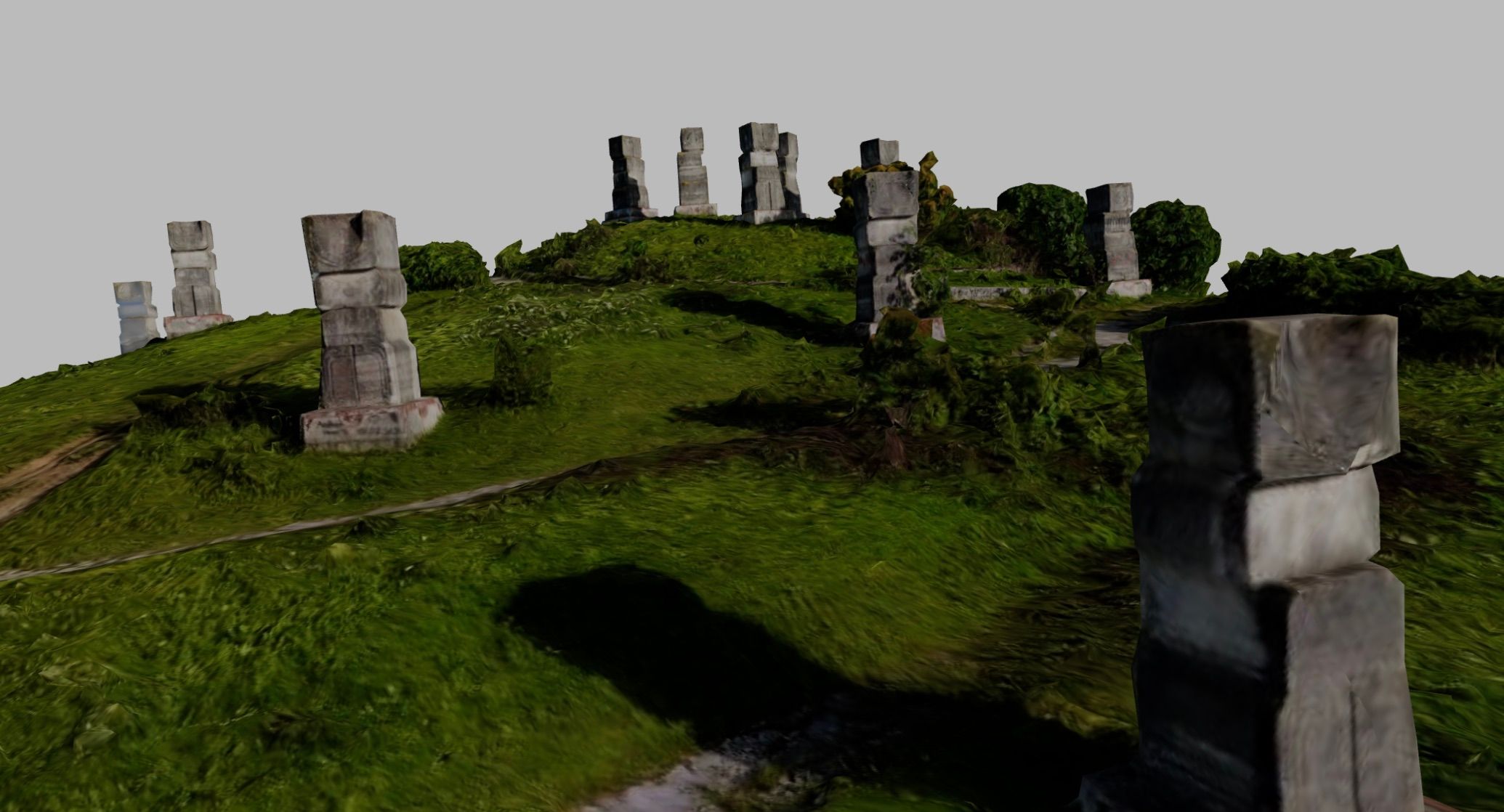
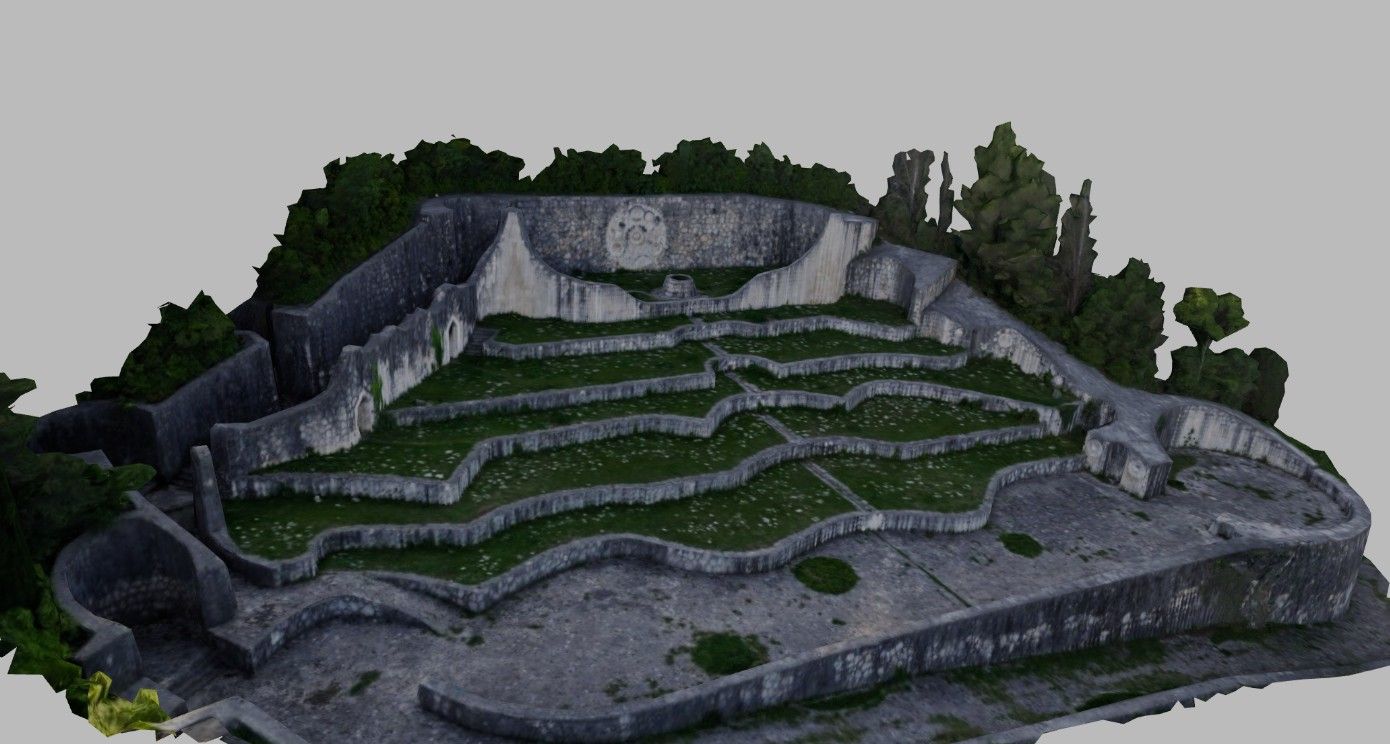
Stop 10Mostar's Partisan Memorial Cemetery arranges stone markers across rising terraces, giving local antifascist fighters a collective place within the city and making their remembrance part of its landscape.
Stop 11Vimy's pale pylons and inscribed names commemorate Canadian soldiers without known graves in France, giving absence a visible public record within a landscape shaped by war.
Stop 12Granite pylons inlaid with pink triangles recall a badge imposed on gay men under Nazism, making recognition of persecution visible within the Castro's public landscape.
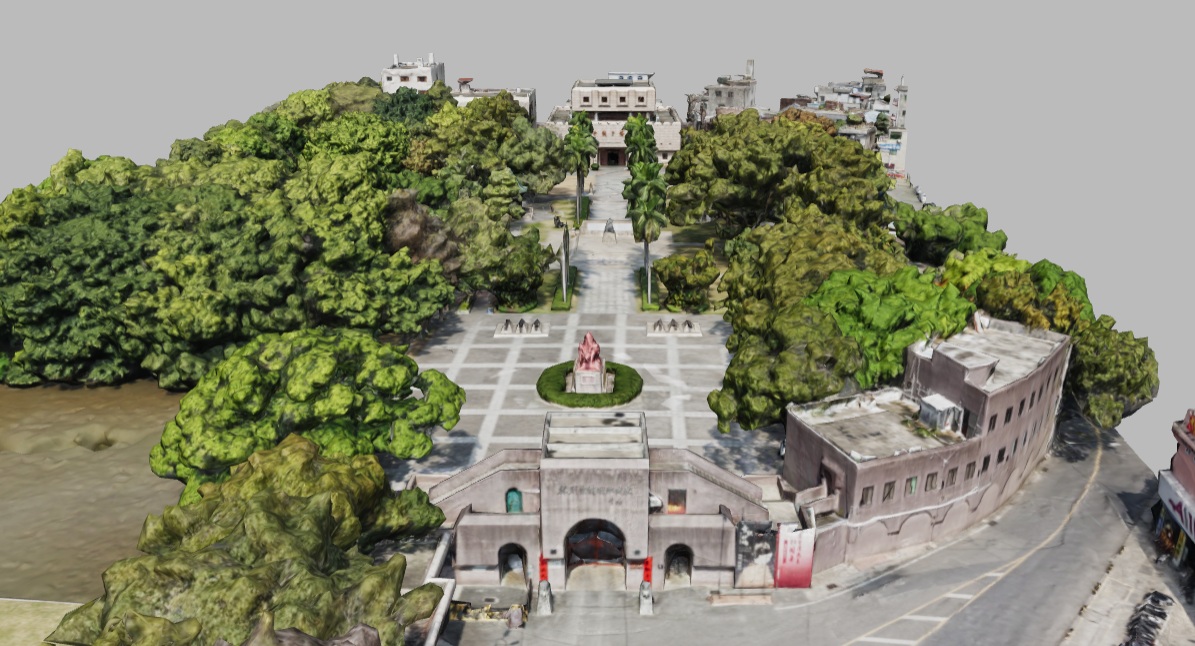
Stop 13Humen's restored opium destruction pools preserve the ground of Lin Zexu's 1839 action, making resistance to the foreign opium trade a physical subject of public remembrance.
Stop 14Wen Yiduo's memorial marks the Kunming alley where the outspoken scholar was assassinated, turning an ordinary residential approach into a public record of political repression and intellectual resistance.
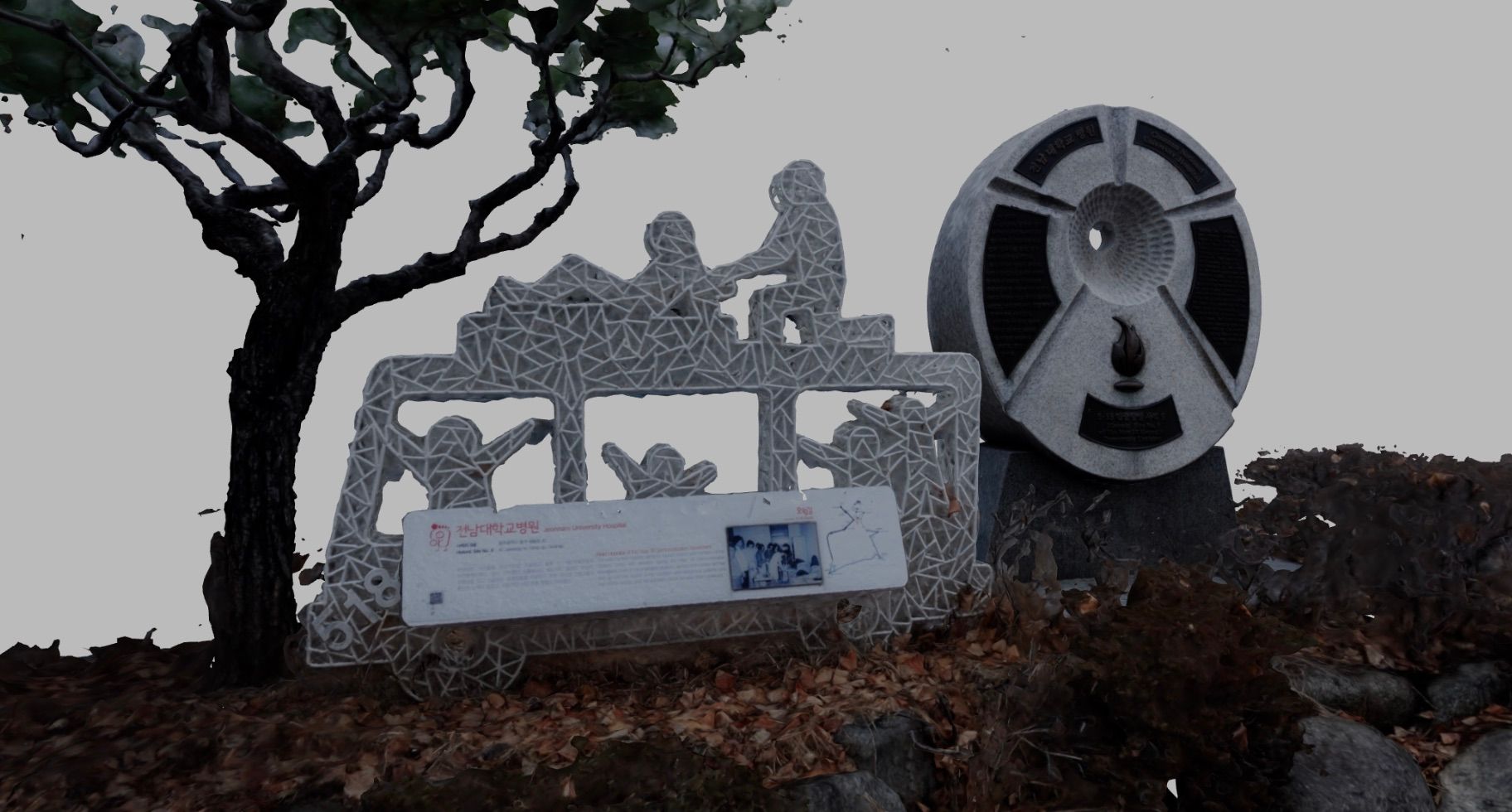
Stop 15The hospital's May 18 memorial recalls medical staff treating injured citizens during Gwangju's uprising, recognizing care as part of the city's public history of democratic resistance.
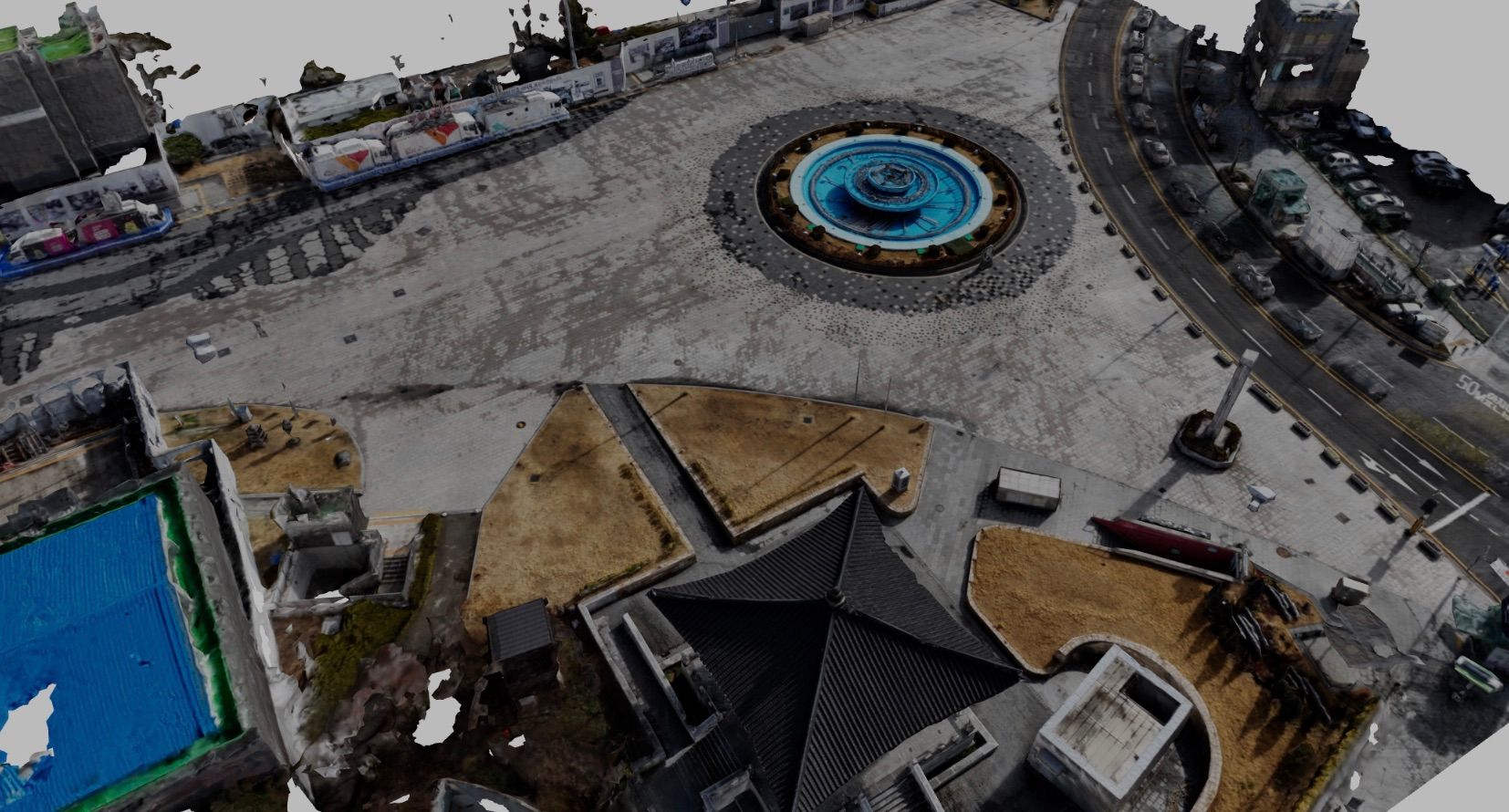
Stop 16The square beside Gwangju's former provincial government office commemorates the democratic uprising, joining a setting of public assembly with the state building around which resistance gathered.
Stop 17The Bell of Democracy gives Gwangju's democratic remembrance a distinct public object, concentrating the commemorative role of the surrounding square within a single recognizable monument.
15 Stops
Memorial architecture spanning the events of 1914, Second World War partisan memory, the breakup of Yugoslavia, and the NATO bombing campaign.
41 Stops
Furnaces, mines, mills, breweries, shipyards, utilities, and manufacturing workshops expose the forms behind finished products. Working machinery, abandoned structures, surviving fragments, and reused plants reveal industry as architecture, labor, energy, and material transformation.
11 Stops
Observatories and sundials make the movement of the heavens legible on earth. A journey from monumental instruments and scientific buildings to garden timekeeping and the public politics of daylight.