

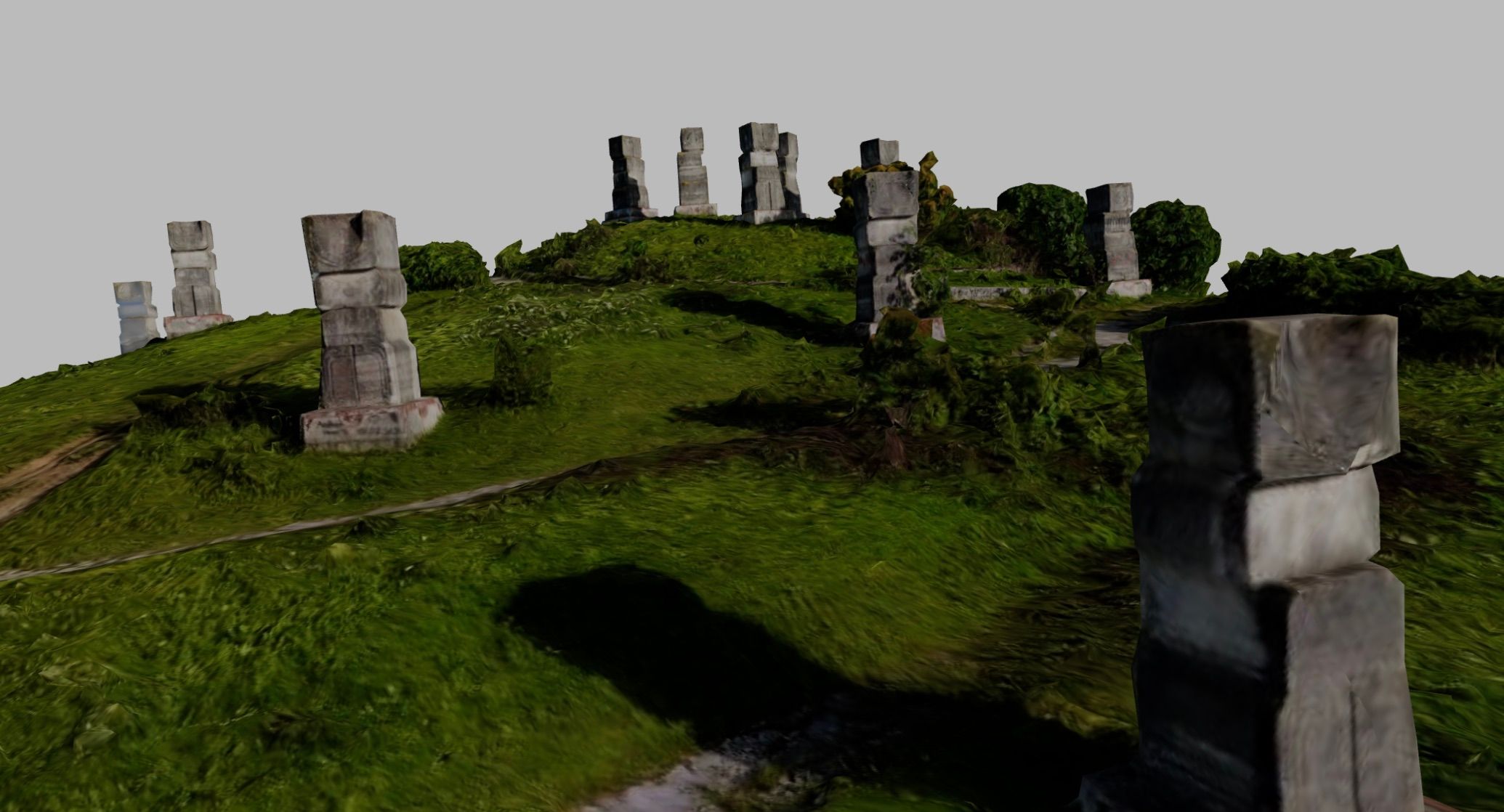
 Stop 01
Stop 1 of 15Bosnia & Herzegovina
Memorial Park Garavice
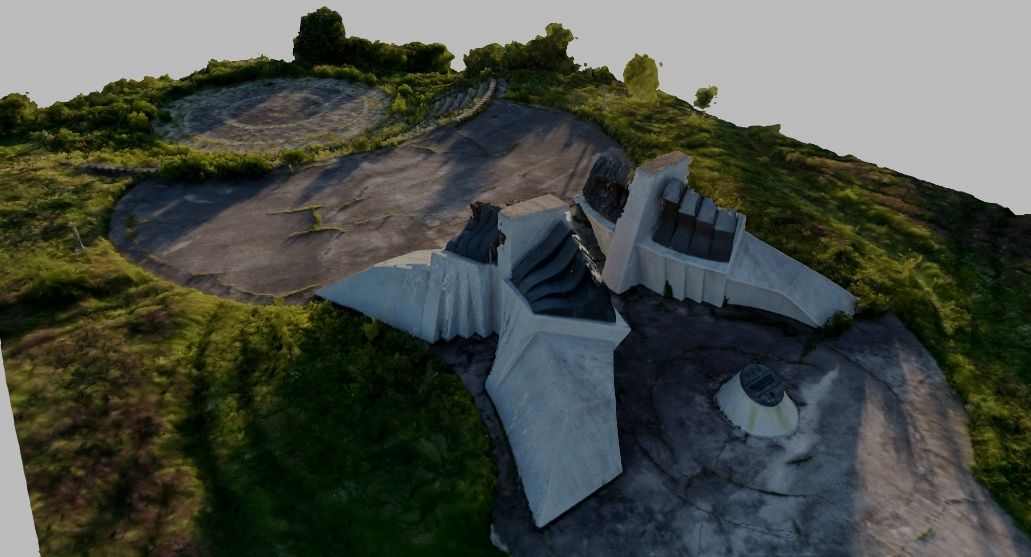
The carved stone pillars mark a site of Ustaše mass executions, anchoring the journey’s abstract memorial forms in the killing of Serb, Jewish, and Roma civilians.
Architectural Heritage Route
Memorial architecture spanning the events of 1914, Second World War partisan memory, the breakup of Yugoslavia, and the NATO bombing campaign.
15 geolocated stops
Curated Sequence
Stop 01The carved stone pillars mark a site of Ustaše mass executions, anchoring the journey’s abstract memorial forms in the killing of Serb, Jewish, and Roma civilians.
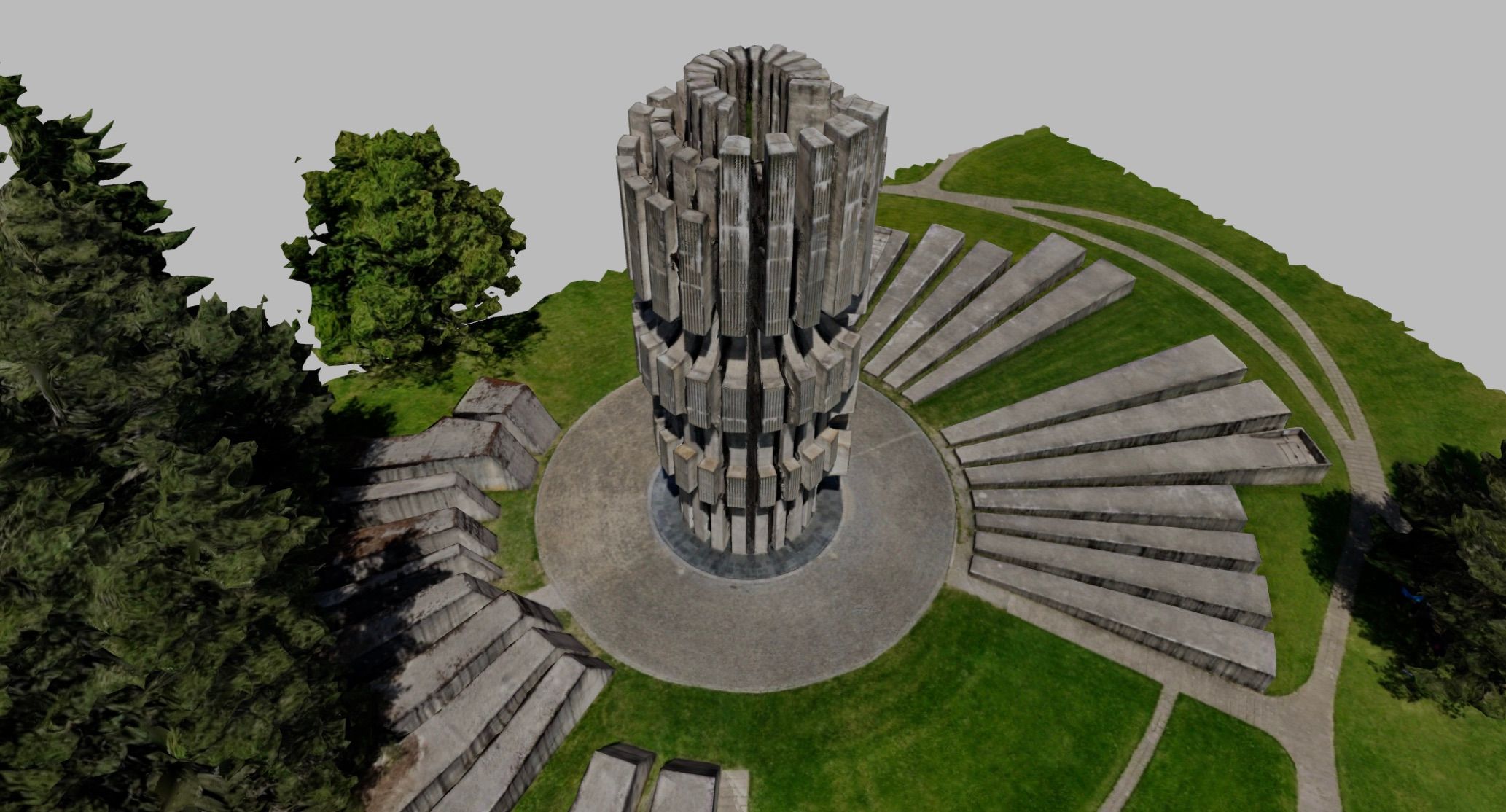 Stop 02
The cylindrical arrangement of concrete fins and steel bands commemorates the Kozara campaign, linking monumental abstraction with both Partisan losses and civilian persecution.
 Stop 03
The bronze maternal figure and narrative relief supply a figurative counterpart to the route’s abstract memorials, connecting Partisan commemoration with civilian bereavement.
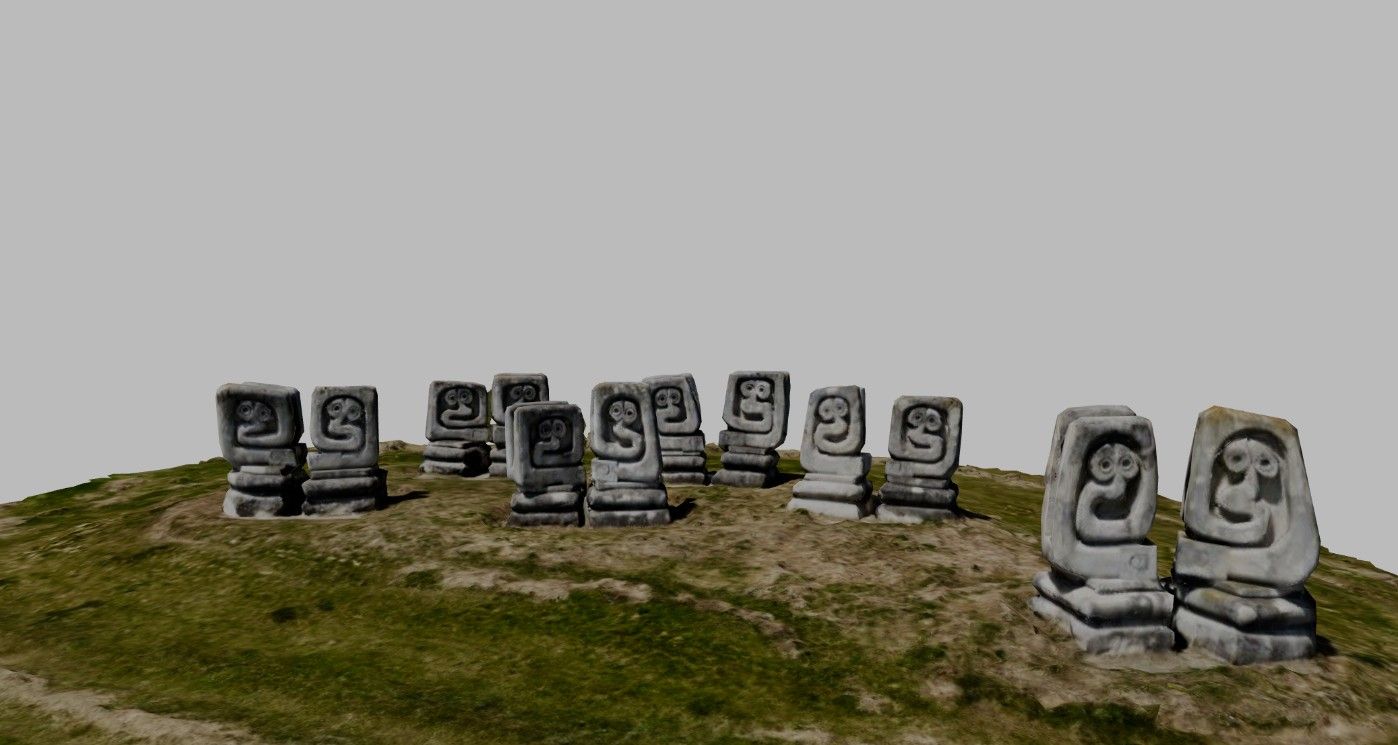 Stop 04
The carved monoliths above Novi Travnik mark a cemetery for people executed during the Second World War, linking sculptural abstraction with burial and civilian loss.
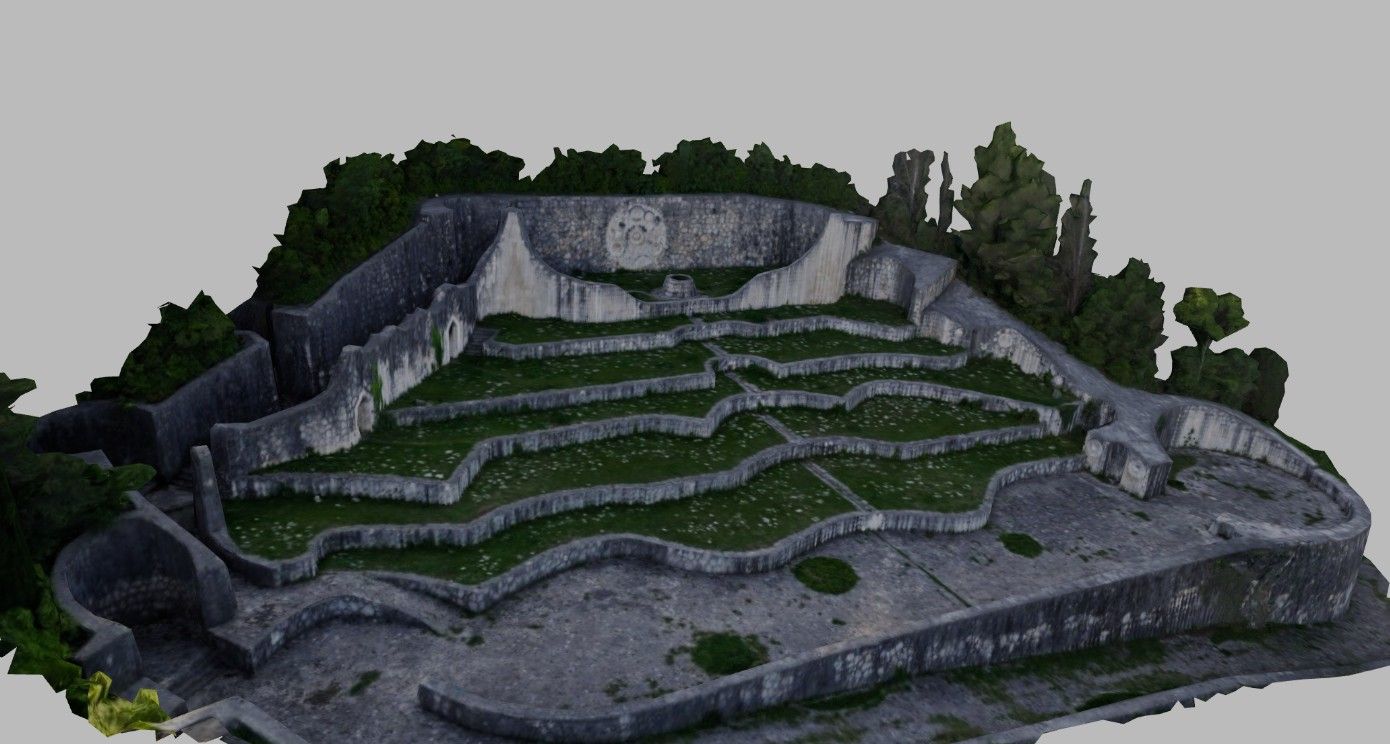 Stop 05
The terraced cemetery and individual stone markers bring Mostar’s killed Partisans into an organized commemorative landscape, connecting architectural procession with the naming of the dead.
 Stop 06
The two angular concrete masses frame a passage at the Sutjeska memorial, giving the route a spatial commemoration of the Partisan battle and its losses.
 Stop 07
The Ottoman stone bridge locates the 1914 assassination within Sarajevo’s ordinary street network, extending the journey’s war-memory chronology beyond purpose-built memorial architecture.
 Stop 08
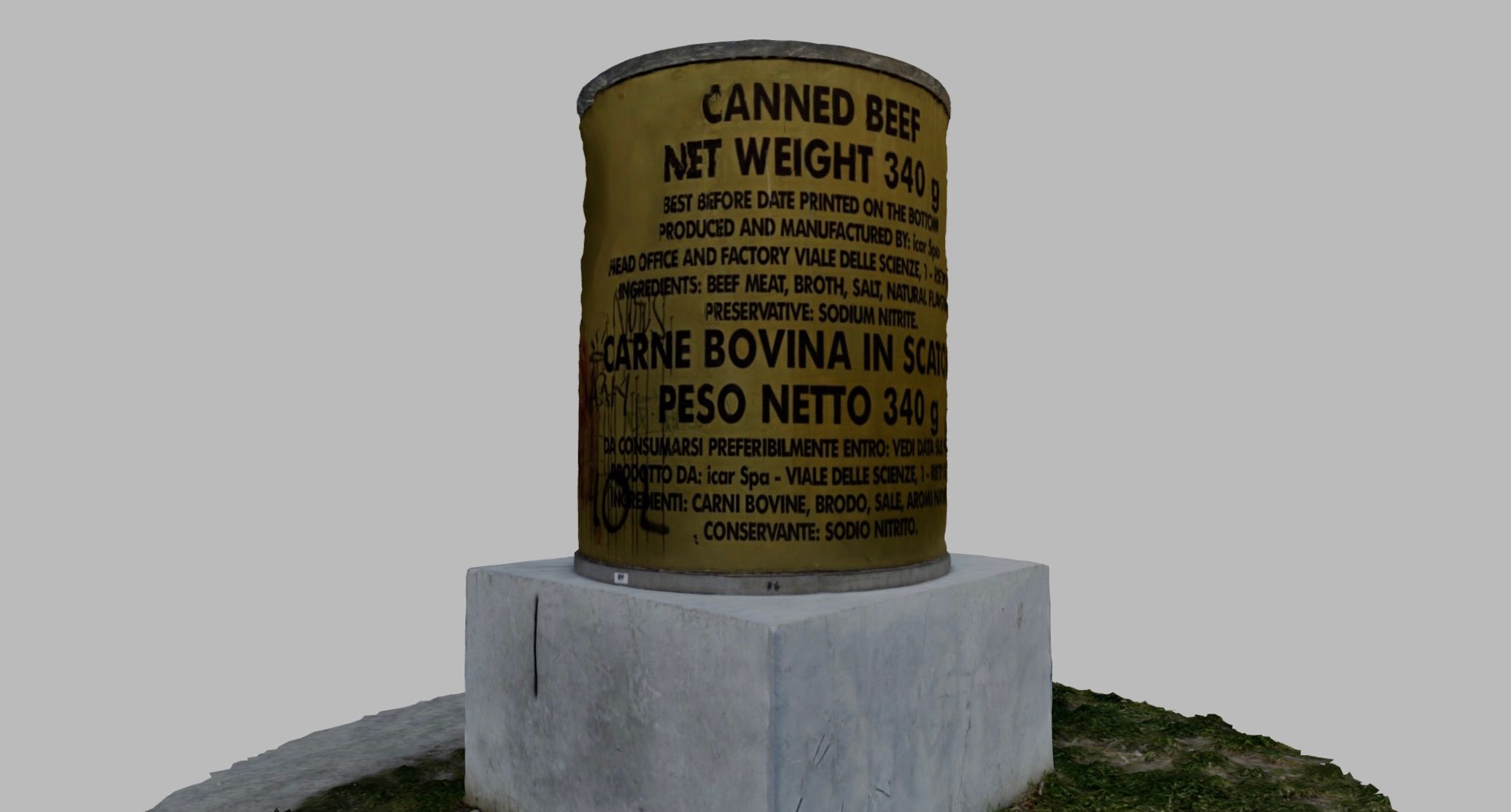
The enlarged aid tin makes everyday siege relief an object of civic criticism, shifting the journey from state-sponsored Partisan memory to Sarajevo’s civilian experience.
 Stop 09
Repurposed aircraft wings anchor the route’s aviation memorial, showing how military hardware could become a material language for commemorating the Partisan war.
 Stop 10
The ossuary and procession of concrete sculptures connect the Workers’ Battalion’s deaths at Kadinjača with a landscape designed to commemorate the defense of Užice.
 Stop 11
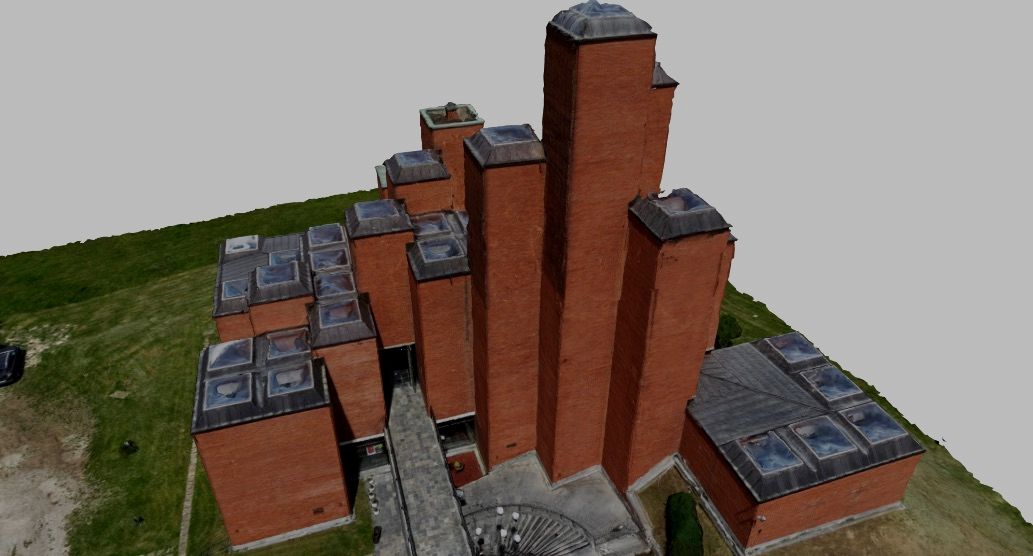
The museum’s windowless, clustered brick volumes connect architectural enclosure with the documentation of German occupation forces’ execution of civilians at Kragujevac.
 Stop 12
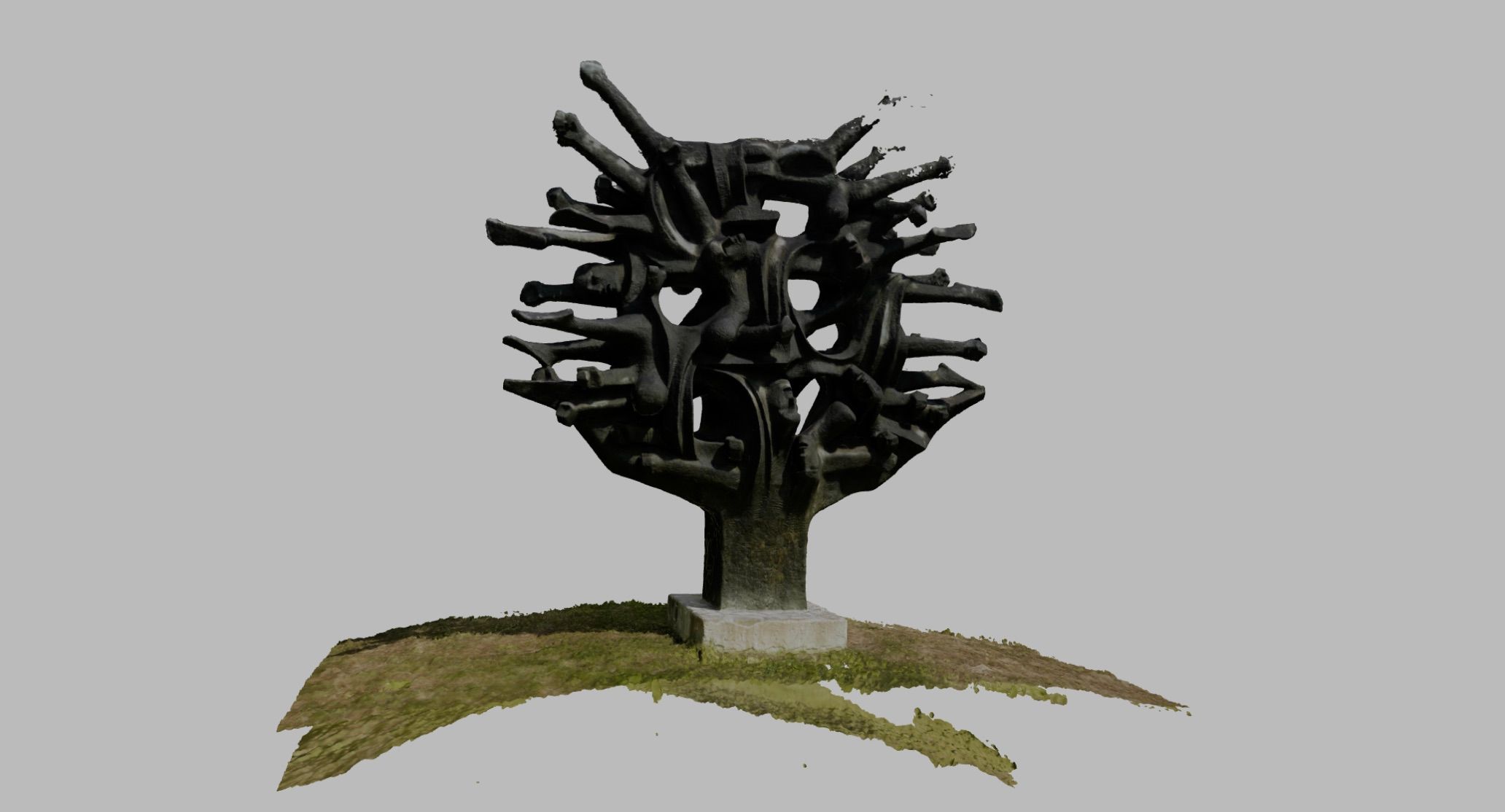
The interlaced bronze bodies make German occupation reprisal policy explicit within the Kragujevac memorial landscape, countering the route’s tendency toward nonfigurative abstraction.
 Stop 13
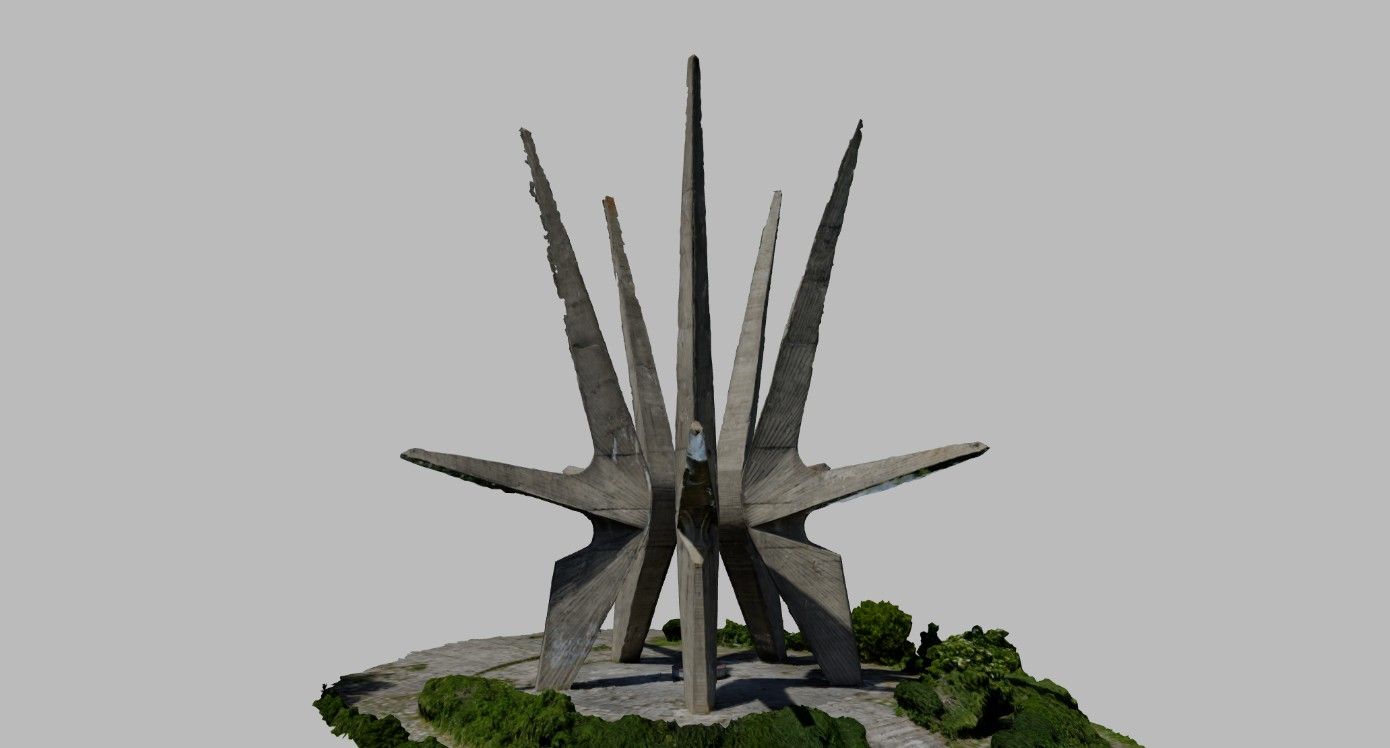
The radiating concrete elements commemorate a local Partisan detachment, showing how a mountain landmark could give regional resistance a place within Yugoslav public memory.
 Stop 14
The reconstructed telecommunications tower introduces infrastructure destroyed in the 1999 NATO bombing campaign, extending the journey from wartime memorials to the rebuilding of a civic landmark.
 Stop 15
Paired concrete forms mark an execution ground near Pančevo, keeping the route’s abstract memorial architecture tied to the murdered Serb, Jewish, and Roma civilians.
17 Stops
A labor memorial, a segregation wall, a civil rights museum, a democratic square and bell, and a memorial to persecution show that public space is never merely a backdrop. Built forms can enforce exclusion or make collective claims visible.
10 Stops
Residential slabs, sculptural balconies, monumental gateways, planning offices, sports centers, a broadcasting tower, and an exhibition hall explore Yugoslav modernism’s civic scale. Collective housing, leisure, communications, and public spectacle share an ambition to give Belgrade a new form.
10 Stops
A route from the Roman cities of Gaul to the Germanic frontier and Trier, the late imperial residence once described as a second Rome.