

 Stop 01
Stop 1 of 14California, United States
Pfeiffer Beach Keyhole Rock
Keyhole Rock's sea-cut opening frames the shore on nature's own terms, introducing the exposed terrain that later buildings occupy through terraces, ramparts, and ledges.
Architectural Heritage Route
An encounter with the sublime through sea-cut rock, steep terraces, fortified ridges, and a monastery suspended against a cliff. Scale and exposure turn architecture into a negotiation with landscape.
14 geolocated stops
Curated Sequence
Stop 01Keyhole Rock's sea-cut opening frames the shore on nature's own terms, introducing the exposed terrain that later buildings occupy through terraces, ramparts, and ledges.
 Stop 02
Penglai's wooden pavilions stand above the coast on Danya Mountain, offering an exposed meeting of sacred buildings, sea horizons, and the edge of the land.
 Stop 03
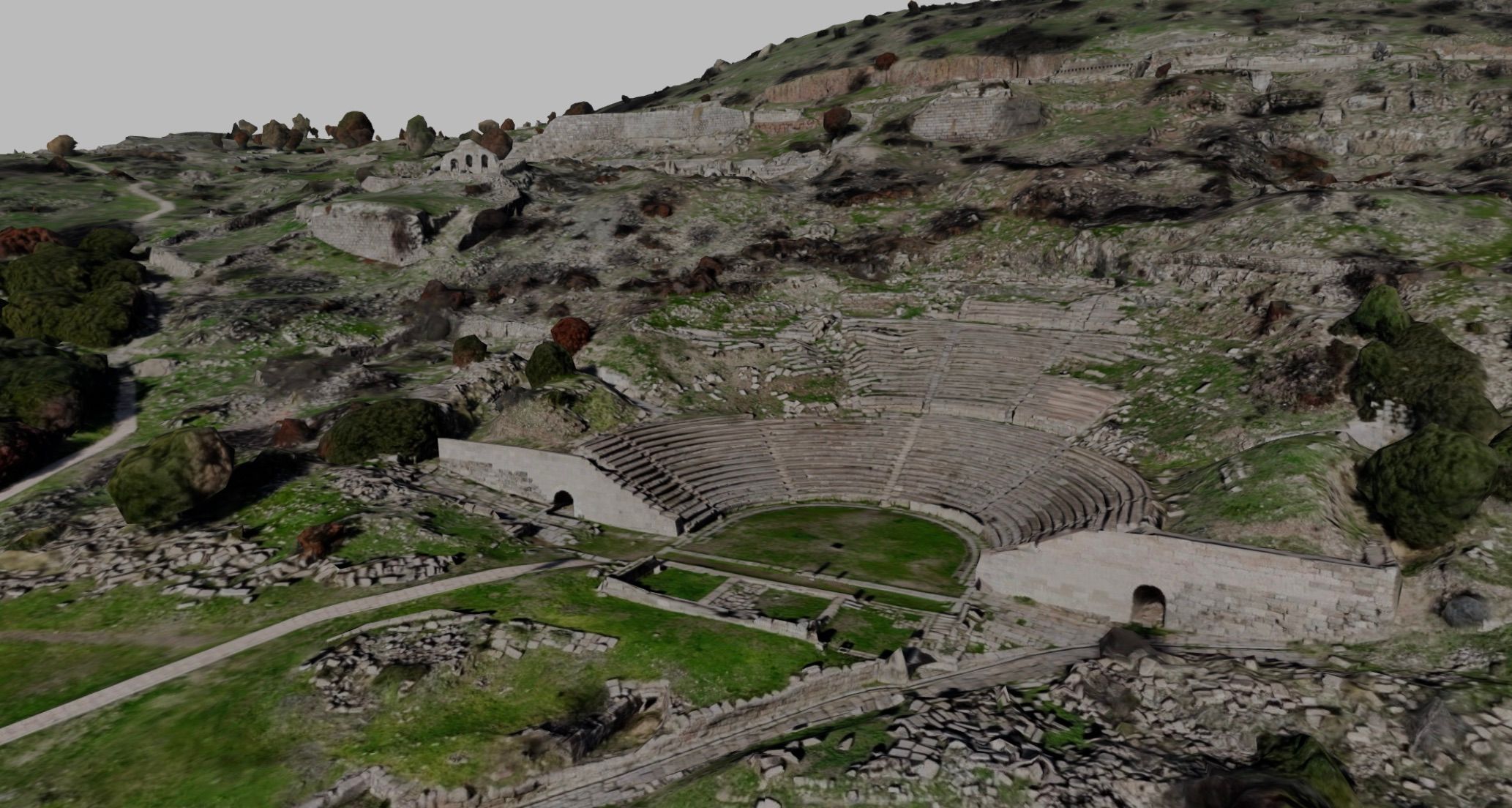
Assos's lower city descends a volcanic hillside toward its harbor, extending the encounter with exposed terrain from an isolated monument to the relationship between settlement and sea.
 Stop 04
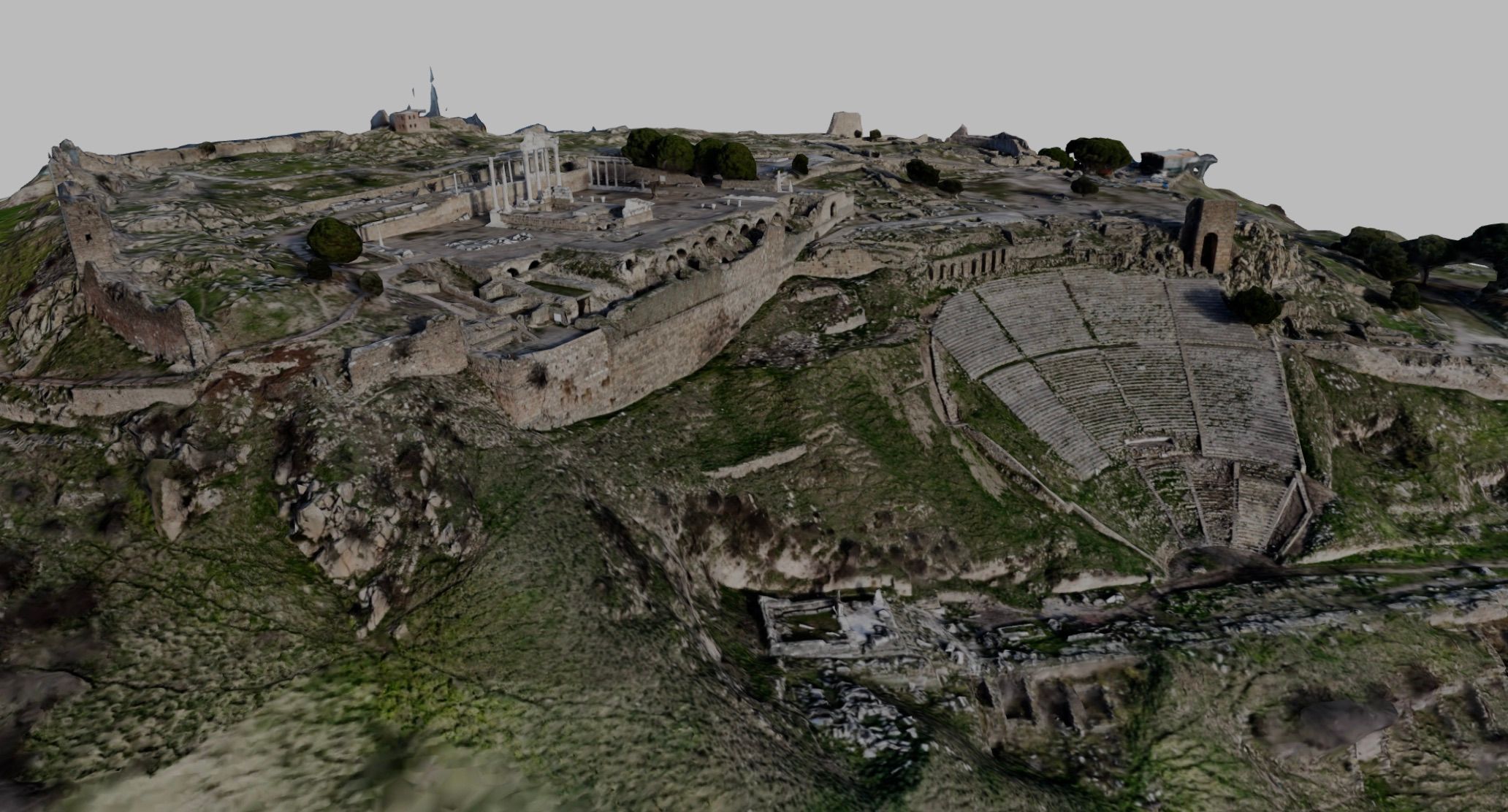
Pergamon's steep hillside theater and terraced acropolis convert a difficult summit into civic space, making the landscape's scale an active part of its monumental composition.
 Stop 05
Počitelj's fortress rises above a settlement descending toward the Neretva, making the slope between river, houses, and defenses part of a single inhabited landscape.
 Stop 06
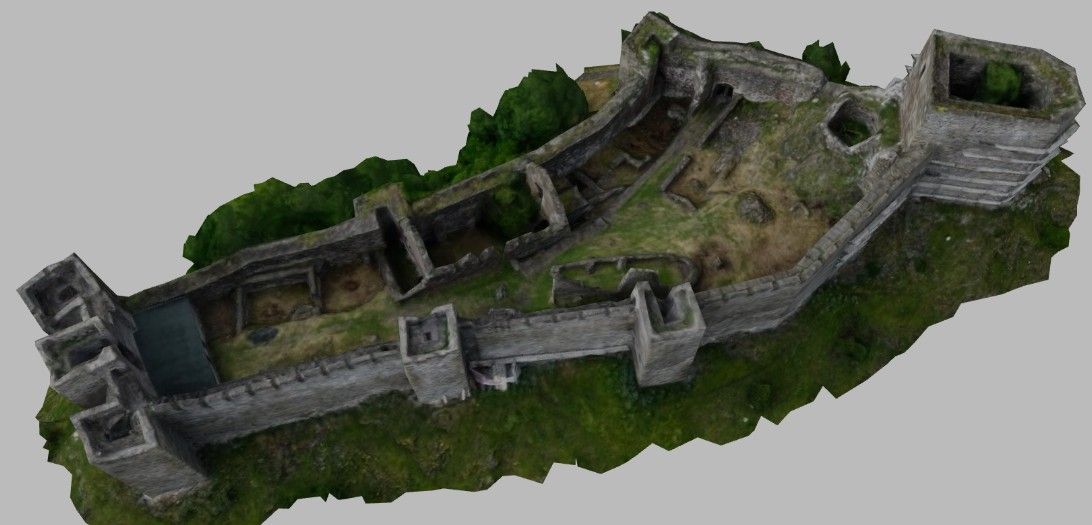
Maglič's walls occupy a hill above a sharp bend in the Ibar, allowing the river's enclosing course to amplify the separation of the fortress from surrounding ground.
 Stop 07
Urartian tombs cut into Van's high rock citadel make the bluff part of the architecture, bringing royal ambition into direct contact with geology.
 Stop 08
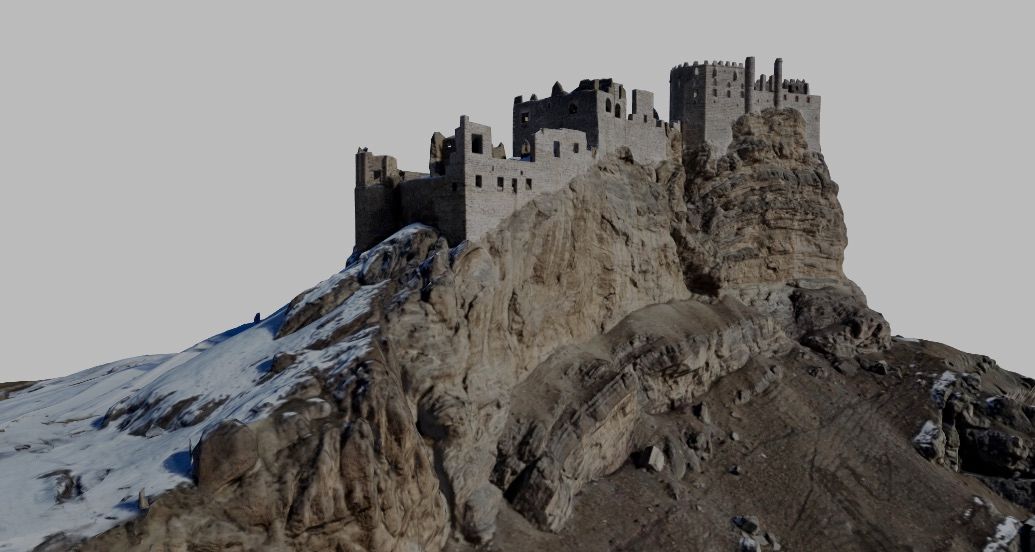
Hoşap's inner fortress rises above its outer enclosure on a steep outcrop, concentrating defensive and residential space in a visibly vertical composition.
 Stop 09
Ishak Pasha's elevated courtyards and domed mosque set an extensive palace complex against open terrain, showing how exposed ground can amplify an inhabited building's scale.
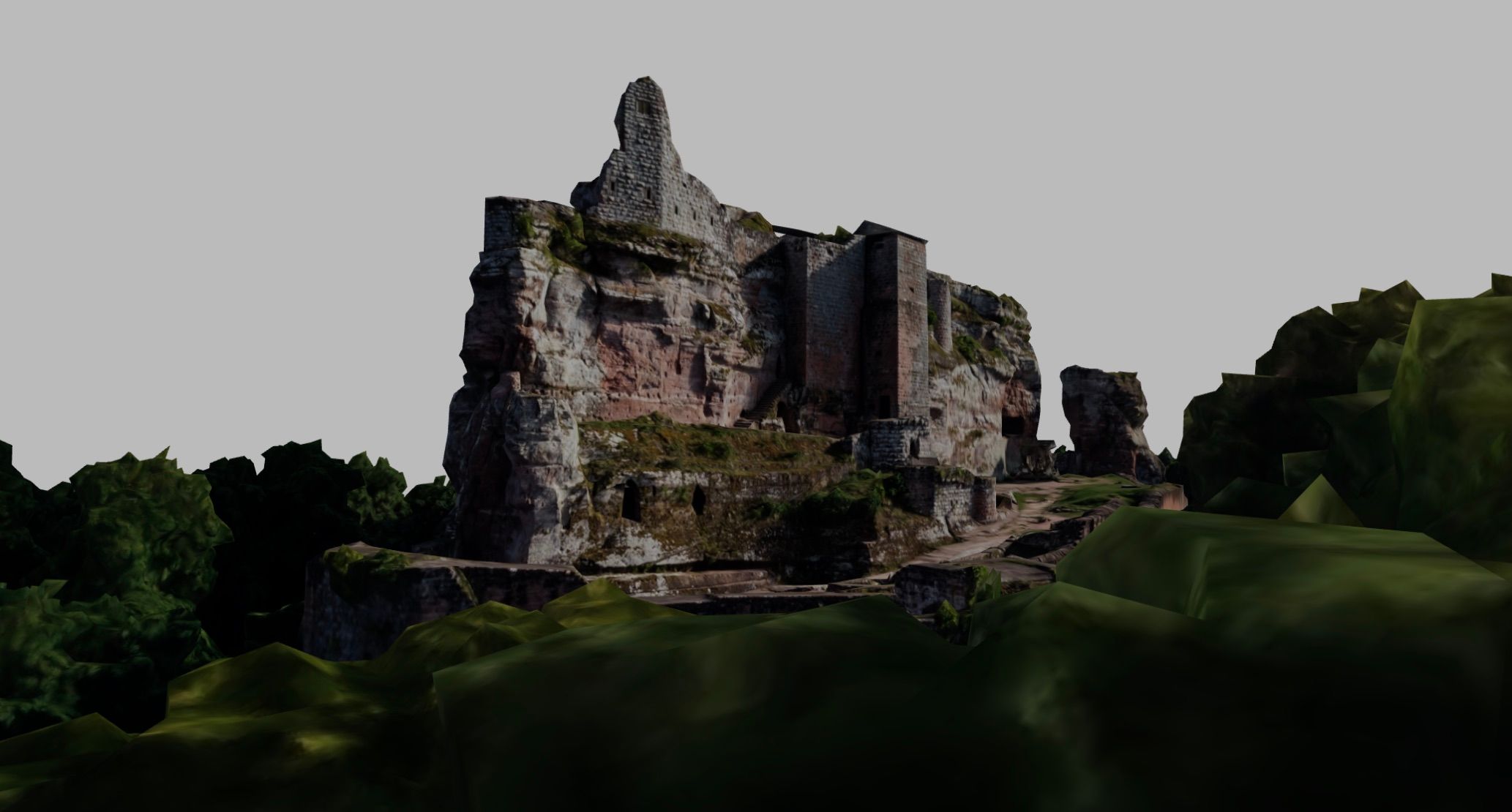 Stop 10
Fleckenstein's stairs and chambers were cut into a narrow sandstone summit, making movement through the fortress depend on the shape and limits of the rock itself.
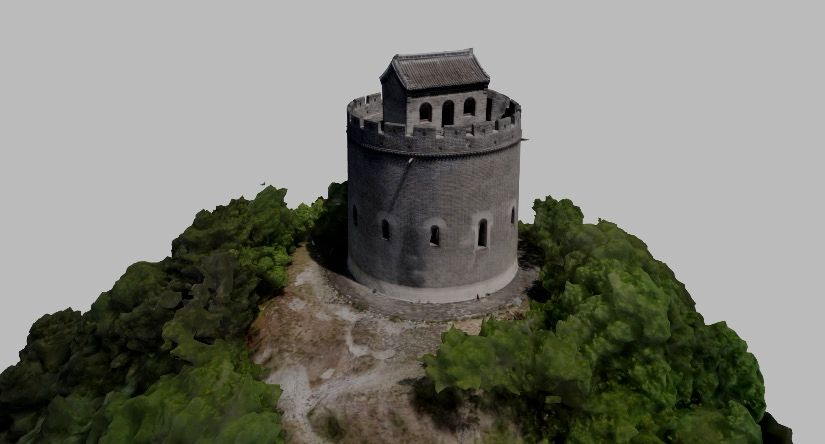 Stop 11
Phoenix Tower occupies an isolated peak on the Huangyaguan Great Wall, setting a restored circular brick structure against natural cliffs that continue the work of the defenses.
 Stop 12
Huguo Gate follows a sheer cliff, with sockets recording a removable plank road, making the narrow approach and absence of secure footing part of its defensive architecture.
 Stop 13
Sümela's rock church and multistory monastic buildings occupy a narrow cliffside ledge, making sacred habitation appear small against the rock face that supports it.
 Stop 14
The Drina's small wooden house rests on a rock in the river, bringing exposure down to domestic scale where the current surrounds the building on every side.
20 Stops
Cities, villas, churches, castles, and a solitary house facade reveal how fragments invite us to imagine the spaces they once enclosed. A journey through survival, incompleteness, and the beauty of the ruin.
30 Stops
Across Reims, Metz, Strasbourg, and the northern Vosges, Roman reliefs, Gothic glass, courtly interiors, and public squares trace how communities have expressed belief, authority, and belonging. Coronation ritual and monastic memory meet imperial urban planning, the rebuilding of libraries and theatres, and contemporary art and solidarity. Together, these places reveal a regional culture continually remade through exchange, conflict, and care.
22 Stops
From a regional opera theater to grand European performance houses and a contemporary Chinese arts complex, these buildings turn gathering into ceremony. A journey through the places where a city presents itself to an audience.