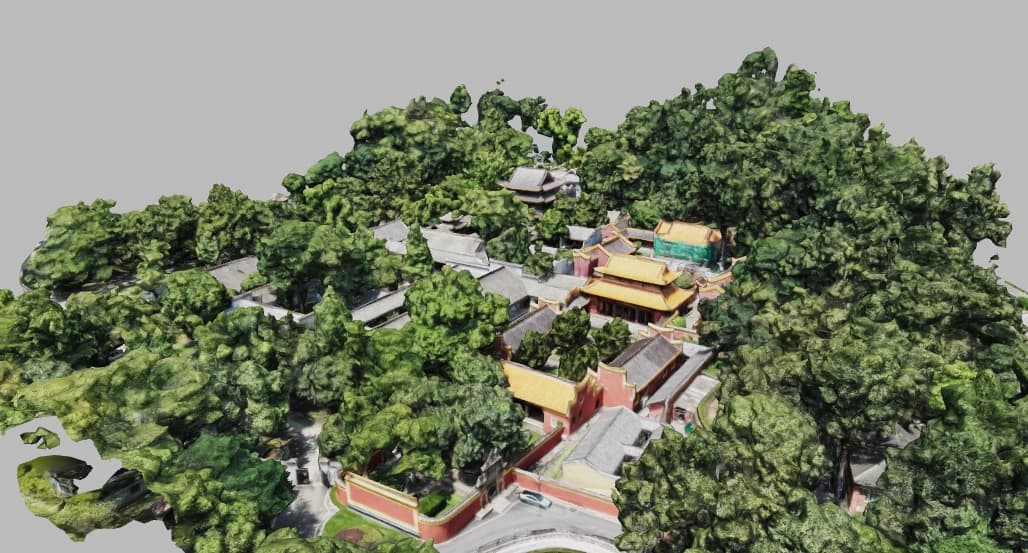
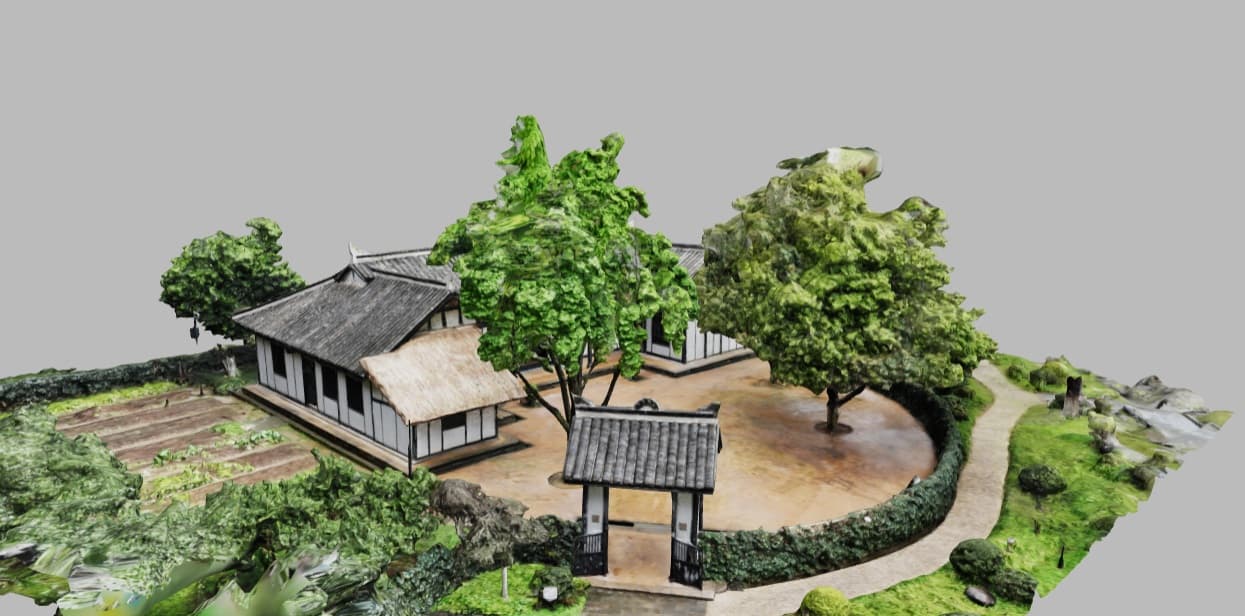
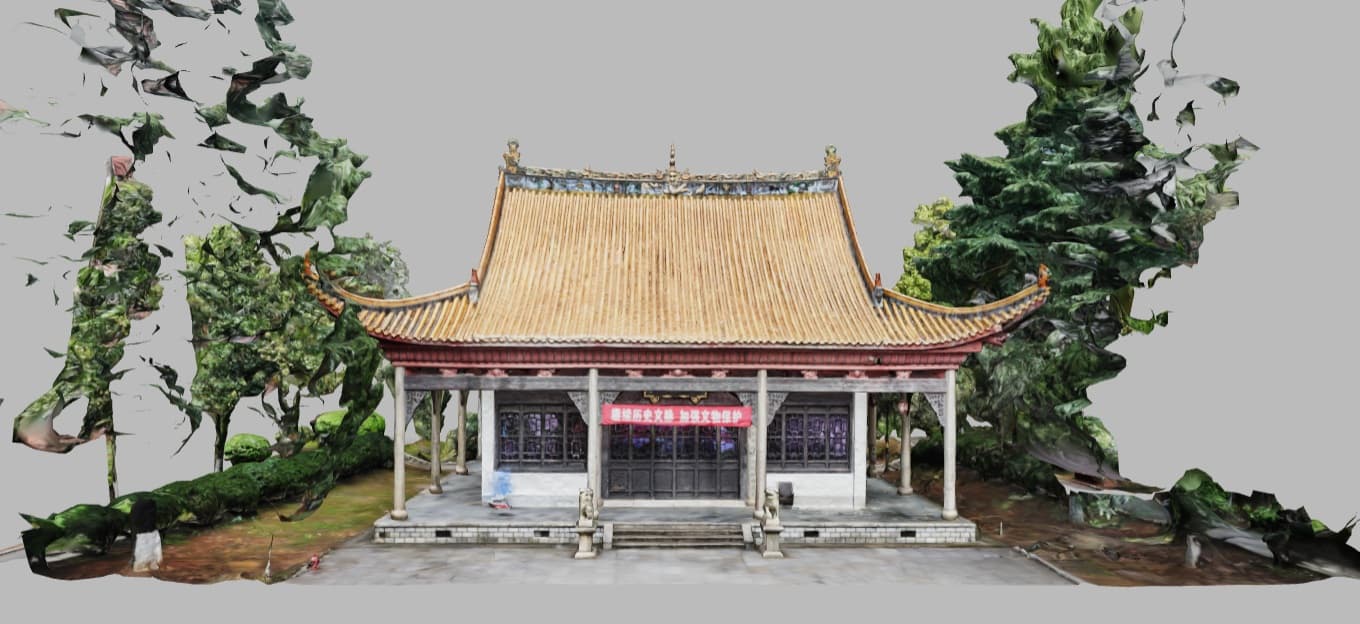
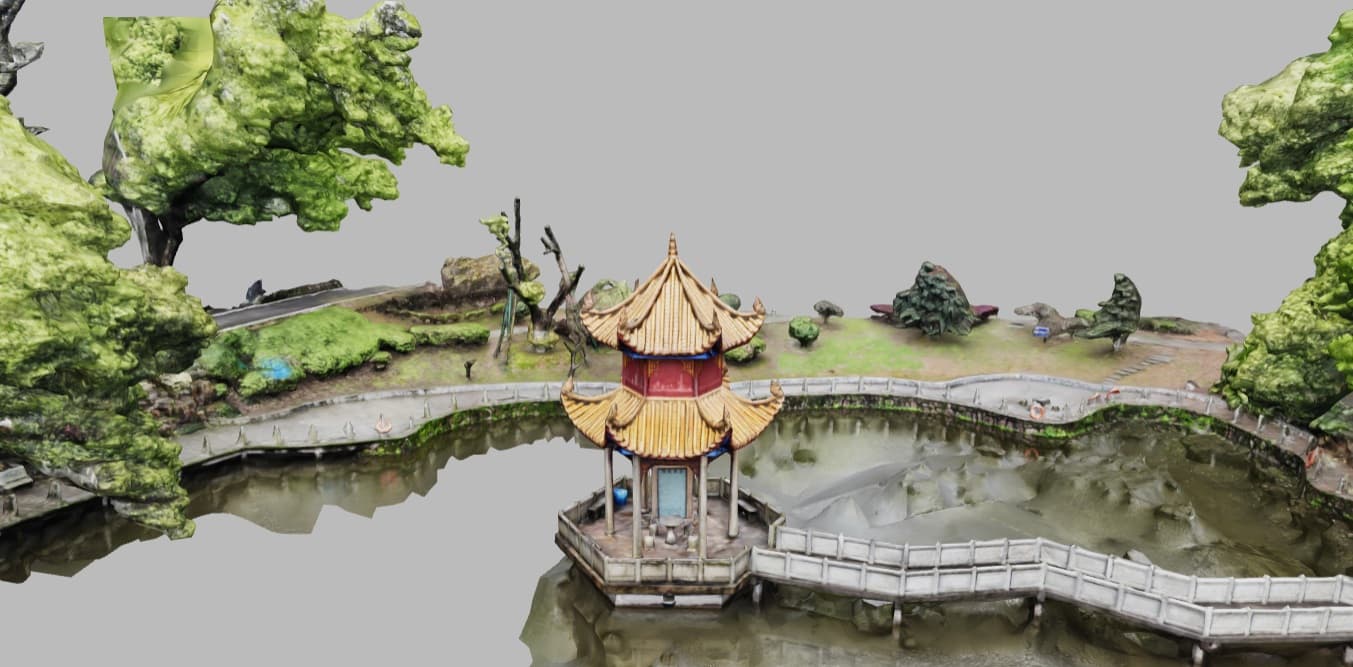
In the countryside of Changsha County, Hunan Province, a modest expanse of blue-gray tiled roofs rises behind a series of tranquil ponds. Built in the early 1860s, the ancestral residence of Huang Xing embodies the architectural traditions of rural Hunan during the late Qing Dynasty. Originally comprising fifty-three rooms arranged around courtyards, the single-story compound was constructed with earthen bricks and timber framing, its sloping roofs embellished with traditional hanging-fish ornaments. A protective moat encircles the estate, while a garden extends behind the main buildings. Within the restored private chambers, a simple Western-style metal bed in Huang Xing’s bedroom contrasts with the elaborate wooden bed carved with dragons and phoenixes in his parents’ quarters, suggesting the gradual encounter between traditional Chinese domestic life and the influences of a changing world.
Huang Xing was born here on October 25, 1874, into a prosperous family of the rural gentry. The estate was the setting of his formative years, yet the political upheavals of late Qing China would eventually lead him far beyond the security of his ancestral home. In 1903, he sold the family residence and agricultural lands to finance revolutionary activities and prepare for the establishment of the Huaxinghui, a society dedicated to overthrowing the Qing Dynasty. Two years later, he joined Sun Yat-sen in founding the Tongmenghui, becoming one of the principal architects of the revolutionary movement that culminated in the establishment of the Republic of China in 1912.
Following the sale, the estate passed through several owners. After 1949, its buildings were allocated to seven local farming households. Restoration began in 1980, and subsequent conservation projects recovered much of the compound’s historical layout and domestic character. In 1988, the residence and Huang Xing’s tomb on Mount Yuelu were jointly designated a nationally protected historical and cultural site.
Today, the residence stands not merely as a memorial to a revolutionary leader, but as a testament to the personal sacrifices that lay behind the transformation of modern China. What makes its history particularly poignant is the reversal of its original purpose: a home built to safeguard the prosperity of successive generations became the means by which one of its heirs sought to reshape the destiny of an entire nation.