

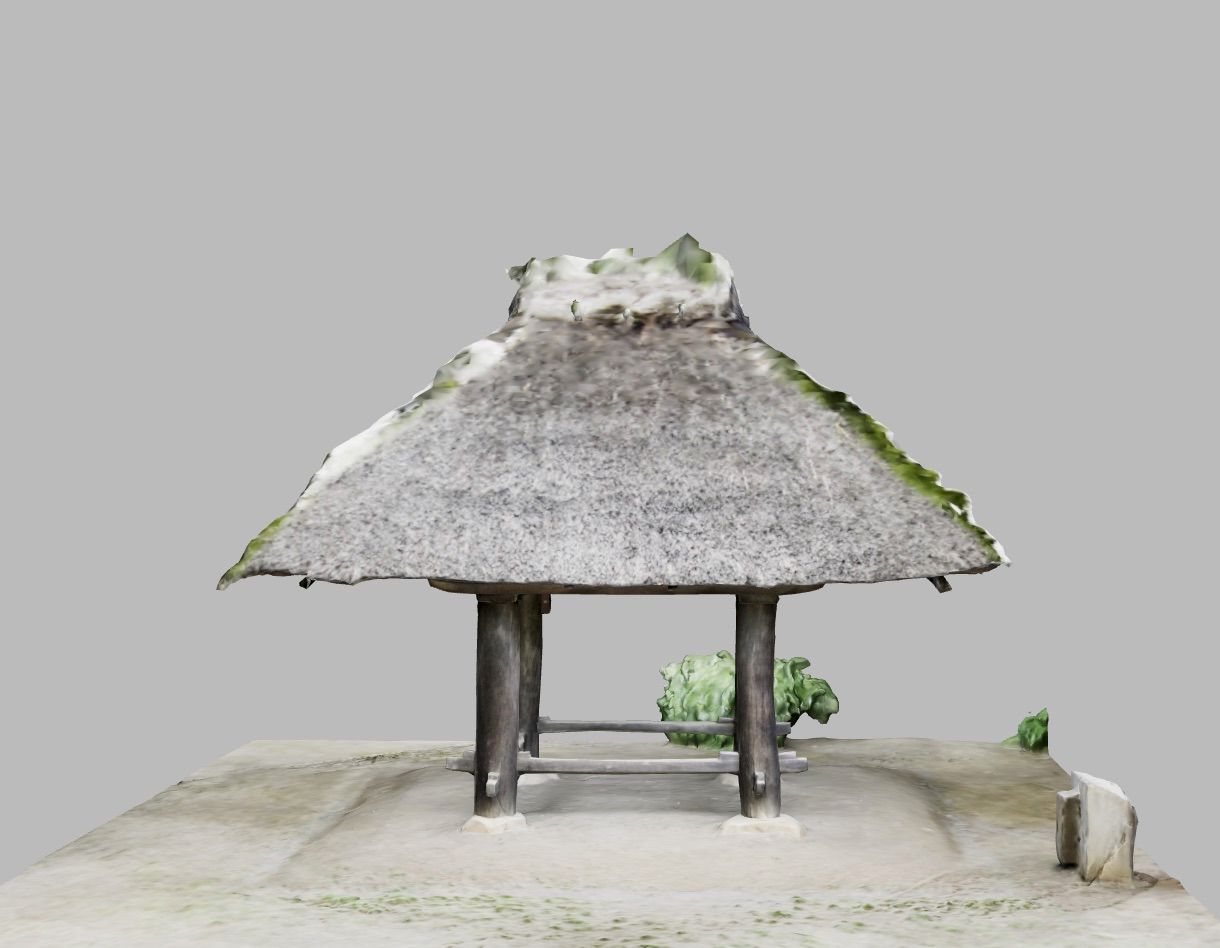
 Stop 01
Stop 1 of 6Japan
Elevated Granary From Amami-Oshima Island
Reconstructed at the museum, this stilted granary shows how an island community used elevation to keep stored grain dry and protected from rodents.
Architectural Heritage Route
Granaries, a modest residence, an inn, a photo studio, and a police box reveal the intelligence of ordinary buildings. Preserved and reconstructed structures make storage, hospitality, work, and civic life worthy of close attention.
6 geolocated stops
Curated Sequence
Stop 01Reconstructed at the museum, this stilted granary shows how an island community used elevation to keep stored grain dry and protected from rodents.
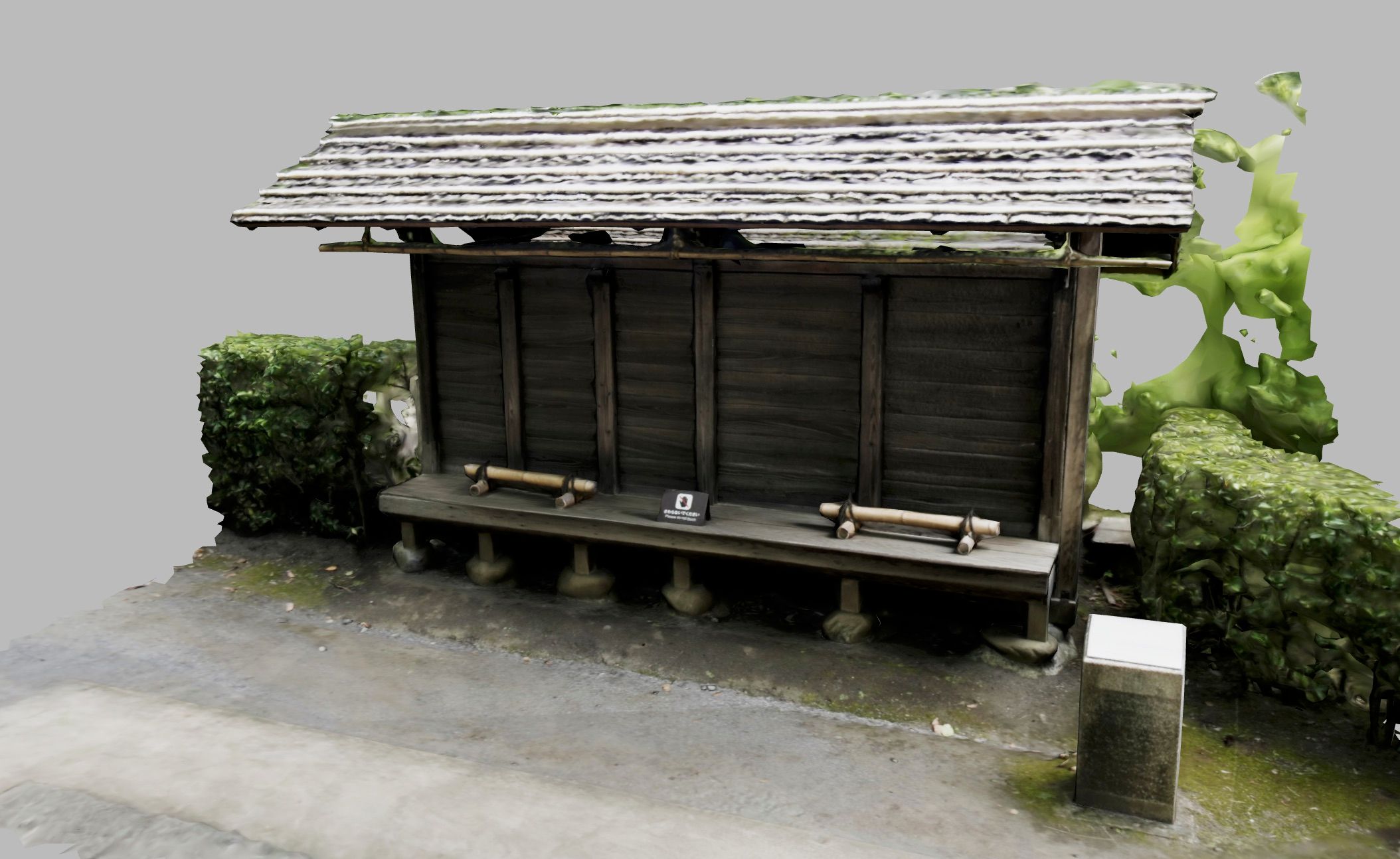 Stop 02
Removable wooden front boards and partitioned storage rooms reveal the practical organization of a Hachioji granary, now reconstructed among the museum’s everyday buildings.
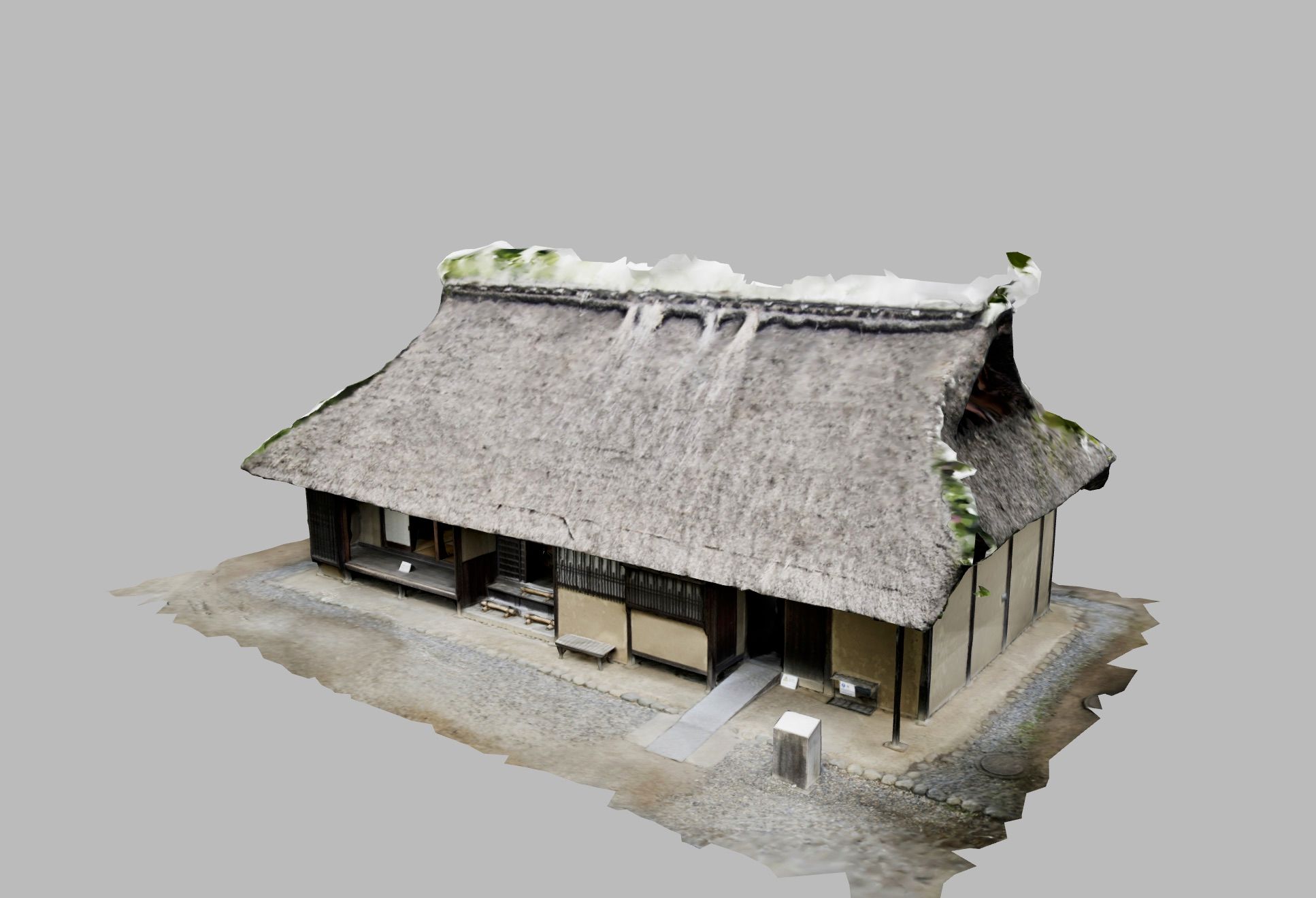 Stop 03
The reconstructed guard leader’s residence combines a modest footprint with a formal shikidai entrance, showing how status could be expressed within a small dwelling.
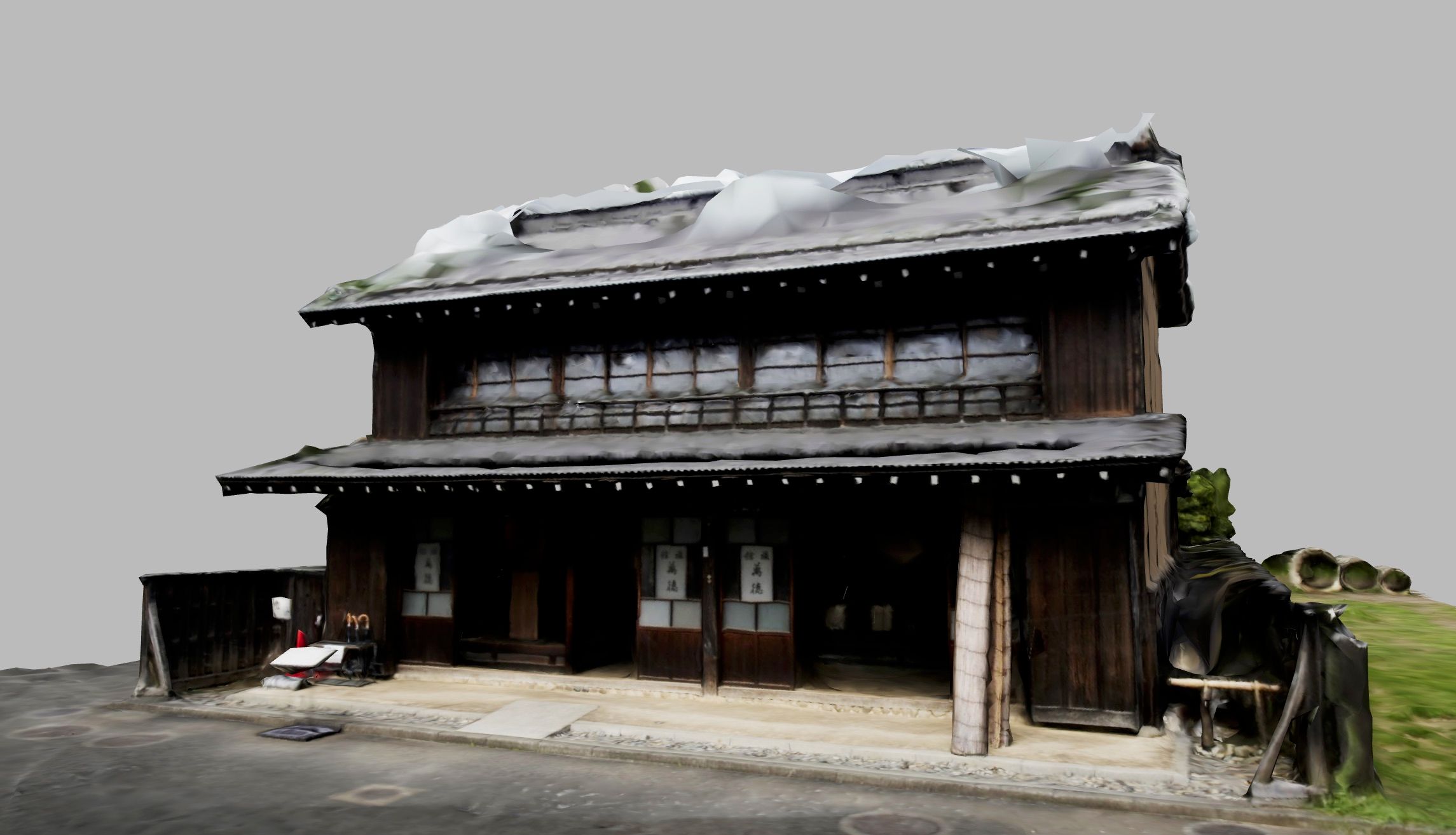 Stop 04
Reconstructed from an Ome highway inn, the building retains a 1950s interior that places ordinary lodging and hospitality within the museum’s architectural record.
 Stop 05
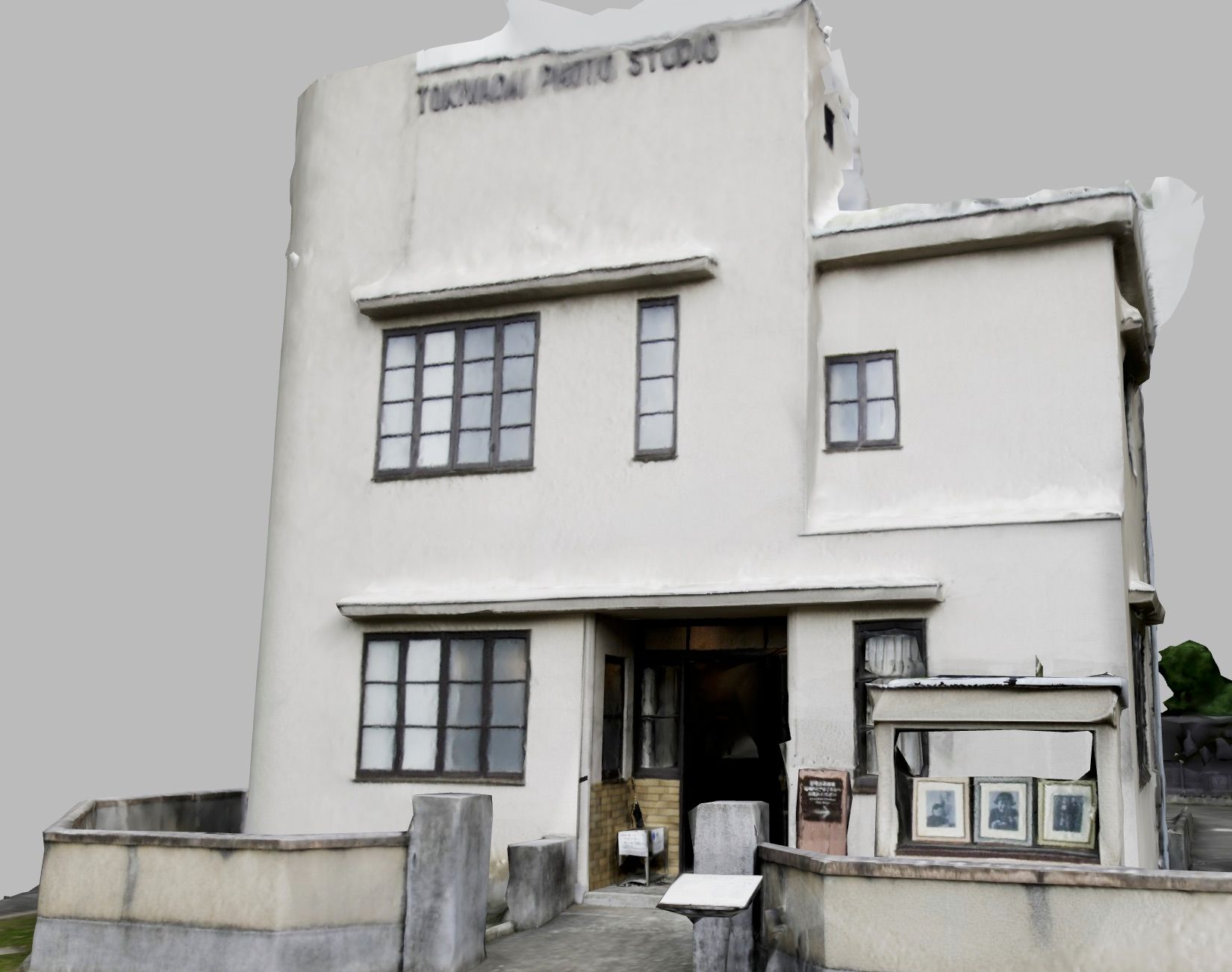
The studio replica’s north-facing frosted windows record a practical response to photography’s lighting needs, connecting an ordinary workplace with the museum’s domestic and civic buildings.
 Stop 06
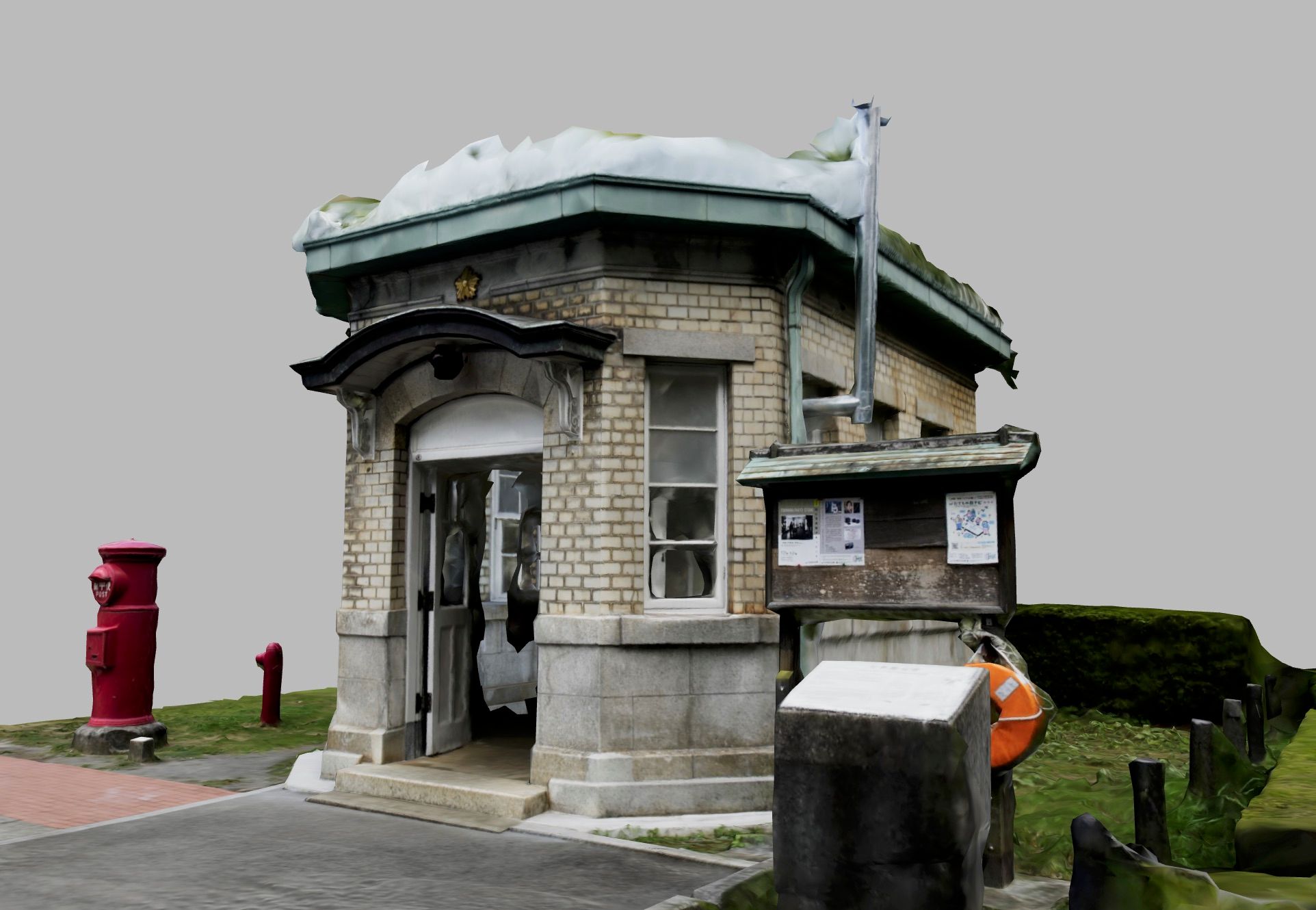
This compact brick police box was moved intact from near Mansei Bridge, adding everyday public service to the museum’s reconstructed homes and workplaces.
17 Stops
Mosques from the maritime coast to the inland northwest and southwest show Islamic worship taking shape through different regional building traditions. Courtyards, roofs, masonry, and prayer spaces become a study in cultural translation.
12 Stops
Observatory stone, palace water, contrasting pagodas, a lost temple’s foundations, and its modern cutout reinterpretation offer different ways to see the Silla past. Absence becomes as expressive as surviving mass.
6 Stops
Hokkien maritime devotion, Hindu worship, a Malay Muslim landmark, Chinese temple traditions, and a Buddhist devotional figure reveal a port city built by different communities. Distinct sacred forms share an urban landscape.