Stop 01Cheomseongdae Observatory
Its bottle-shaped granite body preserves a seventh-century Silla observatory, providing a surviving stone counterpart to the journey’s later foundations and architectural void.
Architectural Heritage Route
Observatory stone, palace water, contrasting pagodas, a lost temple’s foundations, and its modern cutout reinterpretation offer different ways to see the Silla past. Absence becomes as expressive as surviving mass.
12 geolocated stops
Curated Sequence
Stop 01Its bottle-shaped granite body preserves a seventh-century Silla observatory, providing a surviving stone counterpart to the journey’s later foundations and architectural void.
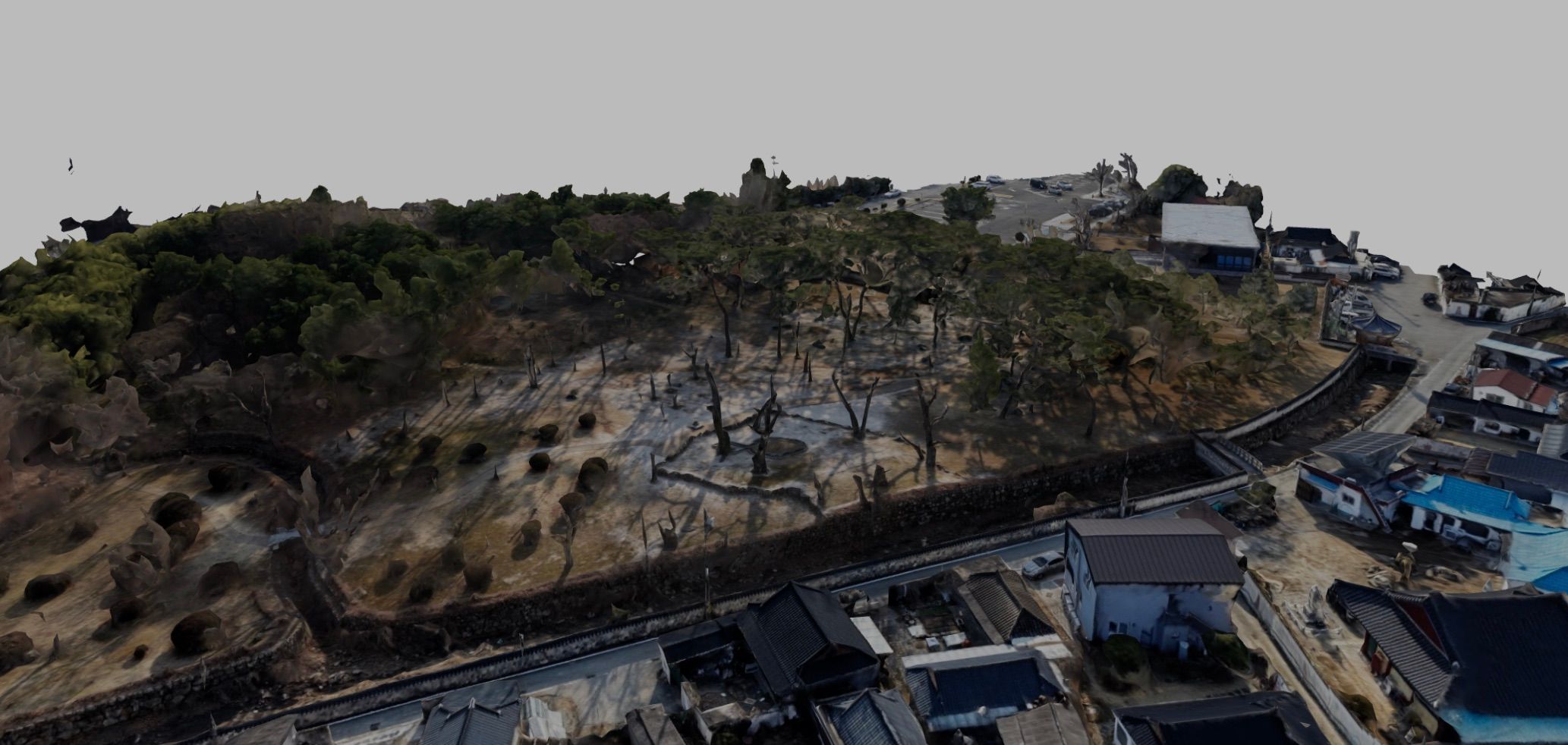
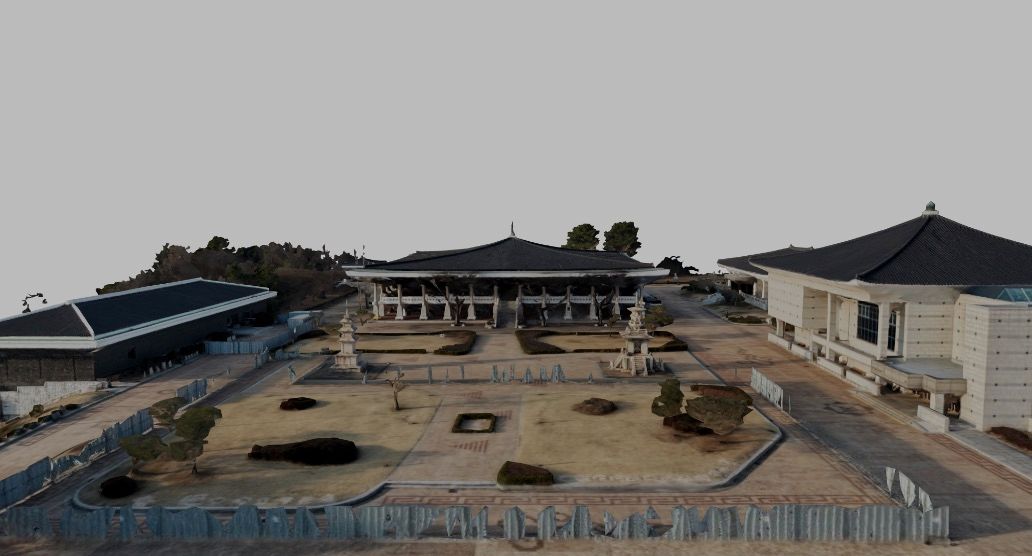
Stop 02The royal pond and restored palace buildings show how Silla court architecture survives through a designed waterscape and reconstruction after the original structures disappeared.
Stop 03A curved granite channel remains where the pavilion and associated buildings disappeared, making Silla banquet architecture legible through the surviving watercourse rather than a reconstructed room.
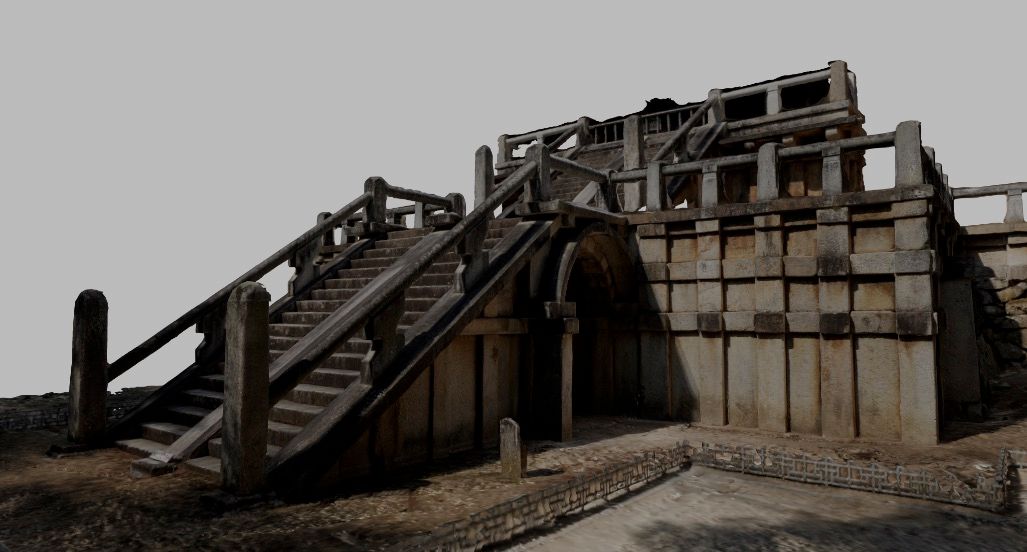
Stop 04Stone stair-bridges and their arched undersides preserve Bulguksa's ascent toward the main temple court, showing how an architectural threshold survives alongside later restored buildings.
Stop 05The smaller western stair-bridges retain lotus carvings in stone, distinguishing another Bulguksa threshold and making details of movement survive where the surrounding architecture has undergone restoration.
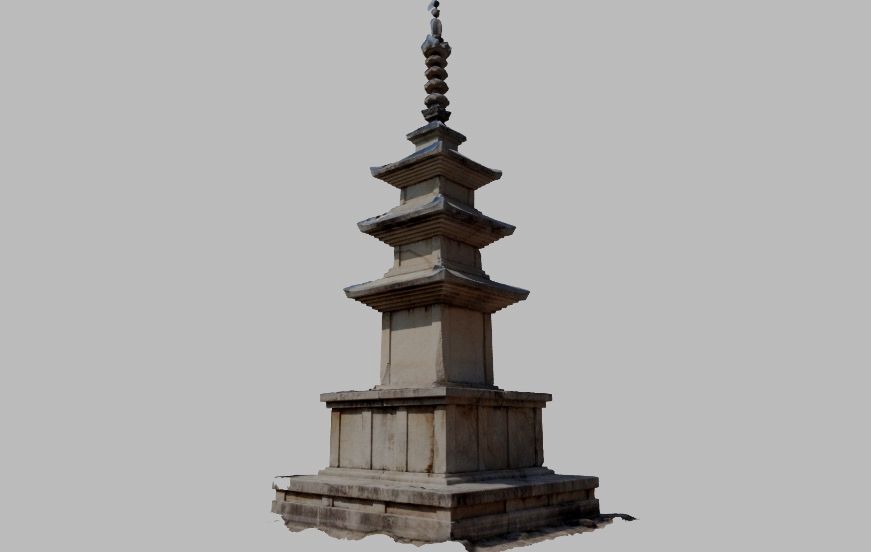
Stop 06Three diminishing stone stories establish a restrained Silla Buddhist form, setting up a direct comparison with the elaborate pagoda beside it at Bulguksa.
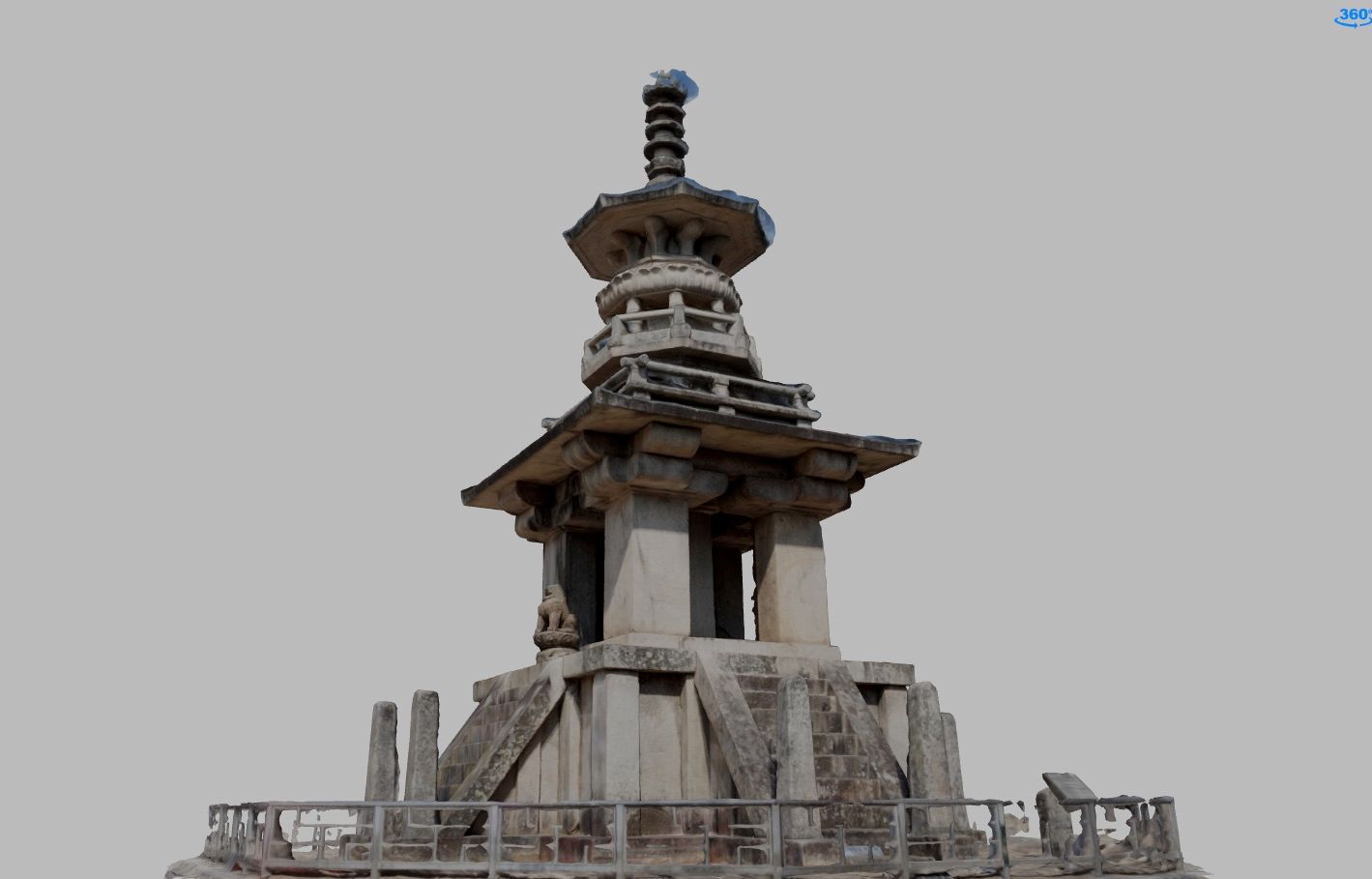
Stop 07The elaborate stone tiers and carved details offer the ornamental counterpart to Bulguksa’s restrained Sakyamuni pagoda, showing two distinct expressions of Silla Buddhist architecture.
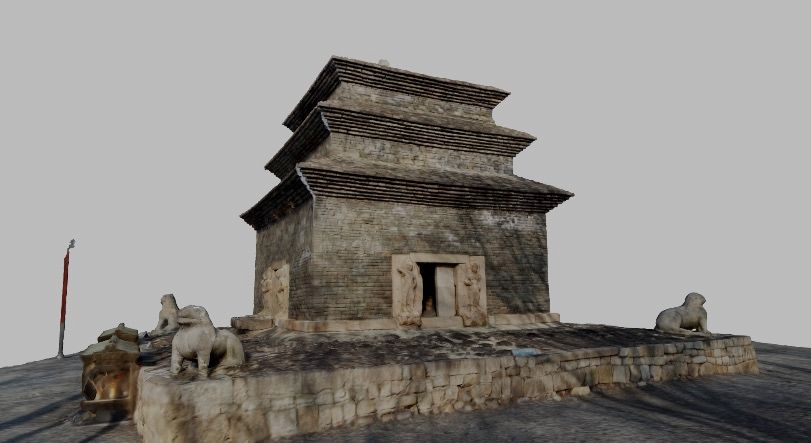
Stop 08The surviving stone pagoda imitates stacked bricks while the early Silla monastery has changed around it, adding another material survival beside Hwangnyongsa's lost timber architecture.
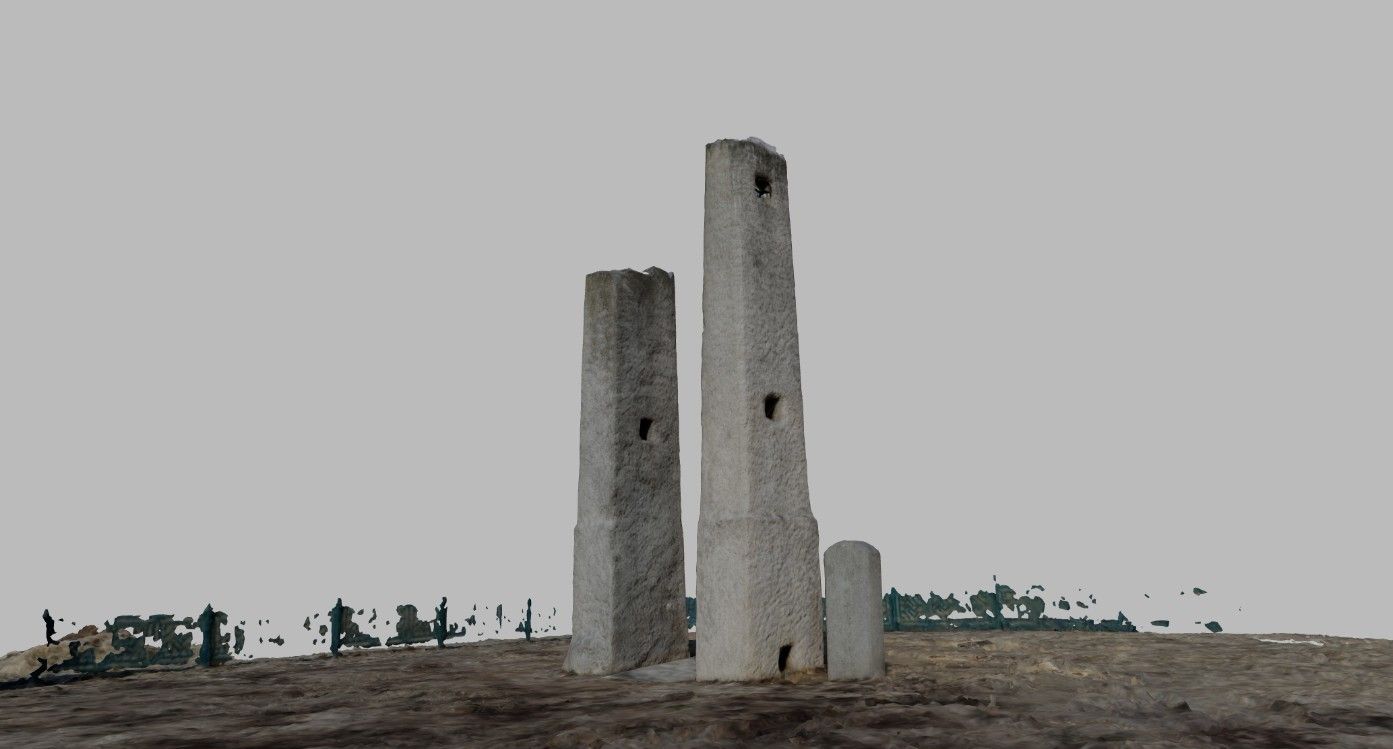
Stop 09Paired stone flagpole supports survive the vanished Bomun temple, allowing a former ritual precinct to be inferred from two vertical remnants rather than complete buildings.
Stop 10The museum gathers excavated Silla objects and displaced architectural stonework, placing fragments from vanished palaces and temples beside the journey's surviving sites and modern reconstruction.
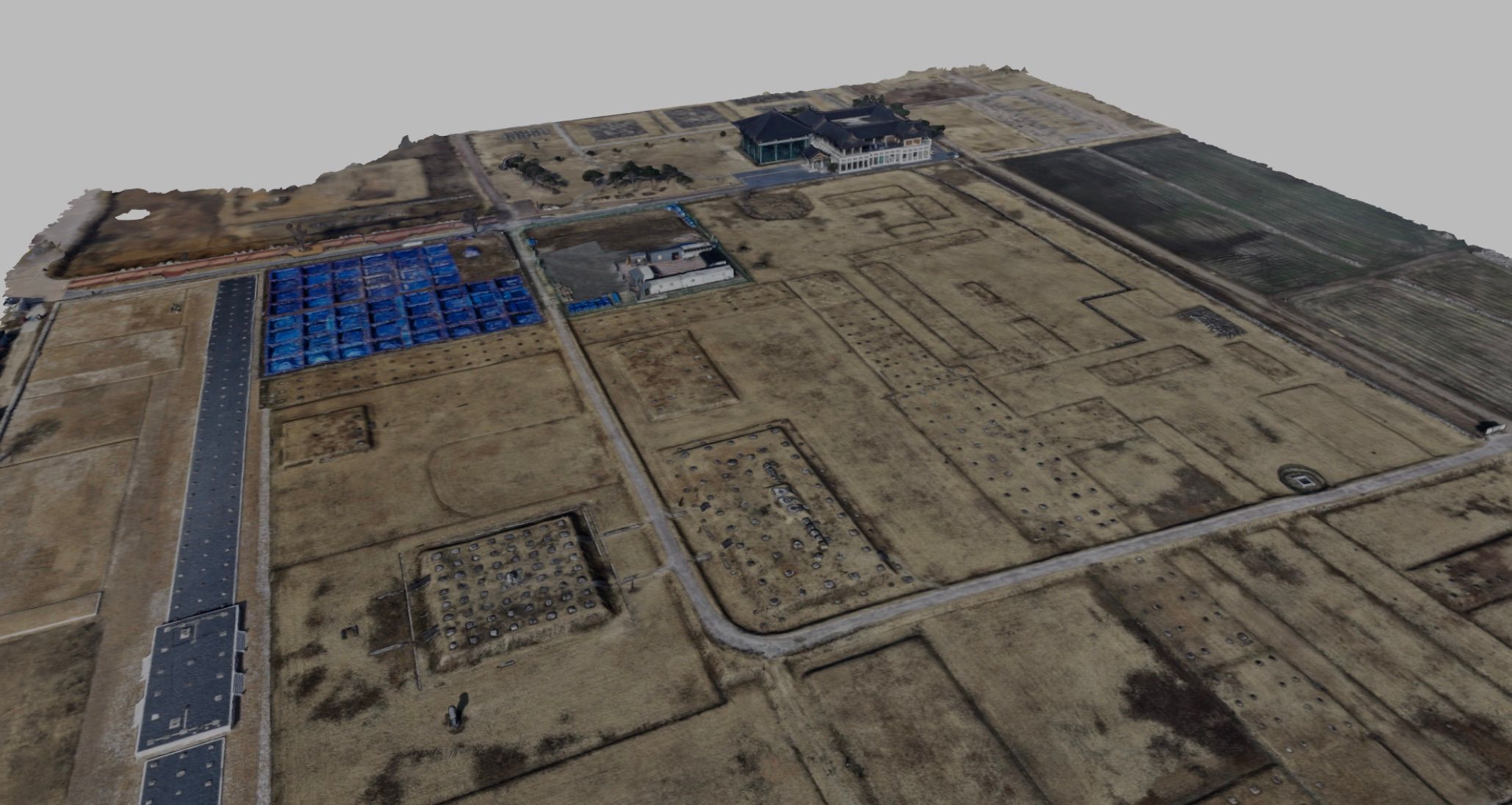
Stop 11Surviving foundations mark the footprint of a lost Silla temple and its wooden pagoda, making absence physically legible before the contemporary reinterpretation that follows.
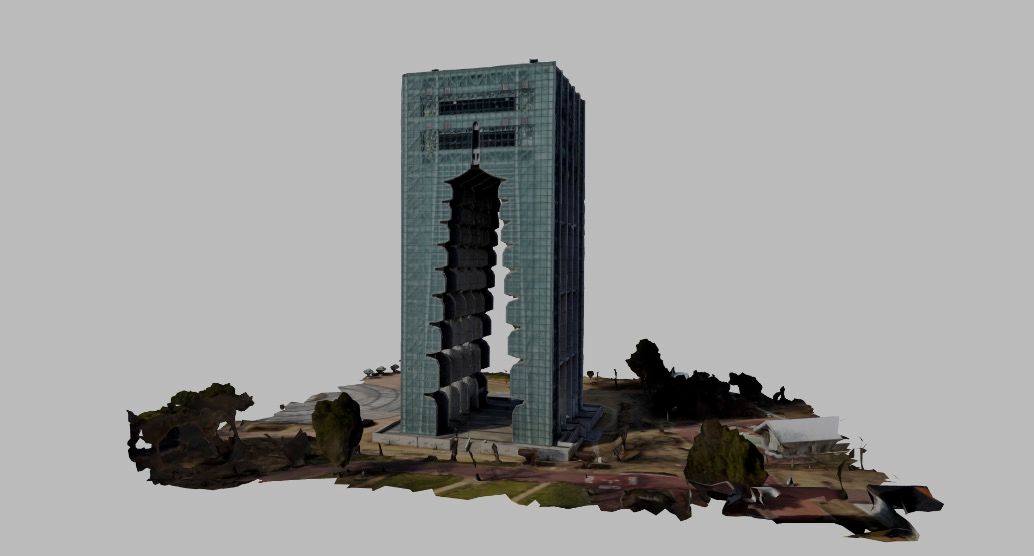
Stop 12A pagoda-shaped cutout translates Hwangnyongsa’s lost wooden tower into an architectural void, connecting the preceding temple foundations with a contemporary act of remembrance.
20 Stops
Cities, villas, churches, castles, and a solitary house facade reveal how fragments invite us to imagine the spaces they once enclosed. A journey through survival, incompleteness, and the beauty of the ruin.
11 Stops
Observatories and sundials make the movement of the heavens legible on earth. A journey from monumental instruments and scientific buildings to garden timekeeping and the public politics of daylight.
6 Stops
Granaries, a modest residence, an inn, a photo studio, and a police box reveal the intelligence of ordinary buildings. Preserved and reconstructed structures make storage, hospitality, work, and civic life worthy of close attention.