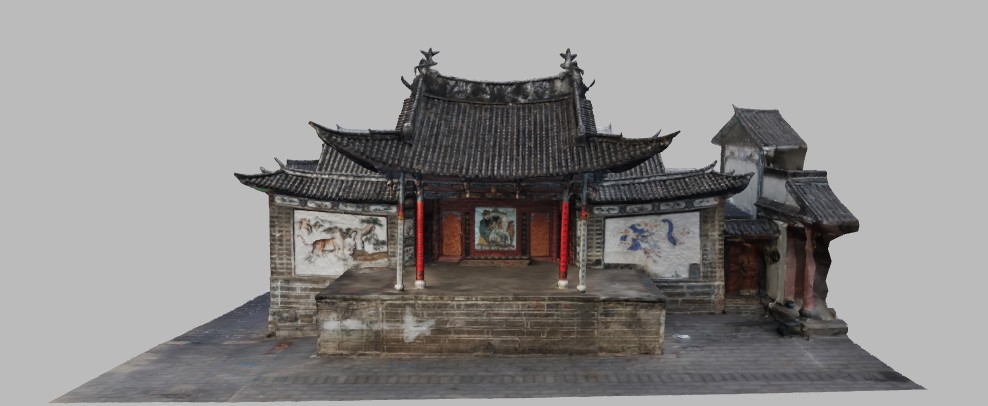
Stop 01Zhoucheng Ancient Opera Stage
Zhoucheng's timber opera stage faces a village square used for everyday gathering and markets, showing performance as a temporary transformation of shared public ground into an audience space.
Architectural Heritage Route
From a regional opera theater to grand European performance houses and a contemporary Chinese arts complex, these buildings turn gathering into ceremony. A journey through the places where a city presents itself to an audience.
22 geolocated stops
Curated Sequence
Stop 01Zhoucheng's timber opera stage faces a village square used for everyday gathering and markets, showing performance as a temporary transformation of shared public ground into an audience space.
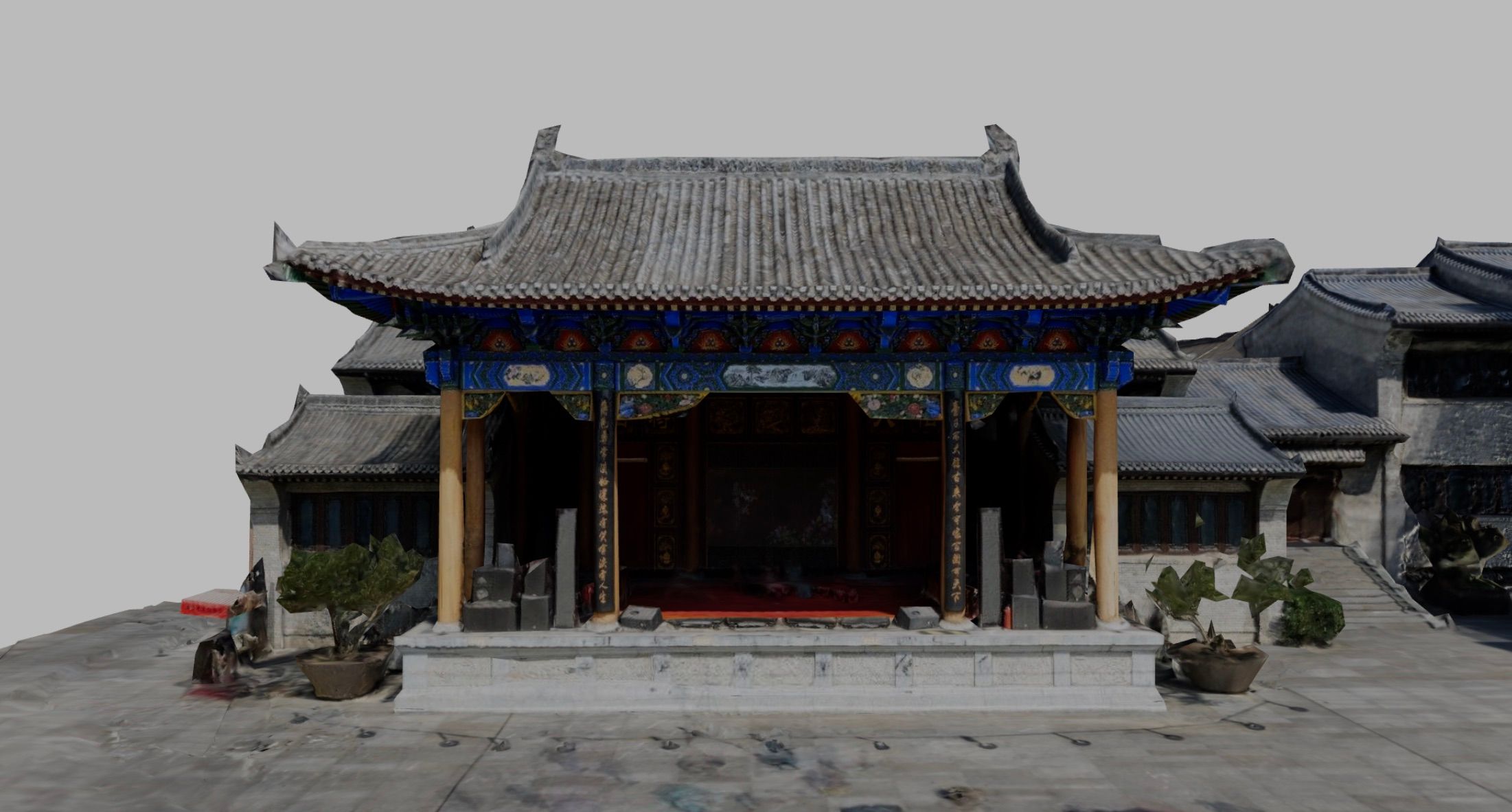
Stop 02Fengxi's opera stage stands beside ancestral halls, bringing theatrical performance into the architectural setting of communal ritual and showing a public stage rooted in local social ties.
Stop 03Yisushe's association with Qinqiang opera connects a city's public stage to a regional performance tradition, grounding civic gathering in an established local theatrical institution.
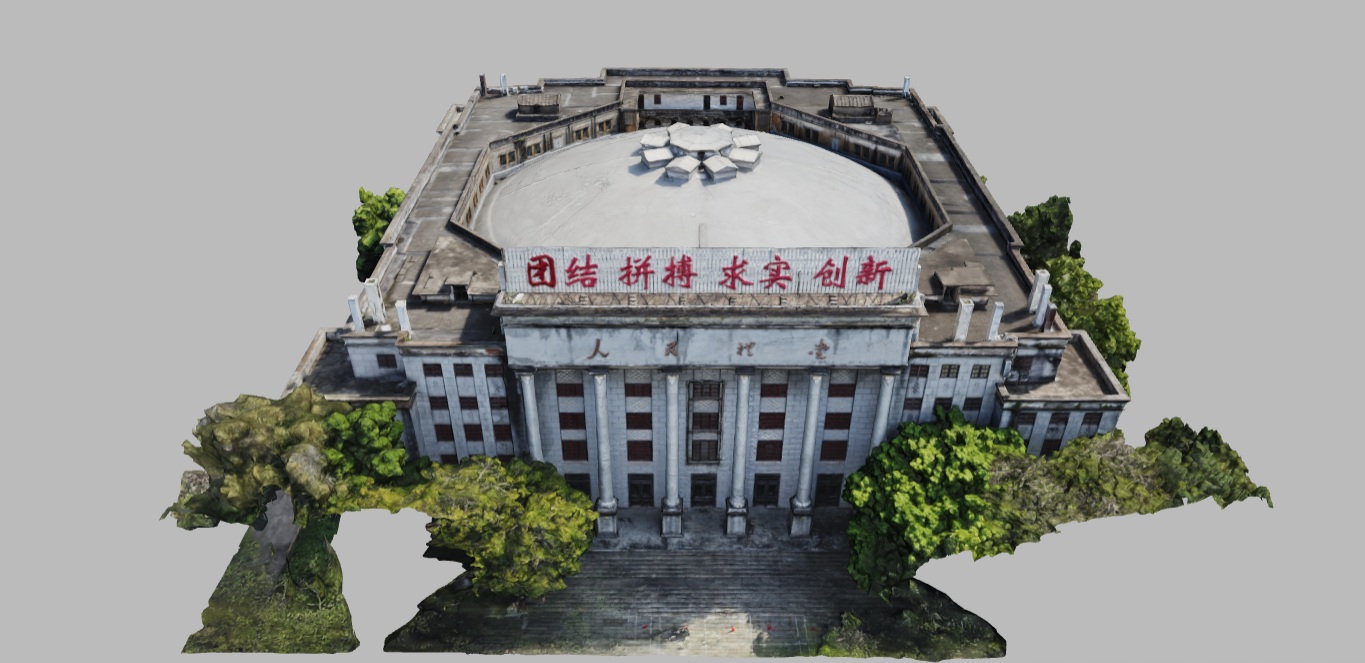
Stop 04Xi'an's People's Theater gave a modern regional performance institution a Chinese and Western architectural setting, extending the city's theatrical identity beyond Yisushe's established Qinqiang stage.
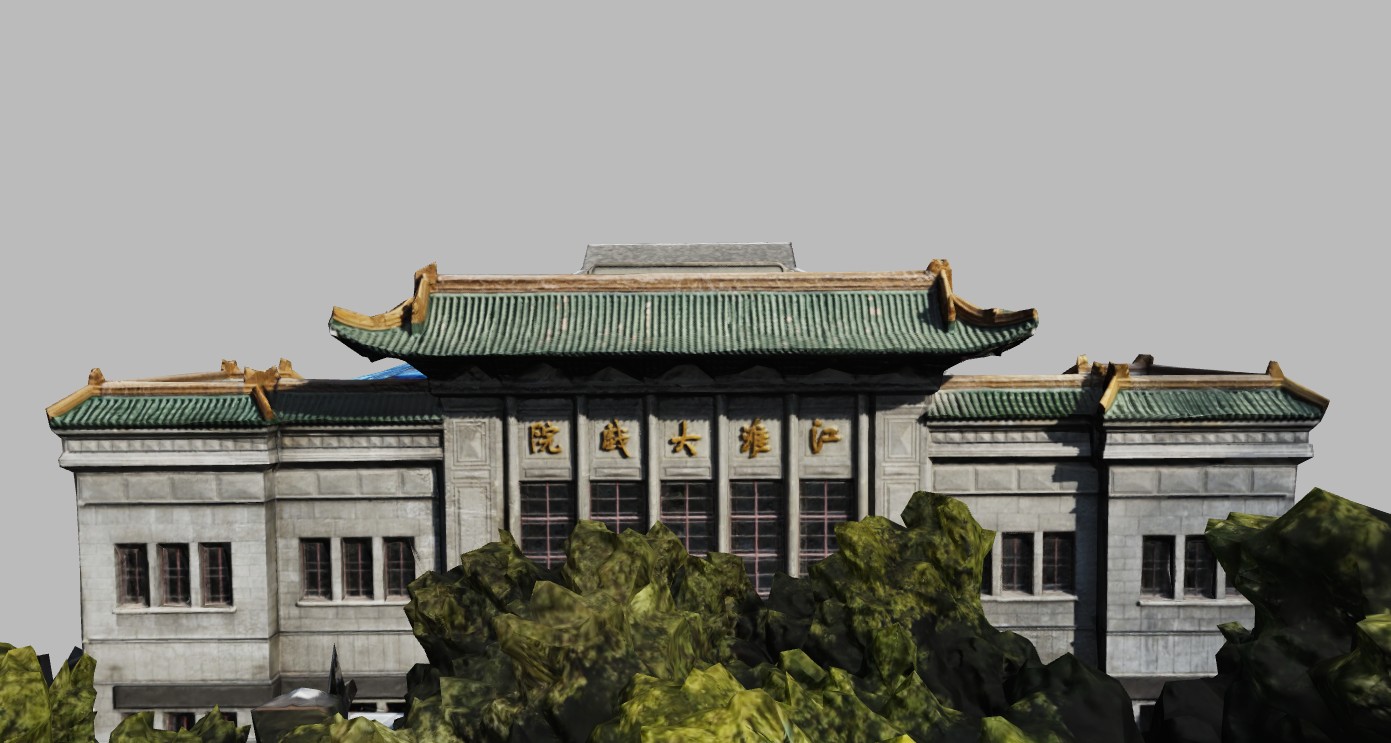
Stop 05Jianghuai's broad entrance steps and flying eaves give a modern theater the ceremonial approach of traditional architecture, making the audience's arrival part of Hefei's public cultural presentation.
Stop 06Shunde's column-free concrete auditorium accommodated assemblies, Cantonese opera, and film, placing political gathering and performance beneath one roof whose structure kept the stage visible across the hall.
Stop 07Trier's amphitheater gathers spectators around an arena cut into the hillside, extending the journey's civic stages to a Roman setting where public spectacle could also enact violence.
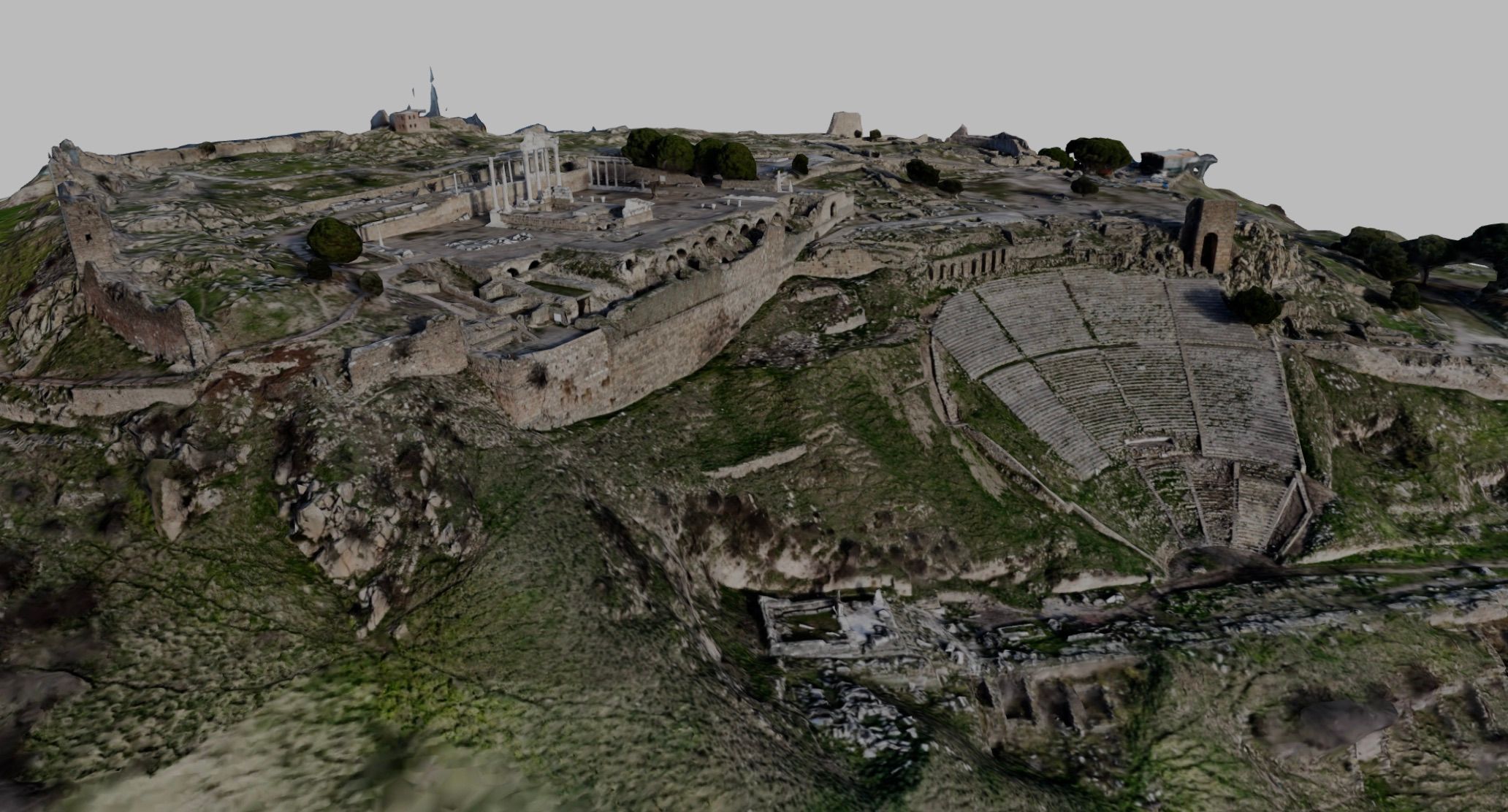
Stop 08Pergamon's steeply raked theater turns the acropolis hillside into ordered rows of spectators, making the city's gathering visible through the shape of the audience as much as its stage.
Stop 09Fulton's continuing use as a regional theater shows how an older performance house can sustain civic gathering through the ongoing work of a local theatrical institution.
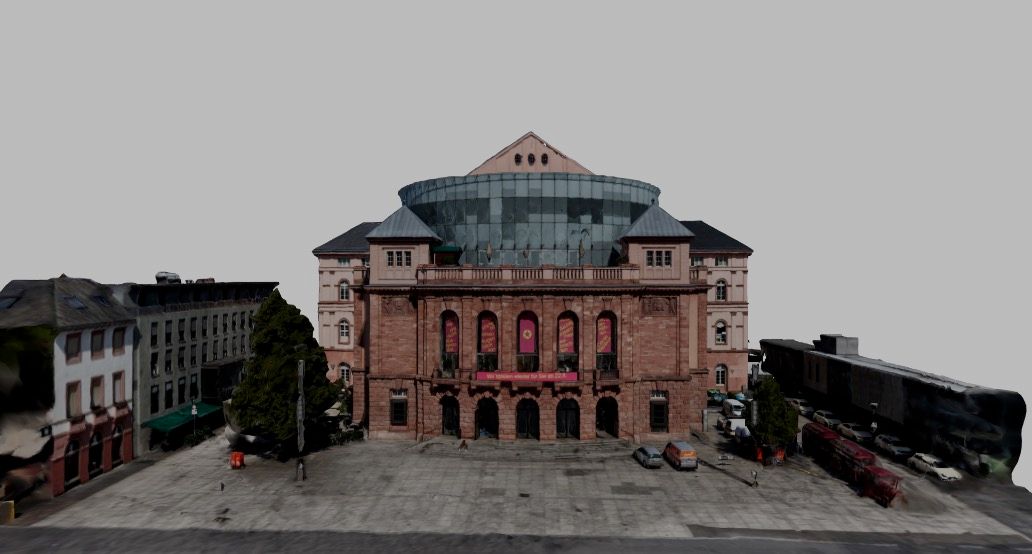
Stop 10Mainz's curved auditorium is expressed on the exterior, allowing the shape of its audience space to give performance an identifiable presence in the city's public landscape.
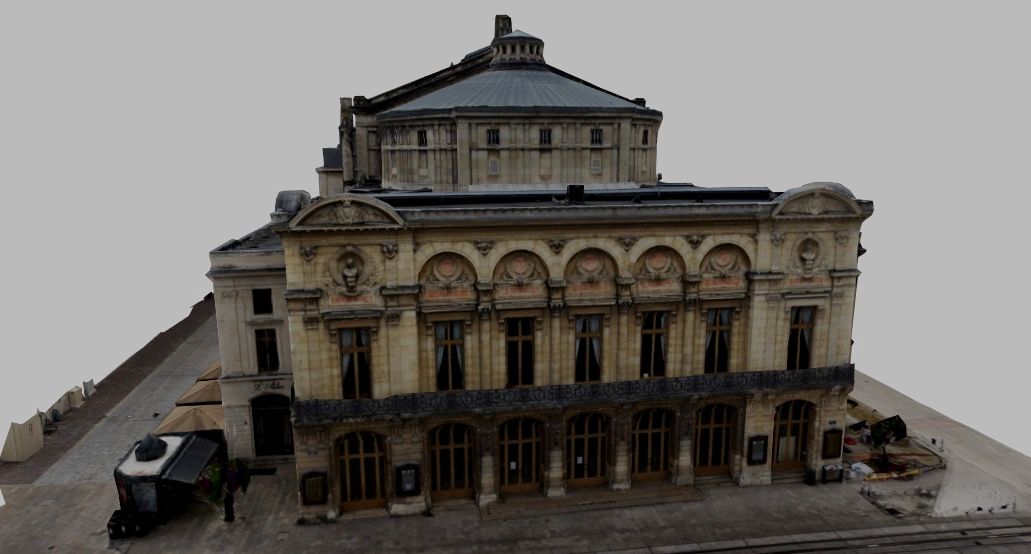
Stop 11Reims pairs a neoclassical facade with an Art Deco interior rebuilt after wartime damage, showing how a civic stage can carry different architectural moments.
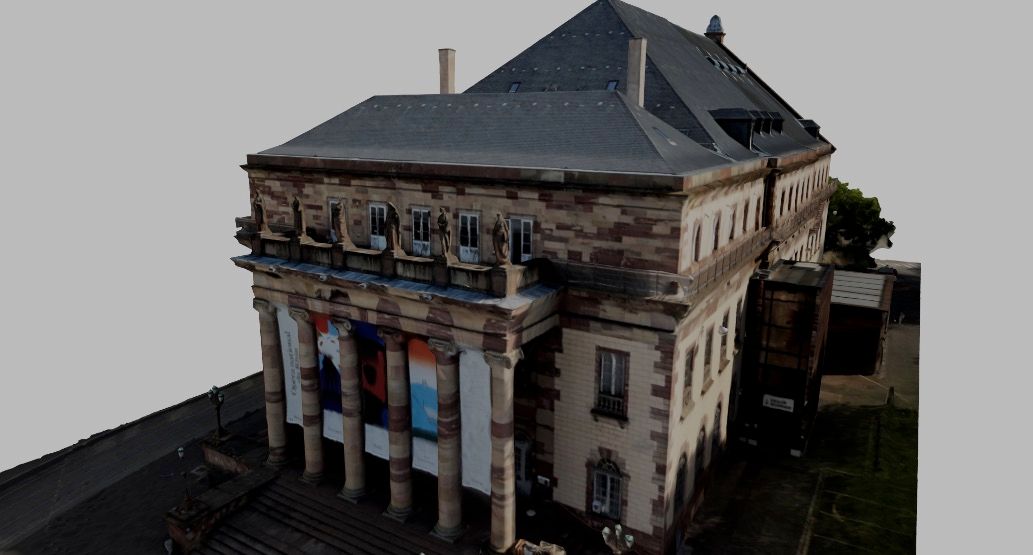
Stop 12The Strasbourg opera house's Ionic columns and sculpted Muses give performance a classical civic frontage, making the theater's cultural role visible before the audience enters.
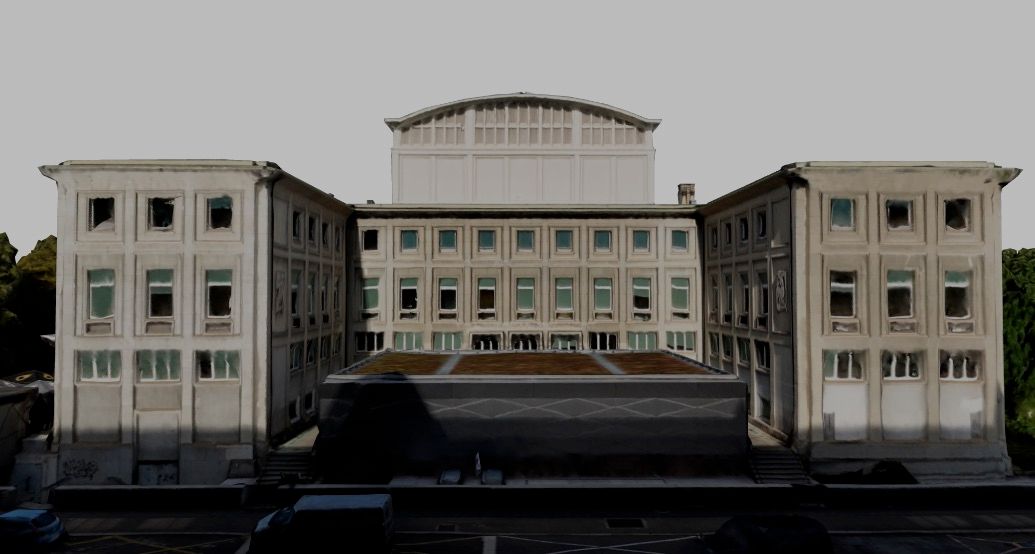
Stop 13Cologne's modern opera house anchors Riphahn's theater ensemble on Offenbachplatz, giving postwar performance an identifiable place within the city's rebuilt public center through a new architectural language.
Stop 14Strasbourg's National Theatre inherits the monumental frontage of a former parliament, giving dramatic performance the urban presence of a civic institution before audiences enter the adapted auditorium.
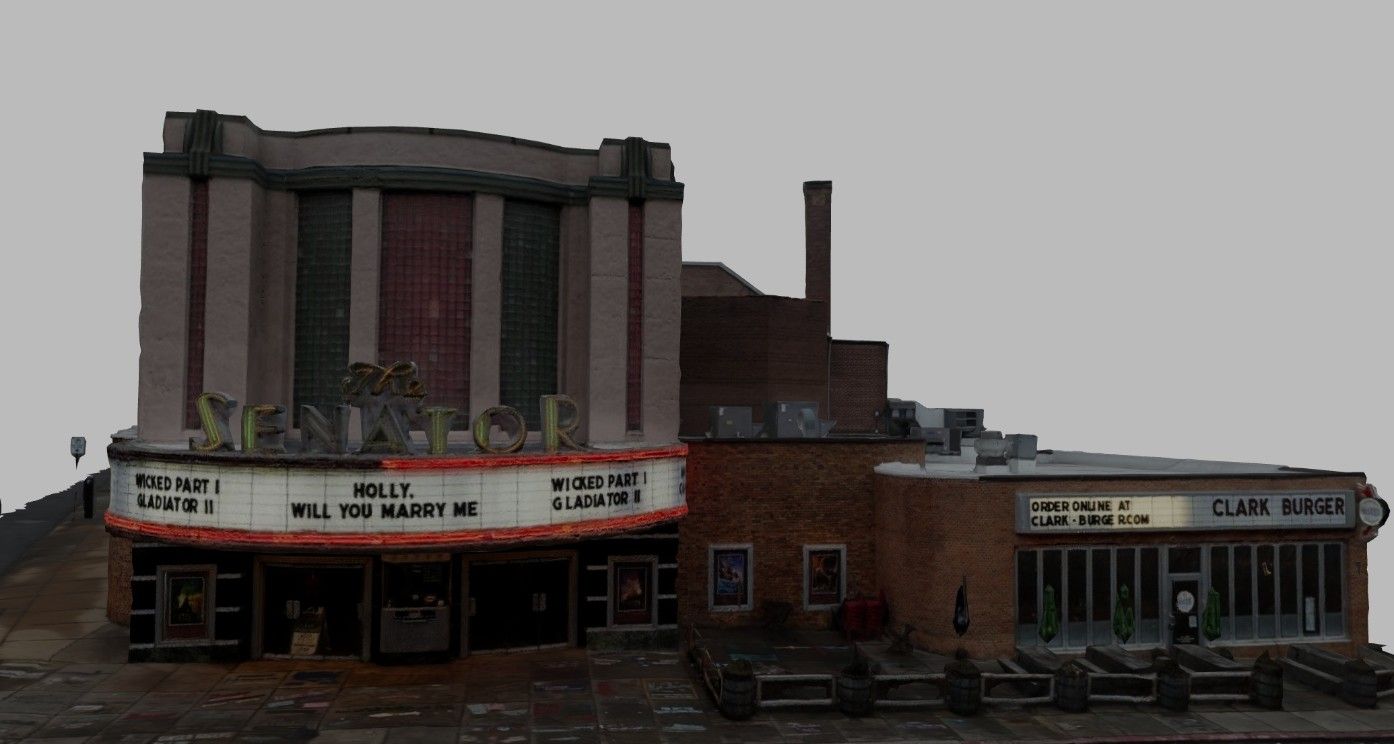
Stop 15The Senator's Art Deco frontage and large cinema auditorium extend civic performance into film, making a neighborhood street's illuminated destination part of the city's shared audience culture.
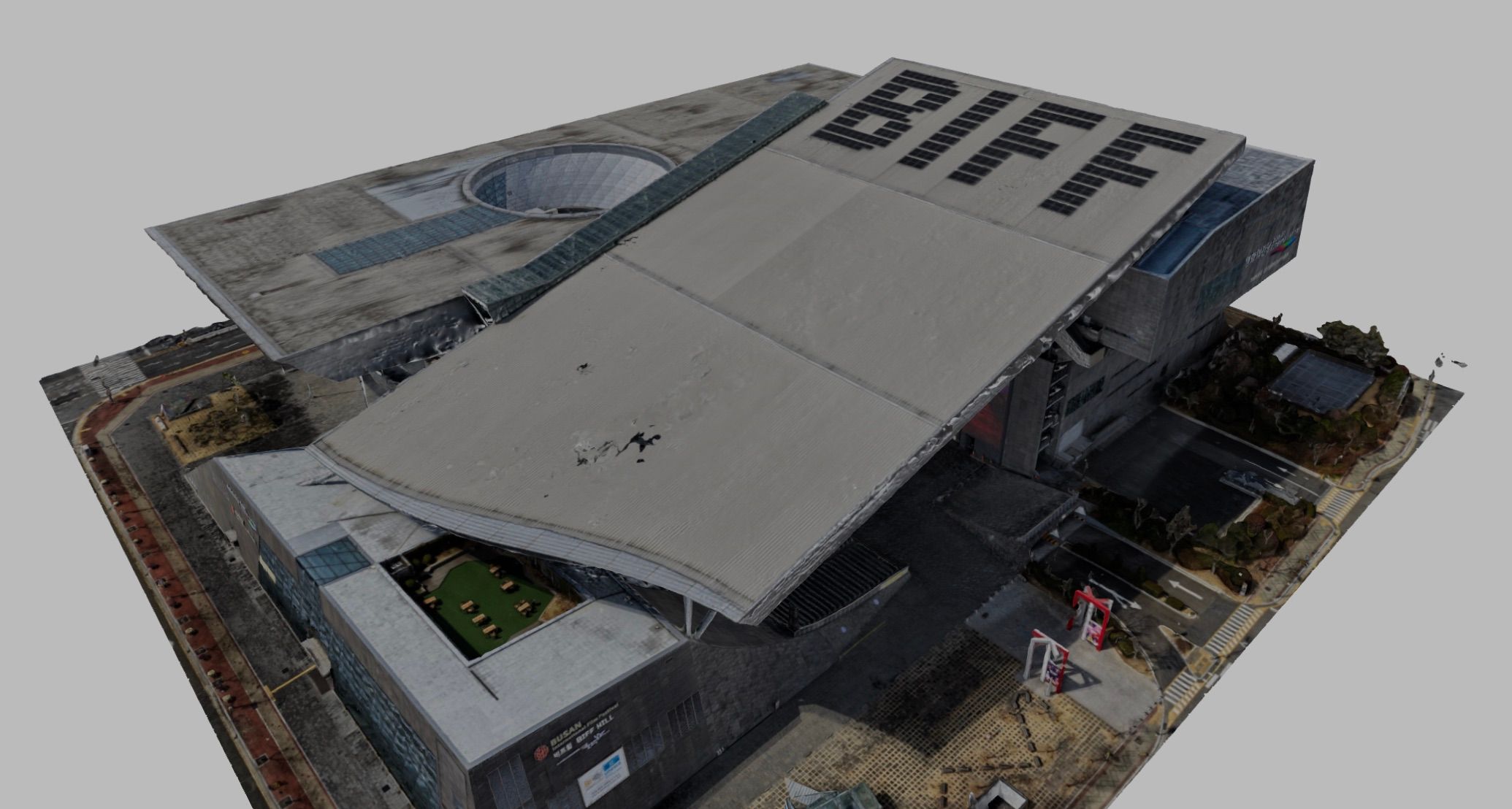
Stop 16BIFF Cinema Center's enormous projecting canopy shelters outdoor screenings and festival gatherings, allowing the public ground around a contemporary cultural building to become part of Busan's stage.
Stop 17Qintai's sweeping, lute-like exterior refers to Wuhan's musical heritage, giving a contemporary arts complex a civic identity through the architectural translation of a local cultural image.
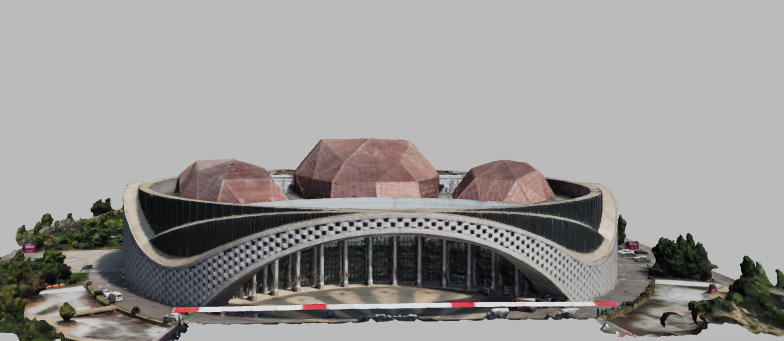
Stop 18Qintai's concert hall adds a dedicated symphonic auditorium to Wuhan's performance landscape, making the acoustic arrangement of musicians and listeners a civic counterpart to the neighboring opera theater.
Stop 19Yunnan Grand Theatre's broad roof recalls a woven Yi hat, translating a regional cultural image into the public silhouette of a contemporary complex made for collective performance.
Stop 20Liaoning Grand Theatre draws its exterior form from the Hongshan jade pig-dragon, connecting a contemporary performance building's public identity with an archaeological image associated with the region.
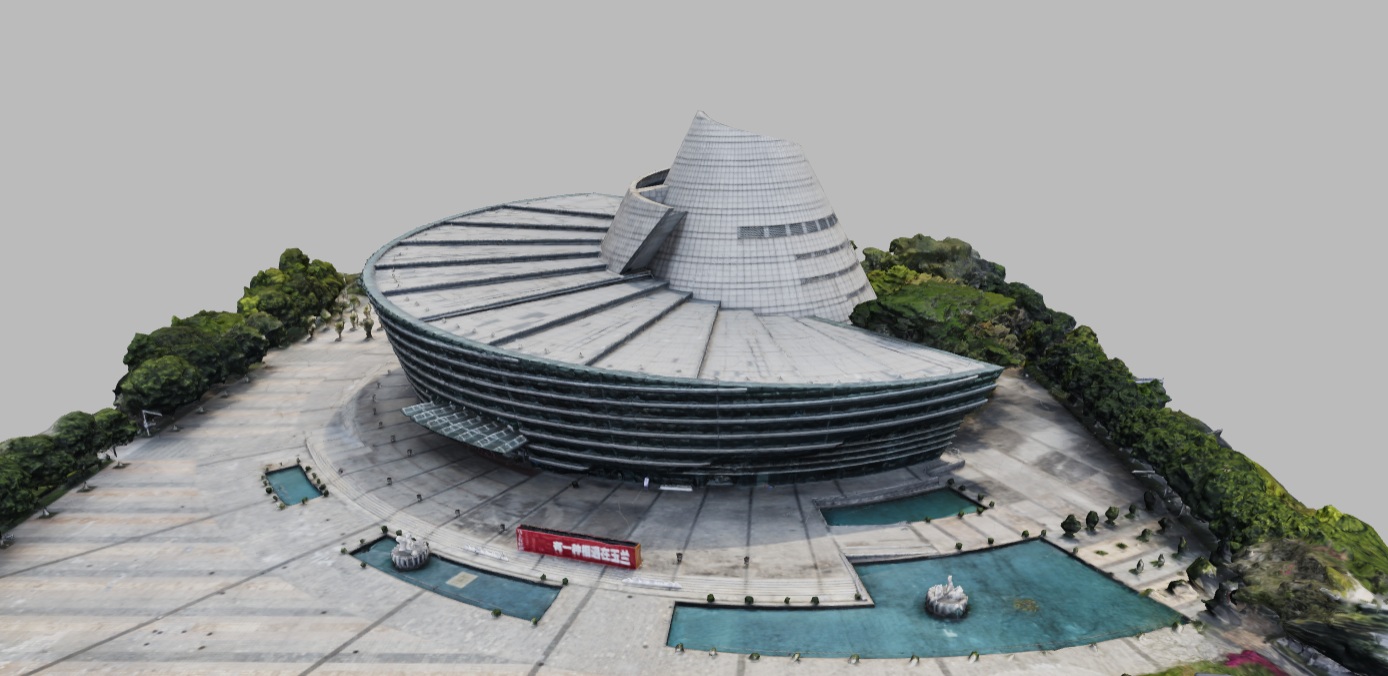
Stop 21Dongguan's Yulan Grand Theatre arranges spiraling forms around its auditoriums, giving the city's magnolia emblem an architectural role in announcing a shared place for public performance.
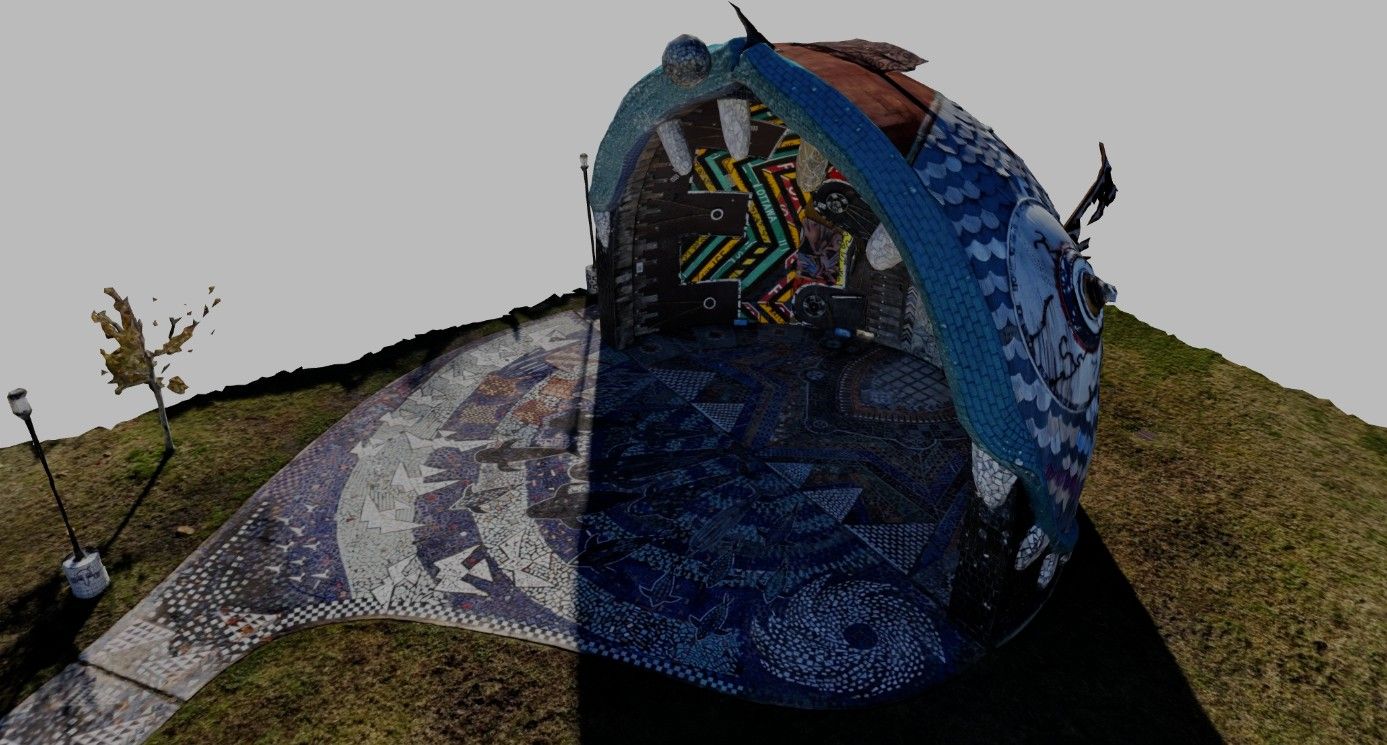
Stop 22Smither Park's fish-shaped amphitheater gathers mosaics made from reused objects around a performance space, giving collective neighborhood creativity a public stage within an everyday urban park.
30 Stops
Across Reims, Metz, Strasbourg, and the northern Vosges, Roman reliefs, Gothic glass, courtly interiors, and public squares trace how communities have expressed belief, authority, and belonging. Coronation ritual and monastic memory meet imperial urban planning, the rebuilding of libraries and theatres, and contemporary art and solidarity. Together, these places reveal a regional culture continually remade through exchange, conflict, and care.
21 Stops
Churches becoming mosques, an ancestral hall becoming a radio factory, and civic or industrial buildings finding new uses reveal architecture as a continuing negotiation. The building outlives any single definition of its purpose.
16 Stops
An atom smasher, an enlarged atom, a monumental civic tower, an unfinished nuclear project, and fluid contemporary cultural buildings reveal different images of the future. Confidence, spectacle, and unrealized ambition share the frame.