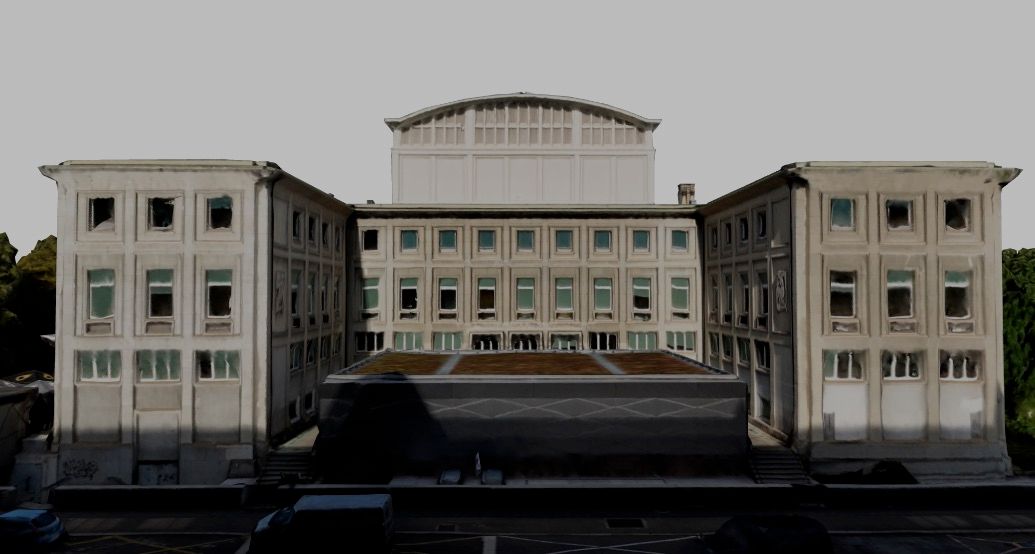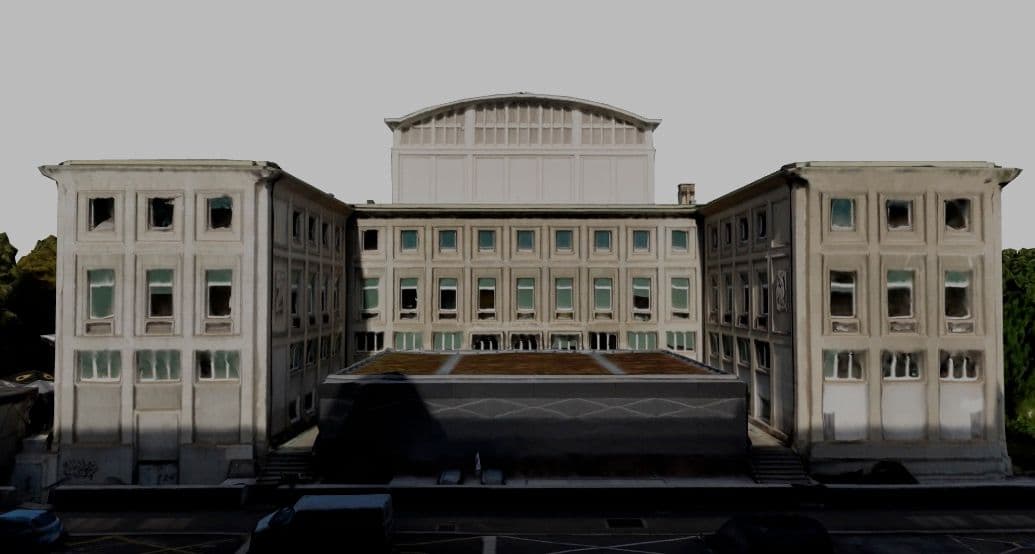
National Theatre of Strasbourg
Strasbourg, Grand Est, France
After Alsace-Lorraine was returned to France in 1919, the building was given to the city of Strasbourg. I…
Across Reims, Metz, Strasbourg, and the northern Vosges, Roman gateways, Gothic stained glass, German Imperial Neustadt boulevards, and Maginot Line bunkers chronicle centuries of exchange and renewal.
30 entities
Strasbourg, Grand Est, France
After Alsace-Lorraine was returned to France in 1919, the building was given to the city of Strasbourg. I…
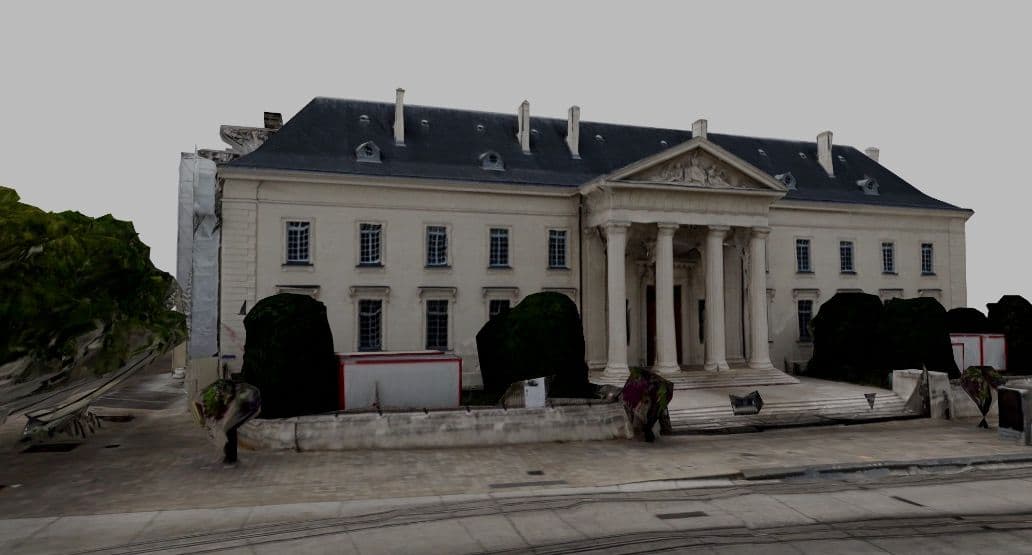
1 Pl. Myron Herrick, Grand Est, France
The courthouse is the seat of the tribunal located in Reims, France, on the site of the former Hôtel-Dieu…
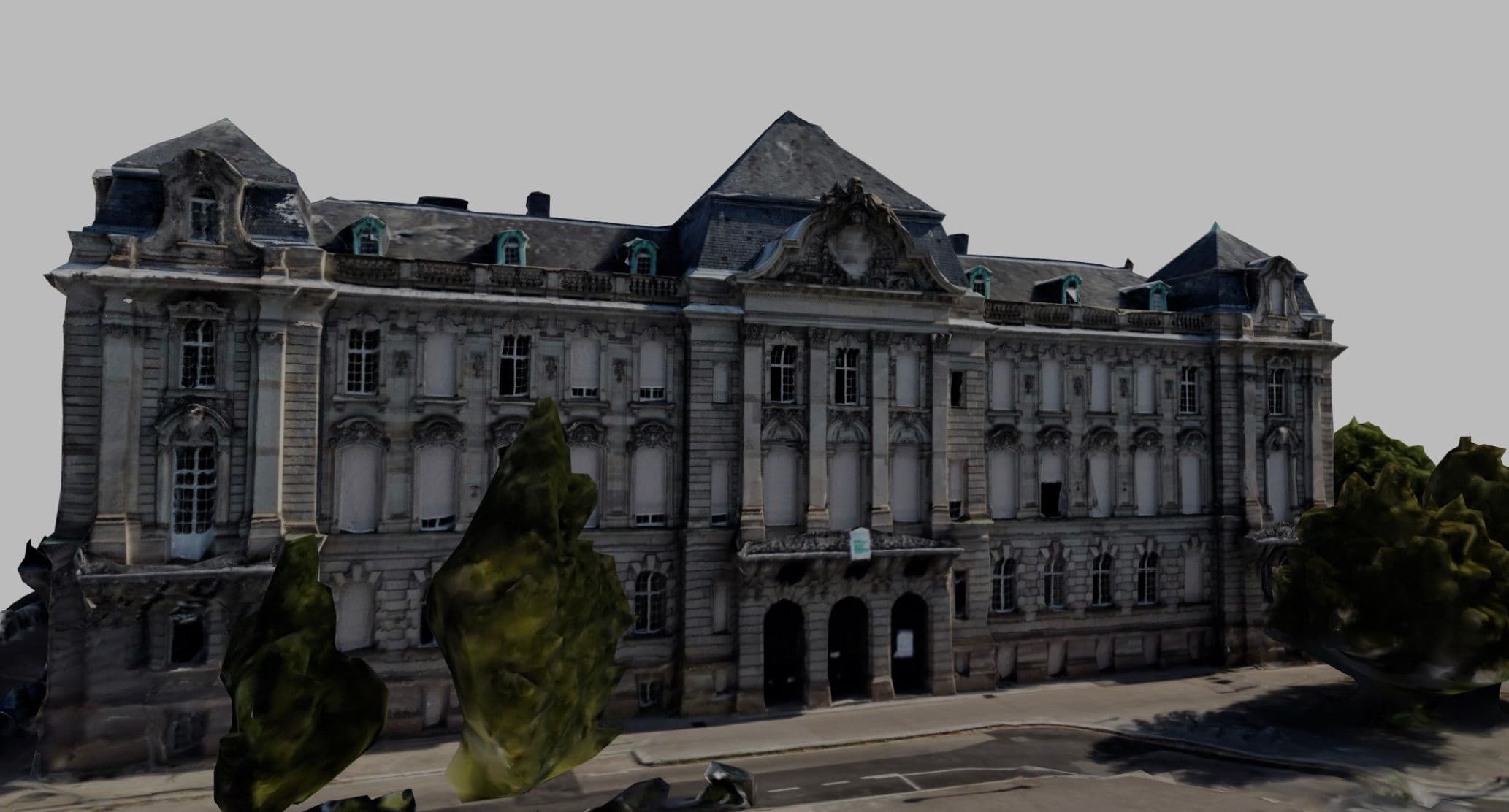
Plateforme Régionale De Naturalisation
Strasbourg, Grand Est, France
This Baroque Revival building was built from 1899 until 1902 by Ludwig Levy, the architect of the Great S…
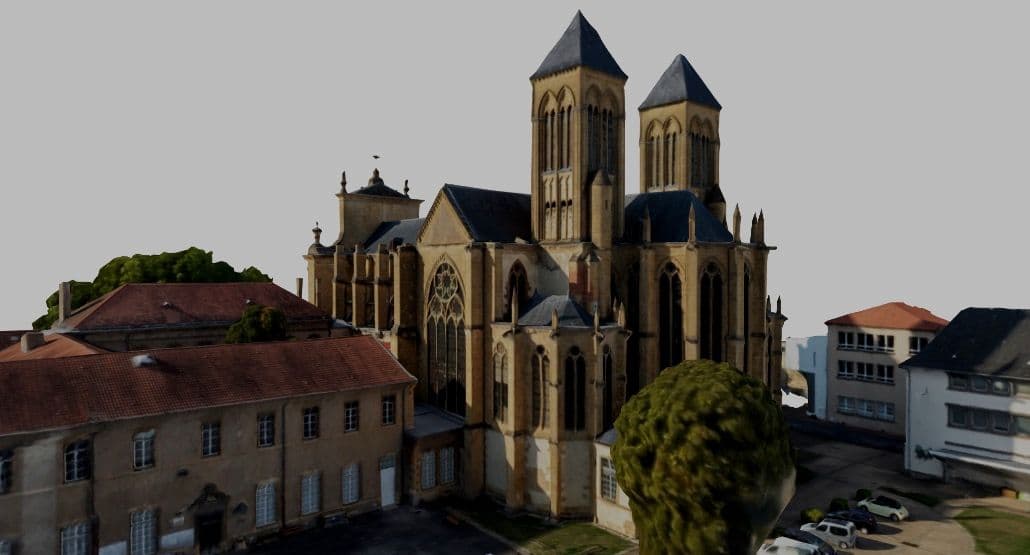
Metz, Grand Est, France
The origins of a place of worship on this site date back to the 9th century, with an oratory dedicated to…
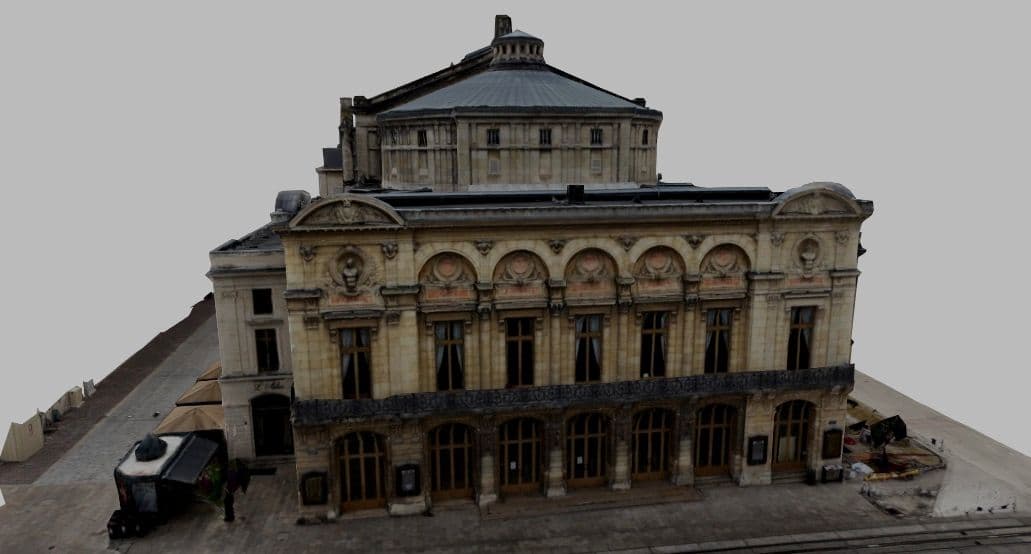
Reims, Grand Est, France
The original Theatre was inaugurated in 1873 and was designed by the architect Alphonse Gosset. Its archi…
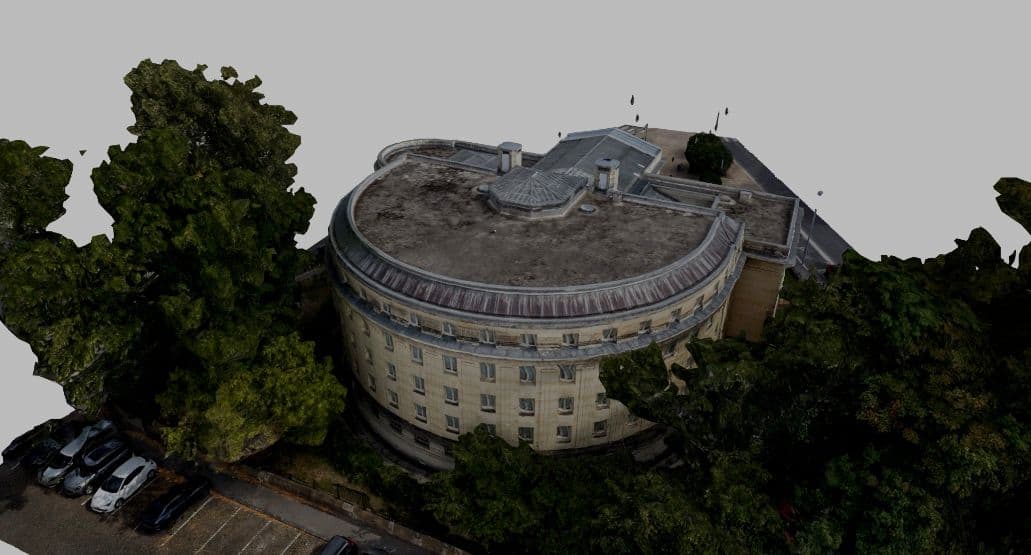
Reims, Grand Est, France
The Carnegie Library of Reims is a public library in Reims, France. It was constructed in the 1920s with…
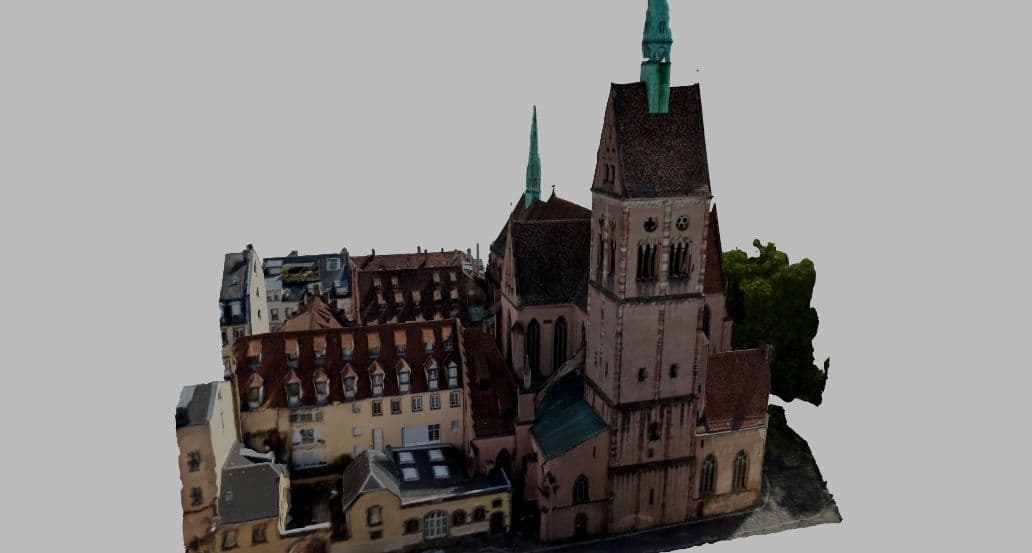
Église Saint-Pierre-le-Jeune
Strasbourg, Grand Est, France
The site's religious history dates back to the 7th century with a chapel founded by Irish monks, likely d…
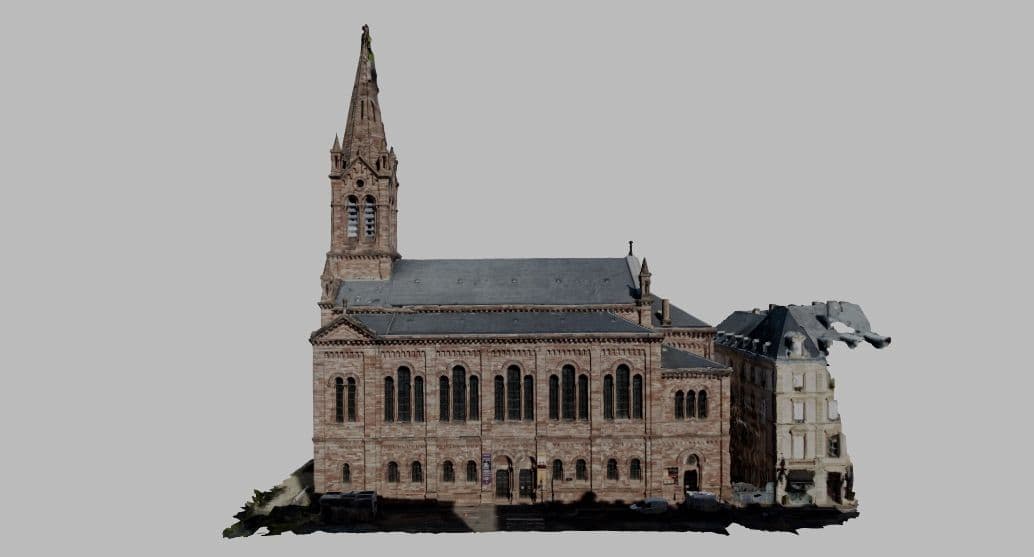
Strasbourg, Grand Est, France
The Temple Neuf in Strasbourg is a Lutheran church situated on the Grande Île. The current building was c…
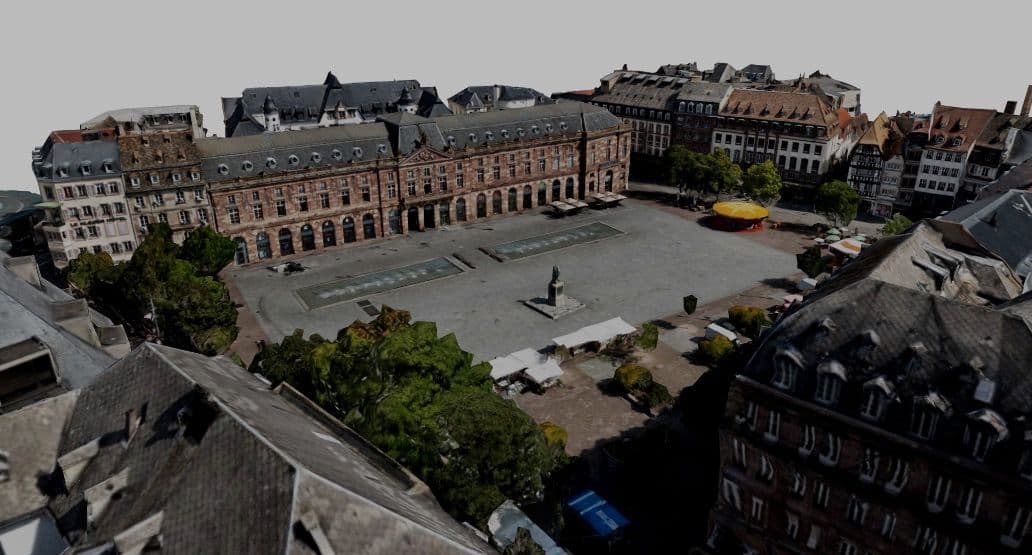
Strasbourg, Grand Est, France
The square's history dates back to the 14th century when it was known as the Butter Market. Its first off…
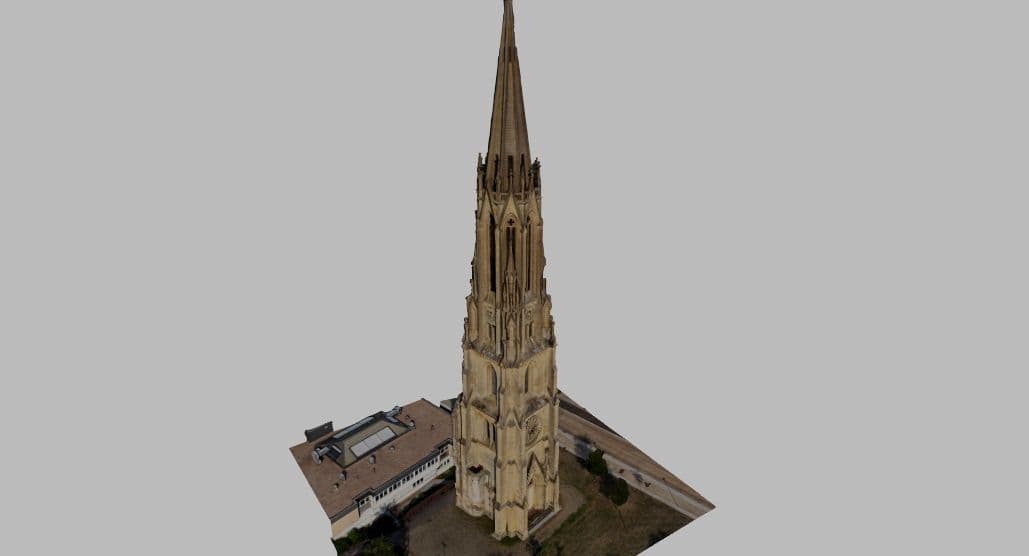
Metz,, Grand Est, France
The Bell Tower is the sole remaining element of the former Garnison Church (Temple de Garnison), a Luther…
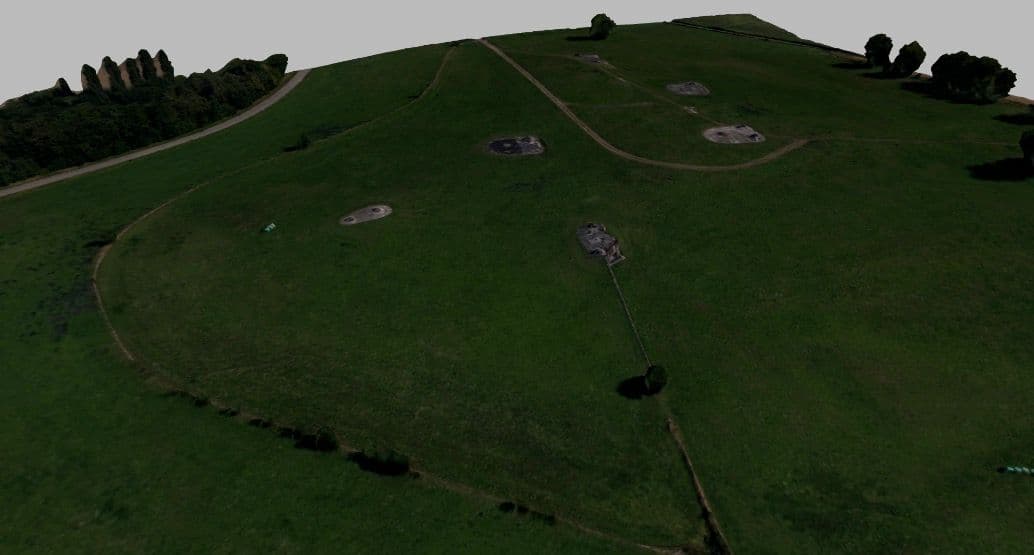
Hunspach, Grand Est, France
The Maginot Line was an elaborate and technologically advanced series of fortifications built by France a…
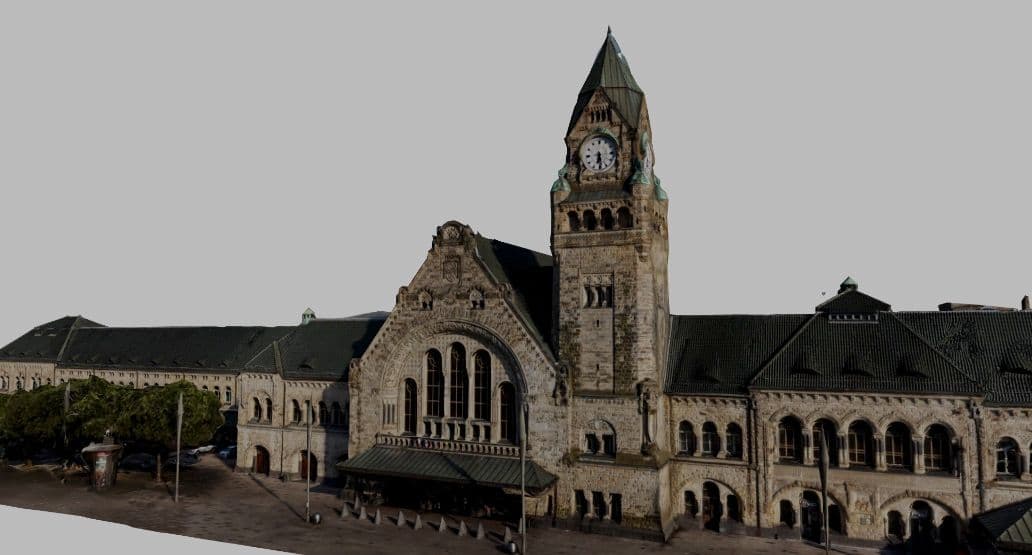
Metz, Grand Est, France
The most prominent location identified as "Salon Charlemagne" is a grand reception hall within the Gare d…
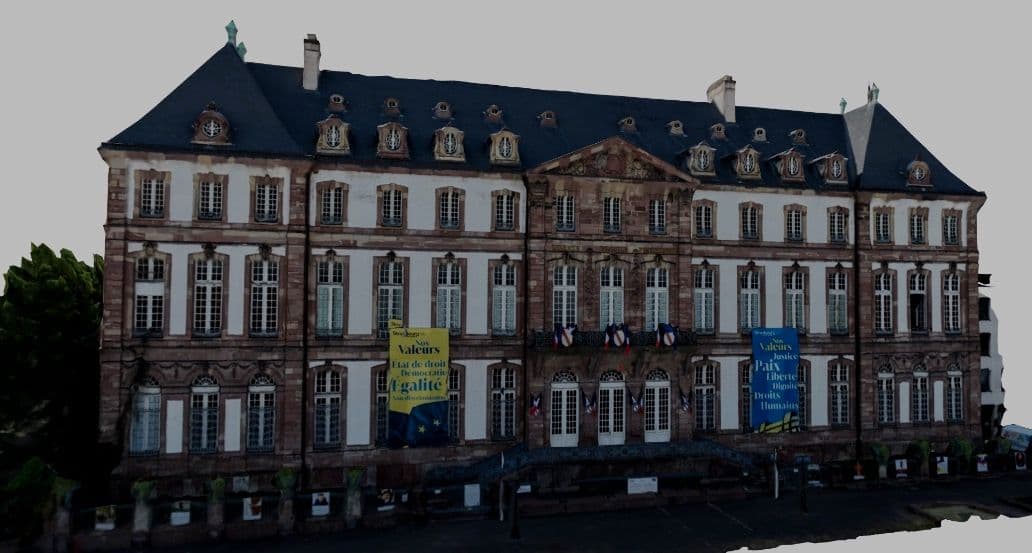
France, Grand Est
La Cimade is a French non-governmental organization founded in 1939. Its primary mission is to show activ…
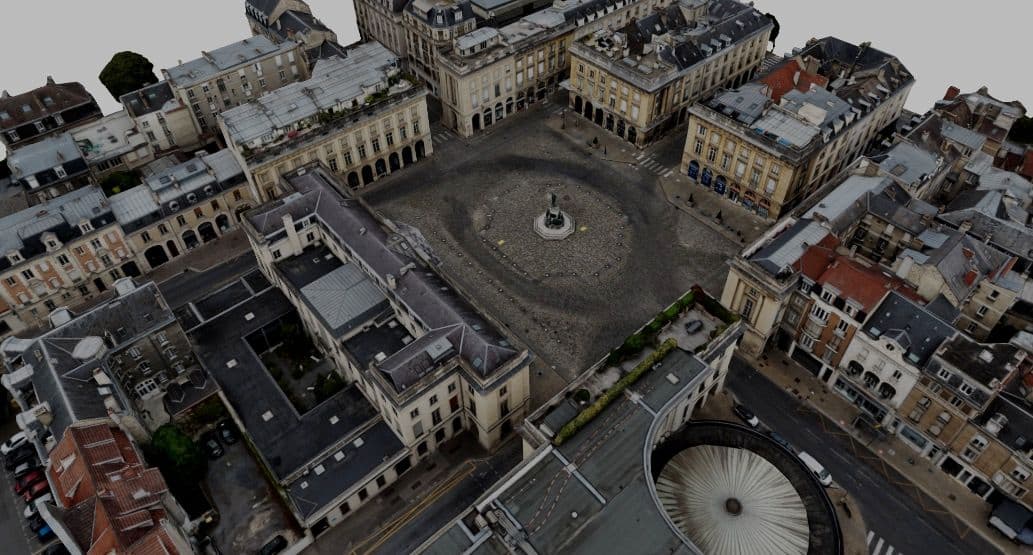
Reims, Grand Est, France
Place Royale, a majestic public square in the center of Reims, France, stands as a significant example of…
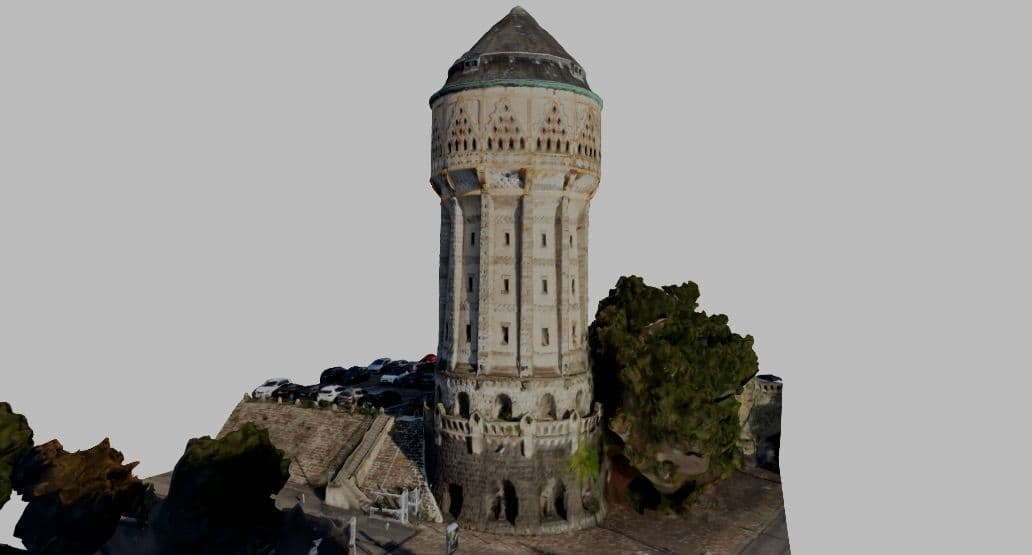
Metz, Grand Est, France
The Water Tower of Metz (Château d'eau de la gare de Metz) is a prominent landmark located near the city'…
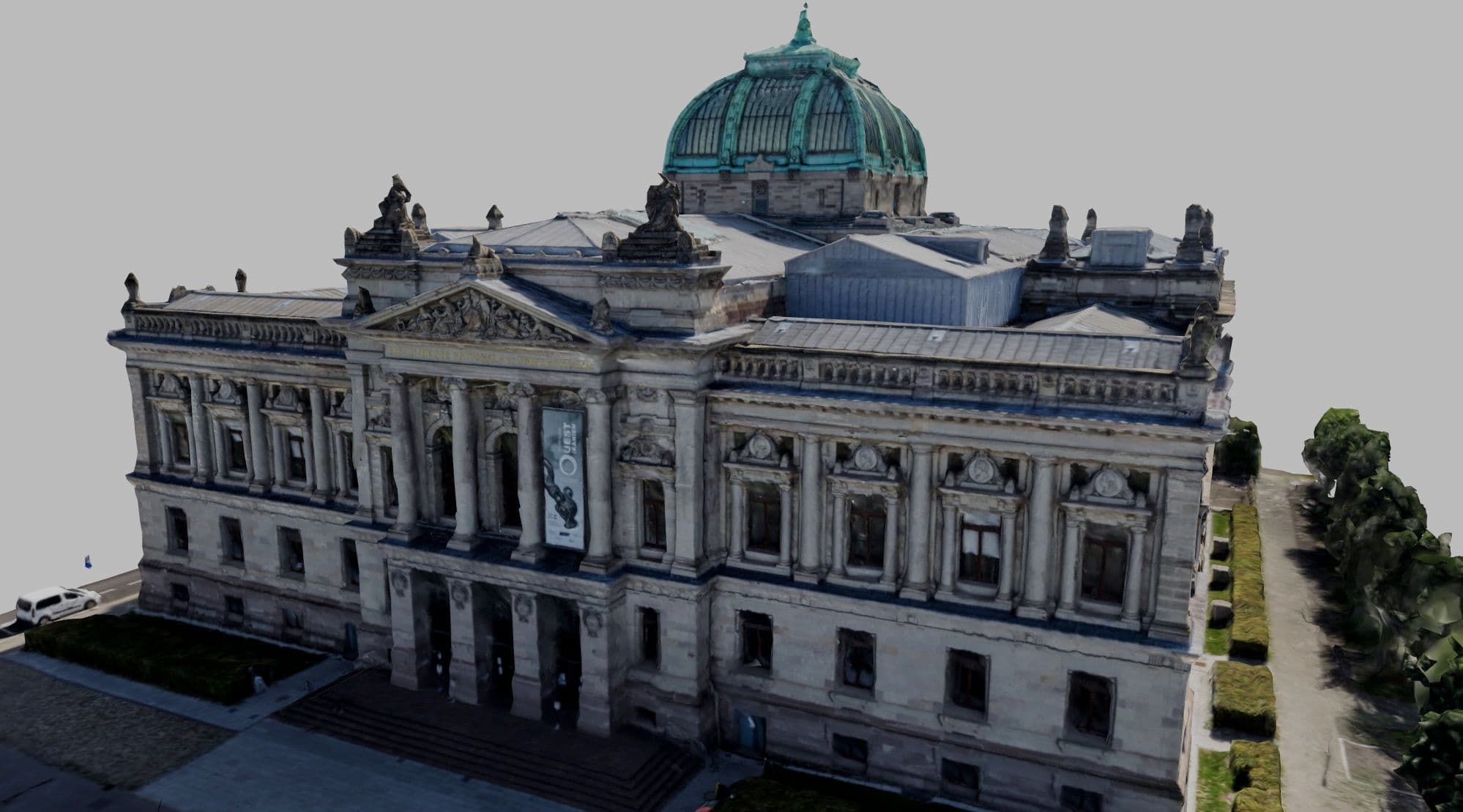
Strasbourg, Grand Est, France
Established on June 19, 1872, by the German Empire after the Franco-Prussian War, its creation was prompt…
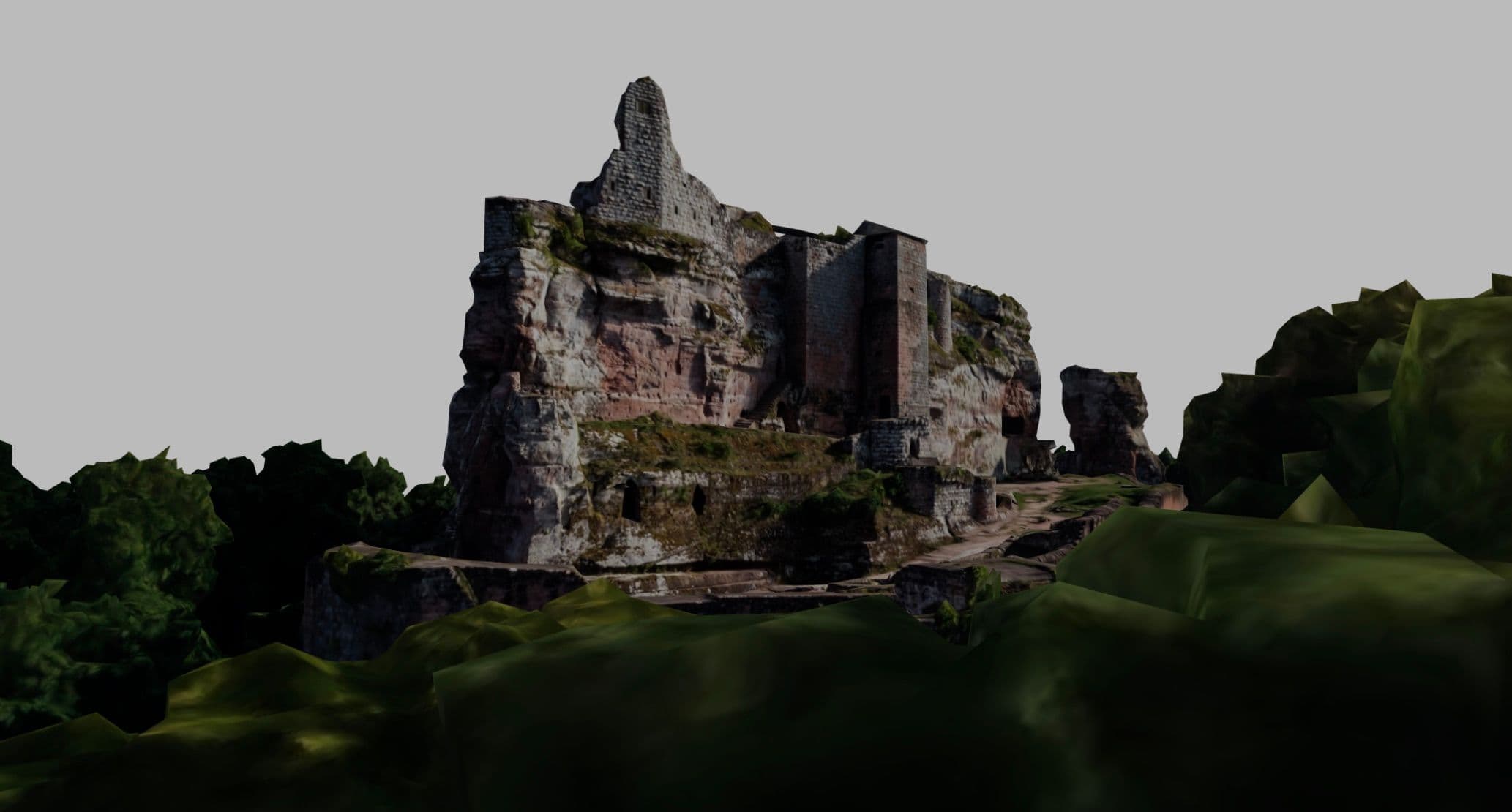
Lieu-dit Fleckenstein, Grand Est, France
Every winter solstice, the low sun arrows through a specific, ruined window of the Castle of Fleckenstein…
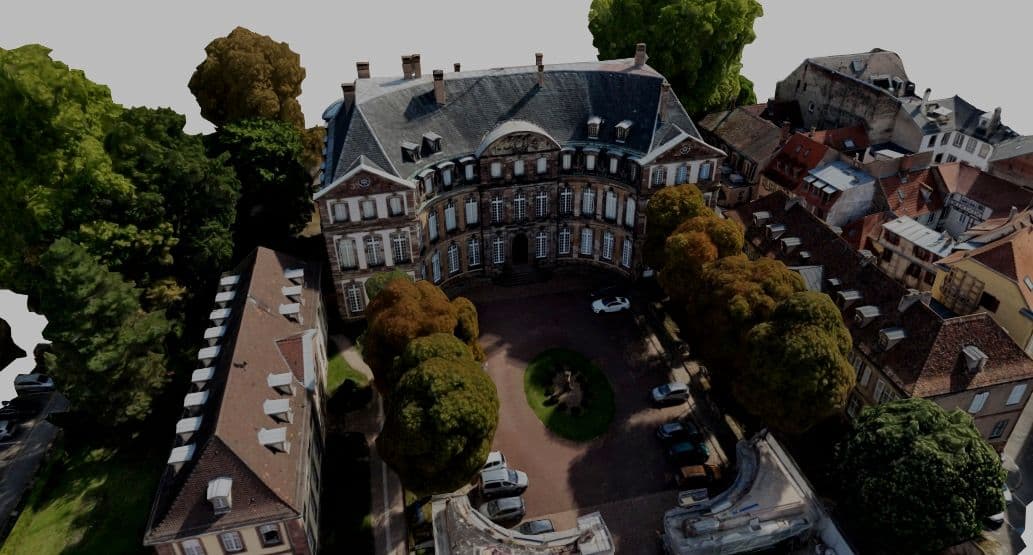
Hôtel Klinglin ou Hôtel du Préfet
Strasbourg, Grand Est, France
The mansion was built between 1731 and 1736 for François-Joseph de Klinglin, the royal moneylender (prête…
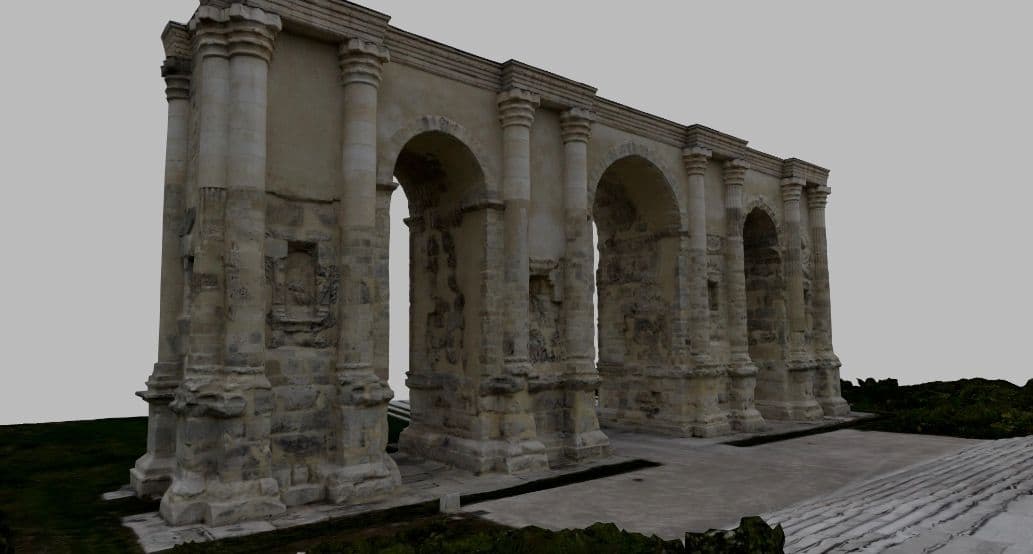
Porte de Mars
Reims, Grand Est, France
The monumental Mars Gate dates from the first part of the 3rd century and is the only remaining of four g…
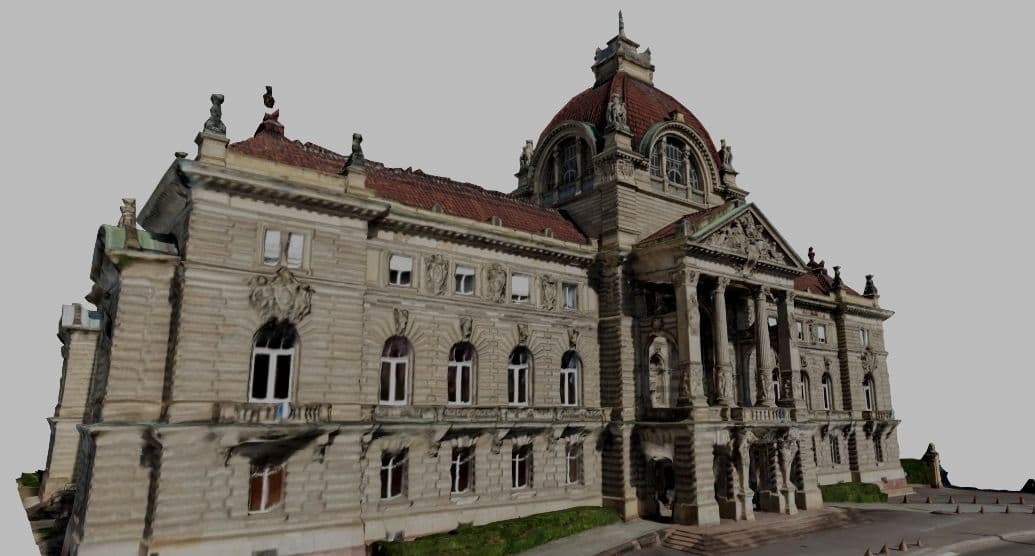
Palais du Rhin
Strasbourg, Grand Est, France
The Rhine Palace (French: Palais du Rhin), formerly known as the Kaiserpalast (Imperial Palace), is a pro…
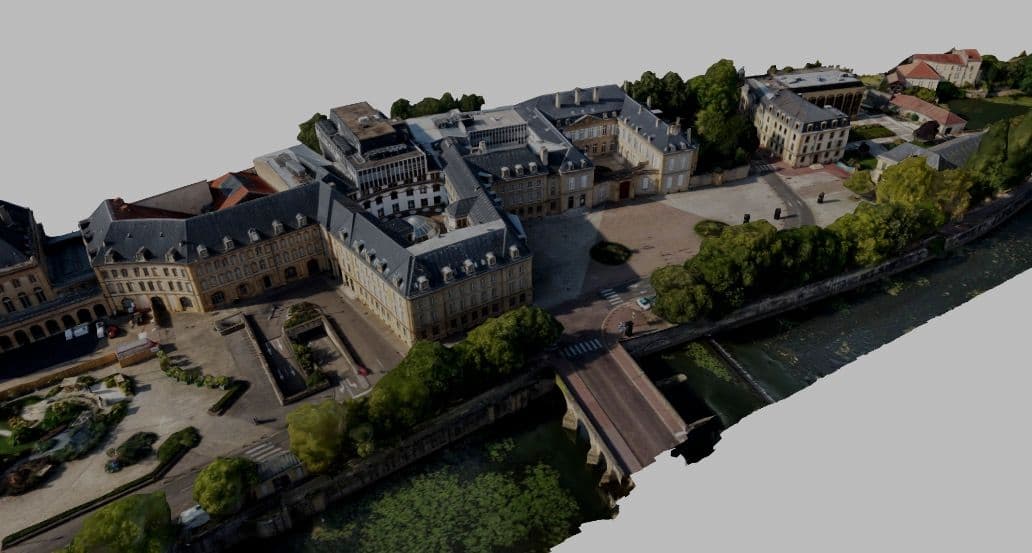
Metz, Grand Est, France
Petit-Saulcy Island is an island in Metz, France, located on the Moselle River, known for hosting the uni…
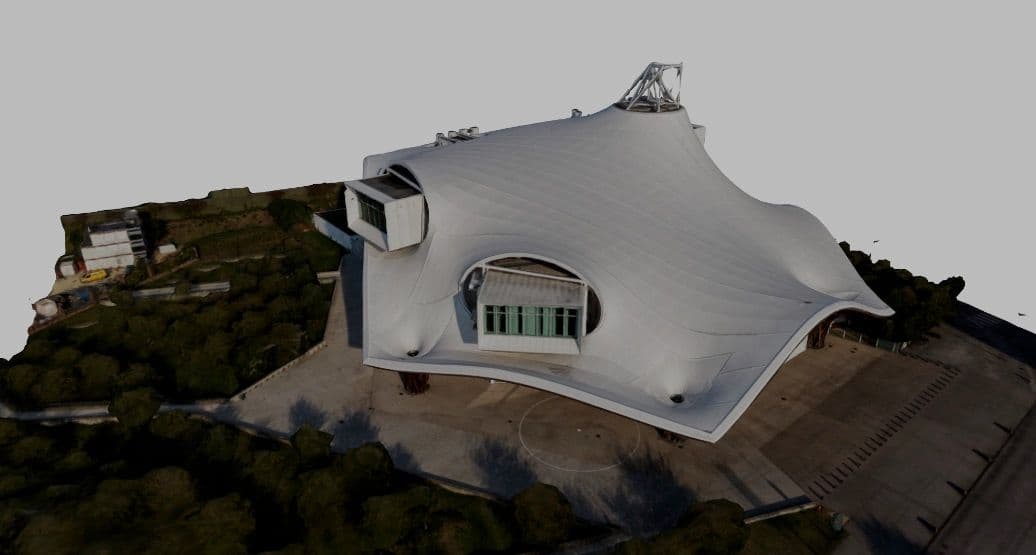
Metz, Grand Est, France
The Centre Pompidou-Metz is a museum of modern and contemporary art located in Metz, France. It is a bran…
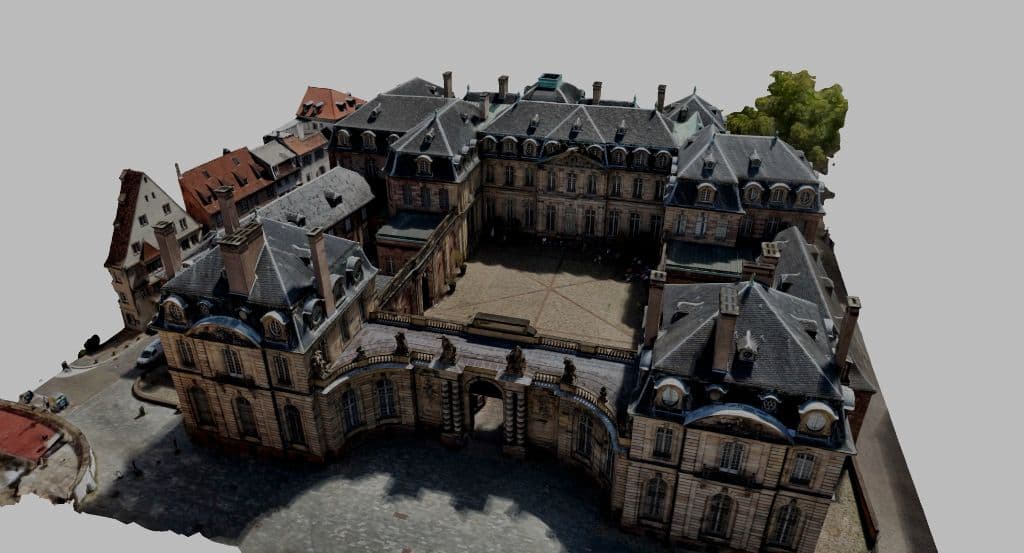
Strasbourg, Grand Est, France
The Palais Rohan stands as a significant architectural, historical, and cultural landmark in Strasbourg,…
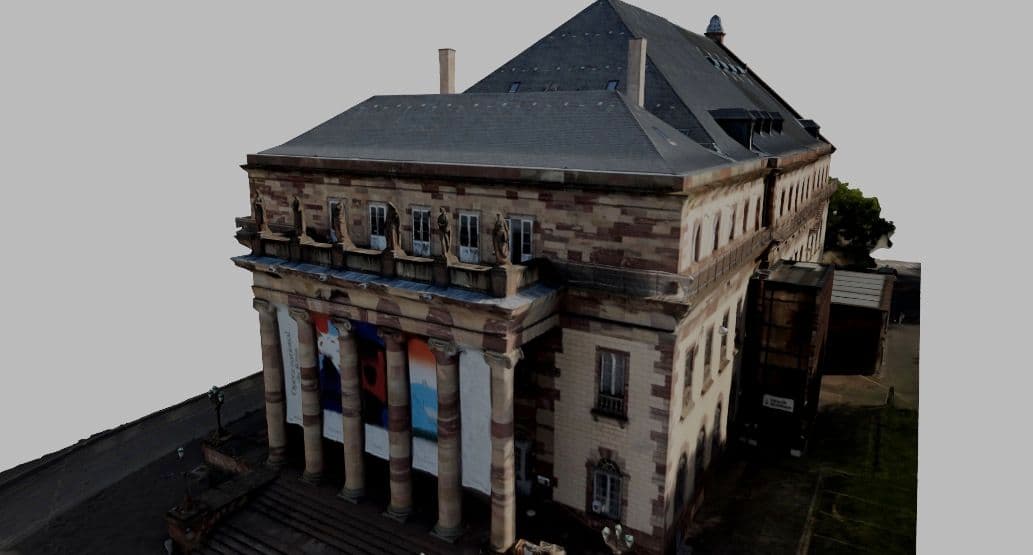
Opéra national du Rhin
Strasbourg, Grand Est, France
The first opera house opened in Strasbourg in 1701 in a converted granary. After a fire and temporary loc…
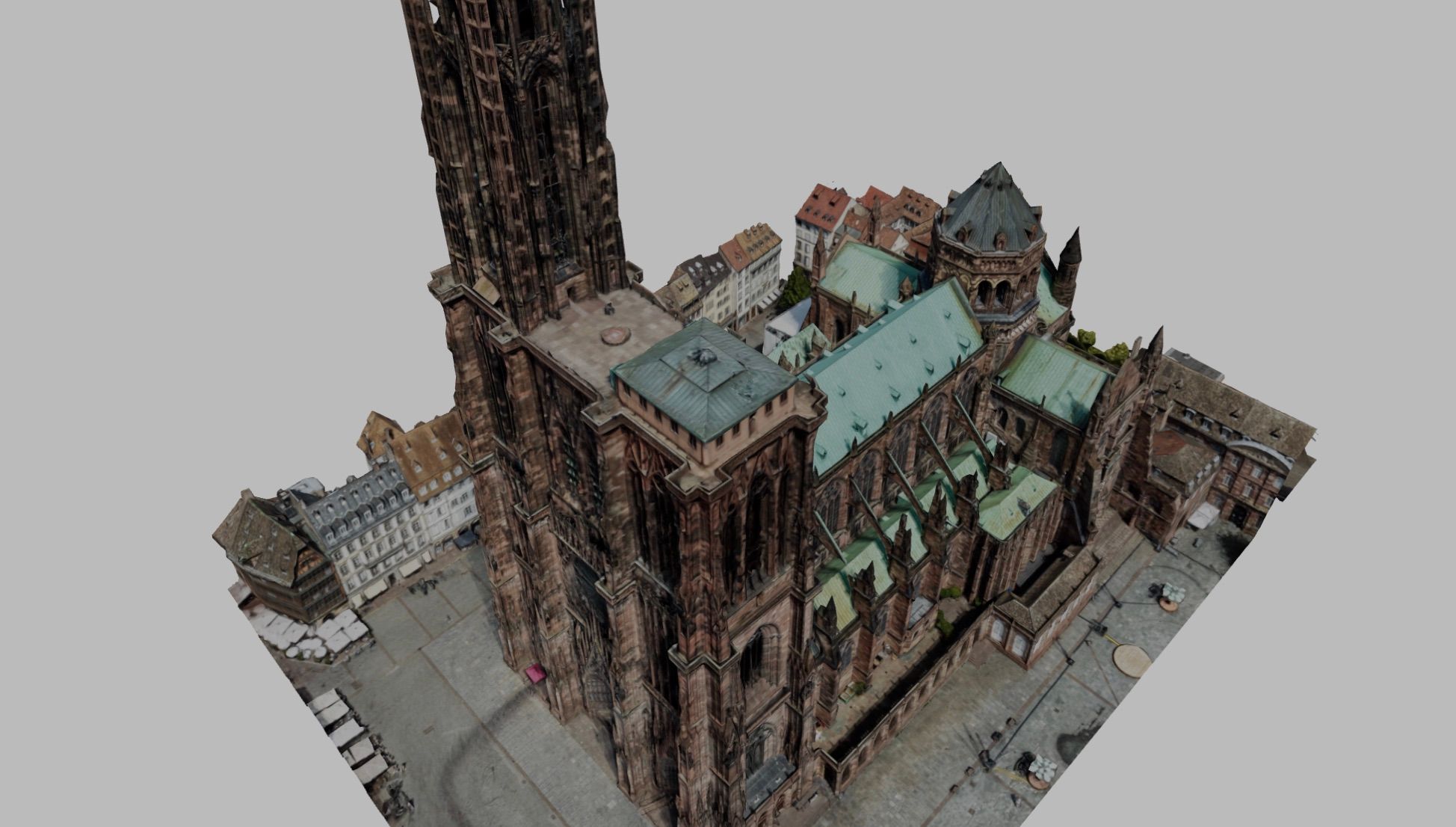
30 Stops
Across Reims, Metz, Strasbourg, and the northern Vosges, Roman reliefs, Gothic glass, courtly interiors, and public squares trace how communities have expressed belief, authority, and belonging. Coronation ritual and monastic memory meet imperial urban planning, the rebuilding of libraries and theatres, and contemporary art and solidarity. Together, these places reveal a regional culture continually remade through exchange, conflict, and care.
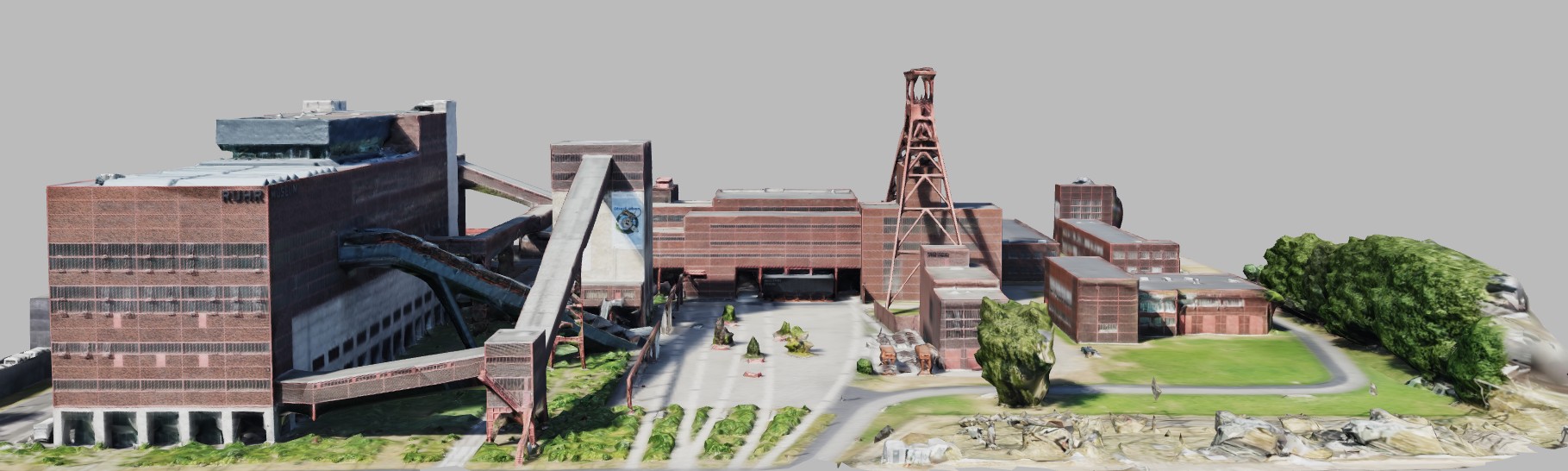
21 Stops
Churches becoming mosques, an ancestral hall becoming a radio factory, and civic or industrial buildings finding new uses reveal architecture as a continuing negotiation. The building outlives any single definition of its purpose.
22 Stops
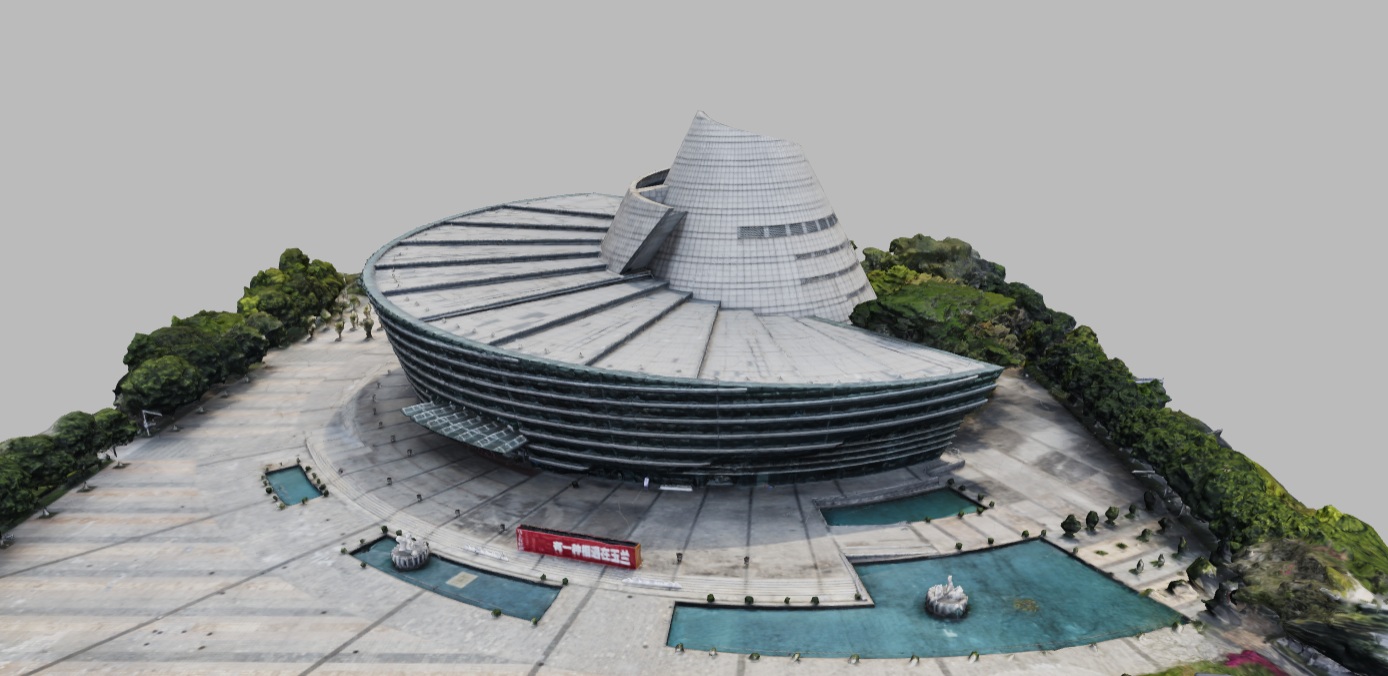
From a regional opera theater to grand European performance houses and a contemporary Chinese arts complex, these buildings turn gathering into ceremony. A journey through the places where a city presents itself to an audience.