


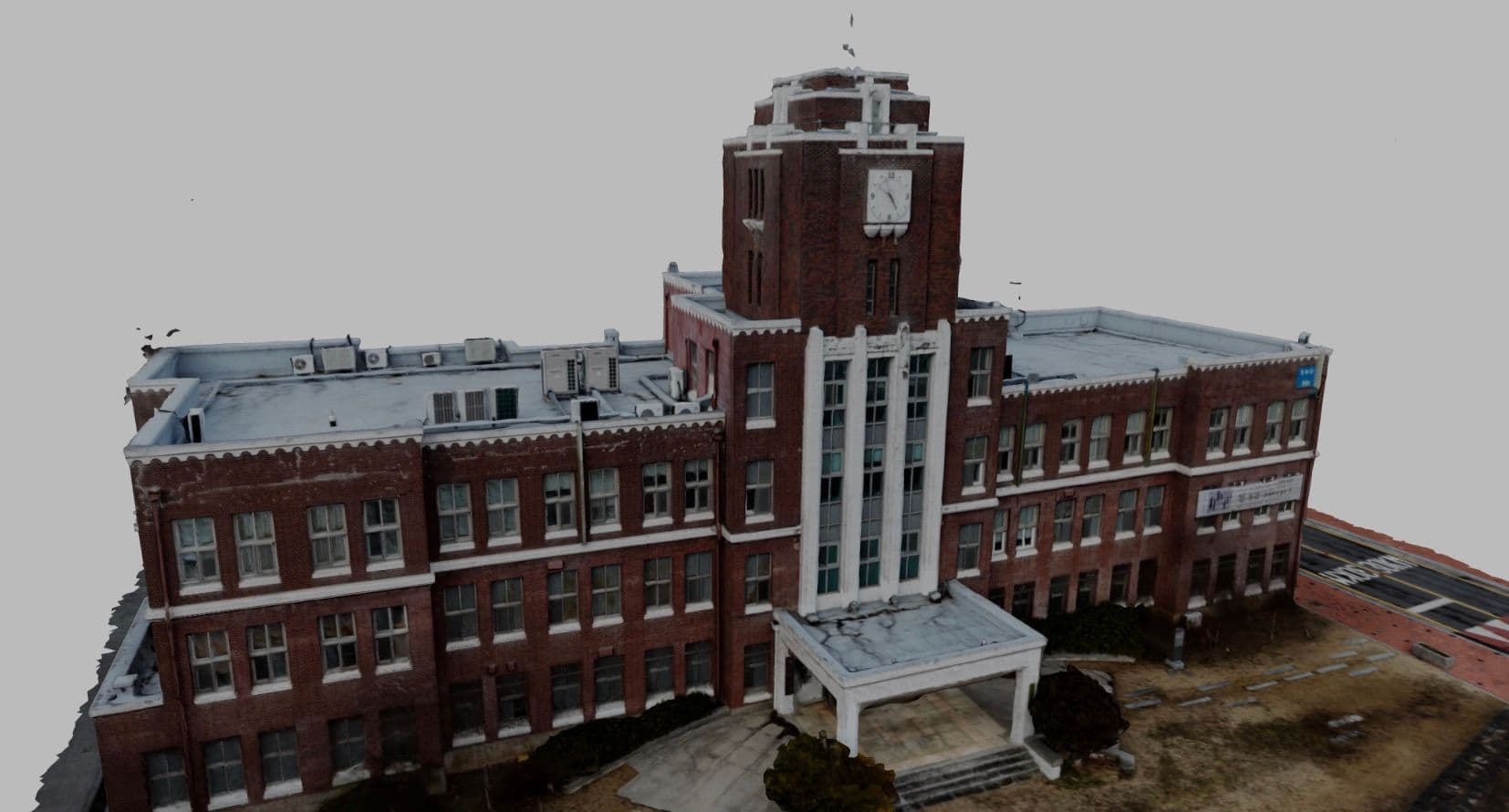
Chonnam National University Main Building
Buk-gu, Gwangju, South Korea
The university played a significant role in the May 18 Democratic Movement in 1980, with students, faculty, and Gwangju citizens protesting against the military dictatorship.
Buk-gu, Gwangju, South Korea
The university played a significant role in the May 18 Democratic Movement in 1980, with students, faculty, and Gwangju citizens protesting against the military dictatorship.
Gwangju, South Korea
Dong-gu, Gwangju, South Korea
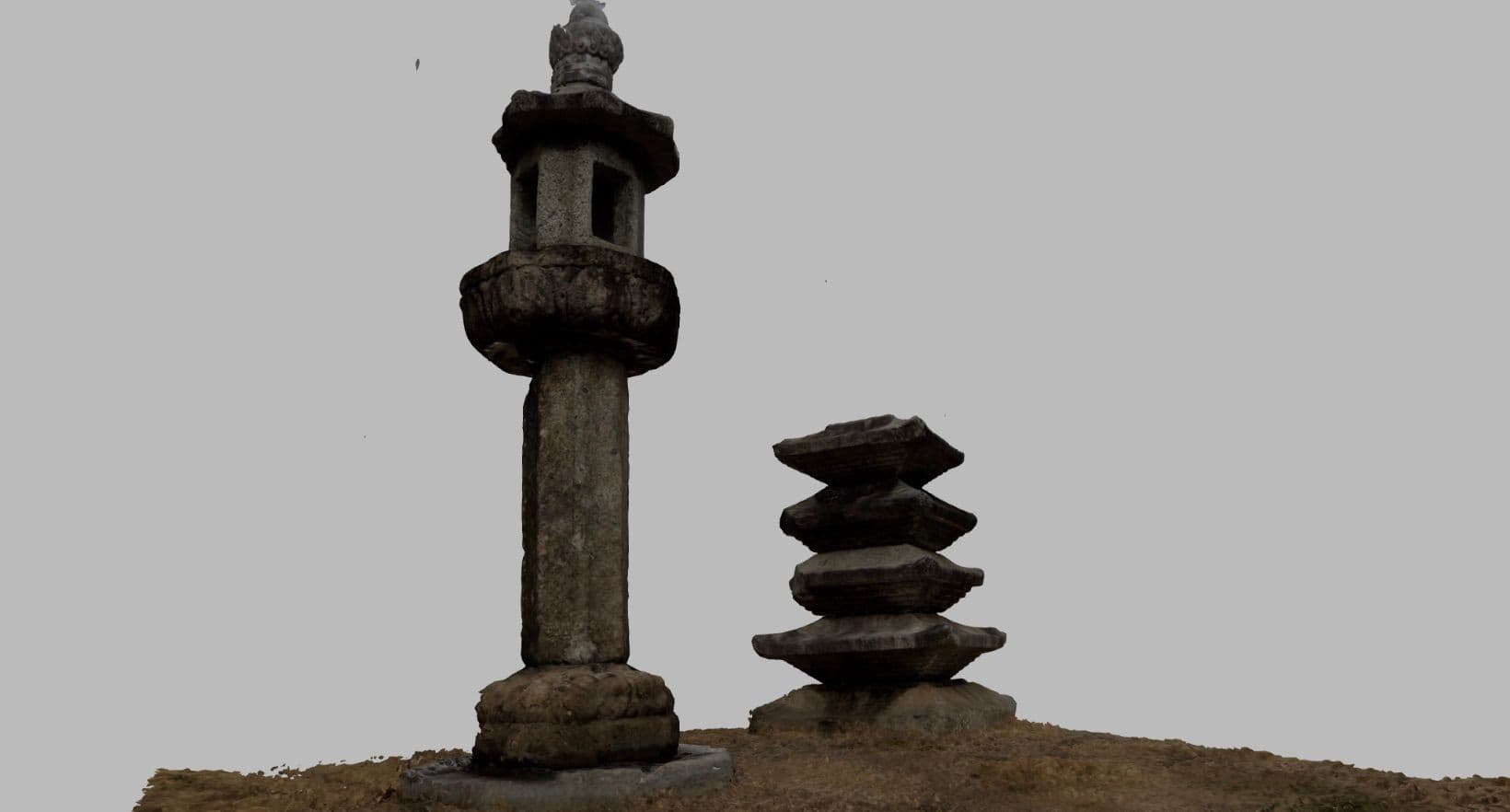
The stone pagoda, along with the inscribed stone lanterns, is said to have been passed down as relics of Daehwangsa Monastery.
Gwangju, South Korea
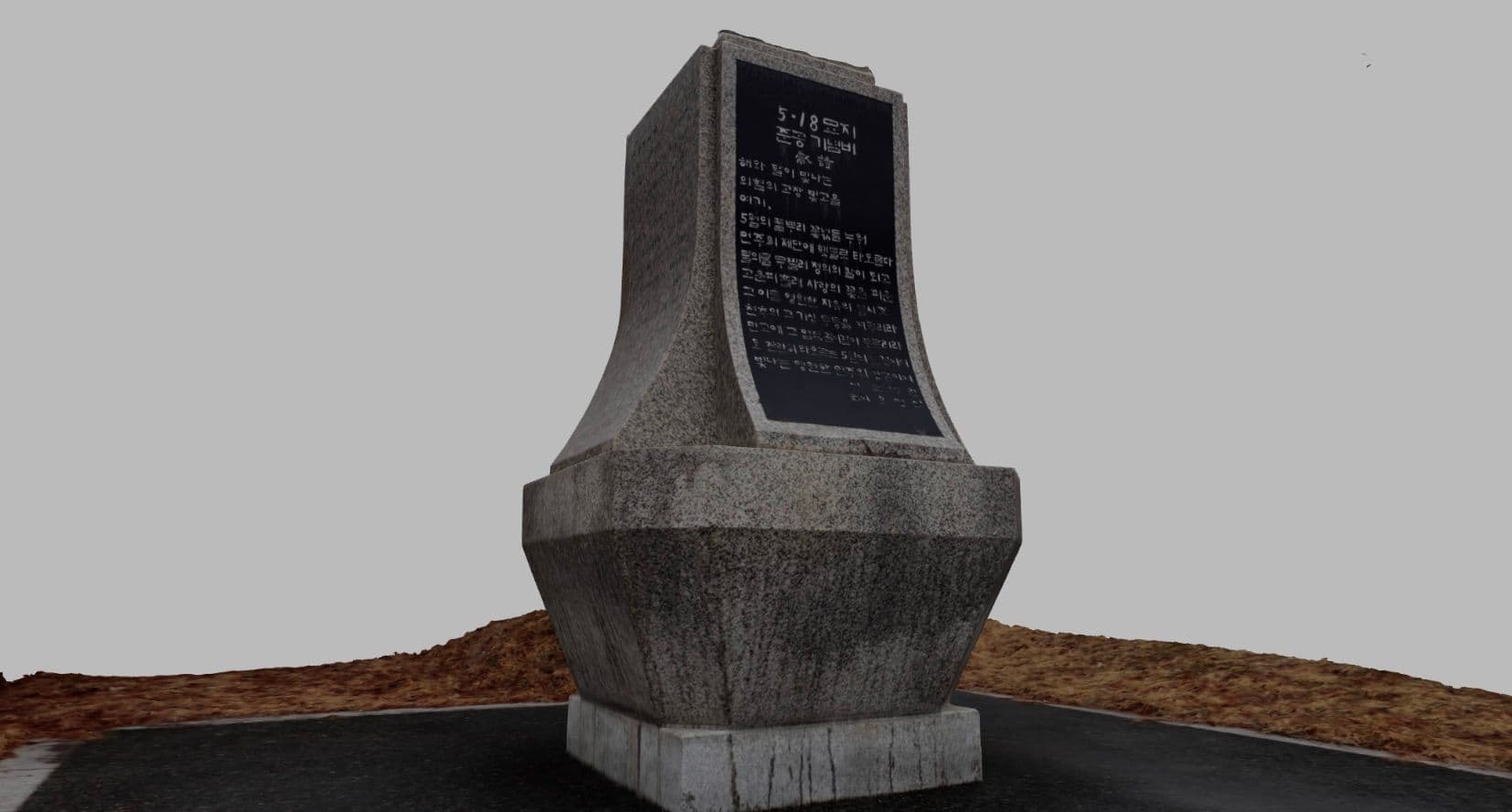
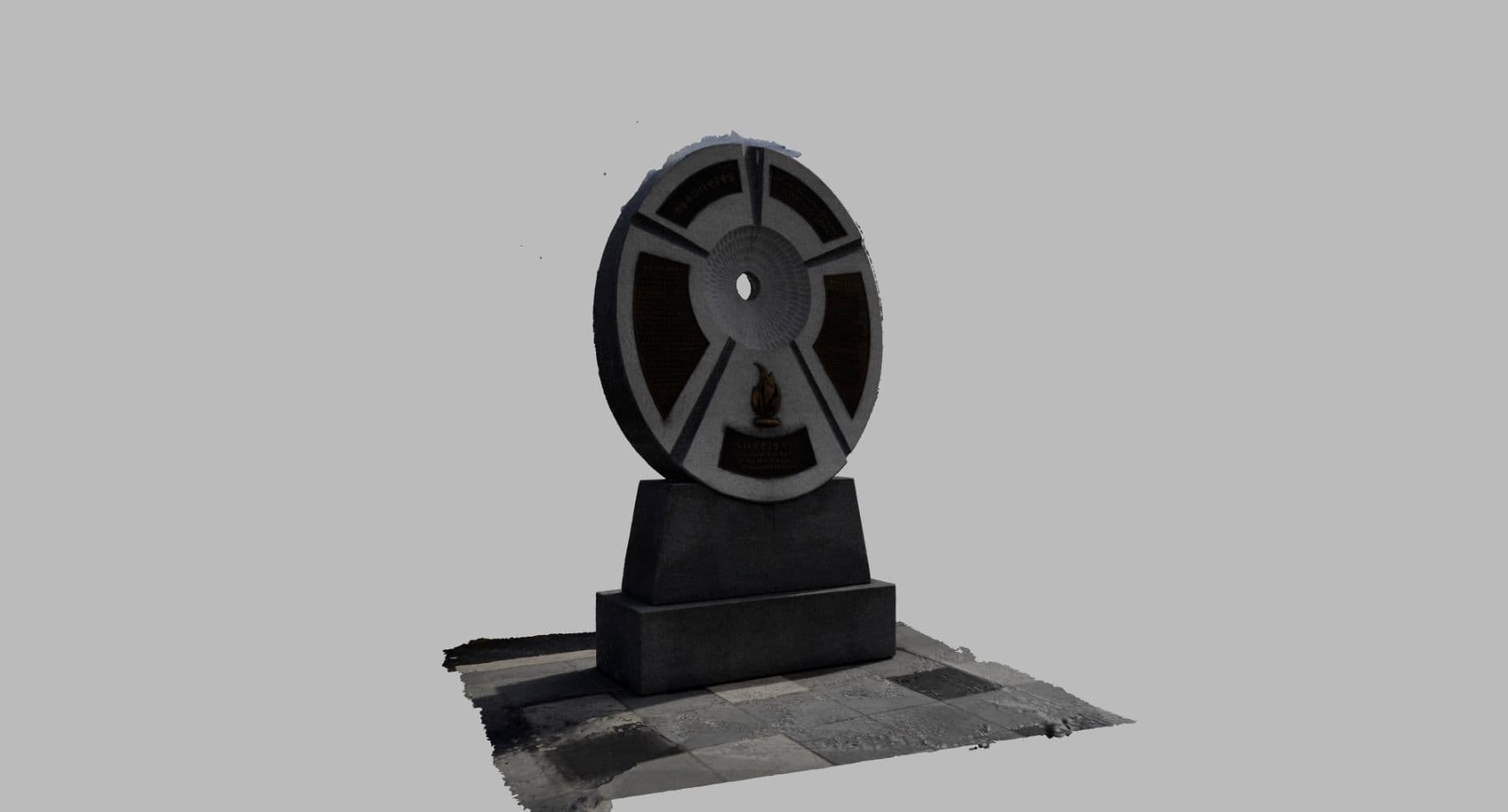
The May 18th National Cemetery, located in Gwangju, South Korea, serves as a memorial for the victims of the Gwangju Uprising, a pro-democracy movement that occurred from May 18 to May 27, 1980.
Dong-gu, Gwangju, South Korea
Dong-gu, Gwangju, South Korea
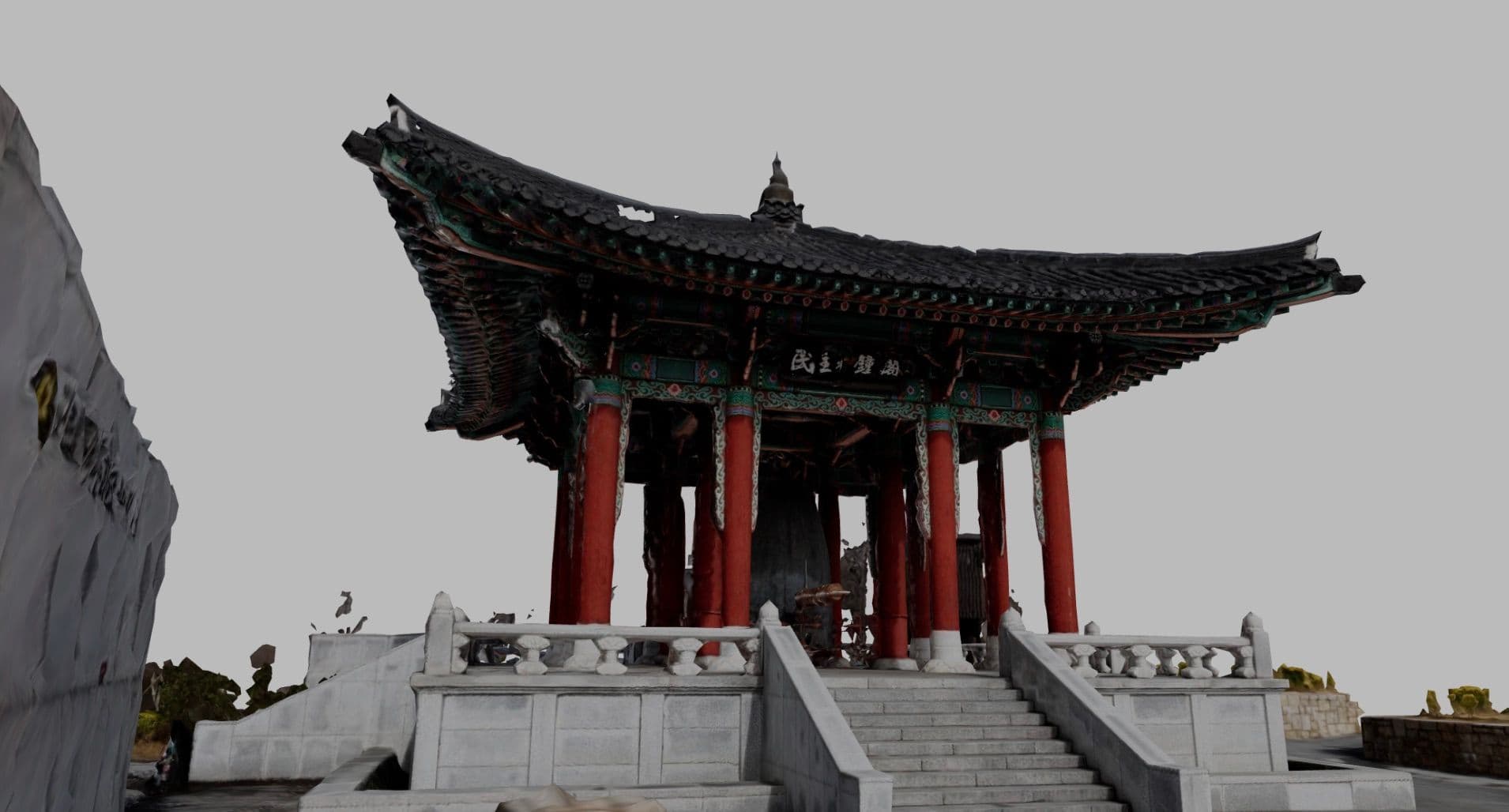
The Bell of Democracy, situated in the downtown area, and the May 18th National Cemetery serve as recognitions of Gwangju's role. The Gwangju Prize for Human Rights was also established in 2000 in memory of the martyrs of May 18th.
Doam-myeon, Jeollanam-do, South Korea
Doam-myeon, Jeollanam-do, South Korea
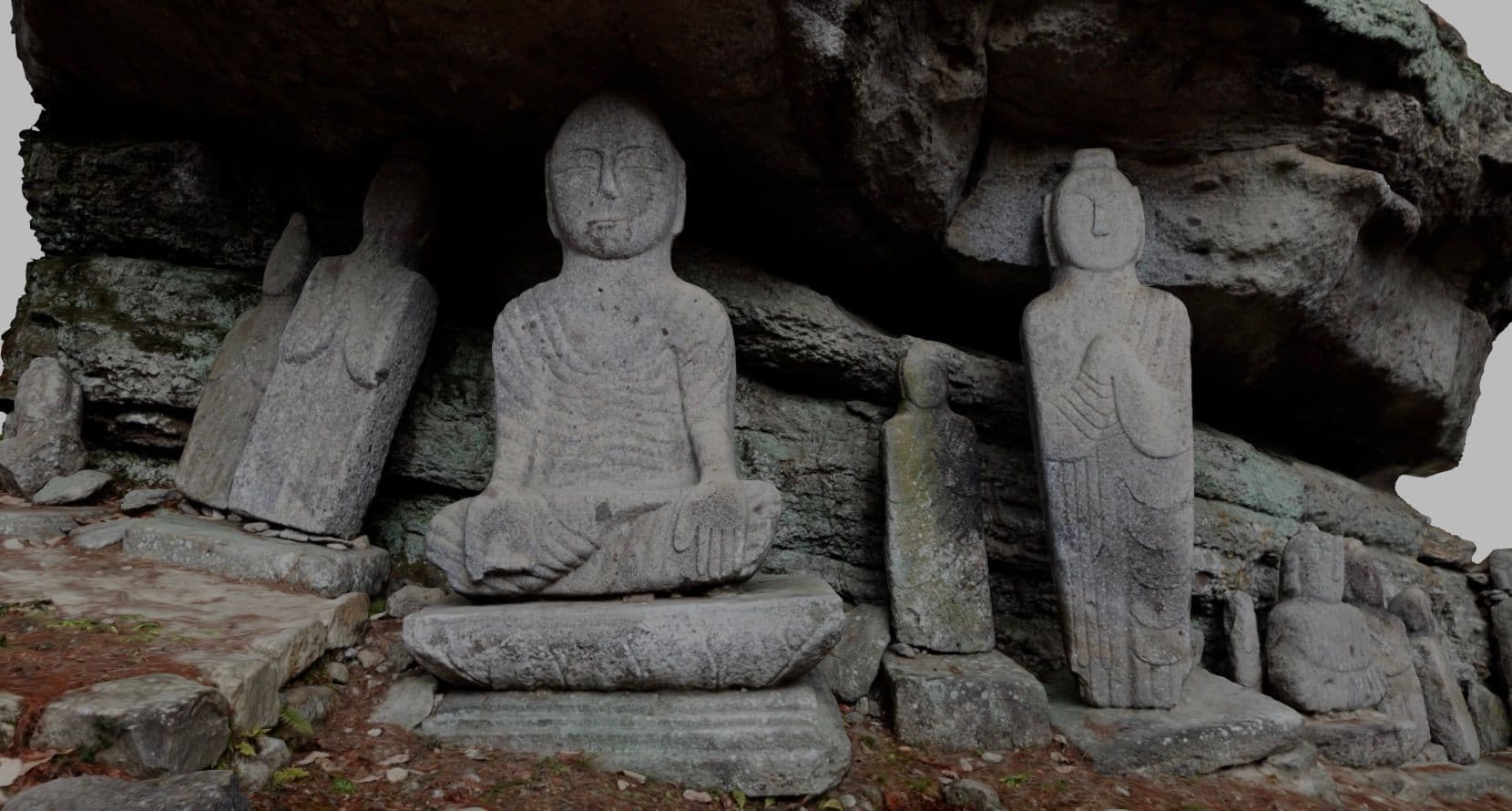
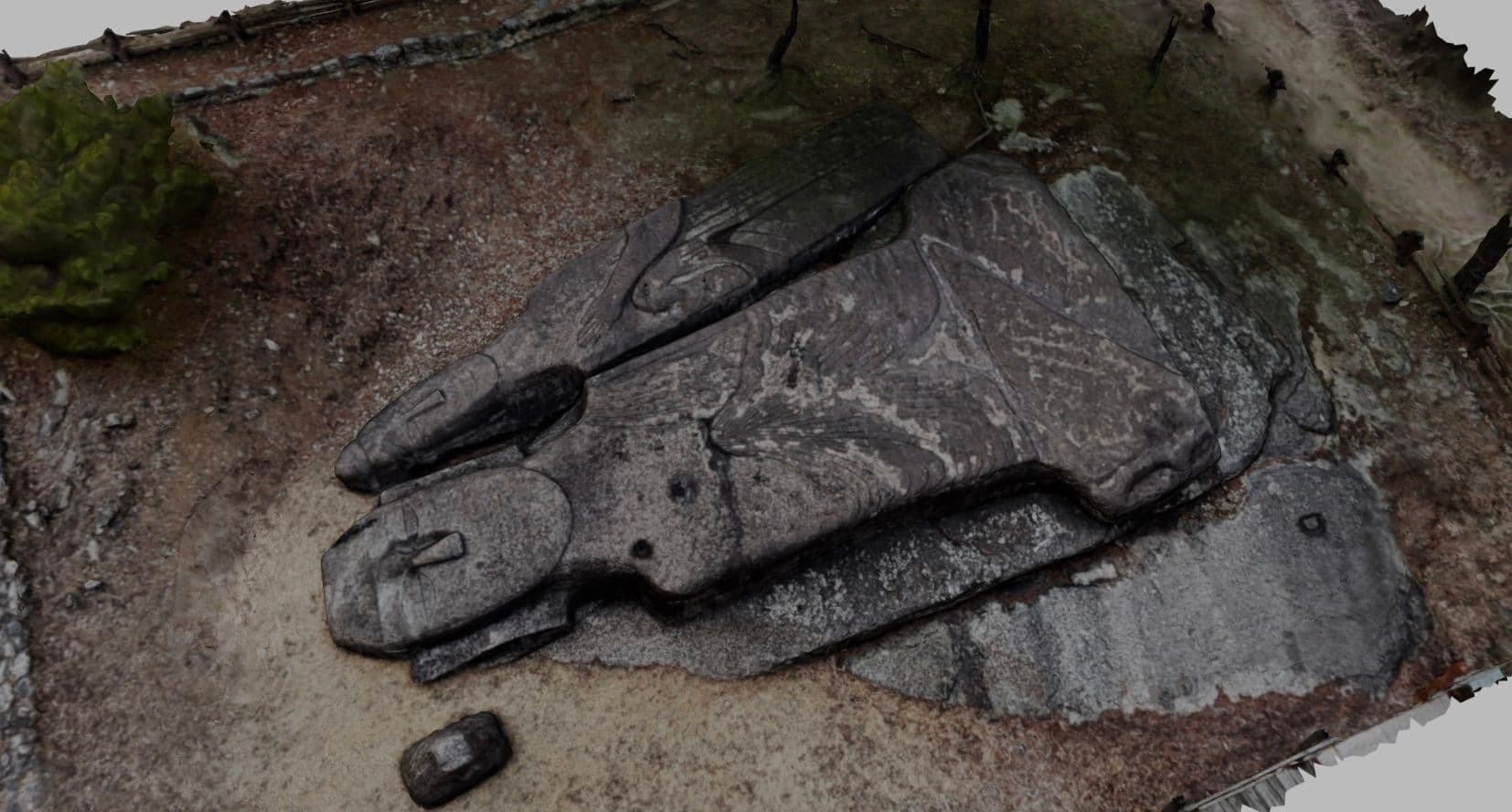
The reclining Buddhas at Unjusa are not typical parinirvana statues. Instead, they are interpreted as a seated Buddha and a standing Buddha carved into a large natural rock formation, lying flat on the ground.
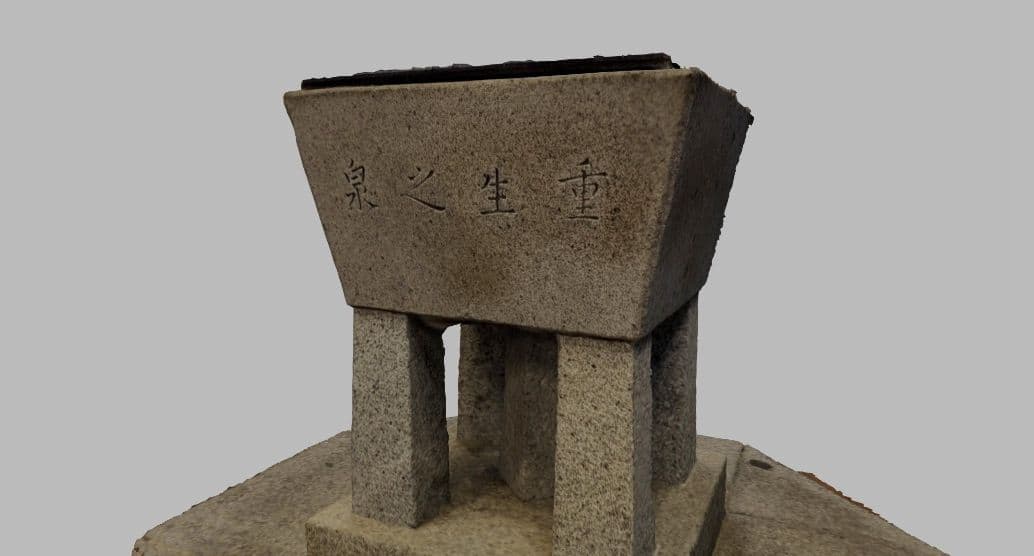
Ganghwa-eup, Incheon, South Korea
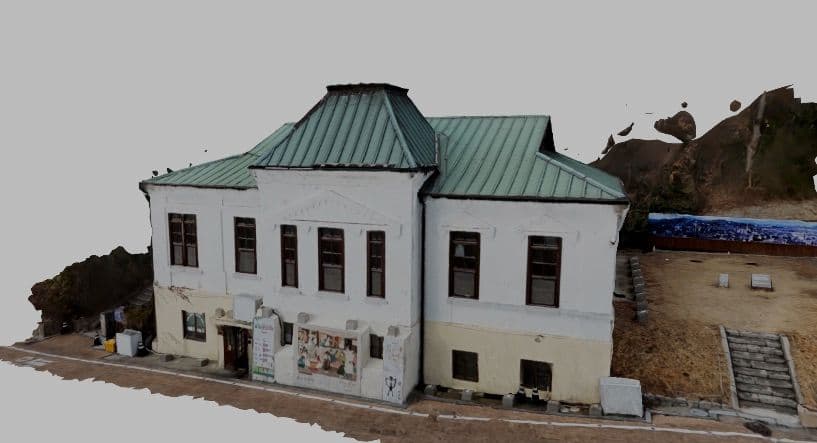
Jayugongwonnam-ro, Incheon, South Korea
Established in 1901 by Russian architect Aleksey Seredin-Sabatin, this two-story brick building was designed to foster friendships among foreigners from diverse nations, including the United States, England, Germany, France, and Russia.
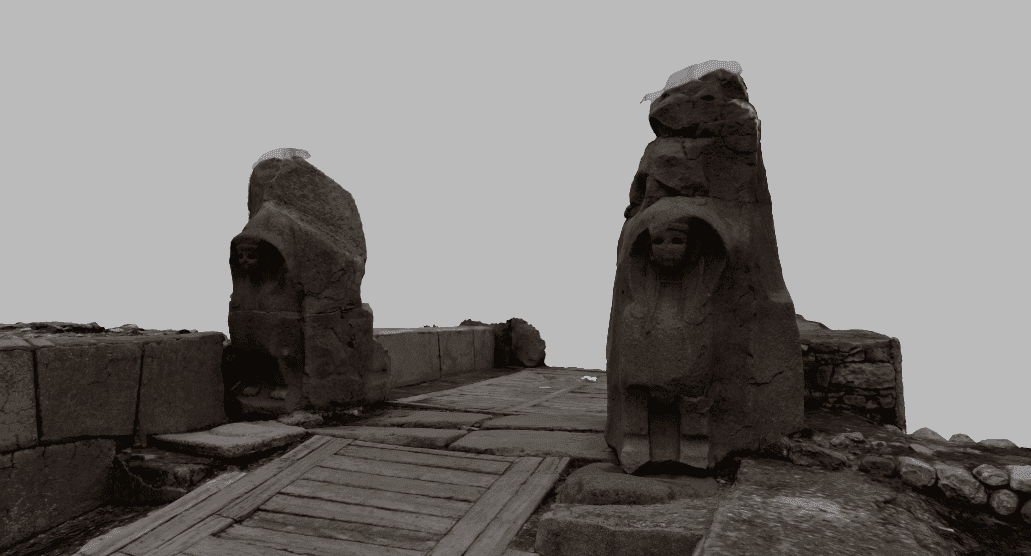
Boğazkale, Çorum, Türkiye
The Sphinx Gate was built in the 14th century BCE. It was the south entrance of the city and was fortified with towers. It was flanked by sphinx protomes sculpted in monolith stone. The sphinxes were the protectors of the city.
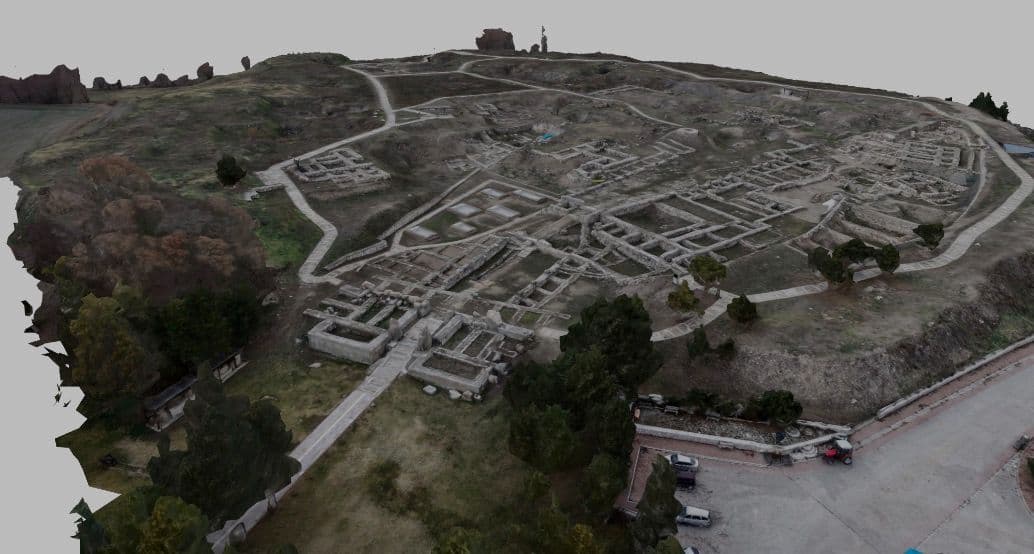
Boğazkale, Çorum, Türkiye
Renowned for its royal tombs and monumental gates, it offers critical insights into early Anatolian metallurgy and Hittite religious practices.
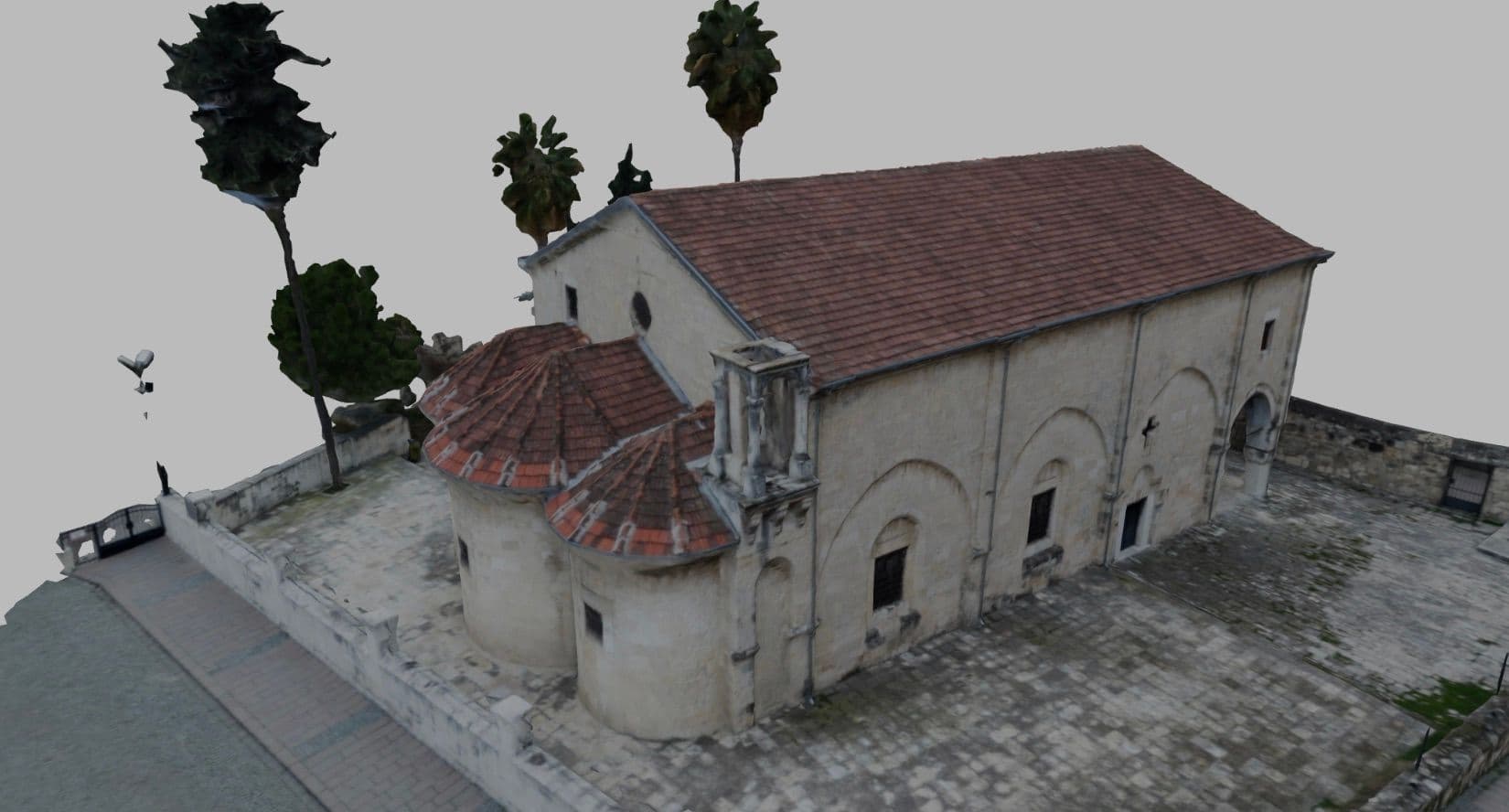
Tarsus, Mersin, Türkiye
Saint Paul's Church, located in Tarsus, Mersin Province, Turkey, is a significant historical and religious site. Tarsus itself is notable as the birthplace of Saint Paul the Apostle.
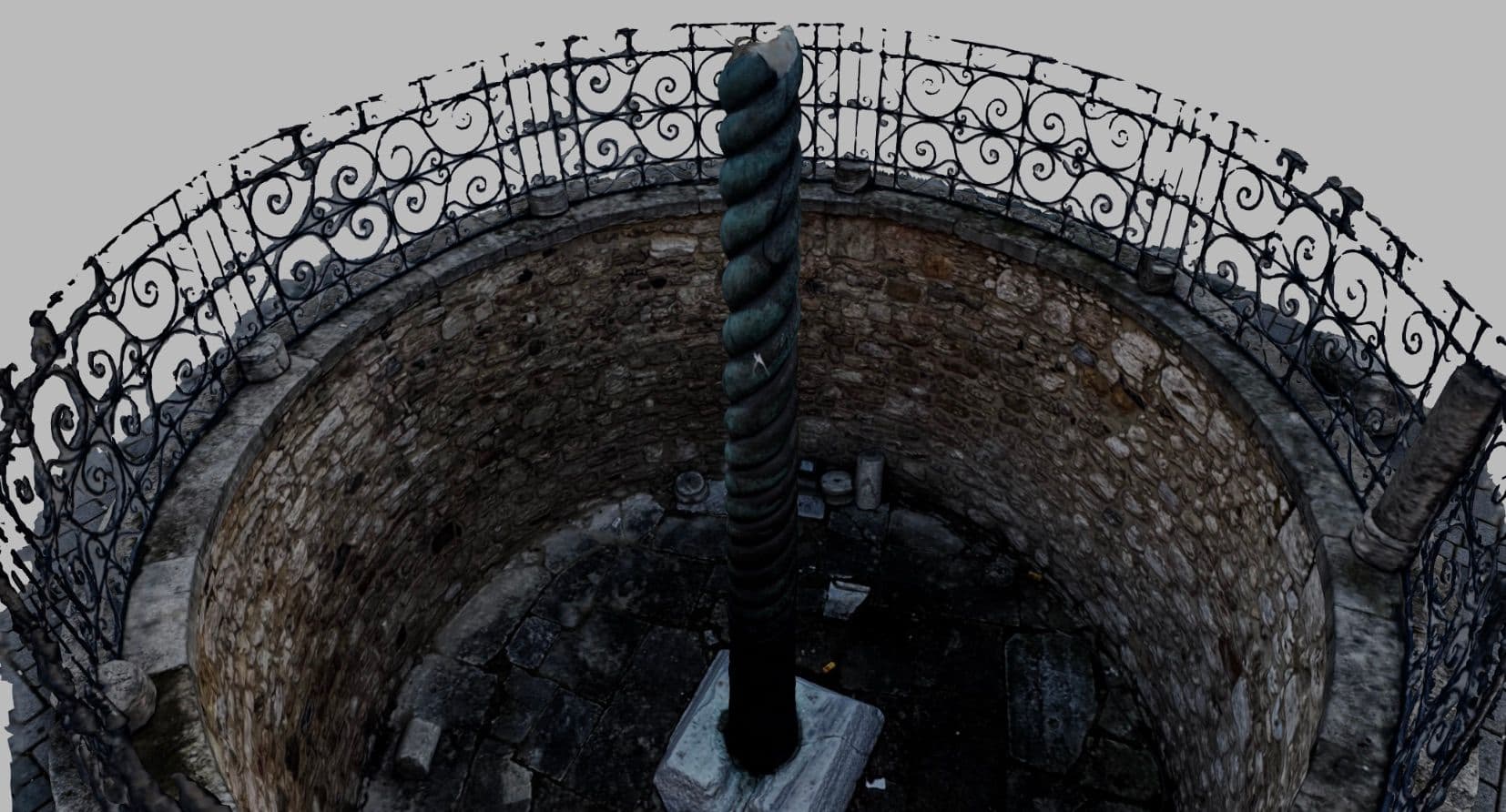
İstanbul, Türkiye
The Serpent Column, a bronze monument dating to the 5th century BCE, is one of Istanbul’s most ancient surviving relics. Originally part of a sacrificial tripod erected at Delphi, Greece.
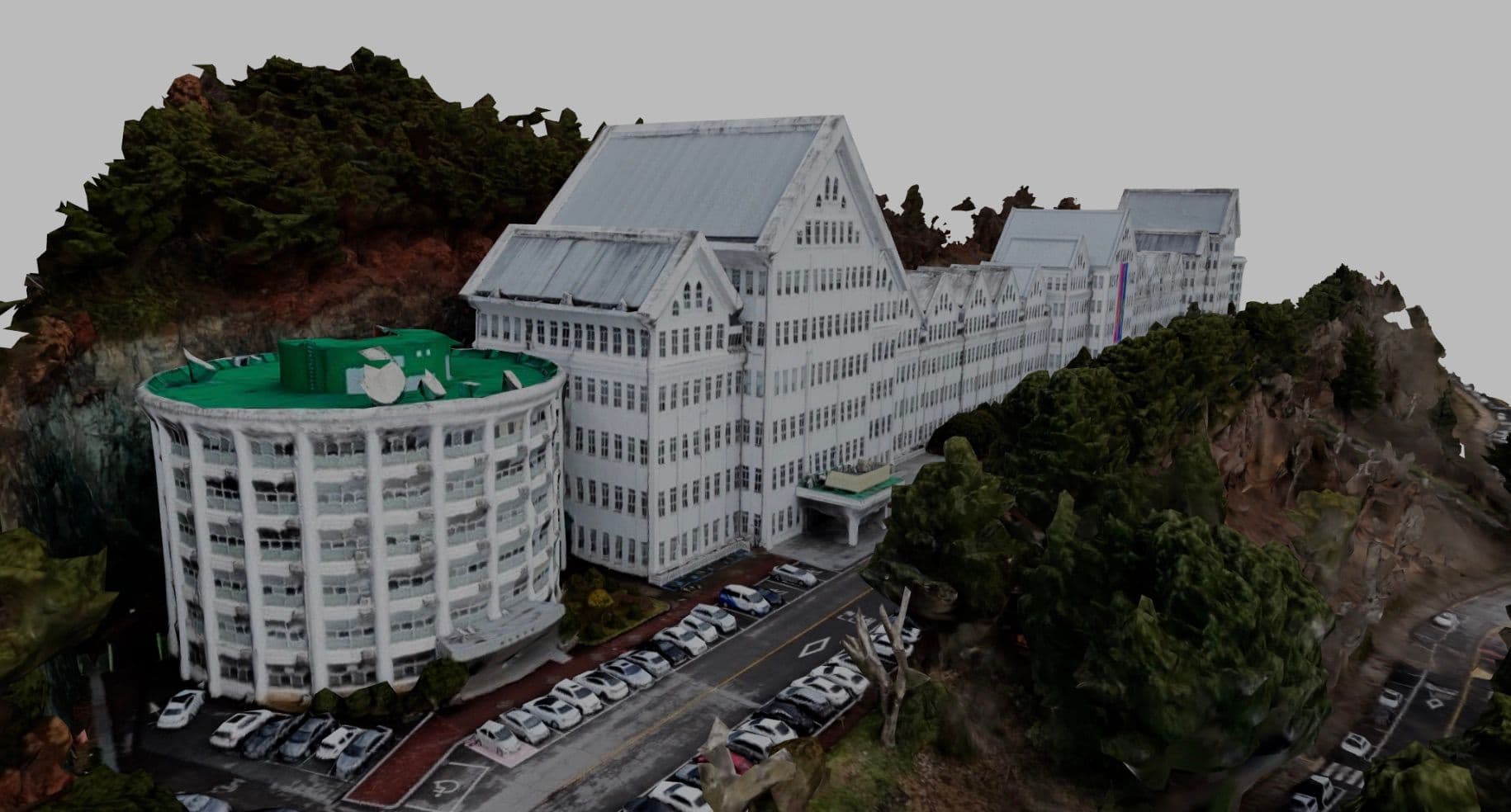
Gwangju, South Korea
The Chosun University Main Building, established in 1947 and completed in 1954. The building spans 370 meters, making it one of the longest buildings in Asia.
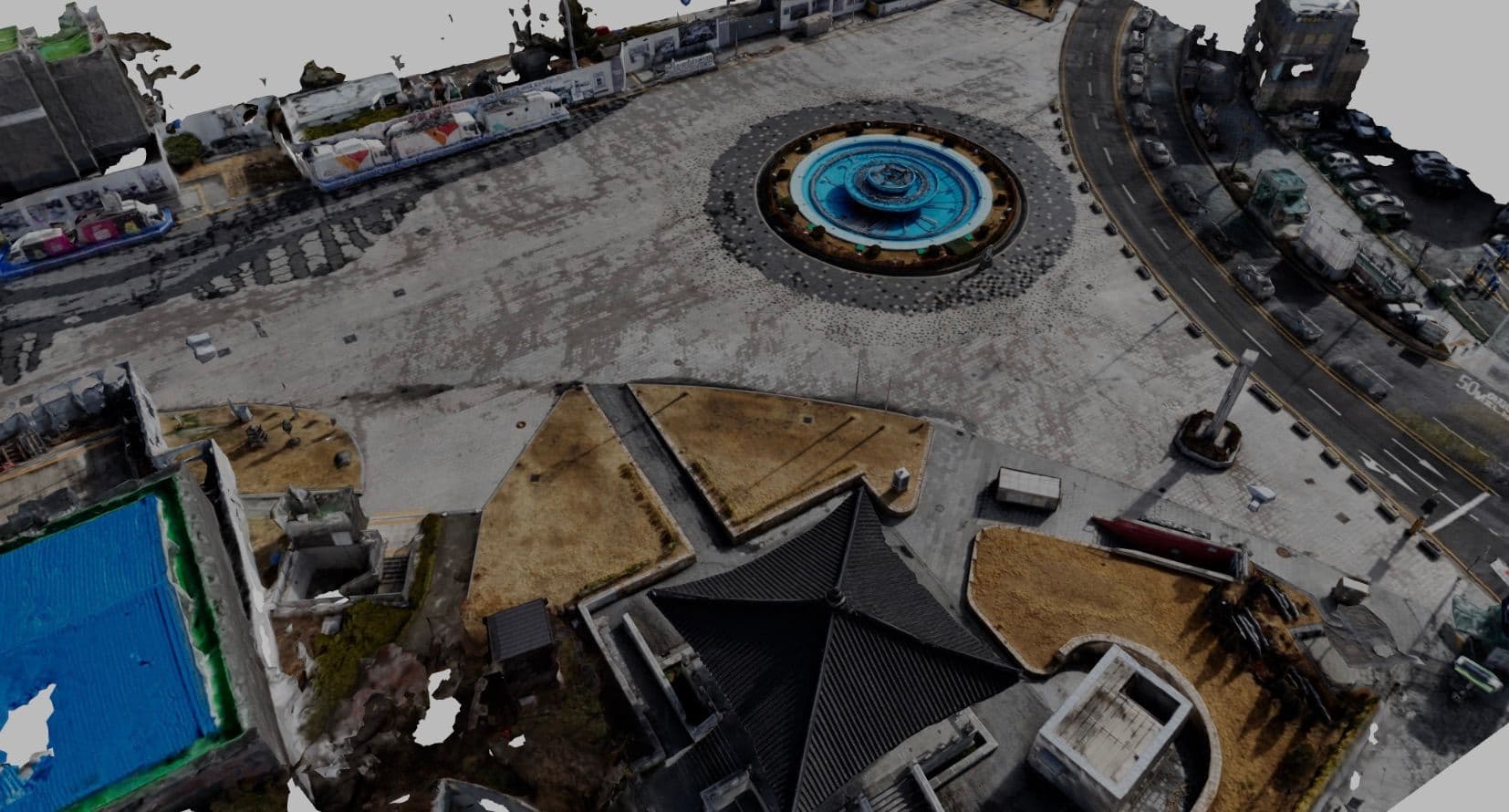
Geumnam-ro, Gwangju, South Korea
5.18 Democracy Square, located in the heart of Gwangju, South Korea, is a poignant historical landmark that commemorates the courageous fight for democracy and freedom during the May 18th Democratic Uprising of 1980.
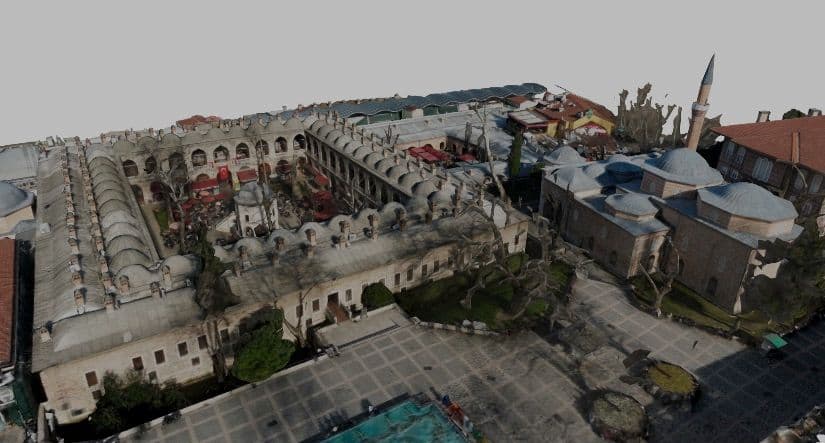
Osmangazi̇, Bursa, Türkiye
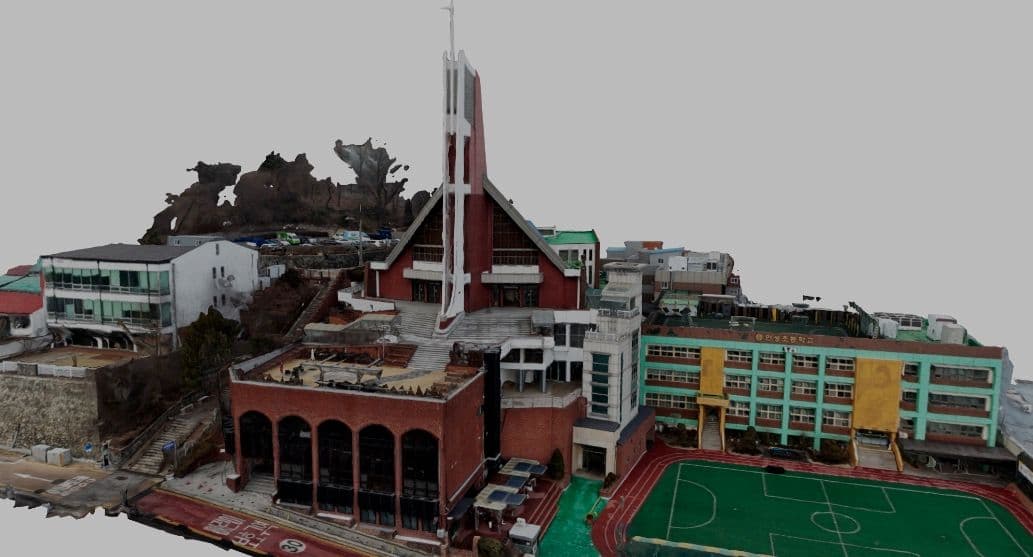
Jung-gu, Incheon, South Korea
The First Presbyterian Church of Incheon was founded on October 19, 1946, by 14 Presbyterians who had moved south from North Korea. They held their first service at the home of Deacon Jo Nam-cheol, who was the director of the Incheon Port Office at the time.
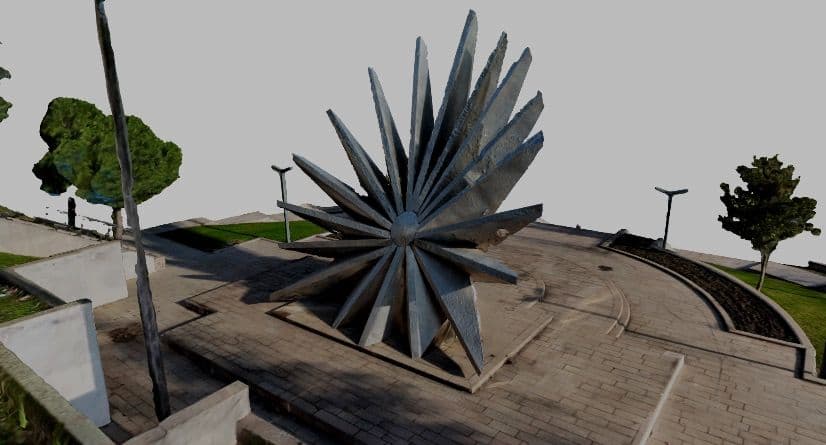
Karesi, Balıkesir, Türkiye
This park honors the bravery and resilience of these irregular militia forces, who fought against foreign occupation and paved the way for modern Turkey's independence
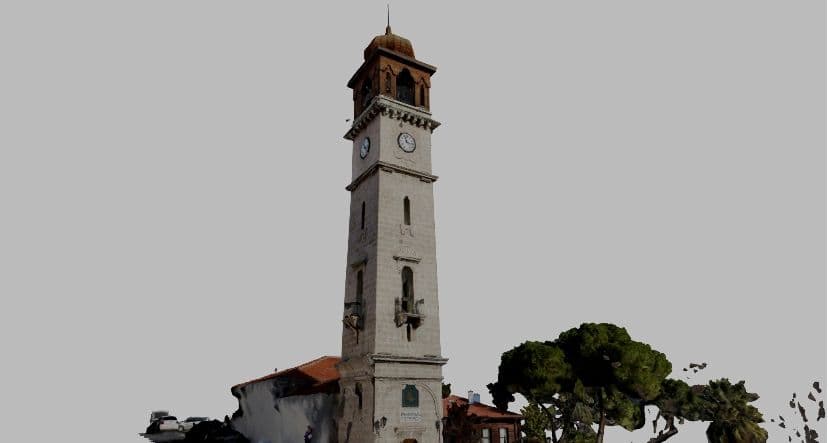
Karesi, Balıkesir, Türkiye
Balıkesir Clock Tower is one of the symbolic buildings of Balıkesir. As it is known, the Clock Tower, which was built in 1829, is 20 meters high and was built with 5 floors. After an earthquake in the 1890s, this structure was destroyed and rebuilt in the earl…
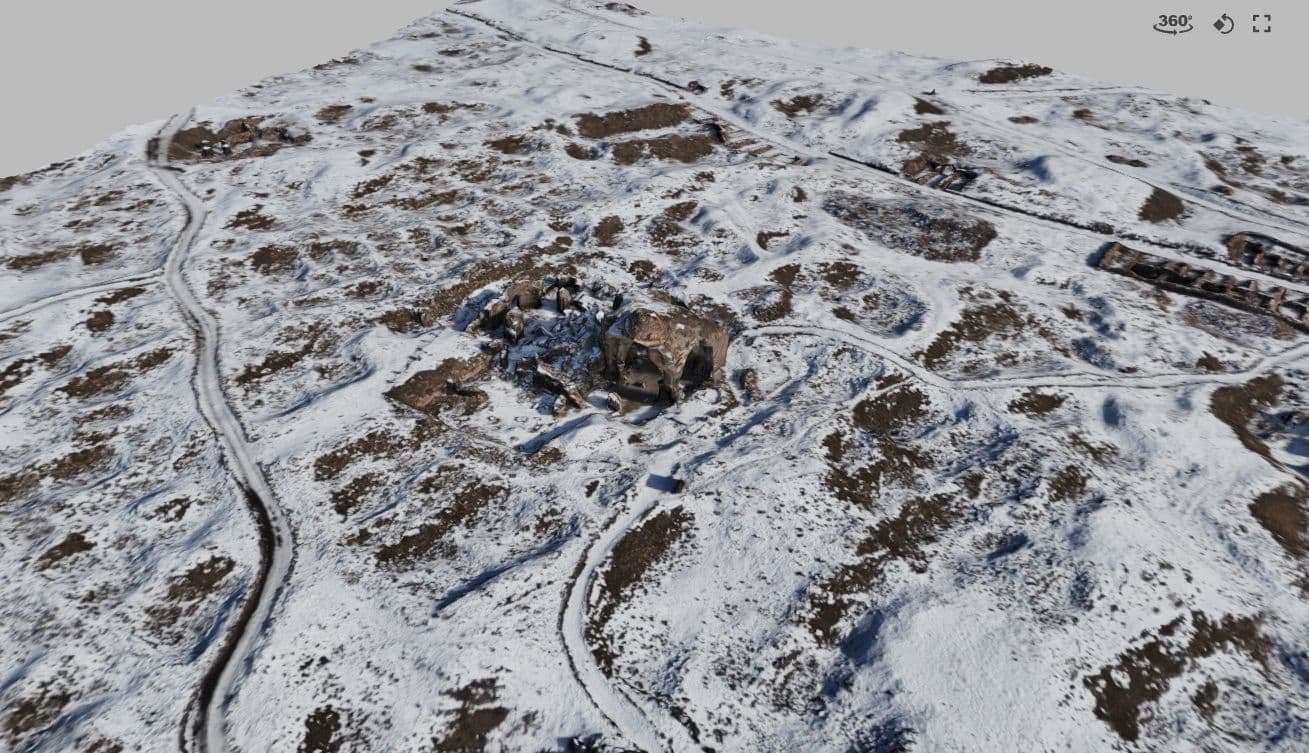
Kars Merkez, Kars, Türkiye
Built in the mid-10th century by King Abas I of the Bagratid dynasty, this magnificent structure is a central-planned domed tetraconch, echoing the design of the seventh-century Church of Saint John in Mastara.
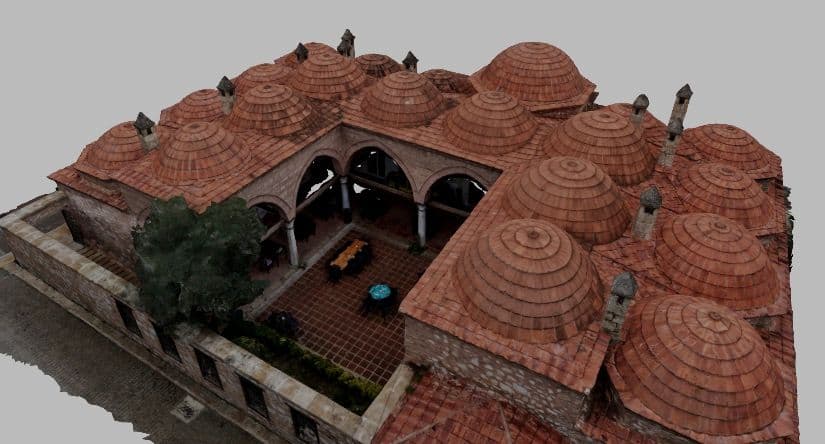
İzni̇k, Bursa, Türkiye
The madrasa (medrese) of Süleyman Pasa was built by Prince Süleyman Sah, son of Orhan I. It is one of the two remaining out of the eight medreses in operating in Iznik during Ottoman times. Restorations took place in the 19th century and more recently in 1968.
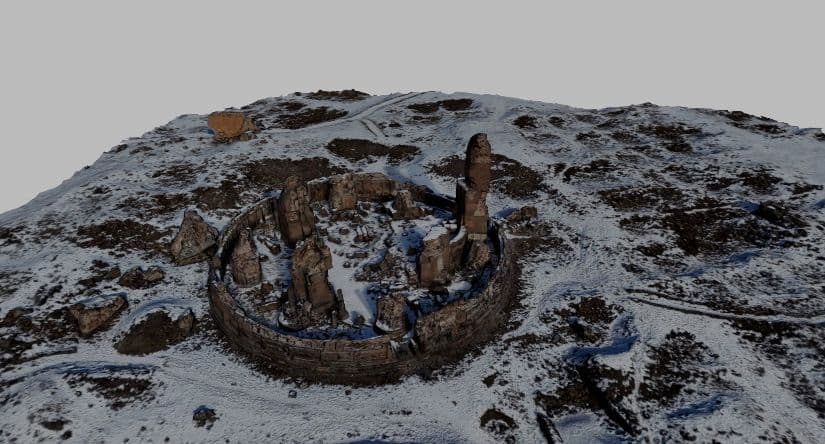
Kars Merkez, Kars, Türkiye
Although the church itself has long since collapsed, its history and the story of King Gagik's vision continue to captivate those who delve into the mysteries of this ancient land.
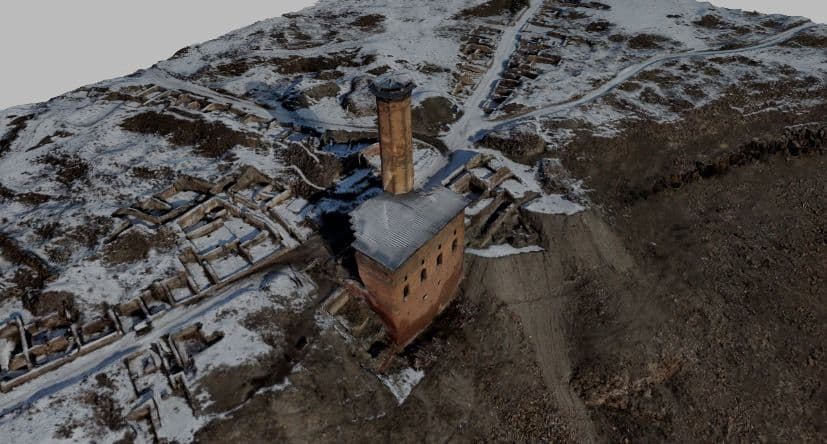
Merkez, Kars, Türkiye
Menucihr Mosque is a mosque in the medieval city of Ani in Kars. It was built between 1072 and 1086 by Manuchihr ibn Shavur of the Kurdish Shaddadid dynasty. The restoration of the mosque started in June 2020.
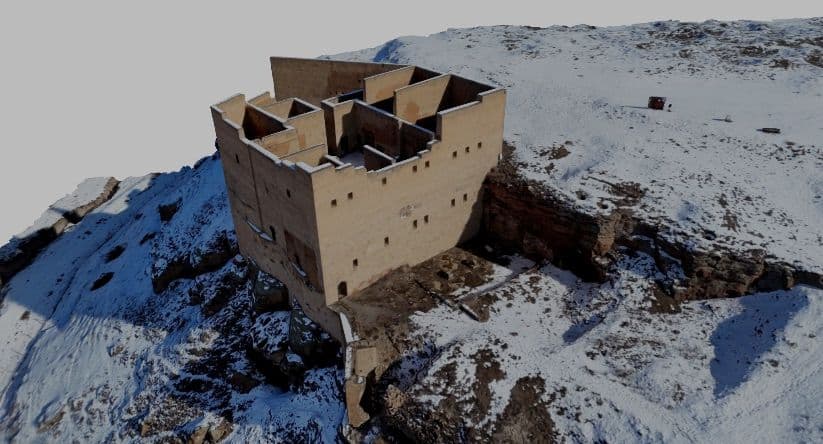
Kars, Türkiye
Various theories surround the structure's origins: possibly a residence for a merchant, prince, or Ani's bishop—some specifically suggesting merchant Tigran Honents' palace—while others propose a military barracks linked to city defenses.
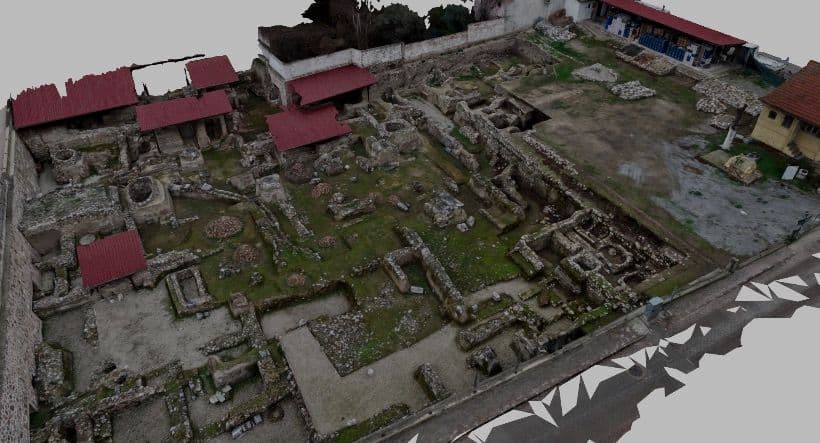
İznik, Bursa, Türkiye
The existence of tile kilns in Iznik was first identified in 1965 and three kilns were unearthed during excavations that year. Today, excavations continue.
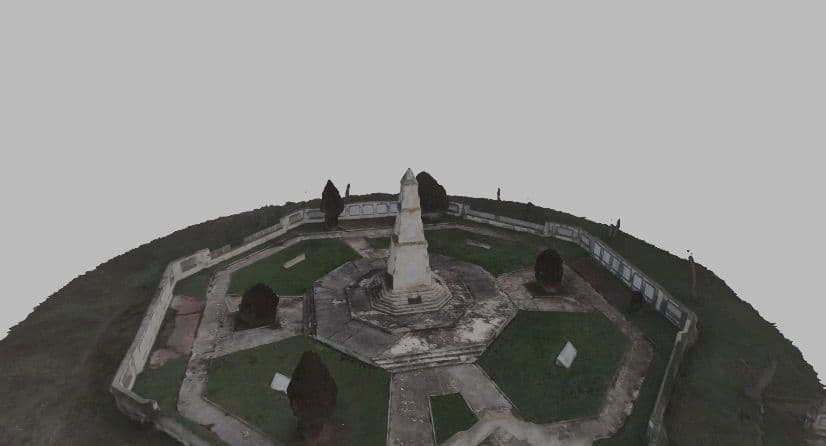
Edirne Merkez, Edirne, Türkiye
The cemetery serves as a somber reminder of the brutal conditions faced by prisoners of war and the thousands who perished.
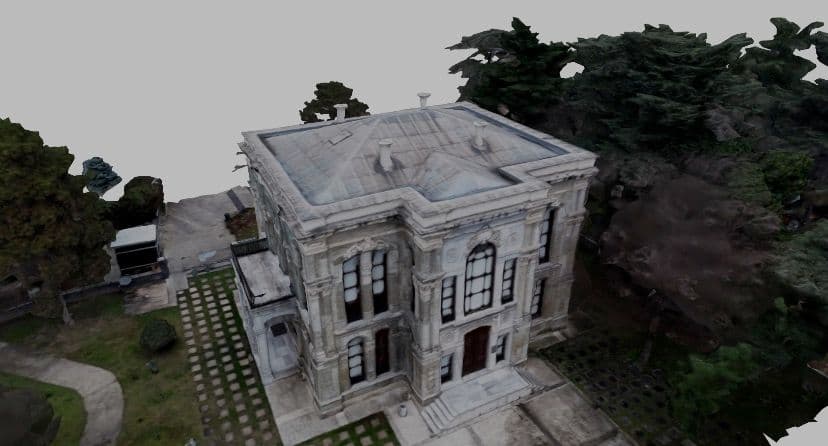
İzmit, Kocaeli, Türkiye
The Imperial Pavilion took its modern form under Sultan Abdülaziz's reign, and was the historical location where republic founder Mustafa Kemal Atatürk met with journalists to share his idea of the republic, still stands today and retains its magnificent grand…
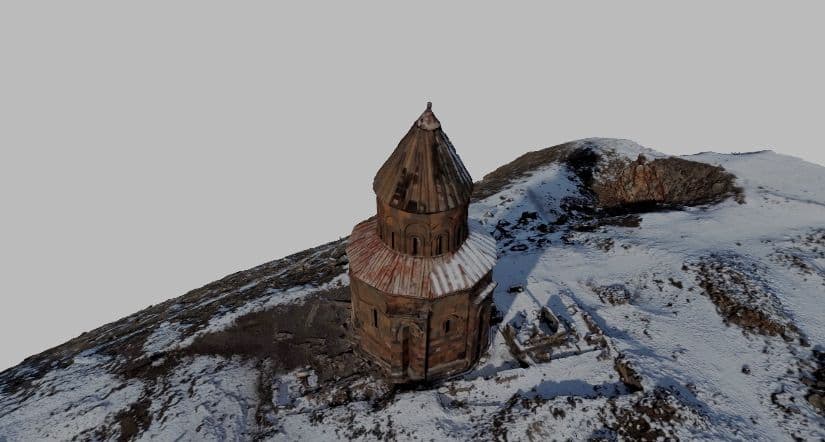
Ocaklı, Kars, Türkiye
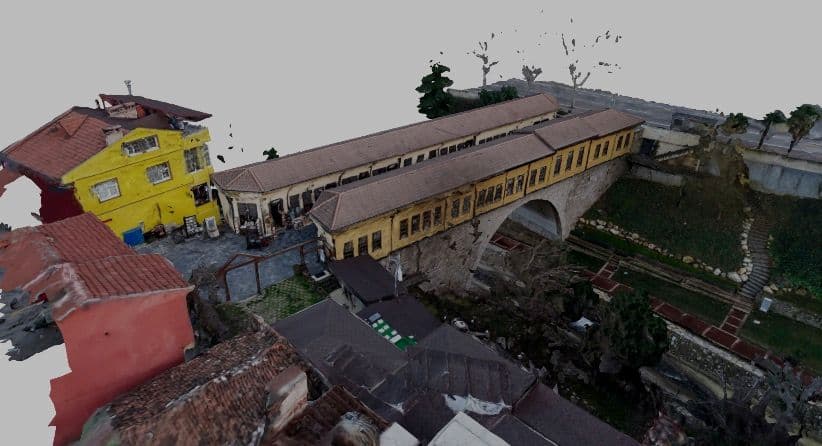
Yıldırım, Bursa, Türkiye
The bridge was commissioned in 1442 during the reign of the Ottoman Empire. In 1922, the bridge was bombed by the retreating Greek army. It was closed to traffic. After 2004, following another restoration the bridge was opened to traffic.
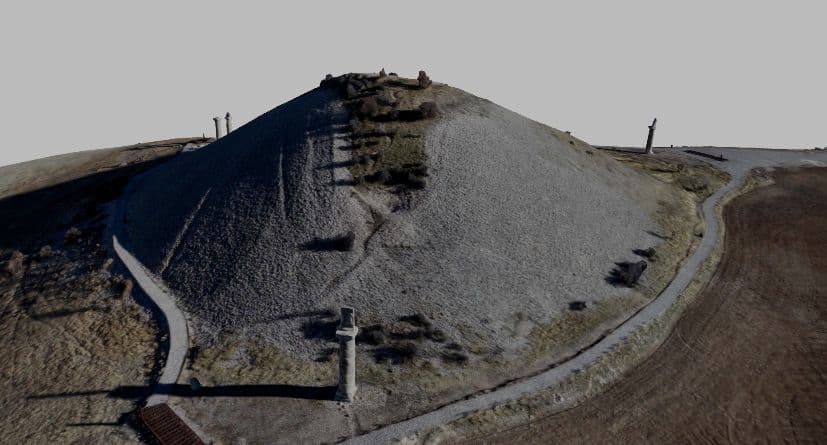
Bağözü, Adıyaman, Türkiye
Located 12 km northeast of modern Adıyaman, this site forms part of the UNESCO World Heritage-listed Mount Nemrut (Nemrut Dağ) complex, recognized for its unique blend of Hellenistic and Persian cultural traditions.
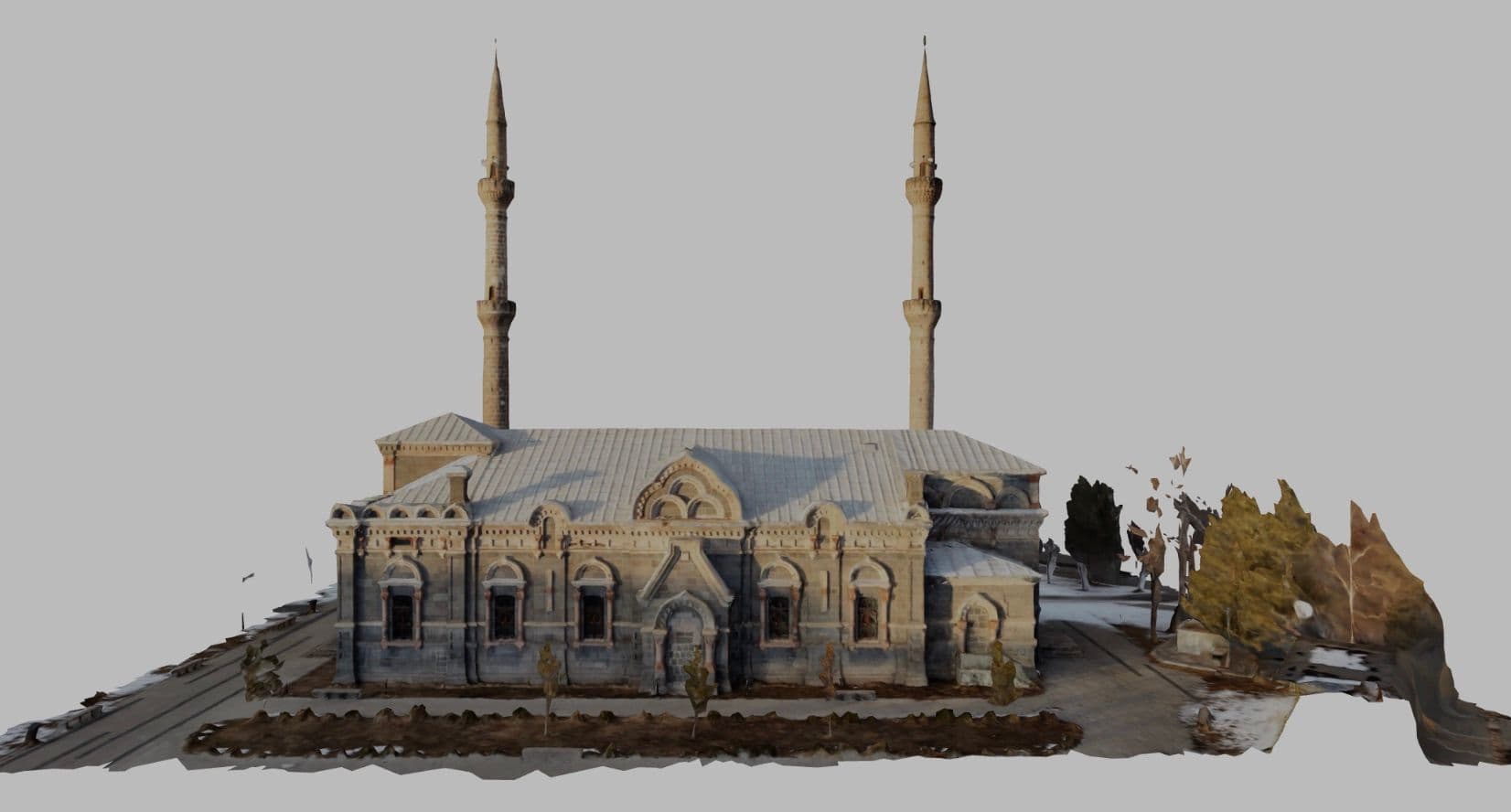
Kars, Merkez/Kars, Türkiye
The church, an example of Russian religious architecture, had its onion domes removed in 1953 and its bell tower demolished. The former place of worship served as an indoor sports hall until the 1970s. In 1984, it was converted into a mosque with the addition…
Kars Merkez, Kars, Türkiye
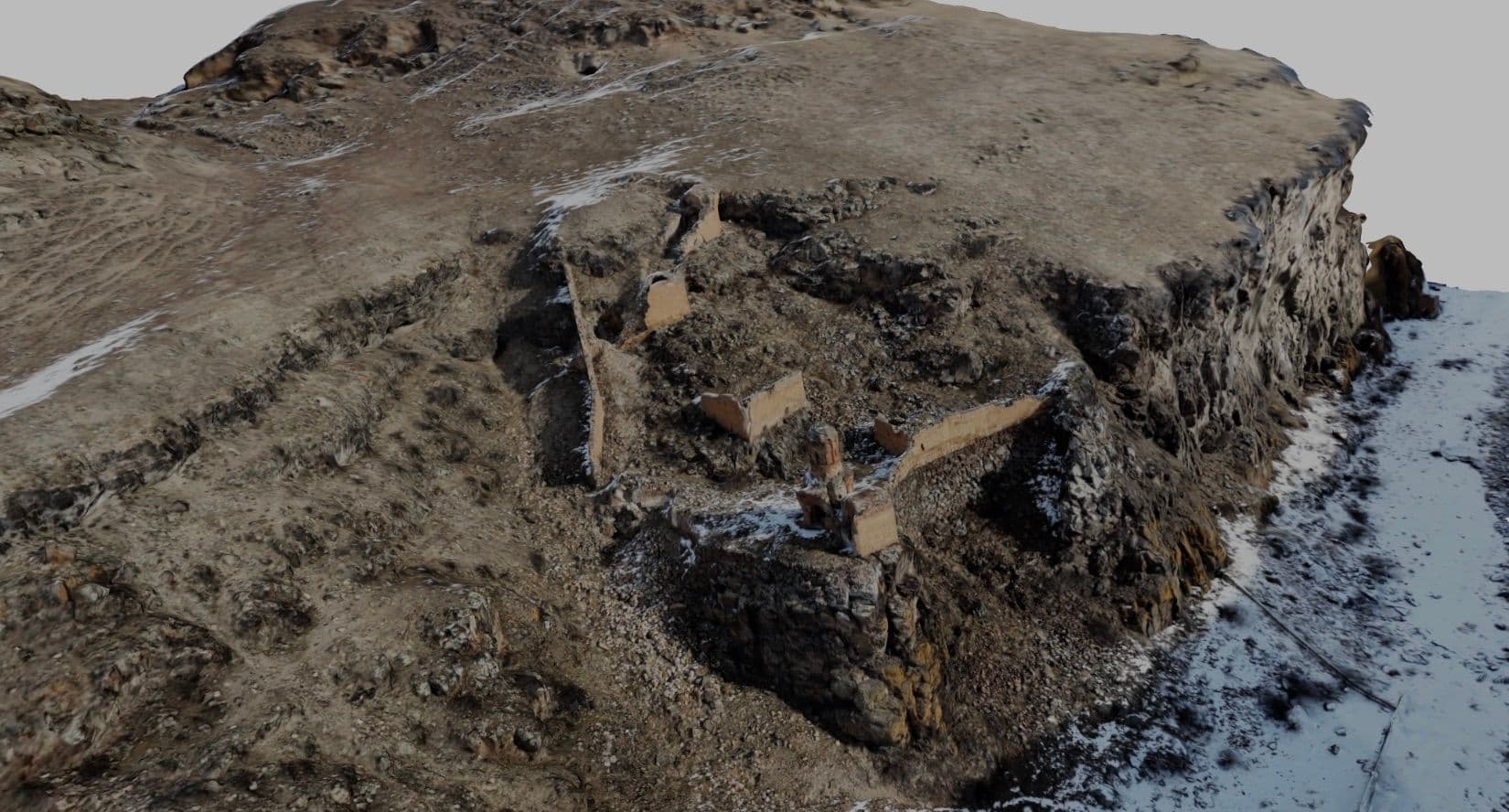
Perched on a rocky promontory overlooking the Arpa/Akhurian River, the Monastery of the Hripsimian Virgins, also known as Kutsal Rahibeler Manastırı, is a captivating medieval Armenian site located in the vicinity of Ani, Turkey.
Kars Merkez, Kars, Türkiye
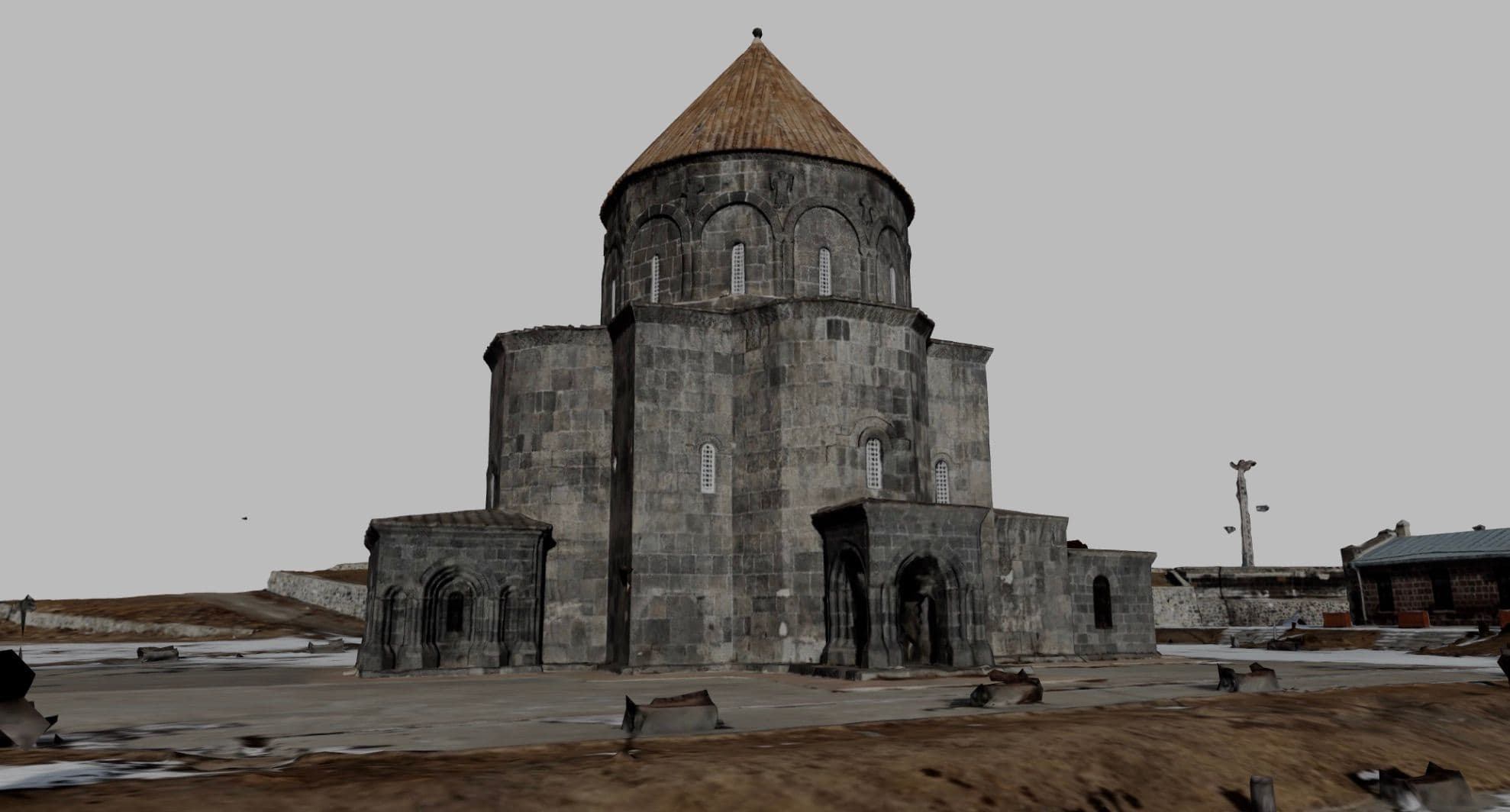
This ancient structure, originally built by Armenian King Abas in the 10th century, has been a symbol of both Christianity and Islam, reflecting the diverse cultural influences that have shaped the city over centuries.
JiZhou, Tianjin, China
Kunming, Yunnan, China
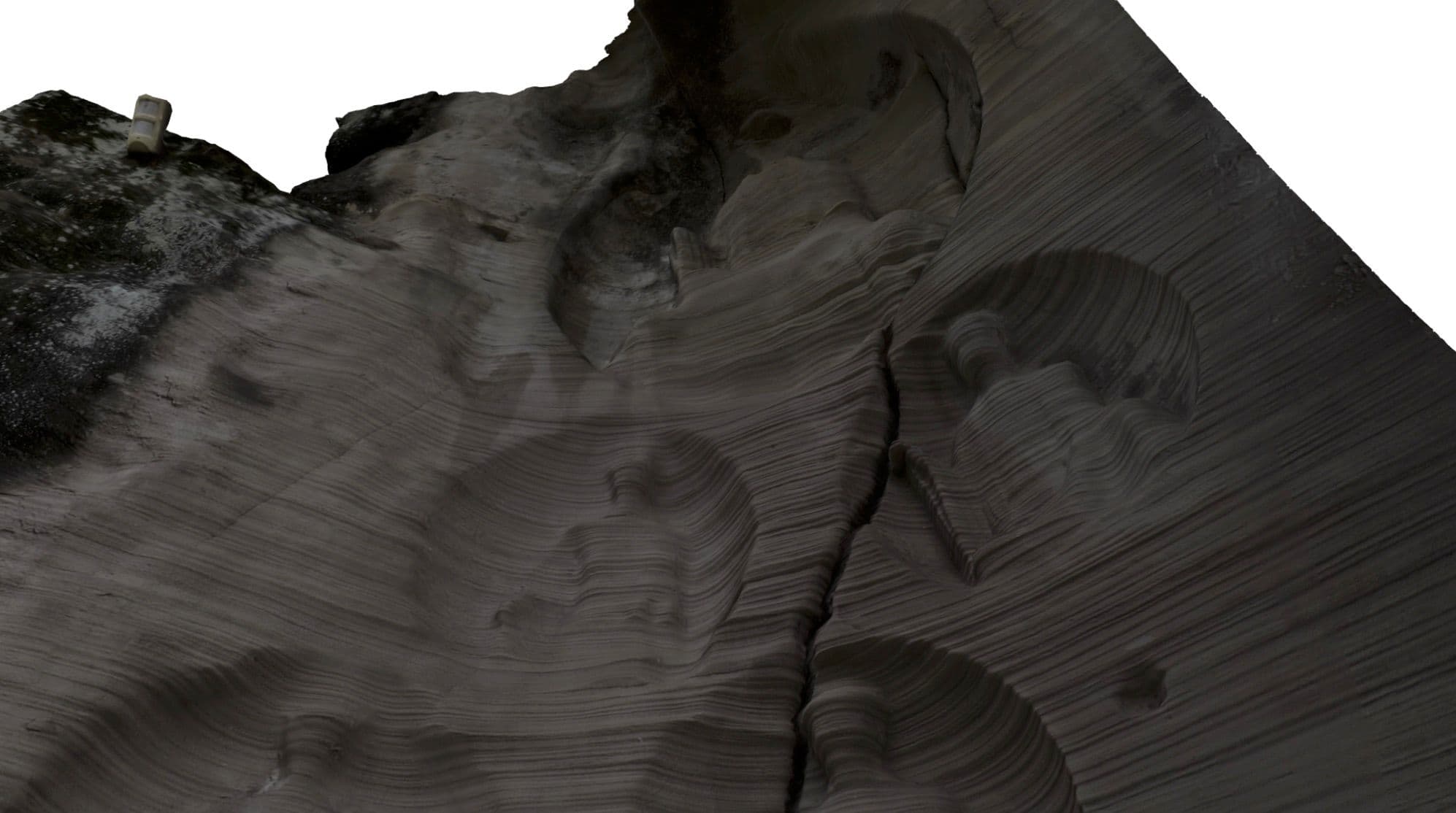
Ziyang, Sichuan, China
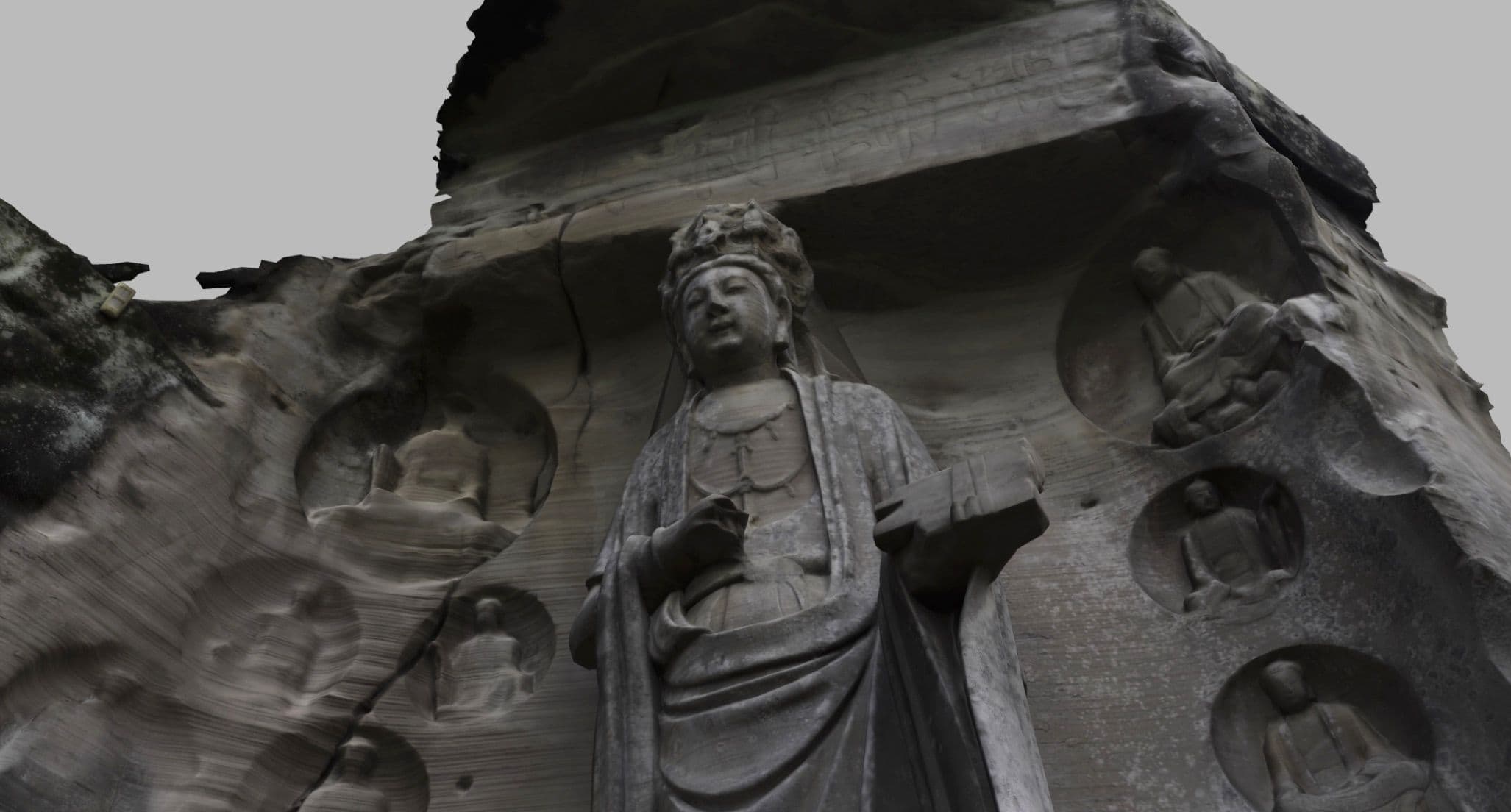
Ziyang, Sichuan, China
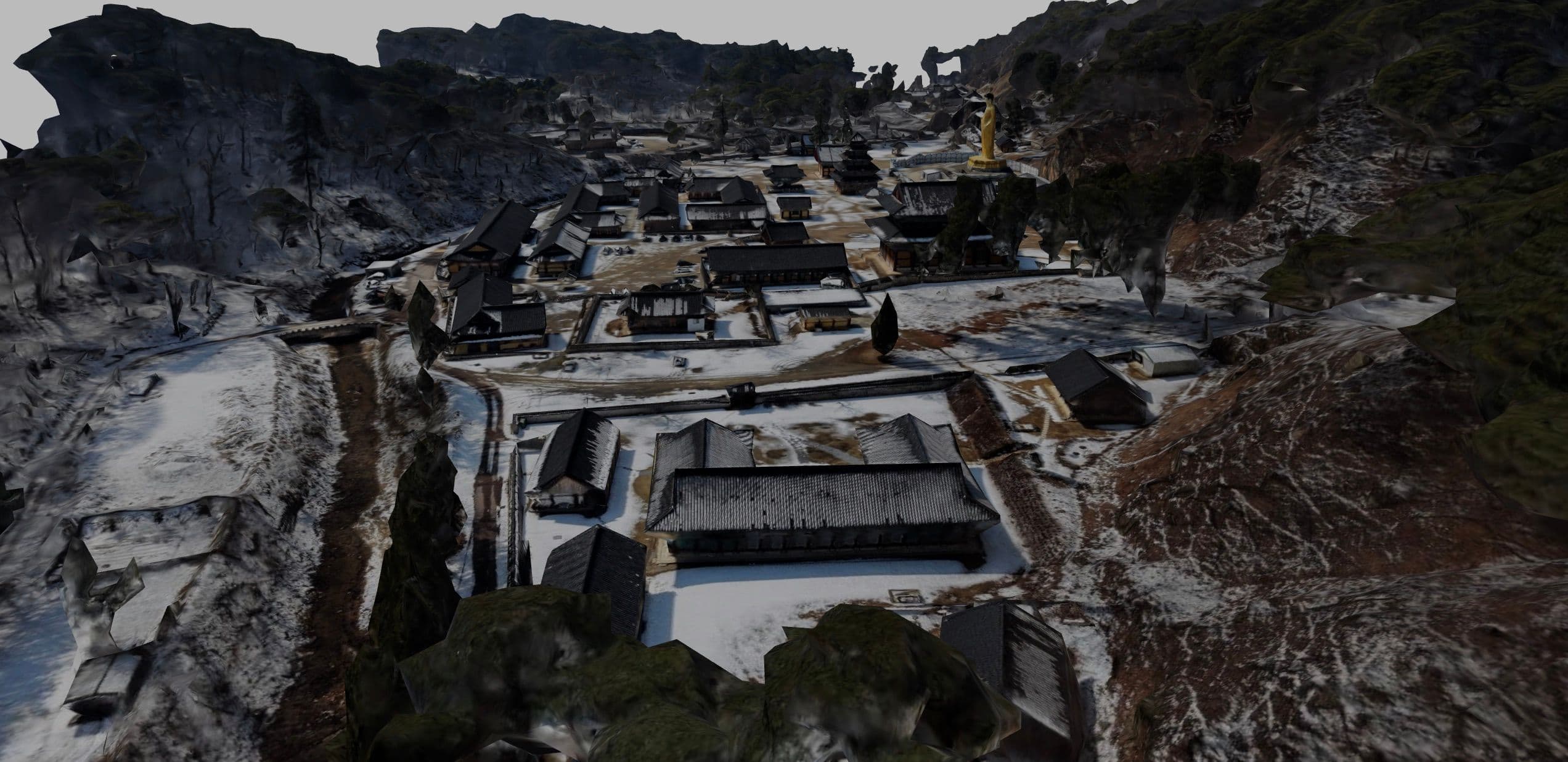
Boeun-gun, Chungcheongbuk-do, South Korea
Founded in 553 by the revered monk Uisin, this Monastery is a testament to Korea's rich Buddhist heritage. Beopjusa Monastery is renowned for its stunning architecture, including the Palsangjeon Hall, the highest wooden pagoda in Korea, and its colossal gilt-b…
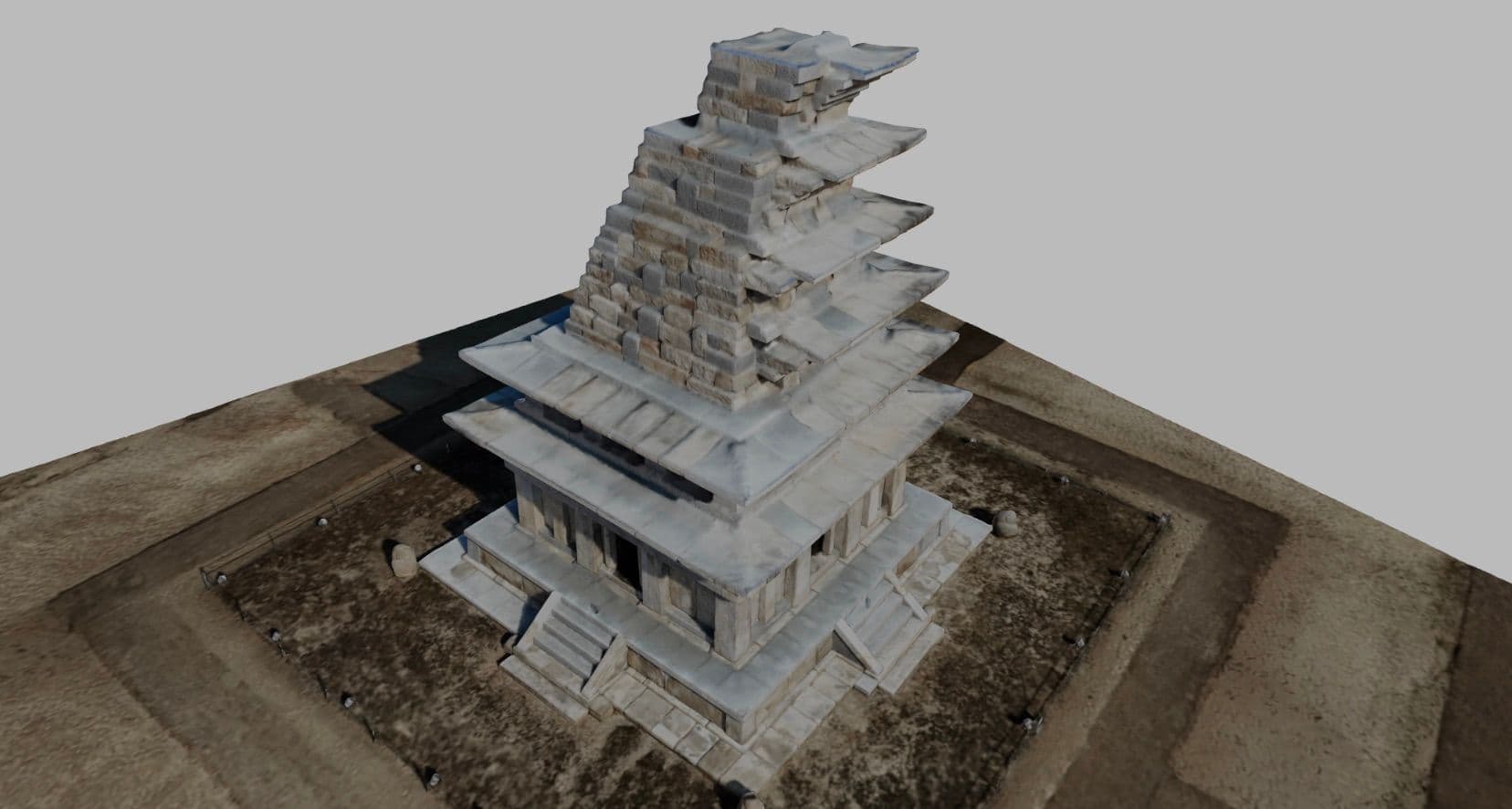
Geumma-myeon, Jeonbuk State, South Korea
This stone pagoda, built in 639 during the reign of King Mu, is called the primitive style of Baekje pagoda, and in many ways it is the starting point of the entire pagoda in Korea.