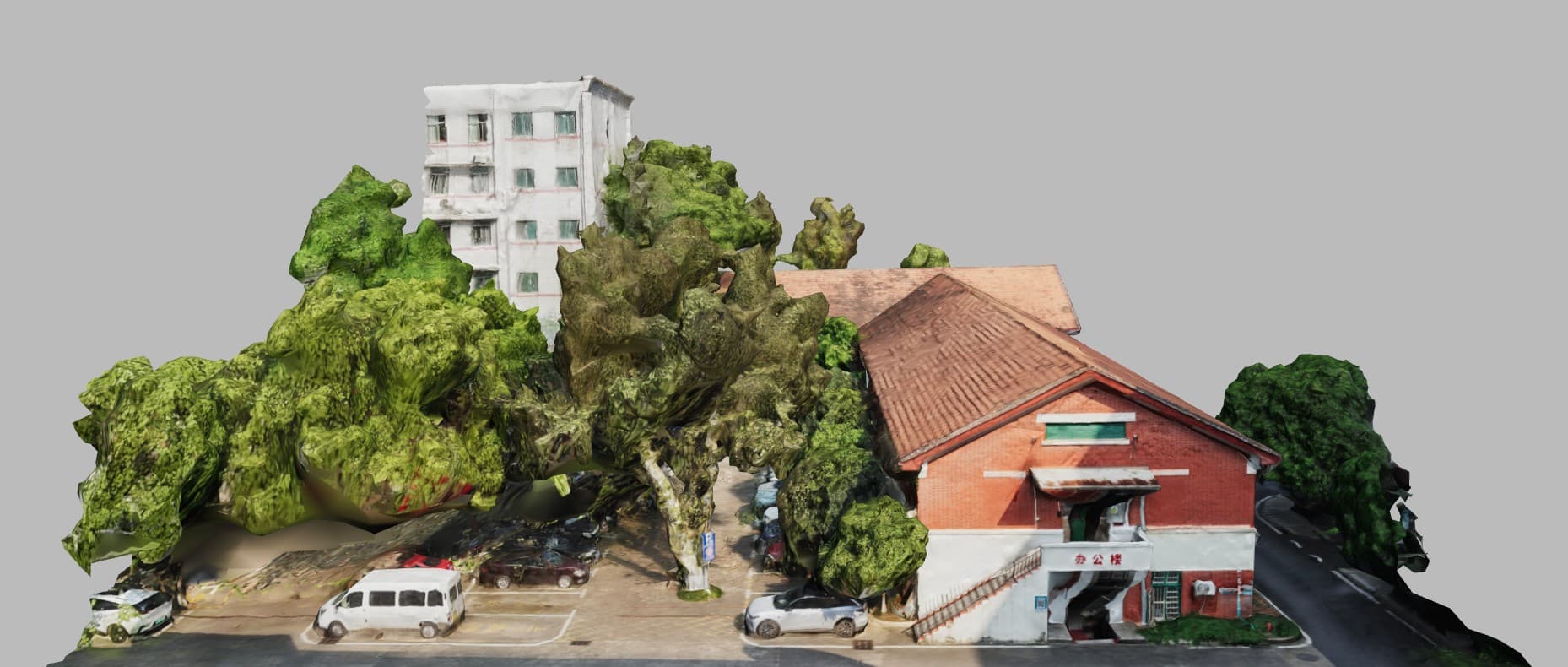
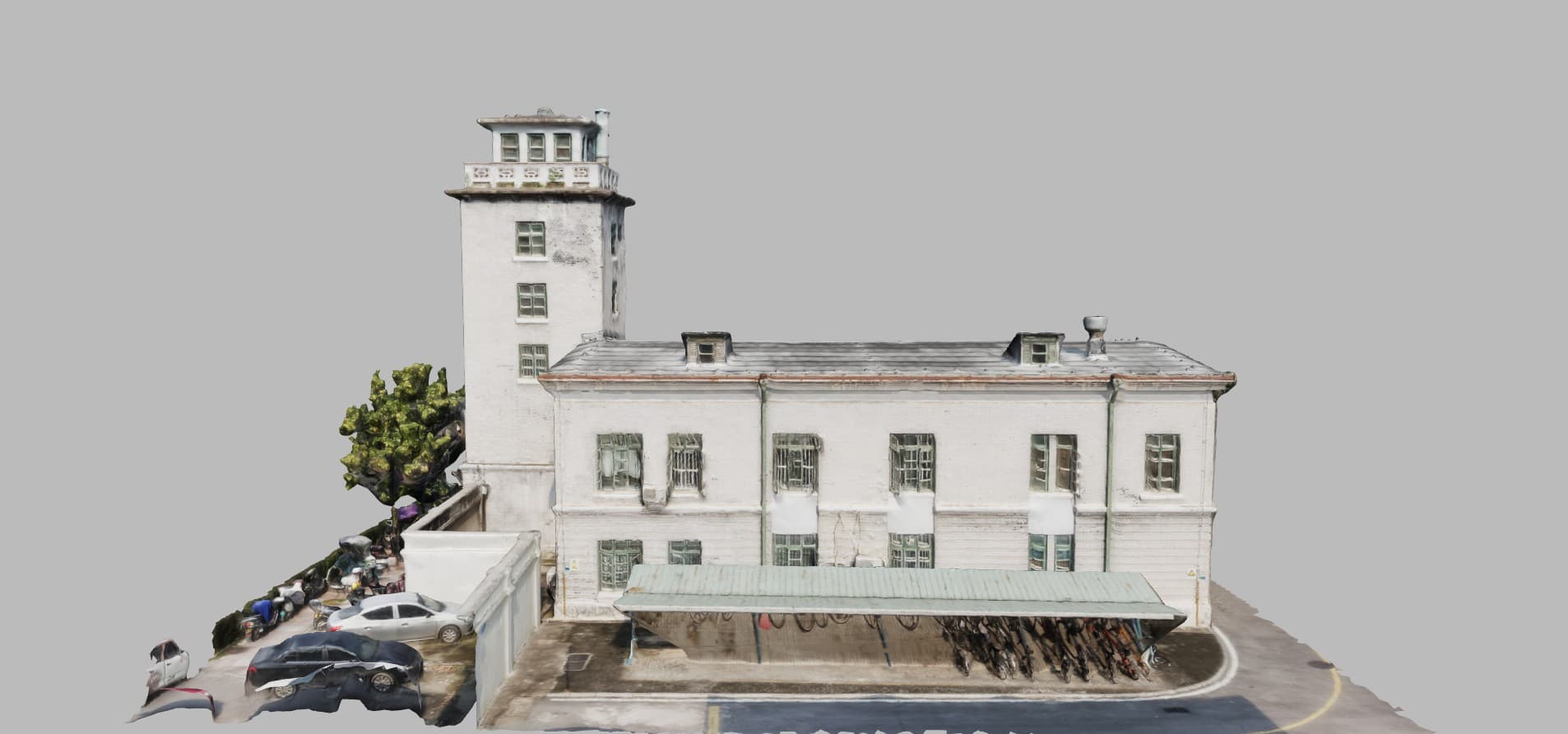
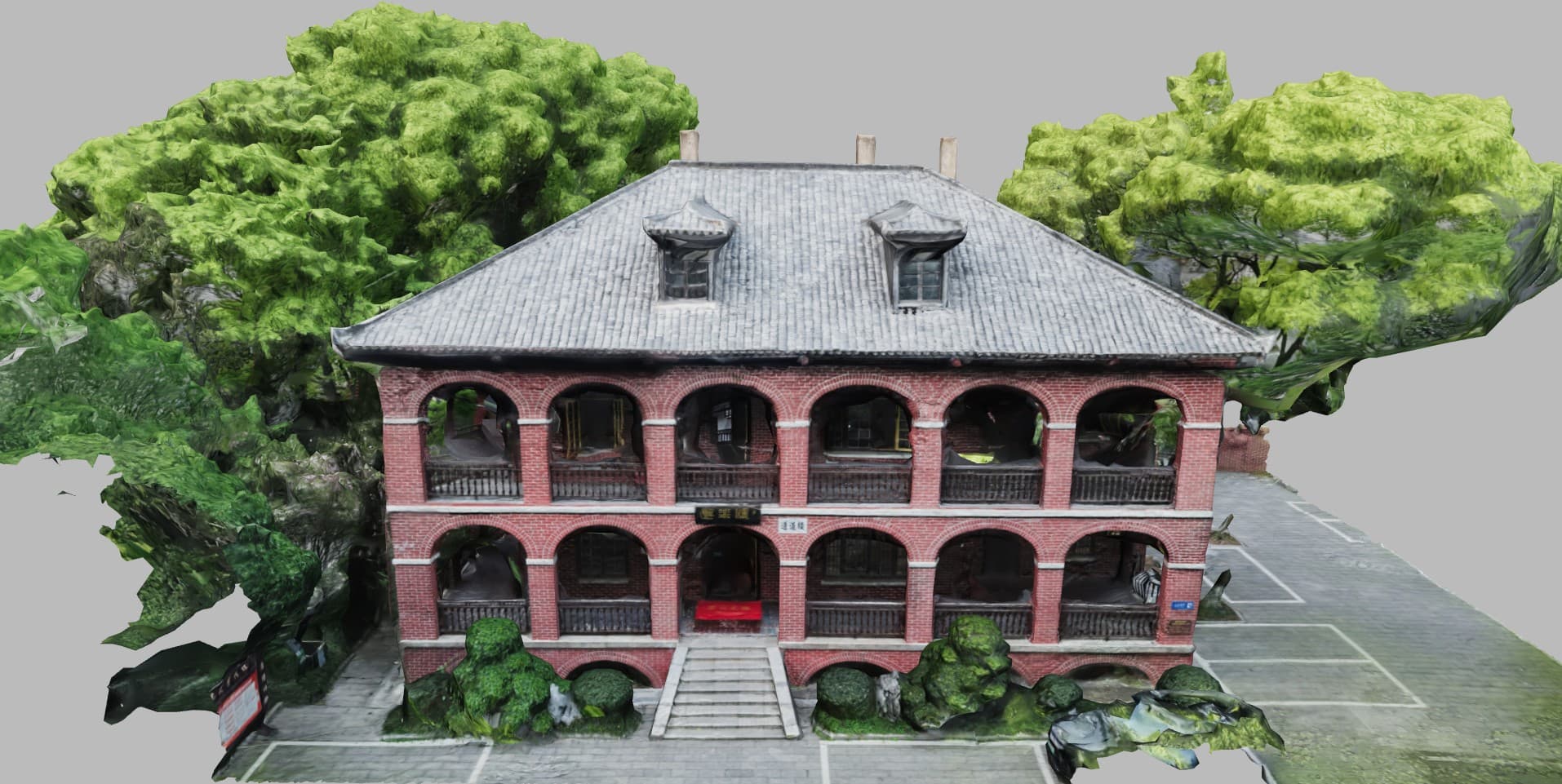
In the industrial heart of Zhuzhou, Hunan Province, the Main Building of the No. 331 Factory Nanhua Kindergarten stands as a quiet monument to early Chinese modernization and social change. Built during the mid-20th century—with official records debating its completion between 1955, 1959, and 1964—this garden-style facility was designed by Soviet experts to serve the children of the Xiangjiang Machinery Factory.
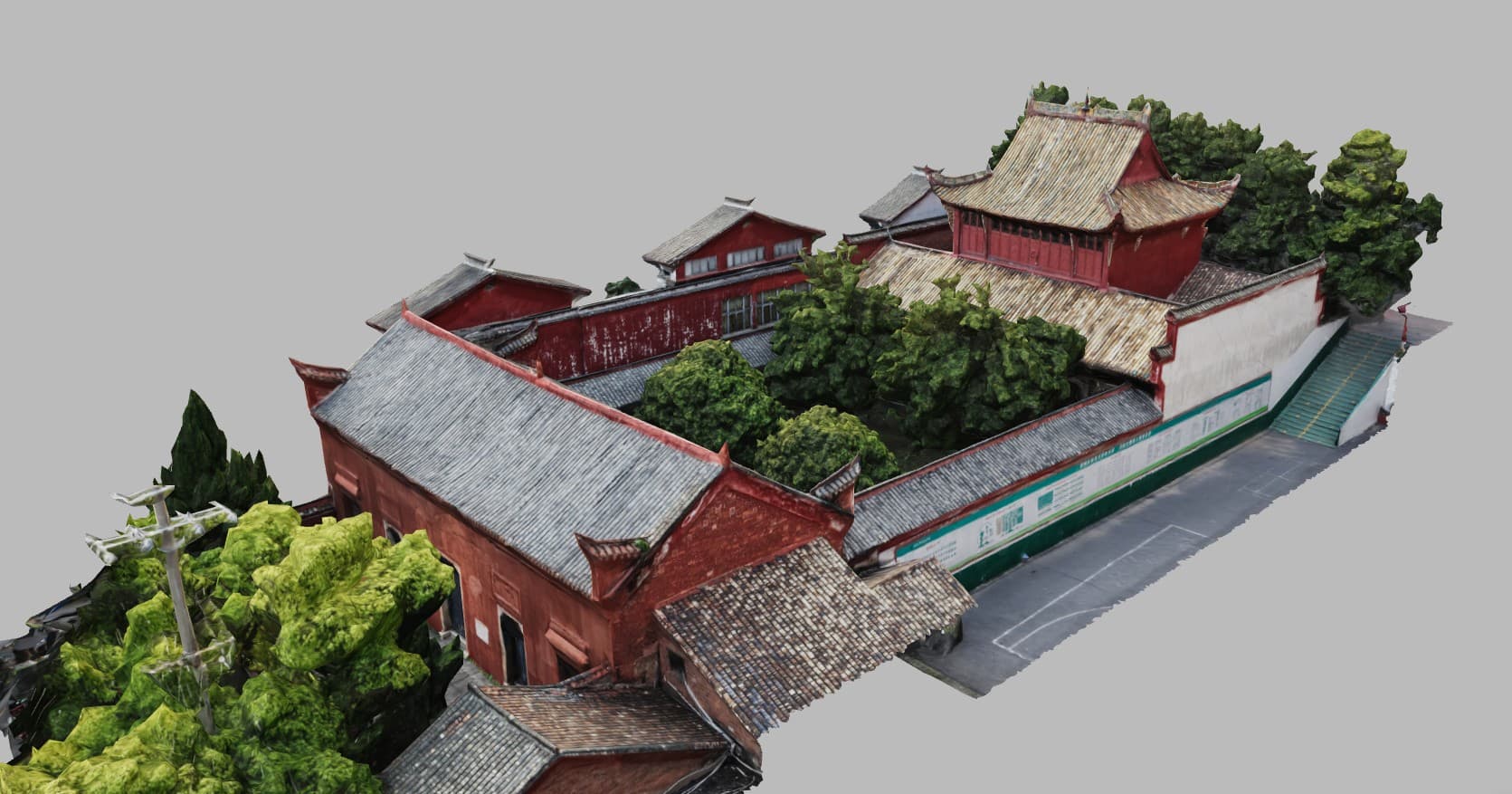
The architecture reflects a thoughtful blend of Soviet institutional design and communal warmth. Its brick-wood structure features thick, rough-textured red clean-water brick walls and sloped roofs covered in red undulating tiles that bake under the southern sun. The layout is divided into three distinct sections: a front guardhouse, a central teaching building, and a rear auditorium. Cool, shaded side corridors connect these spaces, framing a central courtyard where children once played around a rockery and a quiet pool. Inside, high ceilings and regular window bays flood the classrooms with natural light, creating a spacious, airy environment.
In 2019, the provincial government designated the kindergarten as a Hunan Provincial Cultural Relics Protection Unit. Today, the building remains preserved in its original state. It is a place where the physical remnants of industrial design meet the personal memories of a generation, offering a tangible connection to the lives that shaped modern China.