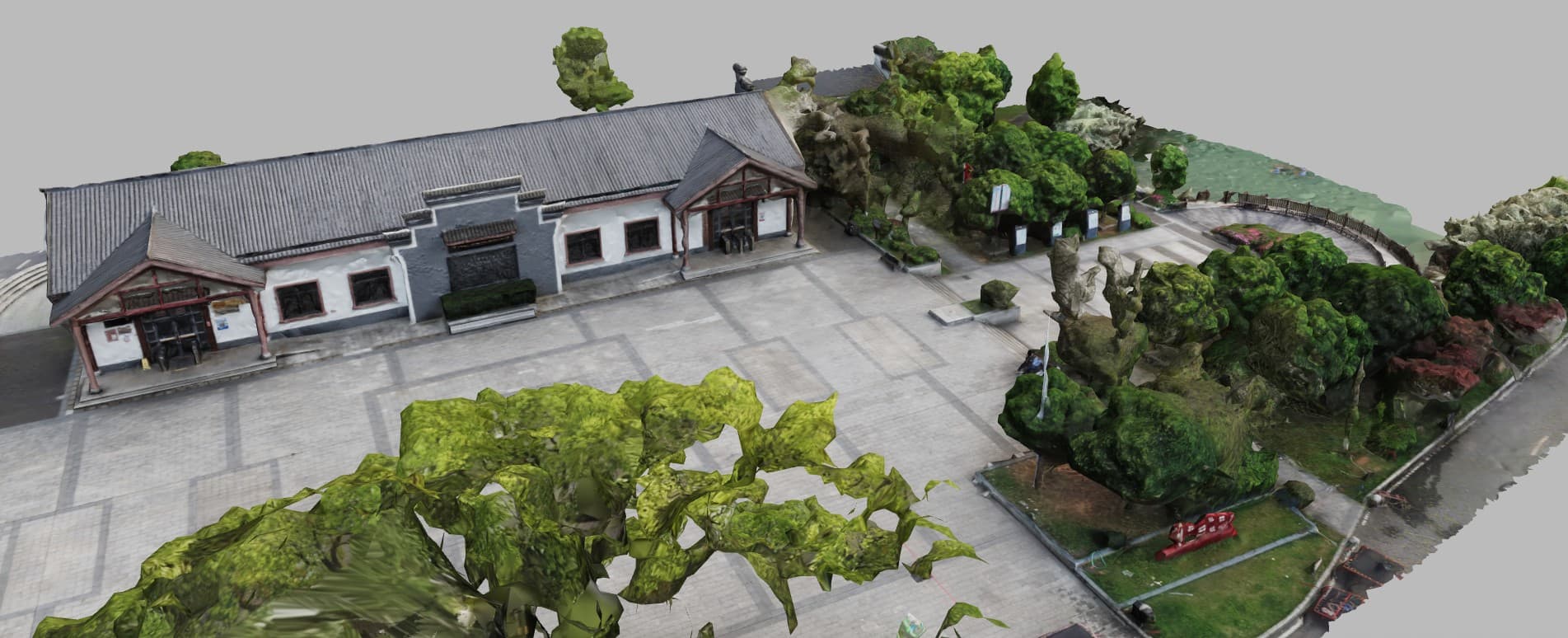
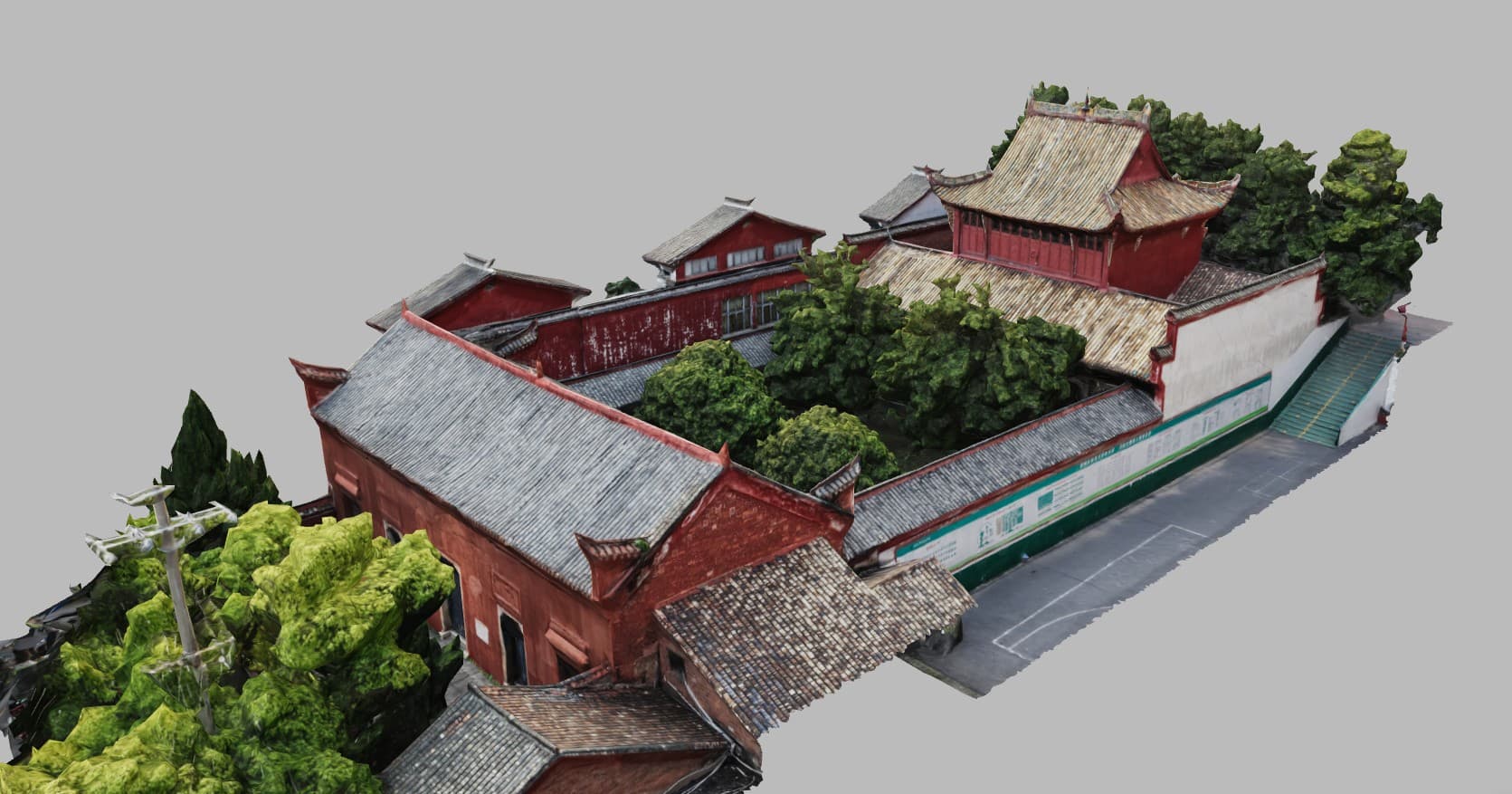
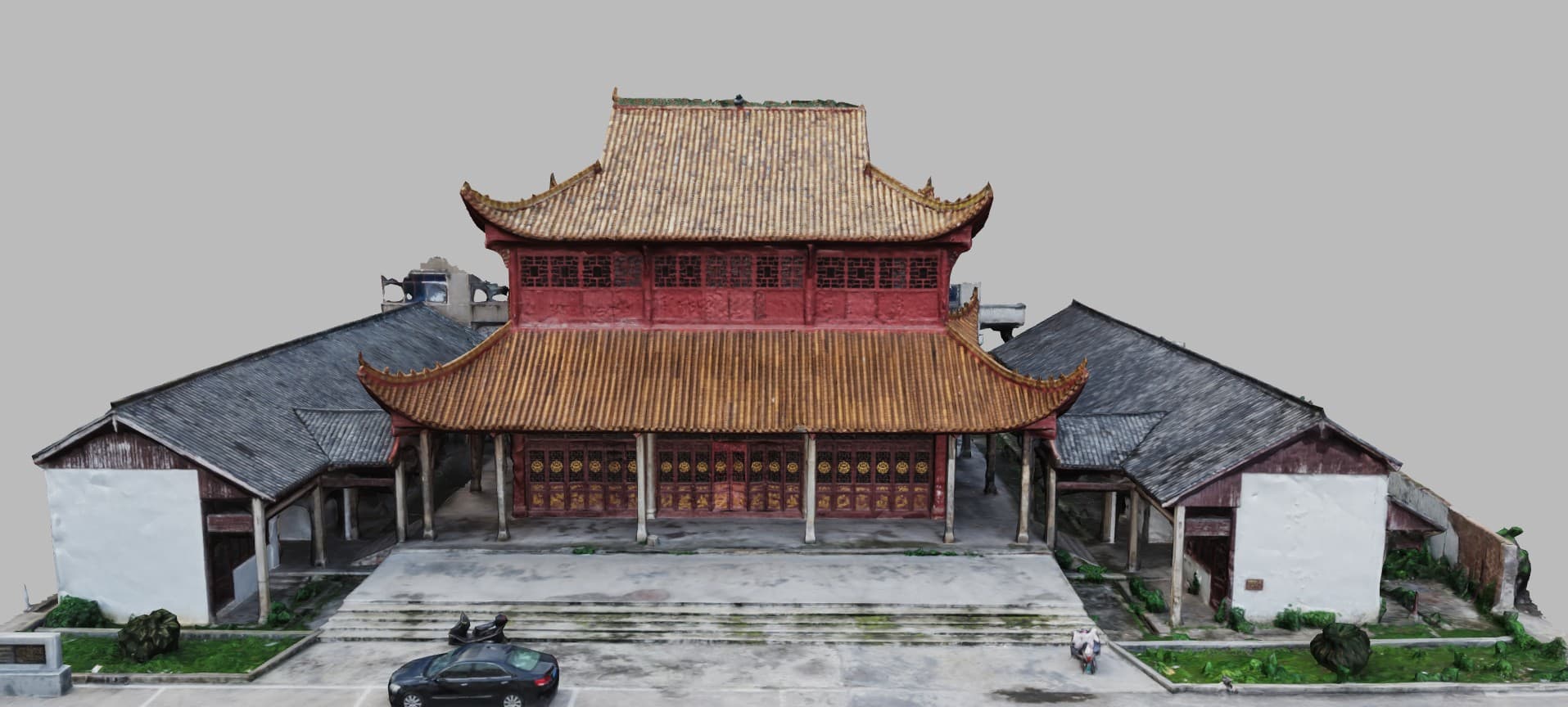
On Qingyun Mountain in Liling, Hunan Province, two century-old buildings bear witness to an unusual encounter between American missionary education and Chinese architectural tradition. The larger of the two, Zundao Building, was modeled after the academic buildings of Yale University, earning it the affectionate nickname “Little Yale.” Its red brick walls, arched doorways and windows, and generous verandas lend the structure a distinctly Western character, while traditional Chinese roof tiles and an interior courtyard open to the sky reflect local building practices. Nearby, the more intimate Chongben Building, once a residence for American missionaries, stands beneath the spreading branches of mature ginkgo and camphor trees. Together, they form the surviving nucleus of a missionary campus that originally comprised six buildings.
The history of the school began in 1906, when American Christian missionaries established a primary school on Qingyun Mountain. Renamed Zundao Middle School in 1921, the institution subsequently adopted a six-year secondary education system and pioneered senior high school education in Liling. During the War of Resistance against Japanese Aggression, the school was forced to relocate. Upon its return following the victory in 1945, the principal commissioned the excavation of a well to provide drinking water for teachers and students, reflecting the determination to restore academic life amid the hardships of postwar reconstruction.
The campus briefly assumed a different role during another decisive chapter in Chinese history. In 1950, following General Chen Mingren’s defection from the Nationalist forces during the peaceful liberation of Hunan, Chongben Building served as a military headquarters for his reorganized troops. The following spring, Zundao Middle School merged with two other local educational institutions to establish what would become Hunan Liling No. 1 Middle School.
Recognized as a provincially protected cultural heritage site in 2011, the former missionary campus remains part of a thriving educational institution, with Chongben Building now housing the school’s history museum. Its enduring significance lies not simply in the convergence of Eastern and Western architectural traditions, but in the continuity of education through a century of profound upheaval. Empires fell, wars displaced entire communities, and political orders were transformed, yet successive generations of students returned to Qingyun Mountain in pursuit of knowledge. In this quiet persistence, the old school embodies something more enduring than the turbulent history it has witnessed.