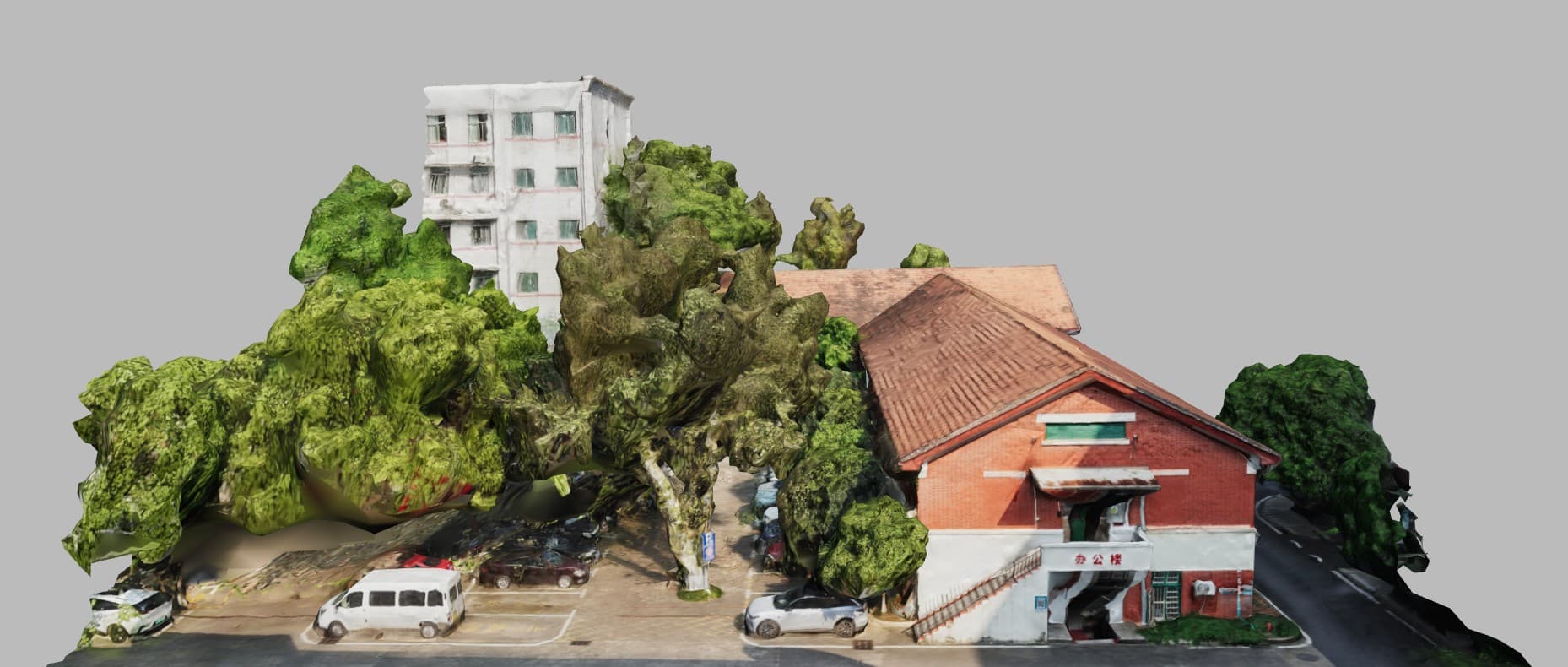
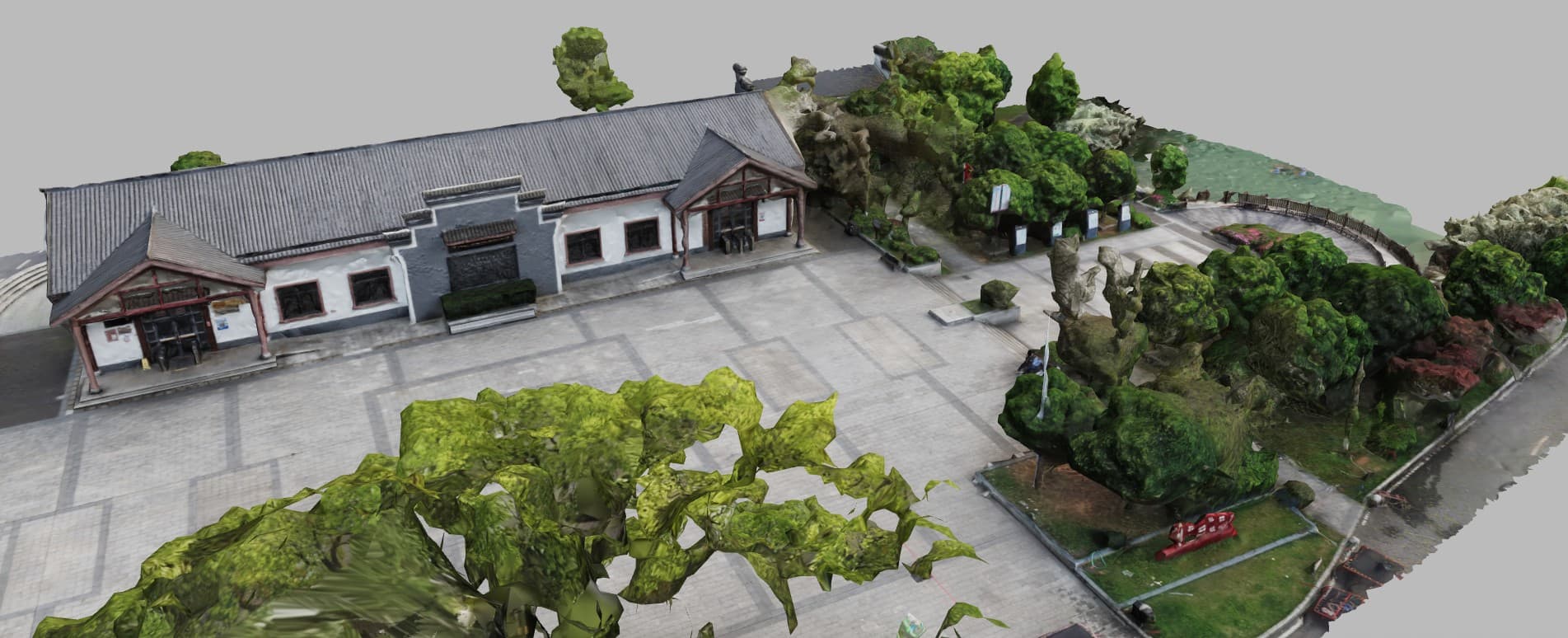
The rough bark of a fifteen-hundred-year-old camphor tree guards the entrance to Lujiang Academy on Xishan Mountain, its massive roots anchoring a lineage of learning that began in 1167. That year, the Neo-Confucian master Zhu Xi met his rival Zhang Shi in Liling, initiating a legendary intellectual summit. By 1175, local officials established a shrine and school to preserve this academic spark.
In 1829, County Magistrate Chen Xinbing moved the academy to this quiet mountain ridge to escape the clamor of the downtown markets. Here, in 1837, a young, exam-failed scholar named Zuo Zongtang became the headmaster. Zuo was a strict disciplinarian. At night, he personally inspected his students' daily logs, rewarding diligent scholars and punishing the lazy by cutting their charcoal allowances. It was in these rooms that Zuo drafted a brilliant couplet for the visiting governor, Tao Shu, sparking a late-night conversation that launched Zuo's career as a state minister.
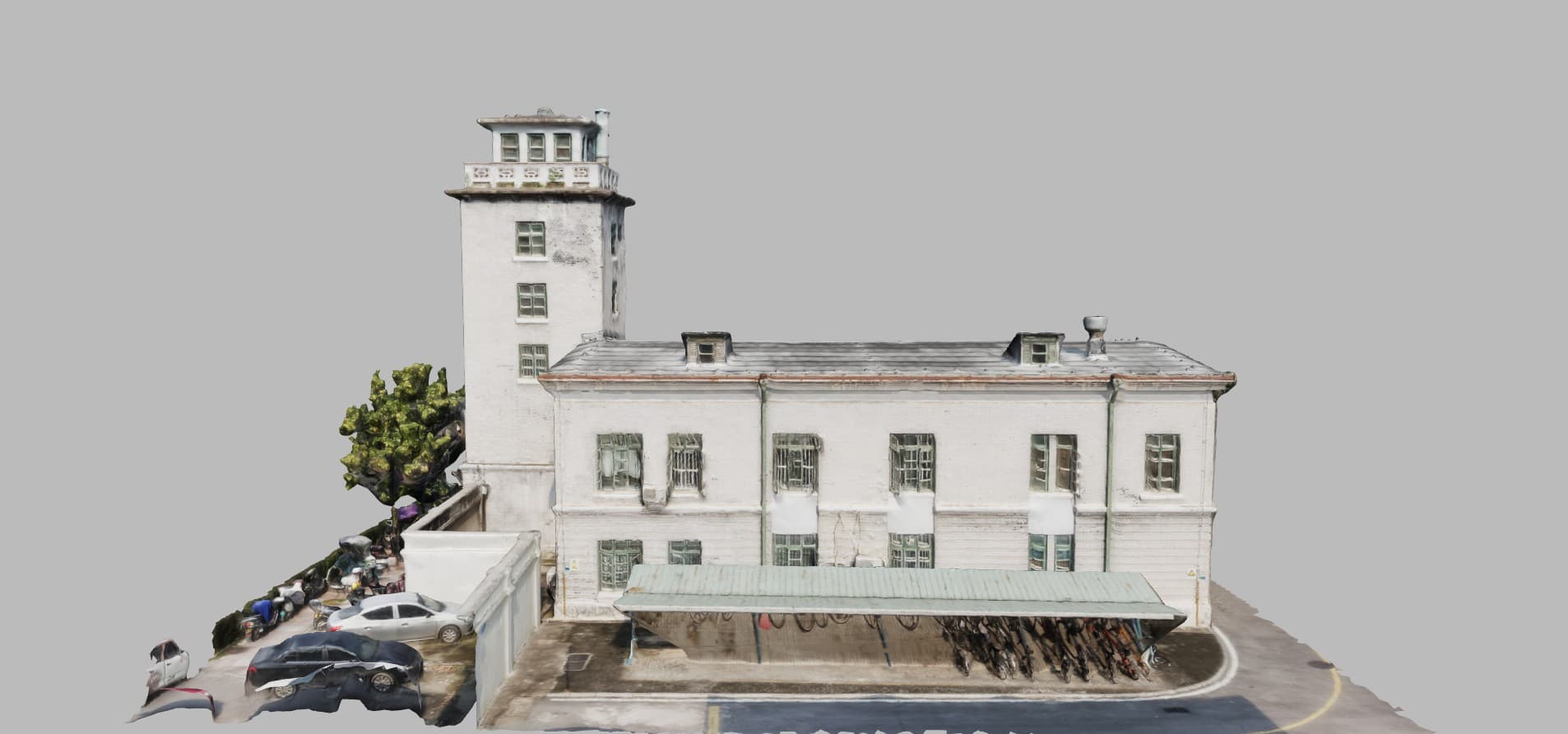
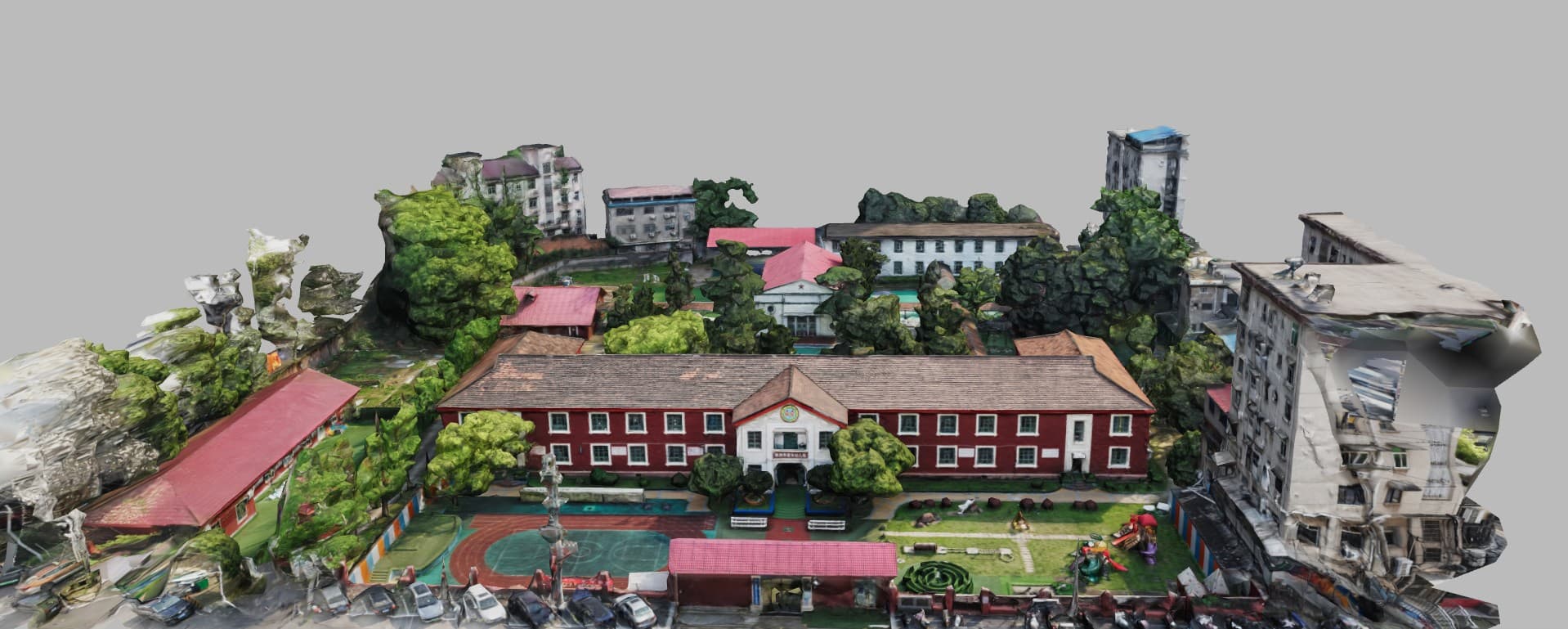
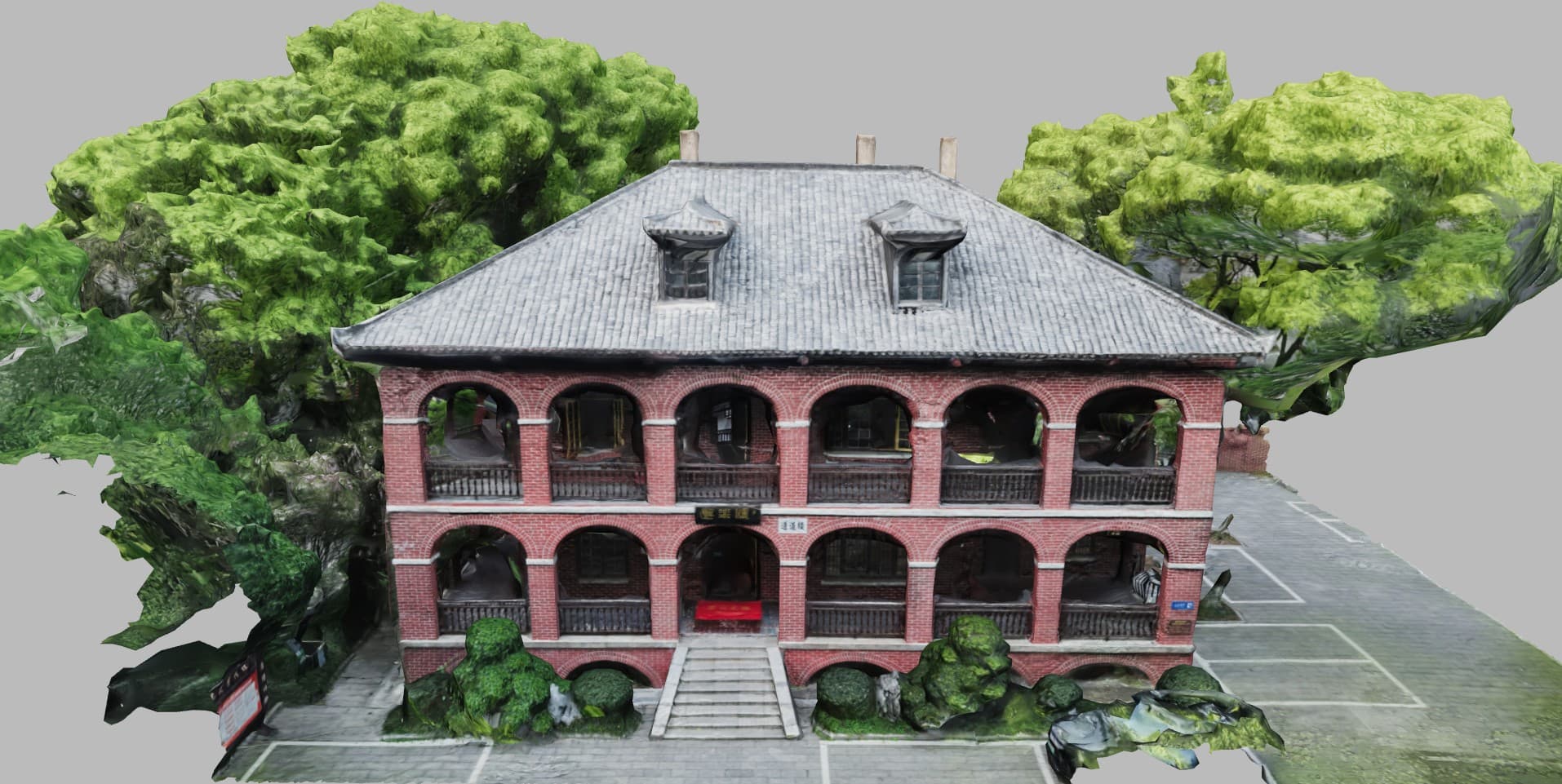
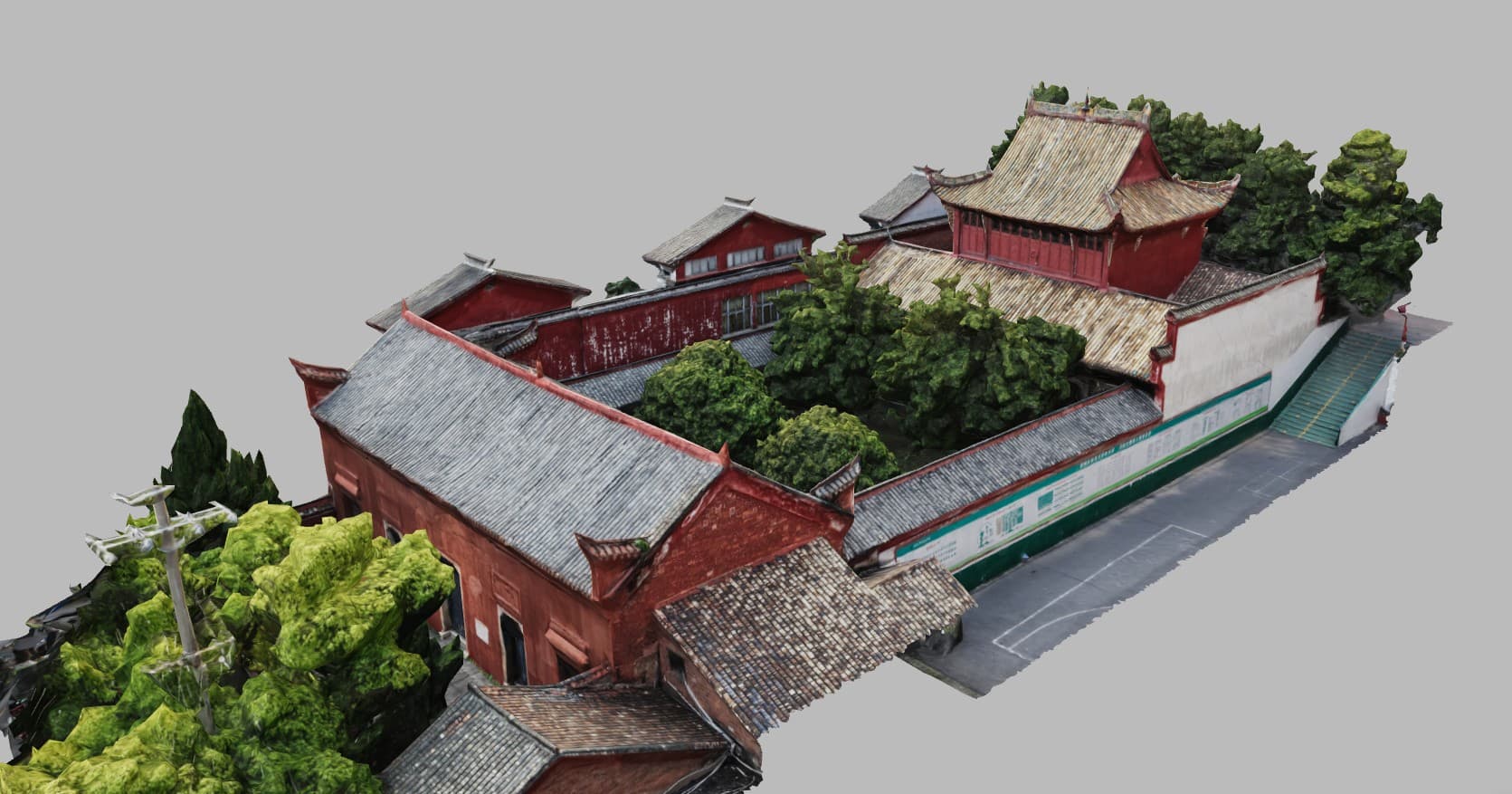
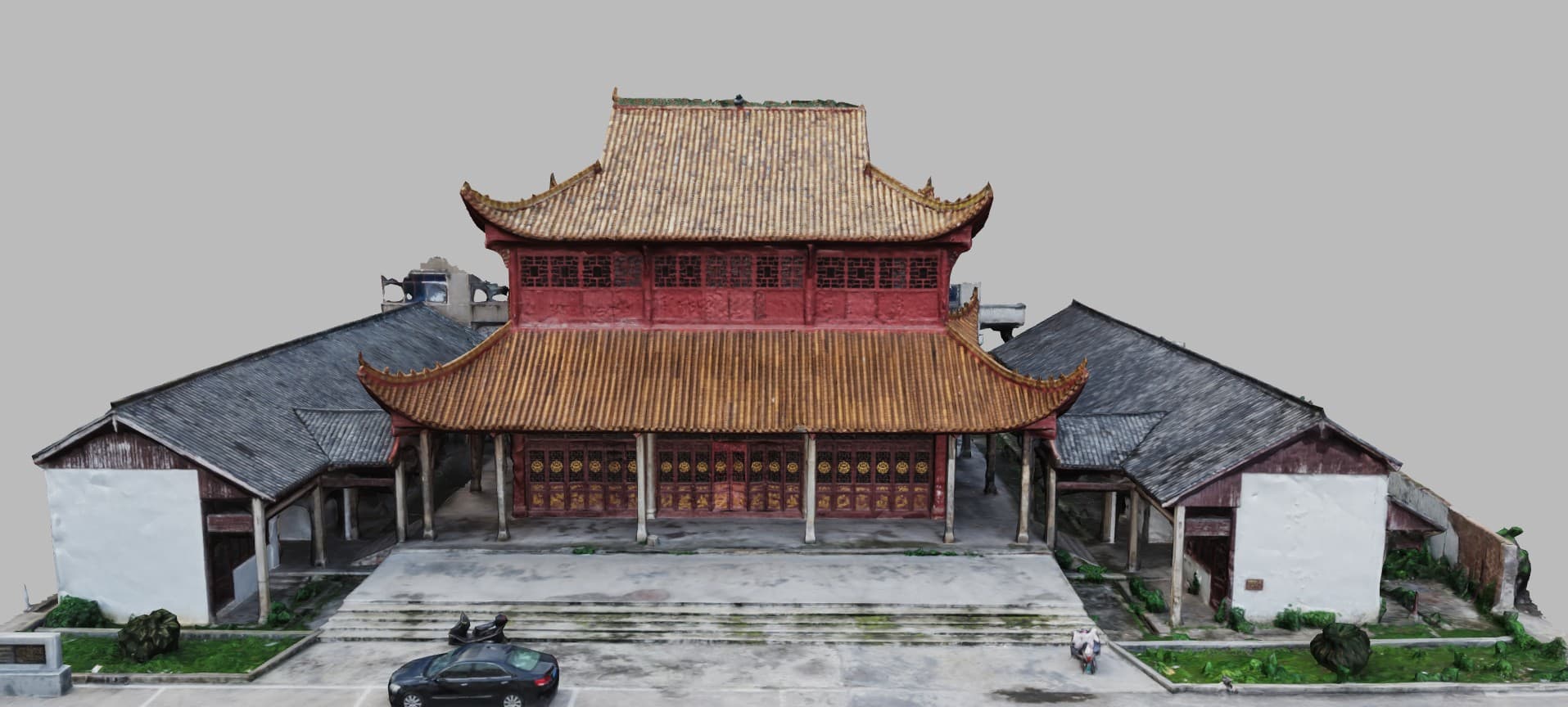
The physical structure reflects this disciplined pursuit of wisdom. Spanning seven thousand square meters, the academy uses a symmetrical 'three entries and four courtyards' layout. Visitors walk across smooth, rain-darkened blue flagstones toward the central Lecture Hall, which stands 11.5 meters deep and opens directly to the courtyard to invite dialogue. At the rear, the Ritual Hall holds a bronze statue of Confucius, where the scent of incense still lingers. To the west, the wooden eaves of the academy join seamlessly with Jingxing Temple, a Tang Dynasty sanctuary where the sound of bronze bells drifts through the classrooms. Nearby, the cold, clear waters of Xinxin Spring flow into the Jian Pond, offering a quiet space for reflection.
Today, this national heritage site remains a living space. On weekends, actors perform historical dramas in the courtyards, allowing visitors to stand beside the actors portraying Zuo Zongtang and Tao Shu. The academy continues to shape minds, bridging the gap between medieval philosophy and modern civic life.