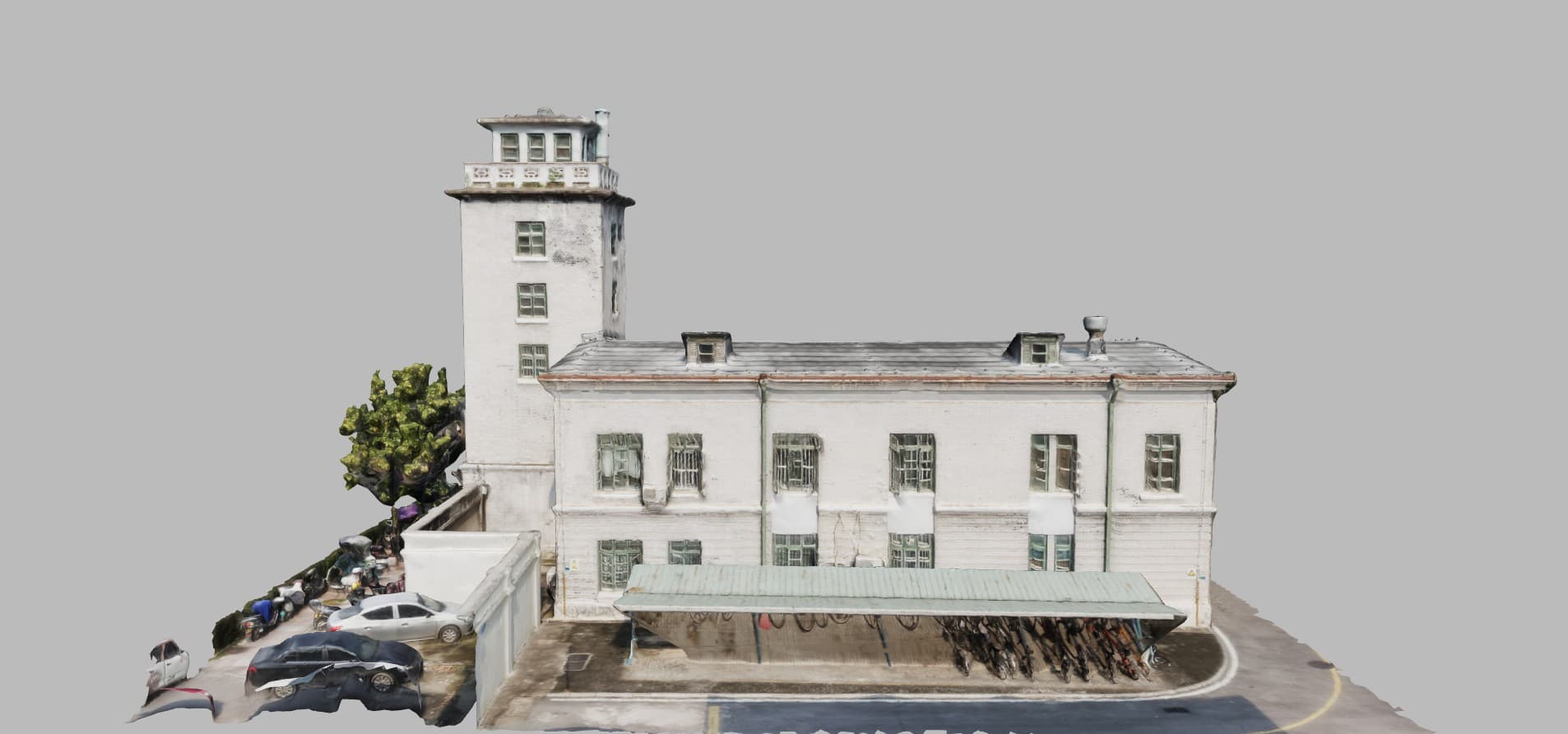
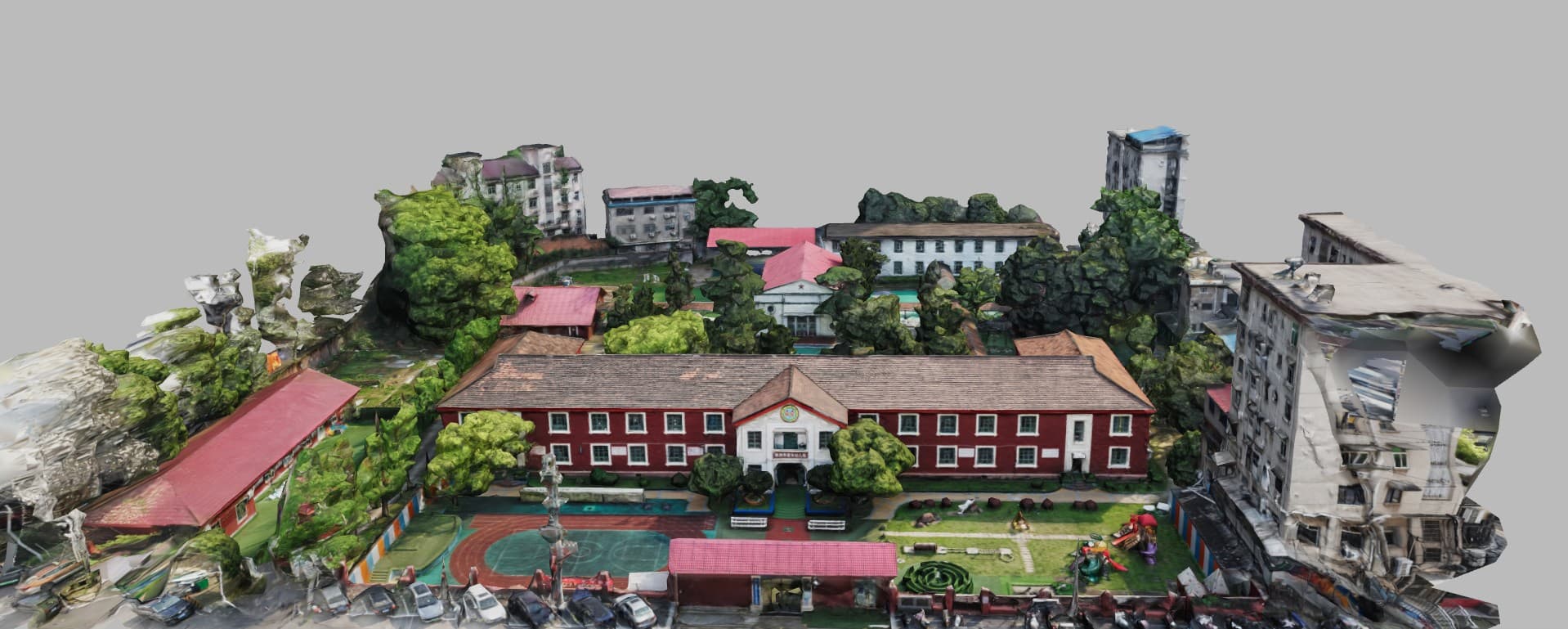
In 1954, amidst the noise of steam locomotives on the nearby railway line, builders in Zhuzhou laid the first red bricks of a structure designed to heal the pioneers of China's aviation industry. Before this building rose on Dongjiaduan Street in the Lusong District, doctors treated the workers of the State-owned No. 331 Factory in a drafty ancestral temple. Soviet experts arrived with blueprints, working alongside local builders to erect a dedicated sanctuary. For years, factory staff and their families filled the 220 beds, their recovery soundtracked by the distant hum of aircraft engine testing.
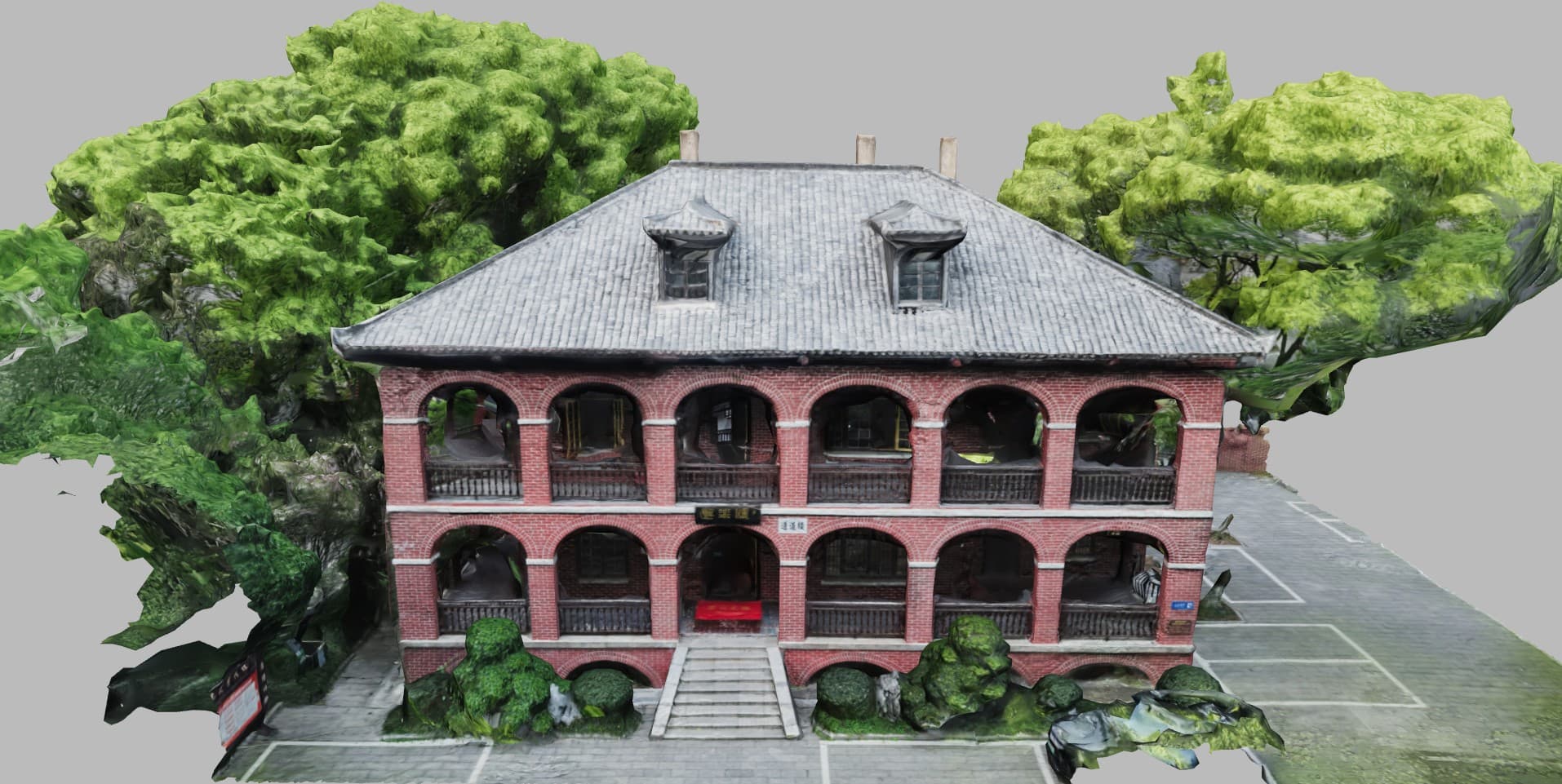
The building stands as a classic specimen of early 1950s Soviet-style public architecture. Its red-brick clean-water walls show the raw, unplastered texture of fired clay, capped by a heavy red-tiled roof that has deflected Hunan's heavy rains for seven decades. The masonry walls, thick enough to cool the interior during humid southern summers, enclosed 5,000 square meters of clinical space.
In 1976, when a larger facility opened, staff transferred patients to the new wing, and these halls became administrative offices. Today, the building is protected as a provincial-level cultural heritage site under the 2019 designations. The rough red bricks still hold the quiet memory of early industrial cooperation. Visitors standing near the clean-water facade can feel the cool masonry, a silent witness to the era when Zhuzhou transformed from a quiet river town into a hub of national defense.