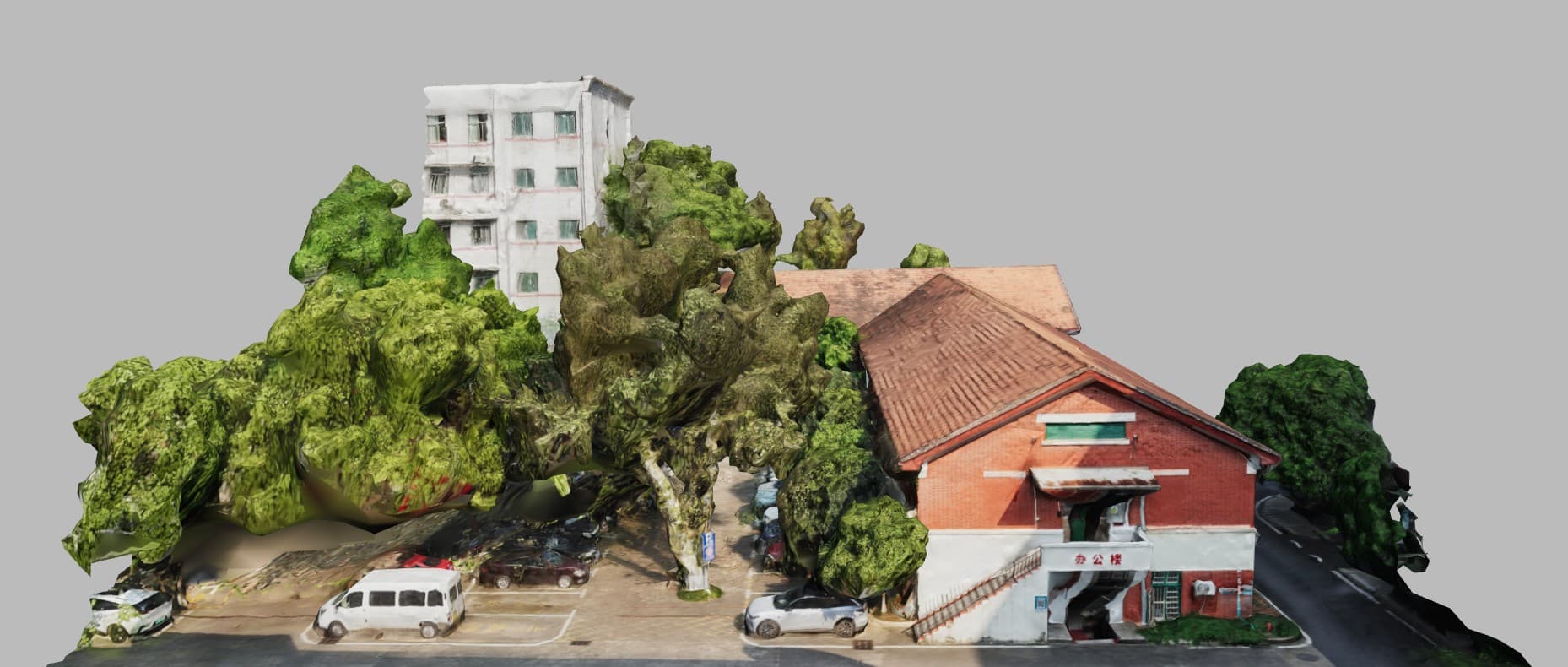
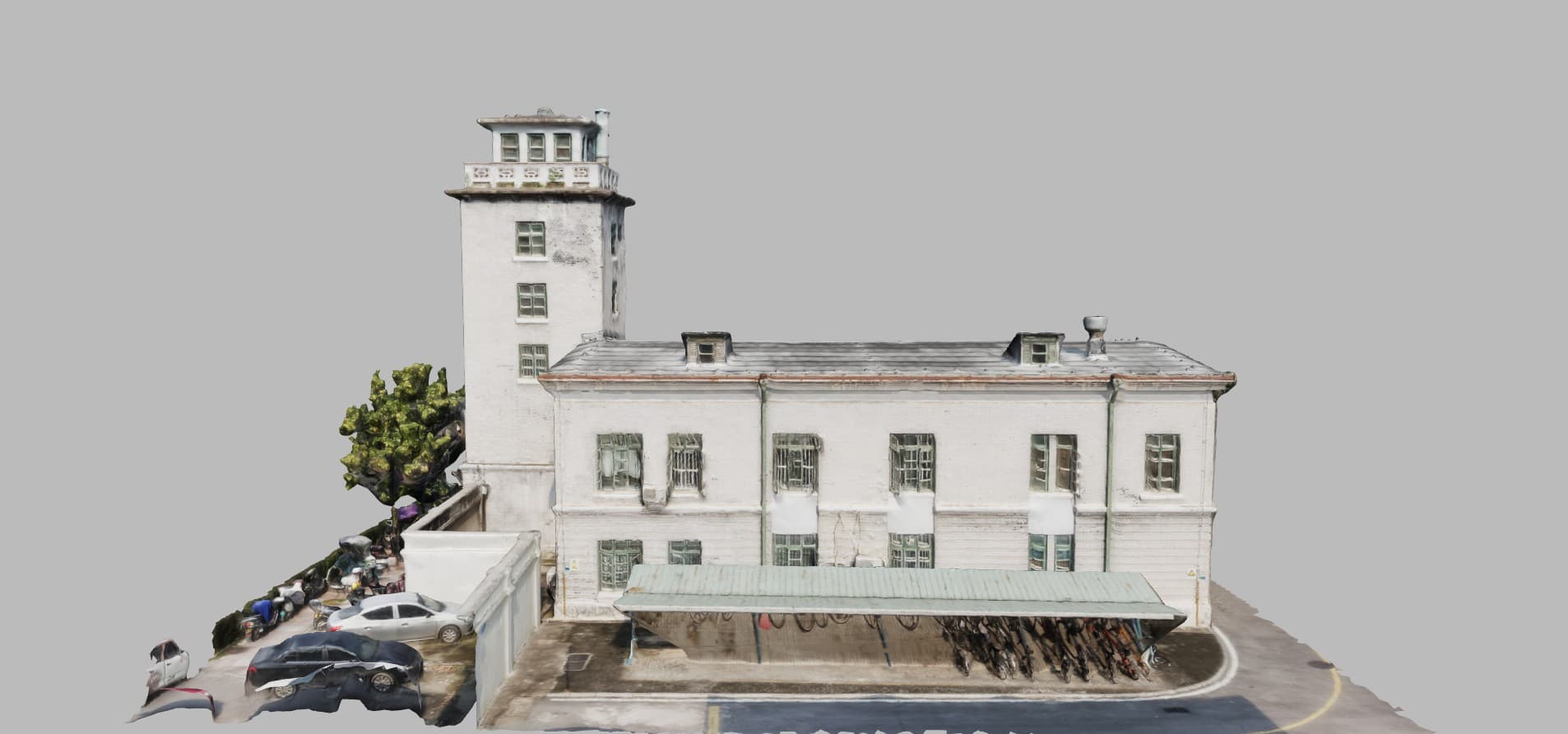
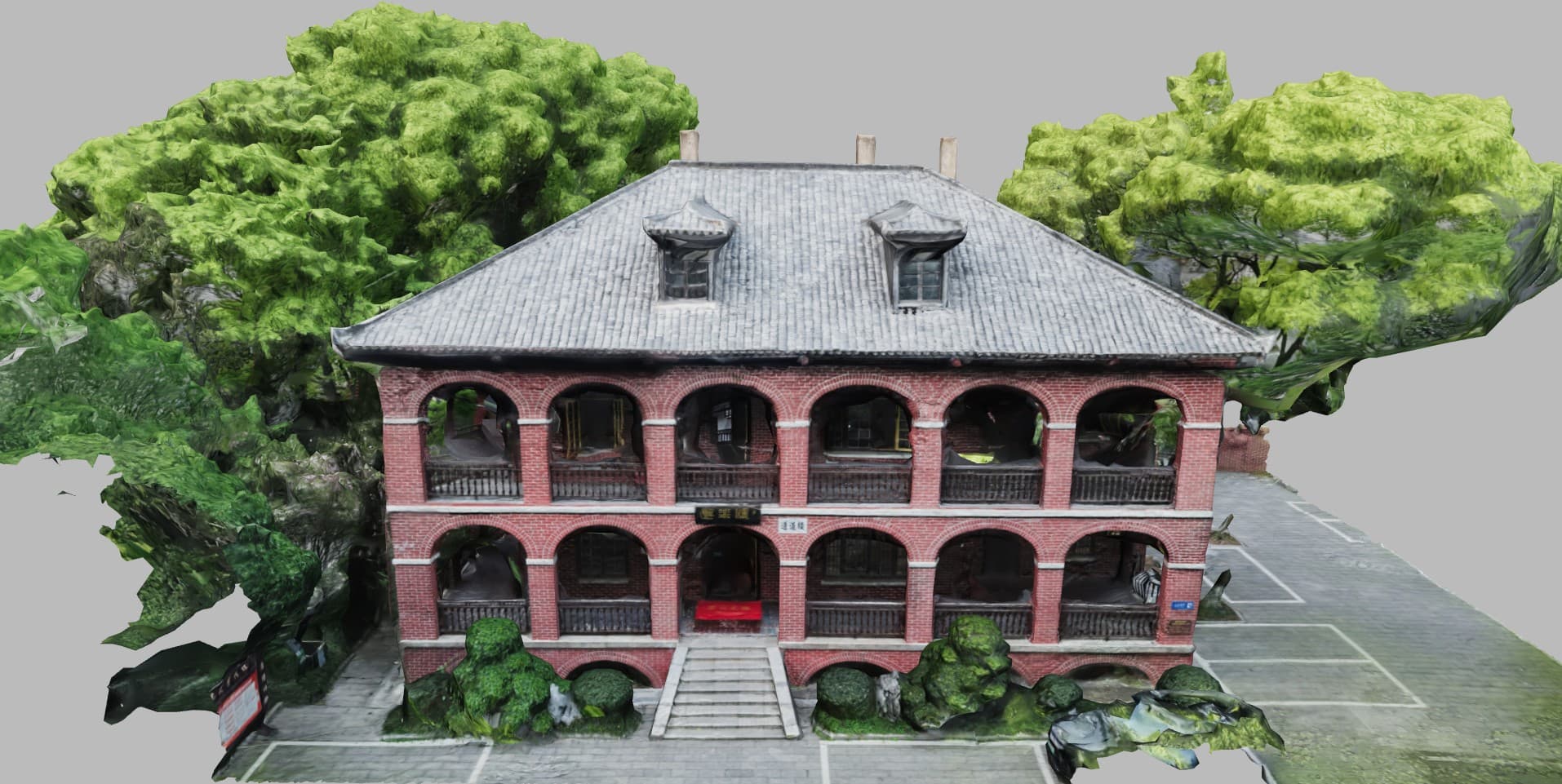
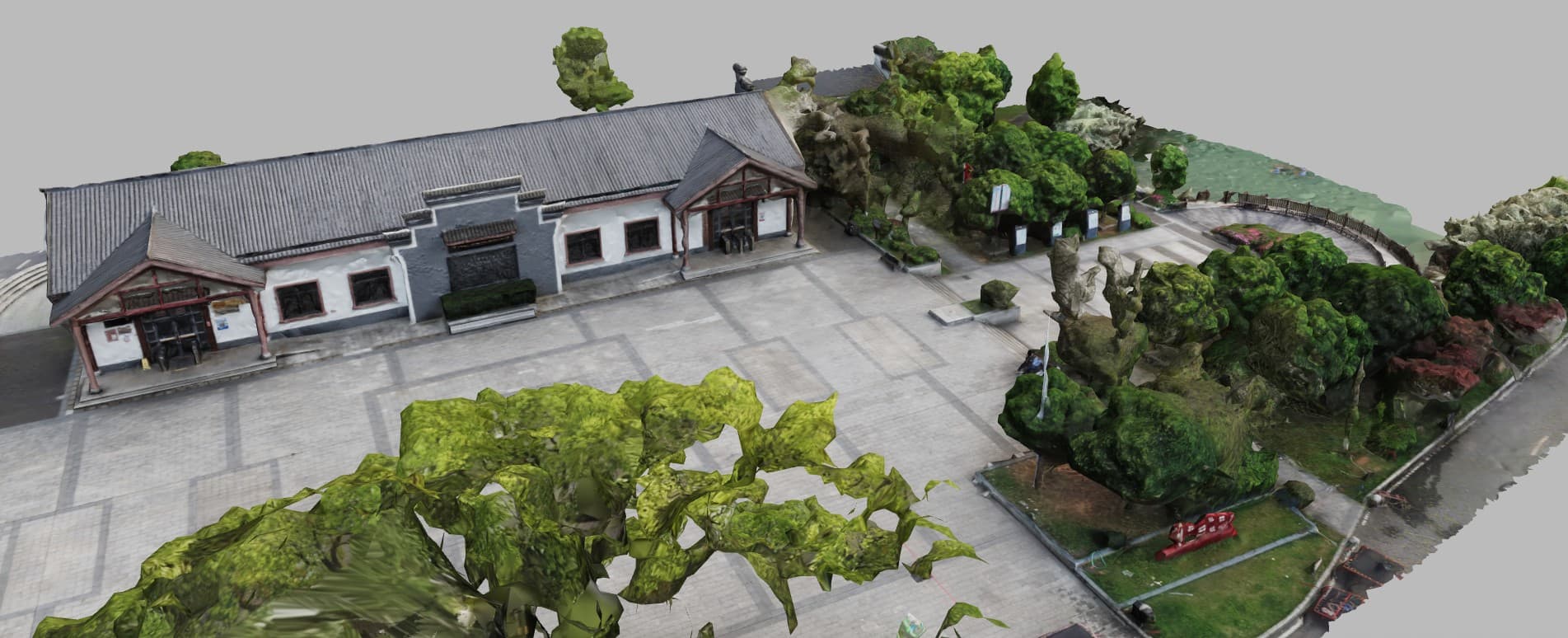
On August 1, 1936, railway pioneers Cheng Xiaogang and Mao Yixin broke ground in the Tianxin area of Zhuzhou, beginning a structure that remains an active heart of Chinese transit. Funded by returned British Boxer Indemnity funds and designed by British consultants.
Walk along the red brickwork walls. Touch the massive steel columns. These structural pillars were cast at the Vulcan Foundry in the United Kingdom, carried across oceans through salty sea spray, and bolted together on-site. The rough texture of the exposed face bricks meets the cold, smooth iron of the columns, which still bear the faint tool marks of early Chinese builders.
By 1937, the first three sections stood complete. Almost immediately, the thud of Japanese air raids shook the foundation, damaging the workshop repeatedly between 1937 and 1939. Reconstruction began in 1946. Following nationalization, workers completed a fourth section in 1959, expanding the footprint to 22,383.5 square meters. Overhead, the double-ridge roofline bathes the floor in natural light, clearing the air of hot grease and coal smoke.
Under this roof, workers assembled China’s first main-line electric locomotive in 1958, followed by the nation's first AC transmission locomotive, and eventually the world's highest-power electric locomotive. Today, the building is a protected National Industrial Heritage site. It is also a modern factory floor where CRRC Zhuzhou Locomotive technicians assemble high-speed rail elements. The past and the future share the same concrete floor, under the quiet watch of eighty-year-old British steel.