

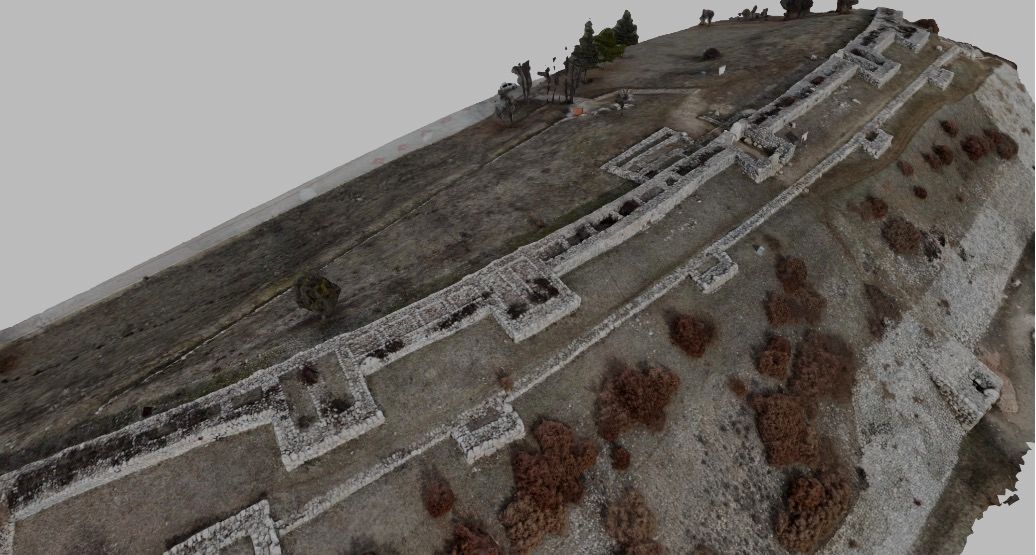
 Stop 01
Stop 1 of 7Çorum, Türkiye
Yerkepi in Hattusa
Yerkapı's artificial embankment and passage concentrate Hattusha's defensive engineering in one threshold, showing how a shaped landscape could define entry to the Hittite capital.
Architectural Heritage Route
A journey from the fortified thresholds and Great Temple of Hattusha to the rock chambers of Yazılıkaya. Gates, royal figures, and processions of gods show how a Hittite capital gave belief a physical order.
7 geolocated stops
Curated Sequence
Stop 01Yerkapı's artificial embankment and passage concentrate Hattusha's defensive engineering in one threshold, showing how a shaped landscape could define entry to the Hittite capital.
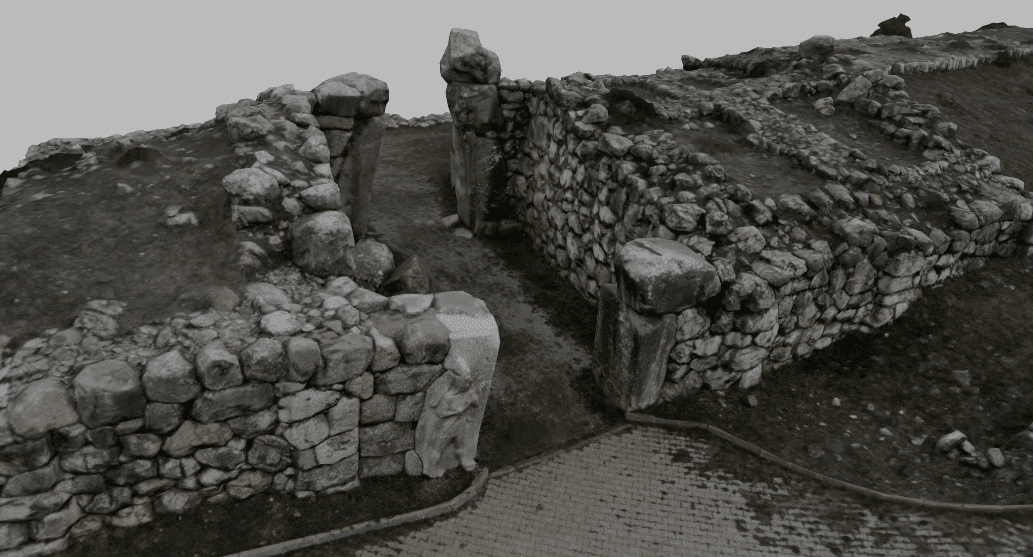 Stop 02
An armed relief figure at the King's Gate brings divine imagery into Hattusha's fortifications, linking the physical control of entry with the capital's sacred representations.
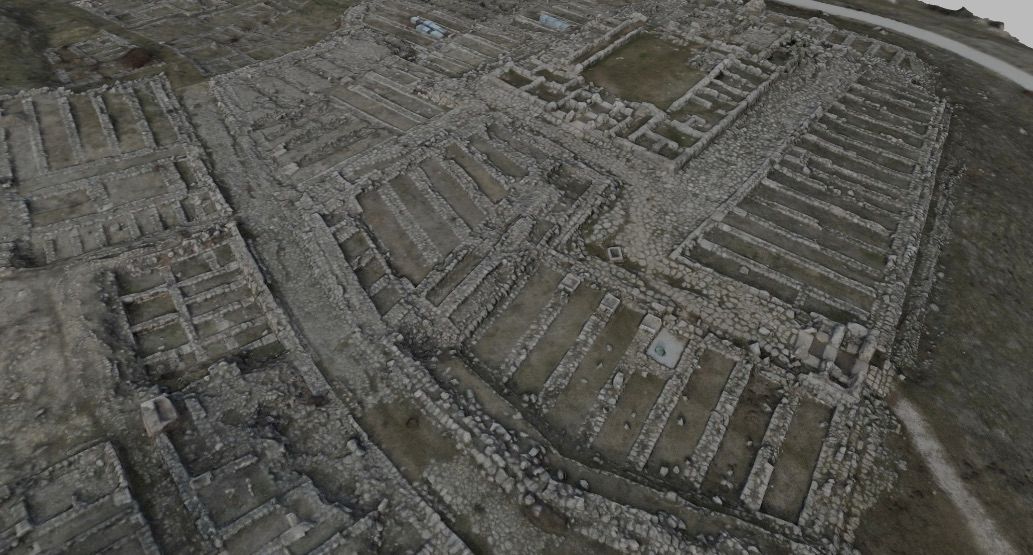 Stop 03
The Great Temple's dedication to the storm god and sun goddess locates worship within the capital, giving Hattusha's urban organization a clearly defined sacred center.
 Stop 04
Büyükkale's palace foundations and terraced courts locate royal administration within the fortified capital, providing the political setting for the kings represented in Yazılıkaya's separate rock sanctuary.
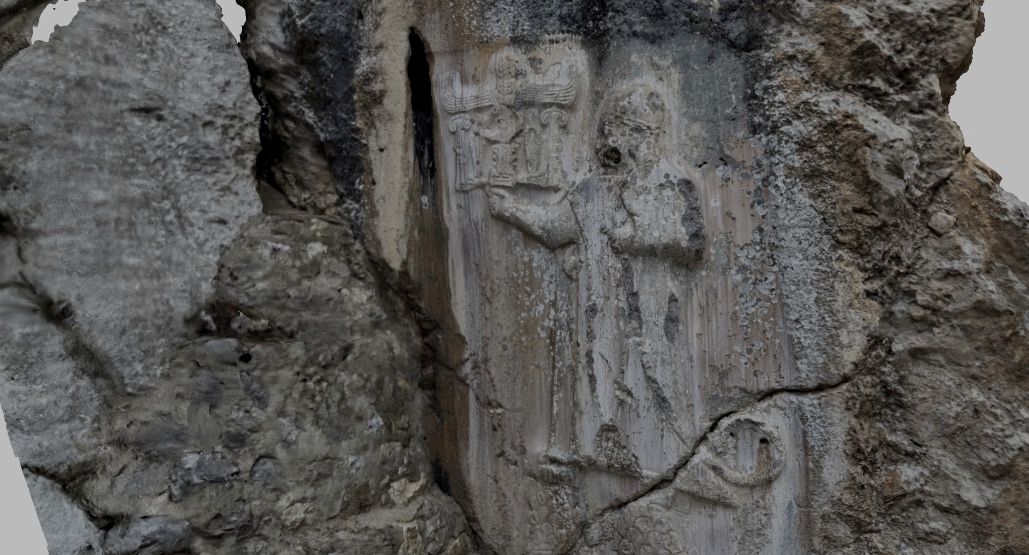 Stop 05
Tudhaliya IV's monumental figure in Chamber A places royal representation within Yazılıkaya's carved sanctuary, allowing kingship to be considered alongside the surrounding assembly of deities.
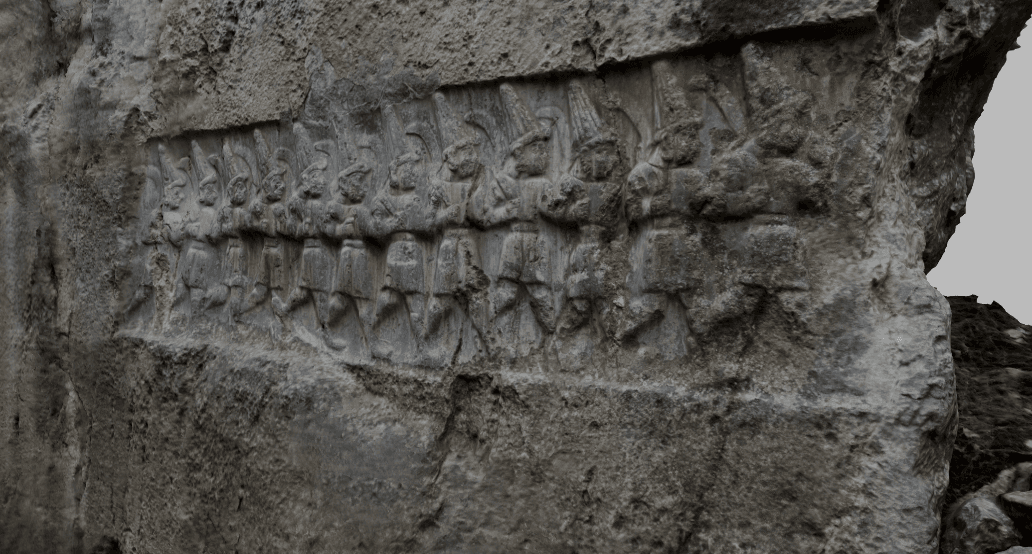 Stop 06
The repeated male figures in Chamber B turn the rock wall into a divine procession, giving ordered repetition a visible role in the sanctuary's sacred imagery.
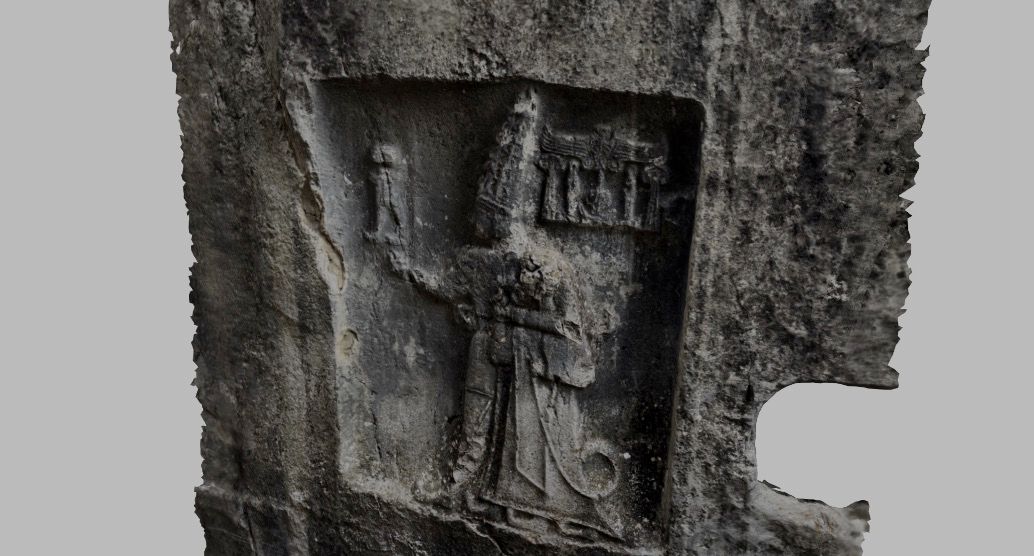 Stop 07
Sharruma's embrace of Tudhaliya IV in Chamber B makes the king's relationship with a protective deity explicit, complementing the separate royal representation in Chamber A.
20 Stops
Cities, villas, churches, castles, and a solitary house facade reveal how fragments invite us to imagine the spaces they once enclosed. A journey through survival, incompleteness, and the beauty of the ruin.
39 Stops
From early Shanxi halls and a wooden pagoda to regional caissons, theater roofs, palaces, and civic towers, Chinese timber buildings preserve different ways of carrying a roof and imagining the space beneath it. Brackets, ceilings, and sacred art become an architectural archive.
22 Stops
Cisterns, aqueducts, dams, harbor works, pumps, wells, and water towers reveal the forms societies give to water. Storage, distribution, protection, power, and an entire basin modeled in miniature make a hidden civil infrastructure visible.