

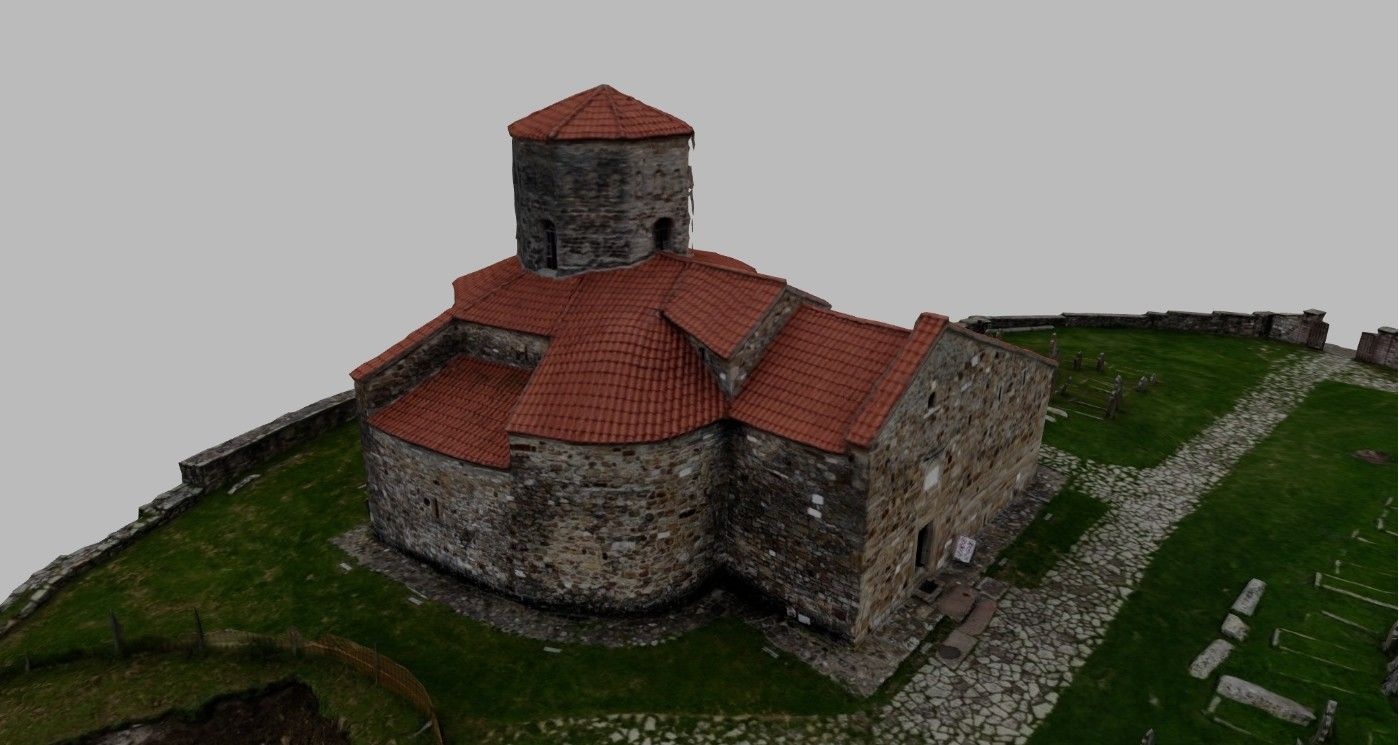
 Stop 01
Stop 1 of 12Serbia
Church of the Holy Apostles Peter and Paul in Novi Pazar
Its early medieval church fabric and episcopal role at Ras establish the ecclesiastical setting from which the route’s later Nemanjić foundations developed.
Architectural Heritage Route
A survey of Serbian Orthodox architecture from the medieval Raška state and Nemanjić foundations to the Morava school and the modern national church.
12 geolocated stops
Curated Sequence
Stop 01Its early medieval church fabric and episcopal role at Ras establish the ecclesiastical setting from which the route’s later Nemanjić foundations developed.
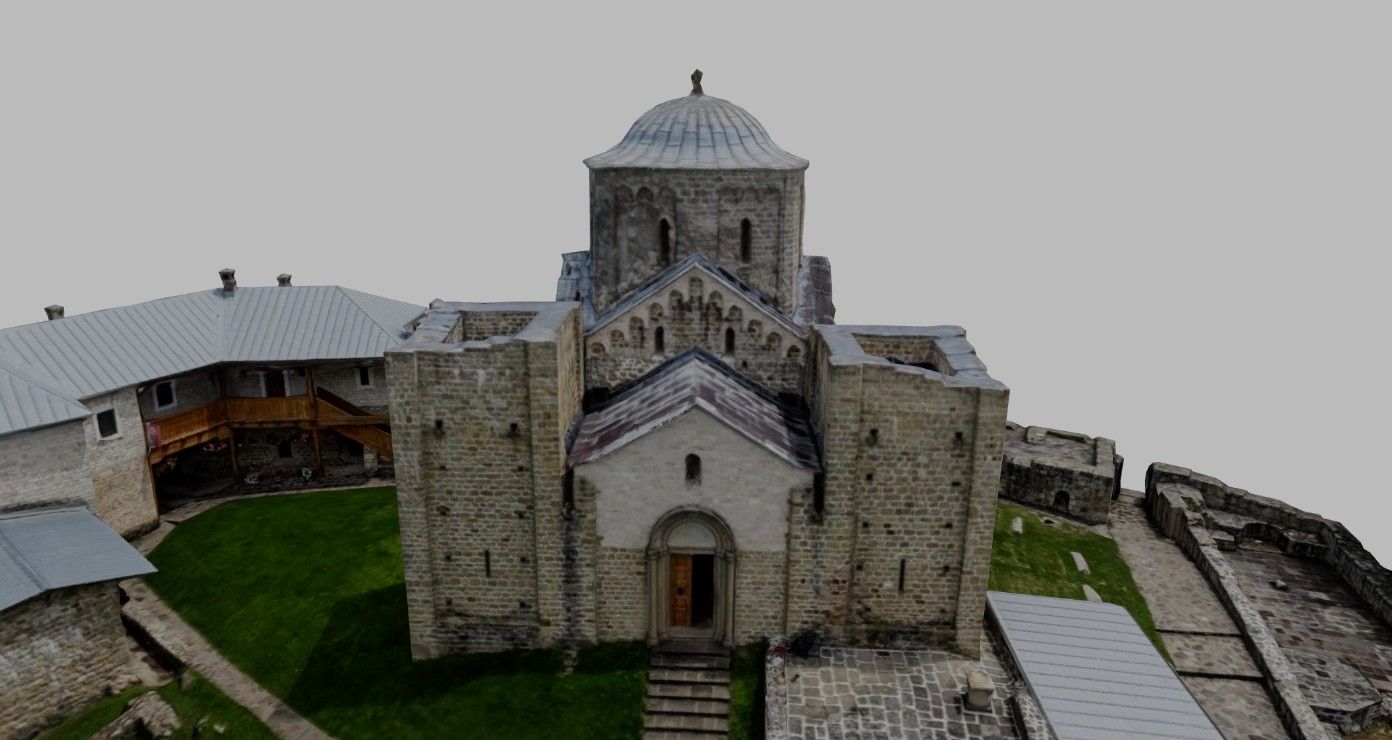 Stop 02
The hilltop church’s Romanesque and Byzantine architectural elements introduce the Raška school, connecting Stefan Nemanja’s patronage with the route’s emerging medieval Serbian state.
 Stop 03
King Uroš I’s foundation and surviving thirteenth-century frescoes show how Nemanjić patronage supported Byzantine painting within the church architecture of medieval Raška.
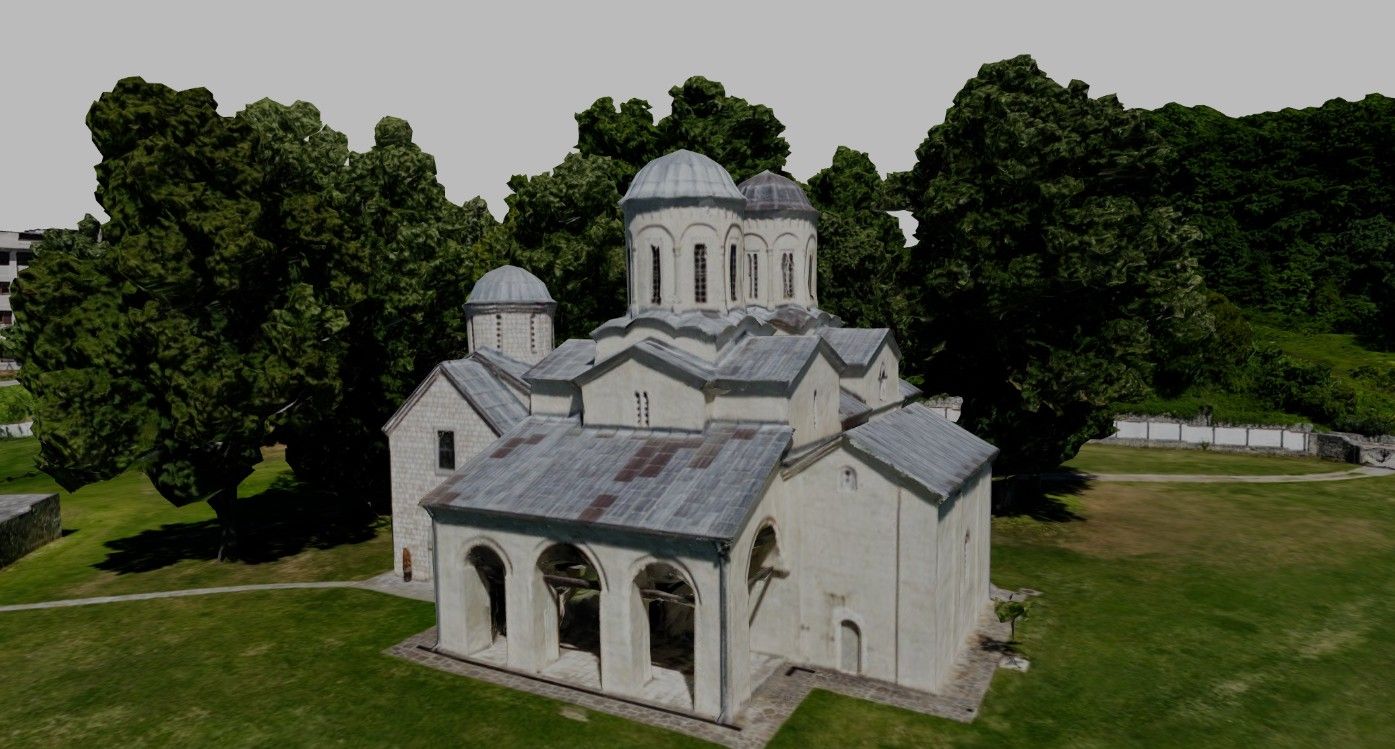 Stop 04
The Church of Saint Nicholas and Banja’s historic Dabar episcopal role broaden the survey of royal foundations to regional institutions sustaining medieval Serbian Orthodox authority.
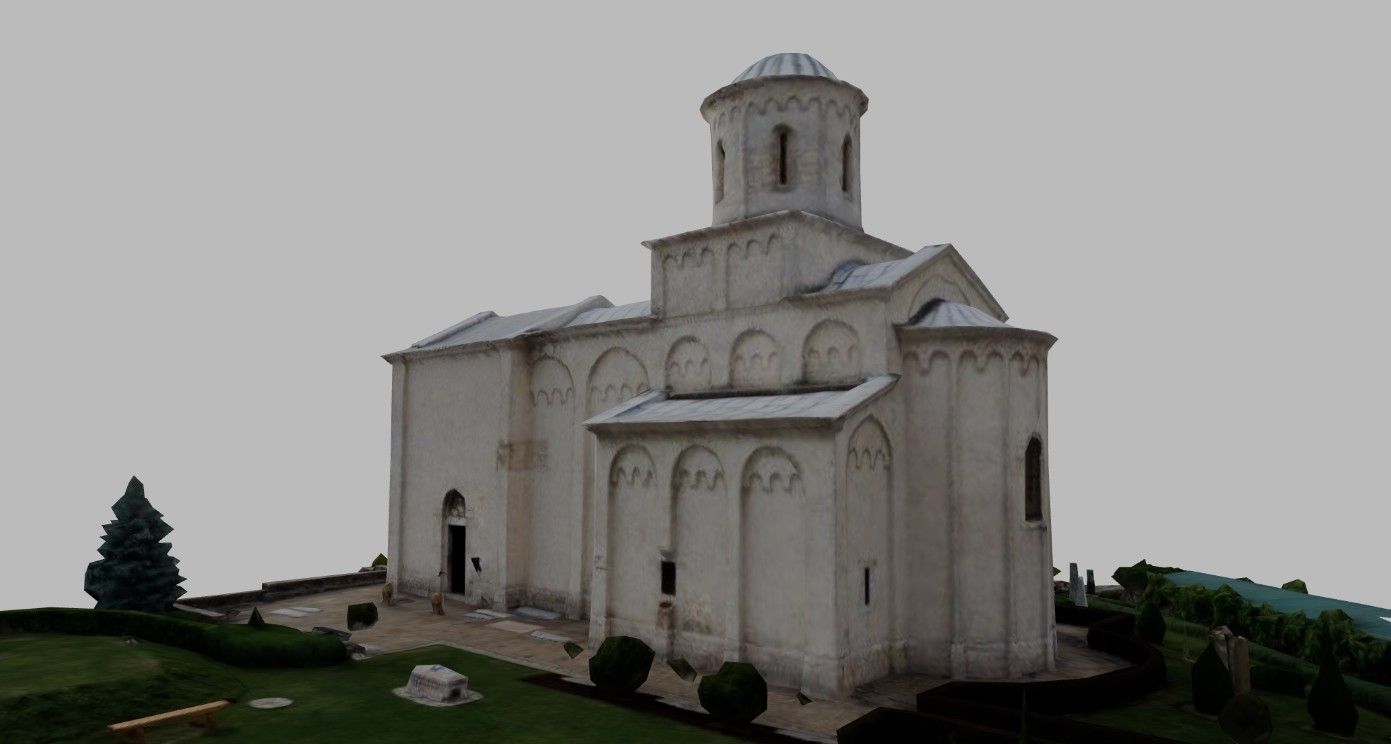 Stop 05
King Dragutin’s foundation and surviving donor portraits connect Raška-style architecture with dynastic representation, showing how painted royal families occupied the church interior.
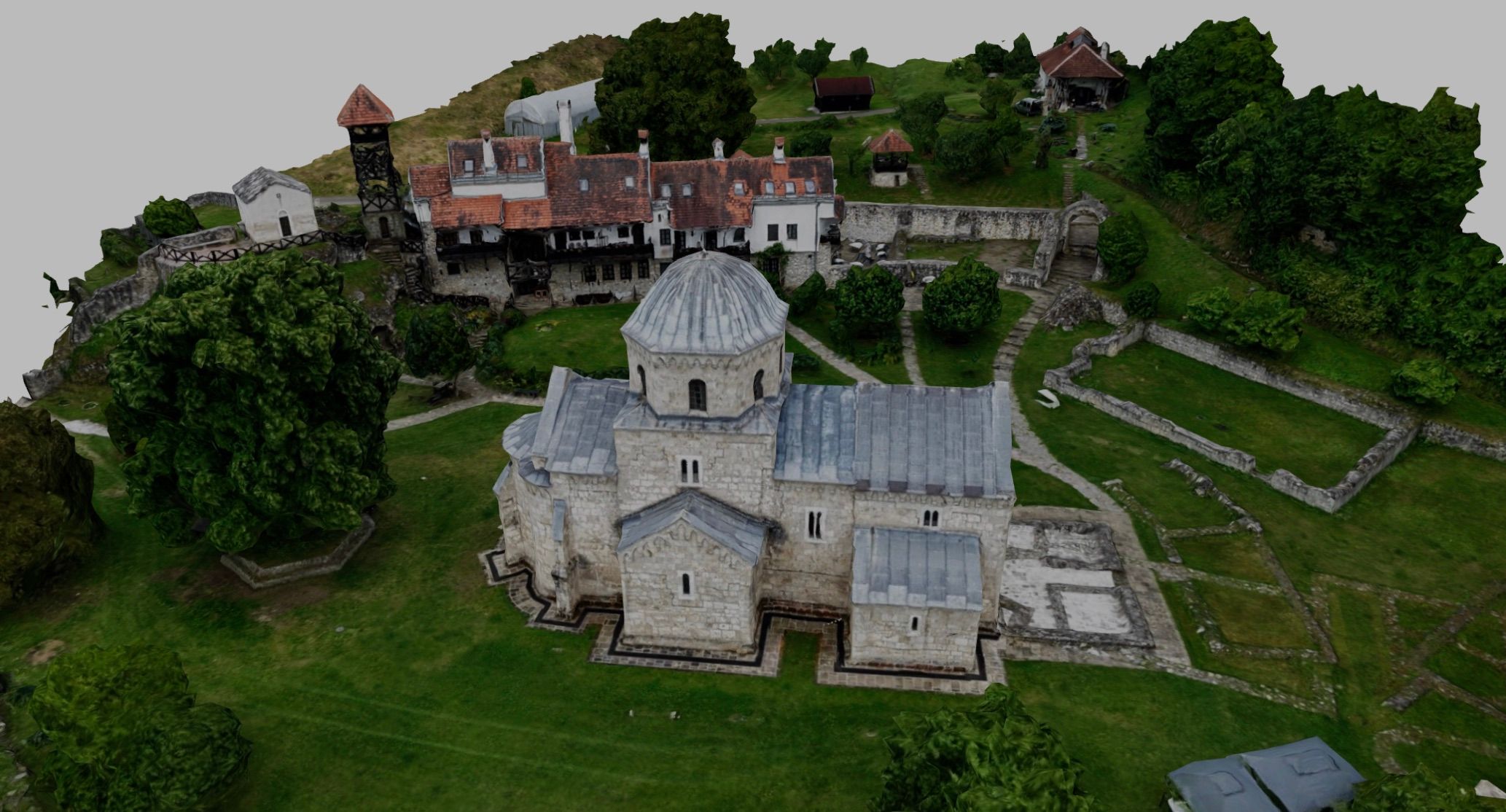 Stop 06
Queen Helen’s foundation pairs Gothic details with a domed Orthodox church, complicating the journey’s account of royal patronage across Latin and Byzantine architectural traditions.
 Stop 07
The white-marble Church of the Virgin and Nemanja’s burial establish Studenica as a dynastic monastery, joining Raška architecture to the commemoration of its founding ruler.
 Stop 08
The red-painted coronation church and former archiepiscopal seat make Žiča a direct example of royal legitimacy being staged through Serbian Orthodox institutions.
 Stop 09
The Morava-style church founded by Princess Milica adds women’s royal patronage and monastic life to the route’s later medieval architectural sequence.
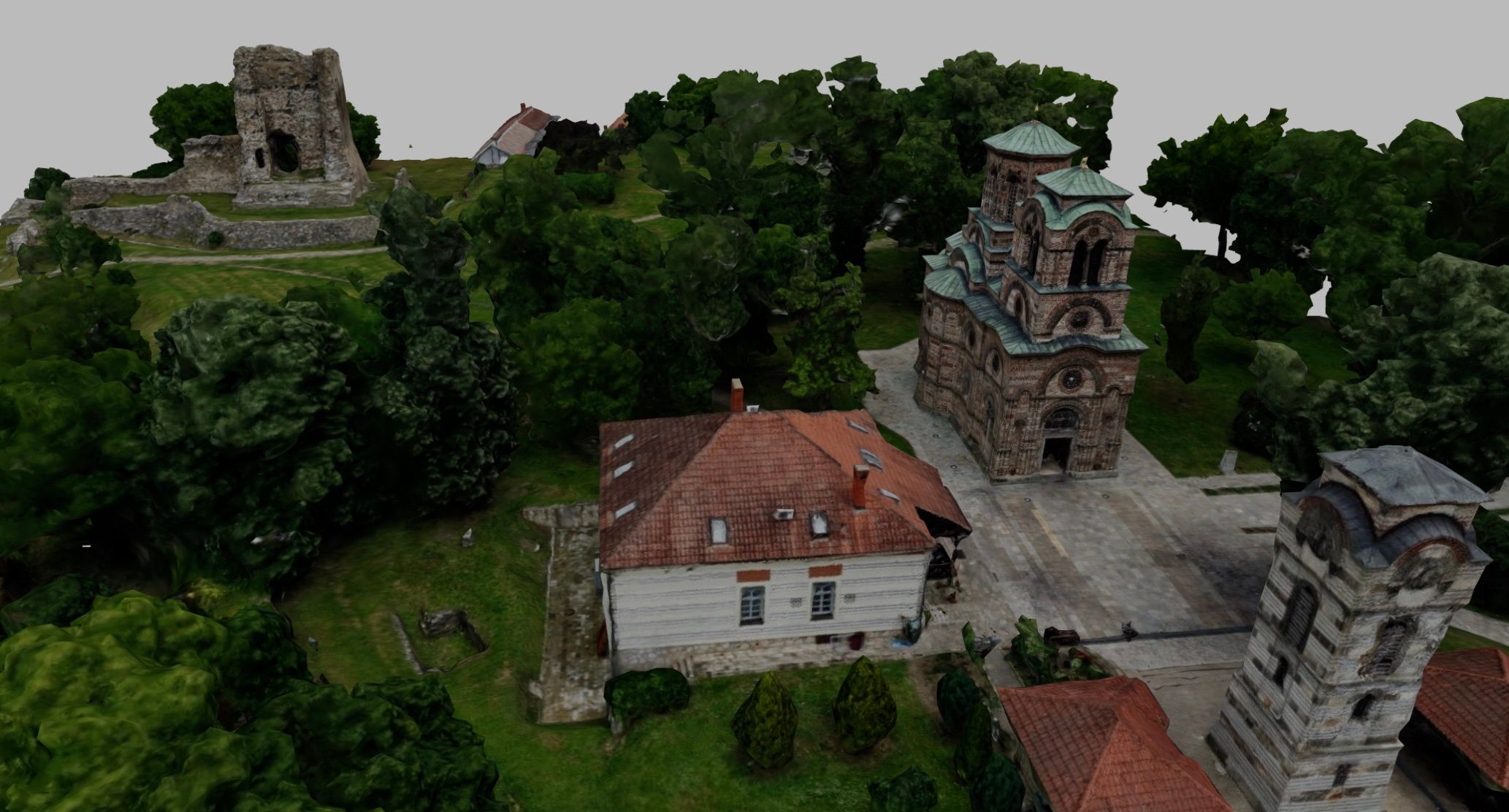 Stop 10
The trefoil court church at Prince Lazar’s Kruševac foundation marks the Morava school’s emergence, linking a new architectural vocabulary with a changing political center.
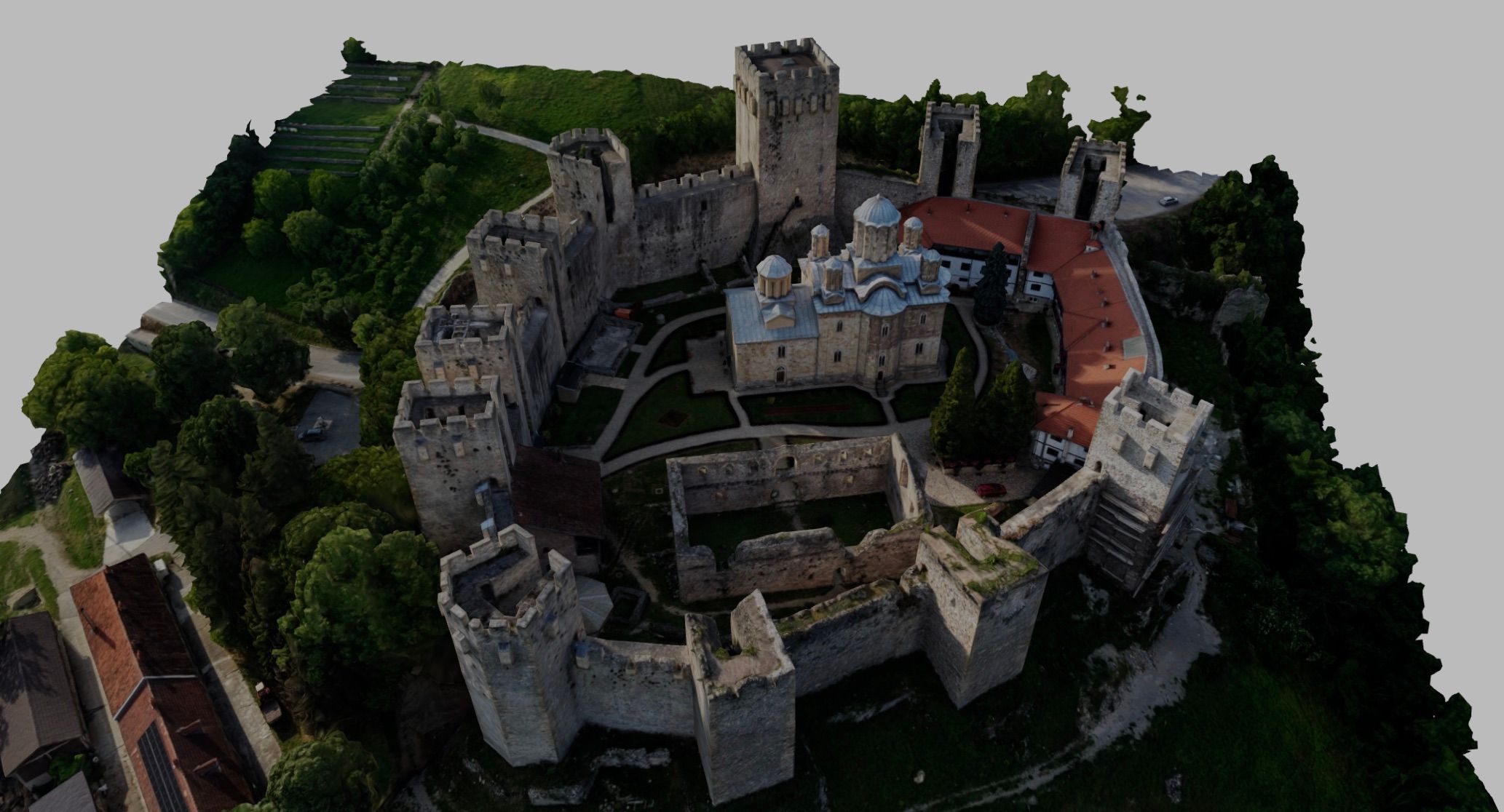 Stop 11
The fortified enclosure around a Morava-style church connects Stefan Lazarević’s religious foundation with defensive architecture and the manuscript scholarship of the Resava school.
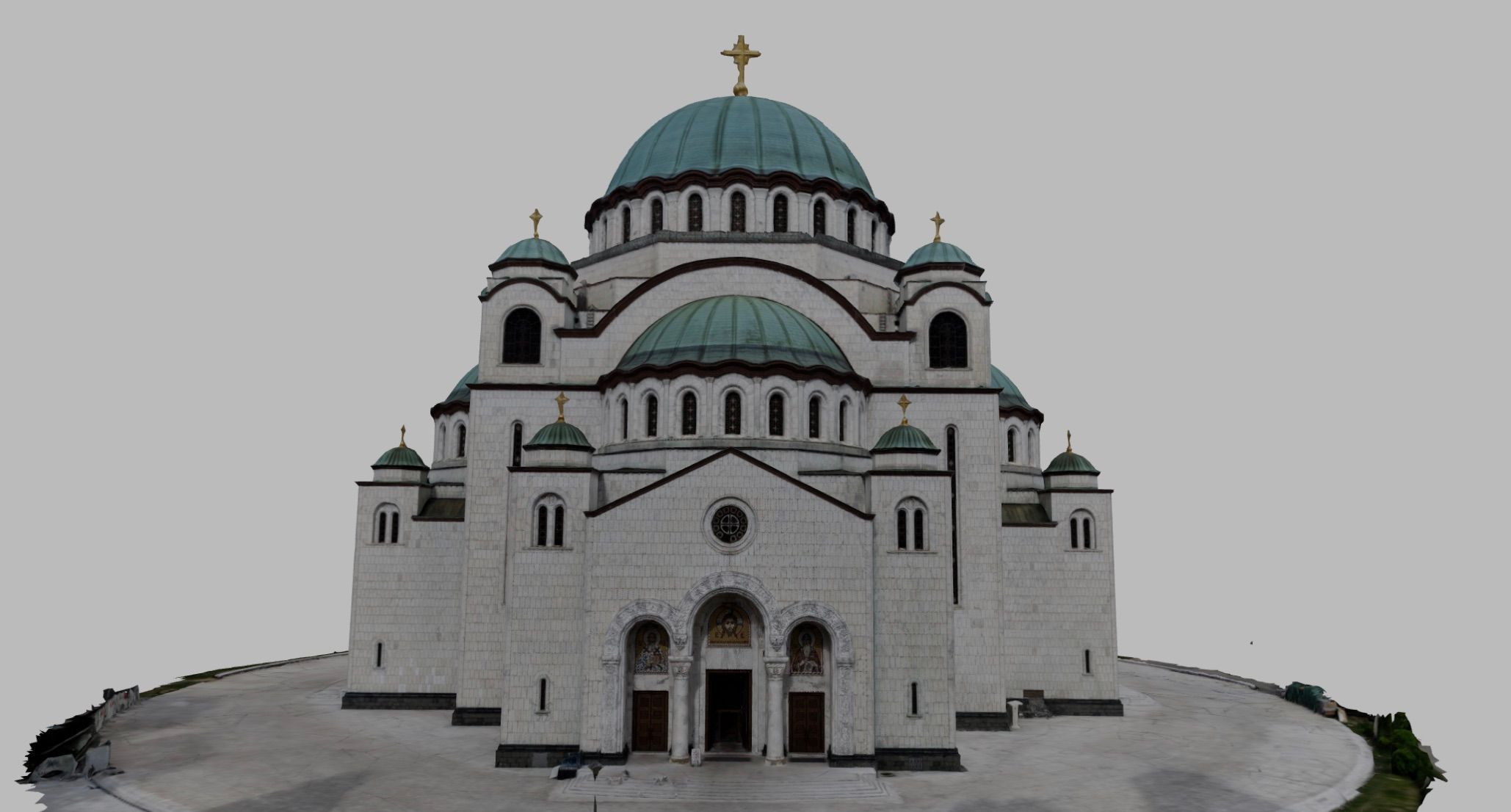 Stop 12
The modern church’s vast domed, Neo-Byzantine form closes the medieval sequence with a national project that reinterprets Orthodox architectural traditions in Belgrade.
30 Stops
Across Reims, Metz, Strasbourg, and the northern Vosges, Roman reliefs, Gothic glass, courtly interiors, and public squares trace how communities have expressed belief, authority, and belonging. Coronation ritual and monastic memory meet imperial urban planning, the rebuilding of libraries and theatres, and contemporary art and solidarity. Together, these places reveal a regional culture continually remade through exchange, conflict, and care.
15 Stops
Pagodas shaped by Nanzhao and Dali Buddhism, esoteric traditions, and later Ming and Qing literary culture. Suggested direction: Kunming, Dali, Weishan, Chuxiong, and Dayao.
15 Stops
Memorial architecture spanning the events of 1914, Second World War partisan memory, the breakup of Yugoslavia, and the NATO bombing campaign.