

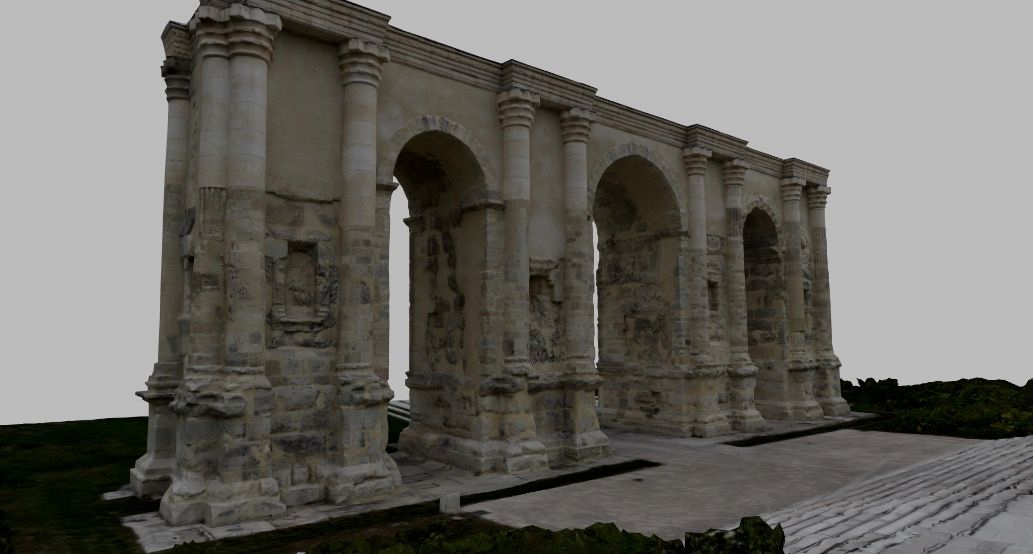
 Stop 01
Stop 1 of 10France
Gate of Mars
The arch combines Roman myth with carved agricultural scenes, introducing Gaul’s provincial cities through imagery that joins imperial narratives to local livelihoods.
10 geolocated stops
Curated Sequence
Stop 01The arch combines Roman myth with carved agricultural scenes, introducing Gaul’s provincial cities through imagery that joins imperial narratives to local livelihoods.
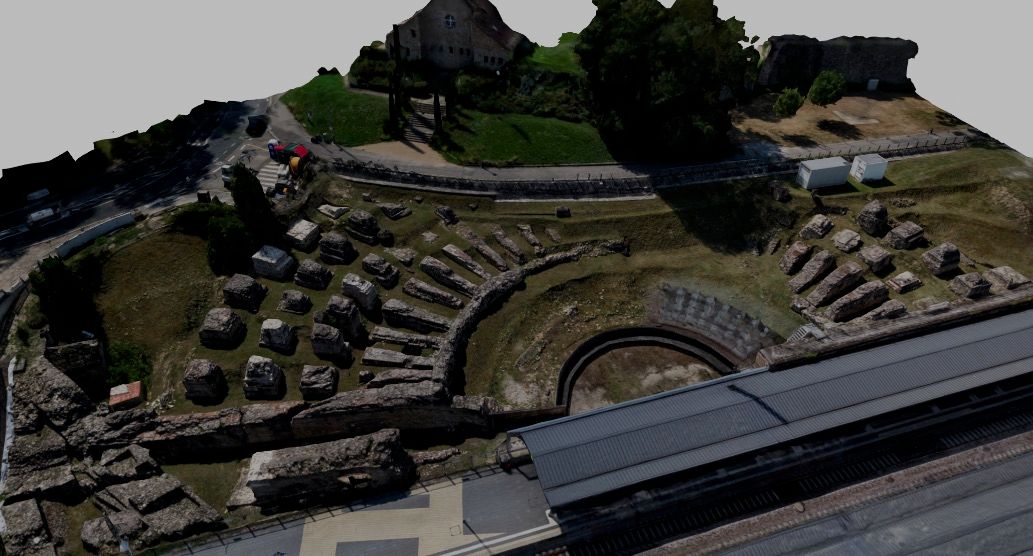 Stop 02
The theatre’s surviving seating foundations bring civic spectacle into the route’s military frontier setting, showing that Roman provincial capitals organized public life beyond their forts.
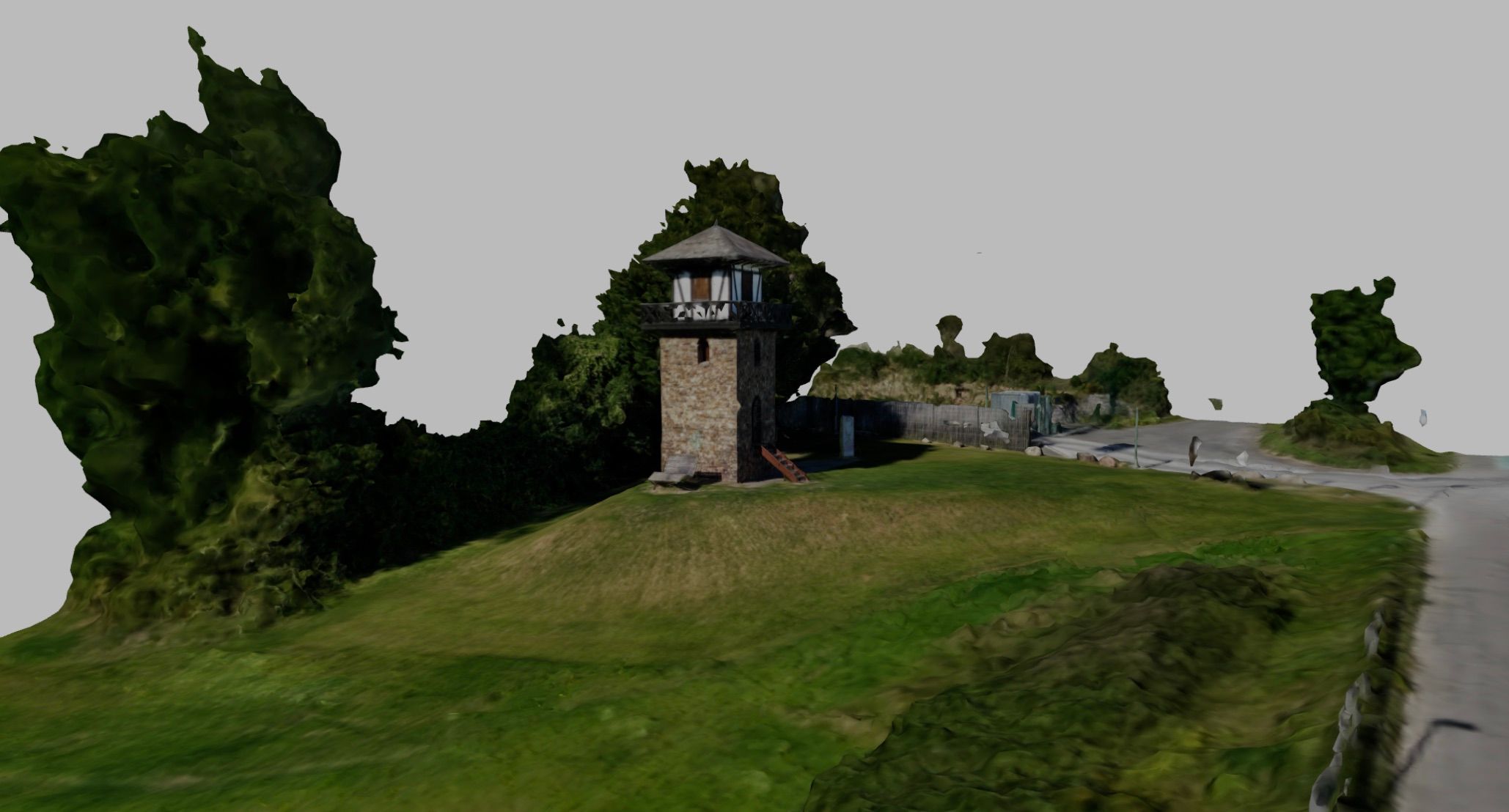 Stop 03
The frontier’s forts, watchtowers, and barriers shift the route from urban monuments to the infrastructure that organized Roman control between the Rhine and Danube.
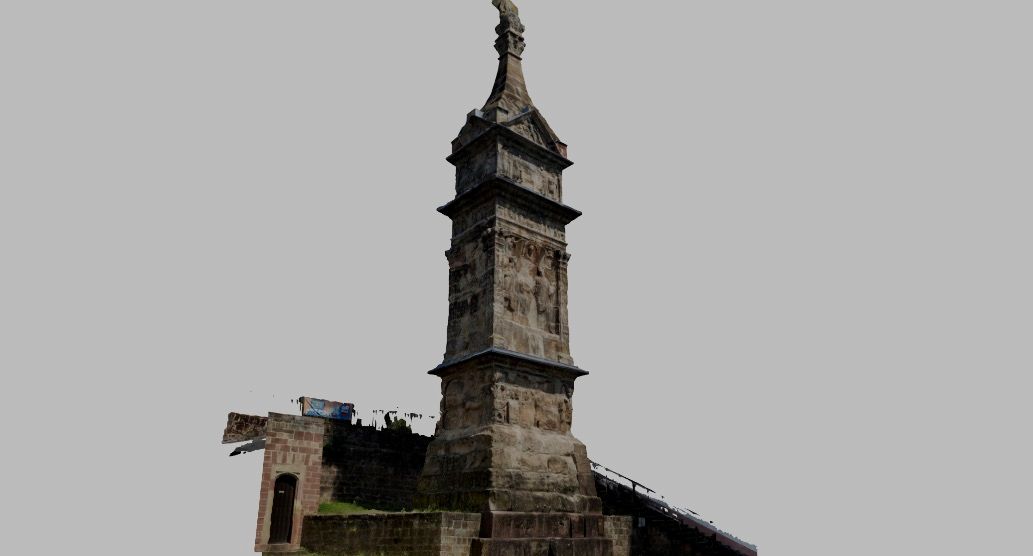 Stop 04
Cloth-trade reliefs on the funerary column connect family commemoration with commercial wealth, adding provincial merchants to a journey otherwise centered on civic and imperial monuments.
 Stop 05
The massive sandstone gateway makes Trier’s Roman urban perimeter legible, anchoring the journey’s transition from frontier provinces to a later imperial residence.
 Stop 06
The unfinished bath complex’s vaulted remains and service passages register Trier’s imperial building ambitions while keeping changes of purpose visible within the Roman urban fabric.
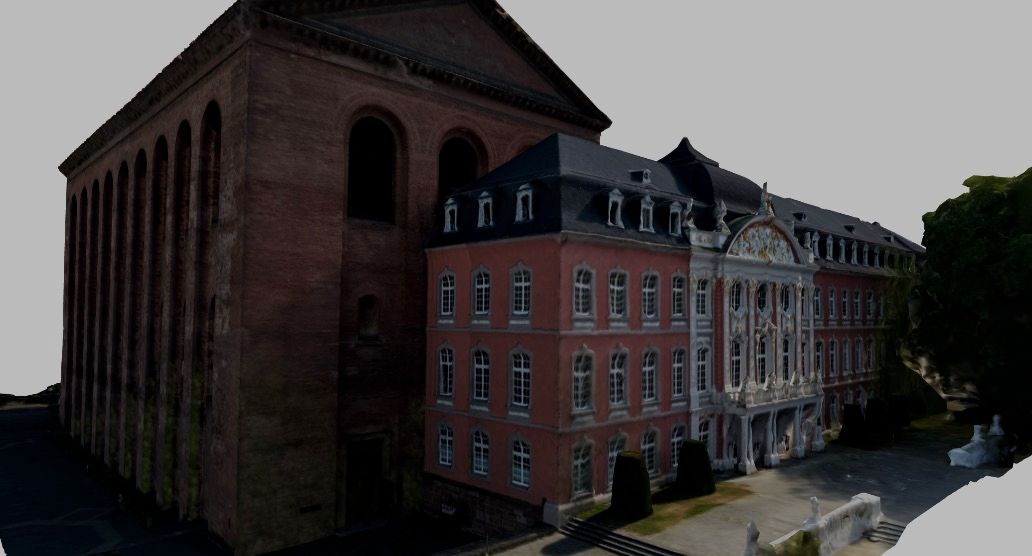 Stop 07
The Roman audience hall beside the later Electoral Palace juxtaposes imperial and archiepiscopal seats of power, clarifying Trier’s successive uses of monumental authority.
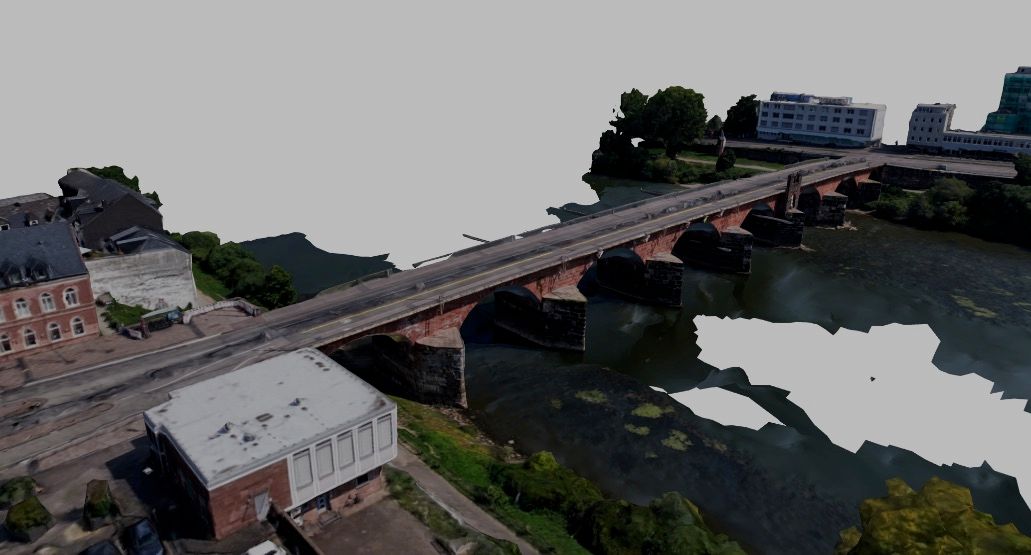 Stop 08
Roman basalt piers supporting later arches connect the ancient Moselle crossing with continuing urban use, distinguishing inherited infrastructure from the route’s excavated monumental ruins.
 Stop 09
The hillside arena and surviving underground chambers reveal the spatial machinery of Roman public spectacle, complementing Trier’s gates, baths, and imperial audience hall.
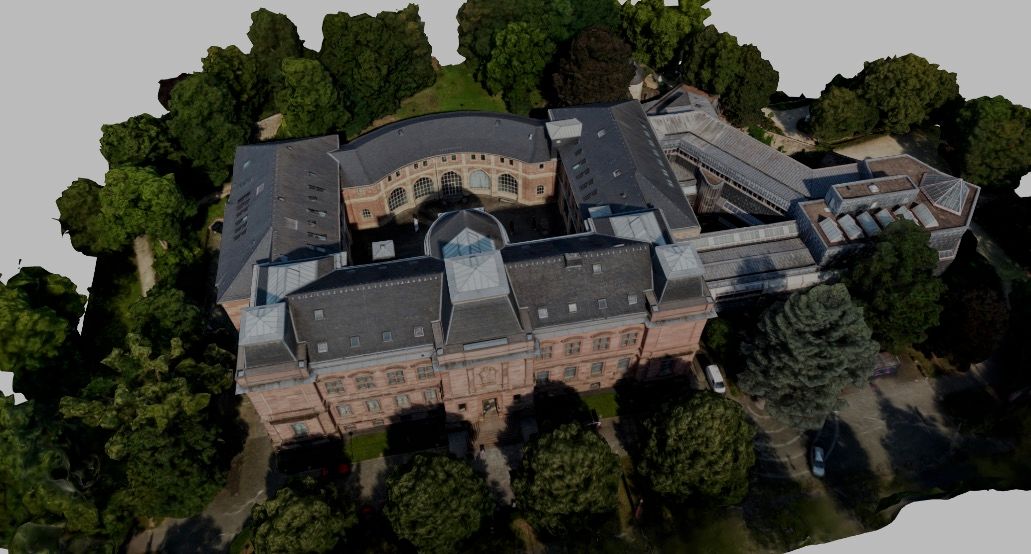 Stop 10
Roman mosaics and funerary reliefs move the journey from surviving civic monuments to domestic imagery and commercial representation, supplying material context for imperial Trier.
30 Stops
Across Reims, Metz, Strasbourg, and the northern Vosges, Roman reliefs, Gothic glass, courtly interiors, and public squares trace how communities have expressed belief, authority, and belonging. Coronation ritual and monastic memory meet imperial urban planning, the rebuilding of libraries and theatres, and contemporary art and solidarity. Together, these places reveal a regional culture continually remade through exchange, conflict, and care.
20 Stops
Cities, villas, churches, castles, and a solitary house facade reveal how fragments invite us to imagine the spaces they once enclosed. A journey through survival, incompleteness, and the beauty of the ruin.
22 Stops
From a regional opera theater to grand European performance houses and a contemporary Chinese arts complex, these buildings turn gathering into ceremony. A journey through the places where a city presents itself to an audience.