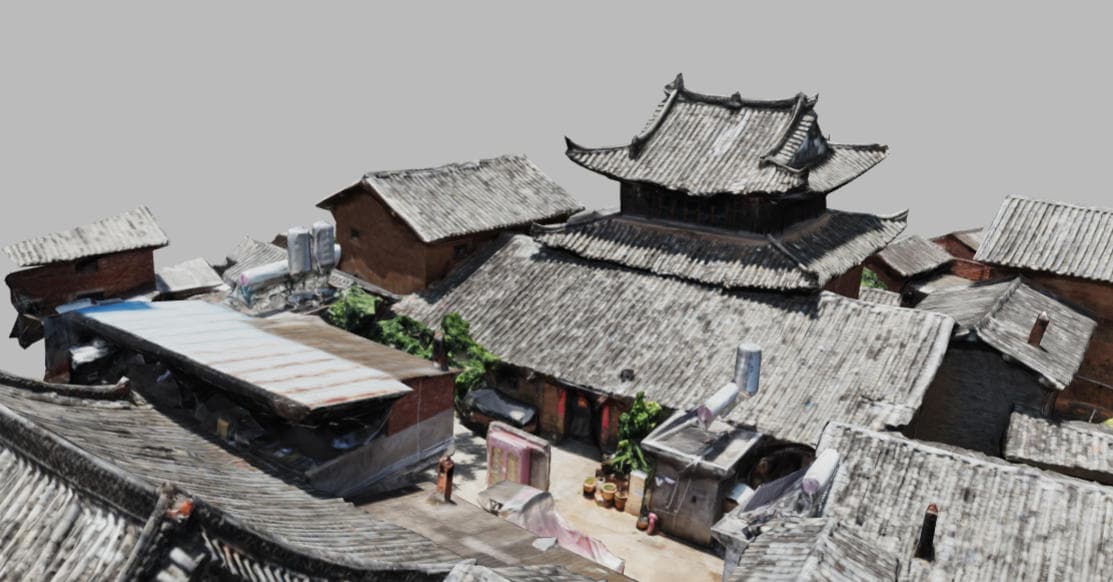
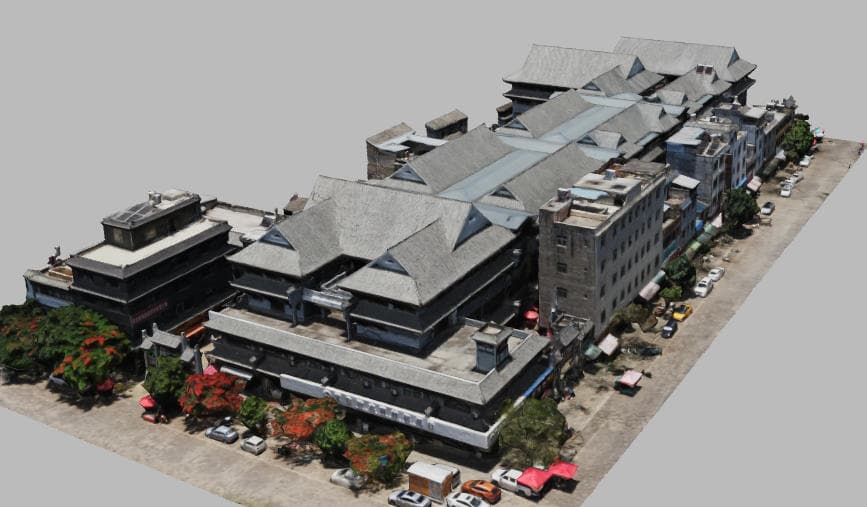
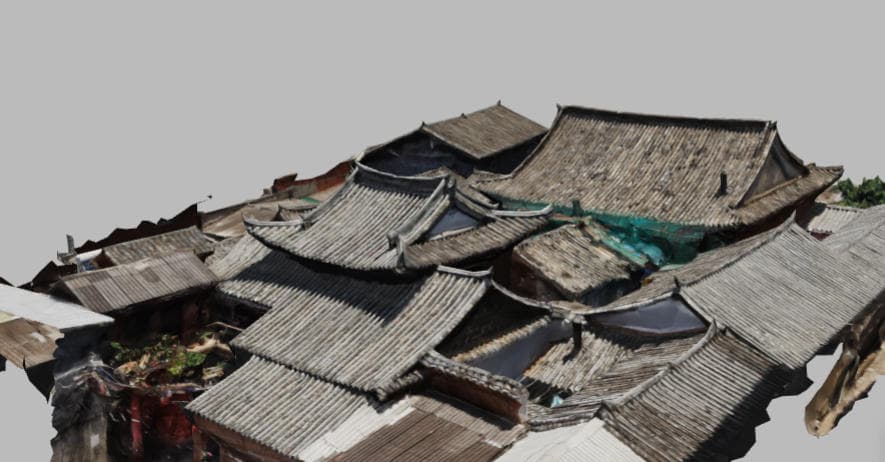
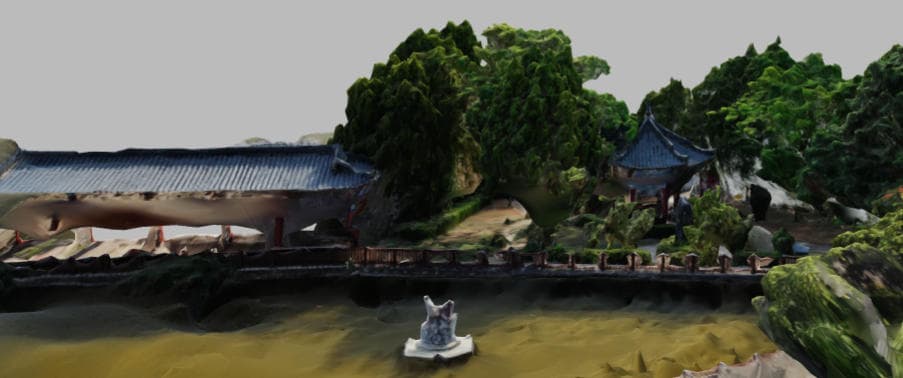
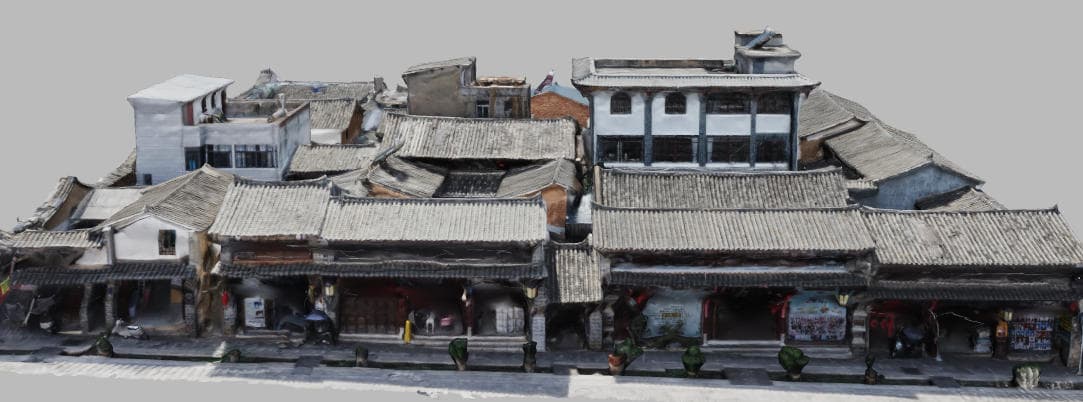
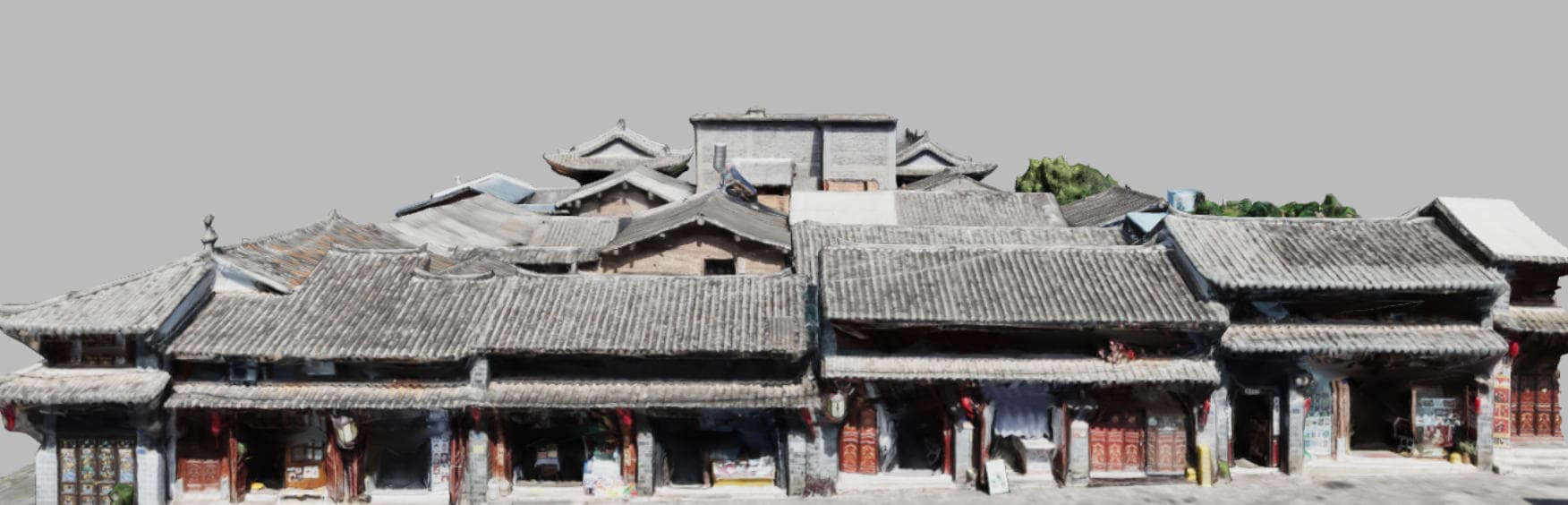
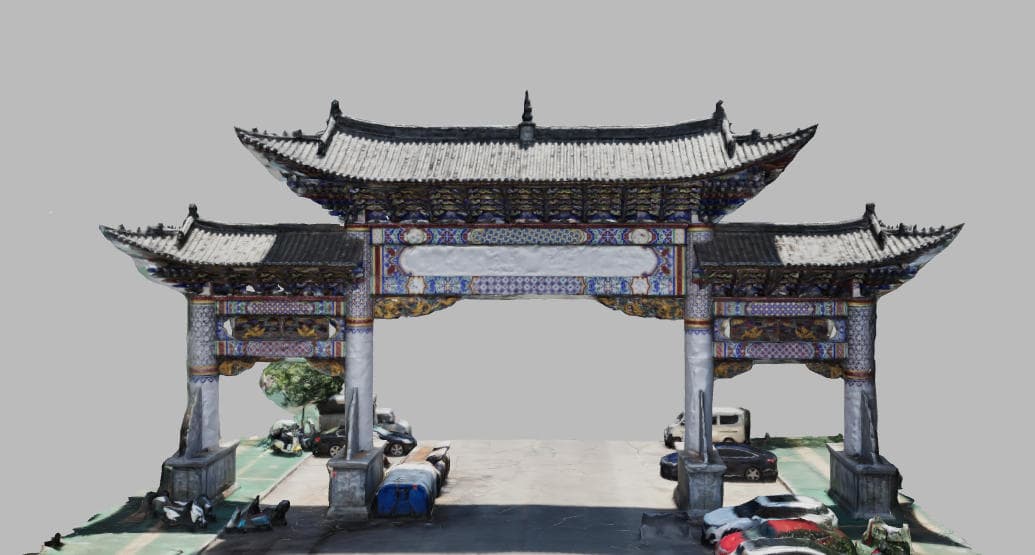
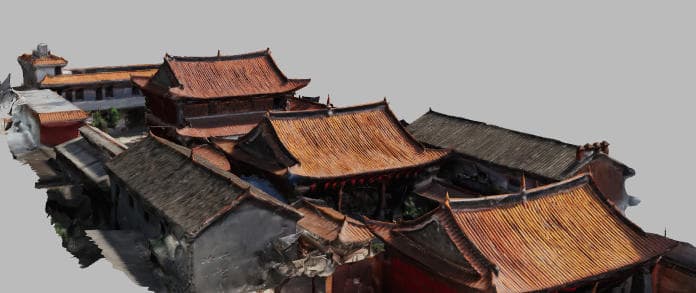
Step across the threshold of Chengzheng Street in Mengzi City, and the scent of aged timber immediately grounds you in 1576. That year, during the Wanli reign of the Ming Dynasty, frontier soldiers laid the foundation for the Xin'an Suo Wenchang Palace. They carved elaborate wooden brackets and shaped the double-eaves of the Kuixing Pavilion, building a sanctuary for the Daoist deity of culture right in the heart of a military garrison.
The architecture holds the physical memory of centuries. Run your fingers over the cold, engraved surface of the Record of Repairing the Suo City stele inside Wenchang Hall. The stone dust settled long ago, leaving behind the permanent marks of Qing Dynasty artisans who restored the complex in 1685. By 1835, the rhythmic chanting of students filled the courtyards when the site transitioned into the Wenchang Academy. You can almost feel the smooth, worn floorboards polished by generations of scholars seeking academic success.
The temple absorbed the shockwaves of the twentieth century. In 1941, the heavy boots of the 60th Army echoed against the courtyard walls. These soldiers repurposed the sacred space into Zhongshan Hall, a patriotic gathering center during the War of Resistance against Japan. They transformed the middle hall into an open-air opera stage and cleared the rear grounds for a sports field. The wooden framework of that wartime stage remains intact today, bearing the scuffs and scratches of a nation fighting for survival. In 2019, the State Council recognized this layered history, designating the complex a National Major Historical and Cultural Site.