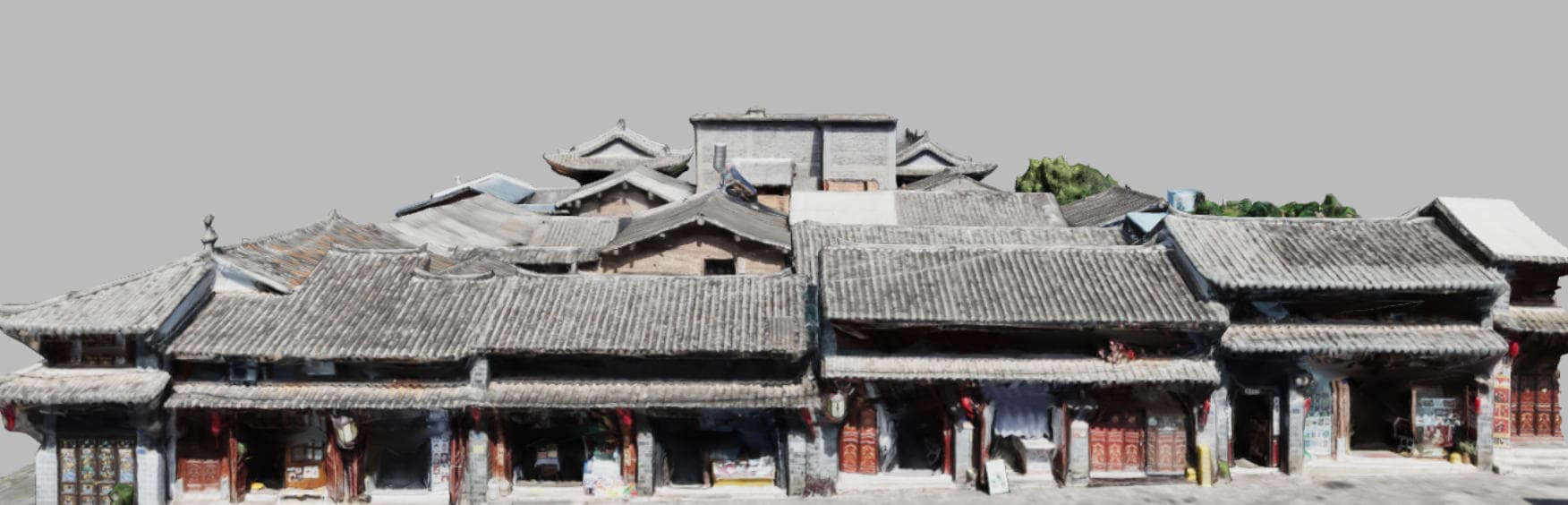
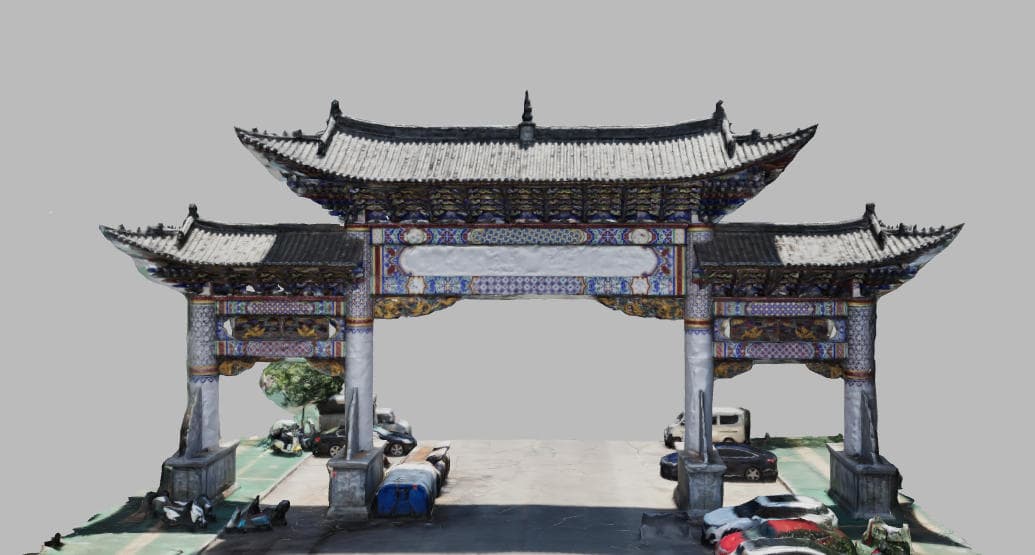
In the ancient town of Xin'ansuo, Yunnan, commerce once squeezed through the narrow, muddy corridor of Caishi Street. On June 28, 1992, local planners formed a reconstruction group to solve the chronic drainage failures and traffic blocks of this open-air market. By December 28, 1993, a dedicated 650,000 RMB facility opened, spanning 7,136.9 square meters. This achievement earned the town a spot among China's first 153 Demonstration Towns in April 1994.
Decades of heavy use wore down the original concrete. On January 15, 2022, the site reopened as a modernized 15,300-square-meter commercial center. Today, the ground floor operates as a boutique supermarket, while the second floor hosts 202 systematic stalls. Outside, a 36-space parking lot manages the influx of vehicles, especially during the massive Saturday community market.
Within these walls, history is preserved through taste and human labor. Zhao Pingzhen, an elderly merchant, offers her goods in the rent-free love assistance zone, sheltered from the elements. Nearby, Hu the Fourth tends to pots of red-braised pig trotters, a recipe he has perfected over twenty years. At another stall, a third-generation baker known as the oil-cake brother fries traditional jiaoyou bing. His hands, dusted with flour, shape the dough before sliding it into hot, rendered lard. For five RMB, he fills the crispy, golden pockets with pork and sour chili, releasing a sharp, savory steam.
The air in the market carries a dense mixture of aromas. Visitors encounter the sweet, sticky steam of stone-oven baked rice cakes, the earthy scent of hand-cut Daoyan tobacco, and the bright, acidic fragrance of seasonal pomegranates and winter-harvested loquats. These sensory details connect modern shoppers to a trading legacy that began when the military outpost was established here in 1508. The market remains the center of daily life in Xin'ansuo, where ancient flavors survive inside a modern concrete frame.