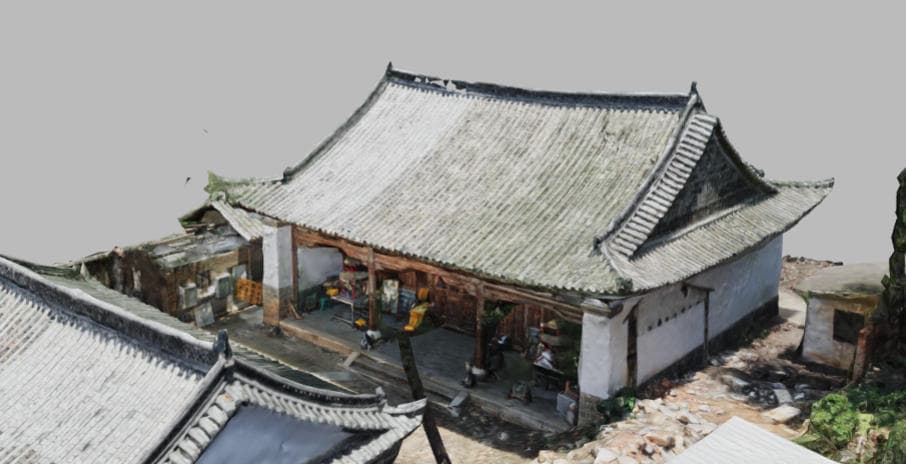
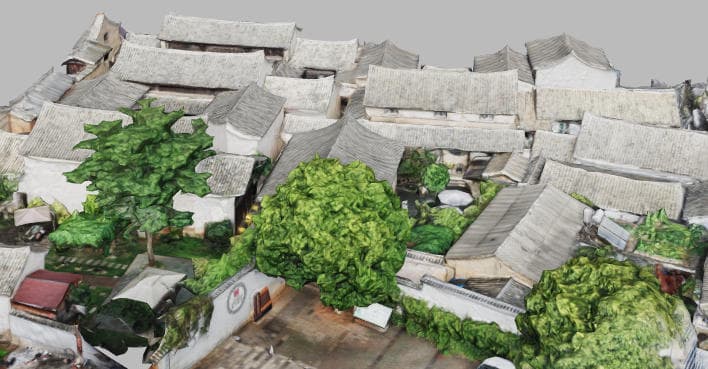
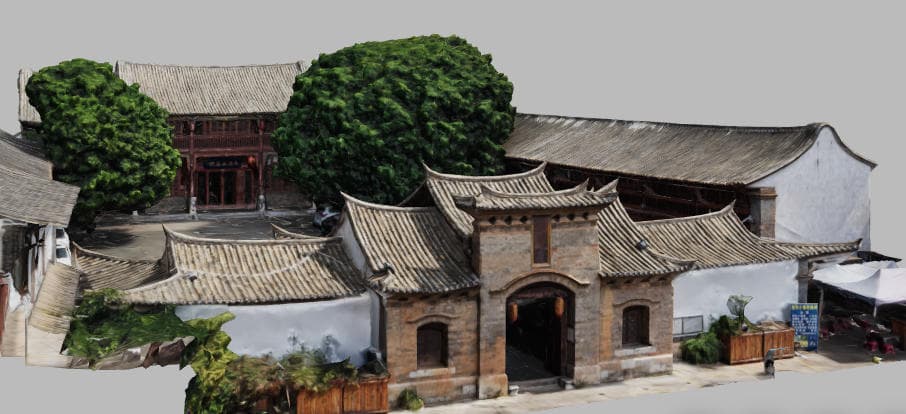
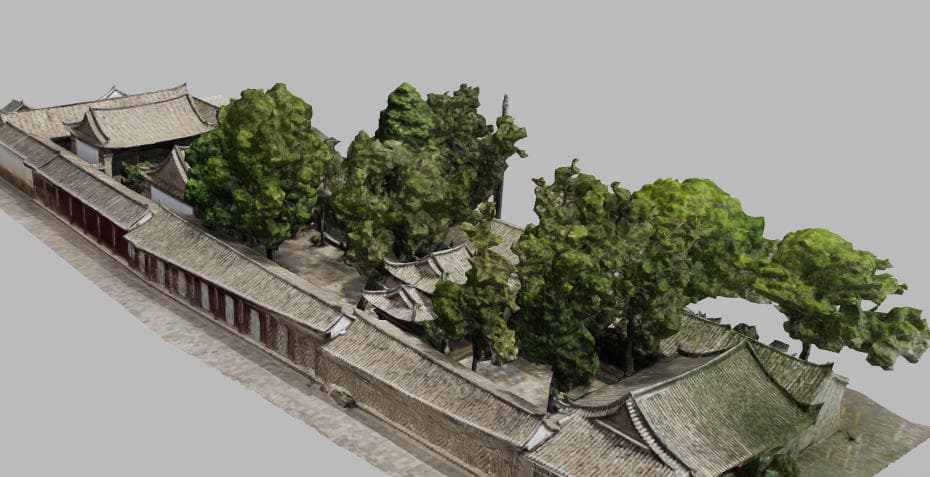
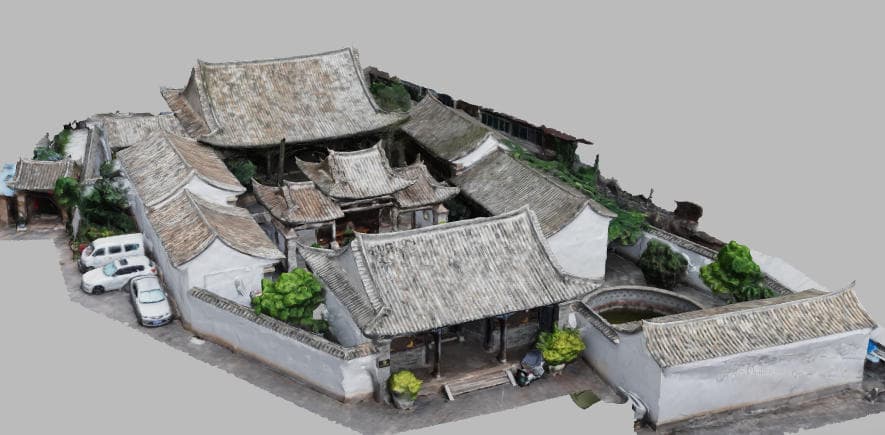
In the late fourteenth century, soldiers from Pujiang County in Zhejiang Province marched into Yunnan under the command of General Mu Ying. They traded their weapons for farming tools, settling beside the waters of the Baoxiu basin to establish Zhengying Village. In 1882, their descendants began constructing the Zheng Clan Ancestral Hall, a forty-room, two-entry courtyard complex spanning 1,452.61 square meters. Completed around 1888, the hall stands as a physical record of this migration, blending Jiangnan aesthetics with local Yunnan craftsmanship.
Visitors enter by ascending the rough grain of a 77-centimeter stone platform. The heavy main doors, releasing the faint scent of aged Chinese toon wood, rest between cool, polished stone door-pillows. Above, the sealing board displays nine circular wood carvings. These roundels depict symbolic scenes: a white elephant carrying lotuses, a carp leaping over the dragon gate, and a rhinoceros gazing at the moon.
Inside, the middle and main halls each measure 13.1 meters wide. The wooden columns and beams support single-eaved hard mountain roofs through a combination of beam-column and purlin-and-tie framing. On the walls and beams, the touch of late-nineteenth-century artisans remains visible. They used a technique called powder-molding, squeezing fine paste to create raised outlines before applying the warm gleam of gold leaf. Between these gilded patterns, scholars brushed classical Tang poetry, Song lyrics, and philosophical maxims directly onto the wood, turning the structural supports into readable literature.
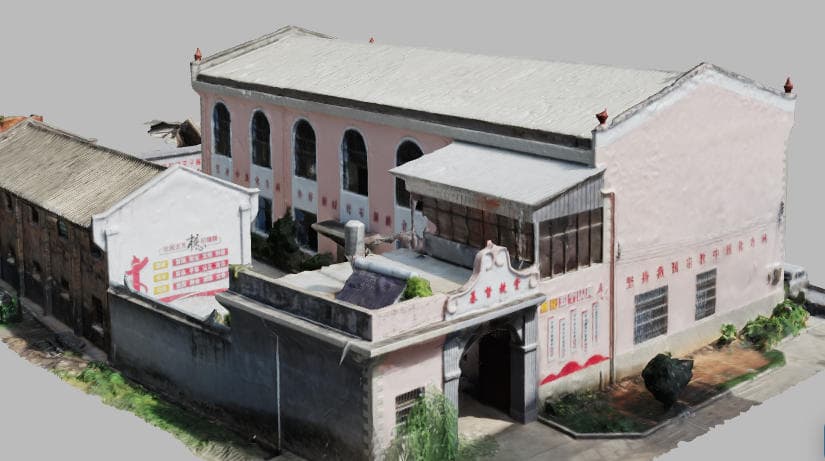
The building evolved with the community. In the final years of the Qing Dynasty, a local reformer named Chen Heting converted the quiet ancestral space into a modern schoolhouse, replacing the murmur of ritual prayers with the voices of children reciting lessons. Today, the hall remains a quiet monument to a family that carried its ancestral home across the empire, carving its history into the timber of Yunnan.