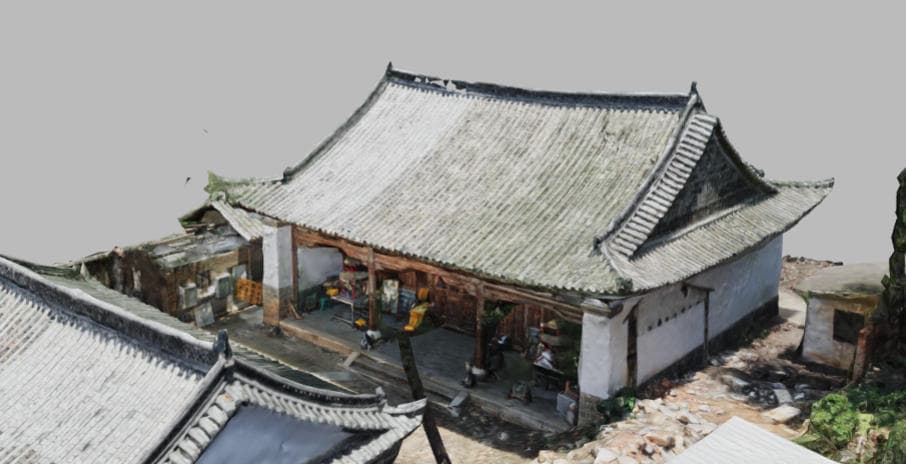
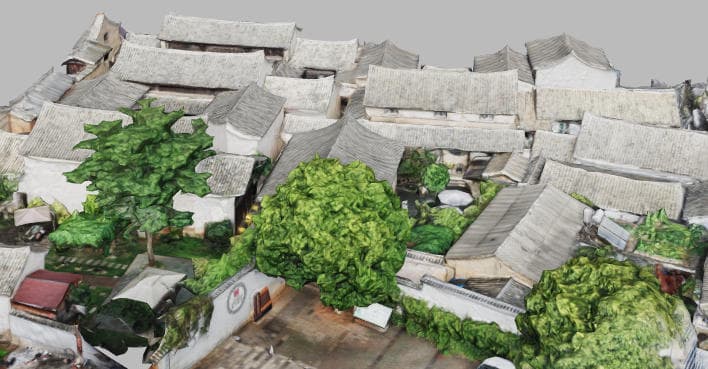
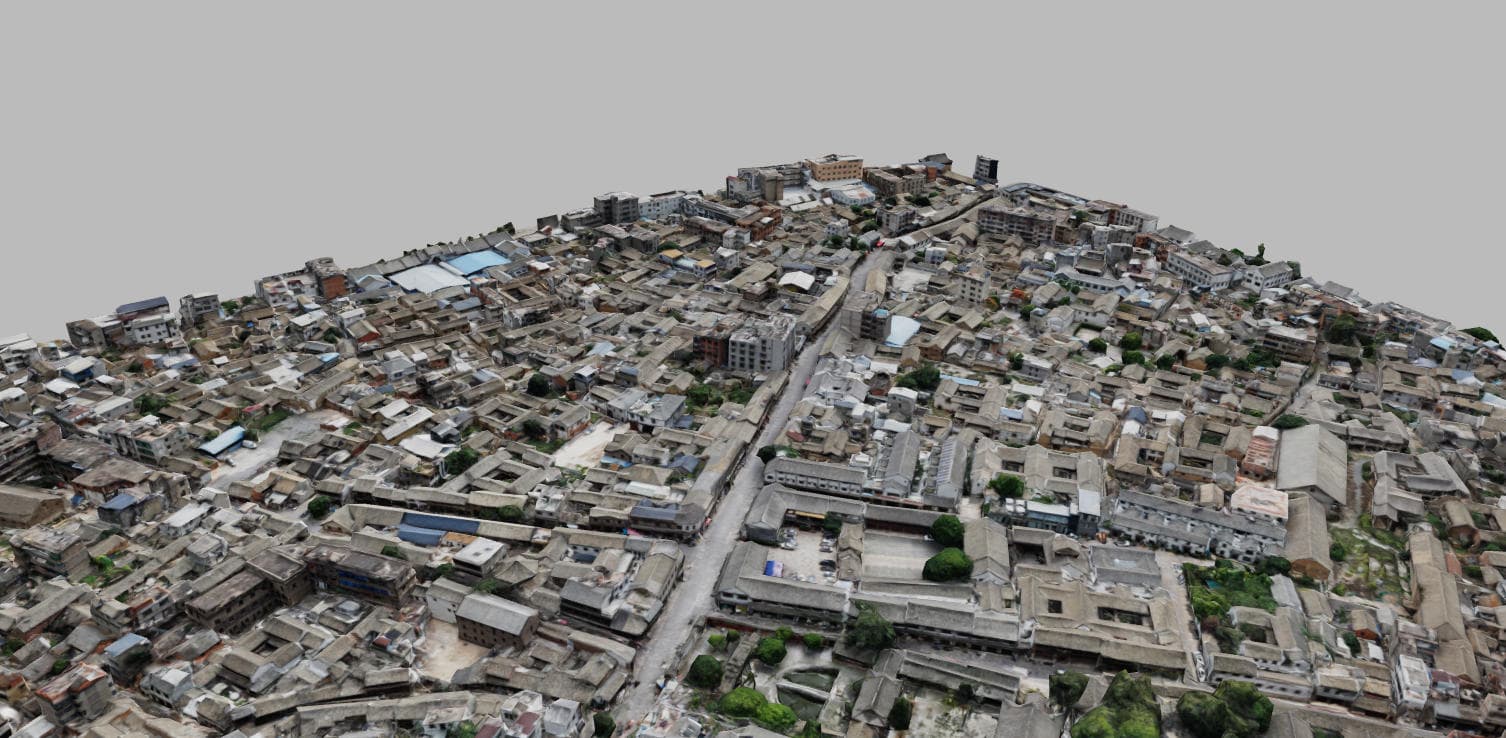
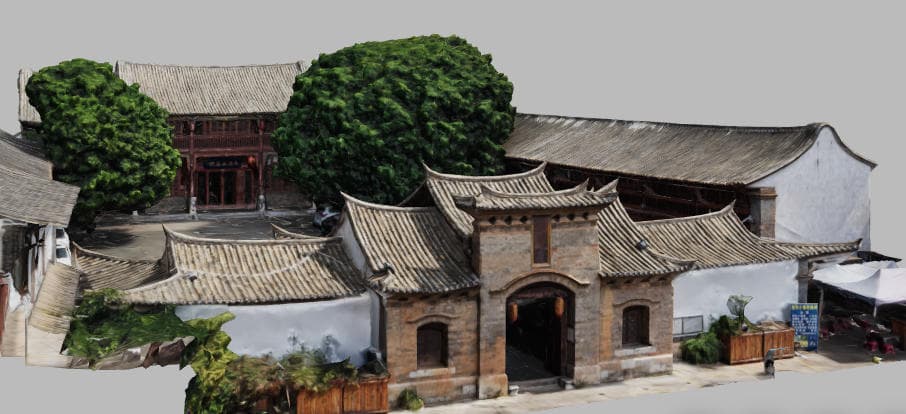
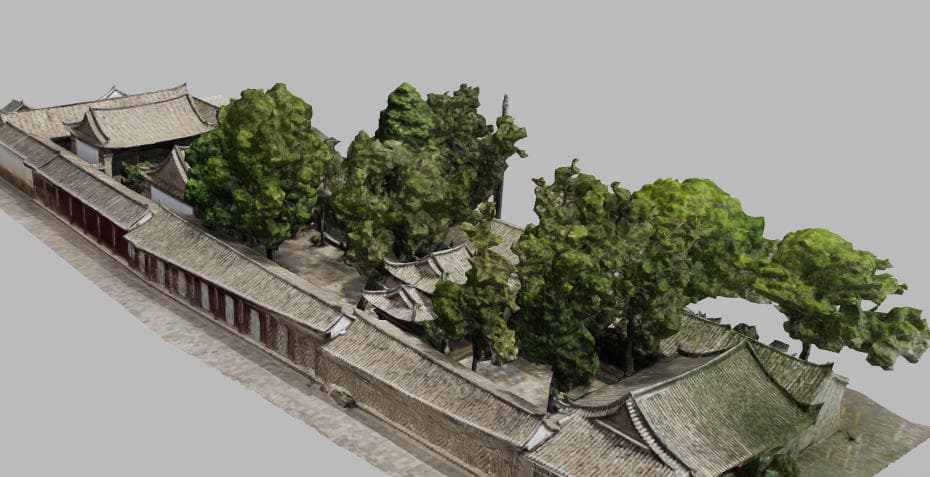
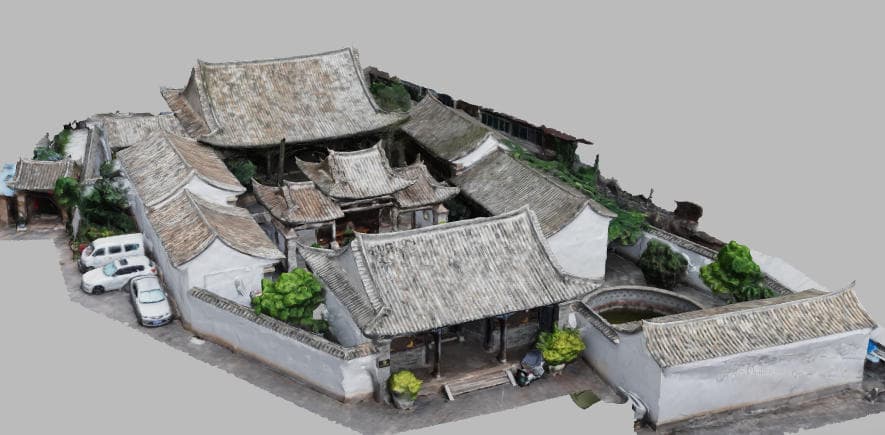
In 1765, local tin merchants from Jianshui and Shiping pooled their capital to build the Gejiu Yun Temple. They designed this sanctuary at the south end of Wuyi Road to wrest economic control of the regional tin trade from rival out-of-province guilds. Known also as the Yunsheng Guildhall, the complex served as the financial engine of the tin capital, housing the Futian Bank and hosting negotiations over mining codes.
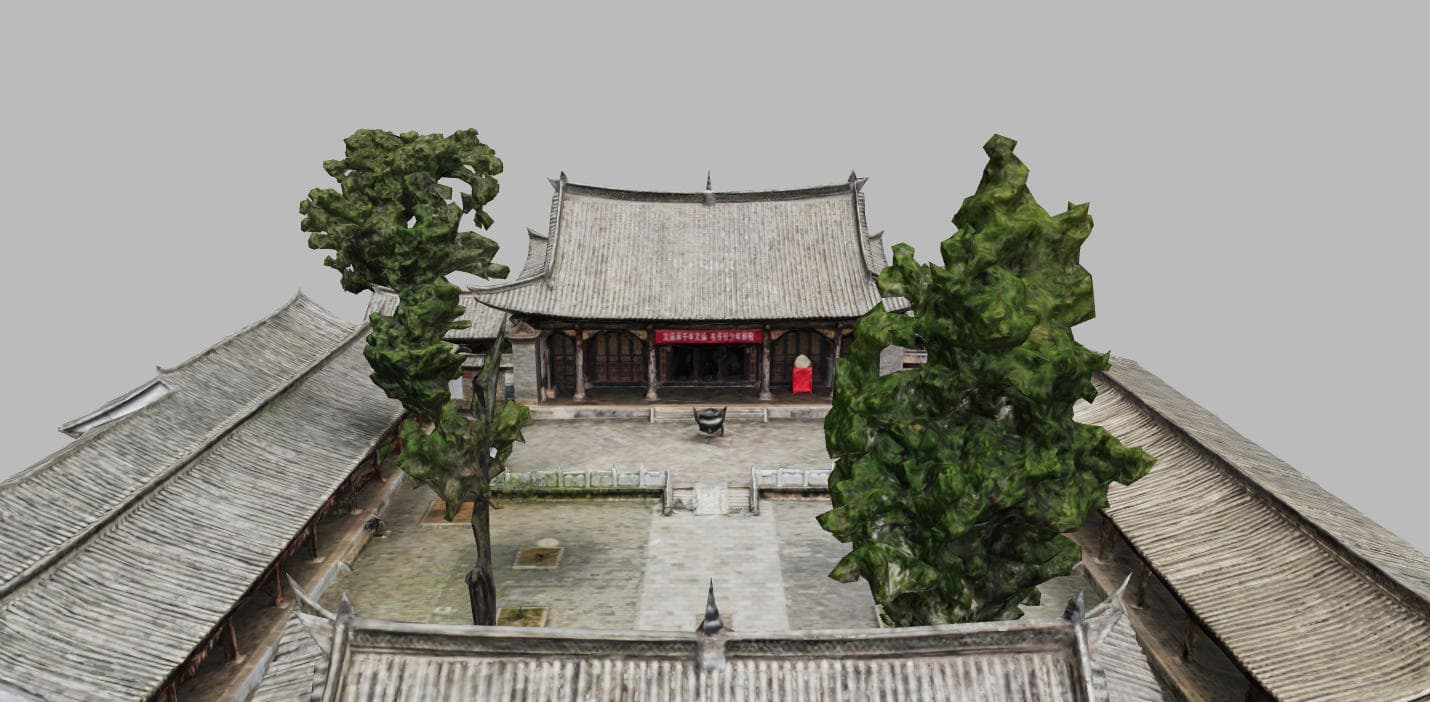
Visitors walk past a heavy stone ore-crushing roller in the courtyard, its rough, pitted surface a reminder of the physical labor that funded the guildhall. Nearby, the Middle Hall stands under a "Pin"-shaped roof truss and a single-eave gable-and-hip roof. Before it, blue stone balustrades bear the smooth, hand-polished curves of the twelve Chinese zodiac signs, carved by Qing-era stonemasons.
Behind the Middle Hall, the Guansheng Hall is flanked by the Gongwan Hall and the Caishen Hall. Inside the Caishen Hall, the oldest surviving wooden structure in Gejiu, three clay statues of the Wealth God, the Medicine God, and the Insect God look out through the shadows. In the 1960s, a protective local official saved these 200-year-old figures from destruction by boarding them behind wooden planks, claiming they were educational tools of a bygone era. The dry scent of old timber still seems to linger around these clay figures, which survived while other shrines fell.
Today, the temple houses the Tin Capital Museum. Visitors can read the "Gejiu Public Agreement Factory Regulations" carved into stone steles, or stand where the writer Ba Jin once observed the lives of local miners. In the evenings, the courtyard transforms into a theater for the historical play Li Xin. The ring of the 1784 bronze bell occasionally punctuates the quiet, connecting modern visitors to the merchants, miners, and preservationists who shaped this stone and timber refuge.