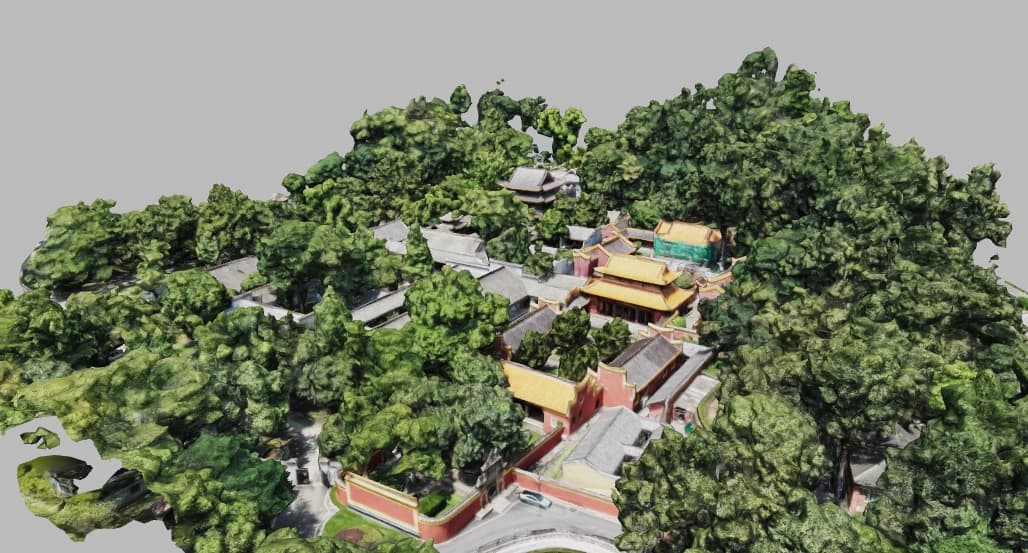
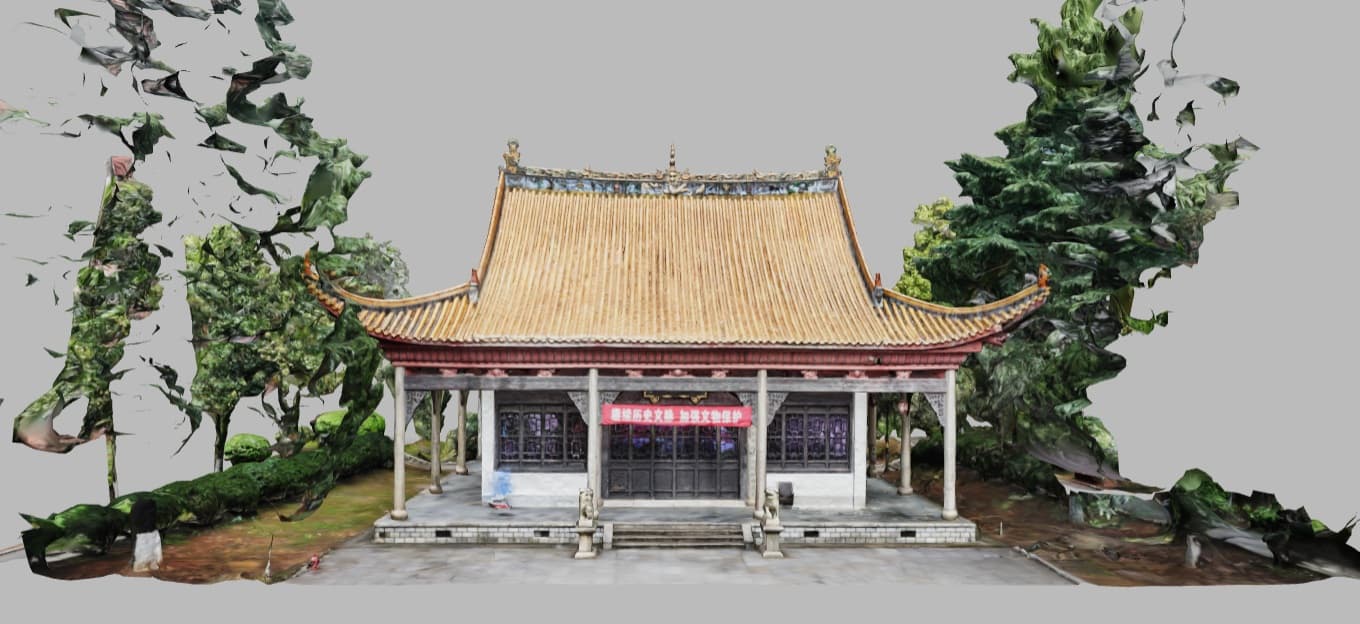
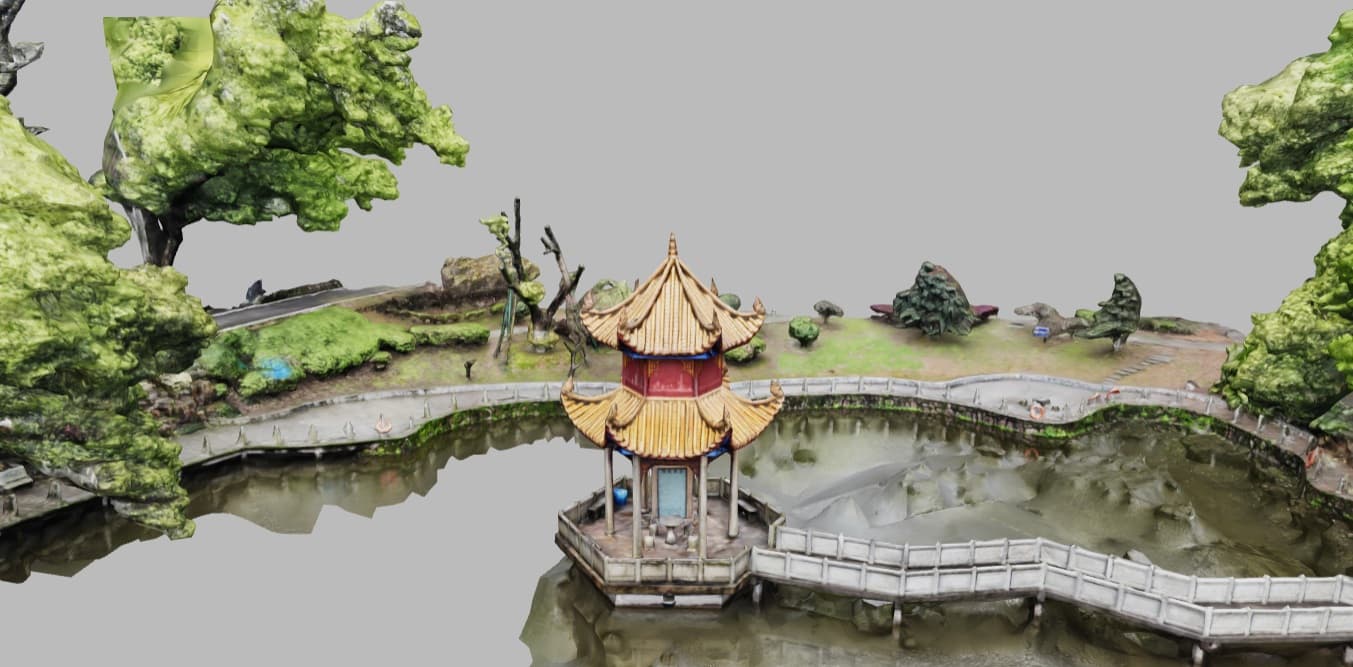
In the quiet northeast corner of the Changsha Youth Palace, three classical pavilions stand on a wooded hillside. This site once served as the Qing Dynasty Governor's Yamen. In 1743, Governor Jiang Pu expanded these gardens, naming them Youyicun after a famous line by the poet Lu You. Over the next century, successive governors added to the landscape. Governor Kaitai built the rectangular Shuangqing Pavilion in 1748. Governor Fan Shishou added the square, four-cornered Fengle Pavilion in 1751. Finally, Governor Wu Rongguang erected the hexagonal Chengxiang Pavilion in 1831.
These structures form an inverted "Pin" shape, linked by winding stone steps. The pavilions have survived repeated cycles of ruin. Civil conflict destroyed them in 1930. The following year, provincial chairman He Jian rebuilt the central Fengle Pavilion. After the Second World War, the municipal government established Chung-shan Park on the grounds and reconstructed the flanking pavilions. Under the eaves of the Shuangqing Pavilion, post-war builders carved a twelve-character inscription calling for world peace and resistance to foreign aggression.
During the 1980s, the site became a bustling public teahouse, eventually obscured by temporary structures. In 2005, workers cleared these additions, restoring the pavilions to their historic form. Nearby, a wind-worn blue stone stele preserves a forty-character poem sent by the Qianlong Emperor to Governor Jiang Pu, urging him to govern with the breadth of Lake Dongting. Today, the pavilions offer a quiet sanctuary in downtown Changsha, where the physical remnants of imperial administration, wartime memory, and daily civic life converge.