In the autumn of 1792, Luo Dian, the president of Yuelu Academy, built a modest wooden shelter in the Qingfeng Gorge. He called it the Red Leaves Pavilion, a quiet spot to watch the maple forests turn crimson. Soon after, Bi Yuan, the Viceroy of Huguang, renamed the structure the Aiwan Pavilion, drawing from Du Mu's Tang dynasty poem about stopping a carriage to admire the maple trees at dusk.
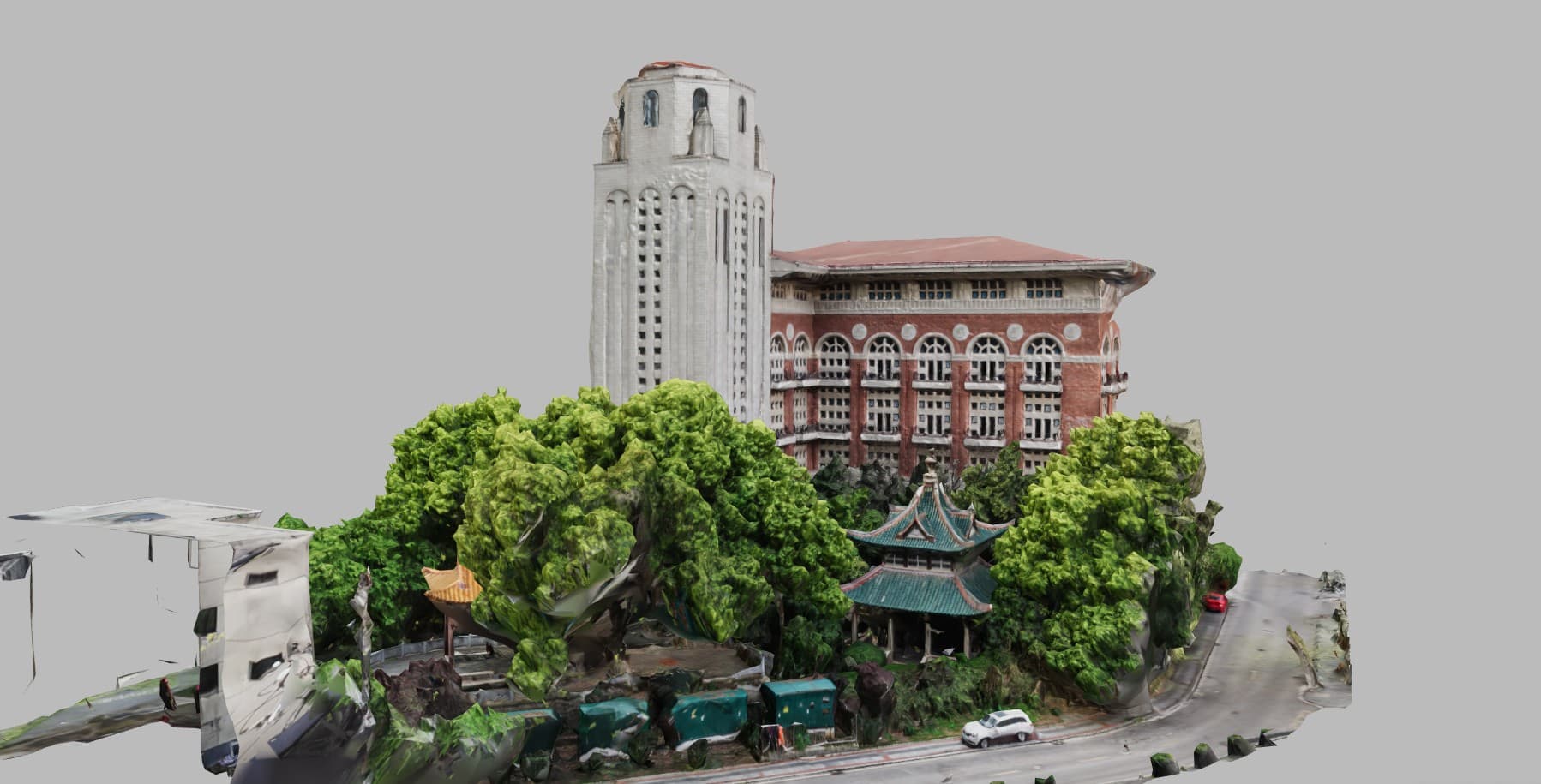
The physical structure we see today is a 1952 reconstruction, designed by architects Liu Shiying and Lin Chuanxin after the original wood-and-brick pavilion was destroyed during the Second Sino-Japanese War. They elevated the platform to 0.4 meters and raised the double-eaved roof to 12 meters, giving the square, 50-square-meter structure a more soaring silhouette. The green glazed tiles of the pyramidal roof sweep upward, crowned by a spiked treasure bottle finial. Eight pillars support the weight: four exterior columns of solid grey granite, cold to the touch, and four interior load-bearing columns of red-painted wood.
Inside, the ceiling holds a deeper secret. In 1969, workers installed a wooden plaque inscribed with Mao's poem, Qin Yuan Chun - Changsha. During a 2021 restoration, craftsmen took down the plaque and discovered a Buddhist phrase carved on its reverse side. The plaque had been salvaged from an old temple, quietly bridging the mountain's secular, revolutionary, and sacred histories. Today, the pavilion stands in the shadow of ancient trees, its red pillars reflecting in the small spring pool, holding these overlapping eras in a single, quiet frame.