

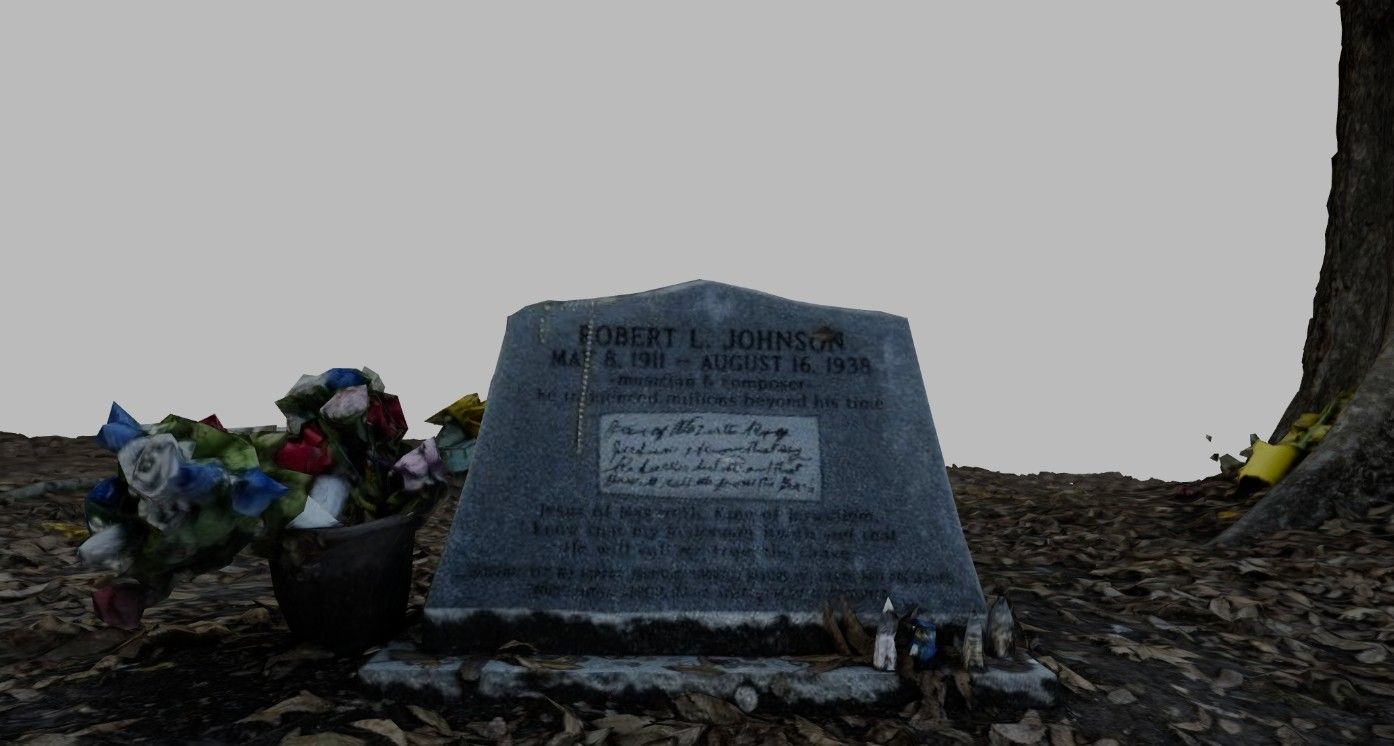
 Stop 01
Stop 1 of 7Mississippi, United States
Robert Johnson Tomb
The memorial at Little Zion Church gives Robert Johnson’s blues legacy a fixed commemorative place while leaving the musician’s contested burial traditions unresolved.
Architectural Heritage Route
Studios, a schoolhouse museum, and musicians’ memorials give lasting physical form to a fleeting art. A Mississippi and Tennessee journey through blues, soul, country, and rock as remembered in buildings and landscapes.
7 geolocated stops
Curated Sequence
Stop 01The memorial at Little Zion Church gives Robert Johnson’s blues legacy a fixed commemorative place while leaving the musician’s contested burial traditions unresolved.
 Stop 02
The Blues Trail marker interprets Johnson’s travels and musical connections across Delta communities, adding public biographical geography beside a memorial whose burial attribution remains uncertain.
 Stop 03
The modest Memphis studio founded by Sam Phillips preserves a workplace where blues, country, and rock recordings made lasting music within an ordinary commercial building.
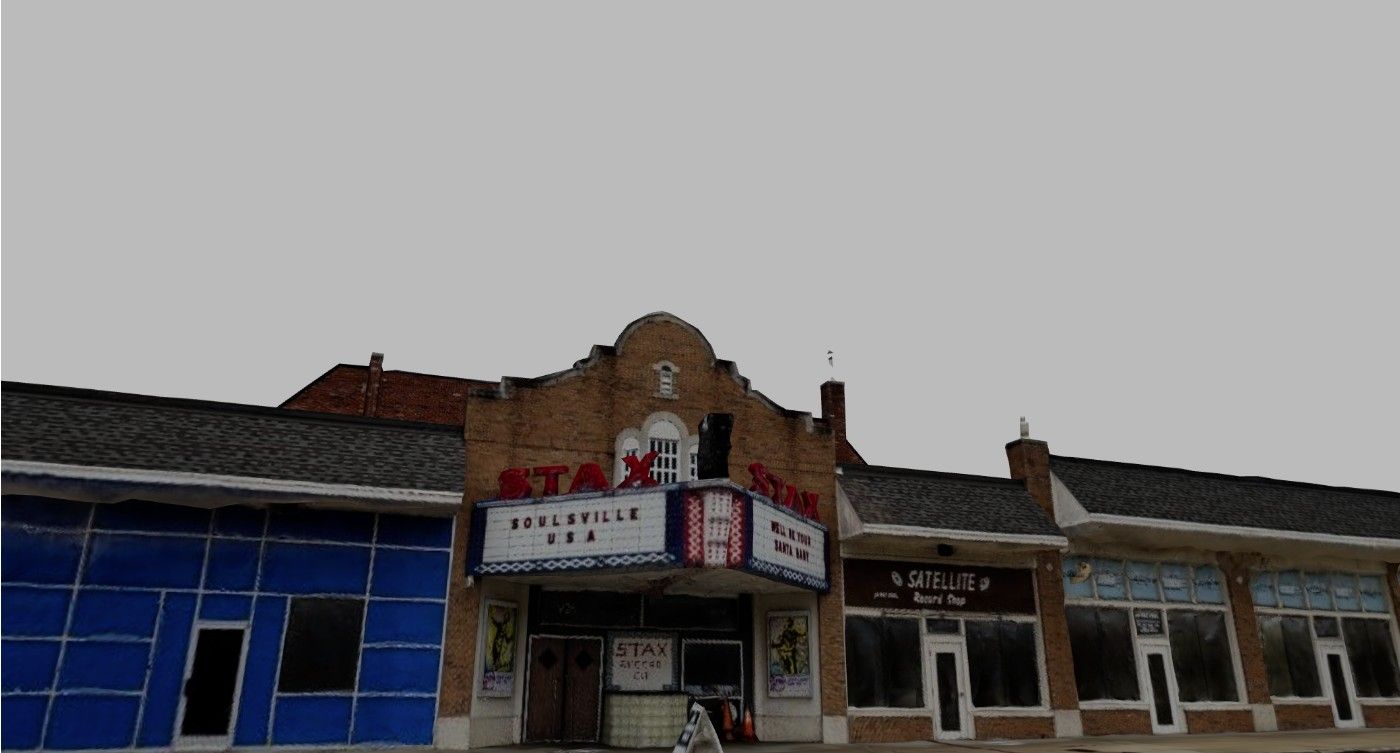 Stop 04
The museum occupies Stax Records’ original site and reconstructs its studio, giving soul music’s recording history a physical setting after the original business closed.
Stop 05The museum occupies Tina Turner’s childhood schoolhouse, shifting the journey from recording workplaces to an everyday educational building now used to preserve her career.
Stop 06An engraved boulder at the Camden crash site commemorates Patsy Cline, Cowboy Copas, Hawkshaw Hawkins, and Randy Hughes, placing musical remembrance within a wooded landscape.
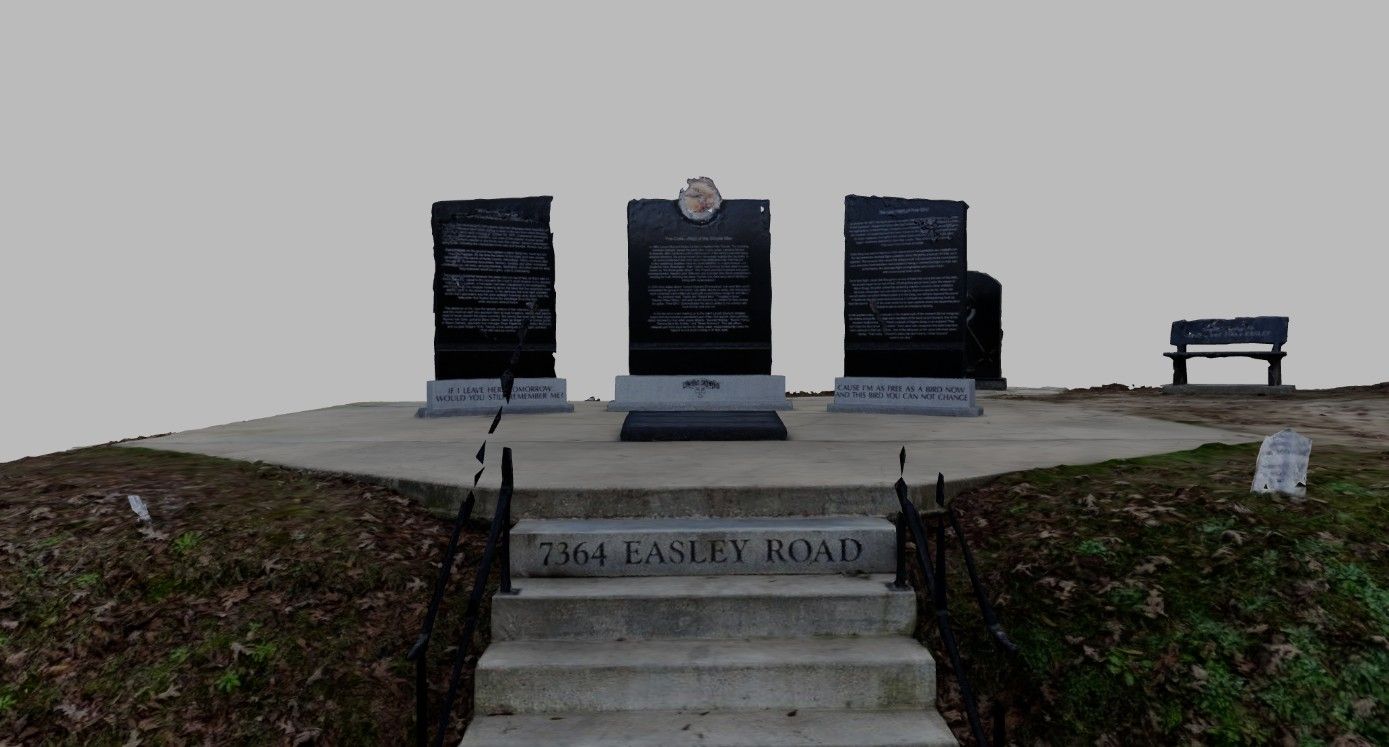 Stop 07
The granite monument near the Mississippi crash site commemorates Lynyrd Skynyrd’s victims and local rescuers, connecting a touring band’s history with the surrounding community.
5 Stops
A museum, a cultural and sports center, a broadcasting complex, Olympic ski jumps, and a former observatory preserve different ambitions for modern Sarajevo. Their forms hold the tension between public promise and interrupted history.
10 Stops
Residential slabs, sculptural balconies, monumental gateways, planning offices, sports centers, a broadcasting tower, and an exhibition hall explore Yugoslav modernism’s civic scale. Collective housing, leisure, communications, and public spectacle share an ambition to give Belgrade a new form.
6 Stops
Customs, banking, rice administration, a Japanese-style residence and temple, and a Chinese immigrant restaurant reveal the lives and power structures behind a port’s facades. Colonial extraction and everyday community history remain visible in different forms.