

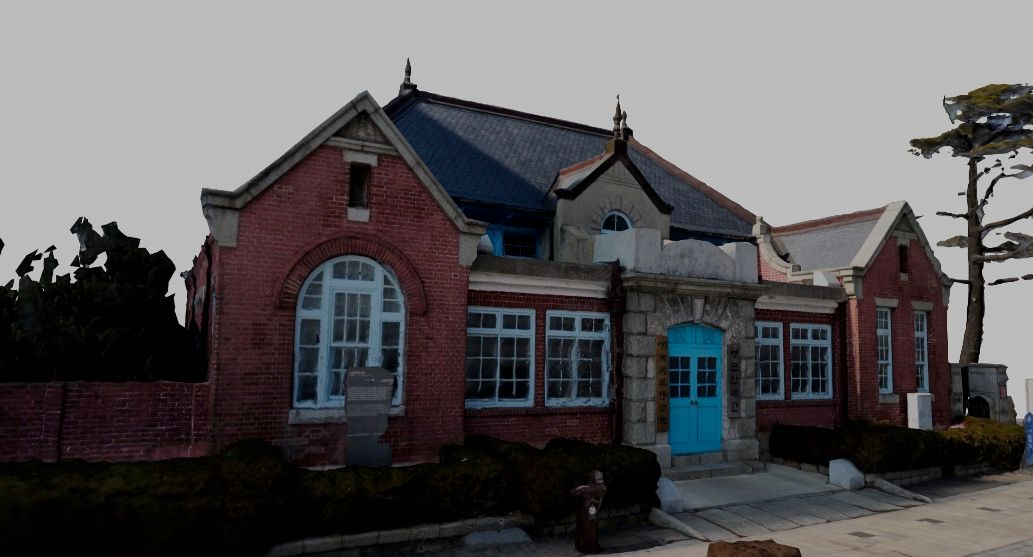
 Stop 01
Stop 1 of 6Jeonbuk State, South Korea
Gunsan Customs
The red-brick customs building connects the port’s trade administration with colonial exports of rice and raw materials, establishing the institutional machinery behind Gunsan’s facades.
Architectural Heritage Route
Customs, banking, rice administration, a Japanese-style residence and temple, and a Chinese immigrant restaurant reveal the lives and power structures behind a port’s facades. Colonial extraction and everyday community history remain visible in different forms.
6 geolocated stops
Curated Sequence
Stop 01The red-brick customs building connects the port’s trade administration with colonial exports of rice and raw materials, establishing the institutional machinery behind Gunsan’s facades.
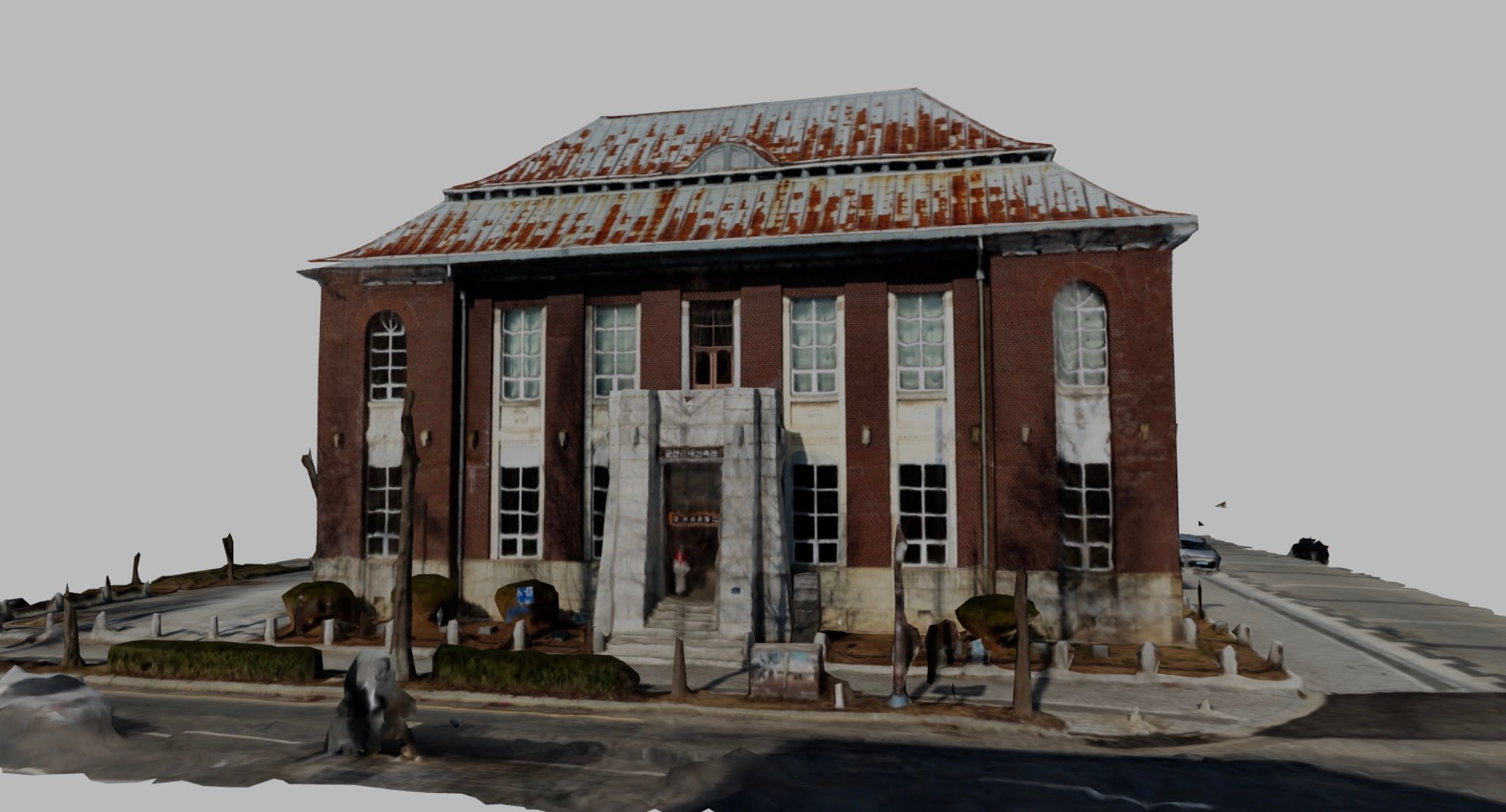 Stop 02
The former bank’s monumental frontage marks the financial infrastructure of Japanese colonial exploitation, while its museum use now places that architecture within public historical interpretation.
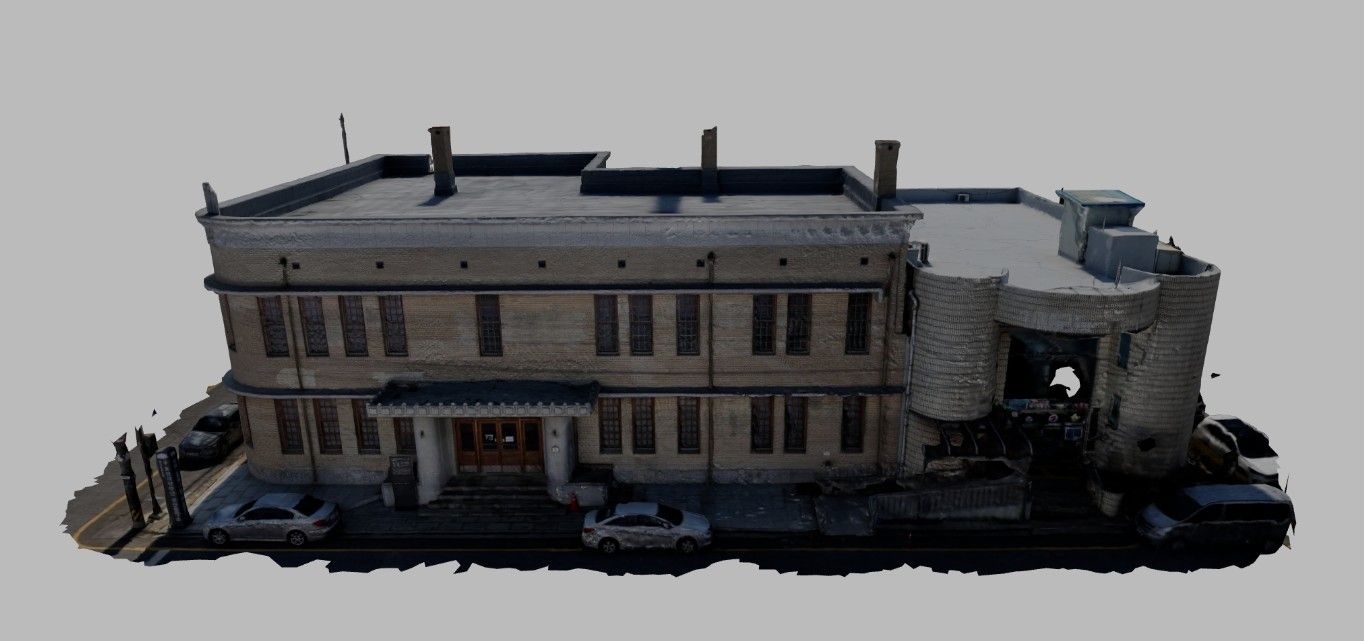 Stop 03
The former food agency makes rice-price control and circulation visible as administrative functions, connecting Gunsan’s port economy with the exploitation of the Honam Plains.
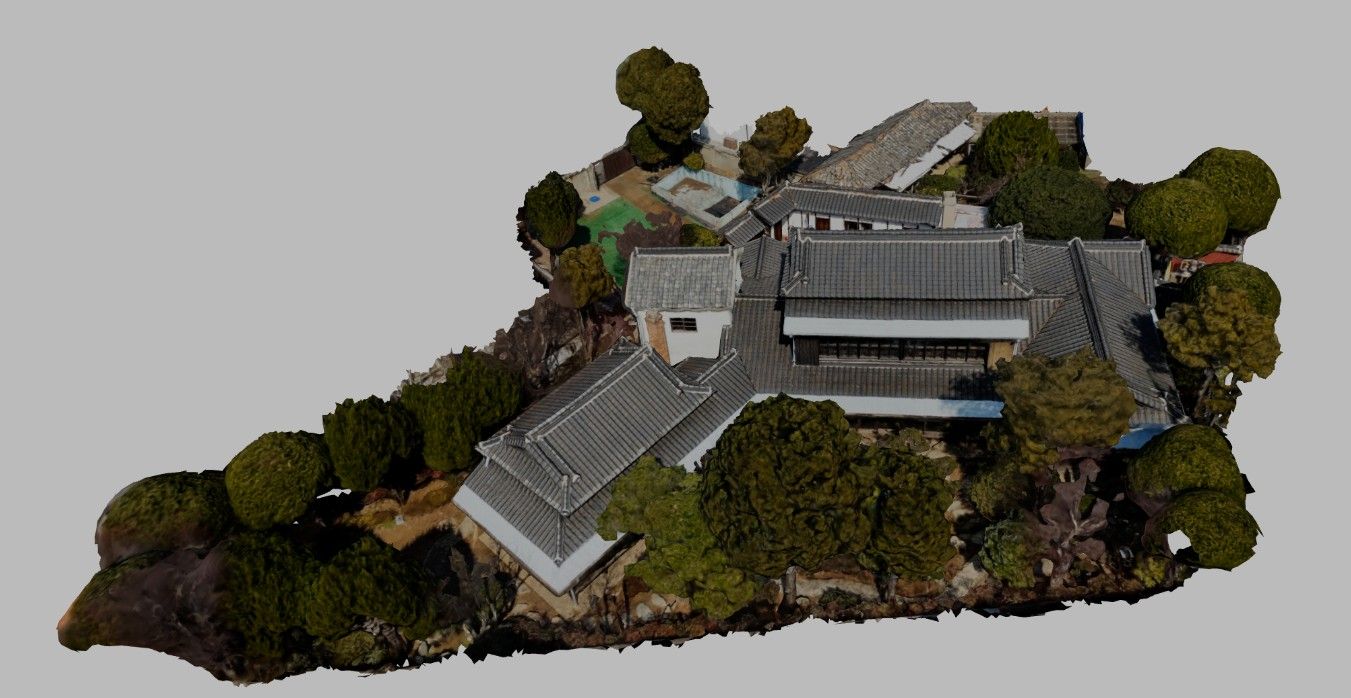 Stop 04
Tatami rooms, wooden screens, and a Japanese-style garden preserve a colonial-era household setting, moving the sequence from trade institutions toward the architecture of private life.
 Stop 05
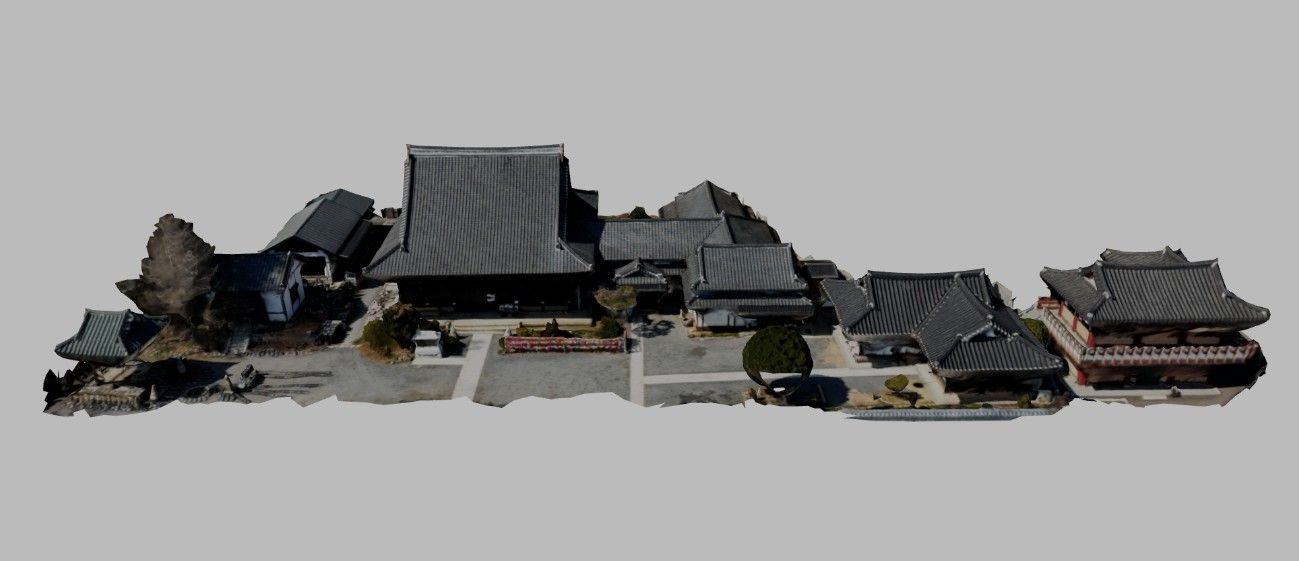
The Japanese-founded temple remained under Japanese monks until liberation in 1945, adding colonial religious institutions and their subsequent transfer to the port-city sequence.
 Stop 06
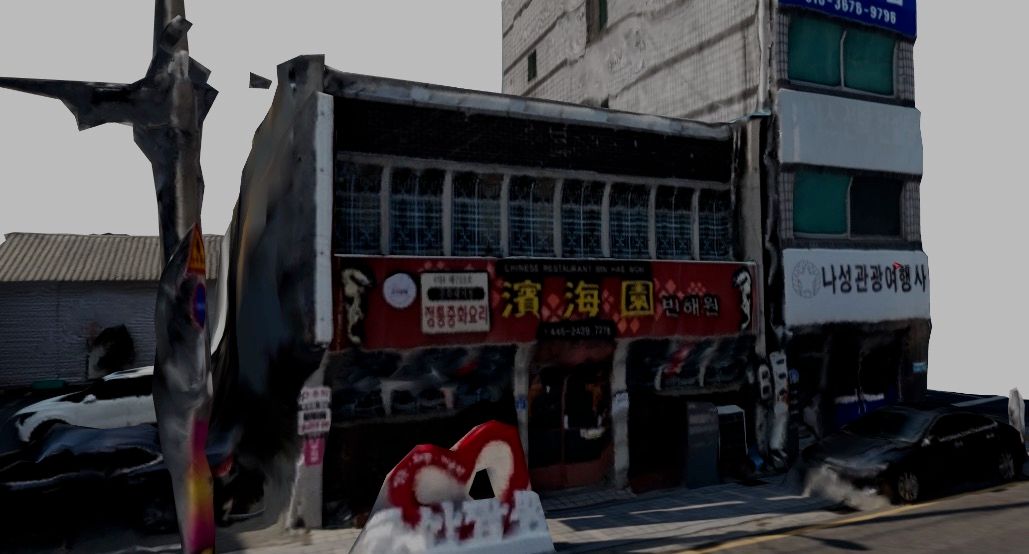
The family-run Chinese restaurant’s two-story open hall preserves a later immigrant community’s social setting, adding postwar everyday history after the colonial institutions and residences.
10 Stops
Residential slabs, sculptural balconies, monumental gateways, planning offices, sports centers, a broadcasting tower, and an exhibition hall explore Yugoslav modernism’s civic scale. Collective housing, leisure, communications, and public spectacle share an ambition to give Belgrade a new form.
30 Stops
Ancestral halls, branch shrines, study rooms, and family compounds turn continuity into courtyards, rooflines, carved stories, and ceremonial space. Across Guangdong, timber craft and domestic organization preserve lineage while buildings accommodate relocation, public use, and changing family fortunes.
5 Stops
A museum, a cultural and sports center, a broadcasting complex, Olympic ski jumps, and a former observatory preserve different ambitions for modern Sarajevo. Their forms hold the tension between public promise and interrupted history.