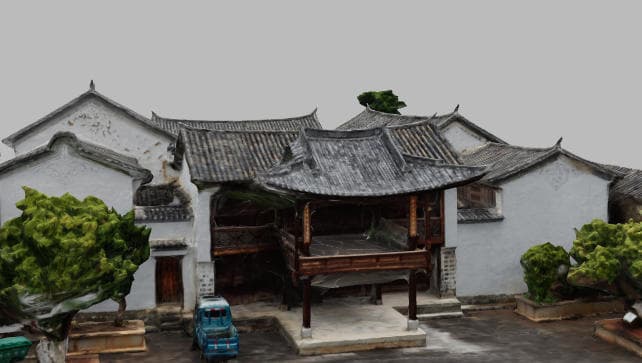
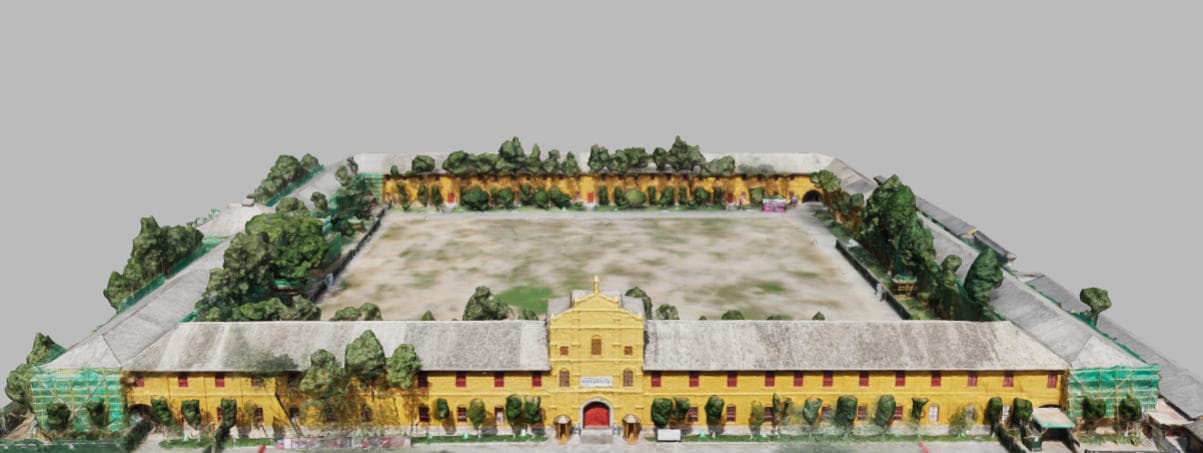
At 86 Qianwang Street in Kunming, the Yunnan Province Tea Cultural Museum occupies a late Qing Dynasty courtyard residence. This "one stamp" style building once served as the home of E'ertai, the twentieth Viceroy of Yun-Gui during the Yongzheng reign. E'ertai shaped the region's history by implementing the gaitu guiliu policy in the Six Great Tea Mountains and establishing an imperial tribute tea bureau. Today, the quiet courtyard offers a sanctuary from the busy city streets.
At the entrance, a replica of a horse-drawn carriage evokes the ancient Tea Horse Road. Inside, the central courtyard shelters an ancient tea tree, its leaves casting cool shadows over outdoor tea tables. The museum preserves 1,215 verified historical artifacts across its exhibition halls. In the History and Culture Hall, a 1.3-million-year-old Magnolia fossil establishes Southwest China as the botanical birthplace of tea. Nearby, rough leather tea-bags and copper tea needles, carried by caravan leaders across mountain passes, show the physical toll of the historic trade.
The air carries the faint, earthy scent of aged leaves. In the Pu'er Hall, visitors can view more than 300 historic tea samples, including a rare 1950s "Red Mark" round tea cake and a specimen of Guangxu-era Pu'er tea paste. The Teaware Hall displays smooth Ming and Qing Dynasty Yixing purple clay teapots alongside regional Jianshui pottery.
On the second floor, a restored Republic of China-era tea shop features a vintage wooden counter that creaks underfoot. Here, old tea-tax documents and brand stamp seals evoke the daily transactions of early twentieth-century merchants. Visitors can participate in workshops, pressing tea leaves into cakes using heavy, cold stone molds. This hands-on process connects modern hands directly to the physical labor of generations of Yunnan tea makers.