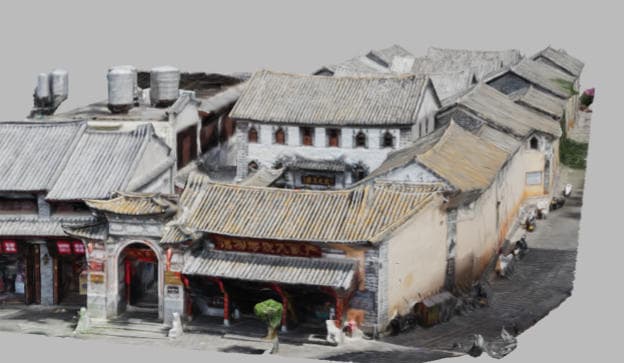
At the sharp intersection of Shiping Street in Xizhou, a curved brick facade bends to follow the road. Built in 1945 by Yang Ruxuan, a descendant of a prominent merchant family and brother-in-law to the businessman Dong Chengnong, this structure is known as the Corner Building. Yang anticipated the volatility of the mid-century markets. He designed a protective outer ring of commercial storefronts to secure a steady income, shielding a quiet family sanctuary within.
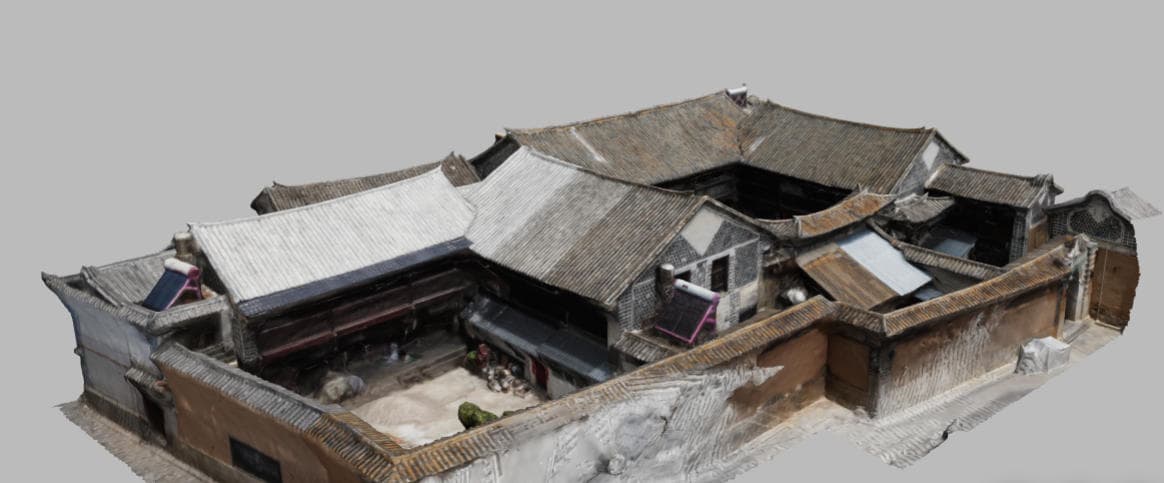
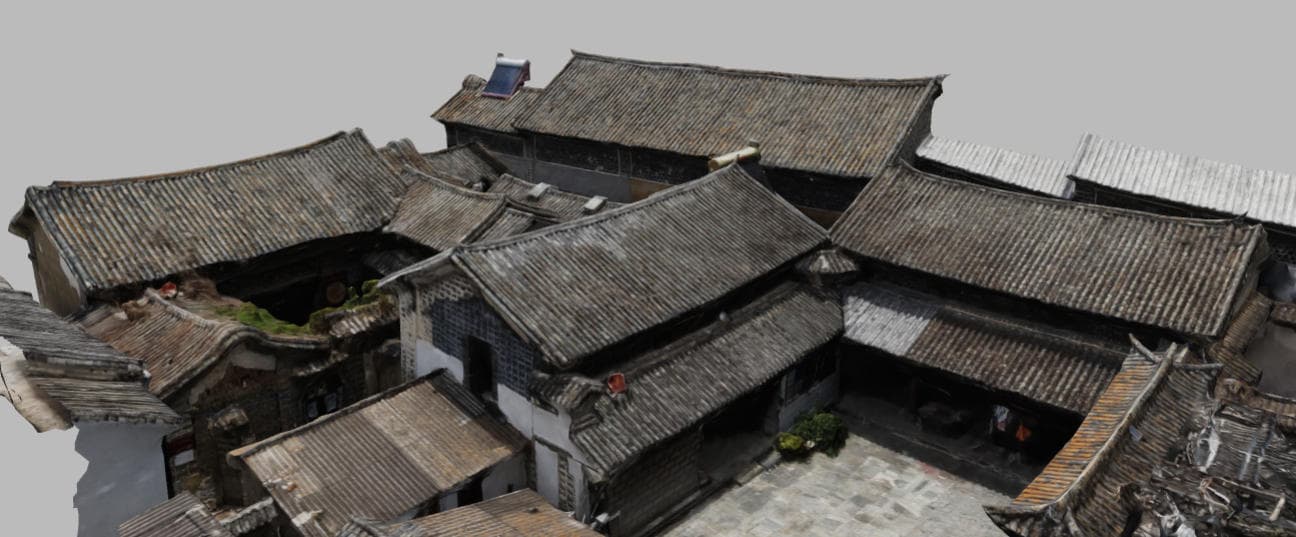
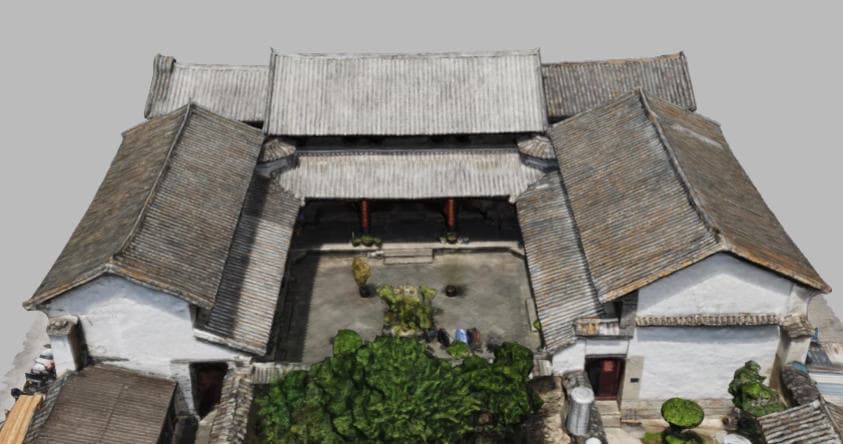
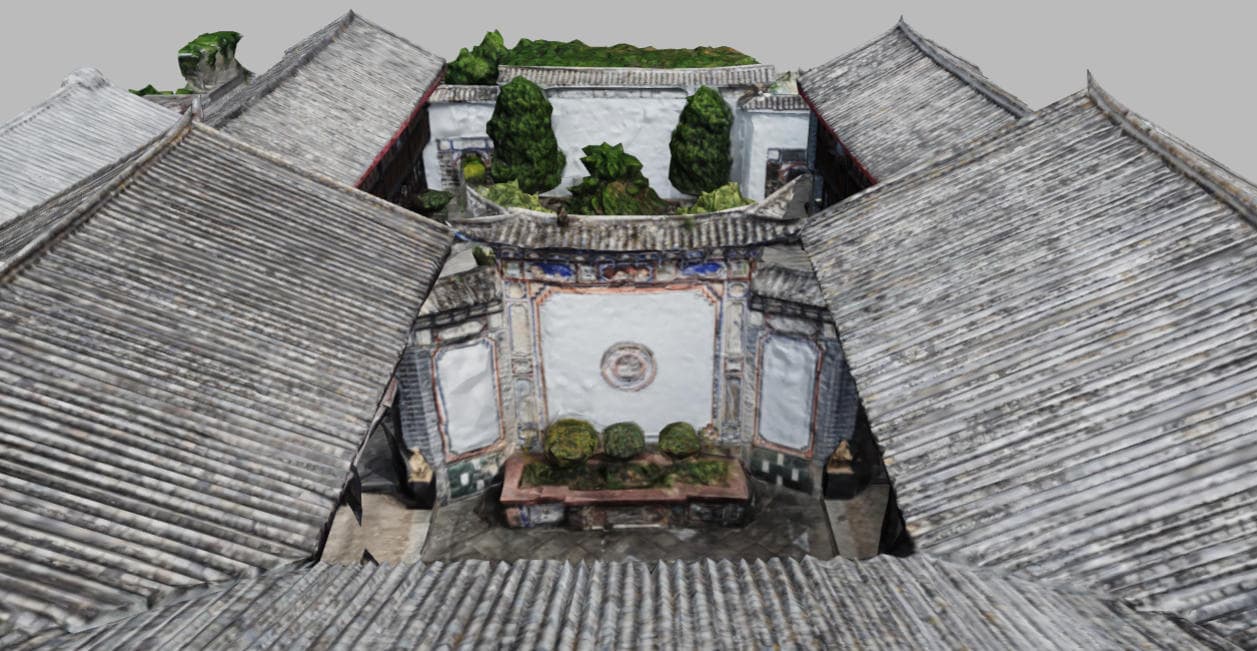
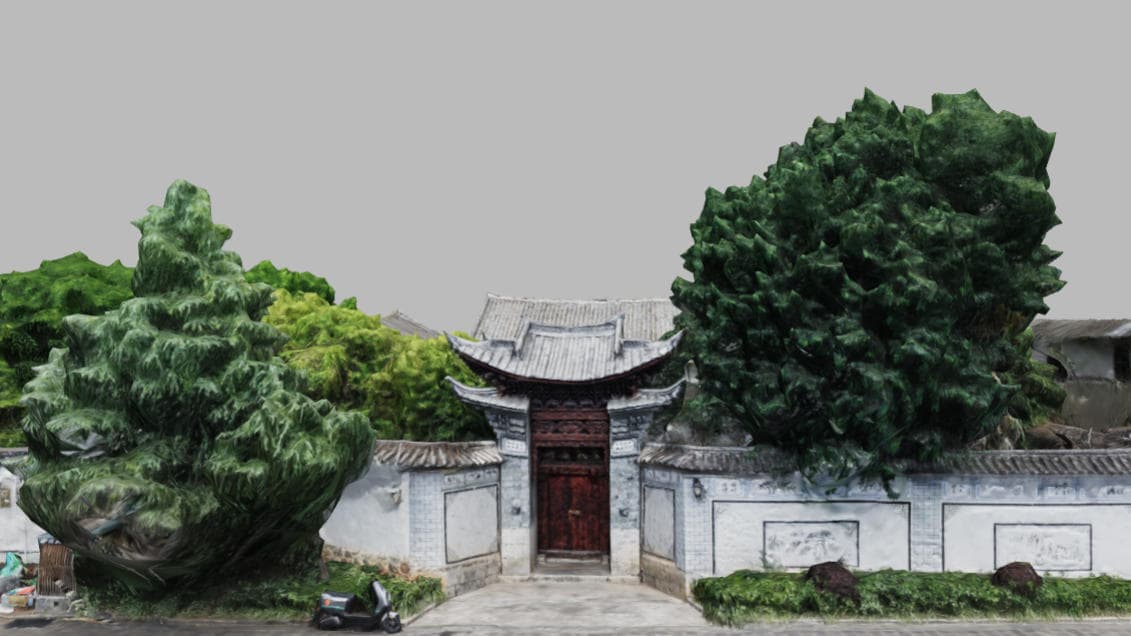
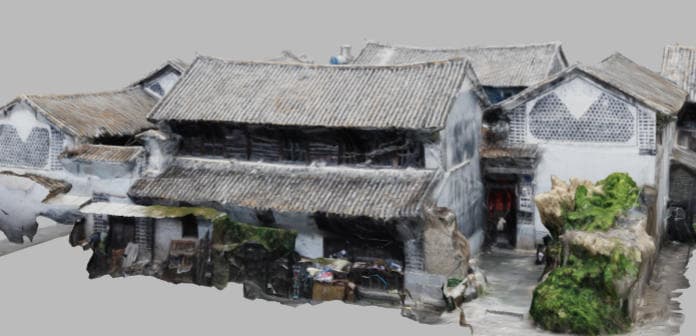
The building uses a layout described as round on the outside and square on the inside. The street-facing exterior features Western European arched windows and doorways. Behind these curved walls lies a traditional Bai ethnic courtyard. This inner space follows the six-harmony spring style, incorporating the classic three bays and one screen wall system. Visitors feel a sudden drop in temperature when stepping from the sunny, bustling street into the cool shadow of the stone-paved courtyard.
The building survived the mid-twentieth century through an unexpected transition. After the founding of the People's Republic of China, the state confiscated the property for military use. It housed the PLA 60th Hospital and later served as barracks and dormitories for military training corps. The constant presence of soldiers and medical staff preserved the timber frames from demolition.
In 2017, a systematic restoration revived the property. Today, the creak of the original wooden floorboards mixes with the hum of modern tourism. The building houses the retro-themed Xizhou Photography Studio and the Xianju Bieyuan Guesthouse Hotel. Visitors can touch the smooth, restored plaster of the screen wall, look through the high Western arches, and experience the architectural dialogue of a merchant's calculated dream.