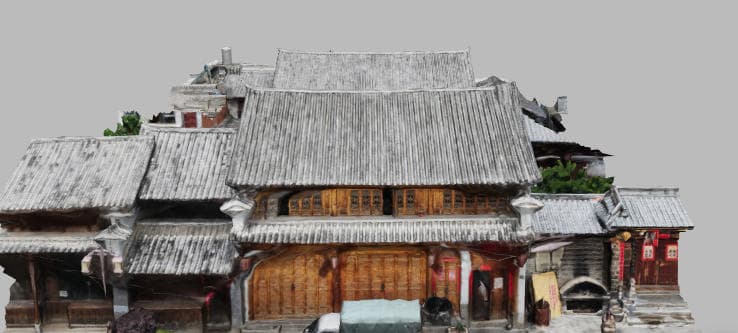
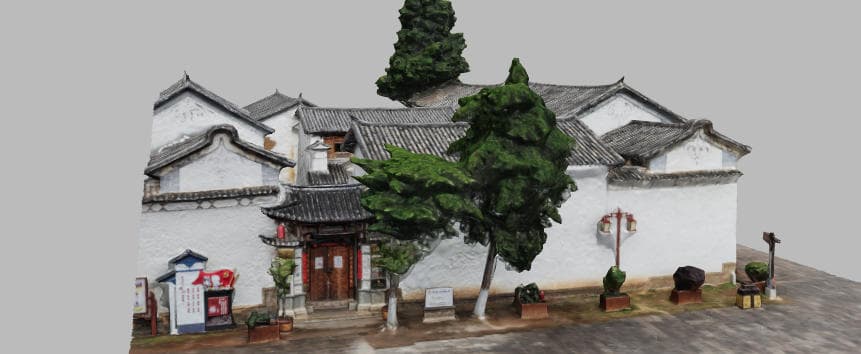
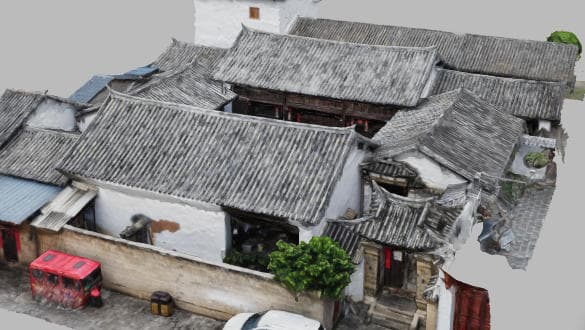
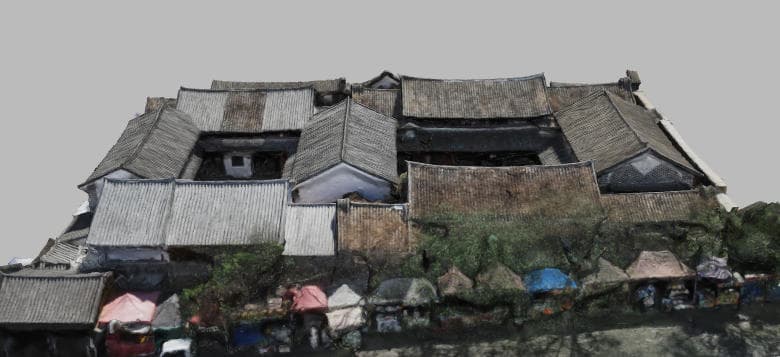
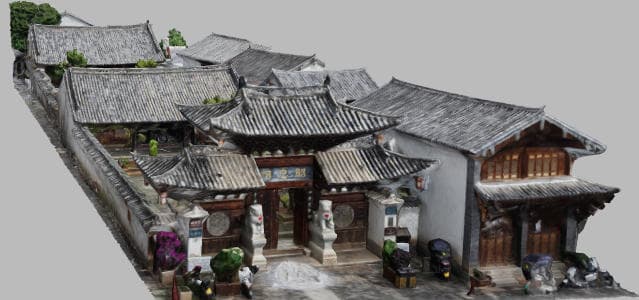
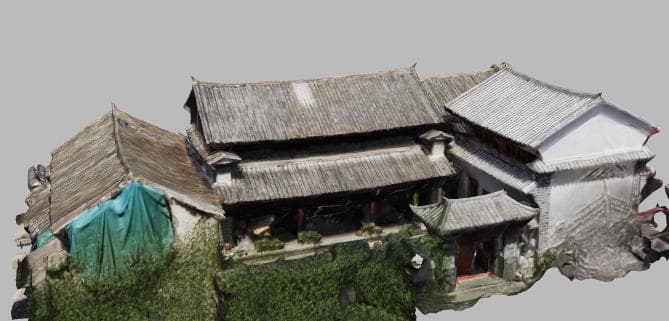
Step through the Shanghai Shikumen gate of the Yang Family Compound and feel the immediate shift in time. Built between 1947 and 1948, this 1,800-square-meter estate embodies the ambition of Yang Pinxiang. As a leading merchant of the Xizhou Eight Middle Households, Yang amassed a fortune trading silk, tea, and dyes along the rugged Tea Horse Road. His wealth funded this architectural marvel, blending his Shanghai education with deep Bai ethnic roots.
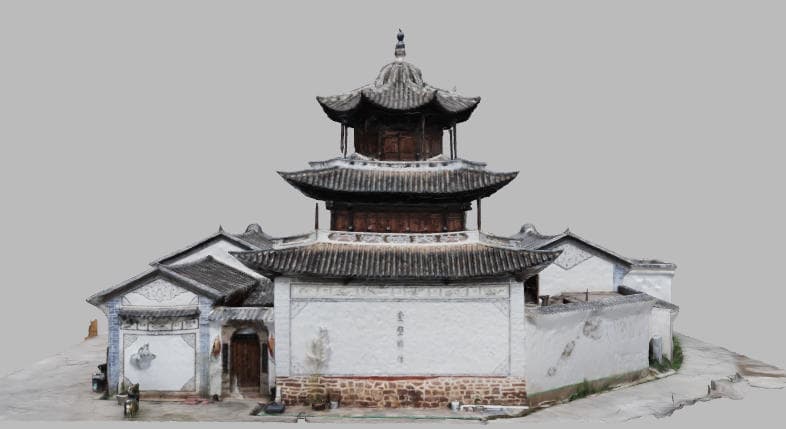
Run your fingers across the cool, heavily veined Dali marble embedded in the courtyard walls. Above you, the Three-Drop Water gate tower stands as one of the Three Treasures of Xizhou. Its interlocking wooden bracket sets cast sharp, rhythmic shadows across the stone floor. Local craftsmen carved these beams from high-quality regional timber, leaving faint chisel marks that still catch the afternoon light.
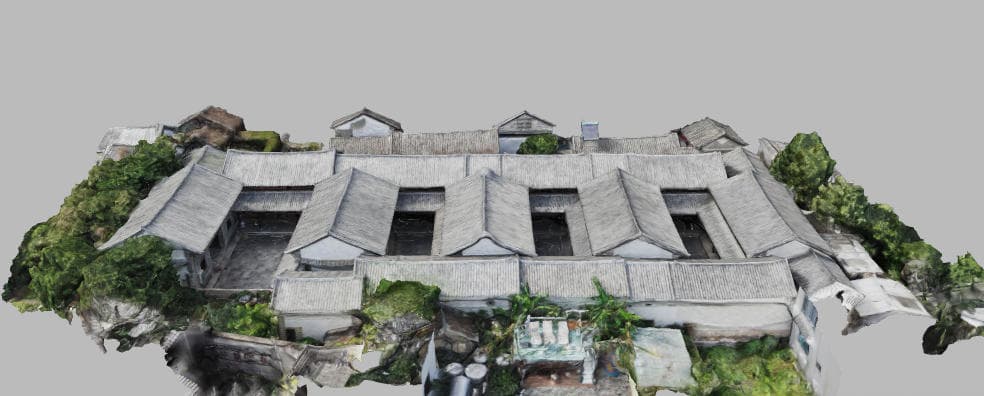
The main screen wall bears the carved motto Qingbai Chuanjia, demanding a legacy of clear and white integrity. This stone skin absorbed decades of radical change. Following 1949, heavy military boots echoed across the Four Courtyards and Five Skywells layout when the estate housed over a hundred soldiers. During the Cultural Revolution, the sharp scent of antiseptic filled these rooms as the compound became a military hospital. That medical designation shielded the exquisite woodcarvings and colorful murals from the era's widespread destruction. Later, the high-pitched laughter of children bounced off the painted eaves when the building served as a local kindergarten in the 1990s.
In 2004, American preservationists Brian and Jeanee Linden recognized the soul lingering in the dilapidated mansion. They invested $600,000 and collaborated with nearly a hundred local artisans for eighteen months. These modern workers matched the exact grain of the original stone slabs and repaired the traditional Liuhe Tongchun structure using ancestral techniques. Today, as the flagship Linden Centre, the first courtyard remains open to the public.