In the spring of 1639, the geographer Xu Xiake walked down Ximen Street in Jianchuan and stepped into a newly built shrine. Inside, he found a schoolteacher instructing young children and paused to admire a foot-tall camellia bush bearing a single flower as wide as a bowl. This quiet scene unfolded within a monument born of violence.
The Jianchuan Zhaozhong Shrine, built by imperial decree in 1629, honors Duan Gaoxuan, a local scholar who became the magistrate of Ba County in Sichuan. In 1621, during the She-An Rebellion, Duan refused to yield to rebels, threw his official seal aside, and died shouting defiance. His parents, wives, children, and a loyal servant—eight family members in total—perished with him. Local legend says the rebels took Duan’s head, prompting the emperor to cast a golden head for his burial, a story still guarded by the villagers of Jintou. Duan’s surviving son, Duan Xuan, petitioned the throne for justice and escorted the family's eight coffins back to these southern highlands.
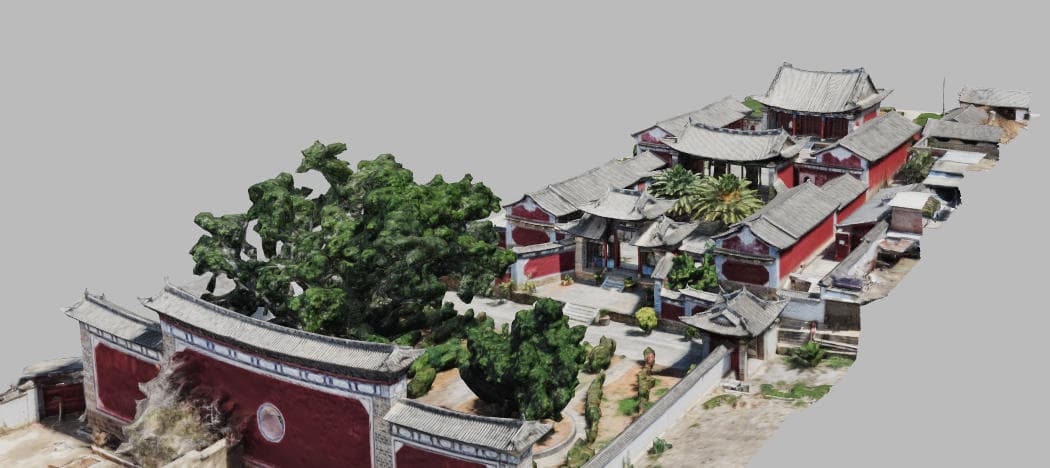
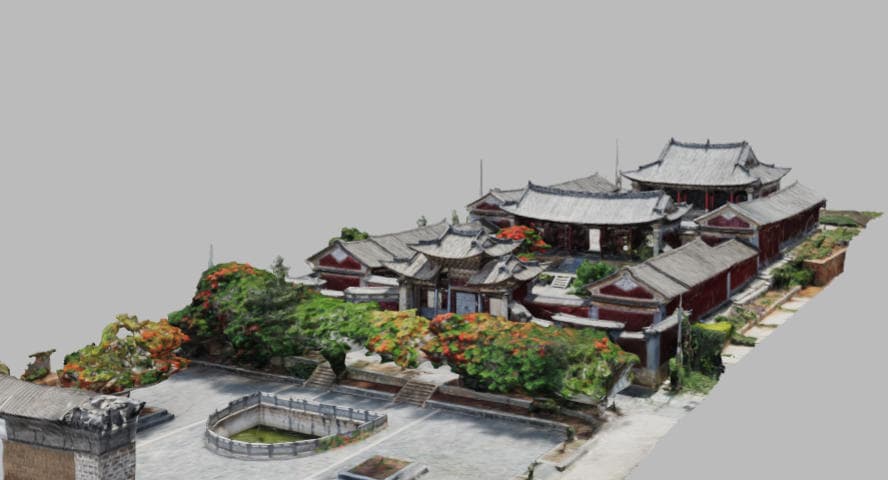
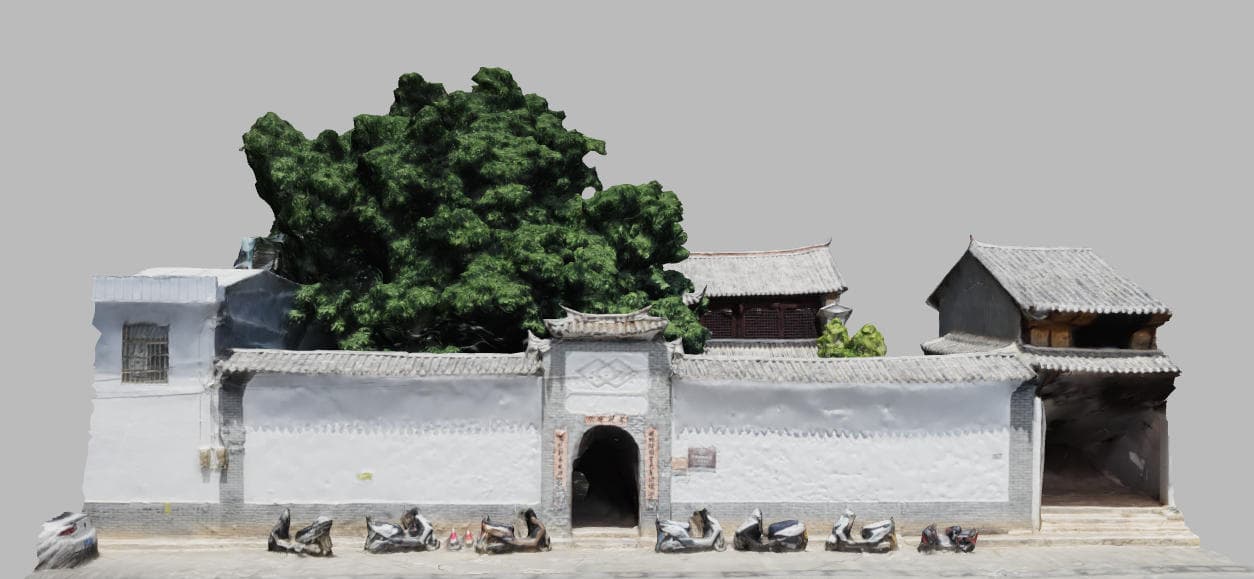
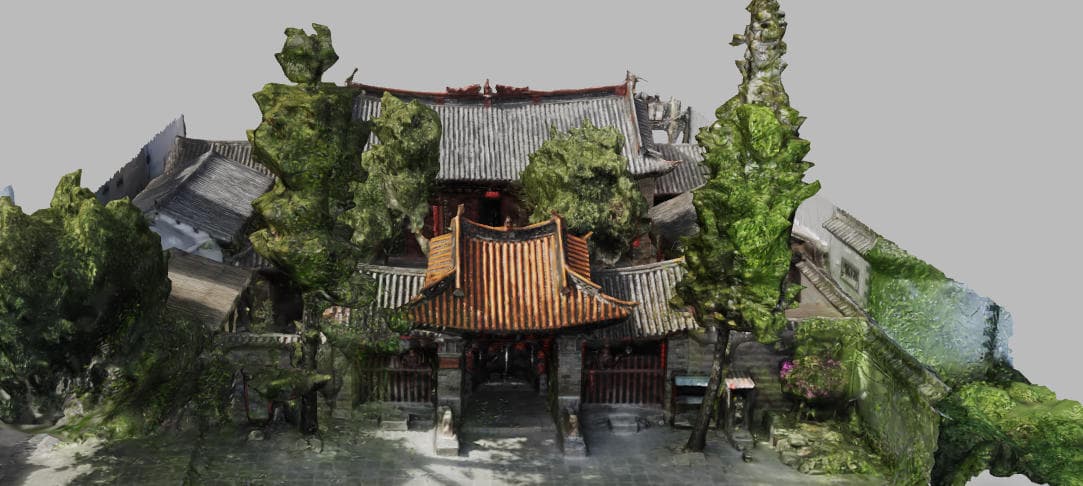
Today, the south-facing complex spans 1,086.2 square meters, measuring 17.41 meters wide and 62.39 meters long. Visitors enter through a reconstructed three-portal gateway supported by four parallel pillars, where wood carvings of auspicious qilin and lions project from the eaves. Beyond the gateway, the transition hall rests on green stone column bases shaped like overturned bowls. In the central courtyard, a crescent-shaped stone pond reflects the sky, crossed by a small stone arch bridge rebuilt from original fragments.
The main sacrificial hall features a grand gable-and-hip roof. Inside, the wood carvings display the clean, double-grooved lines of traditional Bai craftsmanship. A cracked stone tablet inscribed with the words "Noble Spirit Worthy of Song" stands as a physical record of the shrine's survival. Though the original statues vanished during the mid-twentieth century, the structure remains. It is now a public exhibition space run by the Jianchuan National Museum, where old photographs hang beneath the original Ming Dynasty timber beams, preserving both the memory of a family's sacrifice and the enduring skill of Bai builders.