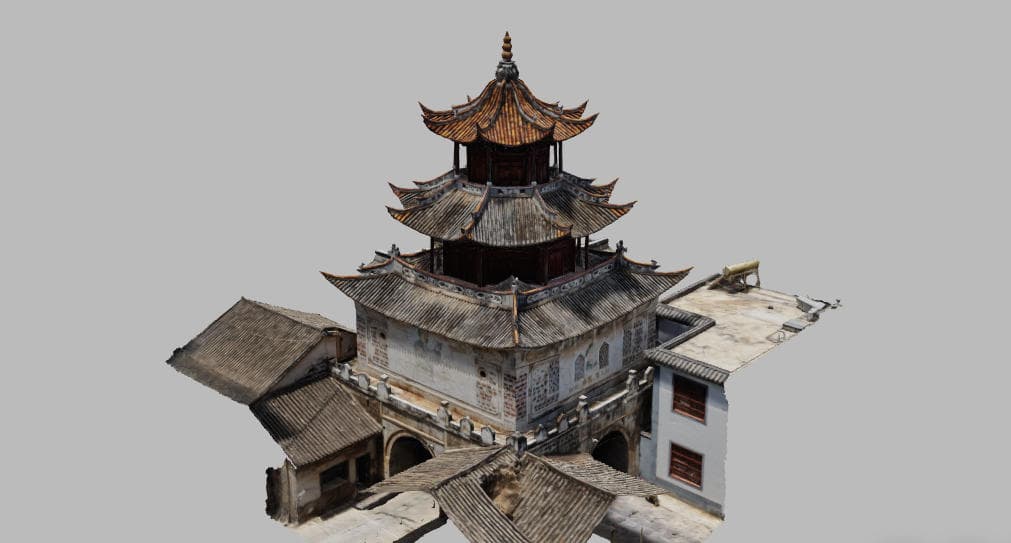
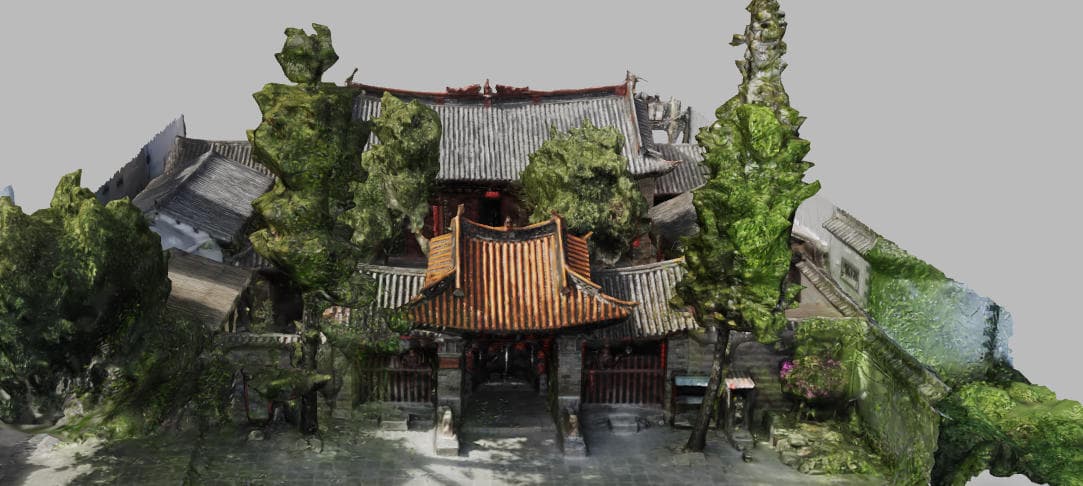
In 1931, master carpenter Yang Yongtai stood in Changle Village, adjusting his blueprints. He originally planned a six-sided second story for the new Kuixing Pavilion. He realized the sharp wooden eaves would point directly at neighboring homes, violating local Bai architectural taboos. He changed the design to a four-sided base, topped by an elegant, bell-shaped octagonal third floor. This compromise left sixteen sweeping corners reaching toward the Yunnan sky.
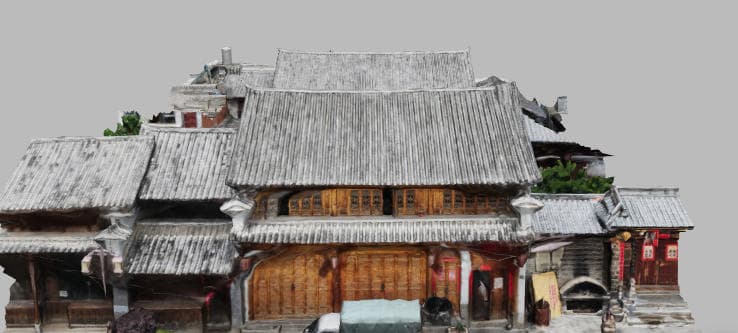
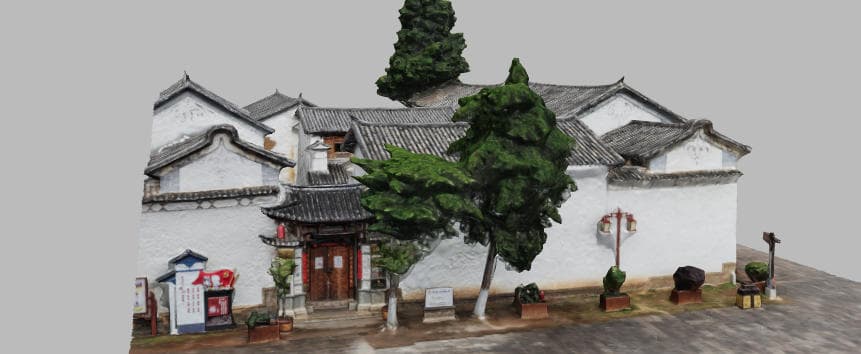
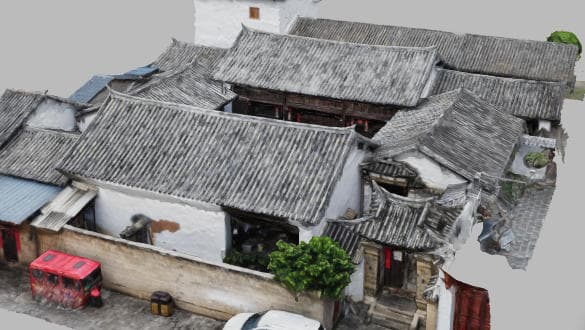
Today, this wooden landmark stands at the entrance of Changle Village in Shaxi Town, along the path of the ancient Tea Horse Road. It is a prefecture-level protected heritage site, situated beside the courtyard of the local primary school. For generations, the pavilion served as a temple to Kuixing, the Daoist deity of academic success. Inside, plaques bearing inscriptions like "Wenguang Shedou" remind visitors of the village's deep commitment to education.
The building is now a quiet teahouse. Visitors sit among century-old pillars, listening to the nearby stream and smelling roasted tea leaves. The interior features traditional joinery, where interlocking wooden beams hold the structure together without a single nail. On the walls, hand-written calligraphy scrolls preserve the poems of visiting scholars who watched the light change across the yellow plaster walls.
Every year on the seventh day of the seventh lunar month, the village gathers here for the Kuixing Hui festival. The teahouse host invites neighbors to share a meal, honoring the deity's birthday and raising support for the local school children. This annual gathering keeps the ancient educational tradition of the Shaxi Basin alive, connecting the master woodworkers of the past with the students of today.