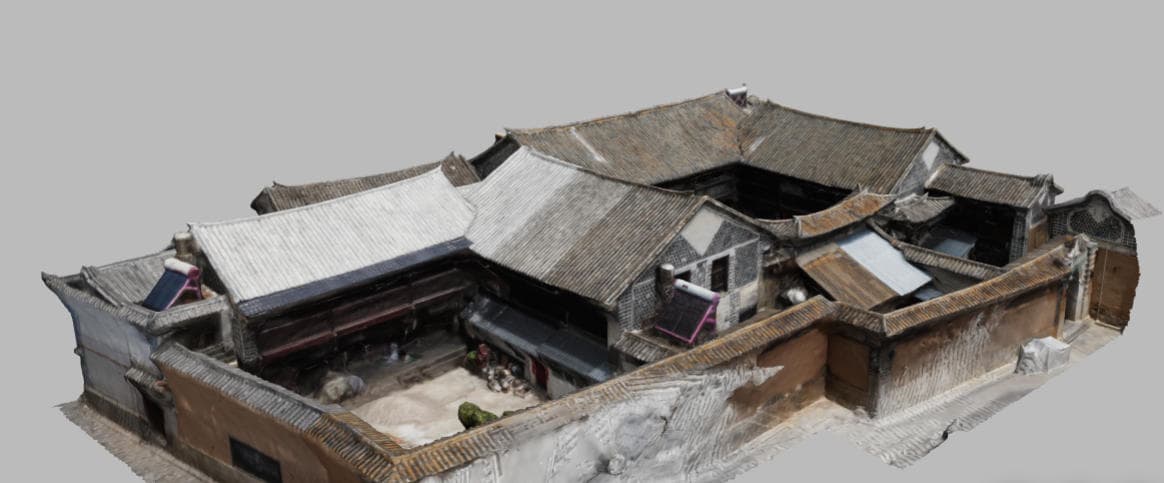
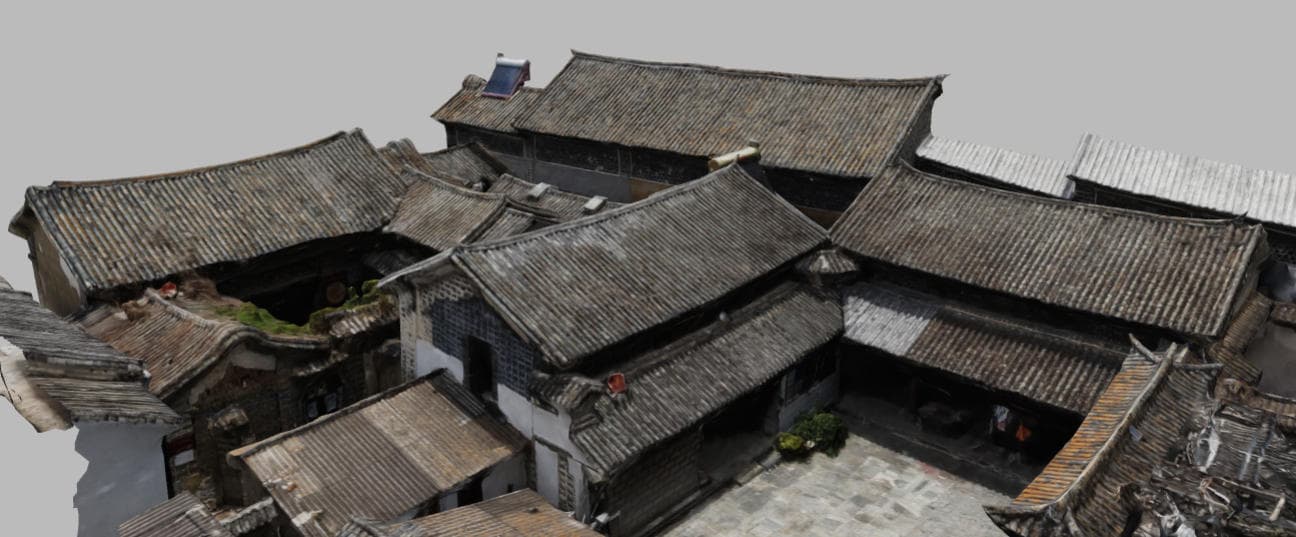
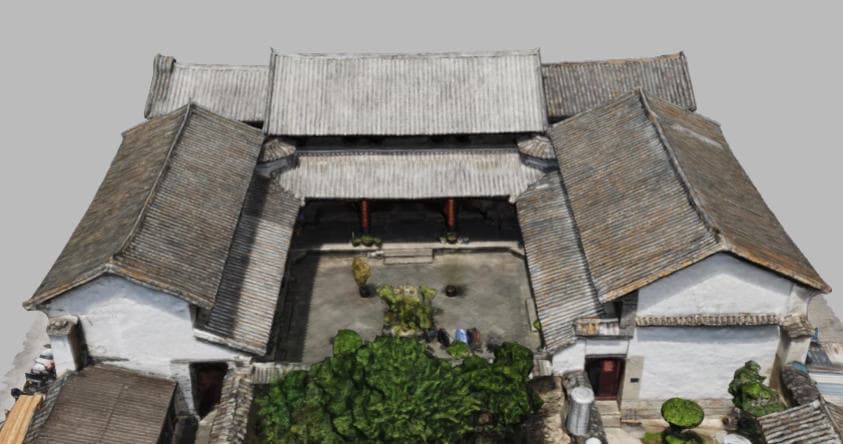
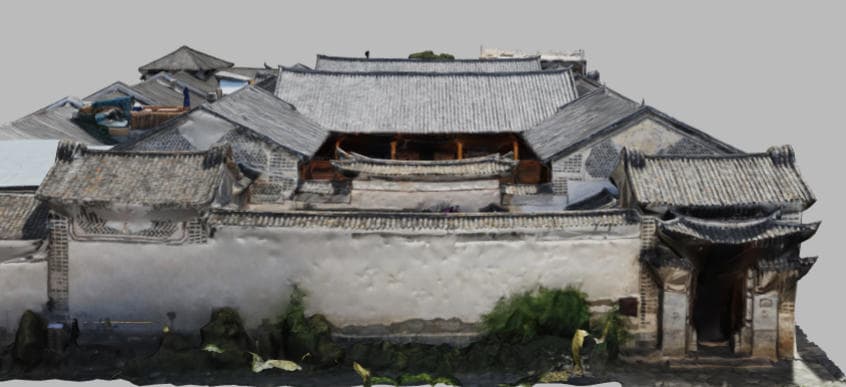
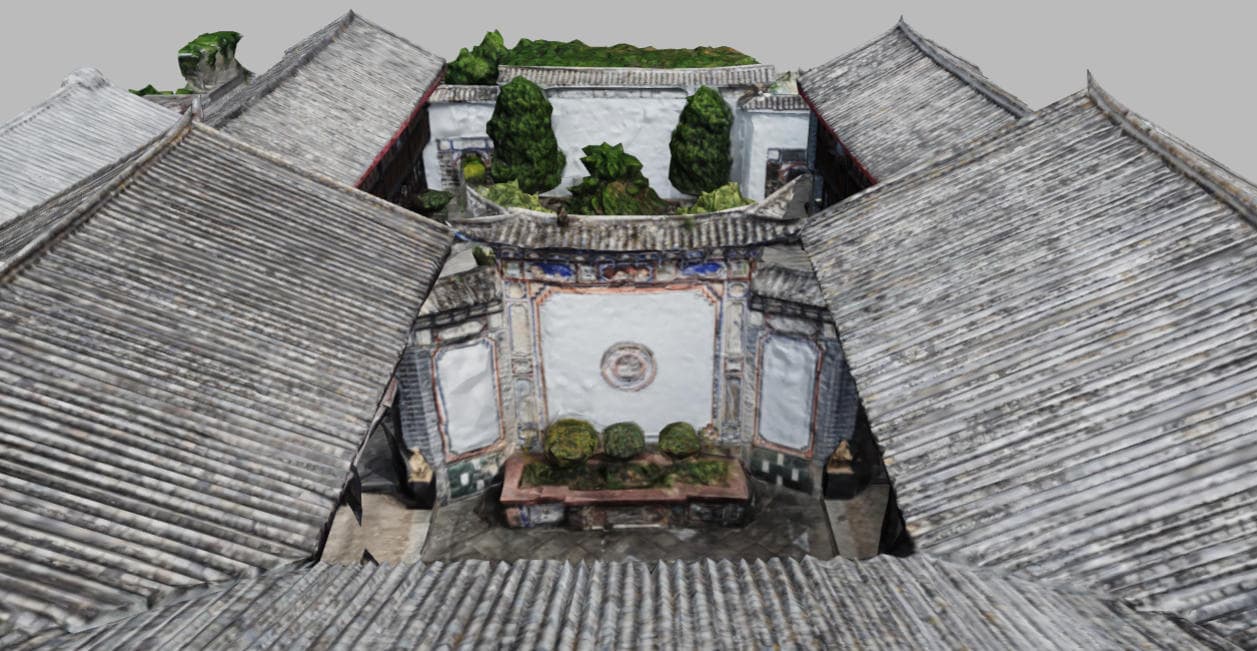
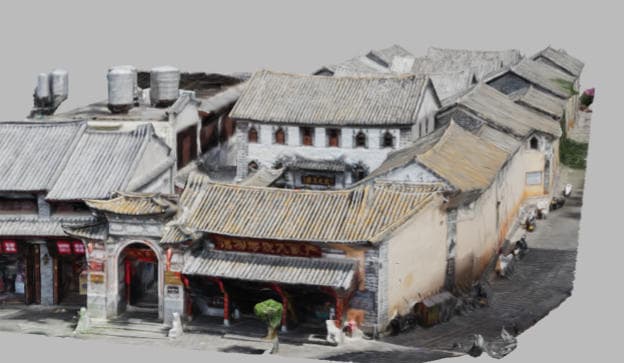
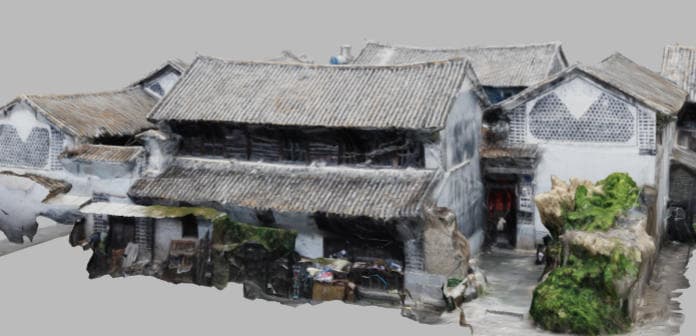
In Dali's Xizhou Ancient Town, near the central Sifang Street, the Yan Family Ancestral Hall stands as a monument. Built during the late Qing and early Republican eras, the structure aligns with local geomantic principles, leaning against the Cangshan mountains and facing Erhai Lake. Its sweeping, multi-tiered eaves catch the mountain rain, while heavy wooden bracket sets, known as dougong, cast deep shadows across the courtyard. Visitors walking through the entrance feel the cool touch of local marble flagstones underfoot and smell the faint scent of aged pine.
The hall belongs to the legacy of the Yan family, the foremost of Xizhou’s "Four Great Families." The family patriarch, Yan Zizhen, lived from 1871 to 1941. He rose from a childhood of carrying water for local markets to lead the Xizhou Merchant Group, dominating the regional tea trade. The hand-carved stone reliefs and decorative wood carvings throughout the hall reflect the wealth of his commercial empire.
In 1939, this sacred family space transformed. Fleeing the Japanese invasion, Huachung University evacuated Wuhan and relocated to Xizhou. Yan Zizhen lent his family properties, including this ancestral hall, to the displaced institution. From 1939 to 1946, the quiet halls of worship became a crowded sanctuary. Faculty members and their families set up wooden beds and writing desks beneath the ancestral tablets. The sound of children playing and scholars discussing philosophy filled the courtyards, mixing with the rustle of wind through the eaves.
Today, the ancestral hall is open to the public. The chisel marks of Bai artisans on the wooden pillars and the memories of the families.