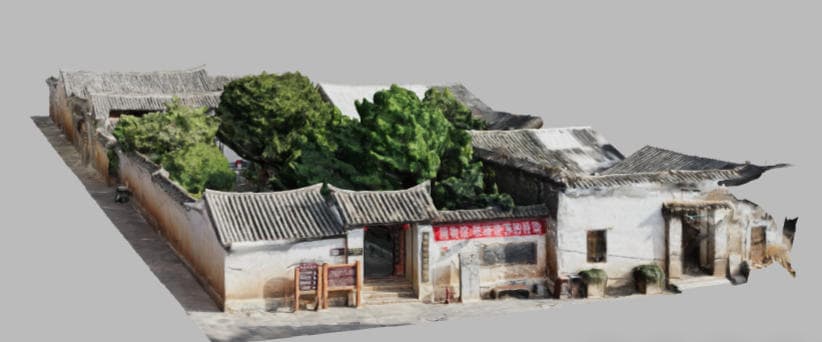
High on the northern slope of Liaokuo Mountain, Qujing Yuantong Chan Monastery stands as a monument born of war and silence. In December 1381, the Ming commanders Fu Youde and Duke Mu Ying secured Yunnan at the Battle of Baishijiang. To mark this victory, they renamed the peak Shengli Feng Mountain and raised two sanctuaries. While its sister sanctuary, Shengfeng Monastery, vanished into history, Yuantong Chan Monastery survived. Mu Ying named it to represent completeness and barrier-free progression, a spiritual counterweight to the violence of empire-building. Today, it is celebrated as the First Ancient Monastery at the Source of the Pearl River.
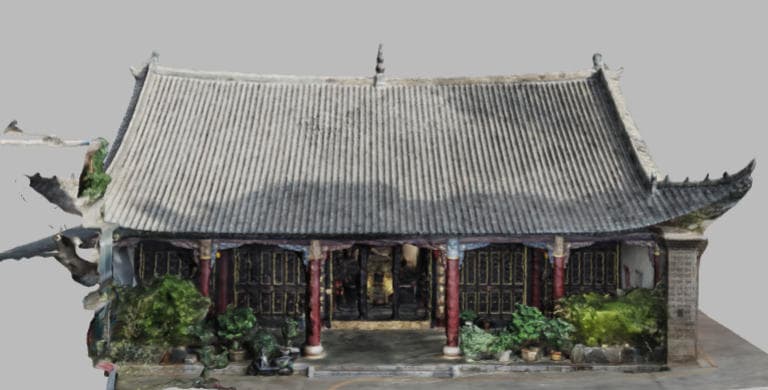
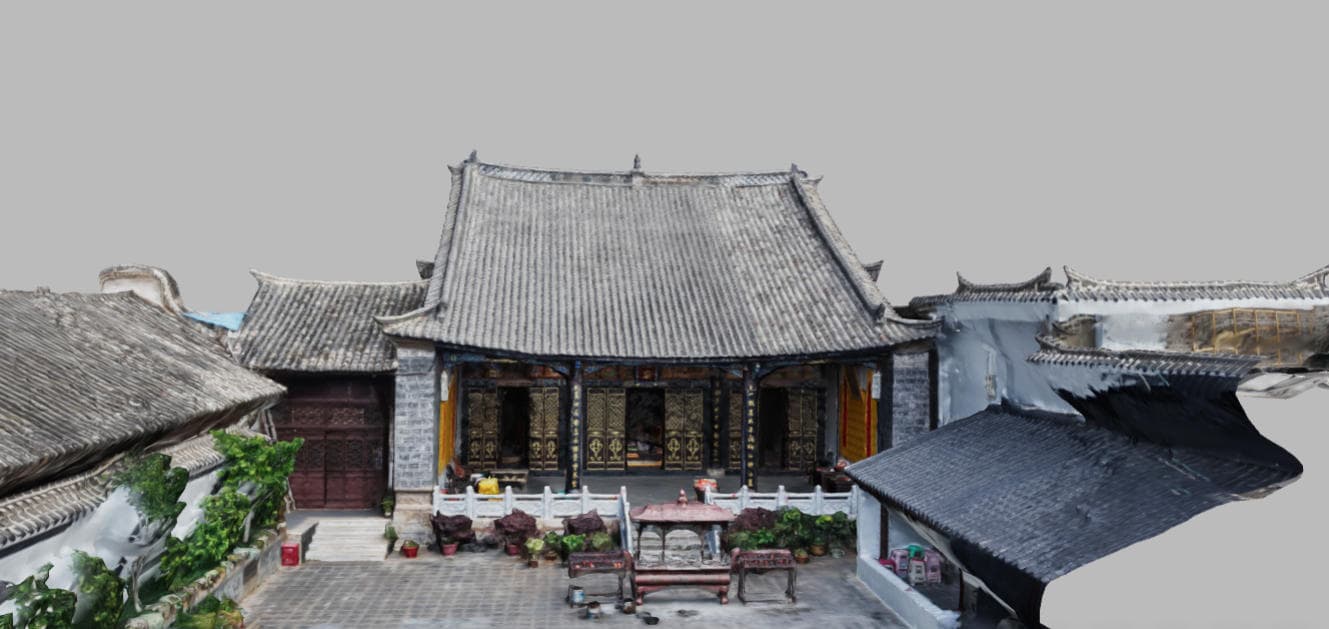
The physical structure tells a story of constant renewal. In 1641, a traveling monk named Ruke arrived to find the halls decaying. He gathered resources to rebuild them, though a subsequent fire soon swept the mountain. In 1661, builders raised the temple once more. Today, the complex follows an ascending axis of four halls and three courtyards. At the threshold, the Mountain Gate Hall features yellow glazed tiles that gleam under the high Yunnan sun. Wind chimes hang from the eaves, filling the mountain air with a thin, metallic music. Inside, the guardian deity Skanda holds his Vajra pestle pointed toward the earth. This specific posture signaled to wandering monks that they would find free food and lodging here.
Further inside, the Main Hall features a double-eave gable-and-hip roof encircled by a quiet corridor. Behind the main altars, the monastery preserves fifty-three ancient stone steles. Visitors can run their fingers over these cold, chiseled surfaces, feeling the brushstrokes of long-dead calligraphers. In the kitchen courtyard, a deep well still yields sweet, cool water, offering the same refreshment that sustained Ming dynasty builders and Qing dynasty pilgrims. This sanctuary remains an active place of worship, where the scent of incense and the murmur of afternoon prayers connect modern visitors directly to the soldiers, monks, and stonemasons who carved peace out of a mountain battlefield.